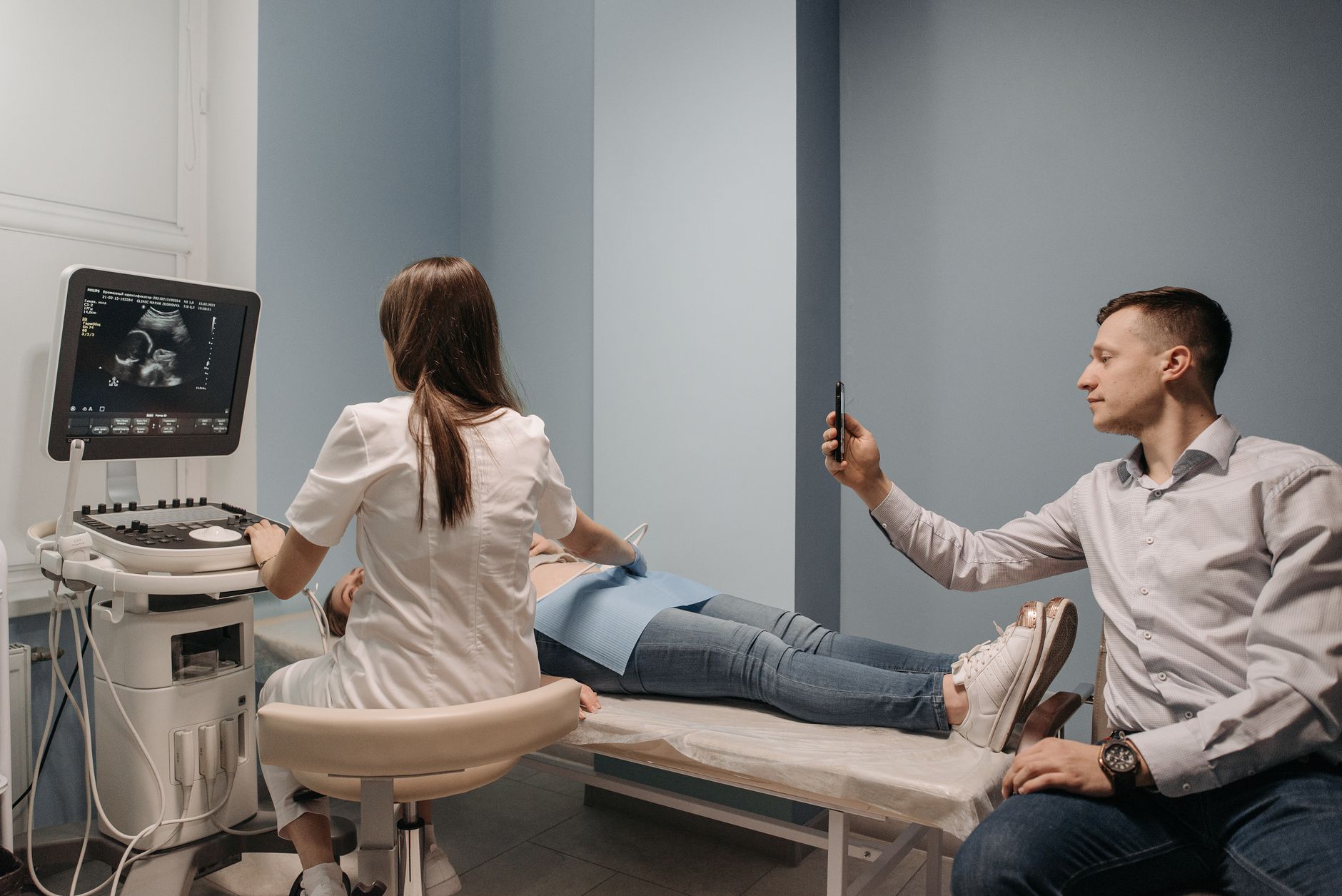
Finding a prenatal care provider in a rural area can feel like searching for a needle in a haystack—especially if you’re used to the convenience of urban healthcare systems. But it’s not impossible. Start by mapping your nearest options, whether they’re hospitals, clinics, or private practices. Use online directories like Healthcare.gov or Healthfinder.gov to locate providers in your area, then filter by specialty (OB/GYN, midwife, or family practitioner).
If you’re struggling to find providers, consider reaching out to your local health department or WIC (Women, Infants, and Children) office—they often have up-to-date lists of community resources, including mobile clinics that may visit your area periodically. For example, some states offer telehealth prenatal care, where you can consult with a provider virtually, saving you time and gas.
One reader in Montana shared, “I didn’t realize how many options were out there until I called my county health department. They put me in touch with a midwife who comes to our small town once a month for check-ups. It’s not perfect, but it’s better than nothing.”
If you’re dealing with postpartum depression when living far from hospitals, prioritize finding a provider who offers telehealth appointments. Many rural areas lack in-person mental health services, so virtual care can be a lifeline. The HRSA Rural Health Network also lists telehealth providers by state.
---
Support groups for rural mothers during pregnancy
Pregnancy can feel isolating, especially when you’re the only person in your community who’s expecting. But you don’t have to go through it alone. Support groups—whether in-person or online—can provide emotional relief, practical advice, and a sense of belonging. Here’s how to find them:
- Online communities: Platforms like Reddit’s r/pregnancy, Facebook groups for rural moms, or Scary Mommy’s forums connect women across the country. These spaces are great for asking questions, sharing experiences, and venting frustrations—without the pressure of face-to-face interaction.
- Local groups: Check with your hospital, WIC office, or local churches. Many rural communities host monthly meetups for expectant parents. For example, a group in rural Alabama meets at the library every third Thursday to discuss everything from breastfeeding to labor prep.
- Specialized groups: If you’re dealing with high-risk pregnancy, postpartum depression, or other challenges, organizations like Postpartum Support International offer peer support networks. They also provide crisis hotlines for when you need immediate help.
One mom in Idaho wrote, “I didn’t know anyone else who’d had a C-section until I joined an online group for rural moms. Hearing others talk about their recoveries—what worked, what didn’t—made me feel less alone.”
If you’re navigating anhedonia in motherhood, these groups can also be a safe space to talk about the emotional toll of pregnancy and postpartum without judgment.
---
Transportation options for rural prenatal appointments
Long drives to prenatal appointments can be exhausting—especially when you’re already dealing with pregnancy fatigue, nausea, or discomfort. Here’s how to make it easier:
- Ride-sharing and taxis: Services like Uber or Lyft can be lifesavers for one-way trips. Some rural areas also have local taxi services or shuttle programs for pregnant women. Check with your provider’s office—they may have partnerships with transportation services.
- Nonprofit and government programs: Many states offer free or low-cost transportation for prenatal care through Medicaid or WIC. For example, the Medicaid program in some states provides vouchers for rides to doctor’s appointments. Contact your local health department to see what’s available in your area.
- Carpooling: If you know other pregnant women in your community, consider forming a carpool. Websites like Craigslist or local Facebook groups often have threads where people organize shared rides.
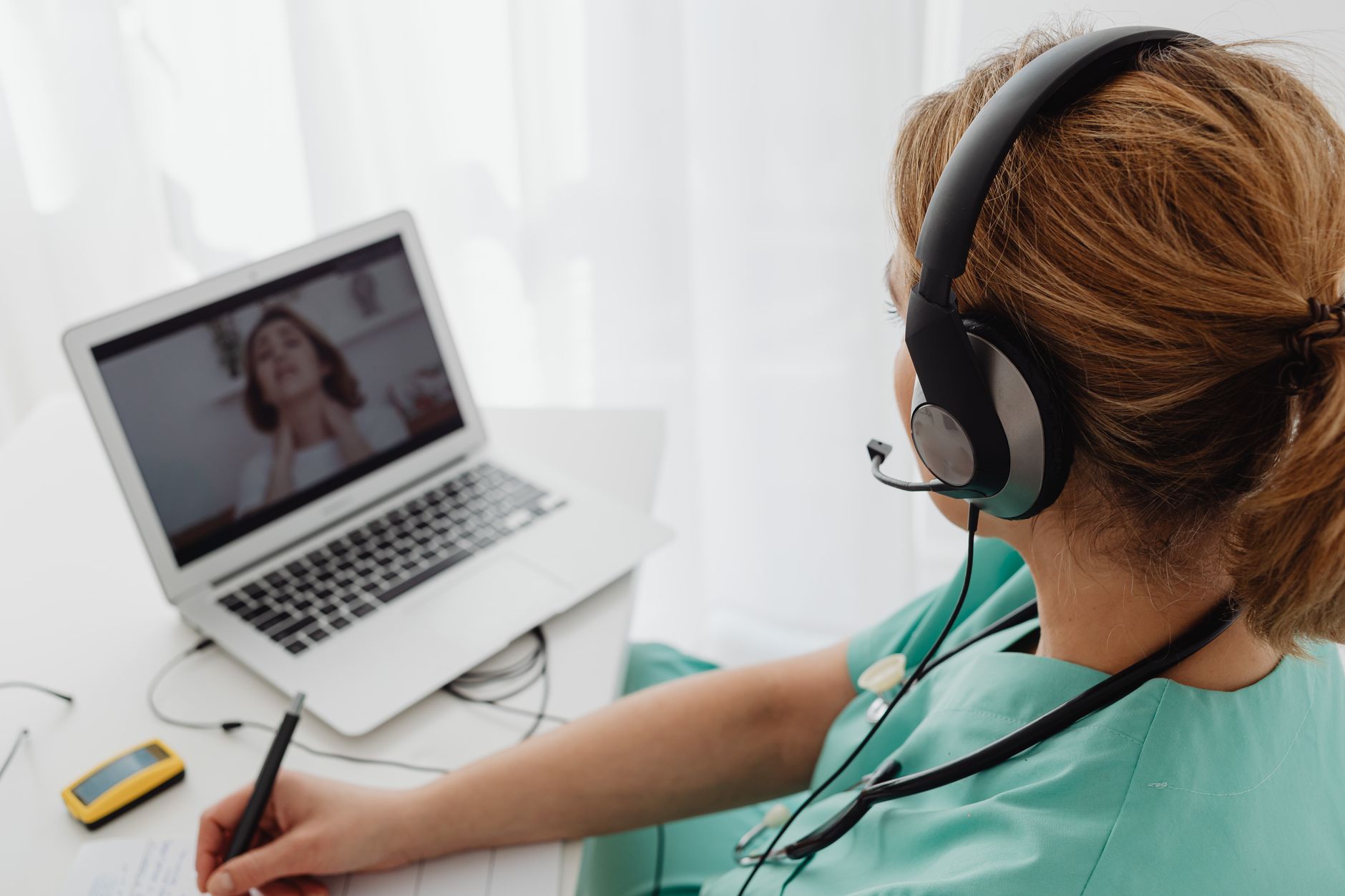
- Telehealth: If driving is too difficult, ask your provider about virtual appointments. Many rural clinics now offer telehealth for routine check-ups, ultrasounds, and even some counseling sessions. This can save you time, gas, and stress.
One reader in Wisconsin shared, “I used to drive 90 minutes each way for my appointments. Then I discovered my clinic offered telehealth for most of my visits. It’s been a game-changer.”
---
Nutritional resources for pregnant women in remote communities
Eating well during pregnancy is crucial, but when your nearest grocery store is 20 minutes away—or your budget is tight—it can be hard to access fresh, nutritious foods. The good news? There are resources to help you get the vitamins and minerals you need, even in remote areas.
Here’s how to navigate nutrition in rural pregnancy:
- WIC (Women, Infants, and Children) Program: If you qualify, WIC provides free formula, baby food, and nutritional supplements like prenatal vitamins. It also offers vouchers for fresh fruits, vegetables, whole grains, and dairy. Check eligibility here.
- Food banks and pantries: Many rural areas have food banks that offer free or low-cost produce, canned goods, and pantry staples. Some even have special sections for pregnant women. For example, the Feeding America network has locations across the country.
- Community gardens and farmers' markets: Some rural communities have shared gardens where you can grow your own food. Others host farmers' markets with sliding-scale prices. Look for USDA-supported markets near you.
- Free prenatal vitamins: If cost is a barrier, ask your provider about free samples or assistance programs. Organizations like Nutrition.gov list resources for low-income families.
One mom in rural Oregon said, “I didn’t know about WIC until my midwife mentioned it. Now I get free milk, eggs, and fresh fruit delivered to my door every month. It’s made such a difference.”
If you’re navigating Asian American motherhood pressure, you might also find cultural food resources helpful. Some WIC offices and community organizations offer culturally specific nutrition education to support diverse dietary needs.
---
Dealing with postpartum depression when living far from hospitals
Postpartum depression (PPD) is more than just the “baby blues”—it’s a serious mental health condition that can make even simple tasks feel overwhelming. When you’re far from hospitals and specialists, finding help can feel impossible. But there are ways to get the care you need, even in rural areas.
First, recognize the signs. PPD symptoms include persistent sadness, exhaustion, anxiety, or feelings of hopelessness. If you’re experiencing these, don’t wait—reach out for support. Here’s how:
- Telehealth therapy: Platforms like BetterHelp or Talkspace offer affordable, private therapy sessions via video or text. Some insurances cover these services, so check with your provider.
- Peer support groups: Organizations like Postpartum Support International have local and online groups where you can connect with others who’ve been there. Hearing their stories can make you feel less alone.
- Local mental health resources: Call your county health department or hospital to ask about postpartum support services. Some rural areas have mobile mental health teams that visit clinics or homes.
- Emergency resources: If you’re having thoughts of harming yourself or your baby, call the 988 Suicide & Crisis Lifeline immediately. They offer confidential support 24/7.
One mom in rural Texas shared, “I didn’t think I could get help until I found an online support group. Talking to other moms who understood what I was going through made all the difference. I also started therapy through my insurance, and it’s been a lifesaver.”
If you’re struggling with anhedonia in motherhood, remember that it’s treatable. You don’t have to suffer in silence.
---
Insurance coverage for rural maternity care
Insurance can be confusing, especially when you’re trying to navigate rural maternity care. But understanding your coverage can save you money and stress. Here’s what you need to know:
Most health insurance plans—including Medicaid, private insurance, and employer plans—cover prenatal care, delivery, and postpartum services. However, costs can vary based on your provider type (OB/GYN vs. midwife), where you give birth (hospital vs. birth center), and whether you have a high-risk pregnancy. Below is a comparison of typical costs for common services in rural vs. urban areas.
If you’re on Medicaid, check if your state has expanded coverage. Some rural areas offer Medicaid waivers for additional services, like doula support or home visits. For private insurance, review your plan’s maternity coverage details—some have higher out-of-pocket costs for rural providers.
One reader in rural Colorado said, “I was shocked by how much my insurance covered for prenatal care. I thought I’d have to pay out of pocket, but my plan covered 90% of everything. I just had to pay a small copay for each visit.”
---
Best telehealth services for rural pregnancy
Telehealth has revolutionized rural healthcare, making it easier than ever to access prenatal and postpartum care without long drives. Here are some of the best options for expectant and new mothers:
- Amwell: Offers video consultations with OB/GYNs, midwives, and therapists. Many insurances cover this service.
- Teladoc: Provides 24/7 access to healthcare providers, including prenatal care and mental health support.
- Planned Parenthood Virtual Care: Offers affordable telehealth visits for pregnancy-related concerns.
- Postpartum Support International (PSI) Hotline: While not a full telehealth service, PSI offers confidential support via phone or text for postpartum mental health crises.
- Local rural health clinics: Many rural clinics now offer telehealth for routine check-ups. Ask your provider if they participate in virtual visits.
One mom in rural New Mexico shared, “I used Teladoc for my first prenatal visit because I couldn’t get an appointment locally. The provider reviewed my records, answered my questions, and even prescribed my prenatal vitamins. It was a huge relief.”
If you’re navigating Black mothers in America challenges, some telehealth platforms now offer culturally competent care, including providers who understand the unique experiences of Black women.
---
How to get free prenatal vitamins in rural areas
Prenatal vitamins are essential for a healthy pregnancy, but cost can be a barrier—especially in rural areas where pharmacies may have limited options. Here’s how to get them for free or at a discount:
- WIC Program: If you qualify, WIC provides free prenatal vitamins. You’ll need to apply, but the process is simple. Check eligibility here.
- Local health departments: Some rural health departments offer free or low-cost prenatal vitamins. Call your local clinic to ask.
- Pharmacy assistance programs: Brands like Generations or Prenatal Multivitamin offer free samples or coupons. Sign up online or ask your provider for a prescription.
- Food banks and pantries: Some rural food banks include prenatal vitamins in their distributions. Call ahead to confirm.
- Online discounts: Websites like GoodRx list coupons for prenatal vitamins. You can often find them for as little as $5–$10.
One reader in rural Arkansas said, “I didn’t know I could get free vitamins through WIC until my midwife mentioned it. Now I have a year’s supply delivered to my door every month.”
---
Rural maternity care cost comparison
Costs for maternity care can vary widely between rural and urban areas. While rural hospitals may have lower fees, they often lack specialized services, which can lead to higher out-of-pocket costs for complications. Below is a breakdown of typical costs for common services in both settings.
If you’re worried about costs, ask your provider about:
- Sliding-scale payment plans.
- Charity care programs (some hospitals offer discounts for low-income patients).
- Payment assistance through your insurance.
One mom in rural Oklahoma said, “I was scared about the cost of my delivery, but my hospital had a payment plan. I paid a little each month, and it was manageable.”
---
Finding midwives in rural communities
Midwives can be a great option for rural mothers—many offer home births, lower-cost care, and a more personalized approach. But finding one in a remote area can be tricky. Here’s how to locate them:
- American College of Nurse-Midwives (ACNM) Directory: The ACNM has a search tool to find certified nurse-midwives (CNMs) and certified midwives (CMs) near you.
- Local birth centers: Some rural areas have birth centers that employ midwives. These facilities often provide a more home-like environment for labor and delivery.
- Community referrals: Ask your OB/GYN, WIC office, or local health department for recommendations. Many rural midwives rely on word-of-mouth referrals.
- Online directories: Websites like Midwifery Today or International Center for Traditional Childbearing list midwives by region.
One mom in rural Maine shared, “I found my midwife through a Facebook group for rural moms. She came to my house for all my prenatal visits and delivered my baby at home. It was the best experience.”
If you’re navigating Asian American motherhood pressure, some midwives specialize in culturally sensitive care, including traditional practices that align with your beliefs.
---
Childbirth education classes near rural hospitals
Preparing for childbirth is just as important as preparing for the pregnancy itself. But when you’re far from urban hospitals, finding childbirth education classes can be challenging. Fortunately, there are ways to access these resources—even in remote areas.
- Online classes: Platforms like Lamaze, Hypnobirthing, or Birth Arts offer virtual courses you can take from home. These are often more affordable than in-person classes.
- Local hospitals and clinics: Some rural hospitals offer childbirth education sessions, either in-person or via telehealth. Call your nearest maternity unit to ask about availability.
- Community colleges and libraries: Occasionally, local schools or libraries host childbirth classes. Check their event calendars or ask for recommendations.
- Peer-led workshops: Some rural communities have moms who offer informal childbirth prep groups. Facebook groups or local parenting forums are great places to ask.
One mom in rural Idaho said, “I took a Hypnobirthing class online. It was so helpful for managing pain and staying calm during labor. I wish I’d known about it sooner!”
---
Insurance plans for rural mothers
Choosing the right insurance plan can feel overwhelming, especially when you’re trying to balance affordability with coverage for rural maternity care. Here’s what to look for:
- Medicaid: If you’re low-income, Medicaid covers prenatal and postpartum care in all 50 states. Some states have expanded Medicaid to include more women. Check eligibility here.
-
- If you’re not eligible for Medicaid but still need coverage, CHIP provides low-cost insurance for pregnant women and children.
- Employer plans: If you or your partner have employer-sponsored insurance, check the maternity coverage details. Some plans have higher copays for rural providers, so ask about in-network options.
- Marketplace plans: If you buy insurance through the Healthcare Marketplace, compare plans based on maternity coverage, deductibles, and out-of-pocket costs. Subsidies may lower your premiums.
- Short-term health plans: These are temporary and often don’t cover maternity care. Avoid them unless you’re certain you won’t need prenatal or postpartum services.
One mom in rural Wyoming said, “I switched to a Medicaid plan when I realized my old insurance wouldn’t cover my rural provider. It was a relief to know everything would be covered.”
---
Myth vs. Fact: Rural Maternity Care
There are a lot of misconceptions about rural maternity care. Let’s set the record straight:
Myth: “Rural hospitals don’t have the same services as urban hospitals.”
Fact: Many rural hospitals provide basic maternity care, including deliveries and postpartum support. However, they may lack specialized services like high-risk pregnancy units or NICUs. Always ask your provider about the level of care available in your area.
Myth: “Telehealth isn’t as good as in-person care.”
Fact: Telehealth can be just as effective for routine prenatal visits, mental health support, and even some postpartum check-ups. Many rural mothers rely on it to avoid long drives.
Myth: “You can’t find good providers in rural areas.”
Fact: While options may be limited, there are often qualified OB/GYNs, midwives, and doulas in rural communities. Use directories like ACNM or HRSA to locate them.
Myth: “Insurance won’t cover rural maternity care.”
Fact: Most insurance plans—including Medicaid and private insurances—cover prenatal and postpartum care, regardless of where you live. Always check your policy details.
---
Key Takeaways
- Rural prenatal care exists—start by mapping your nearest providers, clinics, or telehealth options.
- Support groups (online or local) can reduce isolation and provide practical advice.
- Transportation assistance programs, ride-sharing, and carpooling can make appointments easier.
- WIC, food banks, and telehealth can help you access nutritional resources and prenatal vitamins.
- Postpartum depression is treatable—reach out to telehealth therapists or support groups if you’re struggling.
- Insurance often covers rural maternity care, but costs can vary—ask about sliding-scale payments or charity care.
- Midwives and doulas are often more affordable than OB/GYNs and can provide personalized care.
- Online childbirth education classes are a great alternative to in-person workshops.
---
Frequently Asked Questions
What are the biggest challenges for pregnant women in rural areas?
The biggest challenges often include limited access to prenatal care providers, long travel times for appointments, fewer mental health resources, and higher out-of-pocket costs for specialized services. Many rural women also face food insecurity, which can impact their ability to eat a nutritious diet during pregnancy. However, with the right resources—like telehealth, WIC, and support groups—these challenges can be managed effectively.
How can rural mothers access prenatal care?
Rural mothers can access prenatal care through a combination of in-person visits, telehealth, and community resources. Start by locating providers using directories like Healthcare.gov or the ACNM. If in-person visits are difficult, ask your provider about virtual appointments. Additionally, WIC and local health departments often provide referrals to clinics or mobile units that visit rural areas.
What resources are available for postpartum support in rural communities?
Postpartum support in rural areas can include telehealth therapy, peer support groups (online or local), and mobile mental health services. Organizations like Postpartum Support International offer confidential hotlines and online communities. Some rural hospitals also have postpartum recovery programs or doula services that provide in-home support.
Do rural hospitals offer the same maternity services as urban hospitals?
Rural hospitals typically offer basic maternity services, including prenatal care, deliveries, and postpartum check-ups. However, they may lack specialized services like high-risk pregnancy units, NICUs, or advanced pain management options. Always ask your provider about the specific services available in your area and plan accordingly.
How can I find a midwife near me if I live in a rural area?
To find a midwife in a rural area, use the American College of Nurse-Midwives directory, ask your local health department for referrals, or check online communities like Facebook groups. Many rural midwives rely on word-of-mouth referrals, so connecting with other moms in your area can also help.
What insurance options cover maternity care in rural areas?
Most insurance options—including Medicaid, CHIP, employer plans, and marketplace plans—cover maternity care in rural areas. Medicaid is particularly important for low-income women, as it provides comprehensive coverage for prenatal and postpartum services. Always review your policy details to understand copays, deductibles, and in-network provider options.
---
When to see a doctor or specialist
While rural motherhood comes with unique challenges, there are specific signs that mean you should seek immediate medical attention:
- Severe pain or cramping: If you experience persistent, intense abdominal pain—especially after 20 weeks—contact your provider right away. This could indicate preterm labor or other complications.
- Vaginal bleeding: Any bleeding beyond normal spotting (especially after the first trimester) warrants a call to your provider. This could signal placental issues or other risks.
- Fever or chills: A temperature above 100.4°F (38°C) could indicate an infection, which needs prompt treatment.
- Decreased fetal movement: If you notice a significant drop in your baby’s movement, contact your provider immediately. This could be a sign of distress.
- Severe headaches or vision changes: These symptoms could indicate preeclampsia, a serious condition that requires urgent medical care.
- Mood changes or suicidal thoughts: If you’re experiencing persistent sadness, anxiety, or thoughts of harming yourself or your baby, reach out to a mental health professional or call the 988 Suicide & Crisis Lifeline immediately.
If you’re unable to reach your provider, go to the nearest emergency room or call 911. Remember, your health—and your baby’s—comes first.
For routine care, schedule regular prenatal visits and follow up on any concerns promptly. If you’re unsure whether a symptom is serious, trust your instincts and reach out to your provider.
---
References
- American College of Nurse-Midwives. (2023). Find a Midwife.
- Health Resources and Services Administration. (2023). Rural Health Resources.
- Postpartum Support International. (2023). Support Resources.
- U.S. Department of Agriculture. (2023). WIC Eligibility.
- Medicaid. (2023). Maternity Coverage Guidelines.
- American Psychological Association. (2023). Postpartum Depression Resources.
- Centers for Disease Control and Prevention. (2023). Tele



