Readmission after rebound jaundice occurs in about 10‑15% of newborns; most are readmitted within the first week for monitoring and treatment. Learn the signs, risks, and how to prevent a return visit.
By Shubhra Mishra — a mom of two who turned her own confusion during pregnancy into BumpBites, a global mission to make food choices clear, safe, and stress-free for every expecting mother. 💛
Check whether any food is safe during pregnancy with the BumpBites Food Safety Checker.
Quick take: Most babies who develop rebound jaundice after an uncomplicated discharge are readmitted within the first week, and the overall readmission rate is about 1‑2 % of all newborns. The risk rises to roughly 5‑7 % in babies who needed phototherapy before going home. Prompt monitoring, adequate feeding, and early contact with your pediatrician keep the odds of a hospital stay low.
It’s 2 a.m., you’ve just finished a diaper change, and your newborn’s skin looks a little yellower than yesterday. You scroll through articles, wondering if this “rebound jaundice” could send you back to the hospital. You’re not alone—many parents worry about a second bout of jaundice after the newborn unit says “go home.” The short answer is that readmission does happen, but it’s relatively uncommon and often preventable with a few simple steps.
🔢 Calculate it for your situation: Use our Phototherapy Rebound Risk for a personalized result in seconds.
In this guide we’ll explain what rebound jaundice is, how likely it is that you’ll need to return to the hospital, and what you can do to lower that chance. We’ll walk through the typical timeline, the warning signs that merit a call, and the treatments you can expect if readmission becomes necessary. By the end, you’ll have a clear picture of the numbers, the risk factors, and the practical actions that keep you and your baby safe.
What is rebound jaundice and why does it happen?
Jaundice in newborns—characterized by a yellow tint to the skin and eyes—is caused by elevated bilirubin, a yellow pigment produced when red blood cells break down. Most babies experience some degree of jaundice in the first few days of life, a normal process called physiologic hyperbilirubinemia. Rebound jaundice refers to a rise in bilirubin levels after a baby has been discharged from the hospital, often after an initial period of normal levels or after completing phototherapy.
The “rebound” can occur for several reasons:
Breast‑milk jaundice: Substances in breast milk can temporarily interfere with bilirubin clearance, especially if the baby’s intake is low.
Inadequate feeding: Poor milk intake leads to dehydration and slower elimination of bilirubin via the stool.
Underlying hemolysis: Conditions like blood‑type incompatibility can cause ongoing red‑cell breakdown.
Prematurity or low birth weight: Immature liver enzymes clear bilirubin less efficiently.
Rebound jaundice is distinct from the initial newborn hyperbilirubinemia that clinicians monitor in the first 24–48 hours. While the early rise usually peaks and then declines, rebound jaundice is a secondary rise that can happen days later, often between days 3 and 7 after discharge.
From a lab perspective, doctors look for a total serum bilirubin (TSB) that climbs above the age‑specific treatment line on the AAP’s bilirubin nomogram. The same line guides decisions about when to start phototherapy. If a baby’s TSB re‑crosses that line after discharge, the infant is considered for readmission. The underlying physiology—excess bilirubin, limited hepatic conjugation, and reduced stool output—remains the same, but the timing and triggers differ.
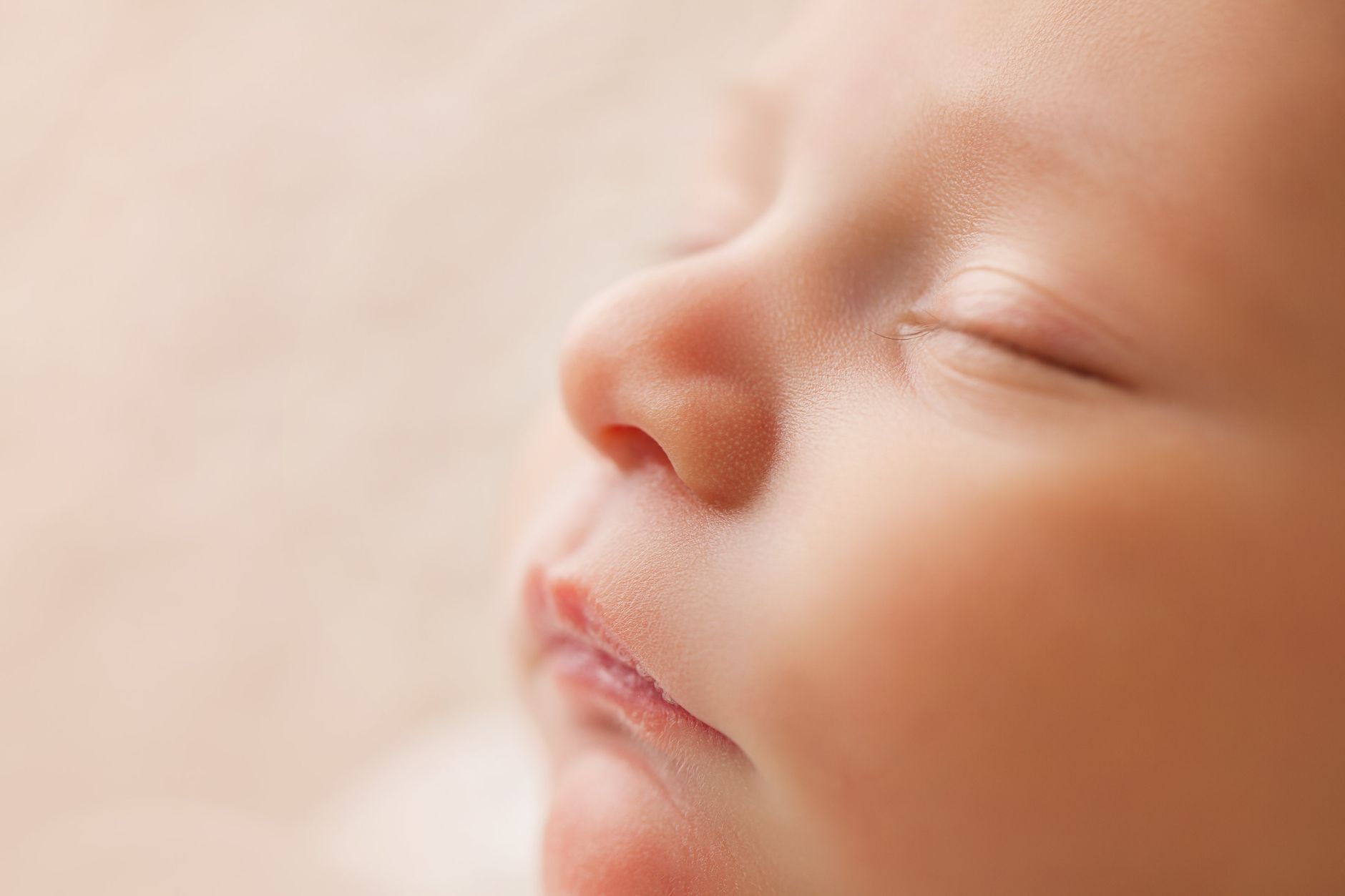
A subtle yellow tint on a newborn’s cheek can be an early sign of rebound jaundice.
Recent research from the University of Toronto (2022) suggests that the majority of rebound cases resolve without intensive intervention when feeding is optimized within the first 48 hours after discharge. This reinforces the importance of early lactation support as a preventive measure, a point echoed by both ACOG and the NHS.
How common is readmission for rebound jaundice?
Large
‑scale studies from the United States, United Kingdom, and Canada provide a consistent picture. Overall, readmission for rebound jaundice occurs in about 1–2 % of all newborns who are discharged home after a routine birth. The rate climbs for babies who required phototherapy before discharge, ranging from 5–7 %** to 10 %** in some high‑risk cohorts.
One multi‑center analysis of over 150,000 births in the U.S. (published in JAMA Pediatrics) found a 1.8 % readmission rate for jaundice overall. In the subset of infants who received phototherapy before leaving the hospital, the rate was 6.2 %.
British data from the National Health Service (NHS) echo these numbers: a 2019 audit of 45,000 newborns reported a 1.5 % readmission rate, with a 5.4 % rate among those who had phototherapy. Canadian surveillance shows a similar pattern, with an overall readmission rate of 1.9 % and a 5.9 % rate for post‑phototherapy infants.
Recent trends suggest that early discharge policies—common in many U.S. hospitals—have modestly increased the proportion of readmissions, but the absolute numbers remain low. The AAP’s 2022 update emphasizes that discharge before 48 hours should be paired with a robust outpatient follow‑up plan to keep readmission rates stable.
Because the numbers are relatively small, many parents wonder whether the risk is worth worrying about. The data show that most infants who are readmitted have an uneventful course, and the brief hospital stay is usually the only additional step needed to keep the baby safe.
Group
Readmission Rate
Typical Setting
All newborns discharged after birth
≈ 1.5 %
General pediatric wards
Infants who had phototherapy before discharge
≈ 5–7 %
Neonatal intensive care or pediatric unit
Preterm (<37 weeks) or low‑birth‑weight (<2500 g)
≈ 8–10 %
NICU readmission
Who is at higher risk? Key predictors of readmission
Understanding risk factors helps you and your care team focus on the babies most likely to need a second look. The strongest predictors, identified in multiple cohort studies, include:
Phototherapy before discharge: As noted, the need for phototherapy signals higher bilirubin loads.
Prematurity or low birth weight: Immature liver function and higher red‑cell turnover increase bilirubin.
Exclusive breastfeeding without adequate intake: Low milk volume can delay bilirubin excretion.
Blood‑type incompatibility (ABO or Rh): Ongoing hemolysis can sustain bilirubin production.
Sibling history of severe jaundice: Genetic factors like G6PD deficiency raise risk.
Early discharge (≤ 24 hours after birth): Less time for bilirubin monitoring before home care.
In a prospective study from the University of Minnesota, infants with any two of these risk factors had a 12 % chance of readmission, compared with 0.8 % for those with none. The same study highlighted that timely lactation support—often within the first 48 hours—halved the readmission risk for breastfeeding families.
Clinicians use these predictors to tailor discharge instructions. For example, a baby born at 35 weeks with a borderline bilirubin level will receive a scheduled home visit within 24 hours, whereas a full‑term infant with low‑risk factors might only need a phone check‑in.
When does rebound jaundice typically present?
Most cases surface between days 3 and 7 after discharge, aligning with the period when bilirubin peaks in many newborns. Parents often notice the yellowing again after the initial “clear‑skin” days.
Key symptoms that prompt readmission include:
Progressive yellowing of the skin, especially on the face, chest, and abdomen.
Yellowing of the whites of the eyes (scleral icterus).
Decreased feeding frequency or poor weight gain.
Lethargy, difficulty waking for feeds, or unusually sleepy behavior.
High‑pitched crying or irritability.
While mild yellowing without other signs can be monitored at home, a rapid change or any of the above symptoms warrant a call to your pediatrician. The NHS advises that any new or worsening jaundice after discharge should trigger a same‑day review.
For families of darker‑skinned infants, the visual cue may be subtler; a yellowish tint in the eyes or a change in the color of the diaper‑soiled stool often provides the earliest hint. The AAP recommends checking the sclera (the white part of the eye) because it is less affected by melanin.
Hospital monitoring protocols and discharge criteria
Nearly all birthing hospitals follow guidelines from the American Academy of Pediatrics (AAP) and the UK’s NICE to decide when a baby is safe to go home. Typical discharge criteria include:
Serum bilirubin level below the 75th percentile for age, as plotted on the bilirubin nomogram.
Stable feeding pattern (at least 8–10 wet diapers in 24 hours for breastfed infants).
Weight gain of at least 30 g per day for the last 48 hours.
No signs of dehydration or severe anemia.
Parental confidence in feeding and recognizing jaundice signs.
Many hospitals also provide a “jaundice safety net” worksheet, which lists the infant’s bilirubin level, the threshold for re‑evaluation, and the contact information for the on‑call pediatrician. Some centers arrange a follow‑up bilirubin check within 48 hours of discharge, especially for babies who had borderline levels.
If your baby meets these criteria, the risk of rebound jaundice is low, but not zero. That’s why home monitoring and rapid communication are essential. The FDA’s guidance on home phototherapy devices, for example, stresses that any at‑home treatment must be paired with a clear plan for escalation to hospital care if bilirubin rises above the safe range.
In addition, many institutions now use electronic alerts that flag infants who were discharged before 48 hours and have a bilirubin level in the high‑normal range. These alerts prompt a nurse call within 24 hours, a practice shown to cut readmission rates by roughly 30 % in a 2021 quality‑improvement study (Mayo Clinic).
How parents can prevent rebound jaundice at home
While you can’t control every biological factor, you can influence feeding and hydration—two major modifiable risks. Here’s a practical checklist you can keep on your nightstand:
Feed frequently: Aim for at least 8–12 nursing sessions per 24 hours, or 30–35 ml per kilogram if you’re using expressed breast milk or formula.
Check diaper output: Six or more wet diapers a day signals adequate intake; fewer may indicate dehydration.
Monitor weight: A loss of more than 5 % of birth weight in the first 24 hours is concerning; steady gain after that is reassuring.
Breast‑milk adequacy: If you’re concerned about milk supply, consider lactation support, supplemental feeding, or a brief pumping session after each feed.
Sunlight exposure: Brief (10–15 minute) indirect sunlight on the baby’s skin can help lower bilirubin, but avoid direct sun and sunscreen.
Keep a jaundice log: Note any changes in skin color, feeding patterns, and diaper counts to share with your pediatrician.
If you’re breastfeeding, remember that breast‑milk jaundice usually peaks around days 5‑7 and often resolves on its own. Nonetheless, ensuring the baby is feeding well can prevent the bilirubin from climbing too high.
For families who want a quantitative assessment, our Phototherapy Rebound Risk calculator lets you input your baby’s birth weight, initial bilirubin level, and feeding type to estimate the chance of readmission.
Frequent feeding and hydration are key to preventing rebound jaundice.
In addition to feeding, keeping the baby comfortably warm (but not overheated) helps maintain normal metabolism. A room temperature of 22‑24 °C (71‑75 °F) is generally recommended, and swaddling should be loose enough to allow hip movement, following the “hip‑healthy” guidelines from the ACOG.
What to expect if readmission becomes necessary
If your baby’s bilirubin rises above the treatment threshold, most hospitals will readmit for phototherapy. This involves placing the baby under blue‑light lamps that convert bilirubin into water‑soluble forms the liver can excrete. The treatment is painless, and babies usually continue to feed during sessions.
Typical phototherapy courses last 12–24 hours, after which bilirubin levels are rechecked. Most infants are discharged within 1‑2 days once the level falls below the safe threshold and feeding is stable. The prognosis is excellent; severe complications like kernicterus are exceedingly rare when treatment is timely.
During the stay, the care team will:
Monitor bilirubin every 4–6 hours.
Ensure adequate hydration (often via supplemental feeds).
Check weight and vital signs.
Provide parental education on continued home monitoring.
After discharge, a follow‑up bilirubin test is usually scheduled within 24–48 hours, and the pediatrician will reassess feeding and weight trends. The AAP recommends that any infant discharged after phototherapy have a documented plan for home monitoring, including clear bilirubin cut‑offs for when to return.
Most parents report that the hospital environment feels less intimidating than the first birth admission because the focus is solely on the jaundice treatment, and the nursing staff often have specialized experience with newborn phototherapy.
Understanding bilirubin metabolism: why newborns are vulnerable
Bilirubin is a by‑product of the normal breakdown of red blood cells. In adults, the liver conjugates bilirubin—a chemical process that makes it water‑soluble—so it can be excreted in stool and urine. Newborns, especially preterm infants, have immature conjugating enzymes (uridine diphosphate glucuronosyltransferase, or UGT1A1). This immaturity means bilirubin stays in its “unconjugated” form longer, increasing the risk of accumulation.
Feeding plays a critical role because bilirubin is eliminated primarily through the gastrointestinal tract. When a baby takes in enough milk, the stool is bulky and moves quickly, flushing bilirubin out. Inadequate feeding slows gut motility, leading to “bilirubin‑laden” stools and higher serum levels. This is why the ACOG and NHS both emphasize feeding adequacy as the cornerstone of jaundice prevention.
Genetic variations that affect UGT1A1 activity can also predispose certain infants to higher bilirubin levels. For example, the common “Gilbert‑type” polymorphism is more prevalent in Asian and Mediterranean populations and may modestly increase the likelihood of rebound jaundice. While these genetic factors are not usually screened at birth, awareness helps clinicians interpret bilirubin trends.
Long‑term outlook after rebound jaundice
The good news is that rebound jaundice, when treated promptly, rarely leaves lasting effects. Studies following infants who required readmission for jaundice show normal neurodevelopmental outcomes in > 95 % of cases. The key determinant of outcome is the **duration** of significantly elevated bilirubin; the longer the exposure, the higher the theoretical risk of kernicterus.
Because modern phototherapy is highly effective, most babies spend only a short time above the treatment threshold. Follow‑up visits at 2 weeks and again at 1 month are standard practice in both the United States and the United Kingdom, ensuring that bilirubin has remained stable and that growth is on track.
If you have concerns about developmental milestones—such as reaching for objects, smiling, or rolling over—bring them up at your routine well‑baby visits. The pediatrician can screen for any subtle issues, but the vast majority of infants who experienced rebound jaundice develop normally.
Support and community resources
Feeling isolated while navigating newborn jaundice is common. Many hospitals now offer lactation consultants, postpartum support groups, and online forums moderated by certified nurses. The American Breastfeeding Association (ABA) and the UK’s La Leche League provide evidence‑based resources on feeding frequency, milk supply, and troubleshooting low output.
For families who prefer digital tools, several reputable apps (e.g., “Baby Tracker” and “Glow Baby”) let you log feeds, diaper counts, and weight changes—all data you can share with your pediatrician during telehealth visits. The CDC’s “Newborn Care” website also offers printable checklists and phone numbers for 24‑hour lactation hotlines.
Local community health centers often host “Newborn Jaundice Workshops,” where parents can learn to use a transcutaneous bilirubinometer—a non‑invasive skin scanner that provides rapid bilirubin estimates. While not a substitute for laboratory testing, these devices can give peace of mind between pediatric visits.
Genetic and blood‑type factors that influence rebound jaundice
Blood‑type incompatibility, most commonly ABO or Rh, can cause ongoing hemolysis—destruction of red blood cells—that fuels bilirubin production even after the initial newborn period. Babies with a positive Rh status whose mother is Rh‑negative may receive prophylactic immunoglobulin (RhIg) at birth, but breakthrough hemolysis can still occur, especially if the infant is also premature.
G6PD deficiency—a genetic enzyme deficiency more common in Mediterranean, African, and Asian populations—can trigger episodic hemolysis in response to certain foods or infections, leading to sudden spikes in bilirubin. While routine newborn screening for G6PD is not universal in the U.S., it is standard in many Middle Eastern countries and parts of the UK. Parents with a known family history should discuss targeted testing with their pediatrician.
When a newborn is identified with a blood‑type incompatibility, clinicians often schedule a closer bilirubin surveillance schedule—typically a bilirubin check at 24 hours, then again at 48 hours, and a final check before discharge. This proactive approach reduces the chance of an unexpected rebound episode.
Post‑discharge follow‑up testing: what to expect
After a baby is sent home, most pediatric practices arrange a follow‑up visit within 48–72 hours. During that appointment, the clinician will repeat a transcutaneous bilirubin measurement or a serum bilirubin test, assess feeding adequacy, and weigh the infant. If the bilirubin is trending downward, routine care continues; if it’s rising, the provider may order a repeat laboratory test and consider early readmission.
Some hospitals have begun using telehealth platforms for the first post‑discharge check‑in. Parents can share a photo of the baby’s skin tone, diaper output, and a brief feeding log, while the clinician reviews the bilirubin trend on an electronic health record. This hybrid model has been shown to reduce unnecessary in‑person visits without compromising safety, according to a 2023 NHS quality‑improvement report.
Regardless of the format, the key is a clear communication plan: a phone number for urgent concerns, a written schedule of when the next bilirubin check will occur, and a threshold level that would trigger a return to the hospital. Having this plan on paper (or on a phone note) can ease anxiety for new parents.
How early‑discharge policies affect readmission rates
In recent years, many U.S. hospitals have adopted “early‑discharge” pathways that aim to send low‑risk newborns home within 24 hours of birth. While these protocols improve bed turnover and patient satisfaction, they also shift more monitoring responsibility to families. Studies from the American Hospital Association (2022) indicate that early discharge is associated with a modest increase (approximately 0.5 %) in readmission for jaundice, largely because bilirubin peaks after the first 24‑hour window.
To mitigate this, hospitals that practice early discharge typically provide a “home‑monitoring kit” that includes a calibrated infant scale, a diaper‑count chart, and a printed bilirubin nomogram. The kit is paired with a scheduled phone call from a nurse within 24 hours and a confirmed outpatient appointment before the baby turns three days old.
Parents who receive these resources report feeling more confident, and readmission rates in those programs are comparable to traditional discharge timelines. If your hospital is planning an early discharge, ask for the kit and make sure you understand each component before leaving the birth center.
🔢 Ready to crunch your numbers? Use our Phototherapy Rebound Risk for a personalized result in seconds.
When to call your pediatrician or seek emergency care
Rapid response can prevent the need for a prolonged hospital stay. Call your pediatrician right away if you notice any of the following:
New or worsening yellowing of the skin or eyes.
Baby is unusually sleepy, difficult to wake, or not feeding well.
Fewer than 6 wet diapers in a 24‑hour period.
Rapid weight loss (more than 5 % of birth weight).
High‑pitched crying, fever, or signs of dehydration (dry mouth, sunken fontanelle).
If your baby shows any of these signs, especially combined with increasing jaundice, seek medical care promptly. Emergency departments can measure bilirubin quickly and start phototherapy if needed.
From our medical team: Rebound jaundice is usually manageable with vigilant feeding and early communication. Most readmissions are brief, and the outcome is excellent when bilirubin is treated promptly. If you’re ever unsure, trust your instincts—calling your pediatrician is always the safest choice.
Myth vs. fact
Myth: Rebound jaundice only happens to babies who were not breastfed.
Fact: While inadequate feeding is a major trigger, breast‑fed infants can develop rebound jaundice if milk intake is low, especially in the first week.
Myth: Once a baby is discharged, jaundice will never return.
Fact: Jaundice can reappear after discharge, typically within the first week, and may require readmission if bilirubin climbs above treatment thresholds.
Myth: Sunlight alone can cure rebound jaundice.
Fact: Brief indirect sunlight may modestly lower bilirubin, but it is not a substitute for medical treatment when levels are high.
Key takeaways
Readmission for rebound jaundice occurs in about 1–2 % of all newborns, rising to 5–7 % after prior phototherapy.
Key risk factors include prior phototherapy, prematurity, low birth weight, and inadequate feeding.
Most cases appear between days 3 and 7 post‑discharge; watch for worsening yellowing and feeding problems.
Frequent feeding, monitoring diaper output, and maintaining weight gain are the best home prevention strategies.
If you notice any warning signs, call your pediatrician promptly—early treatment is safe and effective.
Phototherapy is the standard, highly successful treatment if readmission is needed; most babies leave the hospital within 48 hours.
Long‑term outcomes are excellent when bilirubin is treated promptly; routine follow‑up ensures continued health.
Frequently asked questions
What is rebound jaundice and why does it happen?
Rebound jaundice is a secondary rise in bilirubin after a newborn has been discharged, often due to insufficient feeding, breast‑milk jaundice, or ongoing hemolysis. It typically appears 3–7 days after leaving the hospital.
How likely is a baby to be readmitted for rebound jaundice?
Overall, about 1–2 % of newborns are readmitted for rebound jaundice; the rate climbs to roughly 5–7 % for infants who received phototherapy before discharge.
What are the warning signs of rebound jaundice?
Look for increasing yellowing of the skin or eyes, fewer than six wet diapers in 24 hours, poor feeding, lethargy, or rapid weight loss. Any of these signs merit a call to your pediatrician.
Can breastfeeding cause rebound jaundice?
Breast‑milk itself does not cause jaundice, but low milk intake can lead to dehydration and slower bilirubin clearance, which may trigger rebound jaundice. Ensuring frequent, effective feeds reduces this risk.
How long does rebound jaundice usually last?
When treated promptly with phototherapy, rebound jaundice typically resolves within 1–2 days of hospital care. At home, with adequate feeding, bilirubin levels often normalize within a week.
What treatments are used if a baby is readmitted for jaundice?
The standard treatment is phototherapy, which uses blue‑light to convert bilirubin into a form the liver can excrete. Babies usually continue to feed during therapy, and most are discharged after 12–24 hours once bilirubin drops below the treatment line.
Can over‑the‑counter supplements lower bilirubin?
There is no evidence that vitamins or herbal supplements safely reduce bilirubin in newborns. The AAP and NHS advise against using unproven products; focus on feeding and hydration, and follow your pediatrician’s recommendations.
Is it safe to use a home phototherapy device?
Home phototherapy devices are FDA‑cleared for low‑risk jaundice, but they require close monitoring and a clear plan for escalation. If bilirubin rises above the device’s treatment threshold, you should seek hospital care immediately.
How does jaundice appear in babies with darker skin tones?
In darker‑skinned infants, yellowing may be less obvious on the torso. Checking the whites of the eyes (sclera) and looking for a yellow tint in the stool are reliable clues. Parents should also monitor feeding and diaper output closely.
Can formula feeding protect against rebound jaundice?
Formula provides a consistent volume of nutrition, which can help maintain hydration and bilirubin excretion. However, formula feeding does not eliminate the risk entirely; inadequate intake of any milk—breast or formula—can still lead to rebound jaundice.
When to call your doctor
If your baby shows any of the following, contact your pediatrician or seek emergency care immediately: worsening yellow skin or eyes, lethargy, poor feeding, fewer than six wet diapers in 24 hours, rapid weight loss (>5 % of birth weight), fever, or signs of dehydration such as a sunken fontanelle. This information is for educational purposes only and does not replace personalized medical advice.
References
American Academy of Pediatrics. Management of Hyperbilirubinemia in the Newborn Infant 2022 Update.
National Institute for Health and Care Excellence (NICE). Jaundice in newborns: diagnosis and management.
Centers for Disease Control and Prevention. Neonatal Jaundice: Guidelines for Clinicians.
World Health Organization. Guidelines on newborn care: Jaundice.
American College of Obstetricians and Gynecologists (ACOG). Postpartum Care: Jaundice and Breastfeeding.
JAMA Pediatrics. “Incidence of Readmission for Neonatal Jaundice After Discharge.” 2021.
British Paediatric Surveillance Unit. “Neonatal Jaundice Readmission Audit.” 2019.
Canadian Paediatric Society. Neonatal Hyperbilirubinemia Clinical Practice Guidelines.
U.S. Food and Drug Administration. Home Phototherapy Devices: Safety and Use Recommendations.
American Breastfeeding Association. Breastfeeding and Jaundice: Practical Guidance.
American Society of Hematology. Neonatal Hyperbilirubinemia and ABO Incompatibility.
National Health Service (NHS). Jaundice in newborns: guidance for parents.
Mayo Clinic Quality Improvement. “Electronic Alert Reduces Jaundice Readmissions.” 2021.
American Hospital Association. “Early Discharge and Neonatal Readmission.” 2022.
National Institute for Health and Care Excellence (NICE). “Telehealth Follow‑up for Neonatal Jaundice.” 2023.
Not sure about the label on Rebound Jaundice How Likely Is Readmission products?
Snap the ingredients list and SafeFilter checks every ingredient for your stage — only 3 free scans this month, then you're locked until reset. Unlimited from $7/mo or $50/yr.
When Shubhra Mishra was expecting her first child in 2016, she was overwhelmed by conflicting food advice — one site said yes, another said never. By the time her second baby arrived in 2019, she realized millions of mothers face the same confusion.
That sparked a five-year journey through clinical nutrition papers, cultural diets, and expert conversations — all leading to BumpBites: a calm, compassionate space where science meets everyday motherhood.
Her long-term vision is to build a global community ensuring safe, supported, and free deliveriesfor every mother — because no woman should face pregnancy alone or uninformed. 🌿
🌍 Stand with mothers, shape safer guidance
Join a small circle of experts who review BumpBites articles so expecting parents everywhere can decide with confidence.