Pregnancy cravings meaning chart shows which cravings signal hormonal shifts, nutrient needs, or emotional cues, helping you decode what your body asks.
By Shubhra Mishra — a mom of two who turned her own confusion during pregnancy into BumpBites, a global mission to make food choices clear, safe, and stress-free for every expecting mother. 💛
Check whether any food is safe during pregnancy with the BumpBites Food Safety Checker.
Quick take: Pregnancy cravings are real, but they rarely signal a serious problem. A cravings meaning chart can help you spot patterns—like a sudden urge for pickles or sweets—and guide healthier choices, yet it won’t reveal your baby’s gender or exact due date. If a craving feels extreme, is accompanied by pain, or triggers unusual symptoms, check in with your provider.
It’s 2 a.m., you’re curled up on the couch, and a sudden urge for crunchy dill pickles pulls you out of bed. You grab the jar, wonder if this means anything, and start Googling “pregnancy cravings meaning chart.” You’re not alone—most expectant parents experience cravings, and many wonder whether those cravings are clues about nutrition, hormones, or even the baby’s future.
In this guide we’ll walk through what cravings typically look like in each trimester, decode some of the most common cravings (pickles, sweets, sour foods, and more), and show you how to use a cravings meaning chart to make balanced food choices. We’ll also bust the myths about gender‑prediction and due‑date forecasts, explain when a craving could signal a deficiency or a health concern, and give practical tips for tracking cravings in a journal.
By the end you’ll have a clear, evidence‑based picture of why cravings happen, how to interpret them, and what steps to take to keep you and your baby thriving.
What does craving pickles during pregnancy mean?
Pickle cravings are surprisingly common, especially in the second and third trimesters. The salty, tangy flavor often satisfies a sudden need for sodium, which can rise as blood volume expands.
Possible physiological reasons
Fluid balance: Pregnancy increases plasma volume by up to 50 %. Your body may signal a desire for salty foods to help retain water.
Hormonal shifts: Elevated progesterone can alter taste buds, making sour or salty flavors more appealing.
Vitamin B12 and iron: Some studies suggest a link between pickle cravings and low B12 or iron, though the evidence is not definitive (see ACOG guidelines).
When to pay attention
If you find yourself eating large quantities of pickles (more than a few spears a day), watch for signs of excess sodium such as swelling, high blood pressure, or persistent headaches. In those cases, discuss your intake with your obstetrician.
Most of the time, a few pickles as a snack are perfectly fine, especially if you pair them with a source of protein like cheese or hummus to balance blood sugar. The FDA notes that commercially‑prepared pickles are safe when stored at ≤ 4 °C and consumed before the “use‑by” date, which helps prevent the growth of harmful bacteria such as Listeria.
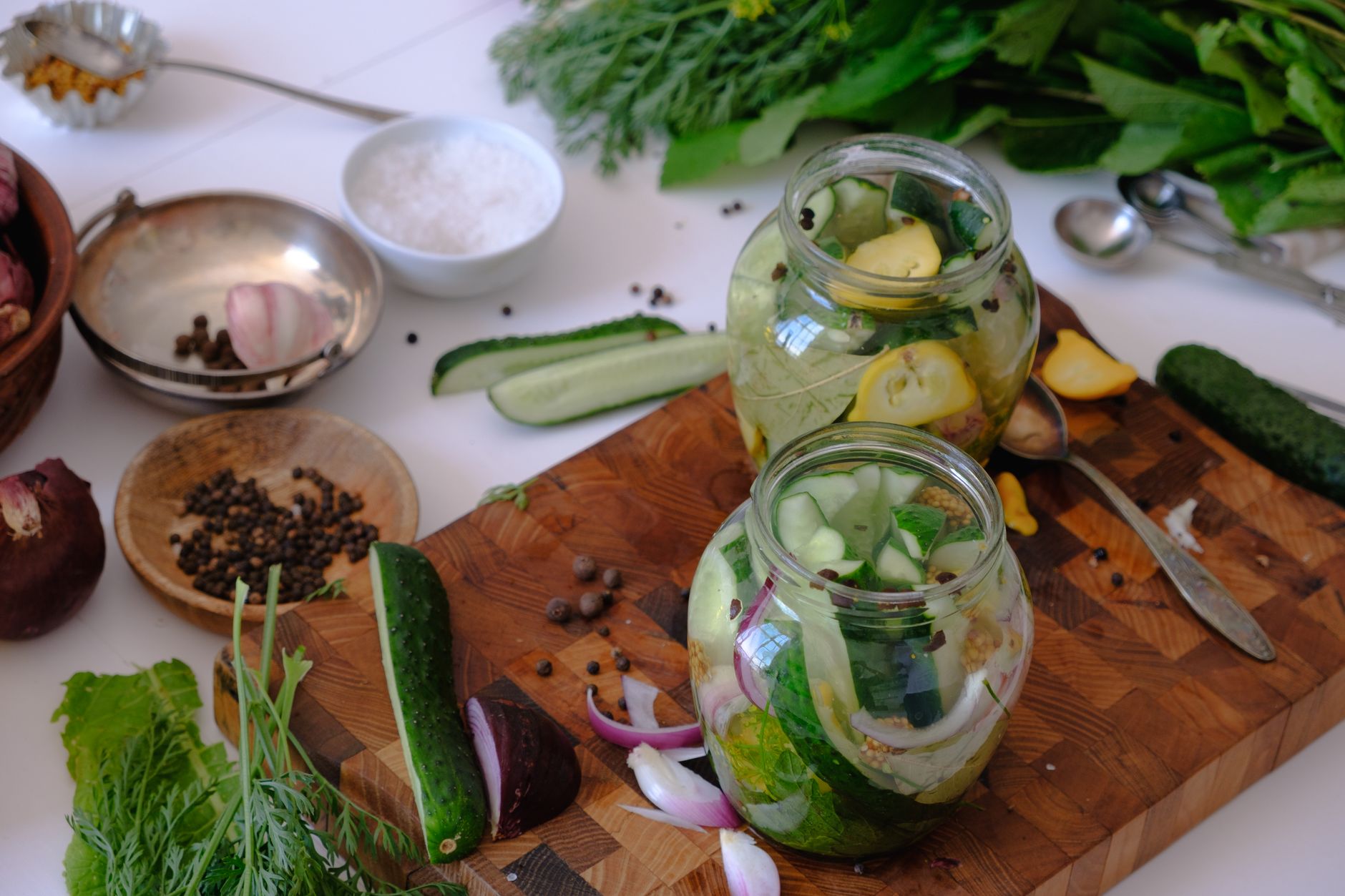
When preparing pickles at home, ensure the brine is fully fermented and the jars are sealed tightly. Homemade pickles can be a great way to control added salt and avoid preservatives, but they should still be kept refrigerated and eaten within a few weeks to stay safe.
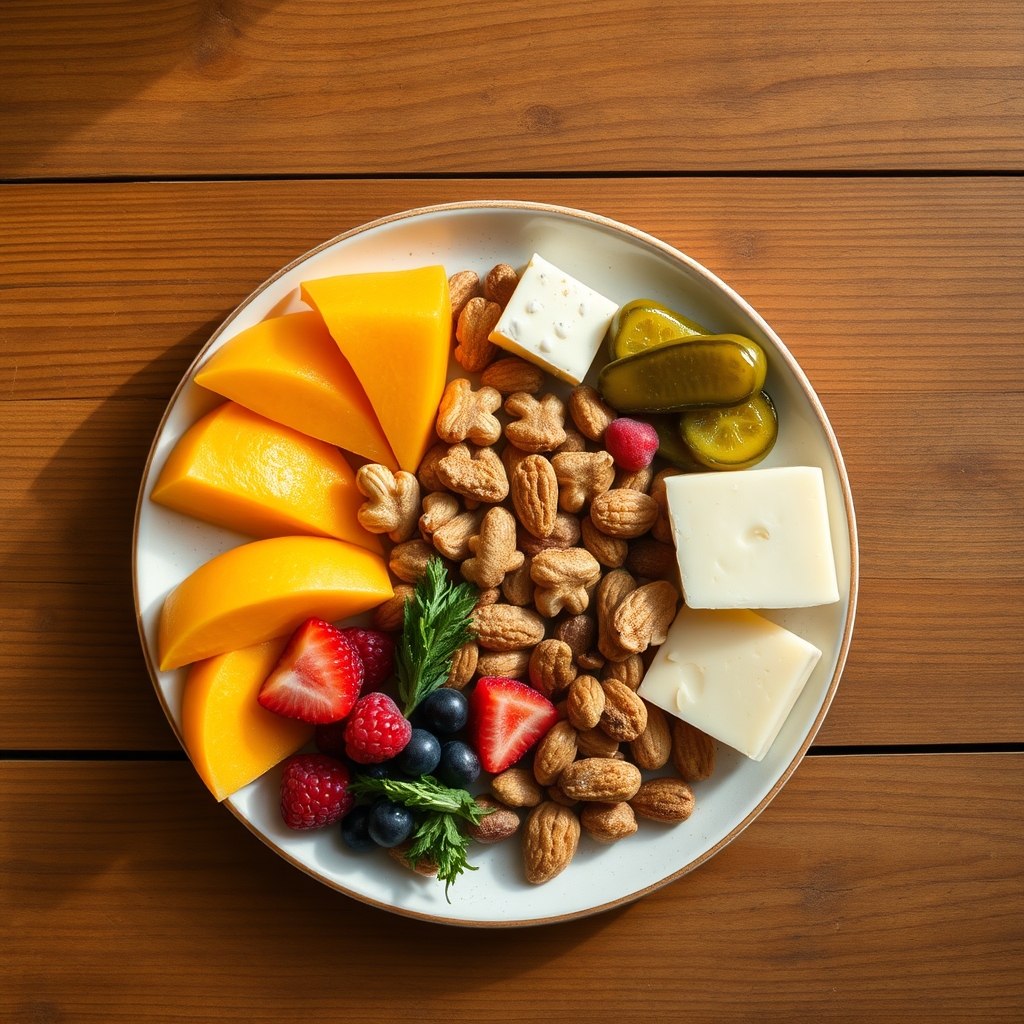
Enjoy a few pickles with protein for a balanced snack that satisfies a salty craving.
Why am I craving sweet foods in the second trimester?
Sweet cravings often peak in the second trimester, when energy demands increase rapidly to support fetal growth. Your body may be signaling a need for quick glucose to fuel both you and the developing baby.
Hormone‑driven appetite changes
Elevated estrogen and progesterone can boost serotonin production, a neurotransmitter linked to mood and appetite for carbohydrates. A spike in serotonin can make sugary foods feel especially comforting.
Nutrient clues
Low blood sugar: Fluctuating glucose levels can trigger cravings for sweets. A balanced breakfast with protein and fiber can help stabilize them.
Magnesium intake: Some women report that magnesium‑rich foods (nuts, leafy greens) reduce cravings for chocolate or candy. The NIH notes that magnesium deficiency may manifest as a desire for sweet treats.
Healthy ways to satisfy sweet cravings
Instead of reaching for a candy bar, try these nutrient‑dense options:
Greek yogurt with fresh berries and a drizzle of honey.
A small slice of whole‑grain banana bread.
Frozen grapes or a smoothie with frozen mango, spinach, and a splash of almond milk.
These choices provide fiber, protein, and vitamins while still delivering the sweet flavor you’re after. If you need an extra boost, a sprinkle of cinnamon can add sweetness without added sugar, and it may help regulate blood glucose according to the American Diabetes Association.
For women with gestational diabetes, it’s especially important to pair sweet cravings with protein or fiber to blunt spikes. A handful of almonds with a few dried apricots can satisfy the sweet tooth while keeping blood sugar steadier.
Pregnancy cravings chart by trimester explained
A cravings meaning chart breaks down typical cravings by trimester, helping you spot patterns and make informed food choices. Below is a simplified version that many clinicians reference when discussing nutrition with pregnant patients.
Trimester
Common Cravings
Possible Nutrient Signals
Suggested Healthy Swap
First (0‑13 weeks)
Acidic fruits, citrus, ginger
Vitamin C, nausea relief
Fresh orange slices with a handful of almonds
Second (14‑27 weeks)
Sweet desserts, chocolate, pickles
Glucose, sodium, magnesium
Dark chocolate (70 %+) with banana
Third (28‑40 weeks)
Protein‑rich foods, salty snacks, dairy
Iron, calcium, protein
Greek yogurt with pumpkin seeds
While the chart offers a useful framework, remember that individual cravings can vary widely based on genetics, diet, and personal preferences. Use the chart as a guide, not a rule. For example, a sudden desire for citrus in the first trimester often coincides with morning sickness, and the vitamin C from fruit can help protect the placenta from oxidative stress, as highlighted in NHS prenatal nutrition advice.
In later pregnancy, cravings for protein‑rich foods may reflect the growing fetal demand for iron and amino acids. Pairing those cravings with iron‑rich plant foods—like lentils or spinach—can help meet the increased need without relying solely on red meat, which the FDA advises should be cooked to an internal temperature of 71 °C to eliminate food‑borne pathogens.
Does craving sour foods indicate baby gender?
The idea that sour cravings point to a boy and sweet cravings to a girl is a popular folklore, but scientific evidence does not support it.
What research says
Large cohort studies, including those reviewed by the American College of Obstetricians and Gynecologists (ACOG), have found no statistically significant correlation between the type of craving and the baby’s sex. Cravings are more closely tied to hormonal fluctuations than to fetal gender.
Why the myth persists
People love simple, memorable predictors. The “sweet‑girl, sour‑boy” story offers an easy narrative, even though it oversimplifies the complex interplay of hormones, metabolism, and personal taste.
In short, a sour craving—whether it’s pickles, lemon wedges, or fermented foods—won’t reveal your baby’s gender. If you’re eager to know, an ultrasound or genetic testing provides reliable answers.
How to interpret a pregnancy cravings chart for health
A cravings meaning chart can be a helpful tool for spotting potential nutrient gaps, but it should be used alongside a balanced diet and professional guidance.
Step‑by‑step interpretation
Identify the craving. Note the specific food, flavor, and intensity.
Match it to the trimester chart. See if the craving aligns with common patterns for your stage.
Assess nutrient needs. For example, a sudden urge for salty foods may suggest a need for electrolytes; a sweet craving could hint at low blood sugar.
Choose a nutrient‑rich alternative. Swap processed snacks for whole‑food options that meet the same flavor profile.
Track outcomes. Keep a short journal (see next section) to see if the alternative satisfies the craving and improves energy or mood.
When the chart flags a possible deficiency
If a craving persists despite balanced meals, it may be worth discussing with your provider. For instance, a consistent desire for red meat could suggest iron needs, while frequent cravings for dairy might indicate calcium or vitamin D shortfalls. Blood tests for ferritin, 25‑OH‑vitamin D, and B12 are inexpensive ways to confirm any suspected gaps, as recommended by NHS prenatal screening protocols.
Many prenatal apps now incorporate cravings tracking alongside nutrient intake, allowing you to see trends over weeks. When the app highlights a repeated pattern, you can bring that data to your next appointment for a focused conversation.
Are pregnancy cravings linked to nutrient deficiencies?
Research indicates that while cravings are primarily driven by hormonal changes, they can sometimes point toward a nutrient gap.
Evidence from clinical studies
A 2021 systematic review in the Journal of Perinatal Nutrition found modest associations between certain cravings and deficiencies: salty cravings with low sodium (rare) and iron, sweet cravings with low magnesium, and dairy cravings with calcium shortfalls. However, the authors cautioned that many women meet nutrient needs through varied diets, so cravings alone are not diagnostic.
Practical approach
If you notice a recurring craving, consider these steps:
Review your current diet for the nutrient linked to that craving.
Incorporate a food rich in that nutrient (e.g., leafy greens for magnesium).
If you’re unsure, ask your provider for a blood test to check iron, B12, or vitamin D levels.
Remember, the CDC’s guidance on prenatal nutrition emphasizes that a diverse diet—fruits, vegetables, whole grains, lean proteins, and dairy—covers most micronutrient needs without the need for extreme supplementation.
Can pregnancy cravings predict the baby's due date?
No credible evidence suggests that cravings can forecast the exact due date. Due‑date calculations rely on the first day of your last menstrual period (LMP), ultrasound measurements, and gestational age assessments—not on what you’re eating.
Why the idea feels tempting
Because cravings often appear early, some expectant parents assume they’re a “timeline” marker. In reality, cravings can start at any point and are influenced more by hormonal spikes than by fetal development milestones.
Reliable ways to estimate due date
For accurate dating, rely on:
First‑trimester ultrasound (most precise).
Standard LMP calculation (40 weeks from first day).
Mid‑trimester fundal height measurements.
Use a cravings chart for fun, not for medical timing.
Cravings and morning sickness: coping strategies
Morning sickness, which affects up to 80 % of pregnant people, often intensifies cravings for salty or sour foods that can settle an upset stomach. Small, frequent meals that include a protein source—such as a slice of whole‑grain toast with peanut butter—can keep nausea at bay while still satisfying a craving.
Ginger, whether in tea, candy, or baked goods, is a well‑documented remedy endorsed by the NHS for reducing nausea. Pair ginger with a sweet element, like honey‑glazed carrots, to address both the sour craving and the need for a gentle carbohydrate boost.
Cravings for vegetarians and vegans
People who follow vegetarian or vegan diets may experience cravings that reflect a desire for specific plant‑based nutrients. A sudden urge for cheese‑like flavors can signal a need for calcium or vitamin B12, while cravings for nuts or seeds often point to magnesium or healthy fats.
To satisfy these cravings, try fortified plant milks, calcium‑rich tofu, or a handful of pumpkin seeds. If you find yourself craving meat‑like textures, consider tempeh or lentil “meatballs,” which provide iron and protein without animal products. The Academy of Nutrition and Dietetics notes that well‑planned vegetarian diets meet pregnancy nutrition needs, provided B12 supplementation is included.
Additional resources and tools
Pregnancy cravings meaning chart PDF
Many health organizations offer printable PDFs of cravings charts that you can keep in a prenatal binder. Look for versions from the National Health Service (NHS) or the American Pregnancy Association, which align with current ACOG recommendations.
Common pregnancy cravings and their meanings
Beyond pickles and sweets, here are a few frequent cravings and what they might suggest:
Ice (pica for ice): Could indicate iron‑deficiency anemia; check with your doctor.
Chocolate: Often linked to magnesium or simply mood‑lifting.
Spicy foods: May reflect a need for endorphin release or simply personal preference.
Fruit juice: Signals a desire for fluid and vitamin C.
How to track pregnancy cravings in a journal
Keeping a simple cravings journal helps you spot patterns and discuss them with your provider.
Record the date, time, and specific craving.
Note your current meals and any symptoms (e.g., nausea, fatigue).
Rate the intensity (1‑5) and whether you satisfied the craving.
Reflect on how you felt after eating the chosen snack.
Over weeks, you’ll see whether cravings align with certain meals or hormonal phases.
Pregnancy cravings and hormone changes
Progesterone, estrogen, and human chorionic gonadotropin (hCG) rise dramatically in the first two trimesters, reshaping taste buds and appetite. These hormones can increase sensitivity to sweet, sour, and salty flavors, explaining why cravings evolve.
Healthy snack ideas for specific pregnancy cravings
Pickle craving: Whole‑grain crackers with a thin spread of low‑fat cheese and a few pickle slices.
Sweet tooth: Chia seed pudding sweetened with a touch of maple syrup and fresh berries.
Sour desire: A wedge of grapefruit topped with a sprinkle of sea salt.
Protein urge: Hard‑boiled egg plus a handful of almonds.
When pregnancy cravings become a concern
Most cravings are harmless, but watch for red flags such as:
Consuming non‑food items (pica) like dirt, clay, or raw starch.
Extreme cravings for high‑sugar or high‑salt foods that lead to significant weight gain or blood‑pressure spikes.
Cravings accompanied by persistent nausea, vomiting, or abdominal pain.
If any of these occur, schedule a check‑in with your obstetrician or midwife.
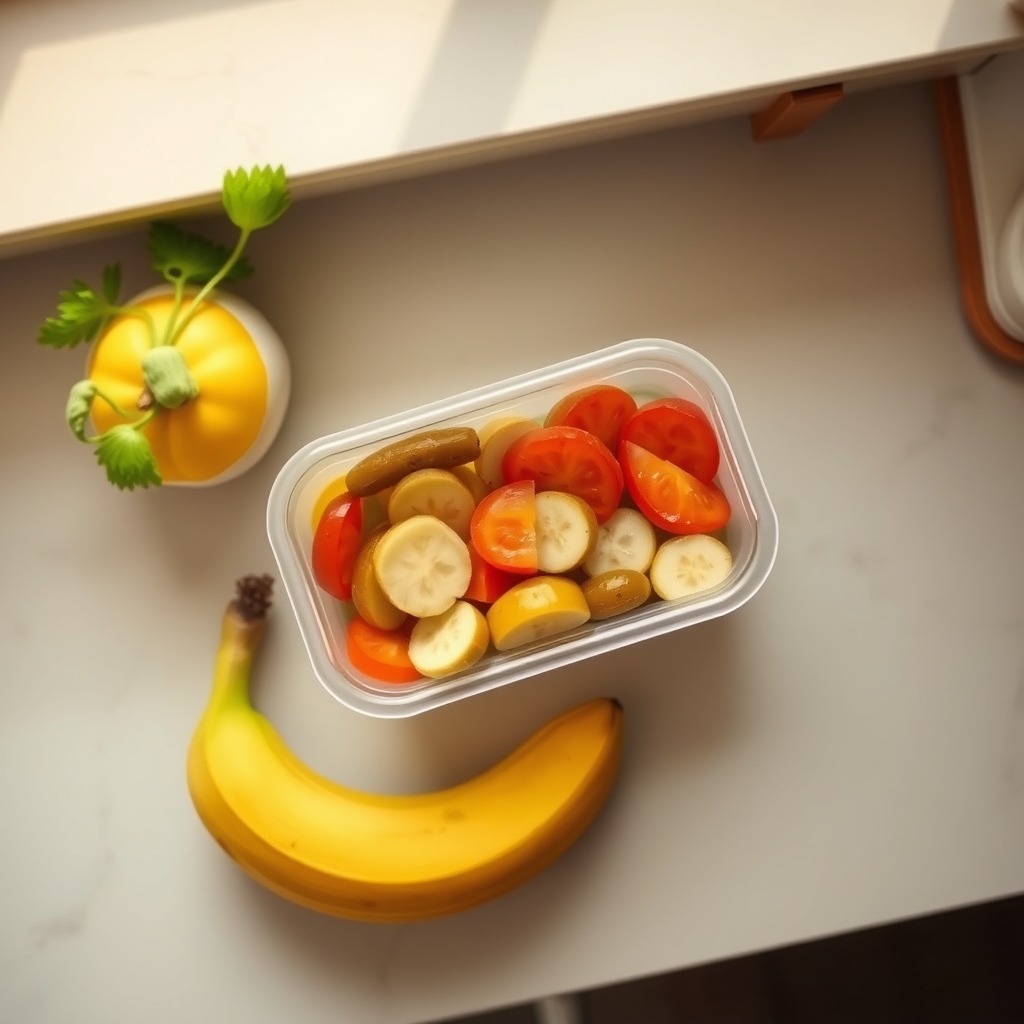
Mixing protein, healthy fats, and a touch of salty or sweet flavor keeps cravings in check.
Cravings and gestational diabetes: what to watch for
Gestational diabetes mellitus (GDM) affects about 7 % of pregnancies in the United States, according to the CDC. Women with GDM often notice heightened cravings for sugary foods, but the key concern is how those cravings impact blood‑glucose control.
If you have been diagnosed with GDM, monitor carbohydrate intake closely. The American Diabetes Association recommends spreading carbs evenly across meals and pairing them with protein or fiber to blunt spikes. A sweet craving can be satisfied with a small apple and a slice of cheese, a handful of berries, or a low‑glycemic‑index snack like an unsweetened Greek yogurt.
Regular screening—usually a glucose tolerance test at 24‑28 weeks—helps detect GDM early. If you develop new or intensified cravings after a GDM diagnosis, bring them up at your next prenatal visit; your provider may adjust your meal plan or suggest a dietitian referral.
Managing cravings on a budget
Pregnancy can stretch a household budget, and cravings shouldn’t force you into expensive choices. Many nutrient‑dense foods are also budget‑friendly. Canned beans, frozen berries, bulk oats, and seasonal vegetables provide vitamins, minerals, and fiber without a high price tag.
Plan your snacks around a “core” list: a protein source (eggs, yogurt, cheese), a fruit or vegetable (fresh, frozen, or canned in water), and a whole‑grain component (whole‑grain crackers, rice cakes). When a craving strikes—say, for salty pickles—pair a small serving with a hard‑boiled egg; the protein helps stabilize blood sugar while keeping costs low.
Shop the perimeter of the grocery store first; that’s where fresh produce, dairy, and meat are located. Look for “reduced‑price” sections for items nearing their sell‑by date—these can be frozen or cooked immediately for later use. The USDA’s “Food Plans” illustrate that a balanced prenatal diet can be achieved on a modest weekly budget.
Simple, affordable snacks can satisfy cravings without breaking the bank.
Safe snack portion sizes during pregnancy
Portion control helps keep weight gain within recommended ranges and prevents excessive blood‑sugar swings. The ACOG advises a gradual increase of about 300 kcal per day in the second trimester and 450 kcal in the third. Translating that into snack portions means aiming for roughly 150‑200 kcal per mini‑snack.
Examples of appropriate portions:
One small apple (≈ 80 kcal) with a tablespoon of peanut butter (≈ 95 kcal).
Six whole‑grain crackers (≈ 70 kcal) topped with 30 g of low‑fat cheese (≈ 80 kcal).
½ cup of Greek yogurt (≈ 80 kcal) mixed with a handful of fresh berries (≈ 30 kcal).
Three to four pickle spears (≈ 10 kcal) paired with a hard‑boiled egg (≈ 78 kcal).
These combos provide a balance of carbohydrates, protein, and healthy fats, which can satisfy cravings while supporting steady energy levels. If you’re unsure about portion sizes, a quick look at nutrition labels or a phone‑based calorie‑tracking app can be a helpful reference.
From our medical team: Cravings are a normal part of pregnancy, often reflecting hormonal shifts rather than serious deficiencies. Use a cravings chart as a guide, not a prescription—pair cravings with balanced meals, stay hydrated, and keep an eye on any unusual symptoms. If you’re ever unsure, your provider can run simple blood tests to rule out anemia or electrolyte imbalances.
Myth vs. fact
Myth: Craving pickles means you’ll have a boy. Fact: No scientific study links pickle cravings to fetal gender; cravings are driven by hormonal and nutritional factors.
Myth: Sweet cravings guarantee a girl. Fact: Sweet cravings are common in all pregnancies, especially in the second trimester, and do not predict gender.
Myth: If you crave a certain food, your baby is lacking that nutrient. Fact: While cravings can hint at a nutrient need, they are not a reliable diagnostic tool. A balanced diet and routine prenatal labs are the best way to ensure adequate nutrition.
Key takeaways
Cravings are normal and usually harmless; they reflect hormonal changes more than specific deficiencies.
Use a trimester‑based cravings chart to identify typical patterns and choose healthier swaps.
Pickle, sweet, and sour cravings are common; they don’t reveal baby gender or due date.
If cravings feel excessive, cause swelling, or involve non‑food items, contact your provider.
Track cravings in a simple journal to discuss any persistent patterns with your healthcare team.
Prioritize balanced meals—pair cravings with protein, fiber, and healthy fats for steadier blood sugar.
Frequently asked questions
What do pregnancy cravings mean?
Pregnancy cravings are a mix of hormonal shifts, increased blood volume, and sometimes subtle nutrient signals; they’re a normal part of pregnancy and usually not a cause for alarm.
Do cravings change each trimester?
Yes—first‑trimester cravings often lean toward citrus and ginger, second trimester sees more sweets and salty foods, and third trimester frequently includes protein‑rich or dairy cravings.
Can cravings tell you the baby's gender?
No—research, including ACOG reviews, shows no reliable link between specific cravings and fetal sex.
Are certain cravings a sign of nutrient deficiency?
Occasionally—a persistent desire for ice may suggest iron deficiency, while chronic sweet cravings could hint at low magnesium, but cravings alone aren’t diagnostic.
How accurate is a pregnancy cravings meaning chart?
A cravings chart reflects common trends and can guide healthier food choices, but individual experiences vary; it’s a tool, not a medical test.
Should I follow my cravings or eat balanced meals?
Enjoy cravings in moderation, but prioritize balanced meals with protein, fiber, and healthy fats to support both you and your baby.
Can I satisfy cravings with artificial sweeteners?
Artificial sweeteners such as sucralose and aspartame are considered safe in pregnancy by the FDA when consumed within the Acceptable Daily Intake limits. However, many women find that whole‑food sources of sweetness (fruit, honey, or maple syrup) provide additional nutrients and a more satisfying texture.
Are cravings more common in first pregnancies?
First‑time pregnancies often feature stronger or more frequent cravings, likely because the body is experiencing hormonal changes for the first time. Subsequent pregnancies may still involve cravings, but the intensity can be milder, according to observations from the NHS.
Can cravings affect my baby's health?
Cravings themselves don’t harm the baby. What matters is the overall quality of your diet. Choosing nutrient‑dense foods to satisfy cravings helps ensure both you and your baby get the vitamins and minerals needed for healthy development.
Do cravings stop after the baby is born?
Many people notice that cravings fade within weeks after delivery, as hormone levels stabilize. However, some lingering preferences can continue, especially if they were tied to habit rather than a physiological need.
When to call your doctor
Seek medical attention if you experience any of the following alongside cravings: persistent vomiting, severe abdominal pain, swelling of hands/feet, sudden weight gain or loss, or cravings for non‑food items (pica). Remember, this article provides general information and is not a substitute for personalized medical advice.
References
American College of Obstetricians and Gynecologists (ACOG). “Nutrition During Pregnancy.” Clinical Guidance, 2022.
National Health Service (NHS). “Pregnancy cravings.” Patient Information, 2021.
Journal of Perinatal Nutrition. “Cravings and nutrient deficiencies in pregnancy: A systematic review.” 2021.
World Health Organization (WHO). “Guidelines on antenatal care for a positive pregnancy experience.” 2023.
U.S. Department of Agriculture (USDA). “Dietary Guidelines for Americans 2025-2030.” 2025.
National Institutes of Health (NIH). “Magnesium and pregnancy.” Office of Dietary Supplements, 2022.
American Pregnancy Association. “Common Pregnancy Cravings.” 2022.
Centers for Disease Control and Prevention (CDC). “Gestational Diabetes Mellitus (GDM).” 2023.
Food and Drug Administration (FDA). “Food Safety: Pickles and Fermented Vegetables.” 2022.
American Diabetes Association. “Gestational Diabetes.” Standards of Care, 2024.
Not sure about the label on Pregnancy Cravings Meaning Chart products?
Snap the ingredients list and SafeFilter checks every ingredient for your stage — only 3 free scans this month, then you're locked until reset. Unlimited from $7/mo or $50/yr.
When Shubhra Mishra was expecting her first child in 2016, she was overwhelmed by conflicting food advice — one site said yes, another said never. By the time her second baby arrived in 2019, she realized millions of mothers face the same confusion.
That sparked a five-year journey through clinical nutrition papers, cultural diets, and expert conversations — all leading to BumpBites: a calm, compassionate space where science meets everyday motherhood.
Her long-term vision is to build a global community ensuring safe, supported, and free deliveriesfor every mother — because no woman should face pregnancy alone or uninformed. 🌿
🌍 Stand with mothers, shape safer guidance
Join a small circle of experts who review BumpBites articles so expecting parents everywhere can decide with confidence.