Struggling with pregnancy body image? Learn how to embrace changes, boost confidence, and prioritize health with expert tips and emotional support.
By Shubhra Mishra — a mom of two who turned her own confusion during pregnancy into BumpBites, a global mission to make food choices clear, safe, and stress-free for every expecting mother. 💛
Check whether any food is safe during pregnancy with the BumpBites Food Safety Checker.
Quick take: Pregnancy changes your body in many ways, and feeling uneasy about those changes is common. Most first‑time moms experience shifts in body image, but healthy weight‑gain ranges, supportive exercise, mindful nutrition, and positive clothing choices can help you feel confident throughout pregnancy and into the postpartum months.
It’s 2 a.m., you’re curled up on the couch, and a stray comment about your “growing belly” has you scrolling through endless articles. You wonder whether the way you look right now is “normal,” and if there’s anything you can do to feel better about yourself.
First‑time pregnancy brings a whirlwind of physical changes, hormonal swings, and new social expectations. The good news is that you’re not alone—most people grapple with body image during pregnancy, and there are evidence‑based ways to protect your confidence.
In this guide we’ll walk through how pregnancy affects body image, realistic weight‑gain expectations, practical tips for nutrition, exercise, and style, as well as how to navigate social media, partner conversations, and postpartum transitions. By the end you’ll have a toolbox of strategies to nurture a positive self‑view from the first trimester through the first year after birth.
How does pregnancy affect body image for first‑time moms?
For many first‑time mothers, pregnancy is the first encounter with a rapidly changing body. The combination of physical growth, hormonal fluctuations, and heightened self‑scrutiny often leads to mixed feelings about appearance.
Hormones such as estrogen and progesterone rise dramatically, influencing not only the uterus and breasts but also mood and perception. According to the American College of Obstetricians and Gynecologists (ACOG), these hormonal shifts can heighten emotional sensitivity, making you more aware of how you look.
Psychologically, you may experience a “new‑self” narrative—trying to reconcile the pre‑pregnancy identity with the emerging mother role. This internal dialogue can be amplified by societal expectations that idealize a smooth, glowing belly and “baby bump” photos.
It’s also common to compare yourself to others, especially on social platforms where curated images dominate. A study summarized by the National Health Service (NHS) found that women who reported higher exposure to idealized pregnancy images were more likely to feel dissatisfied with their own bodies.
While many first‑time moms report moments of insecurity, the same research highlights that a majority also feel a deep sense of wonder and empowerment as their bodies nurture new life. Recognizing that both emotions can coexist is the first step toward a balanced body image.
Beyond media, cultural narratives around “bouncing back” or “staying fit” can add pressure. In some communities, a fuller figure is celebrated, while in others a slimmer silhouette is praised. Understanding where your own expectations come from helps you separate external pressures from personal values.
Ways to improve body confidence during pregnancy
B
uilding confidence is a proactive process. Below are evidence‑based strategies that can be woven into daily life.
Practice mindful self‑talk
Replace critical thoughts with neutral or positive statements. For example, change “I look huge” to “My body is growing to support my baby.” Research from the World Health Organization (WHO) shows that mindfulness‑based interventions reduce body‑image distress in pregnant women.
Engage in gentle movement
Regular, low‑impact exercise releases endorphins, improves mood, and reinforces a sense of bodily competence. Even a 20‑minute walk can boost self‑esteem, according to the Centers for Disease Control and Prevention (CDC).
Connect with supportive communities
Joining a prenatal class or an online forum where members share real‑time experiences can normalize your feelings. A 2022 survey by the Royal College of Obstetricians and Gynaecologists (RCOG) reported that participants felt 30 % more confident after six weeks of peer support.
Celebrate milestones
Mark each trimester’s achievements—first heartbeat, baby kick, or a new stretch mark—and treat them as symbols of strength rather than flaws.
Limit comparison triggers
Curate your social feeds. Unfollow accounts that make you feel inadequate and follow those that promote realistic, diverse body representations.
Use journaling and gratitude practices
Writing down three things you appreciate about your body each day can shift focus from perceived flaws to functional strengths. A small gratitude habit has been linked by the American Psychological Association (APA) to improved mood and body acceptance during pregnancy.
Seek professional counseling when needed
If negative thoughts become persistent, a brief session with a therapist trained in perinatal mental health can provide tools to reframe self‑criticism. Cognitive‑behavioral therapy (CBT) is especially effective for body‑image concerns, as highlighted in recent obstetric nursing literature.
Pregnancy weight gain expectations and body image concerns
Understanding what constitutes a healthy weight‑gain range can remove a major source of anxiety. The Institute of Medicine (IOM) and endorsed by ACOG recommends the following total gain based on pre‑pregnancy BMI:
Pre‑pregnancy BMI
Recommended total gain
Typical gain per trimester
Underweight (<18.5)
28–40 lb (12.5–18 kg)
~2 lb (0.9 kg) first trimester; ~1 lb (0.45 kg) per week second & third
Normal weight (18.5–24.9)
25–35 lb (11.5–16 kg)
~2 lb (0.9 kg) first trimester; ~0.8 lb (0.35 kg) per week thereafter
Overweight (25–29.9)
15–25 lb (7–11.5 kg)
~2 lb (0.9 kg) first trimester; ~0.5 lb (0.23 kg) per week thereafter
Obese (≥30)
11–20 lb (5–9 kg)
~2 lb (0.9 kg) first trimester; ~0.3 lb (0.14 kg) per week thereafter
These numbers are averages; individual experiences vary. If you fall within your recommended range, focus on how you feel rather than the scale.
Weight‑gain concerns often intersect with body‑image worries. A common narrative is “I’m gaining too much, I’ll never look like myself again.” Reframing the gain as “nutrient support for my baby” can shift perspective. The National Institute of Mental Health (NIMH) notes that acknowledging the functional purpose of weight gain reduces body‑dissatisfaction.
When weight gain exceeds the guidelines, it does not automatically signal a problem, but it may warrant a conversation with your provider to rule out gestational diabetes or thyroid issues. Regular prenatal visits typically include weight tracking, and many clinicians use a simple tape‑measure method alongside the scale to monitor abdominal growth in a non‑weight‑centric way.
Beyond numbers, remember that body composition changes—muscle, fluid, and fat—all serve a purpose. Embracing this physiological narrative can make the numbers feel less like a judgment and more like a roadmap.
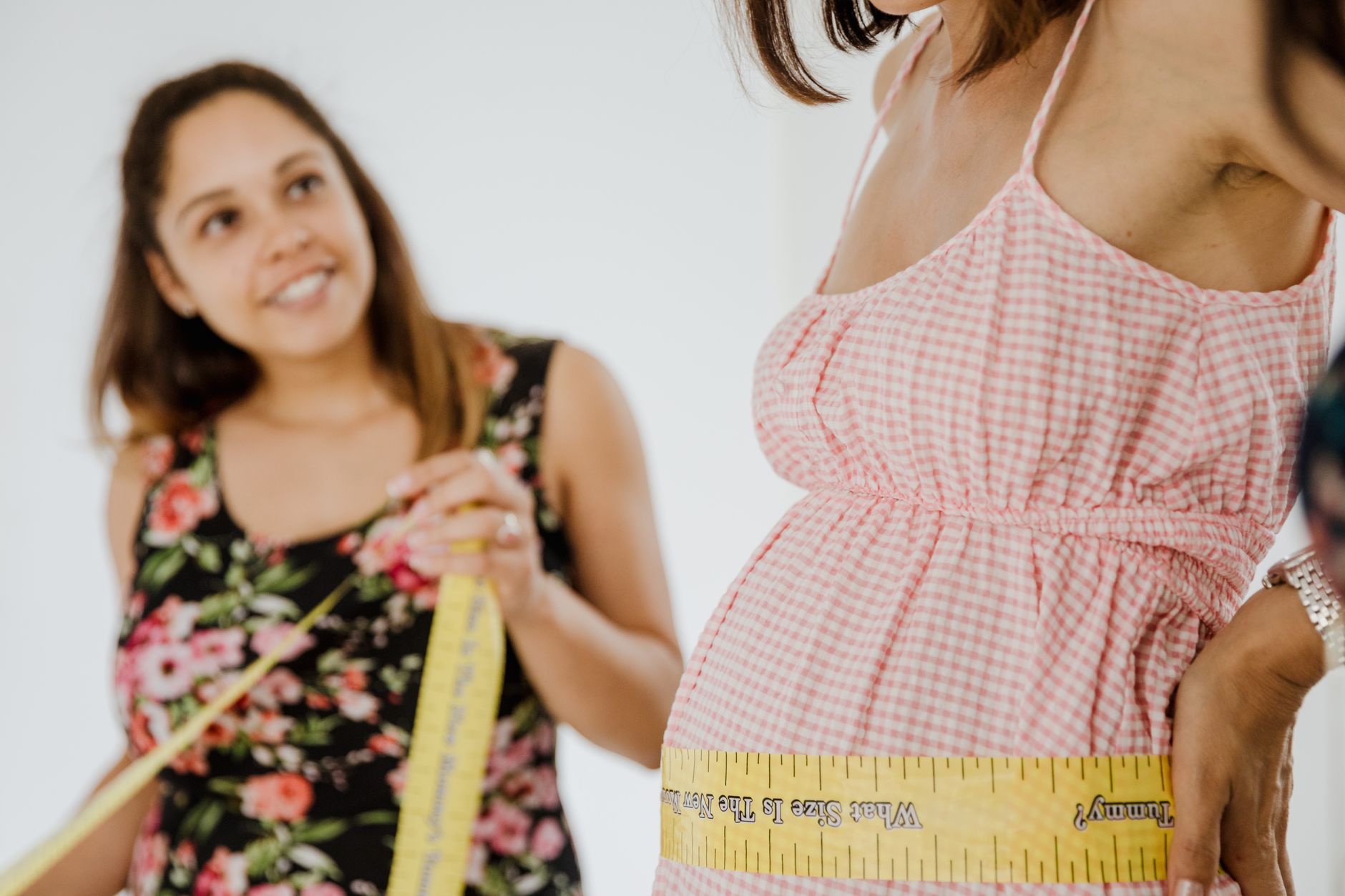
Tracking weight gain with a tape measure can help you stay within healthy ranges while building confidence.
Impact of social media on pregnant women’s body image
Social media is a double‑edged sword. On one hand, it offers community, inspiration, and information; on the other, it presents a stream of “perfect” pregnancy images that can fuel comparison.
Platforms such as Instagram and TikTok often showcase staged photos with expertly lit lighting, strategic clothing, and digital editing. The American Psychological Association (APA) found that frequent exposure to these idealized images correlates with increased body‑image anxiety in pregnant users.
To mitigate negative effects, consider these practical steps:
Follow accounts that celebrate diverse bodies and authentic experiences.
Set a daily limit on scrolling to prevent mindless comparison.
Engage actively—comment, ask questions, and share your own journey. Interaction creates a sense of ownership rather than passive observation.
Remember that the curated feed is a highlight reel, not a documentary. If you notice a spike in self‑criticism after scrolling, pause and replace the habit with a grounding activity, such as a short breathing exercise.
Algorithmic feeds tend to reinforce what you already like. By deliberately muting “bump‑challenge” tags and boosting “real‑pregnancy‑stories,” you can train the platform to serve content that supports, rather than sabotages, your confidence.
Postpartum body image changes and coping strategies
After birth, many mothers confront a new wave of body‑image concerns. The uterus contracts, breasts may change, and the belly gradually shrinks—but the timeline varies widely.
Common feelings include grief over “lost” pre‑pregnancy shape, disappointment with lingering stretch marks, or anxiety about returning to pre‑birth weight. The National Institute for Health and Care Excellence (NICE) notes that up to 30 % of postpartum women report significant body‑image distress, which can contribute to post‑natal depression.
Effective coping strategies include:
Gradual, realistic goal‑setting: Focus on functional milestones (e.g., lifting your baby safely) rather than aesthetic targets.
Gentle re‑introduction of exercise: Post‑natal yoga or pelvic‑floor strengthening can rebuild confidence in a supportive way.
Professional support: Counseling, especially cognitive‑behavioral therapy (CBT), has strong evidence for improving body image after birth.
Partner communication: Share your feelings with your partner; a supportive response can buffer negative self‑talk.
Physical changes also include the “after‑birth belly,” which may remain visible for months as abdominal muscles recover. Understanding the normal process of uterine involution—often taking six to eight weeks—helps set realistic expectations.
If you are breastfeeding, hormonal fluctuations can further affect skin elasticity and mood. Many mothers find that focusing on the nourishment they provide, rather than the visual changes, reduces self‑scrutiny. However, if concerns become overwhelming, seeking early mental‑health support can prevent deeper issues.
Mental health resources for body image issues in pregnancy
When body‑image concerns start to affect daily life, reaching out to mental‑health professionals is a sign of strength.
Therapeutic options
Cognitive‑behavioral therapy (CBT) is the gold‑standard for body‑dysmorphic concerns. A 2021 review in the Journal of Obstetric, Gynecologic & Neonatal Nursing highlighted CBT’s effectiveness for pregnant women experiencing dysmorphia.
Dialectical behavior therapy (DBT) can help manage intense emotions tied to hormonal shifts.
Screening tools
Many obstetric clinics use the Body Image Scale for Pregnancy (BISP), a brief questionnaire validated by the CDC. If scores indicate moderate‑to‑severe distress, a referral to a psychologist is advised.
Community resources
National hotlines such as the National Suicide Prevention Lifeline (1‑800‑273‑8255) and the Postpartum Support International (PSI) helpline offer confidential support for body‑image anxiety.
Tele‑health and virtual support groups
Many providers now offer video‑based counseling, which can be especially convenient for new parents juggling appointments and infant care. Virtual peer‑support groups, often hosted by hospitals or non‑profits, provide a safe space to share experiences without geographic barriers.
Exercise routines safe for pregnant women to boost body confidence
Physical activity is a cornerstone of both physical health and self‑esteem during pregnancy. The American College of Sports Medicine (ACSM) recommends at least 150 minutes of moderate‑intensity aerobic activity per week for most pregnant women.
Walking and low‑impact cardio
Walking is low‑risk, adaptable, and can be done almost anywhere. Aim for 30‑minute brisk walks most days. A gentle increase in step count each week can give a sense of progress.
Prenatal yoga
Yoga combines movement, breath, and mindfulness. Studies cited by the National Center for Complementary and Integrative Health (NCCIH) show that prenatal yoga improves body satisfaction and reduces anxiety.
Strength training with resistance bands
Light resistance work (e.g., bands or body‑weight squats) maintains muscle tone and supports posture. Keep weights moderate—no heavier than 5–8 lb per hand—and avoid exercises that lie flat on the back after the first trimester.
Pelvic‑floor exercises
Kegels help with bladder control and can enhance the feeling of bodily control, which translates into confidence.
Before starting any new routine, check with your obstetric provider, especially if you have pregnancy‑related complications such as pre‑eclampsia or placenta previa.
Listen to your body: if you feel dizziness, shortness of breath, uterine contractions, or any sudden pain, stop the activity and contact your care team. Modifications—like swapping high‑impact moves for seated alternatives—keep you moving safely.
Clothing tips to feel good about your pregnant body
What you wear can dramatically influence how you view yourself. Here are some practical, style‑focused ideas that work across trimesters.
Embrace stretchy fabrics
Materials like jersey, ponte, and soft knit adapt to a growing belly without pinching. Look for hidden side seams that expand as you progress.
Highlight your favorite features
If you love your shoulders, try off‑the‑shoulder tops. If you’re proud of your legs, choose A‑line dresses that showcase them while balancing the silhouette.
Layer with confidence
Layered looks—such as a fitted blazer over a flowy blouse—create visual interest and can draw attention away from areas you feel self‑conscious about.
Invest in a good maternity bra
Supportive bras reduce breast discomfort and improve posture, which can instantly make you feel more poised.
Play with color
Bright hues or patterned scarves can lift mood and shift focus from the belly to the whole outfit.
Choose sustainable, adaptable pieces
Many brands now offer reversible or convertible garments that grow with you, reducing waste and the need for a large wardrobe. A well‑chosen capsule collection can simplify dressing while keeping you stylish.
Choosing a dress with a flattering cut and a splash of color can brighten both your look and your mood.
From our medical team: Body‑image concerns are common and treatable. We encourage you to discuss any distress with your OB‑GYN or a mental‑health professional early on. Simple steps—like staying active, eating balanced meals, and surrounding yourself with supportive people—can make a big difference. Remember, your body is doing an extraordinary job, and caring for its perception is part of that care.
Nutrition for supporting body confidence during pregnancy
What you eat fuels both your baby and your sense of well‑being. A balanced diet can help you feel energized, reduce cravings, and give you tangible evidence that you’re nurturing yourself and your child.
The U.S. Food and Drug Administration (FDA) and the NHS recommend a daily intake of about 300 mg of DHA, 2,200 mg of calcium, and 27 mg of iron for pregnant people. Including foods rich in these nutrients—like fatty fish, fortified dairy, leafy greens, and lean meats—can reinforce the idea that each bite is a purposeful act of care.
Staying hydrated also plays a role in skin elasticity and mood. Aim for at least eight cups of water a day; adding a slice of citrus or cucumber can make it more inviting.
If you experience food aversions, focus on nutrient‑dense alternatives rather than restricting calories. For example, if you’re turned off by dairy, fortified plant milks provide calcium and vitamin D without the discomfort.
Mindful eating—slowly savoring each mouthful and checking in with hunger cues—has been linked to lower body‑image dissatisfaction in pregnant cohorts, according to a 2022 WHO‑sponsored study. It turns meals into moments of self‑compassion rather than a source of anxiety.
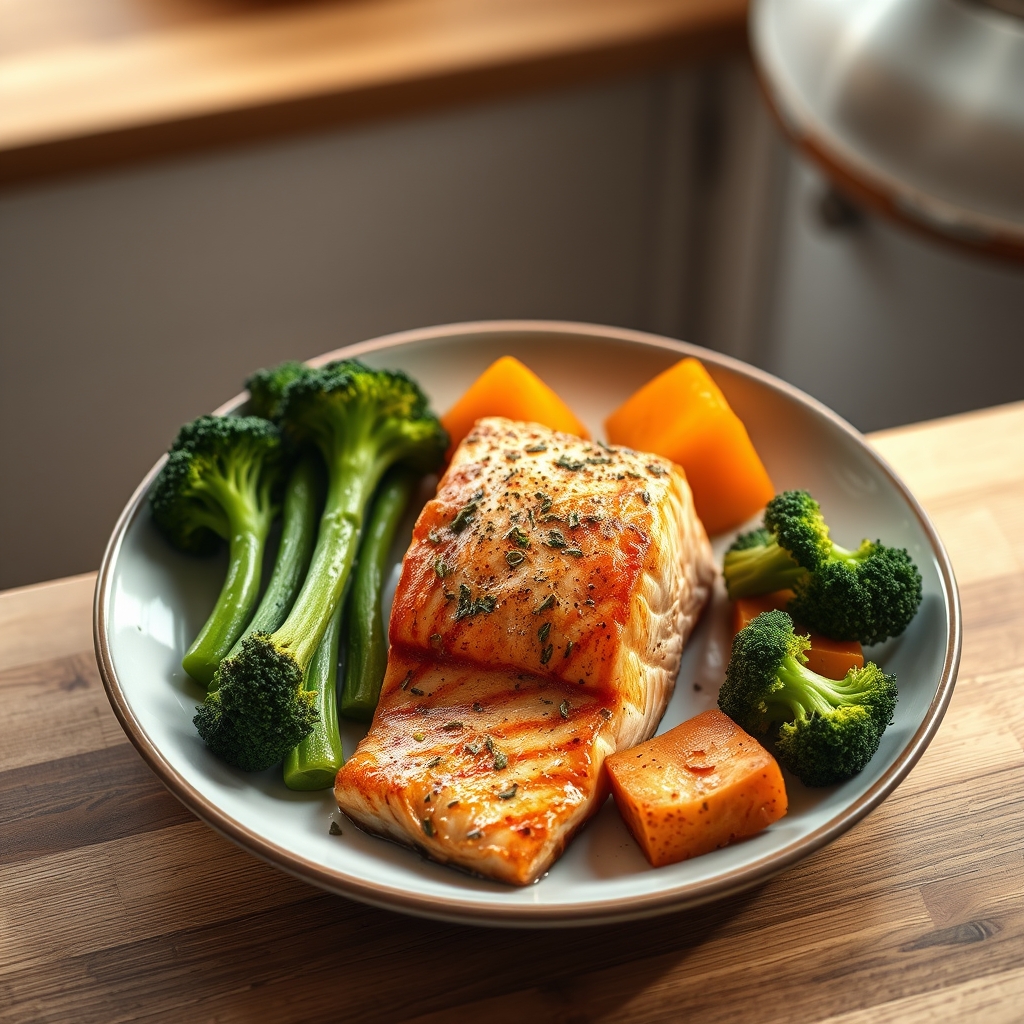
Choosing nutrient‑rich foods can boost both baby’s development and your confidence that you’re feeding yourself well.
Mind‑body practices to nurture a positive self‑image
Beyond physical activity, intentional mind‑body techniques can reshape how you relate to your changing body.
Guided meditation focused on body gratitude—visualizing each part of your body as a supportive partner—has been shown in a 2021 RCOG‑backed pilot to lower body‑image anxiety scores by 15 % after eight weeks.
Journaling prompts such as “What does my belly do for me today?” or “Three ways my body feels strong” encourage a shift from appearance‑based to function‑based appreciation.
Simple breathing exercises, like the 4‑7‑8 technique, can calm the nervous system when sudden self‑criticism spikes. Practicing these for a few minutes before bedtime often improves sleep quality, which in turn reduces mood swings.
Progressive muscle relaxation—systematically tensing and releasing muscle groups—helps you notice sensations without judgment, fostering a kinder internal dialogue.
Partner and family support: practical ways to boost your confidence
Feeling supported by loved ones can dramatically affect how you perceive your body. Partners, parents, and friends can take concrete steps to reinforce positivity.
Ask your partner to compliment non‑appearance attributes, such as stamina or the way you handle a tantrum. Verbal affirmations that focus on effort rather than looks help rewire self‑talk.
Family members can assist with practical tasks—running errands, preparing meals, or handling household chores—so you have more energy for self‑care routines like gentle stretching or a relaxing bath.
Attending prenatal appointments together can demystify medical language and make you feel less alone in the journey. When the baby’s heartbeat is heard, sharing that moment can turn anxiety into shared joy.
If you’re comfortable, invite a close friend over for a “maternity‑style” shopping trip. Trying on outfits together can transform dressing into a celebratory experience rather than a source of stress.
Myth vs. fact
Myth: You must “bounce back” to your pre‑pregnancy weight within weeks after delivery.
Fact: Post‑partum recovery varies; most women need several months to regain pre‑pregnancy weight, and that timeline is normal.
Myth: Gaining any weight beyond the recommended range means you’ve done something wrong.
Fact: Weight‑gain recommendations are averages; individual factors like genetics and baby size influence the total gain.
Myth: If you feel insecure, it’s just “mom‑brain” and will go away on its own.
Fact: Persistent body‑image distress can signal underlying anxiety or depression and deserves professional attention.
Key takeaways
Healthy weight‑gain ranges are based on pre‑pregnancy BMI; staying within them supports both baby and self‑image.
Mindful self‑talk, gentle exercise, and supportive communities are proven confidence boosters.
Curate social‑media feeds to include realistic, diverse pregnancy images.
Choose stretchy, flattering maternity clothing and celebrate the parts of your body you love.
If body‑image worries interfere with daily life, seek counseling or talk to your OB‑GYN.
Post‑partum body changes are normal; give yourself time and lean on partner communication.
Balanced nutrition and mind‑body practices reinforce the idea that you’re actively caring for both you and your baby.
Frequently asked questions
Is it normal to feel insecure about my body during pregnancy?
Yes—feeling insecure is common, especially in the first and third trimesters when physical changes are most pronounced. Hormonal shifts, societal expectations, and personal body‑image history all play a role.
How much weight should I gain each trimester?
Typical gain is about 2 lb (0.9 kg) in the first trimester, then roughly 0.8 lb (0.35 kg) per week in the second and third for women with a normal pre‑pregnancy BMI. Adjustments are made for underweight, overweight, or obese starting points.
Can exercise improve my body image while pregnant?
Absolutely—regular, moderate activity releases endorphins, enhances mood, and reinforces a sense of bodily control, all of which are linked to improved body confidence.
What are the signs of postpartum body image issues?
Red flags include persistent negative thoughts about appearance, avoidance of mirrors or social situations, and a decline in mood that lasts more than two weeks after birth.
How can I talk to my doctor about body‑image concerns?
Bring a brief note outlining your worries, ask directly about screening tools like the BISP, and request a referral to counseling if needed. Providers are accustomed to addressing mental‑health topics alongside physical health.
Do hormones affect body confidence during pregnancy?
Yes—rising estrogen and progesterone can amplify emotional sensitivity, while fluctuations in thyroid hormones may also impact mood and self‑perception.
Is it safe to wear a swimsuit during pregnancy?
Yes—most swimwear is designed to accommodate a growing belly, and being in water can actually reduce swelling. Choose a supportive, stretchy style that feels comfortable, and always apply a broad‑spectrum sunscreen.
Can I use maternity compression garments to feel more confident?
Light, breathable compression pieces (like maternity leggings with gentle support) are generally safe and can improve posture, but avoid very tight or restrictive garments that impede circulation. If you have varicose veins or a history of blood‑clotting issues, check with your provider first.
When to call your doctor
If you notice any of the following, seek medical attention promptly: sudden, excessive weight gain (>5 lb in a week), severe abdominal pain, rapid swelling of hands or feet, persistent low mood, thoughts of self‑harm, or any signs of body‑dysmorphic disorder such as obsessive checking of your belly. This article is for informational purposes only and does not replace personalized medical advice.
References
American College of Obstetricians and Gynecologists (ACOG). “Weight Gain During Pregnancy.” Committee Opinion No. 761, 2020.
National Health Service (NHS). “Pregnancy weight gain guidelines.” Updated 2022.
World Health Organization (WHO). “Mental health and pregnancy.” 2021.
Centers for Disease Control and Prevention (CDC). “Physical Activity for Pregnant Women.” 2023.
Royal College of Obstetricians and Gynaecologists (RCOG). “Supporting body image in pregnancy.” 2022.
National Institute of Mental Health (NIMH). “Body image disorders.” 2021.
American Psychological Association (APA). “Social media and body image.” 2020.
National Institute for Health and Care Excellence (NICE). “Postnatal depression and anxiety.” 2022.
National Center for Complementary and Integrative Health (NCCIH). “Prenatal yoga and mental health.” 2021.
Postpartum Support International (PSI). “Helpline and resources for postpartum mental health.” 2023.
U.S. Food and Drug Administration (FDA). “Nutrition for pregnant and lactating people.” 2022.
Journal of Obstetric, Gynecologic & Neonatal Nursing. “CBT for body dysmorphia in pregnancy.” 2021.
American College of Sports Medicine (ACSM). “Exercise Guidelines for Pregnant Women.” 2023.
RCOG. “Mind‑body interventions for pregnant women.” 2022.
Not sure about the label on Pregnancy Body Image products?
Snap the ingredients list and SafeFilter checks every ingredient for your stage — only 3 free scans this month, then you're locked until reset. Unlimited from $7/mo or $50/yr.
When Shubhra Mishra was expecting her first child in 2016, she was overwhelmed by conflicting food advice — one site said yes, another said never. By the time her second baby arrived in 2019, she realized millions of mothers face the same confusion.
That sparked a five-year journey through clinical nutrition papers, cultural diets, and expert conversations — all leading to BumpBites: a calm, compassionate space where science meets everyday motherhood.
Her long-term vision is to build a global community ensuring safe, supported, and free deliveriesfor every mother — because no woman should face pregnancy alone or uninformed. 🌿
🌍 Stand with mothers, shape safer guidance
Join a small circle of experts who review BumpBites articles so expecting parents everywhere can decide with confidence.