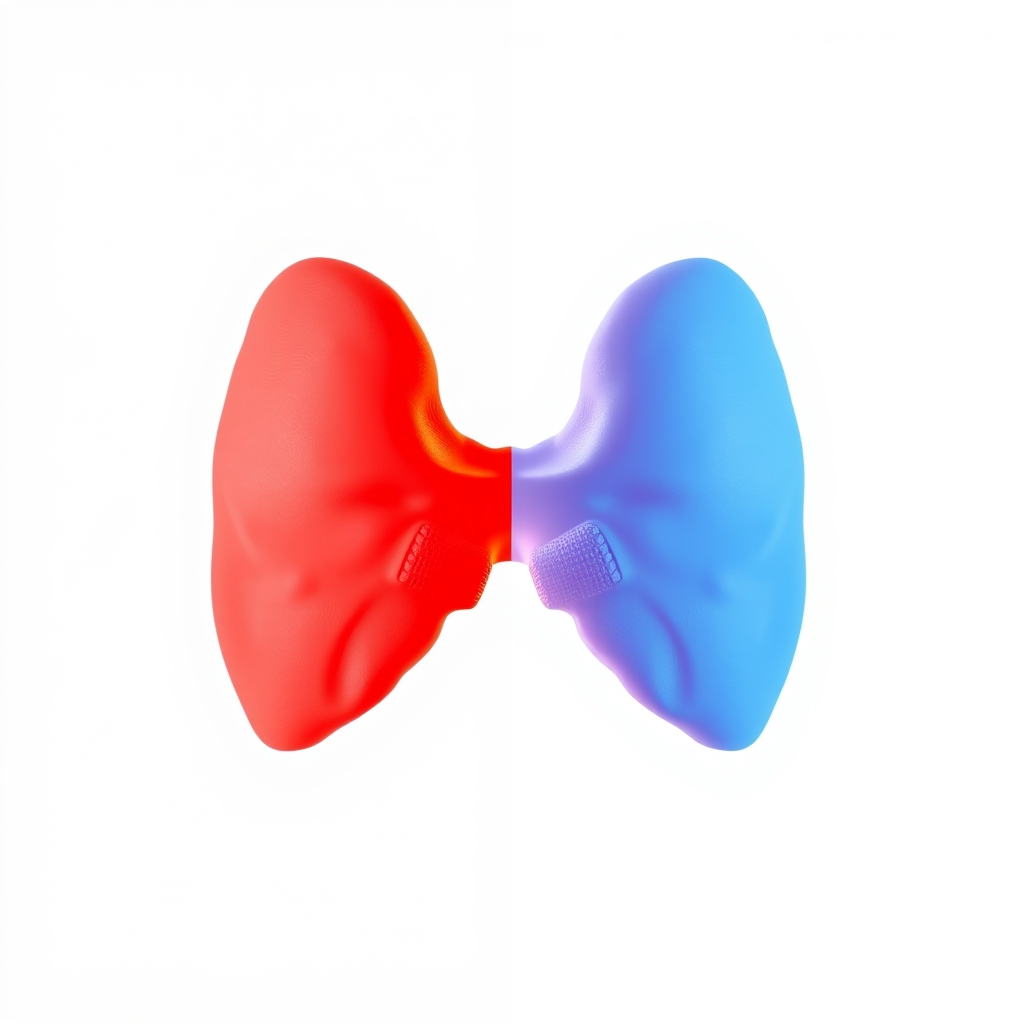
Postpartum thyroiditis is an inflammation of the thyroid that can cause hyper- or hypothyroidism after birth. Discover symptoms, diagnosis, and treatment options.
By Shubhra Mishra — a mom of two who turned her own confusion during pregnancy into BumpBites, a global mission to make food choices clear, safe, and stress-free for every expecting mother. 💛
Check whether any food is safe during pregnancy with the BumpBites Food Safety Checker.
Quick take: Postpartum thyroiditis is an autoimmune inflammation of the thyroid that often starts with a brief period of too‑much thyroid hormone (hyperthyroidism) followed by low hormone (hypothyroidism). Most women feel better within 6–12 months, and symptoms can be safely managed while breastfeeding. A small percentage develop permanent hypothyroidism, so follow‑up testing is important.
It’s 2 a.m., you’re scrolling the baby‑monitor’s night‑light glow, and a sudden wave of fatigue or a racing heart makes you wonder if something’s wrong with your thyroid. You’re not alone—postpartum thyroiditis affects roughly 5–10 % of new mothers, and the timing and symptoms can feel confusing amid the newborn hustle.
In this guide we’ll walk through everything you need to know: the signs to watch for, how doctors confirm the diagnosis, safe treatment options while you’re nursing, and what to expect long‑term. We’ll also compare thyroiditis to postpartum depression, outline risk factors, and give practical tips on diet and future pregnancies.
By the end of the article you’ll have a clear picture of whether your symptoms are part of a temporary thyroid swing, when to seek care, and how to protect your health and your baby’s wellbeing.
What are the symptoms of postpartum thyroiditis and how long do they last?
Postpartum thyroiditis usually follows a two‑phase pattern. In the first 4–8 weeks after delivery, the thyroid may release excess hormone, leading to hyperthyroid symptoms. Weeks 5–12 often bring a hypothyroid phase, where the gland is “tired” and hormone production drops.
Phase
Typical Symptoms
Usual Duration
Hyperthyroid (weeks 1‑4)
Rapid heartbeat, heat intolerance, anxiety, tremor, insomnia, mild weight loss
1‑4 weeks
Hypothyroid (weeks 5‑12)
Fatigue, cold sensitivity, constipation, dry skin, weight gain, depression‑like mood
2‑8 weeks
Many women notice a “roller‑coaster” feeling: an early burst of energy that quickly shifts to overwhelming tiredness. The hyper‑phase can be subtle—sometimes just a jittery feeling or difficulty sleeping. The hypothyroid phase is more recognizable because it mimics the normal exhaustion of caring for a newborn.
While the classic pattern lasts about 12 weeks, some mothers experience a prolonged low‑thyroid phase that can linger for 3‑6 months. In rare cases, symptoms persist beyond a year, signaling a transition to permanent hypothyroidism. Because the timing varies, keeping a symptom diary can help you and your provider see the pattern more clearly.
It’s also worth noting that thyroid symptoms can overlap with common postpartum issues such as anemia or sleep deprivation. If you notice a sudden change in heart rate, temperature tolerance, or mood that doesn’t improve with rest, it’s a cue to discuss thyroid testing with your clinician.
How is postpartum thyroiditis diagnosed after giving birth, and what do normal thyroid test results look like?
Diagnosis begins with a detailed history—when symptoms started, what they feel like, and any personal or family history of autoimmune disease. Your provider will then order blood tests that measure thyroid‑stimulating hormone (TSH) and the thyroid hormones T4 (thyroxine) and T3 (triiodothyronine).
Hyperthyroid phase: Low TSH, high free T4 (and sometimes high free T3).
Hypothyroid phase: High TSH, low free T4; free T3 may be normal or low.
Antibody test: Positive thyroid peroxidase (TPO) antibodies support an autoimmune cause.
In many cases, the initial labs may appear “normal” if you’re tested in the transition between phases. That’s why your provider might repeat the panel after a few weeks if the clinical picture suggests thyroiditis.
Standard reference ranges from laboratories (e.g., the NHS and the American Thyroid Association) are used, but individual labs may vary slightly. A normal TSH range in the postpartum period is typically 0.4‑4.0 mIU/L, but values outside that window—especially in the context of symptoms—prompt further evaluation. The presence of TPO antibodies, even with a borderline TSH, often nudges clinicians toward closer monitoring.
Some clinicians also order a thyroglobulin antibody test if the TPO result is negative but suspicion remains high. This extra step can catch less common autoimmune patterns and is recommended by the Endocrine Society for ambiguous cases.
Can postpartum thyroiditis cause permanent hypothyroidism?
Yes, a minority of women—about 20‑30 %—do not regain full thyroid function after the initial episode and develop permanent hypothyroidism. The risk is higher if you have high TPO antibody levels, a personal history of other autoimmune disorders, or a family history of thyroid disease.
Permanent hypothyroidism is diagnosed when TSH remains elevated (usually > 10 mIU/L) and free T4 stays low for 6 months or more, despite the passage of the typical postpartum window. In this situation, lifelong levothyroxine therapy is usually recommended.
Because the condition can evolve, the American College of Obstetricians and Gynecologists (ACOG) advises repeat thyroid testing at 6 weeks, 3 months, and 6 months postpartum, especially if you had abnormal results initially. Ongoing surveillance helps catch a shift to permanent disease before symptoms become disabling.
Women who develop permanent hypothyroidism benefit from a structured follow‑up plan that includes annual TSH checks, dosage adjustments before each subsequent pregnancy, and counseling about potential cardiovascular impacts—particularly important for those with additional risk factors like hypertension.
Treatment options for postpartum thyroiditis while breastfeeding, including medication dosage guidelines
Most cases of postpartum thyroiditis are self‑limited, and many women can manage symptoms without medication. However, when the hyper‑ or hypo‑phase is severe, treatment may be needed.
Managing the hyperthyroid phase
Beta‑blockers: Low‑dose propranolol (10‑20 mg three times daily) can calm a racing heart and reduce tremor. Beta‑blockers are considered safe for breastfeeding; small amounts pass into milk, but infant exposure is minimal.
Antithyroid drugs: Typically avoided in postpartum thyroiditis because the hyperthyroid phase is usually brief and medication can cross into breast milk. If levels are dangerously high, a short course of methimazole may be used under close supervision.
Managing the hypothyroid phase
Levothyroxine: Starting doses range from 25‑50 µg daily, adjusted based on TSH and free T4. The Endocrine Society recommends checking TSH every 4‑6 weeks until stable, then every 6‑12 months.
Monitoring: Breast milk contains only trace amounts of levothyroxine, and infant thyroid function is not affected. Your provider will tailor the dose to keep TSH within the target range (0.5‑4.0 mIU/L).
Diet and lifestyle support
While no specific diet cures thyroiditis, adequate iodine (150 µg daily for adults) and selenium (55 µg daily) support thyroid health. Foods rich in selenium—Brazil nuts, sunflower seeds, fish—can be included in a balanced postpartum diet. Avoid excessive soy or cruciferous vegetables in raw form, as they can interfere with thyroid hormone synthesis when iodine intake is low.
Staying hydrated, getting gentle exercise (e.g., stroller walks), and prioritizing sleep whenever possible also help the body recover. Small, frequent meals can stabilize blood sugar, which in turn reduces the jitteriness that sometimes mimics hyperthyroidism.
For women who are sensitive to caffeine, limiting intake to less than 200 mg per day (about one 12‑oz cup of coffee) can lessen palpitations during the hyperthyroid phase, a recommendation echoed by the NHS guidelines on caffeine in pregnancy and lactation.
Postpartum thyroiditis vs postpartum depression: how to tell the difference
Both conditions can appear within the first year after birth and share overlapping symptoms such as fatigue, mood swings, and difficulty concentrating. However, there are key distinctions:
Depression: Emotional symptoms are primary—persistent sadness, loss of interest in the baby, feelings of worthlessness, and sometimes thoughts of self‑harm. Hormone labs are usually normal.
Because the two conditions can coexist, ACOG recommends that any postpartum woman with mood changes also be screened for thyroid dysfunction. Treating thyroid imbalance can improve mood, but if depressive symptoms persist, a mental‑health referral is warranted.
Screening tools such as the Edinburgh Postnatal Depression Scale (EPDS) are often used alongside thyroid panels. If you score high on the EPDS but have normal thyroid labs, your provider may still consider a trial of psychotherapy or medication for depression, highlighting the importance of a holistic approach.
Risk factors for developing postpartum thyroiditis after pregnancy, including the autoimmune link with type 1 diabetes
Postpartum thyroiditis is fundamentally an autoimmune process. The following factors increase your odds:
Positive thyroid peroxidase (TPO) antibodies before or during pregnancy.
Personal or family history of other autoimmune diseases—type 1 diabetes, rheumatoid arthritis, celiac disease, or lupus.
Having previously experienced postpartum thyroiditis.
Being of European descent; the condition is less common in Asian and African populations.
Higher maternal age (over 35 years).
Women with type 1 diabetes have a roughly 2‑3‑fold higher risk of postpartum thyroiditis, according to the American Diabetes Association (ADA). The shared autoimmune pathway—where the immune system mistakenly attacks both pancreatic beta cells and thyroid tissue—explains the overlap.
If you have any of these risk factors, discuss thyroid antibody testing with your obstetrician early in pregnancy. Early detection allows for closer monitoring after delivery, and it can also inform your long‑term health plan.
It’s also helpful to know that smoking and iodine deficiency, while less dominant than genetic factors, can modestly raise the likelihood of autoimmune thyroid disease. Quitting smoking before conception and ensuring adequate iodine intake are simple preventive steps endorsed by the WHO.
When should I see a doctor for postpartum thyroiditis symptoms?
Prompt medical evaluation is important if you notice any of the following:
Sudden, unexplained weight loss or gain (≥ 5 % of body weight) within a few weeks.
Rapid heartbeat, palpitations, or chest pain.
Severe fatigue, cold intolerance, or prolonged depression that interferes with caring for your baby.
Difficulty swallowing or a noticeable swelling at the front of the neck (goiter).
Persistent fever, night sweats, or signs of infection.
Even milder symptoms merit a check‑up because early treatment can prevent complications and improve quality of life. If you have a known thyroid antibody positivity, schedule a screening test at your 6‑week postpartum visit even if you feel fine.
When you call your provider, have a brief symptom log ready—date of onset, heart rate (if known), temperature, and any recent changes in medication or diet. This information speeds up the diagnostic process and helps your clinician decide whether repeat labs are needed.
How long does postpartum thyroiditis take to resolve on its own, and what is the typical timeline weeks after delivery?
For most women, the thyroid swing resolves within 6‑12 months. The pattern often looks like this:
Weeks 1‑4: Hyperthyroid phase—may be asymptomatic or present with mild anxiety and palpitations.
Weeks 5‑12: Transition to hypothyroid phase—fatigue, weight gain, and low mood become more apparent.
Months 3‑6: Hormone levels usually normalize; symptoms fade.
Months 6‑12: In a minority of cases, TSH remains high, indicating permanent hypothyroidism.
Regular thyroid function tests at 6 weeks, 3 months, and 6 months postpartum help track this progression. If labs remain abnormal beyond 12 months, your provider will discuss long‑term levothyroxine therapy.
Some women report a “third wave” of mild hypothyroidism that resurfaces during a later pregnancy or during periods of high stress. This pattern underscores the importance of annual thyroid checks for anyone with a prior episode of postpartum thyroiditis, as recommended by the Endocrine Society.
How to monitor thyroid health at home between doctor visits
While home testing cannot replace laboratory panels, certain practical steps let you stay attuned to your thyroid status. First, keep a daily log of symptoms—note heart rate, temperature, mood, weight, and any changes in bowel habits. Tracking these trends helps you spot the shift from hyper‑ to hypothyroid phases.
Second, a simple handheld thermometer can alert you to low‑grade fevers that sometimes accompany thyroid inflammation. If you have a reliable smartwatch or fitness tracker, you can also watch resting heart rate trends; a sudden rise may hint at a hyperthyroid flare.
Third, the FDA‑approved at‑home TSH test kits (e.g., finger‑stick assays) are becoming more accurate. If you choose to use one, follow the manufacturer’s instructions, and bring the result to your next appointment for confirmation. Never adjust medication based on a home test alone—always discuss changes with your provider.
Finally, consider a monthly “thyroid check‑in” with your partner: discuss any new symptoms, review your log, and decide together whether a call to the clinic is warranted. This collaborative approach often reduces anxiety and ensures timely medical attention.
Nutrition and supplements that support thyroid recovery postpartum
Beyond iodine and selenium, several nutrients play a supportive role. Vitamin D deficiency has been linked to autoimmune thyroid disease, so aim for 600–800 IU daily of vitamin D3, especially if you have limited sun exposure. Omega‑3 fatty acids from fatty fish or fortified eggs can reduce inflammation and may improve mood during the hypothyroid phase.
Probiotic‑rich foods such as yogurt, kefir, and fermented vegetables help maintain gut health, which in turn influences immune regulation. Some clinicians also recommend a modest dose of L‑tyrosine (the building block of thyroid hormones) only after confirming low hormone levels, but this should be done under medical supervision.
Remember that supplements are not a substitute for prescribed medication when hormone levels are markedly abnormal. Use them as complementary measures, and always inform your provider of any new products you start.
When planning meals, aim for a balanced plate that includes lean protein, whole grains, and plenty of colorful vegetables. This approach supplies the micronutrients needed for thyroid synthesis while keeping blood sugar stable—a factor that can mitigate hyper‑thyroid‑like jitteriness.
Impact of postpartum thyroiditis on future fertility and pregnancy planning
Most women who experience postpartum thyroiditis regain normal thyroid function and can conceive again without difficulty. However, if you develop permanent hypothyroidism, it is essential to achieve a stable, euthyroid state before trying for another pregnancy. Untreated hypothyroidism is associated with increased risk of miscarriage, preterm birth, and developmental issues for the baby.
Guidelines from the American Thyroid Association suggest maintaining TSH between 0.5‑2.5 mIU/L when planning pregnancy. This often requires a modest increase in levothyroxine dosage, as the body’s demand for thyroid hormone rises during pregnancy. Discuss your family‑planning timeline with an endocrinologist, who can fine‑tune your medication and monitor levels closely throughout the next gestation.
Even if your thyroid function normalizes, it’s wise to repeat antibody testing before a subsequent pregnancy. Persistent TPO positivity may signal a higher chance of recurrence, prompting earlier surveillance in the next trimester.
For couples where the partner also has an autoimmune condition, coordinating care between obstetric and endocrine providers can streamline monitoring and reduce the stress of navigating two specialties.
Postpartum thyroiditis and breastfeeding: effects on milk supply and infant health
Thyroid hormones play a subtle role in milk production, but most women with postpartum thyroiditis can breastfeed without interruption. Levothyroxine, when taken at appropriate doses, does not alter the composition of breast milk, and the tiny amount that does pass into milk is not enough to affect the infant’s thyroid function.
However, severe untreated hypothyroidism can reduce prolactin levels, leading to a lower milk supply. This is why prompt diagnosis and, when needed, timely initiation of levothyroxine are important. The ACOG postpartum care guideline specifically notes that restoring euthyroidism often normalizes lactation patterns within a few weeks.
If you notice a sudden drop in milk output while on thyroid medication, check your thyroid labs first. Adjusting the levothyroxine dose under medical supervision usually resolves the issue. In addition, staying hydrated, nursing frequently, and using skin‑to‑skin contact can support supply while your thyroid stabilizes.
Differentiating postpartum thyroiditis from other thyroid disorders after delivery
Other thyroid conditions—such as Graves’ disease, Hashimoto’s thyroiditis, or subclinical hypothyroidism—can also appear postpartum. Distinguishing them relies on a combination of clinical features and laboratory patterns.
Graves’ disease: Persistent hyperthyroidism beyond the first few months, often with eye changes (exophthalmos) and a diffusely enlarged thyroid. TSH‑receptor antibodies are positive, whereas TPO may be negative.
Hashimoto’s thyroiditis: Usually presents with a gradual hypothyroid phase that does not resolve, high TPO antibodies, and a firm, non‑tender goiter.
Subclinical hypothyroidism: Elevated TSH with normal free T4, often asymptomatic. May be detected incidentally during routine postpartum screening.
Postpartum thyroiditis is characterized by an initial low TSH with high free T4, followed by a high TSH with low free T4, and a transient positive TPO antibody pattern. Serial testing over weeks to months is key—most guidelines, including those from the NHS, recommend at least two measurements spaced 4‑6 weeks apart to capture the biphasic swing.
When in doubt, an endocrine referral for a thyroid ultrasound can help visualize gland size and vascularity, further clarifying the diagnosis. This step is especially useful when a goiter is present or when antibody results are ambiguous.
Myth vs. fact
Myth: Postpartum thyroiditis always leads to permanent hypothyroidism.
Fact: Only about 20‑30 % of women develop lasting hypothyroidism; the majority recover fully within a year.
Myth: You must stop breastfeeding if you need thyroid medication.
Fact: Levothyroxine and low‑dose beta‑blockers are considered safe for nursing; they do not compromise milk production.
Myth: All postpartum mood changes are caused by thyroid problems.
Fact: While thyroid dysfunction can mimic depression, many mood shifts stem from hormonal, sleep, and lifestyle factors. Proper screening distinguishes the two.
Key takeaways
Postpartum thyroiditis typically follows a brief hyperthyroid phase (weeks 1‑4) then a hypothyroid phase (weeks 5‑12).
Blood tests for TSH, free T4, and TPO antibodies confirm the diagnosis; repeat testing is important.
Most women recover within 6‑12 months; a minority need lifelong levothyroxine.
Beta‑blockers and levothyroxine are safe for breastfeeding when used at appropriate doses.
Risk factors include positive thyroid antibodies, a personal/family history of autoimmune disease, and type 1 diabetes.
Seek medical care for rapid weight changes, heart palpitations, severe fatigue, or neck swelling.
Home symptom tracking and proper nutrition can help you navigate the thyroid swing.
Before planning another pregnancy, ensure thyroid levels are stable to protect both you and your future baby.
Frequently asked questions
Can postpartum thyroiditis cause weight gain?
Yes—during the hypothyroid phase you may notice gradual weight gain despite normal eating habits; the slowdown in metabolism is the primary driver.
Is postpartum thyroiditis contagious?
No, thyroiditis is an autoimmune condition, not an infection; you cannot catch it from anyone else.
How soon after delivery can postpartum thyroiditis appear?
Symptoms usually begin within the first 4 weeks postpartum, but some women first notice changes as late as 12 weeks after birth.
Do I need to take thyroid medication for postpartum thyroiditis?
Medication is only needed if symptoms are severe or if lab tests show significant hormone imbalances; many women manage the condition without drugs.
Can postpartum thyroiditis affect my milk supply?
Thyroid medication and beta‑blockers are compatible with breastfeeding and typically do not reduce milk volume. Untreated severe hypothyroidism, however, can lower supply, so monitoring is key.
Will postpartum thyroiditis go away on its own?
In most cases, yes—about 80‑90 % of women experience a full recovery within 12 months without permanent medication.
Is it safe to exercise while experiencing thyroid fluctuations?
Gentle activities such as short walks, prenatal‑postpartum yoga, or stroller‑pushes are generally safe and can improve energy levels; avoid high‑intensity workouts if you feel heart‑racing or extremely fatigued.
Should I avoid iodine‑rich foods if I have postpartum thyroiditis?
No—adequate iodine supports thyroid hormone production. The recommended daily intake for postpartum women is about 150 µg, which can be met through iodized salt, dairy, and seafood. Excessive supplementation without medical guidance, however, is not advised.
Can stress trigger postpartum thyroiditis?
While stress alone does not cause the autoimmune process, high‑stress levels can exacerbate symptoms and may influence antibody activity. Managing stress through rest, gentle movement, and support networks is recommended by both ACOG and the Endocrine Society.
Is it safe to use iodine supplements while breastfeeding?
Moderate iodine supplementation (up to 150 µg per day) is considered safe for nursing mothers, but doses far above the recommended amount should be avoided unless directed by your provider, as excess iodine can actually suppress thyroid function.
When to call your doctor
If you experience any of the following, contact your healthcare provider promptly: persistent rapid heartbeat, unexplained weight changes of 5 % or more, severe fatigue or depression, swelling at the front of the neck, or fever. This article is for informational purposes only and does not replace personalized medical advice.
References
American College of Obstetricians and Gynecologists (ACOG). “Thyroid Disease in Pregnancy.” Clinical Guidance, 2023.
American Thyroid Association. “Guidelines for the Diagnosis and Management of Thyroid Disease During Pregnancy and the Postpartum Period.” 2022.
National Institute for Health and Care Excellence (NICE). “Thyroid disease: assessment and management.” NG123, 2022.
Endocrine Society. “Clinical Practice Guideline for the Management of Postpartum Thyroiditis.” 2021.
American Diabetes Association (ADA). “Autoimmune Thyroid Disease and Type 1 Diabetes.” Standards of Care, 2023.
National Health Service (NHS). “Postpartum thyroiditis.” Patient Information Leaflet, 2022.
Mayo Clinic. “Postpartum thyroiditis.” Health Information, updated 2023.
World Health Organization (WHO). “Iodine status worldwide.” Nutrition Report, 2022.
U.S. Food and Drug Administration (FDA). “At‑home thyroid testing devices: guidance for consumers.” 2023.
American Thyroid Association. “Vitamin D and Autoimmune Thyroid Disease.” Clinical Statement, 2021.
Understanding the two‑phase pattern helps you recognize what’s happening inside your thyroid.Thyroid medication is generally safe while nursing; talk with your provider about dosage.
From our medical team: If you suspect postpartum thyroiditis, we recommend a simple blood test and a conversation with your obstetrician or an endocrinologist. Most cases resolve without long‑term medication, but close monitoring protects both you and your baby.
Not sure about the label on Postpartum Thyroiditis products?
Snap the ingredients list and SafeFilter checks every ingredient for your stage — only 3 free scans this month, then you're locked until reset. Unlimited from $7/mo or $50/yr.
When Shubhra Mishra was expecting her first child in 2016, she was overwhelmed by conflicting food advice — one site said yes, another said never. By the time her second baby arrived in 2019, she realized millions of mothers face the same confusion.
That sparked a five-year journey through clinical nutrition papers, cultural diets, and expert conversations — all leading to BumpBites: a calm, compassionate space where science meets everyday motherhood.
Her long-term vision is to build a global community ensuring safe, supported, and free deliveriesfor every mother — because no woman should face pregnancy alone or uninformed. 🌿
🌍 Stand with mothers, shape safer guidance
Join a small circle of experts who review BumpBites articles so expecting parents everywhere can decide with confidence.