Discover safe and effective hemorrhoid treatments during pregnancy. Learn about piles pregnancy cure options to relieve discomfort naturally and medically.
By Shubhra Mishra — a mom of two who turned her own confusion during pregnancy into BumpBites, a global mission to make food choices clear, safe, and stress-free for every expecting mother. 💛
Check whether any food is safe during pregnancy with the BumpBites Food Safety Checker.
Quick take: Hemorrhoids, often called piles, are common in pregnancy due to hormonal and pressure changes. Most can be managed safely with diet, hydration, gentle home care, and pregnancy‑approved over‑the‑counter products. If bleeding is heavy, pain is severe, or symptoms persist after delivery, see your provider for a professional evaluation.
It’s 2 a.m., you’re curled up on the couch, and a sudden ache in your lower back and a prickly feeling around your anus make you wonder: “Are these hemorrhoids normal? Will my baby be safe if I use a cream?” You’re not alone. Roughly one in three pregnant people develop hemorrhoids, and the mix of growing uterus pressure, increased blood flow, and softened tissues can turn a routine bowel movement into an uncomfortable ordeal.
Below, we walk through why hemorrhoids appear during pregnancy, what you can safely do at home, which over‑the‑counter (OTC) options are pregnancy‑friendly, and the red‑flag signs that warrant a medical visit. We’ll also discuss what to expect after birth and how to keep things comfortable throughout labor, delivery, and the postpartum weeks.
By the end of this guide you’ll have a clear, evidence‑based plan for easing hemorrhoid discomfort while protecting you and your baby.
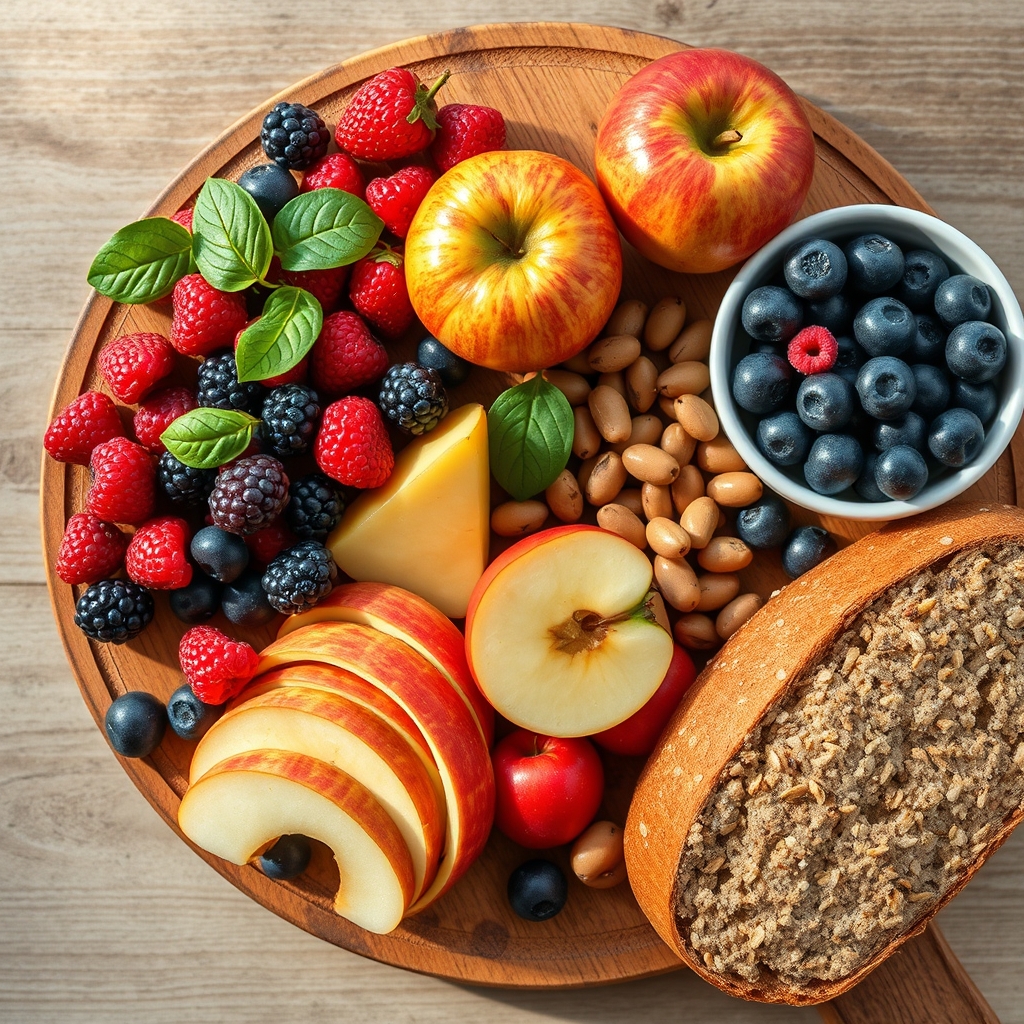
A fiber‑rich plate can help prevent constipation and reduce hemorrhoid flare‑ups.
What causes hemorrhoids during pregnancy and how can I prevent them?
Hemorrhoids are swollen veins in the rectum or anus. During pregnancy, two main forces act on these veins:
Hormonal softening: Progesterone relaxes smooth muscle, which also loosens the walls of the veins, making them more prone to swelling.
Increased pressure: The growing uterus presses on the pelvic veins, slowing blood flow from the lower body back to the heart.
These changes, combined with a slower gastrointestinal transit time (often a side effect of pregnancy hormones), can lead to constipation—a major trigger for hemorrhoids. When you strain to pass a stool, the pressure inside the rectal veins spikes, causing them to bulge and become painful.
Beyond hormones and pressure, other risk factors include a family history of hemorrhoids, a previous difficult delivery, and a sedentary lifestyle. Even the natural weight gain of 25‑35 lb (≈ 11‑16 kg) can add extra strain to the pelvic floor. Understanding these contributors helps you target prevention more precisely.
Preventing hemorrhoids starts with keeping your bowels soft and your blood flowing.
Early warning signs: Many women notice a mild itching or a small lump before pain escalates. Keeping a short symptom diary—recording stool consistency, fluid intake, and any bleeding—helps you spot patterns early and act before the problem worsens.
Dietary prevention
Aim for 25–30 grams of fiber daily. Whole grains, legumes, fruits (especially those with skins), and vegetables add bulk and moisture to stool. A simple “pregnancy fiber plate” might include a side of quinoa, a mixed‑bean salad, a sliced apple, and a handful of berries.
Hydration
Pregnant bodies need about 2.7 L (≈ 10 cups) of fluids per day, according to the Institute of Medicine. Water, herbal teas (without caffeine), and broth‑based soups keep stool soft. Limit caffeine and sugary drinks, which can dehydrate you.
Gentle movement
Walking for 20–30 minutes most days promotes peristalsis and improves venous return from the legs and pelvis. Prenatal yoga poses like Cat‑Cow and Child’s Pose gently stretch the lower back and abdomen, reducing pressure on the rectal veins.
Bowel habits
Respond to the urge to go within a few minutes; delaying can dry out stool. When you sit, keep your knees higher than your hips—using a small footstool can help relax the anorectal angle, making evacuation easier.
What are the safest home remedies for piles during pregnancy?
Many expectant parents wonder whether home measures are enough. The good news: most non‑medicinal remedies are safe and can be surprisingly effective.
Cold compresses
Applying a clean, cold pack (or a bag of frozen peas wrapped in a thin cloth) to the affected area for 10–15 minutes can numb pain and reduce swelling. Do this up to three times a day, especially after a bowel movement.
Witch hazel
Witch hazel is a plant‑derived astringent often found in pads or liquid form. The American College of Obstetricians and Gynecologists (ACOG) notes that topical witch hazel is generally safe in pregnancy because it is not absorbed systemically. Use a cotton ball to apply the liquid gently, or choose fragrance‑free pads designed for hemorrhoid care.
Sitz baths
Sitting in warm (not hot) water for 10–15 minutes can soothe both external and internal hemorrhoids. The NHS recommends a sitz bath 2–3 times daily, especially after bowel movements. Adding a few drops of diluted witch hazel or a teaspoon of Epsom salt can enhance comfort, but avoid harsh soaps.
Fiber supplements
If whole foods aren’t enough, a soluble fiber supplement like psyllium husk (Metamucil) is pregnancy‑approved. Start with a half‑teaspoon mixed in a full glass of water, and increase gradually to avoid gas.
Gentle massage
Using a clean finger, you can gently massage the external area in a circular motion to promote circulation. Be sure hands are clean, and stop if you feel increased pain.
Aloe vera gel
Pure aloe vera gel, applied thinly, offers a soothing, anti‑inflammatory effect without chemicals. The FDA classifies raw aloe as a food‑derived cosmetic, and ACOG considers it safe for external use when the product is free of added fragrances or alcohol.
Consistency is key: applying these measures daily, especially after each bowel movement, creates a cumulative calming effect that many women find enough to avoid stronger interventions.
Sitz baths are a simple, pregnancy‑safe way to ease hemorrhoid discomfort.
Are over‑the‑counter hemorrhoid creams and wipes safe to use while pregnant?
OTC products are convenient, but safety varies. The key is to avoid ingredients that could affect the fetus or cause systemic absorption.
What to look for
Hydrocortisone: Low‑dose (≤ 1 %) hydrocortisone can reduce inflammation and itching. ACOG states short‑term use (under two weeks) is acceptable in pregnancy when needed.
Phenylephrine: This vasoconstrictor shrinks swollen veins but is generally discouraged during pregnancy because it can reduce blood flow to the area.
Petrolatum or zinc oxide: These barrier agents are inert and safe for topical use.
Pregnancy‑friendly options
Products such as Preparation H® Cream (1 % hydrocortisone) and Witch Hazel Pads (fragrance‑free) are listed as safe by the FDA for topical use in pregnancy when used as directed. Other brands like Honest® Hemorrhoidal Cream (zinc oxide) provide a gentle barrier without steroids. Always read labels for “pregnancy‑safe” claims and avoid added fragrances or menthol, which can irritate sensitive skin.
How to apply
Apply a thin layer after a bowel movement and gentle cleaning. Wash your hands before and after. Do not use more than the recommended amount, and limit use to a few days to avoid skin thinning.
Reading the label
When you pick up a product, check the active ingredients list first. If hydrocortisone is present, confirm it’s ≤ 1 % and that the packaging states it’s “for external use only.” If you see “phenylephrine” or “lidocaine,” set the product aside and talk to your provider before using it.
Pharmacists can be an extra safety net; they often know which brands have been vetted for pregnancy and can suggest alternatives if you’re unsure.
When should I see a doctor for painful or bleeding hemorrhoids in pregnancy?
Most hemorrhoids are benign, but certain signs signal a need for professional care.
Heavy bleeding: Soaking a pad for more than a few minutes, passing bright red blood, or seeing blood in the toilet bowl.
Severe, unrelenting pain: Pain that does not improve with home measures after 24–48 hours.
Prolapsed hemorrhoids that cannot be reduced: When a swollen vein protrudes and stays outside the anus.
Signs of infection: Fever, chills, or foul‑smelling discharge.
If any of these occur, contact your obstetrician, midwife, or a colorectal specialist promptly. Early evaluation can prevent complications such as thrombosis (a clot within the hemorrhoid) or anemia from chronic blood loss.
During a prenatal visit, the provider may perform a gentle visual exam (often with a gloved fingertip) to assess the severity. In rare cases, a referral for an in‑office rubber‑band ligation or infrared coagulation may be considered after delivery, when the risk to the fetus is eliminated.
Expect a brief discussion about your bowel habits, diet, and any previous hemorrhoid history. This information helps the clinician decide whether a simple prescription, a procedural referral, or continued home care is best.
How can I get immediate relief from severe hemorrhoid pain while pregnant?
When a flare‑up feels unbearable, a combination of rapid‑acting measures can bring quick comfort.
Cold compress: Apply a frozen gel pack wrapped in a cloth for 10 minutes. The cold numbs the area and reduces swelling.
Topical hydrocortisone cream: Use a pea‑sized amount of 1 % hydrocortisone (as mentioned earlier) to calm itching.
Witch hazel pad: Gently press a pad against the sore for a few minutes; it provides a soothing astringent effect.
Sitz bath: Sit in warm water for 10–15 minutes; the buoyancy eases pressure on the veins.
Stool softener: Take a pregnancy‑approved stool softener like docusate sodium (Colace) as directed; softer stools mean less straining.
Acetaminophen (Tylenol): If pain is still sharp, a standard dose of acetaminophen (up to 1 g every 4‑6 hours, not exceeding 3 g per day) is considered safe in pregnancy by the FDA and ACOG.
Combine these steps in the order that feels most comfortable. For example, start with a cold compress, then a sitz bath, and finish with a thin layer of hydrocortisone. Most women report noticeable relief within an hour.
Take acetaminophen with a small amount of food or milk to minimize stomach upset, and space it at least four hours from any other medication to avoid interactions.
Positioning also matters: sitting on a donut-shaped cushion during the day can off‑load pressure from the perineum, and lying on your left side at night improves pelvic blood flow.
Do pregnancy hemorrhoids go away after birth, and what's the recovery like?
For many, hemorrhoids improve within weeks after delivery as the uterus shrinks and pelvic pressure lessens. However, the timeline varies:
First 2 weeks: Swelling often diminishes rapidly as estrogen levels fall and the pelvic floor relaxes.
4–6 weeks: Most external hemorrhoids resolve, especially if you maintain a high‑fiber diet and stay hydrated.
3 months or more: Persistent internal hemorrhoids may need medical treatment; occasional flare‑ups are not uncommon, especially if constipation returns.
Post‑delivery care includes continuing fiber and fluid intake, gentle pelvic floor exercises, and avoiding prolonged sitting. If you’re breastfeeding, most OTC creams remain safe, but confirm with your provider.
Women who experience lingering symptoms often benefit from postpartum pelvic floor physical therapy, which can improve circulation, strengthen supporting muscles, and hasten resolution.
When hemorrhoids linger past six weeks, minimally invasive procedures such as rubber‑band ligation, infrared coagulation, or sclerotherapy can be performed safely after the postpartum period. These treatments have low risk of affecting lactation or the newborn.
What are the best lifestyle changes to manage hemorrhoids during pregnancy?
Long‑term comfort comes from daily habits that keep bowel movements easy and circulation flowing.
Dietary checklist
Food Group
Pregnancy‑friendly options
Portion (daily)
Whole grains
Oats, quinoa, whole‑wheat bread
3–4 servings
Legumes
Lentils, chickpeas, black beans
1–2 cups cooked
Fruits
Apples (with skin), berries, pears
2–3 cups
Vegetables
Broccoli, leafy greens, carrots
3–5 cups
Fluids
Water, herbal tea, clear soups
≈ 10 cups
Exercise routine
Morning walk (20 min) – boosts peristalsis.
Prenatal yoga – focus on gentle twists and pelvic stretches.
Avoid heavy lifting and prolonged standing without breaks.
Stool softeners & natural remedies
When diet alone isn’t enough, a stool softener like docusate sodium (Colace) is FDA‑approved for pregnancy. For those preferring a natural route, a daily tablespoon of ground flaxseed mixed into yogurt adds both fiber and omega‑3 fatty acids.
Positioning tips
Use a footstool to elevate your knees while sitting on the toilet; this widens the anorectal angle and reduces straining. When you need to sit for long periods (e.g., at work), stand and walk for a couple of minutes every hour.
Clothing choices
Wear loose, breathable underwear made of cotton. Tight jeans can increase perineal pressure and worsen symptoms.
Stress and sleep
Stress hormones can slow gut motility. Simple relaxation techniques—deep breathing, guided meditation, or a short prenatal yoga session—can keep your digestive system moving. Aim for 7–9 hours of sleep; adequate rest supports overall bowel health.
Adding a gentle bidet after bathroom use can further reduce irritation, especially when combined with a soft, fragrance‑free wipe.
From our medical team: “Most hemorrhoid symptoms during pregnancy respond to lifestyle tweaks and gentle topical care. If you notice persistent bleeding, a clot, or a lump that won’t retract, we’ll evaluate you promptly—often with a simple office exam and, if needed, a safe prescription or minor procedure. Your comfort matters, and we’ll tailor treatment to protect both you and your baby.”
Are natural oils and herbal extracts safe for hemorrhoids in pregnancy?
Many expectant parents ask about coconut oil, almond oil, or herbal gels as “natural” alternatives. The consensus from ACOG and the NHS is that pure, fragrance‑free oils can be used externally without harming the fetus, as long they are not ingested in large amounts.
Coconut oil: Its moisturizing properties can reduce itching. Apply a thin layer after a sitz bath, ensuring the oil is virgin and unrefined. Because coconut oil has a low risk of irritation, it’s a popular choice for sensitive skin.
Almond oil: Rich in vitamin E, almond oil can soothe dry skin around the anus. Use only a small amount; a few drops are enough. If you have a nut allergy, skip this option.
Herbal extracts: Products containing calendula, chamomile, or tea tree oil should be used with caution. While calendula and chamomile are generally regarded as safe, tea tree oil can be irritating and is not recommended for pregnant skin. Always choose products labeled “pregnancy safe” and free of added fragrances.
Before applying any new product, perform a small patch test on a less sensitive area (like the inner forearm) and wait 24 hours to ensure no adverse reaction.
Remember, “natural” does not automatically mean “risk‑free.” If you notice increased redness, burning, or swelling after applying any oil, discontinue use and consult your provider.
How does labor and delivery affect hemorrhoids, and what can I do during birth?
During the second stage of labor, the same pressure that creates hemorrhoids in pregnancy intensifies as you push. A prolonged second stage (more than 2 hours for a first‑time mother) can cause new hemorrhoids or worsen existing ones.
Strategies to protect your perineum include:
Controlled pushing: Work with your provider to use “directed pushing” or “open‑glottis” techniques, which reduce intra‑abdominal pressure.
Perineal massage: Starting in the weeks before labor, gently massaging the perineum with a sterile oil can increase tissue elasticity, as recommended by the Royal College of Obstetricians and Gynaecologists (RCOG).
Warm compresses: Request a warm, moist compress for the perineum during the second stage; this can soften tissue and lessen strain.
Positioning: Squatting or side‑lying positions may reduce pressure on the rectal veins compared with supine lying.
Epidural analgesia can also affect pelvic muscle tone, sometimes making it harder to feel the urge to push. If you have an epidural, discuss with your anesthesiologist and midwife how to coordinate breathing and pushing to keep pressure as low as possible.
After delivery, a brief sitz bath (10 minutes) can calm any new swelling. If you notice a protruding lump that won’t retract within a day or two, let your obstetrician examine it—early treatment can prevent thrombosis.
Postpartum hemorrhoid care while breastfeeding: tips and safe products
Breastfeeding adds another layer of consideration because some topical agents can be absorbed and pass into breast milk. Fortunately, most external hemorrhoid products remain safe.
Safe options: Creams with ≤ 1 % hydrocortisone, zinc oxide ointments, and pure witch hazel pads are all compatible with lactation, according to the FDA and lactation consultants at La Leche League. Avoid products containing menthol, phenylephrine, or herbal extracts with unknown safety profiles.
Continued fiber focus: Post‑partum constipation is common, especially with the hormonal shift after delivery. Maintaining the fiber‑rich diet outlined earlier, plus a postpartum stool softener if needed, helps keep stools soft.
Pelvic floor rehab: Gentle Kegel exercises, progressing to pelvic floor physical therapy, can improve circulation and reduce the likelihood of hemorrhoids returning. The NHS recommends starting Kegels a few weeks after delivery, once any perineal tears have healed.
Rest and support: Use a donut pillow when sitting for nursing or reading, and take short walks after each feeding session to promote blood flow.
At night, try propping yourself on a few pillows so you’re not lying flat; a slight incline can reduce pressure on the perineal area and make it easier to fall asleep without discomfort.
Gentle postpartum care can keep hemorrhoid symptoms at bay while you focus on feeding.
Can probiotics help prevent hemorrhoids during pregnancy?
Emerging research suggests that a healthy gut microbiome can influence bowel regularity, which in turn may reduce hemorrhoid risk. Probiotic strains such as *Lactobacillus rhamnosus* and *Bifidobacterium* are commonly recommended for pregnant people to support digestion and immunity.
While the evidence is not yet definitive, a daily probiotic supplement containing at least 10 billion CFU, or fermented foods like yogurt, kefir, and sauerkraut, can help maintain softer stools. The American College of Obstetricians and Gynecologists (ACOG) notes that most probiotic products are considered safe in pregnancy, but you should choose those without added sugars or artificial ingredients.
Integrating probiotics with a high‑fiber diet may provide a synergistic effect, but they should not replace fiber intake or other proven strategies.
Choosing the right toilet seat or bidet for hemorrhoid comfort
Even the design of your bathroom fixtures can affect hemorrhoid symptoms. A toilet seat with a gentle, rounded shape reduces pressure on the perineum compared with a hard, angular seat. Some brands offer “soft‑close” lids that prevent sudden drops, which can be less jarring during bowel movements.
Bidets are another pregnancy‑friendly option. A warm water stream can clean the area without the friction of toilet paper, decreasing irritation. Look for a bidet with adjustable pressure and temperature, and use the lowest setting that feels comfortable. The NHS recommends a short, gentle rinse—no more than 30 seconds—to avoid over‑wetting the skin.
If a bidet isn’t available, a handheld peri‑bottle filled with warm water can serve the same purpose and is easy to keep at home.
Myth vs. fact
Myth: Hemorrhoids are a sign of a serious pregnancy complication.
Fact: While uncomfortable, hemorrhoids are a common, benign condition caused by hormonal and pressure changes. They rarely indicate a dangerous underlying issue.
Myth: You must avoid all creams and wipes because they’re unsafe for the baby.
Fact: Topical products containing low‑dose hydrocortisone, witch hazel, or zinc oxide are considered safe for external use during pregnancy when used as directed.
Myth: Hemorrhoids will never go away after birth.
Fact: Most women see significant improvement within weeks postpartum as the uterus contracts and blood flow normalizes. Ongoing lifestyle measures help the few that persist.
Understanding the true nature of hemorrhoids helps you focus on practical relief rather than unnecessary worry.
Key takeaways
Stay hydrated and aim for 25–30 g of fiber daily to keep stools soft.
Cold compresses, witch hazel pads, and sitz baths are safe, fast‑acting home remedies.
Pregnancy‑approved OTC creams with ≤ 1 % hydrocortisone are fine for short‑term use.
Seek medical care for heavy bleeding, persistent pain, or a prolapsed hemorrhoid that won’t retract.
After delivery, continue fiber, fluid, and gentle movement to finish healing.
Natural oils are generally safe externally, but choose fragrance‑free, pure options and stop if irritation occurs.
Consider probiotics and a gentle bidet to support bowel comfort.
Frequently asked questions
What is the best way to get rid of hemorrhoids during pregnancy?
Start with high‑fiber foods, plenty of water, and gentle movement; add a warm sitz bath and a witch hazel pad for relief, and use a pregnancy‑safe hydrocortisone cream if itching persists.
What can I put on hemorrhoids while pregnant?
Topical products with 1 % hydrocortisone, witch hazel, or plain petroleum jelly are considered safe; avoid preparations containing phenylephrine or strong menthol.
How long do pregnancy hemorrhoids last?
Most improve within 2–4 weeks after delivery, but some may linger for several months, especially if constipation returns.
Is Preparation H safe during pregnancy?
Preparation H Cream (1 % hydrocortisone) is generally regarded as safe for short‑term use in pregnancy; the wipes without phenylephrine are also acceptable.
What helps with hemorrhoid pain during pregnancy?
Cold packs, sitz baths, witch hazel pads, and a gentle stool softener can all reduce pain quickly; maintaining a high‑fiber diet prevents future flare‑ups.
When should I be concerned about hemorrhoids during pregnancy?
Call your provider if you experience bright red bleeding that soaks a pad, severe pain that doesn’t improve with home care, a prolapsed lump that can’t be pushed back, or any fever or foul discharge.
Can I use a sitz bath during the first trimester?
Yes. Warm sitz baths are safe at any stage of pregnancy; just keep the water comfortably warm (not hot) and limit each session to 10–15 minutes to avoid overheating.
Is it safe to take stool softeners like docusate throughout pregnancy?
Yes. Docusate sodium (Colace) is FDA‑approved for use during pregnancy and is commonly recommended by ACOG to prevent constipation‑related hemorrhoids when diet alone isn’t enough.
Are probiotics safe for hemorrhoid prevention in pregnancy?
Most probiotic supplements are considered safe by ACOG, and they may support regular bowel movements, but they should complement—not replace—a fiber‑rich diet.
How does a bidet help with hemorrhoid discomfort?
A gentle warm‑water bidet cleans the area without friction, reducing irritation from toilet paper. Use a low pressure setting for a few seconds after each bowel movement for the best comfort.
When to call your doctor
If you notice any of the following, contact your obstetrician, midwife, or seek urgent care:
Bright red bleeding that soaks a pad or lasts longer than a few minutes.
Severe pain that isn’t relieved after 24 hours of home measures.
A protruding lump that remains outside the anus.
Fever, chills, or foul‑smelling discharge suggesting infection.
This information is for educational purposes only and does not replace personalized medical advice. Always discuss your symptoms and treatment options with your health care provider.
References
American College of Obstetricians and Gynecologists (ACOG). “Management of Hemorrhoids in Pregnancy.” Practice Bulletin No. 226, 2022.
Not sure about the label on Piles Pregnancy Cure Safe Hemorrhoid Treatments products?
Snap the ingredients list and SafeFilter checks every ingredient for your stage — only 3 free scans this month, then you're locked until reset. Unlimited from $7/mo or $50/yr.
When Shubhra Mishra was expecting her first child in 2016, she was overwhelmed by conflicting food advice — one site said yes, another said never. By the time her second baby arrived in 2019, she realized millions of mothers face the same confusion.
That sparked a five-year journey through clinical nutrition papers, cultural diets, and expert conversations — all leading to BumpBites: a calm, compassionate space where science meets everyday motherhood.
Her long-term vision is to build a global community ensuring safe, supported, and free deliveriesfor every mother — because no woman should face pregnancy alone or uninformed. 🌿
🌍 Stand with mothers, shape safer guidance
Join a small circle of experts who review BumpBites articles so expecting parents everywhere can decide with confidence.