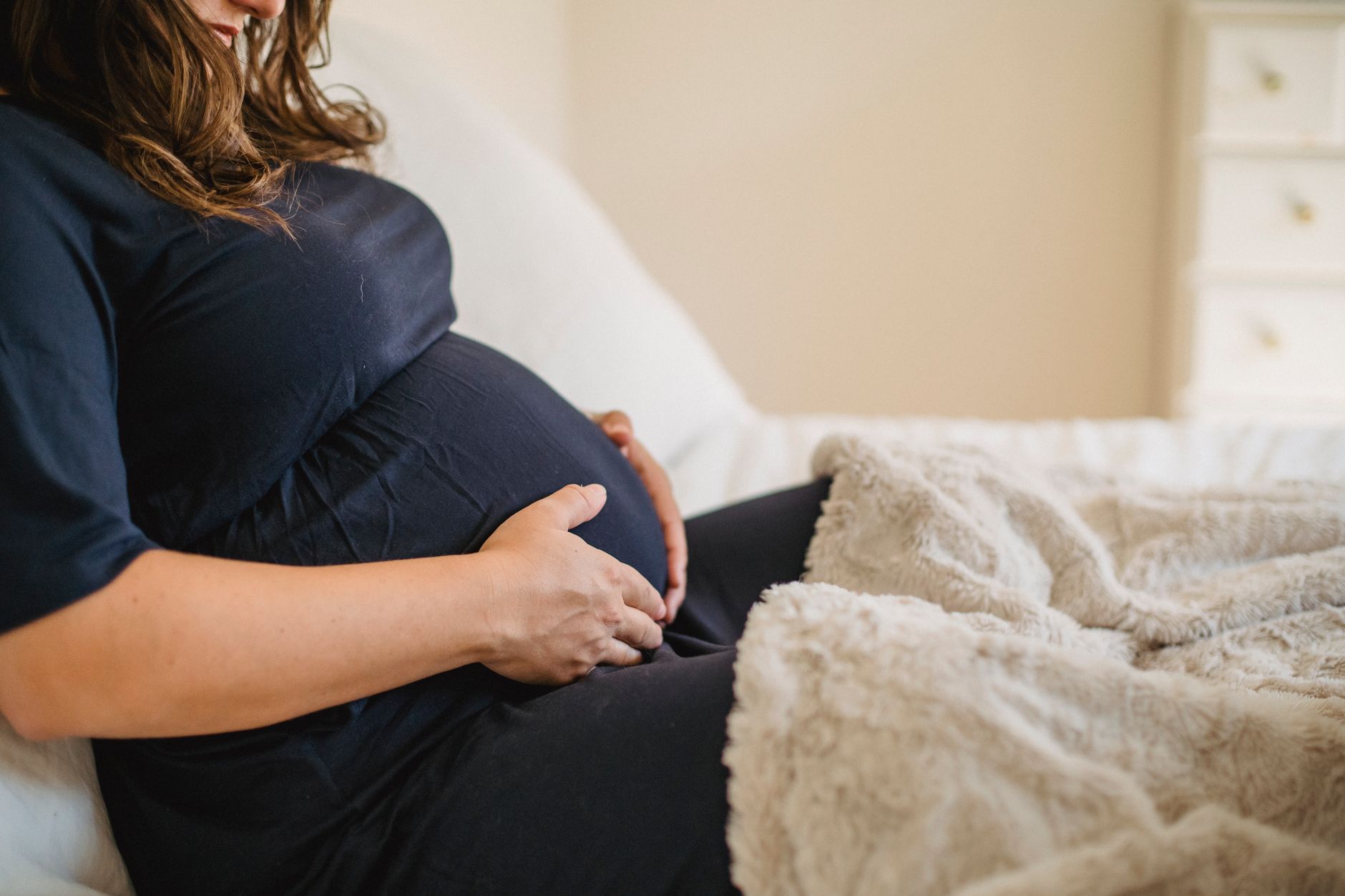
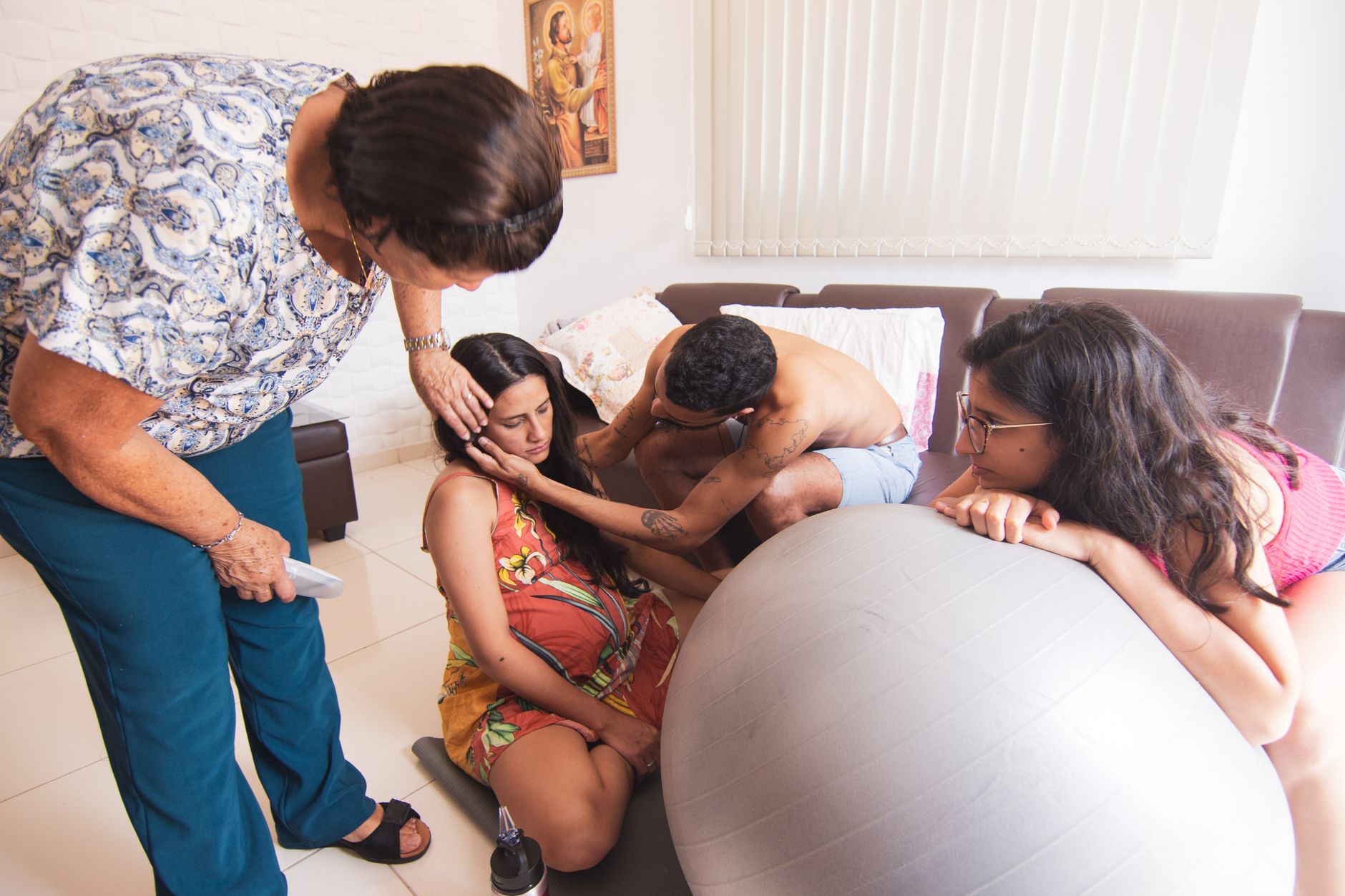
Yes—perineal massage, optimal birth positions, and controlled pushing can cut tearing risk. Discover the top prevention steps and timing for a safer delivery.
By Shubhra Mishra — a mom of two who turned her own confusion during pregnancy into BumpBites, a global mission to make food choices clear, safe, and stress-free for every expecting mother. 💛
Check whether any food is safe during pregnancy with the BumpBites Food Safety Checker.
Quick take: Perineal tearing during childbirth is common—about 60–70% of first-time moms experience some degree of tear—but there are evidence-backed ways to lower your risk. Perineal massage, birthing positions, warm compresses, and good nutrition can all help your tissues stretch more easily. While you can’t prevent tearing entirely, these steps may reduce the severity and speed up healing. If you do tear, most heal within 4–6 weeks with proper postpartum care.
You’re 38 weeks pregnant, scrolling through birth stories at 2 a.m., and the same phrase keeps popping up: “perineal tear.” Some women describe it as a minor sting; others, a sharp pain that lingers for weeks. You wonder: Is this inevitable? Can I actually do anything to prevent it?
Here’s the truth: perineal tearing is common, but it’s not unavoidable. Many factors—like your baby’s position, how fast labor progresses, and even your own hydration—play a role. The good news? There are practical, science-backed steps you can take now to prepare your body for birth and reduce your risk. In this guide, we’ll cover everything from perineal massage techniques to the best birthing positions, plus what to do if tearing happens. Our goal? To help you feel informed, prepared, and a little less anxious about what’s ahead.
A few minutes of perineal massage a few times a week can help your tissues stretch more easily during birth.
What is perineal tearing—and why does it happen?
Your perineum is the area of skin and muscle between your vagina and anus. During childbirth, as your baby’s head crowns, this tissue stretches—sometimes to the point of tearing. Perineal tears are classified into four degrees, based on how deep they go:
First-degree: A small tear that only affects the skin. These usually heal quickly and may not even need stitches.
Second-degree: The most common type, involving both the skin and underlying muscle. These typically require stitches and take a few weeks to heal.
Third-degree: A deeper tear that extends into the muscle around your anus (the anal sphincter). These require careful repair and a longer recovery.
Fourth-degree: The most severe, extending through the anal sphincter and into the rectal lining. These are rare but require specialized medical care and a longer healing process.
Most tears are first- or second-degree, but even these can feel uncomfortable in the early postpartum days. The good news? Many factors that contribute to tearing are within your control—or at least, you can prepare for them.
One reader, Sarah, shared her experience: “I was terrified of tearing, especially after hearing horror stories. But my midwife walked me through perineal massage, and I practiced it religiously from 34 weeks. When I gave birth, I only had a tiny first-degree tear—no stitches, and it healed within a week. I truly think the massage made a difference.”
What increases the risk of perineal tearing?
Some risk factors for perineal tearing are beyond your control, like:
Being a first-time mom (the tissue hasn’t stretched before).
Having a large baby or a baby in a difficult position (like occiput posterior, or “sunny-side up”).
Having a fast labor (the tissue doesn’t have time to stretch gradually).
A history of previous perineal trauma or scarring.
But other factors are within your control, like:
Pushing too hard or too fast: Directed pushing (where a provider tells you when and how to push) can increase tearing risk. Instead, try to follow your body’s natural urges.
Birthing position: Some positions, like lying flat on your back, put more pressure on the perineum. Upright or side-lying positions can reduce this pressure.
Poor tissue elasticity: Dehydration, poor nutrition, or lack of preparation (like skipping perineal massage) can make your tissues less stretchy.
Medical interventions: Episiotomies (a surgical cut to enlarge the vaginal opening) were once routine but are now only recommended in specific cases, like fetal distress. Research shows they often lead to more severe tearing.
Understanding these factors can help you make choices that lower your risk. For example, staying hydrated and eating foods rich in vitamin C and zinc can improve tissue health, while practicing perineal massage can help your body prepare for the stretching of birth.
How to prevent perineal tearing during labor
Preventing perineal tearing isn’t about one magic trick—it’s about a combination of preparation, positioning, and support during labor. Here’s what you can do to lower your risk:
1. Start perineal massage early
Perineal massage is one of the most effective ways to prepare your tissues for birth. It involves gently stretching the perineum to improve elasticity and reduce the likelihood of tearing. Research shows that women who practice perineal massage from 34 weeks onward are less likely to experience severe tears or need an episiotomy.
“I was skeptical at first,” said Maria, a first-time mom. “But after a few weeks of massage, I noticed my perineum felt more flexible. During birth, I could feel the difference—my body stretched more easily, and I only had a minor tear.”
2. Choose the right birthing position
Your birthing position can make a big difference in how much pressure is placed on your perineum. Positions that allow gravity to help (like squatting, kneeling, or side-lying) tend to reduce tearing risk compared to lying flat on your back. We’ll dive deeper into the best positions later in this guide.
3. Use warm compresses during labor
Applying a warm compress to your perineum during the pushing stage can help relax the tissues and improve blood flow, making them more stretchy. A 2017 study found that women who used warm compresses were less likely to experience severe tears. Ask your provider or doula to help with this during labor.
4. Control your pushing
Pushing too hard or too fast can increase tearing risk. Instead of forced, directed pushing, try to follow your body’s natural urges. Some women find that making low, guttural sounds (like “mooing”) helps them push more gently and effectively.
5. Stay hydrated and nourished
Dehydration can make your tissues less elastic, so drink plenty of water in the weeks leading up to birth. Eating foods rich in vitamin C, zinc, and healthy fats can also support tissue health. We’ll cover specific foods to focus on later.
6. Communicate with your provider
Let your provider know that you’re hoping to avoid an episiotomy unless it’s medically necessary. Most guidelines now recommend against routine episiotomies, as they often lead to more severe tearing. A supportive provider will respect your wishes and help you birth in a way that minimizes trauma.
Staying hydrated and eating nutrient-rich foods can help improve tissue elasticity before birth.
Best perineal massage techniques for tearing prevention
Perineal massage is a simple but powerful way to prepare your body for birth. It helps stretch the perineal tissues, making them more flexible and less likely to tear. Here’s how to do it effectively:
When to start
Most experts recommend starting perineal massage around 34 weeks of pregnancy. This gives your tissues enough time to adapt and become more elastic. Aim to massage 3–4 times a week for about 5–10 minutes each session.
What you’ll need
A clean, quiet space where you can relax.
A mirror (optional, to help you see the area).
A natural oil, like vitamin E oil, coconut oil, or almond oil (avoid mineral oil or scented products).
Clean hands with trimmed nails.
Step-by-step technique
Get comfortable: Sit or recline in a position where you can easily reach your perineum. Some women prefer to sit on the toilet or lie on their side with a pillow between their knees.
Apply oil: Warm a small amount of oil between your fingers and apply it to your perineum. This helps reduce friction and makes the massage more comfortable.
Insert your thumbs: Gently insert one or two thumbs about 1–2 inches into your vagina. Press downward toward your rectum (the same direction your baby’s head will move during birth).
Stretch the tissue: Slowly move your thumbs outward and upward in a U-shaped motion, stretching the tissue between your vagina and anus. You should feel a slight burning or stinging sensation—this is normal and means you’re stretching the tissue. Hold the stretch for about 2 minutes, then release.
Repeat: Continue this motion for 5–10 minutes, focusing on the areas that feel tight or resistant. Over time, you’ll notice the tissue becomes more flexible.
Relax: After your massage, take a few deep breaths and relax. You might feel a little sore at first, but this should ease with regular practice.
Tips for success
Start slow: If you’re new to perineal massage, start with just 2–3 minutes and gradually increase the time as your body adjusts.
Involve your partner: If you’re comfortable, your partner can help with the massage. This can also be a bonding experience and may make it easier to reach certain areas.
Listen to your body: If you feel sharp pain (not just discomfort), stop and try again later. The goal is to gently stretch the tissue, not force it.
Be consistent: Like any exercise, perineal massage works best when done regularly. Set a reminder in your phone or pair it with another habit, like your nightly skincare routine.
“I was nervous about perineal massage at first,” said Lisa, a mom of two. “But after a few sessions, it became part of my self-care routine. During my second birth, I didn’t tear at all—I truly believe the massage helped.”
What foods reduce perineal tearing risk in pregnancy?
What you eat during pregnancy can have a big impact on your tissue health. Certain nutrients help improve skin elasticity, reduce inflammation, and support healing—all of which can lower your risk of perineal tearing. Here are the key foods to focus on:
1. Foods rich in vitamin C
Vitamin C is essential for collagen production, which helps keep your skin and tissues strong and elastic. Aim for at least 85 mg per day (the recommended amount for pregnant women). Good sources include:
Citrus fruits (oranges, grapefruit, lemons).
Berries (strawberries, blueberries, kiwi).
Bell peppers (red, yellow, or green).
Leafy greens (spinach, kale).
Broccoli and Brussels sprouts.
2. Zinc-rich foods
Zinc plays a key role in tissue repair and wound healing. During pregnancy, you need about 11 mg per day. Good sources include:
Lean meats (beef, pork, chicken).
Shellfish (oysters, crab, shrimp—just make sure they’re cooked thoroughly).
Legumes (lentils, chickpeas, black beans).
Nuts and seeds (pumpkin seeds, cashews, almonds).
Whole grains (quinoa, oats, brown rice).
3. Healthy fats
Healthy fats help keep your skin supple and reduce inflammation. Focus on omega-3 fatty acids, which are found in:
Fatty fish (salmon, sardines, mackerel—limit to 2–3 servings per week due to mercury concerns).
Flaxseeds and chia seeds.
Walnuts and almonds.
Avocados.
Olive oil.
4. Hydration
Staying hydrated is one of the simplest ways to improve tissue elasticity. Aim for at least 8–10 cups of water per day, and more if you’re active or live in a hot climate. Herbal teas (like chamomile or peppermint) and water-rich foods (cucumber, watermelon, celery) can also help.
5. Protein-rich foods
Protein is the building block of your tissues. During pregnancy, you need about 71 grams per day. Good sources include:
Lean meats and poultry.
Eggs.
Dairy (Greek yogurt, cottage cheese, milk).
Tofu and tempeh.
Beans and lentils.
“I focused on eating more vitamin C and zinc-rich foods in my third trimester,” said Priya, a mom of one. “I also drank a lot of water, and I think it made a difference. I only had a small tear, and it healed quickly.”
Foods to avoid
While no food can “cause” perineal tearing, some may contribute to inflammation or poor tissue health. Try to limit:
Processed foods (chips, fast food, sugary snacks).
Excess sugar (soda, candy, baked goods).
Refined carbohydrates (white bread, pasta, rice).
Excess caffeine (more than 200 mg per day).
Perineal stretching exercises to avoid tearing
In addition to perineal massage, certain exercises can help improve the flexibility and strength of your pelvic floor and perineal tissues. These exercises are gentle, safe during pregnancy, and can be done at home. Always check with your provider before starting any new exercise routine.
1. Kegel exercises
Kegels strengthen the pelvic floor muscles, which support your bladder, uterus, and bowels. Strong pelvic floor muscles can help your perineum stretch more easily during birth. Here’s how to do them:
Find your pelvic floor muscles by stopping your urine midstream (do this only once to identify the muscles—don’t make a habit of it).
Once you’ve identified the muscles, empty your bladder and sit or lie down comfortably.
Contract your pelvic floor muscles (imagine you’re trying to stop gas from escaping). Hold for 3–5 seconds, then relax for 3–5 seconds.
Repeat 10–15 times, 3 times a day.
“I did Kegels every day during my pregnancy,” said Emma. “I think they helped me feel more in control during birth, and I didn’t tear at all.”
2. Squats
Squats help open your pelvis and stretch your perineum. They also strengthen your legs and glutes, which can help you push more effectively during labor. Here’s how to do them safely:
Stand with your feet shoulder-width apart, toes pointing slightly outward.
Slowly lower your body as if you’re sitting in a chair, keeping your knees behind your toes.
Go as low as you comfortably can, then slowly stand back up.
Repeat 10–15 times, 2–3 times a day.
If you’re new to squats, start with shallow squats and gradually go deeper as your body adjusts. You can also hold onto a sturdy chair or counter for support.
3. Butterfly stretch
The butterfly stretch helps open your hips and stretch your perineum. It’s a great way to relax and prepare your body for birth. Here’s how to do it:
Sit on the floor with the soles of your feet together, knees bent outward.
Gently press your knees toward the floor with your elbows, keeping your back straight.
Hold the stretch for 20–30 seconds, then release.
Repeat 3–5 times.
“I did the butterfly stretch every night before bed,” said Rachel. “It helped me feel more flexible and prepared for birth.”
4. Pelvic tilts
Pelvic tilts strengthen your core and improve flexibility in your lower back and pelvis. They can also help relieve pregnancy-related back pain. Here’s how to do them:
Get on your hands and knees, with your wrists directly under your shoulders and your knees under your hips.
Inhale and arch your back slightly, lifting your head and tailbone.
Exhale and round your back, tucking your chin to your chest and drawing your belly button toward your spine.
Repeat 10–15 times, 2–3 times a day.
5. Perineal bulges
Perineal bulges help you practice relaxing and stretching your perineum, which can make birth easier. Here’s how to do them:
Sit or lie down comfortably, with your knees bent and feet flat on the floor.
Take a deep breath in, then exhale and gently bulge your perineum outward (imagine you’re trying to push something out of your vagina).
Hold for 3–5 seconds, then relax.
Repeat 10–15 times, 2–3 times a day.
“Perineal bulges were a game-changer for me,” said Sophie. “They helped me understand how to relax my muscles during birth, and I think that’s why I didn’t tear.”
How does birthing position affect perineal tearing?
Your birthing position can have a big impact on your risk of perineal tearing. Some positions put more pressure on your perineum, while others allow gravity to help your baby descend more gently. Here’s what you need to know:
Positions that reduce tearing risk
Research shows that upright or side-lying positions tend to reduce tearing risk compared to lying flat on your back. Here are some of the best positions to consider:
Squatting: Squatting opens your pelvis and allows gravity to help your baby descend. It also reduces pressure on your perineum. You can squat while holding onto a sturdy chair, a squatting bar, or your partner for support.
Kneeling: Kneeling on all fours or leaning over a birth ball can help take pressure off your perineum. This position also allows your provider or doula to apply counterpressure or a warm compress to your perineum during crowning.
Side-lying: Lying on your side with your top leg supported by a pillow can help slow down the birth of your baby’s head, giving your perineum more time to stretch. This position is also great if you’re feeling tired or need to rest between contractions.
Standing or leaning forward: Standing or leaning forward (over a bed, counter, or your partner) can help your baby descend more easily and reduce pressure on your perineum.
Positions that may increase tearing risk
Some positions can put more pressure on your perineum and increase your risk of tearing. These include:
Lying flat on your back (lithotomy position): This is the most common position in hospitals, but it can make it harder for your baby to descend and puts more pressure on your perineum. If you’re in this position, ask your provider if you can try a different angle (like propping yourself up with pillows).
Semi-reclining: While this position can be comfortable, it doesn’t take full advantage of gravity and may increase tearing risk.
What the research says
A 2017 review published in the Cochrane Database of Systematic Reviews found that upright birthing positions (like squatting, kneeling, or standing) were associated with a lower risk of severe perineal tears compared to lying down. Another study found that women who gave birth in a side-lying position were less likely to experience third- or fourth-degree tears.
“I was determined to avoid lying on my back during birth,” said Claire. “I squatted for most of my labor, and when it came time to push, I switched to a side-lying position. I didn’t tear at all, and I think the position made a big difference.”
Tips for choosing the right position
Practice ahead of time: Try out different positions during pregnancy so you’re comfortable with them when labor starts.
Stay mobile: Moving around during labor can help your baby descend more easily and reduce tearing risk. Walk, sway, or change positions frequently.
Listen to your body: Your body will tell you what feels right. If a position isn’t working, don’t be afraid to switch it up.
Communicate with your provider: Let your provider or doula know which positions you’re interested in trying. They can help you find what works best for you and your baby.
Squatting during labor can help open your pelvis and reduce pressure on your perineum.
When to use perineal support devices during delivery
Perineal support devices are tools that can help reduce tearing risk during birth. They’re typically used by your provider or doula to gently support your perineum as your baby’s head crowns. Here are some of the most common devices and when they’re used:
1. Warm compresses
Warm compresses are one of the simplest and most effective ways to support your perineum during birth. Applying a warm, moist compress to your perineum can help relax the tissues, improve blood flow, and reduce tearing risk. A 2017 study found that women who used warm compresses were less likely to experience severe tears.
Your provider or doula can apply the compress during the pushing stage, just as your baby’s head starts to crown. The warmth can also help distract you from the burning sensation of crowning, making the experience more comfortable.
2. Perineal support hands (manual support)
Manual perineal support involves your provider or doula using their hands to gently support your perineum as your baby’s head crowns. This can help slow down the birth of the head, giving your tissues more time to stretch. It can also reduce the risk of a “buttonhole” tear (a small, deep tear that can be harder to repair).
“I was nervous about crowning, but my midwife used her hands to support my perineum,” said Anna. “It felt like a gentle pressure, and it really helped me feel more in control. I only had a small tear, and it healed quickly.”
3. Perineal protection devices
Some providers use specialized devices to support the perineum during birth. These include:
Epi-No: The Epi-No is a small, inflatable balloon that you insert into your vagina and gradually inflate over time. It’s designed to stretch your perineum in preparation for birth. Some studies suggest it may reduce tearing risk, but the evidence is mixed. Always check with your provider before using one.
Perineal guards: These are plastic or silicone devices that your provider can place against your perineum during crowning to provide support and reduce pressure. They’re not as commonly used as warm compresses or manual support, but some providers find them helpful.
When are these devices used?
Perineal support devices are typically used during the pushing stage of labor, just as your baby’s head starts to crown. Your provider or doula will apply the device (like a warm compress) or use their hands to support your perineum as your baby’s head emerges. This can help slow down the birth and give your tissues more time to stretch.
What to ask your provider
If you’re interested in using perineal support devices during birth, talk to your provider ahead of time. Here are some questions to ask:
Do you routinely use warm compresses or manual perineal support during birth?
Are there any devices (like the Epi-No) that you recommend for perineal preparation?
What’s your approach to preventing perineal tearing?
Can my doula or partner help with perineal support during birth?
Episiotomy vs. natural perineal tearing: which is safer?
An episiotomy is a surgical cut made to the perineum to enlarge the vaginal opening during birth. It was once a routine part of childbirth, but research has shown that episiotomies often lead to more severe tearing and other complications. Today, most medical guidelines recommend against routine episiotomies, reserving them for specific cases where they’re medically necessary.
What is an episiotomy?
An episiotomy is a straight cut made with scissors or a scalpel, usually at a 45-degree angle from the vaginal opening toward the anus. There are two main types:
Midline episiotomy: A vertical cut made straight down toward the anus. This type is more likely to extend into a third- or fourth-degree tear.
Mediolateral episiotomy: A cut made at an angle away from the anus. This type is less likely to extend into a severe tear but can be more painful to repair.
When is an episiotomy recommended?
Episiotomies are no longer routine, but they may be recommended in certain situations, such as:
Fetal distress: If your baby’s heart rate drops and they need to be born quickly.
Shoulder dystocia: If your baby’s shoulders get stuck during birth and need extra space to emerge.
Forceps or vacuum delivery: If your provider needs to use assistive tools to help deliver your baby.
Severe tearing: If you’re at high risk of a severe tear (like a third- or fourth-degree tear) and your provider believes an episiotomy may prevent it.
Risks of episiotomy
While episiotomies can be helpful in certain cases, they also come with risks, including:
More severe tearing: Episiotomies often extend into third- or fourth-degree tears, which take longer to heal and can lead to complications like incontinence or pelvic floor dysfunction.
Infection: Any surgical cut increases the risk of infection.
Longer recovery: Episiotomies can be more painful to repair and take longer to heal than natural tears.
Scarring: Episiotomies can lead to scarring, which may cause discomfort during sex or future births.
Natural tearing vs. episiotomy: what the research says
Research consistently shows that natural tearing is generally safer than routine episiotomy. A 2017 review published in the Cochrane Database of Systematic Reviews found that routine episiotomies did not reduce the risk of severe tearing and were associated with more complications, including pain, infection, and longer recovery times.
Another study found that women who had an episiotomy were more likely to experience severe tearing in future births. In contrast, women who had a natural tear were less likely to experience severe tearing in subsequent births.
What you can do
If you’re concerned about episiotomy, talk to your provider about your birth preferences. Here’s what you can do to reduce your risk:
Write a birth plan: Include your preference to avoid an episiotomy unless it’s medically necessary.
Choose a supportive provider: Look for a provider who follows evidence-based guidelines and avoids routine episiotomies.
Prepare your perineum: Perineal massage, stretching exercises, and good nutrition can all help reduce your risk of tearing.
Advocate for yourself: If your provider suggests an episiotomy, ask why it’s necessary and if there are alternatives.
“I was terrified of episiotomy, so I made sure my provider knew I wanted to avoid it unless it was absolutely necessary,” said Laura. “During birth, my baby’s heart rate dropped, and my provider suggested an episiotomy. I asked if we could try other options first, and we did. My baby was born safely, and I only had a small tear. I’m so glad I spoke up.”
Factor
Episiotomy
Natural Tearing
Definition
A surgical cut made to the perineum to enlarge the vaginal opening.
A spontaneous tear that occurs as the baby’s head crowns.
When it’s used
Only in specific cases, like fetal distress or shoulder dystocia.
Occurs naturally during birth; severity varies.
Healing time
Often longer, especially if the cut extends into a severe tear.
Usually shorter, especially for first- or second-degree tears.
Risk of severe tearing
Higher, especially if the cut extends into a third- or fourth-degree tear.
Lower, especially if you’ve prepared your perineum with massage and exercises.
Pain and discomfort
Often more painful, especially during recovery.
Varies; first-degree tears may not require stitches and heal quickly.
Scarring
More likely, which can cause discomfort during sex or future births.
Less likely, especially for minor tears.
Infection risk
Higher, due to the surgical cut.
Lower, unless the tear is severe.
Signs of perineal tearing and when to seek medical help
Perineal tearing is common, but it’s important to know the signs of a severe tear and when to seek medical help
Not sure about the label on Perineal Tearing Prevention products?
Snap the ingredients list and SafeFilter checks every ingredient for your stage — only 3 free scans this month, then you're locked until reset. Unlimited from $7/mo or $50/yr.
When Shubhra Mishra was expecting her first child in 2016, she was overwhelmed by conflicting food advice — one site said yes, another said never. By the time her second baby arrived in 2019, she realized millions of mothers face the same confusion.
That sparked a five-year journey through clinical nutrition papers, cultural diets, and expert conversations — all leading to BumpBites: a calm, compassionate space where science meets everyday motherhood.
Her long-term vision is to build a global community ensuring safe, supported, and free deliveriesfor every mother — because no woman should face pregnancy alone or uninformed. 🌿
🌍 Stand with mothers, shape safer guidance
Join a small circle of experts who review BumpBites articles so expecting parents everywhere can decide with confidence.