Partial molar pregnancy is diagnosed through ultrasound and hCG testing, and treatment typically involves suction‑curettage. Learn the steps, risks, and follow‑up care in this comprehensive guide.
By Shubhra Mishra — a mom of two who turned her own confusion during pregnancy into BumpBites, a global mission to make food choices clear, safe, and stress-free for every expecting mother. 💛
Check whether any food is safe during pregnancy with the BumpBites Food Safety Checker.
Quick take: A partial molar pregnancy is a rare type of gestational trophoblastic disease where some of the pregnancy tissue grows abnormally. It is usually detected by ultrasound and confirmed with blood tests, then treated with a gentle surgical procedure called dilation and curettage. Most women recover fully, and future pregnancies are often successful, though close follow‑up is essential.
Imagine it’s 2 a.m., you’ve just taken a home pregnancy test that turned pink, and the next morning you’re feeling cramping, spotting, and a strange “bubbly” sensation in your uterus. You scroll through pages of information, wondering if this could be something serious. You’re not alone—many expecting parents face that same mix of excitement and anxiety when their bodies send unexpected signals.
In this guide we’ll walk you through everything you need to know about partial molar pregnancy diagnosis and treatment. We’ll explain what a partial molar pregnancy is, why it happens, how doctors find it, and what options you have for safe, compassionate care. We’ll also cover emotional support, fertility after treatment, and the follow‑up steps that keep you healthy for the next chapter.
By the end of the article you’ll have a clear roadmap: the symptoms to watch for, the tests that confirm the diagnosis, the treatment pathways recommended by leading bodies like ACOG and the NHS, and practical tips for coping with the emotional rollercoaster. Let’s get started.
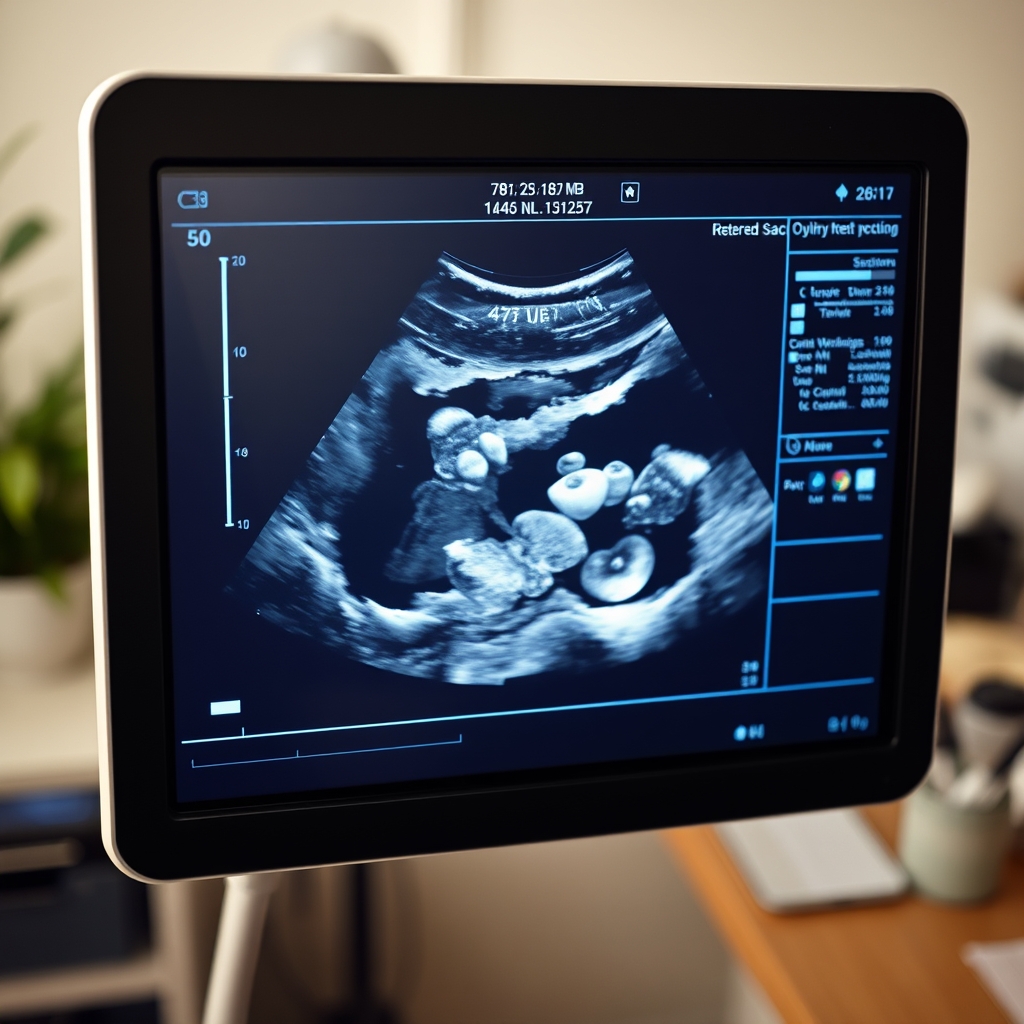
Ultrasound often reveals the characteristic “snowstorm” pattern of a molar pregnancy.
What are the symptoms of a partial molar pregnancy?
Partial molar pregnancies can feel like a normal early pregnancy at first, but a few warning signs usually emerge between 8 and 14 weeks. The most common symptoms include:
Vaginal bleeding that’s lighter or heavier than a typical period.
Rapid uterine growth that feels larger than expected for gestational age.
Severe nausea or vomiting (hyperemesis gravidarum) that doesn’t improve with usual remedies.
Pelvic pressure or a feeling of fullness, sometimes described as “bloating” that isn’t relieved by rest.
Elevated levels of human chorionic gonadotropin (hCG) that are disproportionately high for the gestational age.
Because these signs overlap with other early‑pregnancy issues—such as miscarriage or a normal twin pregnancy—many women don’t recognize them right away. If you notice any combination of bleeding, rapid growth, or unusually high hCG, it’s wise to contact your provider promptly.
One of our readers, “Emily,” shared that she thought her intense morning sickness was just a normal part of her first trimester. It wasn’t until she began to feel a “tightness” in her lower abdomen and saw a sudden jump in her hCG numbers that her clinician ordered an ultrasound, which revealed the abnormal tissue. Stories like Emily’s remind us that early, attentive communication with your care team is key.
How is partial molar pregnancy diagnosed?
Diagnosing a partial molar pregnancy involves a combination of imaging, blood work, and sometimes pathology. The process typically follows these steps:
Transvaginal ultrasound: This is the frontline tool. A partial mole often appears as a “cluster of grapes” or irregular, cystic spaces within the placenta, sometimes described as a “snowstorm” pattern. The fetus, if present, may be abnormal or absent.
Serum hCG measurement: hCG levels rise sharply, often exceeding 100,000 mIU/mL, which is higher than expected for a normal pregnancy at the same gestational age. Serial measurements help track trends.
Genetic testing (karyotyping or DNA analysis): A partial mole usually has a triploid set of chromosomes (69,XXY or 69,XXX), meaning there’s an extra set of paternal DNA. This can be confirmed via chorionic villus sampling (CVS) or after tissue removal.
Histopathology: After the tissue is removed (usually with dilation and curettage), a pathologist examines it under a microscope to confirm the presence of hydropic villi and trophoblastic proliferation.
Guidelines from the American College of Obstetricians and Gynecologists (ACOG) and the UK’s National Institute for Health and Care Excellence (NICE) both recommend using ultrasound as the primary screening tool, followed by hCG trends and histologic confirmation.
It’s also important to differentiate a partial mole from a miscarriage. In a miscarriage, the ultrasound will often show a normal‑appearing gestational sac that is shrinking, and hCG levels typically decline. The “snowstorm” appearance and persistently high hCG are clues that point toward a molar pregnancy.
Partial molar pregnancy treatment options
Once the diagnosis is confirmed, the standard treatment is a minimally invasive surgical procedure called dilation and curettage (D&C). The goal is to remove all abnormal trophoblastic tissue while preserving the uterus for future pregnancies.
Dilation and curettage (D&C): Under moderate sedation or general anesthesia, a small opening is made in the cervix (dilation) and a suction device gently removes the tissue (curettage). The procedure usually takes 15‑30 minutes and is performed on an outpatient basis. Most women recover within a few days, though spotting can continue for a few weeks.
In rare cases where the molar tissue is extensive, or if the patient cannot undergo D&C due to medical reasons, a hysterectomy may be considered. This is more common in older patients who have completed childbearing and when there is a higher risk of persistent disease.
After evacuation, the patient’s hCG levels are monitored weekly until they fall to non‑pregnant levels (<5 mIU/mL) and then monthly for six months. This surveillance helps catch any persistent trophoblastic disease early.
Some patients wonder whether chemotherapy might be needed. The risk of developing persistent gestational trophoblastic neoplasia (GTN) after a partial mole is low—about 0.5–5 %—but if hCG does not decline as expected, or if it rises again, chemotherapy (usually methotrexate) may be prescribed, following protocols from the International Federation of Gynecology and Obstetrics (FIGO).
What are the risks of partial molar pregnancy?
While most partial moles resolve completely after D&C, there are several potential risks to be aware of:
Persistent gestational trophoblastic disease (GTN): A small percentage of women develop GTN, a condition where abnormal cells continue to grow and may spread. Early detection via hCG monitoring mitigates this risk.
Emotional distress: The sudden loss of a pregnancy, combined with the need for surgical intervention, can trigger grief, anxiety, and depression.
Bleeding or infection: As with any uterine procedure, there is a low risk of postoperative bleeding or infection, which is usually treatable with antibiotics.
Future pregnancy complications: A short interval between treatment and the next conception can increase the chance of another molar pregnancy, though the overall recurrence risk remains low (about 1 %).
Studies from the World Health Organization (WHO) and the CDC indicate that the overall cancer risk from a partial mole is minimal when proper follow‑up is observed. Persistent GTN, if untreated, can evolve into invasive disease, but with modern chemotherapy this outcome is rare.
Can you get pregnant after a partial molar pregnancy?
Yes—most women conceive successfully after a partial molar pregnancy. The key is to wait until hCG levels have returned to normal and have been stable for at least three months (often six months is recommended). This waiting period allows the uterus to heal and reduces the chance of confusing a new pregnancy’s hCG rise with residual molar tissue.
Guidelines from ACOG suggest that couples can try to conceive once hCG is undetectable for three consecutive weeks and after a minimum of six months of contraception. Many clinicians recommend using reliable birth control during this monitoring phase to avoid premature conception.
Research shows that the subsequent pregnancy rate is high—about 80 % of women become pregnant within two years, and the live‑birth rate after a partial mole is comparable to the general population once the waiting period is respected.
Emily, the same reader from earlier, waited eight months before trying again. Her next pregnancy was uncomplicated, and her doctor explained that the earlier molar pregnancy had no lasting impact on uterine health. Her experience aligns with the data: most women have healthy pregnancies after a partial mole, especially when they follow the recommended follow‑up schedule.
Partial molar pregnancy vs. complete molar pregnancy
Understanding the differences between partial and complete molar pregnancies helps you interpret your diagnosis and the associated risks. Below is a side‑by‑side comparison:
Feature
Partial Molar Pregnancy
Complete Molar Pregnancy
Chromosome pattern
Triploid (69 chromosomes, usually 69,XXY or 69,XXX)
Diploid (46 chromosomes, all paternal origin)
Fetal tissue
Often present but abnormal; may have a malformed fetus
No fetal tissue; only abnormal placental tissue
Ultrasound appearance
Mixed solid and cystic areas, “cluster of grapes” with some normal placental tissue
Classic “snowstorm” or “bunch of grapes” pattern without a fetus
hCG levels
Elevated, but typically lower than in complete mole
Very high hCG, often >100,000 mIU/mL
Risk of GTN
0.5–5 % (lower)
15–20 % (higher)
Treatment
D&C is standard; rarely requires chemotherapy
D&C followed by close hCG monitoring; higher likelihood of chemotherapy if GTN develops
Both types are forms of gestational trophoblastic disease, but complete moles carry a higher risk of becoming malignant. Knowing the distinction reassures you that a partial mole generally has a more favorable prognosis.
Partial molar pregnancy and future fertility
Future fertility is a common concern after a molar pregnancy. The good news is that the uterus typically returns to normal function once the molar tissue is cleared. Most women experience no lasting impact on their ability to conceive.
Key points to keep in mind:
Maintain regular follow‑up with your provider to verify that hCG stays low.
Wait the recommended interval (usually 6 months) before attempting a new pregnancy.
Adopt a healthy lifestyle—balanced diet, adequate folic acid, and avoidance of smoking—to support uterine health.
Discuss any underlying risk factors (e.g., age, nutritional deficiencies) with your clinician, as they may influence future pregnancy planning.
Studies from the Mayo Clinic suggest that the overall chance of a successful pregnancy after a partial mole is roughly 70–80 %. The recurrence risk of another molar pregnancy is low—about 1 %—but it is slightly higher than in women who have never had a molar pregnancy. Your doctor may recommend a brief pre‑conception consultation to review any lingering concerns.
Partial molar pregnancy emotional support
Beyond the physical aspects, the emotional journey can be intense. You might feel grief for the loss of a hoped‑for baby, anxiety about future pregnancies, or even guilt for “doing something wrong.” It’s normal to experience a range of emotions, and seeking support is a sign of strength.
Here are practical ways to nurture your emotional wellbeing:
Talk to a counselor or therapist: Many hospitals have perinatal mental‑health specialists who understand the unique stress of pregnancy loss.
Join a support group: Online communities (e.g., “Molar Pregnancy Support”) provide a space to share stories and hear from others who have walked the same path.
Lean on your partner and family: Open communication about your feelings helps them understand how to best support you.
Practice gentle self‑care: Activities like walking, journaling, or mindful breathing can reduce stress and improve mood.
Seek spiritual or cultural resources: If faith or cultural rituals are important to you, incorporate them into your healing process.
One reader wrote that joining a private forum helped her feel less isolated. She said, “Seeing others describe the same rollercoaster of fear and relief reminded me I wasn’t alone, and it gave me a roadmap for what to expect after the D&C.” You’re not alone—there are many avenues for compassionate support.
Tracking hCG levels over six months helps ensure a safe return to fertility.
Partial molar pregnancy and follow‑up care
After the D&C, careful follow‑up is essential to confirm that all molar tissue has been removed and to detect any early signs of GTN. The standard schedule, endorsed by ACOG and the WHO, looks like this:
Weekly serum hCG tests: Continue until hCG drops to <5 mIU/mL for three consecutive readings.
Monthly hCG checks: After the first negative result, test monthly for six months.
Contraception: Use reliable birth control (e.g., IUD, hormonal methods) during the monitoring period to avoid a new pregnancy that could confound hCG trends.
Clinical review: A final ultrasound may be performed after hCG normalizes to ensure the uterine lining looks healthy.
If hCG rises again or plateaus, your provider may order a chest X‑ray (to check for metastatic disease) and begin chemotherapy according to FIGO guidelines. This protocol has a cure rate exceeding 95 % when GTN is caught early.
Partial molar pregnancy and cancer risk
While the term “cancer” can be frightening, the absolute risk of malignant transformation after a partial molar pregnancy is low. Persistent GTN, the form of trophoblastic disease that can become invasive, occurs in less than 5 % of partial moles. When it does develop, it is highly responsive to chemotherapy, with cure rates above 95 %.
Regular hCG surveillance is the most effective preventive measure. Early detection allows treatment before the disease spreads. Studies from the International Society for the Study of Trophoblastic Disease (ISSTD) confirm that with proper monitoring, long‑term survival is excellent.
Partial molar pregnancy and recurrent pregnancy loss
Some women wonder if a molar pregnancy indicates a broader issue with recurrent pregnancy loss (RPL). While a molar pregnancy is a distinct type of gestational trophoblastic disease, it does not necessarily mean you have a predisposition to RPL.
However, certain risk factors—such as advanced maternal age, a history of miscarriage, or genetic abnormalities—can overlap. If you have experienced multiple miscarriages before or after a molar pregnancy, your provider may suggest a thorough evaluation, including:
Chromosomal analysis (karyotyping) of both partners.
Uterine cavity assessment (e.g., hysteroscopy or sonohysterography).
Addressing any identified issues can improve overall pregnancy outcomes.
Partial molar pregnancy and genetic testing
Genetic testing plays a pivotal role in confirming a partial molar pregnancy. The hallmark is a triploid chromosome set, which can be identified through:
Chorionic villus sampling (CVS): Performed early in pregnancy, CVS collects placental tissue for DNA analysis.
Amniocentesis: Usually done later, it can also detect abnormal chromosomal patterns.
Post‑evacuation pathology: After D&C, the tissue is examined microscopically and genetically to confirm the diagnosis.
While genetic testing is not always necessary—ultrasound and hCG can be sufficient—the confirmation helps guide management and counseling, especially when discussing future fertility and recurrence risk.
Partial molar pregnancy and dilation and curettage (D&C)
D&C remains the cornerstone treatment for partial molar pregnancy. The procedure is generally safe, but it’s important to understand the steps:
Under sedation, a speculum is placed, and the cervix is gently dilated using small metal or osmotic dilators.
A suction curette removes the molar tissue. The amount of tissue removed can be substantial, but the uterine lining is preserved.
After the procedure, a brief observation period ensures there’s no immediate heavy bleeding.
Complications are uncommon, occurring in less than 2 % of cases, and include infection, uterine perforation, or excessive bleeding. Your care team will provide antibiotics prophylactically and give clear instructions for post‑procedure care.
Partial molar pregnancy and hCG levels
Human chorionic gonadotropin (hCG) is the biomarker that ties together diagnosis, treatment monitoring, and follow‑up. In a partial molar pregnancy, hCG can be markedly elevated—often exceeding 100,000 mIU/mL—but the rise is typically not as dramatic as in a complete mole.
Key points about hCG monitoring:
After D&C, hCG should drop by at least 50 % each week. A slower decline warrants closer investigation.
Serial measurements help differentiate between successful removal and persistent disease.
Once hCG is undetectable for three consecutive weeks, the risk of GTN falls dramatically.
Because hCG is also the hormone that signals a normal pregnancy, tracking its trend provides reassurance that your body is returning to baseline.
Partial molar pregnancy and miscarriage
A partial molar pregnancy often ends in miscarriage, but the distinction matters. In a typical miscarriage, the embryo and placenta are genetically normal, and the tissue is expelled naturally. In a partial mole, the abnormal trophoblastic tissue can cause heavier bleeding, larger uterine size, and higher hCG levels, prompting medical intervention.
If you experience heavy bleeding, severe cramping, or a sudden loss of pregnancy symptoms, contact your provider quickly. Early ultrasound can differentiate a miscarriage from a molar pregnancy, guiding appropriate treatment.
From our medical team: A partial molar pregnancy can feel like a double loss—of a hoped‑for baby and of the certainty you had about your pregnancy. The most important steps are prompt diagnosis, safe removal of the abnormal tissue, and diligent hCG monitoring. Most women recover fully and go on to have healthy pregnancies. If you’re feeling overwhelmed, reach out to a mental‑health professional and lean on your support network; you deserve compassionate care every step of the way.
Myth vs. fact
Myth: A partial molar pregnancy is always caused by a genetic defect you can’t control.
Fact: While the extra set of chromosomes is random, certain risk factors—like age over 35, prior molar pregnancy, or nutritional deficiencies—can increase odds, but most cases happen without a clear cause.
Myth: After a molar pregnancy you’ll never be able to have a normal baby.
Fact: Over 80 % of women have successful pregnancies after a partial mole once hCG levels are monitored and a waiting period is observed.
Fact: Only a small fraction (under 5 %) of partial moles develop persistent GTN that needs chemotherapy; the majority are cured with D&C alone.
Key takeaways
Partial molar pregnancy presents with bleeding, rapid uterine growth, and high hCG; ultrasound is the first diagnostic tool.
Standard treatment is dilation and curettage, followed by weekly hCG monitoring until levels normalize.
The risk of persistent disease or cancer is low, and most women regain fertility after a six‑month waiting period.
Emotional support—counseling, support groups, and open communication with loved ones—is vital for recovery.
Follow‑up care includes contraception, regular hCG checks, and a final ultrasound to confirm uterine health.
Future pregnancies are usually healthy; discuss any concerns about recurrence or fertility with your provider.
Frequently asked questions
What is a partial molar pregnancy?
A partial molar pregnancy is a type of gestational trophoblastic disease where some placental tissue grows abnormally and contains an extra set of chromosomes, often resulting in an abnormal or absent fetus.
How common is partial molar pregnancy?
Partial molar pregnancy occurs in about 1 in 1,000 pregnancies in the United States, slightly more frequently in parts of Asia and Africa, according to WHO data.
What are the chances of a partial molar pregnancy progressing to cancer?
Less than 5 % of partial molar pregnancies develop persistent gestational trophoblastic neoplasia; when treated early with chemotherapy, cure rates exceed 95 %.
Can a partial molar pregnancy be prevented?
There is no guaranteed way to prevent a partial molar pregnancy, but maintaining a healthy diet with adequate folic acid and avoiding smoking may reduce overall pregnancy complications.
What are the symptoms of a molar pregnancy?
Common symptoms include vaginal bleeding, rapid uterine enlargement, severe nausea, and unusually high hCG levels; these signs often appear between 8 and 14 weeks.
How is a partial molar pregnancy treated?
The primary treatment is dilation and curettage (D&C) to remove the abnormal tissue, followed by weekly hCG monitoring until levels drop to non‑pregnant values.
When to call your doctor
Heavy vaginal bleeding (soaking a pad in under an hour).
Severe abdominal pain that does not improve with rest.
Fever over 100.4 °F (38 °C) or foul‑smelling vaginal discharge.
Sudden rise in hCG after it had been falling, or any persistent rise over three weeks.
This article provides general information and is not a substitute for personalized medical advice. Always discuss your specific situation with your obstetrician, midwife, or another qualified health professional.
References
American College of Obstetricians and Gynecologists (ACOG). “Gestational Trophoblastic Disease.” Practice Bulletin No. 174, 2020.
World Health Organization (WHO). “Gestational Trophoblastic Disease: Diagnosis and Management.” 2021.
National Institute for Health and Care Excellence (NICE). “Molar Pregnancy.” NG239, 2019.
International Federation of Gynecology and Obstetrics (FIGO). “Guidelines for the Management of Gestational Trophoblastic Neoplasia.” 2022.
Mayo Clinic. “Molar Pregnancy.” Updated 2023.
Centers for Disease Control and Prevention (CDC). “Gestational Trophoblastic Disease.” 2022.
Royal College of Obstetricians and Gynaecologists (RCOG). “Molar Pregnancy.” Green-top Guideline No. 84, 2020.
International Society for the Study of Trophoblastic Disease (ISSTD). “Outcomes of Partial Molar Pregnancy.” 2021.
Not sure about the label on Partial Molar Pregnancy Diagnosis And Treatment products?
Snap the ingredients list and SafeFilter checks every ingredient for your stage — only 3 free scans this month, then you're locked until reset. Unlimited from $7/mo or $50/yr.
When Shubhra Mishra was expecting her first child in 2016, she was overwhelmed by conflicting food advice — one site said yes, another said never. By the time her second baby arrived in 2019, she realized millions of mothers face the same confusion.
That sparked a five-year journey through clinical nutrition papers, cultural diets, and expert conversations — all leading to BumpBites: a calm, compassionate space where science meets everyday motherhood.
Her long-term vision is to build a global community ensuring safe, supported, and free deliveriesfor every mother — because no woman should face pregnancy alone or uninformed. 🌿
🌍 Stand with mothers, shape safer guidance
Join a small circle of experts who review BumpBites articles so expecting parents everywhere can decide with confidence.