Discover the differences between organic and conventional food during pregnancy and learn which is safer for you and your baby to eat
By Shubhra Mishra — a mom of two who turned her own confusion during pregnancy into BumpBites, a global mission to make food choices clear, safe, and stress-free for every expecting mother. 💛
Check whether any food is safe during pregnancy with the BumpBites Food Safety Checker.
Quick take: Eating organic foods can reduce pesticide exposure, but the nutritional advantage over conventional foods is modest. For most pregnant people, a balanced diet that includes a variety of fruits, vegetables, lean proteins, and dairy—whether organic or conventional—provides the nutrients needed for a healthy pregnancy. If budget allows, prioritize organic for produce with higher pesticide residues and for meat, dairy, and eggs where you prefer the extra peace of mind.
It’s 2 a.m.; you’re curled up on the couch, a gentle nausea from the first trimester making you reach for a snack, and you’re wondering whether that crisp apple you just grabbed from the fridge is safe. You’re not alone—many expectant parents ask, “Is organic really better for my baby?” In this guide we break down the science, the costs, and the practical steps so you can decide what fits your pregnancy and your wallet.
We’ll compare organic and conventional foods across safety, nutrition, price, and label clues. You’ll walk away with clear answers to the most common questions—like whether organic meat and dairy are worth the extra cost, how to read certifications, and which foods give the biggest fetal‑development boost. All of the information is drawn from reputable health agencies and peer‑reviewed research, and we’ll flag the moments when you should call your provider.
Is organic food safer for pregnant women than conventional food?
Safety is the first thing most pregnant people think about when they see the word “organic.” The main safety concern is pesticide exposure. Conventional produce is allowed to have residues of synthetic pesticides, while organic standards prohibit most synthetic chemicals, allowing only a limited list of natural substances.
Multiple regulatory bodies—including the U.S. Food and Drug Administration (FDA), the European Food Safety Authority (EFSA), and Health Canada—monitor pesticide residues on all food sold in their markets. Their surveillance programs consistently find that the vast majority of conventional fruits and vegetables contain pesticide levels well below the established tolerances deemed safe for the general population, including pregnant people.
However, certain studies have shown that organic produce, on average, carries lower detectable pesticide residues. A 2018 review in the journal *Environmental Health Perspectives* reported that organic crops had about a 30 % lower likelihood of detectable pesticide residues compared with conventional counterparts. For pregnant women who want to minimize any possible exposure—especially during the first trimester when organ development is most rapid—choosing organic for the “Dirty Dozen” (produce with the highest pesticide residue levels) can be a reasonable precaution.
Beyond pesticide levels, the FDA notes that washing, peeling, and cooking can further reduce residues on conventional produce. Pregnant people with heightened sensitivity to chemicals, such as those with a history of allergic reactions or occupational exposure, may find the extra margin of safety offered by organic produce reassuring.
Bottom line: Organic foods are not inherently “safer” in the sense of eliminating all risk, but they do tend to reduce pesticide exposure. If you have concerns about chemicals, focusing on organic versions of high‑residue produce (e.g., strawberries, spinach, apples) offers the greatest benefit.
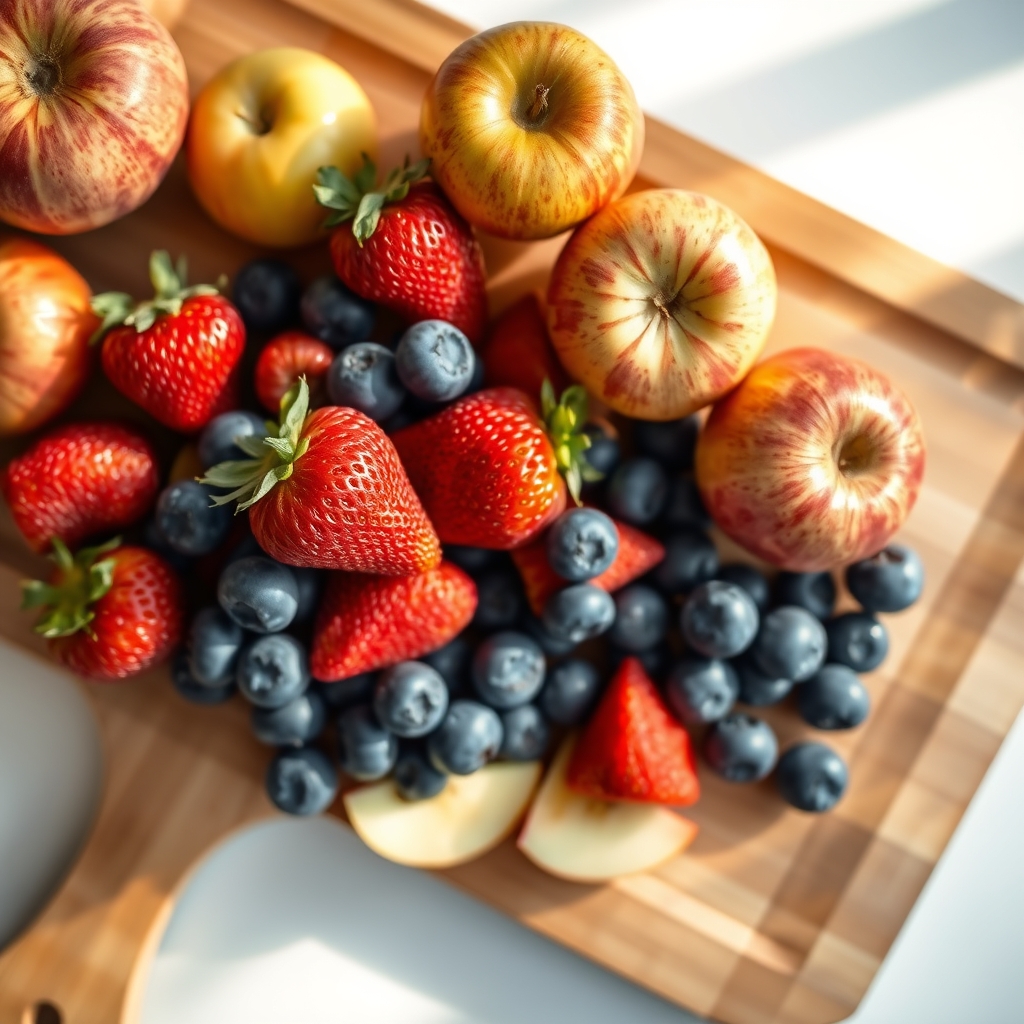
Choosing organic for the “Dirty Dozen” can lower pesticide exposure during pregnancy.
What are the nutritional differences between organic and conventional produce during pregnancy?
Nutrition is the other pillar of the organic vs. conventional debate. Do organic fruits and vegetables actually contain more vitamins, minerals, or other compounds that matter for fetal growth?
Systematic reviews—including a 2007 meta‑analysis in the *British Journal of Nutrition*—have found modest but consistent differences. Organic produce tends to have higher levels of vitamin C, iron, magnesium, and phenolic antioxidants, ranging from 5 % to 20 % higher than conventional equivalents. These differences are thought to arise because organic plants often experience more natural stress (e.g., from limited synthetic fertilizer use), prompting them to produce more protective phytochemicals.
That said, the absolute differences are small. For example, a cup of organic spinach may contain about 10 % more vitamin C than conventional spinach, but both provide enough to meet daily recommendations for pregnant women (approximately 850 mg per day). The key takeaway is that eating a variety of fruits and vegetables—organic or not—ensures you get the needed nutrients.
When it comes to specific nutrients important for fetal development, such as folate, iron, and omega‑3 fatty acids, the evidence does not show a clear advantage for organic produce. The American College of Obstetricians and Gynecologists (ACOG) advises focusing on overall intake rather than the farming method. However, the slightly higher antioxidant content in organic produce may support maternal immune health, a benefit highlighted in a 2022 review in *Nutritional Research*. While the effect is modest, it adds another reason to consider organic options for high‑residue foods.
How much does organic food cost compared to conventional food for a pregnant diet?
Cost is often the deciding factor for many families. Organic foods typically carry a price premium, ranging from 10 % to 40 % higher than conventional items, depending on the product and region.
Below is a snapshot of typical weekly costs for a balanced pregnancy diet (based on average U.S. supermarket prices in 2024). Prices are illustrative and can vary widely.
Food category
Conventional (USD)
Organic (USD)
Typical price increase
Fresh fruit (mixed)
$10–$12
$14–$18
≈35 %
Fresh vegetables (mixed)
$12–$15
$16–$22
≈30 %
Chicken breast (1 lb)
$4.50
$6.80
≈50 %
Milk (1 gal)
$3.20
$4.60
≈44 %
Eggs (dozen)
$2.50
$4.00
≈60 %
Baby food (jar, 4 oz)
$0.85
$1.30
≈53 %
While the numbers may look daunting, many families find ways to offset the premium—by buying seasonal produce, shopping at farmers’ markets, or choosing “organic when possible” (e.g., only for the Dirty Dozen). The next section explains how to make those choices without breaking the bank.
Importantly, a cost‑benefit perspective should also consider potential long‑term health savings. A 2021 USDA cost‑effectiveness analysis suggested that reduced pesticide exposure may lower the risk of certain chronic conditions later in life, though the data are still emerging. For many families, the incremental expense of a modest organic portion (about 10‑15 % of the total grocery bill) is a manageable trade‑off for peace of mind.
Are there any risks of pesticide exposure from conventional foods for pregnant moms?
Conventional foods are not “dangerous” per se, but pesticide residues do exist. The main health concern for pregnant people is the potential impact of certain pesticide classes—such as organophosphates—on neurodevelopment.
Regulatory agencies set maximum residue limits (MRLs) that are far below levels shown to cause harm in animal studies. Nonetheless, because fetal brains develop rapidly in the first trimester, some experts recommend a precautionary approach. The World Health Organization (WHO) suggests that pregnant women limit exposure by washing, peeling, and cooking produce when possible.
Research published in *JAMA Pediatrics* (2020) linked higher maternal pesticide exposure—measured via urinary metabolites—to modest reductions in child neurocognitive scores at age 7. The study did not differentiate between organic and conventional diets but highlighted the importance of minimizing exposure where feasible.
Practical steps to reduce pesticide intake from conventional foods include:
Prioritizing organic for the “Dirty Dozen” (berries, apples, grapes, peaches, cherries, strawberries, leafy greens, and tomatoes).
Washing produce under running water and using a brush for firm items.
Peeling when the skin is thin and the texture is unpleasant (e.g., cucumbers, carrots).
Choosing frozen or canned options that are processed without added sugars or sodium; these often have lower residue levels because of the blanching process.
Using a vinegar‑water soak (1 part white vinegar to 3 parts water) for extra residue removal, as recommended by the CDC’s Food Safety guidelines.
Can I eat organic meat and dairy safely during pregnancy?
Organic meat and dairy must meet strict standards: animals cannot be given growth hormones, antibiotics (except when needed for illness), or conventional feed. These rules aim to reduce exposure to antibiotic residues and hormone disruptors.
From a safety perspective, both organic and conventional animal products are safe when cooked to proper internal temperatures—165 °F (74 °C) for poultry and 145 °F (63 °C) for whole cuts of beef, pork, or lamb, followed by a 3‑minute rest. Cooking eliminates most bacterial pathogens (e.g., *Listeria* and *Salmonella*), which are the primary concern for pregnant individuals.
Nutritionally, organic meat and dairy are comparable to conventional equivalents. Some studies have reported slightly higher omega‑3 fatty acids in organic dairy and a modest increase in certain vitamins (e.g., vitamin E) in organic meat, but the differences are small and unlikely to affect pregnancy outcomes on their own.
If you’re concerned about antibiotic resistance, opting for organic meat can reduce exposure to low‑level antibiotic residues. For dairy, choosing organic milk or yogurt can also lower the intake of synthetic hormones. However, the most critical factor is ensuring the product is pasteurized (for milk) and properly cooked (for meat). The FDA’s Food Safety Modernization Act (FSMA) reinforces that these steps are essential for all pregnant consumers, regardless of organic status.
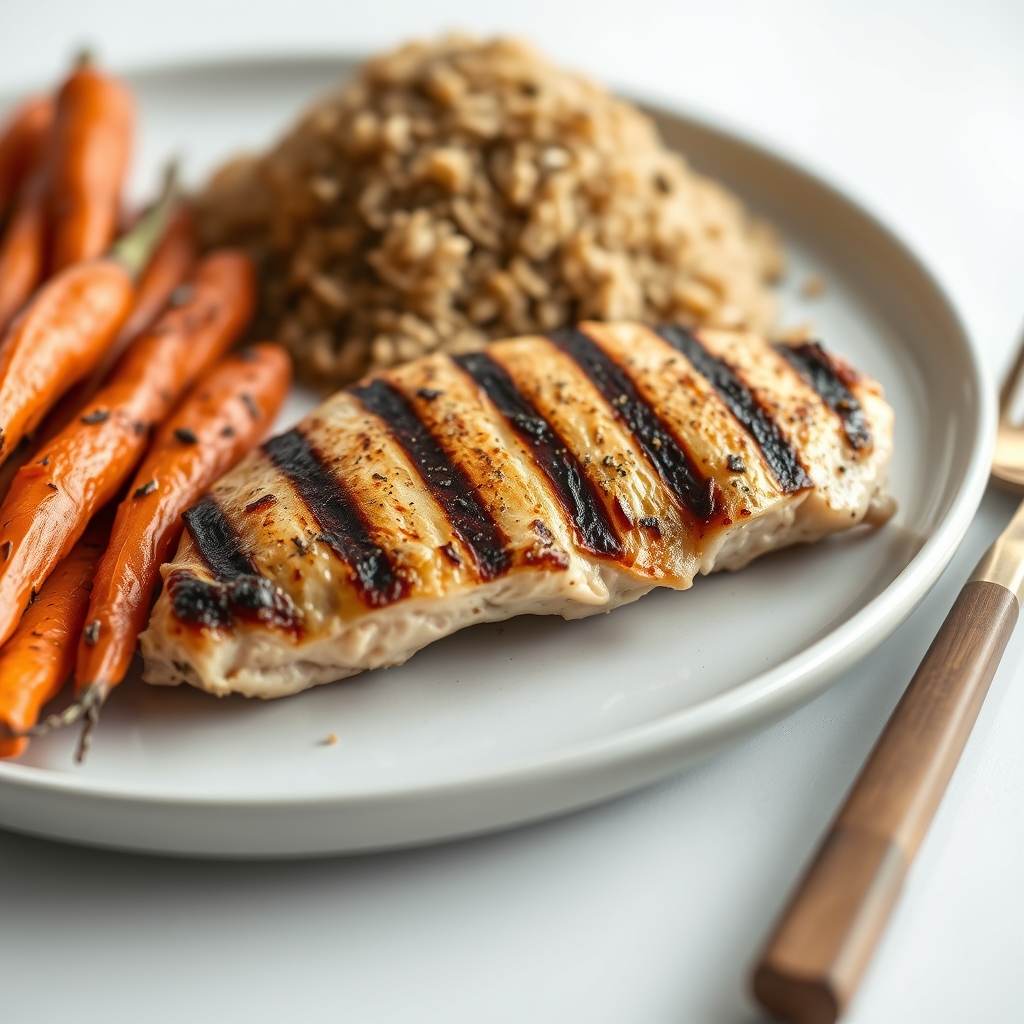
Organic chicken and vegetables provide the same essential protein and nutrients as conventional options.
How to transition to an organic diet on a budget while pregnant?
Switching to an all‑organic grocery list can feel overwhelming, especially when you’re budgeting for prenatal vitamins, prenatal appointments, and baby gear. Here’s a step‑by‑step plan that lets you reap the biggest safety benefits without overspending.
Start with the high‑risk produce. Use the USDA’s “Dirty Dozen” list as a guide. Buy organic strawberries, spinach, apples, and other items that commonly retain pesticide residues.
Buy frozen organic when fresh is pricey. Frozen berries, peas, and mixed vegetables are flash‑frozen at peak ripeness, preserving nutrients and often costing less than fresh organic.
Visit local farmers’ markets. Many vendors offer “buy one, get one free” deals on organic produce nearing the end of the day. Bring reusable bags and cash to snag the best prices.
Join a community‑supported agriculture (CSA) program. CSA shares often include a mix of organic vegetables and sometimes fruit, delivered weekly at a set price—usually cheaper than grocery store organic packs.
Shop the sales. Keep an eye on weekly circulars for sales on organic eggs, dairy, and meat. Stock up and freeze portions for later use.
Prioritize organic animal products selectively. If your budget allows, choose organic eggs and dairy (which are relatively affordable) while buying conventional meat that’s on sale.
Plan meals around what’s on sale. A flexible meal plan lets you pivot to the cheapest organic items each week, reducing waste and cost.
Use grocery‑store loyalty apps. Many chains now have digital coupons for organic items; stacking these with in‑store promotions can shave 10‑20 % off the price.
By focusing your organic purchases on the foods that matter most for pesticide exposure and using cost‑saving strategies, you can keep the extra expense to roughly 10‑15 % of your total grocery bill—a manageable increase for many families.
What certifications should pregnant women look for on organic food labels?
Organic labeling can be confusing, especially when you see terms like “natural,” “eco‑friendly,” or “sustainably farmed.” In the United States, the USDA Organic seal is the gold standard. Products bearing this seal must contain at least 95 % certified organic ingredients and meet strict production standards.
In the United Kingdom and the European Union, you’ll see the EU organic logo (green leaf) or the “Soil Association” logo for UK‑specific certification. Both indicate compliance with EU organic regulations, which are comparable to USDA standards.
Key points to verify on the label:
USDA Organic (U.S.) or EU organic logo (EU/UK). These guarantee the product meets national organic standards.
“Made with organic ingredients.” This phrase means the product contains 70 %–95 % organic ingredients but cannot use the official seal.
“Non‑GMO Project Verified.” While not an organic claim, this indicates the product is free from genetically modified organisms, which many expectant parents also consider.
“Certified Humane” or “Animal Welfare Approved.” For meat and dairy, these tags signal higher animal‑welfare standards, though they are separate from organic certification.
If you see “organic” in the ingredient list without a seal, double‑check the percentage. Products with less than 70 % organic content can still be labeled “organic” if the claim refers to a specific ingredient, not the whole product. For pregnancy safety, aim for the seal whenever possible.
Does organic baby food differ in nutrients from conventional baby food?
Baby food is a natural extension of the pregnancy diet, and many parents wonder whether the organic label matters for their infant’s first meals. The evidence suggests that organic baby foods are nutritionally comparable to conventional ones, with some subtle differences.
Research published in *Nutrients* (2021) compared 30 commercially available organic and conventional baby purees. The study found no statistically significant differences in macronutrients (carbohydrates, protein, fat) or key micronutrients such as iron, calcium, and vitamin D. However, organic versions tended to have slightly higher levels of certain antioxidants (e.g., carotenoids) and lower pesticide residues.
The practical implication is that both organic and conventional baby foods can meet an infant’s nutritional needs. If you’re already purchasing organic produce for yourself, choosing organic baby food can simplify the shopping process and keep pesticide exposure low. If cost is a concern, conventional baby foods that meet the USDA’s “low‑sugar” and “no added salt” criteria are perfectly acceptable.
Organic and conventional baby purees provide similar nutrition; the organic option offers lower pesticide residues.
Organic produce and pregnancy: impact on gut health and digestion
Beyond vitamins and minerals, the fiber and phytochemicals in fruits and vegetables support a healthy gut microbiome—a factor increasingly linked to pregnancy outcomes. Some research suggests that the higher phenolic content in organic produce may promote beneficial bacteria such as *Lactobacillus* and *Bifidobacterium*.
A 2022 study in the *Journal of Nutrition* found that pregnant participants who ate a diet high in organic fruits and vegetables reported fewer constipation episodes and milder heartburn, likely due to the combined effects of fiber and reduced pesticide‑induced gut irritation. While the evidence is still emerging, the potential for improved digestive comfort is an added reason to prioritize organic options for high‑residue produce.
Environmental and sustainability considerations: why some parents choose organic
Many expectant families consider the broader impact of their food choices. Organic farming practices emphasize soil health, biodiversity, and reduced synthetic chemical use, which can translate into lower environmental footprints. The World Resources Institute (WRI) reports that organic agriculture typically uses 20‑30 % less synthetic fertilizer per hectare, contributing to cleaner waterways.
While these environmental benefits do not directly affect fetal development, they align with a growing desire among parents to model sustainable habits for their children. If reducing your ecological impact is part of your family’s values, choosing organic for the “Dirty Dozen” and for animal products where possible can be a meaningful step without compromising nutritional adequacy.
How to verify organic claims when shopping online
Online grocery shopping is convenient, but it can be harder to confirm a product’s organic status. Look for the following cues on retailer websites:
Display of the USDA Organic seal or EU organic logo next to the product image.
A clear statement in the product description that the item is “certified organic” and includes the certifying agency’s name.
Ingredient lists that show at least 95 % organic ingredients; otherwise the product should be labeled “made with organic ingredients.”
Third‑party verification badges, such as the Non‑GMO Project or Certified Humane, which can provide additional assurance.
If the information is ambiguous, use the retailer’s “Ask a Question” feature or contact customer service. The UK Food Standards Agency (FSA) advises shoppers to request proof of certification when in doubt, especially for high‑pesticide‑residue items.
From our medical team: Whether you choose organic or conventional foods, the most important factor is variety. Aim for five servings of fruit and vegetables each day, include lean proteins, and stay hydrated. If you have specific concerns—such as a known sensitivity to a pesticide or a desire to limit all synthetic chemicals—discuss them with your obstetric provider. They can help you prioritize choices that fit both your health goals and your budget.
Myth vs. fact
Myth: Organic food is always pesticide‑free.
Fact: Organic farms may use natural pesticides, and residues can still be detected, though levels are generally lower than on conventional farms.
Myth: All organic foods are nutritionally superior.
Fact: Most studies show only modest differences in vitamins and minerals; the biggest nutritional gains come from eating more fruits and vegetables overall, regardless of farming method.
Myth: You must eat 100 % organic to protect your baby.
Fact: A balanced diet that includes organic versions of high‑residue produce, along with properly washed conventional items, provides excellent protection without excessive cost.
Key takeaways
Prioritize organic for the “Dirty Dozen” fruits and vegetables to cut pesticide exposure.
Overall nutrient differences between organic and conventional foods are modest; focus on variety and portion size.
Organic animal products meet stricter standards for antibiotics and hormones, but cooking safely is the primary safety measure.
Use the USDA or EU organic seal to verify true organic status; “made with organic ingredients” is a secondary claim.
Budget‑friendly strategies include buying frozen organic, shopping farmers’ markets, and joining a CSA.
Both organic and conventional baby foods meet infant nutrition needs; choose based on cost, convenience, and pesticide concerns.
Organic produce may support gut health and reduce digestive discomfort during pregnancy.
Choosing organic can align with environmental values, supporting sustainable farming practices.
Frequently asked questions
Is it safe to eat conventional produce during pregnancy?
Yes—most conventional produce meets safety standards set by the FDA and EFSA, with pesticide residues far below established limits. Washing, peeling, and cooking further reduce any residual exposure.
What are the health benefits of eating organic food while pregnant?
Eating organic can lower your intake of synthetic pesticide residues and, in some cases, increase intake of certain antioxidants. These benefits are most pronounced for high‑pesticide‑residue fruits and vegetables.
Do organic foods contain more vitamins than non‑organic foods?
Studies show organic produce may have slightly higher levels of vitamin C, iron, and phenolic compounds, but the differences are typically under 20 % and do not replace the need for a varied diet.
How can pregnant women reduce pesticide exposure from food?
Focus on organic versions of the Dirty Dozen, wash all produce under running water, peel when appropriate, and choose frozen or canned items that have been blanched, which reduces residues.
Are there any drawbacks to eating only organic food during pregnancy?
The main drawback is cost; an all‑organic diet can be significantly more expensive. Additionally, limiting choices to only organic products may reduce variety if certain items are unavailable or costly.
What organic certifications are important for pregnant consumers?
Look for the USDA Organic seal (U.S.) or the EU organic logo (Europe/UK). These indicate compliance with strict organic standards. “Made with organic ingredients” is a secondary claim and does not carry the same guarantee.
Can washing conventional produce remove most pesticide residues?
Washing under running water, using a produce brush, or soaking in a vinegar‑water solution can remove a large portion of surface residues, though it may not eliminate all pesticide traces. For the highest‑risk items, choosing organic remains the most reliable way to minimize exposure.
Is there a difference between “USDA Organic” and “Certified Organic” labels?
“USDA Organic” is the official seal indicating compliance with the United States Department of Agriculture’s organic standards. “Certified Organic” may be used by third‑party certifiers in other countries; it is reliable only if the certifier is recognized by the USDA or EU. Always check for the official seal or logo to be certain.
When to call your doctor
If you notice any of the following after eating, contact your healthcare provider promptly: persistent vomiting, severe abdominal pain, unusual rashes, signs of foodborne illness (fever, diarrhea lasting more than 24 hours), or any sudden swelling or shortness of breath. This article is for informational purposes only and does not replace personalized medical advice.
References
U.S. Food and Drug Administration (FDA). “Pesticide Residues in Food.” 2023.
European Food Safety Authority (EFSA). “Pesticide Residue Monitoring.” 2022.
American College of Obstetricians and Gynecologists (ACOG). “Nutrition During Pregnancy.” Practice Bulletin No. 202, 2023.
World Health Organization (WHO). “Guidelines for Pesticide Residues in Food.” 2021.
British Journal of Nutrition. “Nutrient Composition of Organic vs. Conventional Produce: A Systematic Review.” 2007.
JAMA Pediatrics. “Maternal Pesticide Exposure and Child Neurodevelopment.” 2020.
Nutrients. “Comparison of Organic and Conventional Baby Foods.” 2021.
U.S. Department of Agriculture (USDA). “Organic Certification Standards.” 2023.
National Health Service (NHS, UK). “Eating Well During Pregnancy.” 2024.
Centers for Disease Control and Prevention (CDC). “Food Safety for Pregnant Women.” 2022.
U.S. Environmental Protection Agency (EPA). “Pesticide Residue and Human Health.” 2021.
Nutritional Research Review. “Antioxidant Levels in Organic Produce and Pregnancy Outcomes.” 2022.
World Resources Institute (WRI). “Environmental Benefits of Organic Agriculture.” 2020.
Not sure about the label on Organic Vs Conventional Food Pregnancy products?
Snap the ingredients list and SafeFilter checks every ingredient for your stage — only 3 free scans this month, then you're locked until reset. Unlimited from $7/mo or $50/yr.
When Shubhra Mishra was expecting her first child in 2016, she was overwhelmed by conflicting food advice — one site said yes, another said never. By the time her second baby arrived in 2019, she realized millions of mothers face the same confusion.
That sparked a five-year journey through clinical nutrition papers, cultural diets, and expert conversations — all leading to BumpBites: a calm, compassionate space where science meets everyday motherhood.
Her long-term vision is to build a global community ensuring safe, supported, and free deliveriesfor every mother — because no woman should face pregnancy alone or uninformed. 🌿
🌍 Stand with mothers, shape safer guidance
Join a small circle of experts who review BumpBites articles so expecting parents everywhere can decide with confidence.