Discover a no cry sleep solution that works: gentle, safe methods to improve newborn sleep without tears. Learn step‑by‑step tips for tired parents.
By Shubhra Mishra — a mom of two who turned her own confusion during pregnancy into BumpBites, a global mission to make food choices clear, safe, and stress-free for every expecting mother. 💛
Check whether any food is safe during pregnancy with the BumpBites Food Safety Checker.
Quick take: The No Cry Sleep Solution is a gentle, parent‑led approach that teaches newborns to fall asleep with minimal crying. It works by establishing consistent cues, a soothing bedtime routine, and responsive soothing, and most families begin to see calmer nights within a week to ten days. The method is safe for babies older than 2 months, works well with breastfeeding, and can be adapted for twins.
It’s 2 a.m., you’re exhausted, and the soft whimper of your newborn echoes from the crib. You’ve read about “cry‑it‑out” and “Ferber,” but the thought of letting your baby cry feels impossible. You’re not alone—many new parents wonder whether a gentler path exists. The No Cry Sleep Solution (NCSS) promises exactly that: a way to help your baby learn to sleep without the high‑pitch distress that can feel heart‑wrenching.
In this article we’ll walk through everything you need to know: what NCSS actually is, how to apply it step by step, how it stacks up against other popular methods, how long it typically takes to see results, safety considerations for infants under three months, common pitfalls, bedtime‑routine ideas, and how to tailor the approach for twins. We’ll also share real‑world success stories, a simple sleep‑training schedule, and answers to the most frequently asked questions.
By the end you’ll have a clear, evidence‑based plan you can start tonight, plus a list of red‑flag signs that mean it’s time to call your provider.
What is the No Cry Sleep Solution method for newborns?
The No Cry Sleep Solution, popularized by author Elizabeth Pantley, is built on the premise that babies can learn to self‑soothe when parents provide consistent, comforting cues rather than leaving them to “cry it out.” The method emphasizes three core principles:
Predictable environment: A dark, quiet room with a consistent sleep surface.
Gentle soothing: Parents respond quickly with touch, voice, or rocking, gradually reducing intervention.
Routine cues: A short, calming pre‑sleep ritual that signals bedtime.
Rather than a rigid schedule, NCSS encourages flexibility—adjusting the pace to your baby’s temperament while avoiding prolonged crying. The approach aligns with guidance from the American Academy of Pediatrics (AAP) that recommends responsive soothing for infants under four months to support healthy brain development.
Success stories are abundant. One mother, who we’ll call Maya, shared that after two weeks of gentle soothing and a consistent bedtime cue, her 10‑week‑old stopped waking every hour and began sleeping 4‑5 hour stretches. Another couple with twins reported that, after customizing the routine for each child, both babies settled more quickly and exhibited fewer night wakings.
For those looking for deeper guidance, the following books are frequently recommended by clinicians and parent support groups:
No Cry Sleep Solution by Elizabeth Pantley (the original guide).
Healthy Sleep Habits, Happy Child by Dr. Marc Weiss.
The Baby Sleep Solution by Suzy Giordano.
How to implement the No Cry Sleep Solution step by step
Below is a practical, step‑by‑step guide you can start tonight. Adjust the timing to fit your baby’s age and feeding schedule.
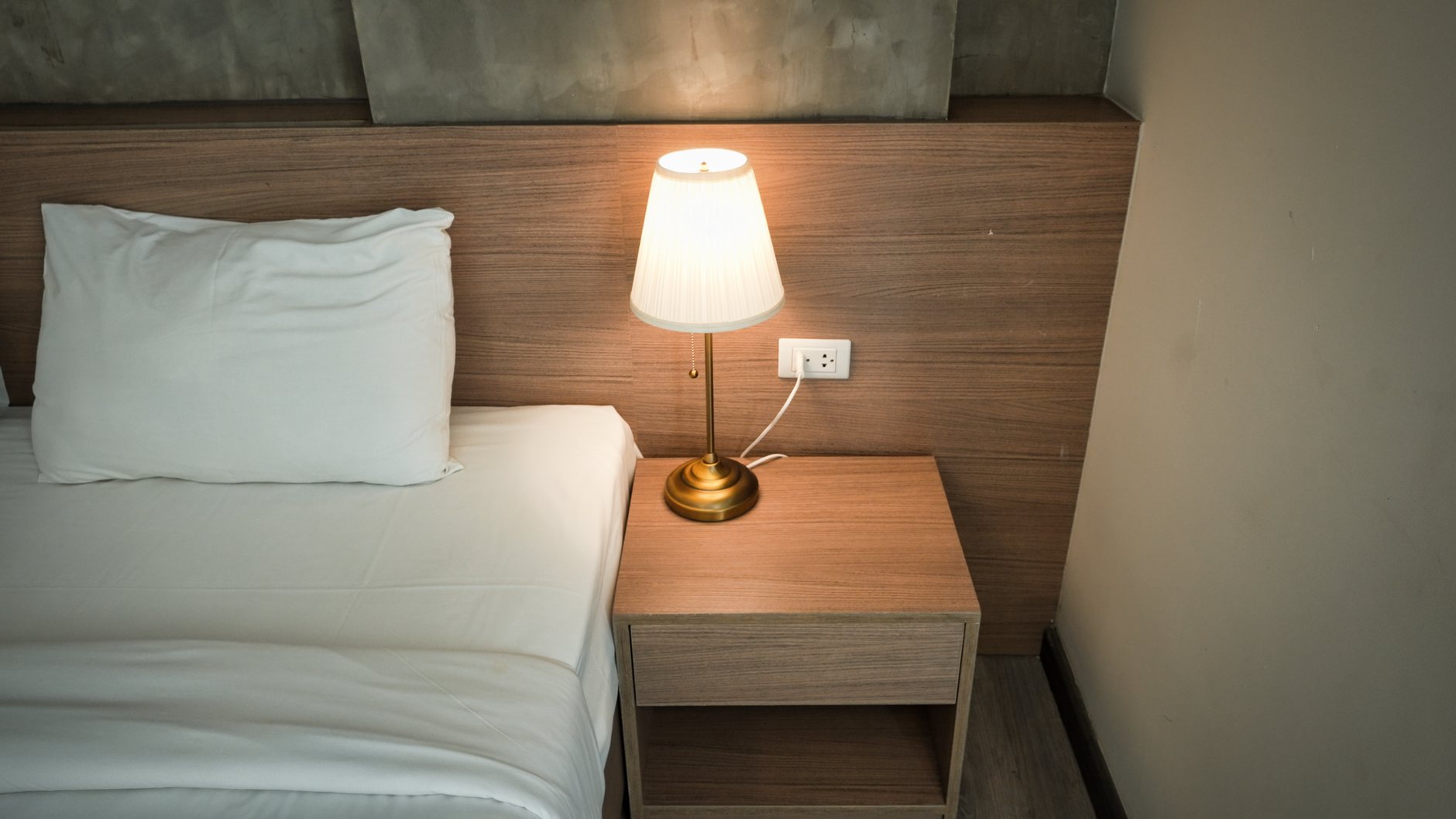
Set the stage. Dim the lights, lower the temperature to around 68–72 °F (20–22 °C), and use a white‑noise machine on low volume. A consistent sleep environment signals the brain that it’s time to wind down.
Choose a cue. A short lullaby, a gentle “It’s sleep time” phrase, or a soft hand‑rub on the back works well. Use the same cue each night.
Establish a pre‑sleep routine. In 10–15 minutes, combine a diaper change, a quiet feed (breast or bottle), and the chosen cue. Keep the routine calm—no bright screens or stimulating play.
Place the baby drowsy but awake. When your baby shows signs of drowsiness (yawning, slower eye movements) but is still awake, lay them in the crib.
Respond with gentle soothing. If the baby fusses, use a brief, soothing touch (patting, shushing, or a soft voice) for 30–60 seconds, then pause. If they continue, repeat the soothing sequence, gradually increasing the pause between checks.
Gradually reduce intervention. Over days to weeks, shorten the soothing intervals and increase the time between checks. The goal is to let the baby learn to settle independently while feeling securely supported.
This schedule can be visualized in a simple weekly chart:
Day
Soothe interval
Check‑in pause
1‑2
30 sec
30 sec
3‑4
30 sec
45 sec
5‑6
30 sec
60 sec
7‑10
15 sec
60‑90 sec
Adjust the intervals based on your baby’s cues—some infants may need a slower pace. For breastfeeding families, the method works well because the pre‑sleep feed can be part of the routine, and the close contact continues to provide reassurance.
Night waking follows a similar pattern. When your baby awakens, repeat the soothing steps but keep the interaction brief and calm. Over time, the frequency of night wakings typically diminishes as the baby learns to resettle.
Creating a soothing sleep environment is the first step in the No Cry Sleep Solution.
No Cry Sleep Solution vs Ferber Method – which is better?
The Ferber Method (often called “progressive crying”) involves allowing the baby to cry for increasing intervals before offering brief reassurance. It is designed for infants typically 4–6 months old and older. To help you decide which approach aligns with your parenting style and your baby’s needs, we’ve compared key factors.
Aspect
No Cry Sleep Solution
Ferber Method
Age range
2 months + (flexible)
4–6 months +
Core philosophy
Gentle, responsive soothing
Graduated “cry‑it‑out” intervals
Parental involvement
Frequent, brief checks
Initial checks, then longer gaps
Typical timeline
7–10 days for noticeable changes
5–14 days
Compatibility with breastfeeding
High
Moderate
Stress level (parent & baby)
Low
Moderate‑high
Both methods can be effective, but the No Cry Sleep Solution is often preferred by parents who feel uncomfortable with prolonged crying or who are nursing infants under four months. The AAP notes that responsive soothing is especially important for newborns and young infants, reinforcing the safety of NCSS for this age group.
When comparing NCSS to “cry it out” (CIO) techniques, research published in the journal Sleep Medicine Reviews (2020) found no long‑term differences in developmental outcomes between gentle and CIO methods, though parental stress was consistently lower with gentle approaches. This aligns with the AAP’s recommendation to choose a method that fits the family’s comfort level.
How long does it take to see results with the No Cry Sleep Solution?
Most families report noticeable improvement within the first week of consistent practice. The typical timeline looks like this:
Days 1‑3: Baby may still wake frequently, but soothing intervals begin to shorten.
Days 4‑7: Night wakings reduce to 2‑3 times per night; total sleep time gradually increases.
Days 8‑10: Many parents see their baby sleeping 4‑5 hour stretches, and daytime naps become more predictable.
If you haven’t observed any change after two weeks, it may be worth reviewing the consistency of your routine or consulting a pediatric sleep specialist. The AAP advises that if a baby’s sleep does not improve after 10‑14 days of a chosen method, parents should reassess and possibly try an alternative strategy.
Is the No Cry Sleep Solution safe for babies under 3 months?
Safety is a top concern for newborns. The No Cry Sleep Solution is considered safe for infants as young as 2 months, provided that parents respond promptly to any signs of distress. The method’s emphasis on immediate, gentle soothing aligns with the AAP’s guidance that infants under four months should not be left to “cry it out” for more than a few minutes at a time.
Key safety points:
Responsive soothing: Offer comfort within 30 seconds of a cry.
Avoid sleep‑position risks: Always place the baby on their back, on a firm mattress, with no loose bedding (per the American Academy of Pediatrics’ safe‑sleep recommendations).
Monitor feeding cues: Ensure the baby is feeding adequately; frequent night wakings can sometimes signal hunger, especially for breastfed infants.
Watch for medical red flags: Persistent vomiting, fever, or a sudden change in sleep patterns warrants a pediatric evaluation.
For breastfeeding families, the method works well because the pre‑sleep feed can be incorporated into the routine, and the close contact helps the baby feel secure. The NHS (UK) also supports gentle sleep‑training methods for infants under three months, emphasizing parental responsiveness.
Common mistakes parents make with the No Cry Sleep Solution
Even with the gentlest approach, missteps can stall progress. Here are the most frequent errors and how to avoid them:
Inconsistent cues: Changing the bedtime phrase or routine confuses the baby. Stick to one cue and routine for at least a week before making adjustments.
Skipping the drowsy‑awake window: Putting the baby down fully asleep removes the chance to practice self‑soothing. Aim for that drowsy‑awake moment.
Lengthening the soothing intervals too quickly: If you increase the pause between checks before the baby is ready, you may trigger more crying. Follow the gradual schedule outlined earlier.
Over‑stimulating the environment: Bright lights, loud sounds, or vigorous play right before bedtime can make it harder for the baby to settle.
Neglecting parental fatigue: Exhausted parents may unintentionally respond less consistently. Consider sharing nighttime duties with a partner or using a “dream feed” to reduce early‑morning wakings.
When a mistake happens, pause, return to the baseline routine, and give yourself a few days to re‑establish consistency. Remember, sleep training is a marathon, not a sprint.
No Cry Sleep Solution bedtime routine ideas
A calming bedtime routine sets the tone for sleep. Below are three simple, adaptable routines that have helped many families:
Routine A – “The Gentle Wind‑Down” (15 minutes)
Dim the lights and turn on a soft white‑noise soundtrack.
Give a quick diaper change.
Offer a brief breastfeed or bottle (no more than 5‑10 minutes).
Sing a lullaby while gently rocking the baby for 2 minutes.
Place the baby in the crib with the chosen cue (“Sleep time now”).
Routine B – “The Cozy Cuddle” (20 minutes)
Warm a small towel and place it on the baby’s belly for a few seconds.
Read a short, soothing story (no more than 2 pages) in a soft voice.
Give a gentle massage to the arms and legs.
Apply a light swaddle (if appropriate for age) and lay the baby down.
Routine C – “The Bath‑to‑Bed Flow” (25 minutes)
Warm bath (5‑7 minutes) with gentle splashing.
Pat dry, then apply a mild, fragrance‑free lotion.
Dress in a soft sleep sack.
Offer a brief breastfeed or bottle.
Place the baby in the crib with a soft “goodnight” phrase.
Choose the routine that feels most natural to you, and keep it consistent. For twins, you can run the routine simultaneously if space allows, or stagger the steps to keep one baby settled while you attend to the other.
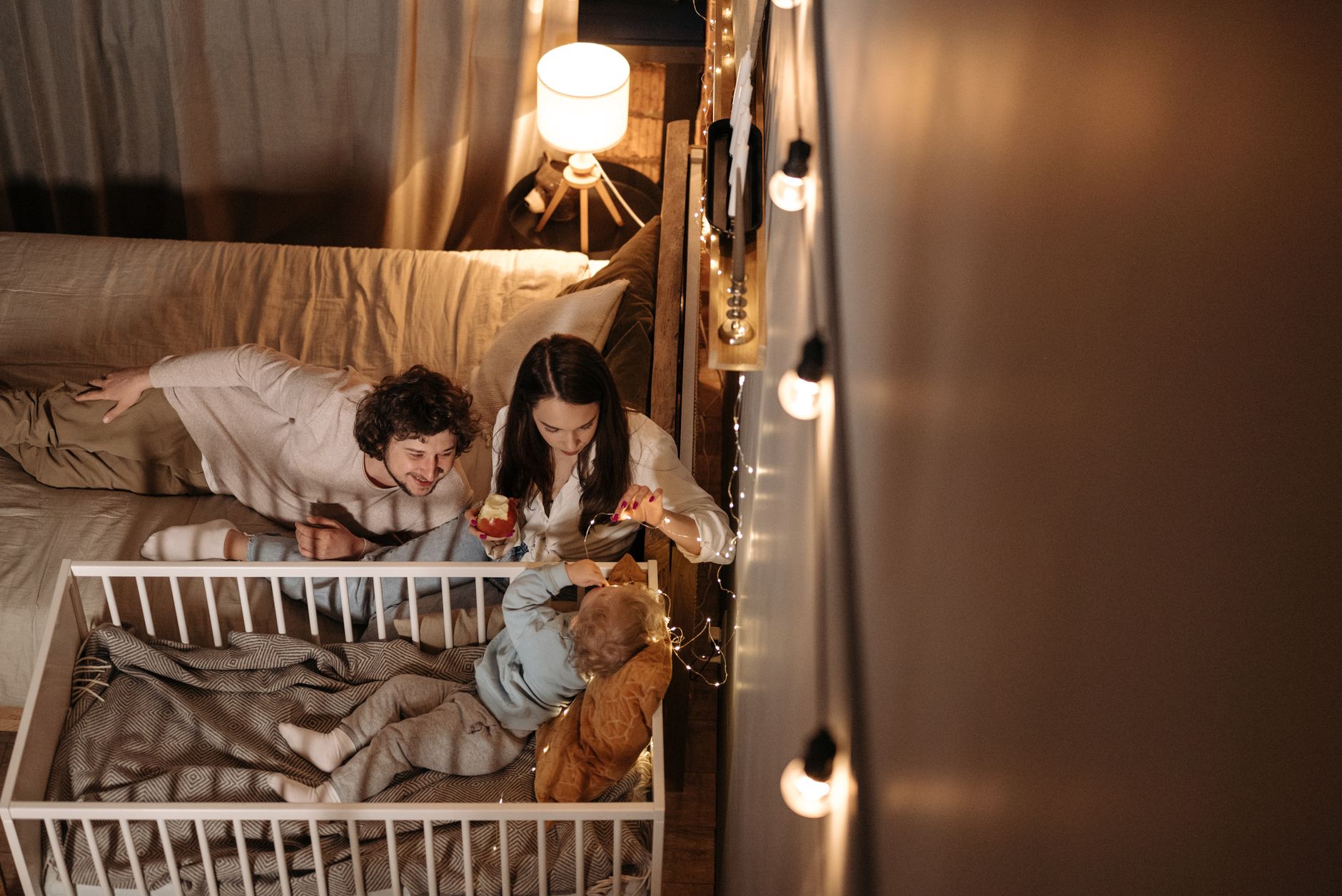
Tailoring the No Cry Sleep Solution for twins can be done with a coordinated routine.
How to adapt the No Cry Sleep Solution for twins
Twins bring double the love—and double the sleep challenges. The core principles remain the same, but a few tweaks make the process smoother.
Synchronize feeding and soothing. If both babies are breastfed, try a “double‑feed” before bedtime, holding them side‑by‑side on a pillow or using a nursing pillow designed for twins.
Staggered placement. Place the first twin in the crib while gently soothing the second, then switch. This prevents you from feeling rushed and ensures each baby receives focused attention.
Use a shared cue. A single lullaby or phrase works for both infants, reinforcing the same sleep association.
Create a twin‑specific schedule. Chart each baby’s nap and feed times side by side. Look for overlapping windows to maximize simultaneous sleep.
Enlist help. A partner or supportive family member can handle one baby while you soothe the other, allowing you to stay consistent with the soothing intervals.
Many parents report that after two weeks of consistent twin‑tailored routines, both babies begin to settle more quickly and night wakings decrease. Keep the expectations realistic—twins may still wake more often than singletons, but the overall pattern should improve.
Doctor’s note
From our medical team: The No Cry Sleep Solution is a safe, evidence‑based method for infants older than 2 months when parents practice responsive soothing and maintain a consistent sleep environment. It aligns with AAP and NHS recommendations for gentle sleep training. If your baby shows signs of illness, persistent feeding difficulties, or you have concerns about growth, please consult your pediatrician before continuing any sleep‑training plan.
Myth vs. fact
Myth: The No Cry Sleep Solution means the baby will never cry.
Fact: Some brief fussing is normal; the method aims to minimize prolonged crying while teaching self‑soothing.
Myth: The method only works for babies over six months.
Fact: NCSS is effective for infants as young as 2 months, especially when combined with responsive feeding.
Myth: You can skip the bedtime routine and still succeed.
Fact: Consistent cues are a cornerstone of the approach; without them, babies may have difficulty distinguishing sleep time from wake time.
Key takeaways
Start with a calm, dim environment and a simple bedtime cue.
Place your baby drowsy but awake, then use brief, gentle soothing.
Gradually lengthen the pause between checks, aiming for 60‑90 seconds by day 7‑10.
Maintain a consistent 10‑15 minute bedtime routine that fits your family’s rhythm.
For twins, synchronize feeds and cues, and use a partner to help with staggered soothing.
If you notice no improvement after two weeks, or if red‑flag symptoms appear, contact your pediatrician.
Frequently asked questions
Can the No Cry Sleep Solution work for a 2‑month‑old?
Yes. The method is designed for infants 2 months and older, and many parents see reduced night wakings within a week when they apply the gentle soothing steps consistently.
How many nights does it usually take to see improvement?
Most families notice a calmer bedtime and fewer awakenings after 7‑10 nights of consistent practice, though individual timelines can vary.
Do I need to use a specific bedtime routine with this method?
A brief, soothing routine (10‑20 minutes) is recommended because it signals the brain that sleep is approaching; however, the exact activities can be tailored to your preferences.
Is it safe to let my baby cry at all during the No Cry Sleep Solution?
Brief, responsive soothing is part of the method, but prolonged crying (>2 minutes) is discouraged for infants under four months, in line with AAP guidance.
What are the signs that the No Cry Sleep Solution is not working?
Persistent night wakings beyond three weeks, increasing crying episodes, or signs of stress (e.g., poor feeding, weight loss) suggest the approach may need adjustment or professional input.
Can the No Cry Sleep Solution be combined with other sleep training methods?
Yes, many parents blend elements of gentle soothing with other techniques such as “pick‑up‑put‑down.” The key is to keep the overall approach low‑stress and responsive.
When to call your doctor
If your baby experiences any of the following, seek medical advice promptly: fever over 100.4 °F (38 °C), persistent vomiting, sudden weight loss, prolonged crying lasting more than 20 minutes, or any breathing difficulties. Remember, this article provides general information and is not a substitute for personalized medical care.
References
American Academy of Pediatrics. “Safe Sleep for Babies.” Policy Statement, 2022.
National Health Service (UK). “Sleep training for babies.” NHS Guidance, 2021.
World Health Organization. “Infant and Young Child Feeding.” WHO Recommendations, 2020.
American Academy of Pediatrics. “Recommendations for Pediatrician‑Guided Sleep Training.” Clinical Report, 2020.
Not sure about the label on No Cry Sleep Solution products?
Snap the ingredients list and SafeFilter checks every ingredient for your stage — only 3 free scans this month, then you're locked until reset. Unlimited from $7/mo or $50/yr.
When Shubhra Mishra was expecting her first child in 2016, she was overwhelmed by conflicting food advice — one site said yes, another said never. By the time her second baby arrived in 2019, she realized millions of mothers face the same confusion.
That sparked a five-year journey through clinical nutrition papers, cultural diets, and expert conversations — all leading to BumpBites: a calm, compassionate space where science meets everyday motherhood.
Her long-term vision is to build a global community ensuring safe, supported, and free deliveriesfor every mother — because no woman should face pregnancy alone or uninformed. 🌿
🌍 Stand with mothers, shape safer guidance
Join a small circle of experts who review BumpBites articles so expecting parents everywhere can decide with confidence.