Decluttering a nursery on a budget starts with a mindset shift: you don’t need it all right now. The average newborn only uses about 10% of the items marketed as "essentials" in the first three months. The rest? Overkill. Here’s how to approach it without spending a dime (or much of one).
Step 1: The 12-Item Challenge
Start with the bare minimum. The American College of Obstetricians and Gynecologists (ACOG) recommends these 12 items for a newborn’s first month:
- A safe sleep space (crib, bassinet, or portable crib—no co-sleeping unless you’re in a tested, safe setup)
- Fitted crib sheets
- Bottles and formula or breastmilk storage supplies
- Diapers (newborn size)
- Wipes
- Clothes (onesies, sleepers, socks)
- A baby carrier or wrap
- A thermometer
- A baby bathtub
- Nail clippers or a nail file
- A gentle baby brush or comb
- Baby-safe sunscreen (if you’re outside)
That’s it. No fancy gadgets, no "must-have" organizers, no "growth spurt" clothes you won’t use for months. If you’re feeling overwhelmed, start with just 5 items and add as you go.
Step 2: The "Would I Buy This Today?" Test
Go through every item in your nursery and ask yourself: If I were buying this brand new today, would I still choose it? If the answer is no, it’s time to let it go. This is especially true for clothes—babies grow fast, and you’ll likely only wear half of what you buy. Donate, sell, or recycle the rest. Pro tip: Use a free app like ThredUp to sell gently used baby clothes and gear.
Step 3: DIY Storage Solutions
You don’t need to spend hundreds on organizers. Here’s how to make do:
- Mason jars for diapers or small toys (label them with a Sharpie).
- Fabric bins from IKEA (like the KUGGIS series) for clothes.
- Hanging shoe organizers (yes, really) for diapers or accessories.
- Under-crib storage if your crib has a drop-down shelf.
For a visual guide, check out our Clean Home Swap for Kids article for more budget-friendly organization tips.
Step 4: The "One In, One Out" Rule
As you add new items (like a pacifier or a lovey), remove an old one. This keeps your space from spiraling back into chaos. Trust me, it works.
Budget Breakdown
If you’re starting from scratch, here’s how to keep costs low:
- Crib/Bassinet: $100–$200 (look for secondhand or IKEA’s DROTTNINGHOLM crib).
- Mattress: $50–$100 (firm, flat, and fitted to the crib).
- Diapers/Wipes: $50–$100 (stock up on a few boxes to start).
- Clothes: $50–$100 (focus on essentials like onesies and sleepers).
- Storage: $0–$50 (use what you have or DIY solutions).
Total: $250–$650 for the basics. That’s less than half of what many parents spend in the first month!
---
Essential baby items every minimalist mom actually needs (and what to skip)
Let’s cut through the noise. The baby industry is a goldmine for companies selling "essential" items that are often unnecessary. Here’s what you need and what you can skip—backed by real moms and expert advice.
What You Need:
What You Can Skip:
- Bassinet bumpers (they increase SIDS risk—just use a fitted sheet).
- Expensive baby gadgets like electronic baby monitors, baby cameras, or "smart" baby gear.
- Growth spurt clothes (babies grow fast, but you won’t need size 0000 for long).
- Bulky strollers (a lightweight umbrella stroller or a baby carrier is enough for the first few months).
- Over-the-counter teething gels (opt for a cold teether or a chilled washcloth instead).
- Fancy baby furniture like dressers with built-in changing tables (a simple dresser + changing pad works).
Remember: You don’t need to have it all to do it all. Many moms swear by the "one thing at a time" rule—focus on what’s in front of you and let the rest go. For example, if you’re breastfeeding, you might skip bottles until you’re ready to supplement. If you’re co-sleeping safely, you might skip a bassinet.
For more on balancing minimalism with parenting, check out our Stay at Home Mom vs. Working Mom Cost Comparison—it’s eye-opening how much you can save by focusing on what’s truly necessary.
---
Minimalist baby room layout ideas that maximize space and safety
Layout is everything. A well-designed minimalist nursery isn’t just about what you put in it—it’s about what you don’t. The goal is to create a safe, functional space that grows with your baby (and your sanity). Here are three layout ideas, depending on your space and needs.
Layout 1: The Single-Function Room (Best for Small Spaces)
If you’re in a studio apartment or have limited space, dedicate one room to all baby activities: sleeping, changing, feeding, and play. This keeps everything centralized and reduces clutter elsewhere in your home.
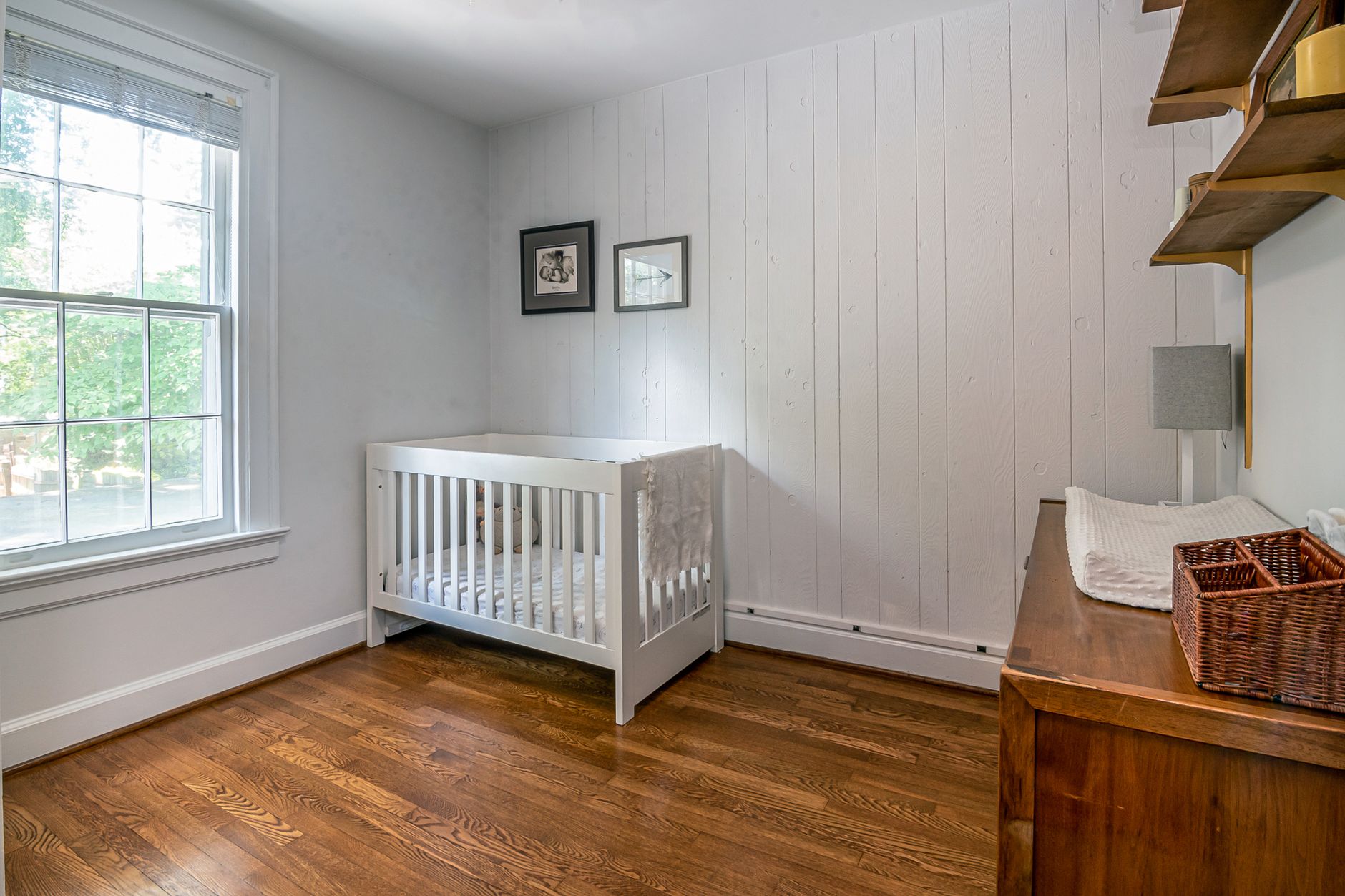
Key Features:
- Crib placed against a wall (away from windows, heaters, and fans).
- Changing pad on a dresser or floor (use a simple changing mat).
- Feeding station near the crib (a small table or a counter with a bottle warmer).
- Storage under the crib or in a corner (use bins or baskets).
- Play area on the floor (a small play mat or a folded blanket).
Layout 2: The Multi-Function Room (Best for Larger Spaces)
If you have more room, you can create a nursery that also doubles as a playroom or a guest room. This layout is great if you’re expecting a second child or if you want your baby’s space to evolve.
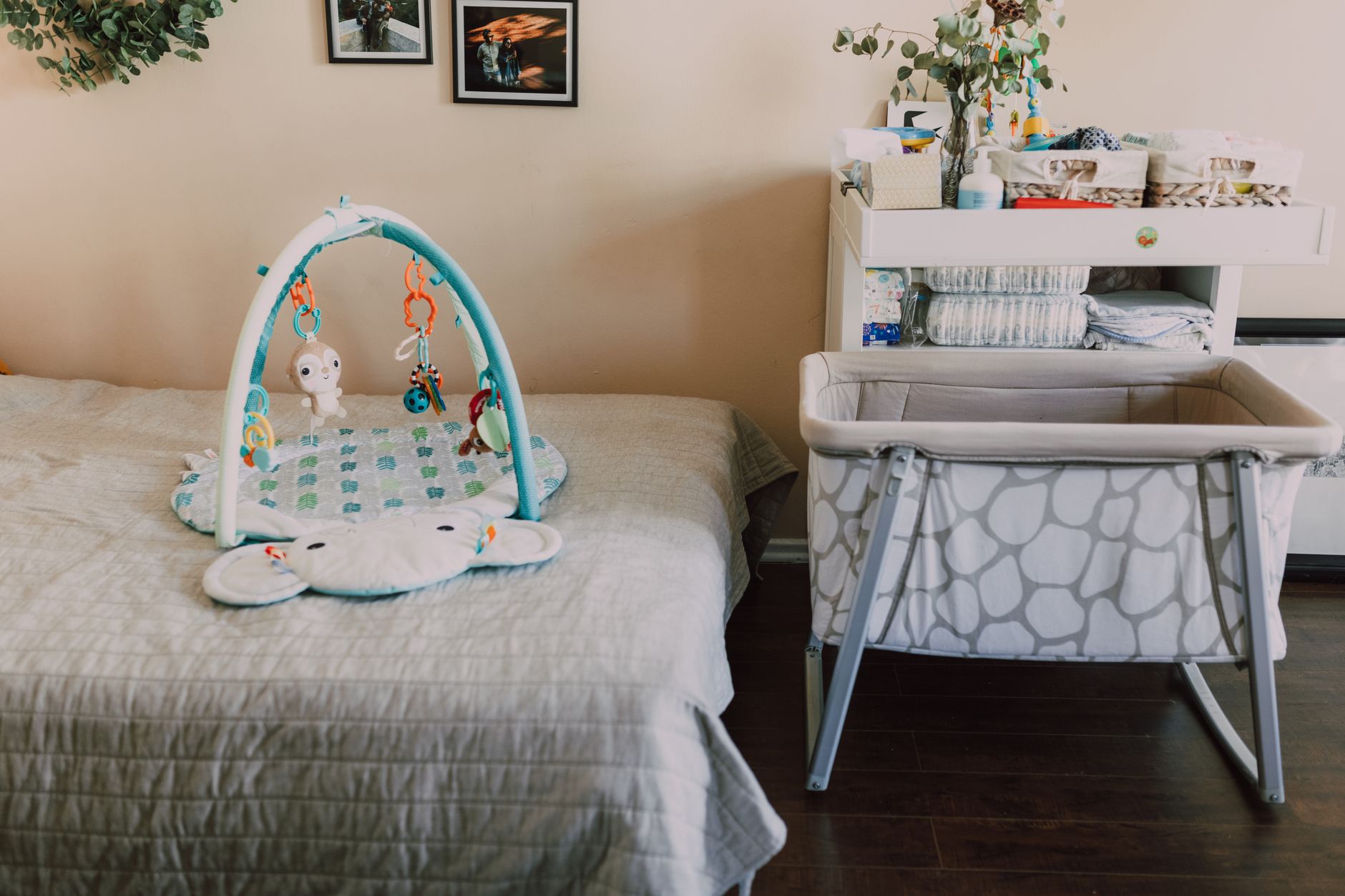
Key Features:
- Crib in one corner (with a nightlight for nighttime feedings).
- Changing station on a dresser or a wall-mounted changing table.
- Play area near a window (for natural light and safety).
- Storage along the walls (use shelves or cabinets).
- Optional: A small rocking chair or glider for feeding or soothing.
Layout 3: The Open-Concept Nursery (Best for Apartments or Studios)
If you don’t have a separate room for your baby, you can create a minimalist nursery in an open space. This layout is all about functionality and safety.
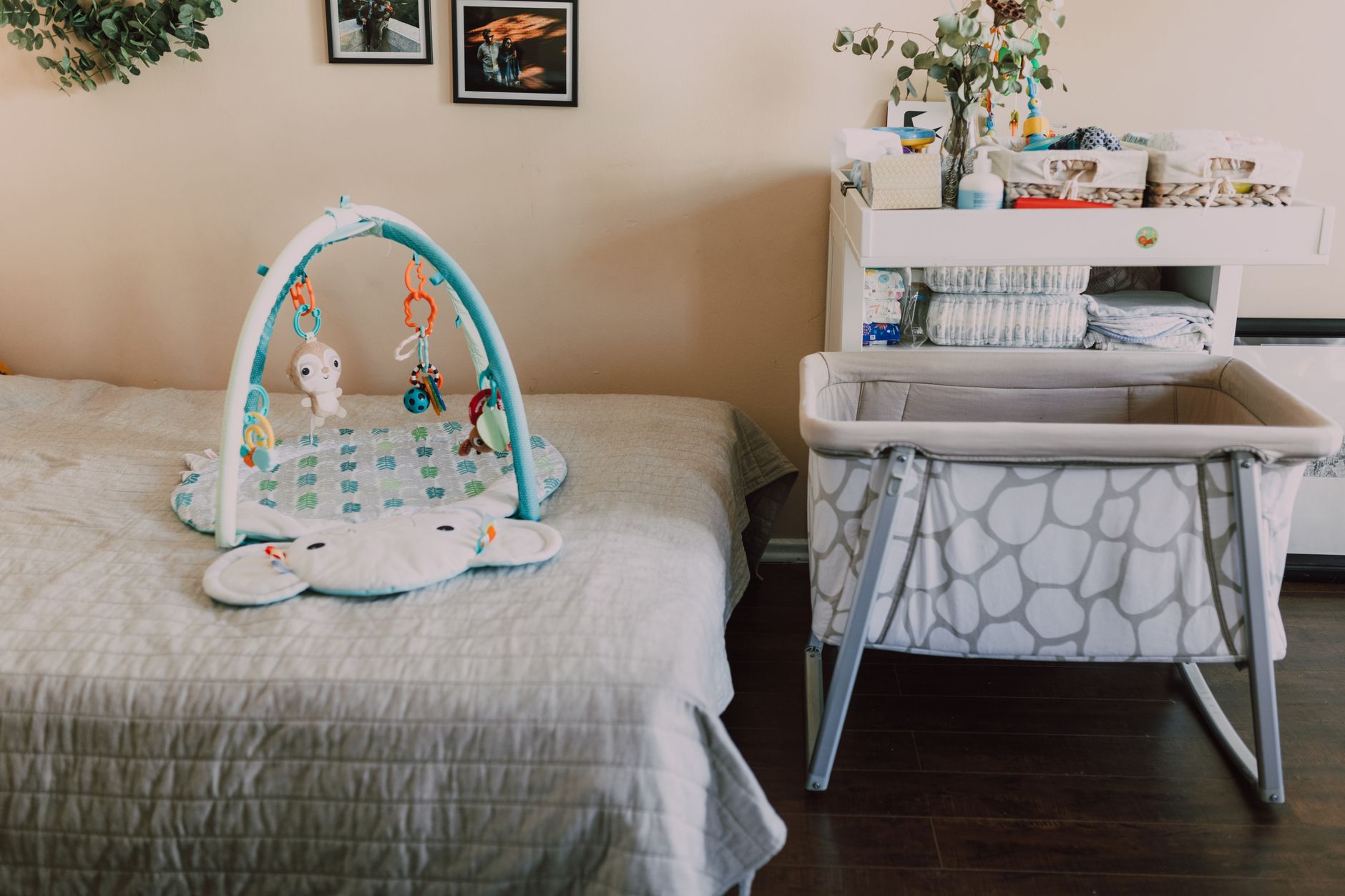
Key Features:
- Crib placed in a corner (away from high-traffic areas).
- Changing pad on a foldable changing table or a counter.
- Storage under a bed or in a corner (use bins or baskets).
- Room divider (like a curtain or a folding screen) for privacy.
- Play area on the floor (use a small play mat or a folded blanket).
Safety Tips for Any Layout:
- Avoid clutter—keep the floor clear of toys and cords.
- Use a firm, flat mattress in the crib (no bumpers or soft bedding).
- Keep the crib away from windows (to prevent cord hazards).
- Use blackout curtains for naps and nighttime sleep.
- Store diapers and wipes out of reach (babies are curious!).
For more on creating safe, functional spaces, check out our Clean Home Swap for Kids article—it’s full of practical tips for keeping your home safe and tidy.
---
How to organize a minimalist nursery without losing functionality
Organizing a minimalist nursery isn’t about making it look pretty—it’s about making it work. The key is to think like a minimalist: every item has a home, and every home has only one item. Here’s how to do it without losing functionality.
Step 1: Define Your Zones
Divide your nursery into functional zones:
- Sleep zone (crib, mattress, sheets).
- Changing zone (changing pad, wipes, diapers).
- Feeding zone (bottles, formula, breastmilk supplies).
- Play zone (toys, blankets, teething items).
- Storage zone (clothes, accessories, gear).
This keeps everything organized and makes it easy to find what you need when you need it.
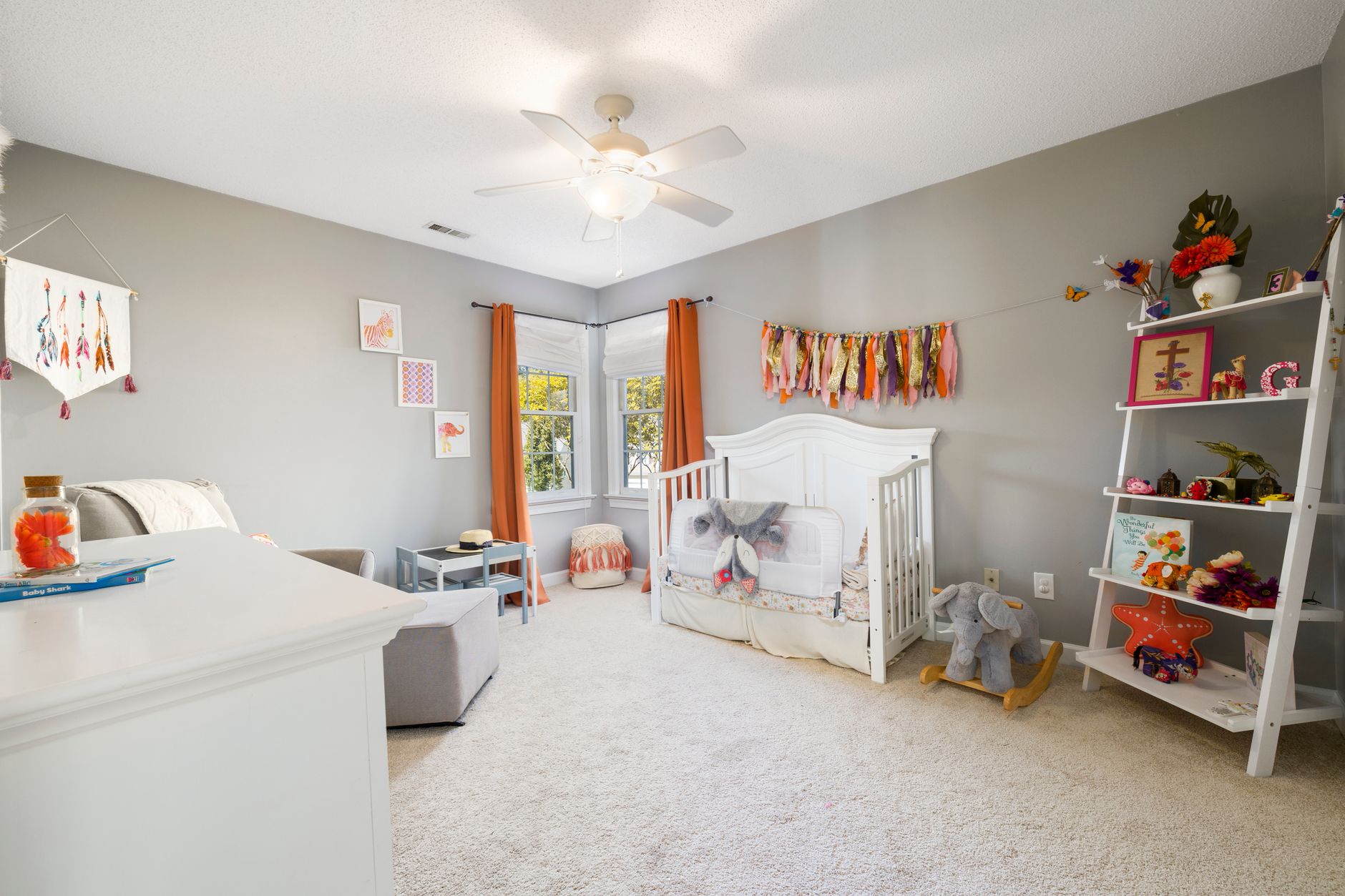
Step 2: Use Vertical Space
Minimalist nurseries thrive on vertical storage. Here are some ideas:
- Wall-mounted shelves for books, toys, or decor.
- Over-the-crib storage (if your crib has a drop-down shelf).
- Hanging organizers for diapers, wipes, or clothes.
- Command hooks for baby carriers, robes, or burp cloths.
Step 3: Keep It Simple
Resist the urge to buy fancy organizers. Instead, use what you have:
- Fabric bins for clothes (label them with a Sharpie).
- Mason jars for diapers or small toys.
- Under-crib storage for extra blankets or burp cloths.
- A simple changing pad (no need for a bulky changing table).
Step 4: Rotate Toys
Babies don’t need a ton of toys. Instead, rotate a few at a time to keep things fresh. Store the rest in a bin under the crib or in a closet. This keeps your play area clutter-free and engaging.
Step 5: Label Everything
Even if you’re the only one using the nursery, labeling items makes it easier to find what you need. Use a label maker or a Sharpie to mark bins, jars, and shelves. This is especially helpful if you have a partner or family members who help out.
Step 6: Declutter Regularly
Set a reminder to declutter your nursery every month. Ask yourself: Do I still use this? Does it serve a purpose? If not, let it go. This keeps your space functional and clutter-free.
For more on keeping your home organized, check out our Mom Guilt as a Stay at Home Mom article—it’s full of practical tips for managing your space and your mind.
---
Minimalist mom’s honest review: does a small baby room really work?
Let’s be real: not every mom has a sprawling nursery with built-in shelves and a dedicated playroom. Many of us are in apartments, studios, or homes where space is at a premium. So does a small baby room really work? The short answer? Yes—but with some creative problem-solving.
I lived this reality for the first year of my daughter’s life. Our "nursery" was a 10x10 corner of our bedroom—no separate room, no extra space. But we made it work. Here’s how:
1. The Crib Was the Star
We invested in a IKEA DROTTNINGHOLM crib, which is compact and stylish. We placed it against the wall, away from the door, and used a simple fitted sheet. No bumpers, no extra blankets—just safety and simplicity.
2. The Changing Pad Was a Lifesaver
Instead of a bulky changing table, we used a Target foldable changing pad that we placed on our dresser. It was easy to clean, portable, and took up minimal space. We also kept a small bin of wipes and diapers nearby.
3. Storage Was Vertical
We used the wall space to our advantage. A simple floating shelf held a few books and a small basket for toys. Above the crib, we hung a small organizer for diapers and wipes. Under the bed, we stored extra clothes and blankets in fabric bins.
4. The Play Area Was Flexible
When my daughter was awake, we used a small play mat on the floor. When she was older, we moved her to a corner of the room with a few toys. No need for a dedicated playroom—our living room did the trick.
5. We Embrace the "One Room" Rule
We accepted that our baby’s space would be part of our daily life. That meant keeping the floor clear of clutter, using storage solutions that doubled as decor, and being okay with a little less space. The key was to focus on what mattered most: safety, functionality, and love.
Does It Work? Absolutely. But it requires a mindset shift. You’ll have to get creative, say no to unnecessary items, and accept that your space won’t be perfect. However, the benefits—less clutter, less stress, and a more peaceful home—are worth it.
For more on making the most of small spaces, check out our Stay at Home Wife vs. Mom Lifestyle article—it’s full of insights on balancing minimalism with the realities of parenting.
---
Minimalist baby gear that doubles as decor for a modern home
One of the biggest challenges of minimalist parenting is finding gear that’s both functional and aesthetically pleasing. The good news? You don’t need to sacrifice style for simplicity. Here are some minimalist baby items that double as decor—perfect for a modern home.
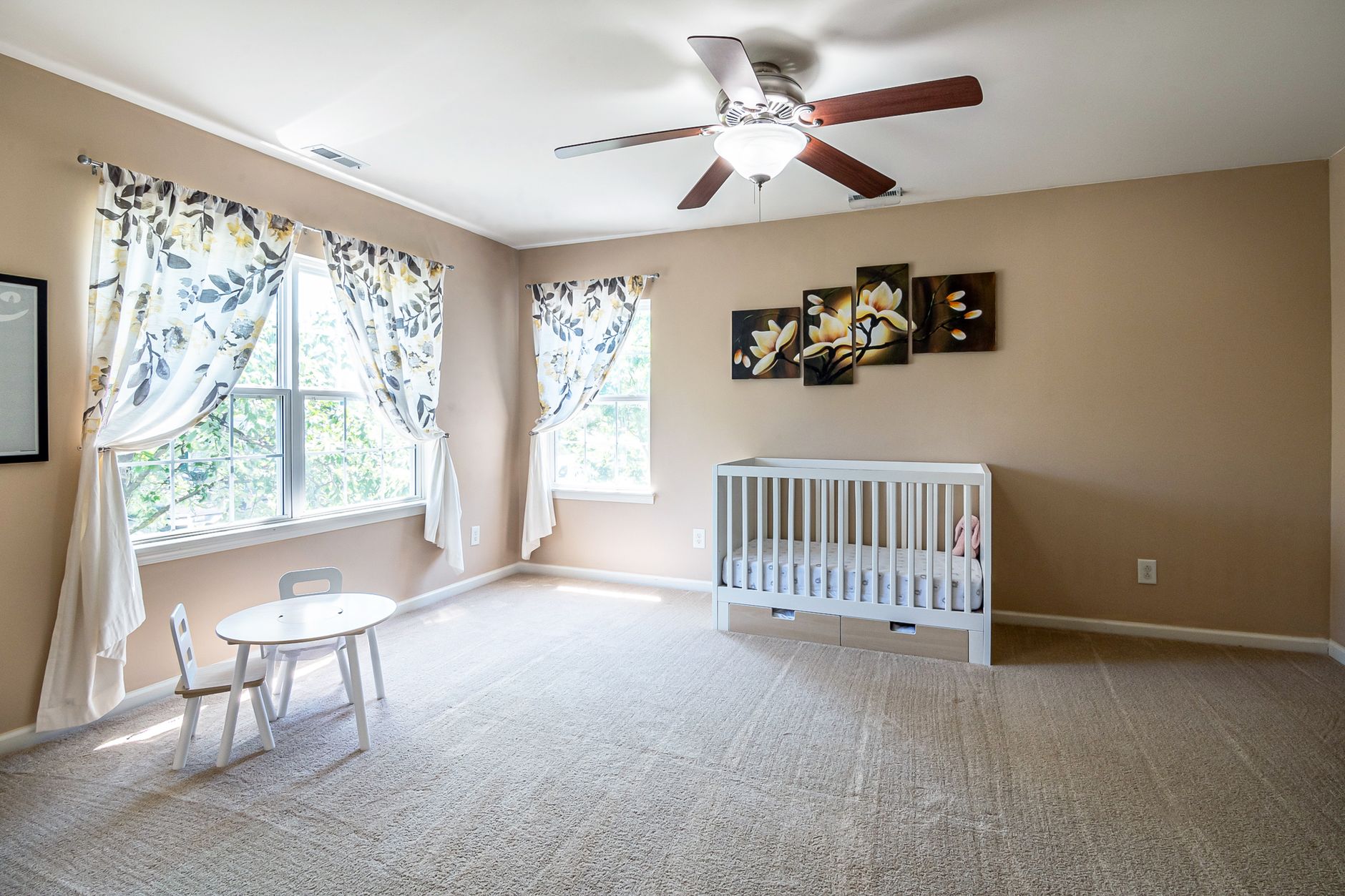
1. The IKEA MALM Crib
If you’re looking for a minimalist crib that’s also stylish, the IKEA MALM is a game-changer. It’s compact, affordable, and has a clean, modern design that fits seamlessly into any nursery. Plus, it grows with your baby—it converts into a toddler bed and even a daybed.
2. A Neutral Color Palette
Stick to a neutral color scheme—whites, grays, beiges, and soft blues or greens. This keeps your nursery looking clean and modern while also creating a calming atmosphere for your baby. Avoid bold colors or busy patterns, which can be overwhelming.
3. Multi-Functional Furniture
Invest in furniture that serves multiple purposes. For example:
- A dresser that doubles as a changing table (use a simple changing pad).
- A bench with storage (great for diapers, wipes, and clothes).
- A wall-mounted shelf for toys or books.
4. Minimalist Decor
Keep decor simple and intentional. Here are some ideas:
- A single statement piece like a large wall art or a unique light fixture.
- Plants (like a snake plant or a pothos) for a touch of nature.
- A gallery wall with a few framed prints or photos.
- A cozy rug to define the play area.
5. Functional Storage
Choose storage that’s both practical and pretty. For example:
- Fabric bins for clothes (use a neutral fabric like linen or cotton).
- Wooden crates for toys or books.
- A simple diaper caddy (like a woven basket or a metal tray).
6. Lighting
Good lighting is key to a minimalist nursery. Opt for:
- A dimmable overhead light for daytime.
- A small nightlight for nighttime feedings.
- String lights (if you want a cozy touch).
7. Textiles
Soft textiles add warmth and comfort to a minimalist nursery. Consider:
- A neutral-toned crib sheet (like cotton or linen).
- A cozy blanket for the changing pad or the play area.
- A simple throw pillow on the bench or the changing table.
For more on creating a modern, functional space, check out our Almond Mom Trend Explained article—it’s full of insights on blending minimalism with parenting trends.
---
How to keep a minimalist home while preparing for a baby’s growth spurts
Here’s the reality check: babies grow fast. And when they do, they outgrow clothes, toys, and gear at an alarming rate. This can make minimalist parenting feel like a moving target. But it doesn’t have to. The key is to embrace intentional minimalism—focusing on what’s truly necessary and letting go of the rest.
Step 1: Buy Less, Buy Right
Instead of stocking up on clothes and toys, focus on quality over quantity. Here’s how:
- Clothes: Buy a few versatile onesies and sleepers in neutral colors. You’ll reuse them for months. Skip the "growth spurt" clothes—babies grow fast, but you won’t need size 0000 for long.
- Toys: Stick to a few essentials like a rattler, a soft toy, and a teether. Rotate them to keep things fresh. Avoid buying toys in bulk—you’ll end up with a closet full of unused items.
- Gear: Invest in multi-functional items like a baby carrier that doubles as a wrap or a stroller that converts into a car seat.
Step 2: Declutter Regularly
Set a reminder to declutter your baby’s items every few months. Ask yourself: Do I still use this? Does it serve a purpose? If not, let it go. This keeps your space clutter-free and functional.
Step 3: Embrace the "One Size Fits All" Mindset
Instead of buying clothes and gear in every size, focus on items that grow with your baby. For example:
- Car seats that fit from newborn to toddler.
- Bottles that are adjustable for different ages.
- Clothes with elastic waists or adjustable straps.
Step 4: Prepare for Growth Spurts
Growth spurts happen, but you don’t need to buy everything at once. Here’s how to prepare:
- Track your baby’s growth and buy clothes and gear as needed.
- Use hand-me-downs from friends or family.
- Buy secondhand from thrift stores or online marketplaces.
- Focus on essentials—you don’t need a new outfit for every growth spurt.
Step 5: Keep Your Home Minimalist
As your baby grows, it’s easy to let clutter creep in. To keep your home minimalist:
- Use storage solutions like bins, baskets, and shelves to keep things organized.
- Declutter regularly—donate or recycle items you no longer use.
- Focus on what matters—your baby’s safety, health, and happiness.
For more on balancing minimalism with the realities of parenting, check out our Clean Home Swap for Kids article—it’s full of practical tips for keeping your home safe and tidy.
---
How to create a minimalist baby shower registry that avoids overbuying
Baby showers are supposed to be joyful, but they can also lead to clutter. The average baby registry is filled with items that moms and dads don’t actually need. If you’re aiming for a minimalist approach, it’s time to rethink your registry. Here’s how to create one that avoids overbuying and focuses on what’s truly essential.
Step 1: Start with the Basics
Instead of listing every gadget and toy under the sun, focus on the essentials. Here’s a minimalist baby registry checklist:
- Diapers and wipes (stock up on a few boxes to start).
- Clothes (onesies, sleepers, socks, and a few outfits for special occasions).
- A safe sleep space (crib, bassinet, or portable crib—if you don’t already have one).
- Bottles and formula/breastmilk supplies (if you’re bottle-feeding or pumping).
- A baby carrier or wrap (for hands-free holding).
- A baby monitor (audio-only is sufficient).
- A baby bathtub (for safe bathing).
- <



