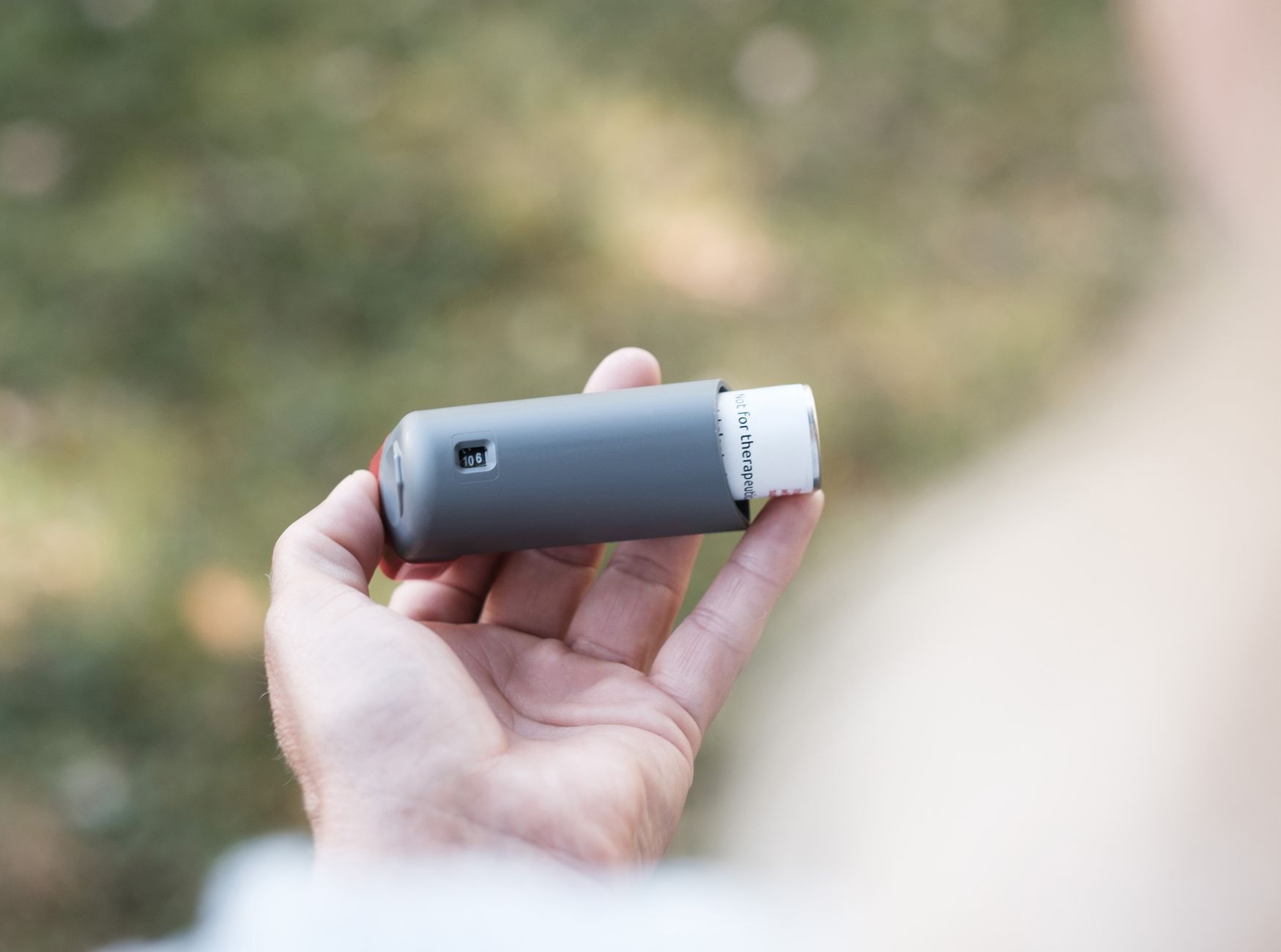
Safe to use Zanamivir (Relenza) during pregnancy in limited doses—consult your doctor first for flu treatment in the second trimester.
By Shubhra Mishra — a mom of two who turned her own confusion during pregnancy into BumpBites, a global mission to make food choices clear, safe, and stress-free for every expecting mother. 💛
Check whether any food is safe during pregnancy with the BumpBites Food Safety Checker.
Quick verdict: ⚠️ Zanamivir (Relenza) is generally considered safe during pregnancy when used as directed, but it’s only recommended if the benefits outweigh the risks and your provider approves. The FDA classifies it as Category C, meaning animal studies show potential harm, but no well-controlled human data exists. Most obstetricians prefer oseltamivir (Tamiflu) or the flu vaccine for pregnant women, but zanamivir can be used in severe flu cases when other options aren’t suitable.
It’s 2 am, your nose is stuffy, and that nagging cough feels like it’s stealing your breath. You remember your provider mentioned is zanamivir relenza safe during pregnancy during your last appointment—but now, with the flu lurking, you’re scrolling through search results, heart pounding. Maybe you already took one dose before realizing you were pregnant. Or maybe you’re deciding whether to use it now. Either way, you’re not alone: flu symptoms during pregnancy spike by 30-50%, and the stakes feel higher than ever.
Here’s what you need to know: zanamivir (Relenza) isn’t categorically unsafe, but it’s not the first-line choice for pregnant women either. The American College of Obstetricians and Gynecologists (ACOG) and the FDA recommend weighing the risks and benefits carefully—especially in the first trimester, when organs are forming. But if you’ve already taken it, or if you’re facing a severe flu infection, we’ll walk you through the science, the safest alternatives, and when to call your provider. You’re not in this alone.
Below, you’ll find a clear safety snapshot, a breakdown of risks by trimester, safer options, and answers to your burning questions—so you can make an informed choice without the panic.
Trimester / Situation
Safety Verdict
Notes
1st Trimester
⚠️ Safe with caution
Only if prescribed by your provider and benefits outweigh risks. Avoid if possible due to limited human data.
2nd Trimester
⚠️ Safe with caution
May be used under medical supervision if flu is severe. Prefer oseltamivir (Tamiflu) if available.
3rd Trimester
⚠️ Safe with caution
Risks of flu complications (e.g., pneumonia) may justify use, but discuss alternatives first.
Breastfeeding
⚠️ Safe with caution
Limited data; use only if prescribed. Monitor baby for side effects like diarrhea or rash.
Relenza is administered via an inhaler, but its safety during pregnancy requires careful consideration.
---
## What is Zanamivir (Relenza)?
Zanamivir, sold under the brand name **Relenza**, is a neuraminidase inhibitor—a type of antiviral medication designed to fight influenza (flu) viruses. Unlike oral medications like Tamiflu, Relenza is delivered via an inhaler, making it a discreet option for those who dislike swallowing pills. It works by blocking the enzyme neuraminidase, which helps the flu virus spread within your body. This slows the virus’s ability to infect new cells, reducing symptoms and shortening the duration of illness.
Developed by GlaxoSmithKline, Relenza was approved by the FDA in 1999 specifically for the treatment and prevention of flu in people aged 7 years and older. It’s often prescribed when other antiviral options aren’t suitable—such as for individuals with kidney issues who can’t take oral meds—or when resistance to other antivirals is suspected. While it’s not a cure, it can make a significant difference if started within 48 hours of symptom onset.
---
## Is Zanamivir (Relenza) safe during pregnancy?
The short answer is: **it’s not the first choice, but it may be used under specific circumstances**. Here’s why:
1. **FDA Pregnancy Category C**: The FDA classifies zanamivir as Category C, meaning animal studies show potential harm to the fetus, but there are no adequate, well-controlled studies in humans. This doesn’t mean it’s unsafe—it just means the evidence isn’t definitive. Most medications fall into this category because pregnant women aren’t typically included in early drug trials for ethical reasons.
2. **Limited Human Data**: According to the ACOG and CDC, zanamivir hasn’t been extensively studied in pregnant women. The available data comes from small case series and observational studies, which show no clear evidence of birth defects or adverse outcomes—but they also don’t prove it’s completely safe. The World Health Organization (WHO) and NHS similarly caution that zanamivir should only be used if the potential benefit to the mother outweighs the potential risk to the fetus.
3. **The Flu Itself Is Riskier**: Here’s the critical context: influenza during pregnancy increases the risk of complications for both mother and baby. Studies show pregnant women are 2-3 times more likely to be hospitalized due to flu compared to non-pregnant women, and they face higher risks of pneumonia, preterm labor, and low birth weight. In severe cases, flu can even lead to maternal death. For this reason, treating flu aggressively in pregnancy is often prioritized over avoiding certain medications, provided the medication is deemed necessary.
4. **Provider-Dependent Decision**: The ACOG Committee Opinion on Influenza (2022) states that antiviral treatment should be considered for all pregnant women with confirmed or suspected influenza, regardless of trimester. Zanamivir may be prescribed if:
- Other antivirals (like oseltamivir or baloxavir) aren’t available or tolerated.
- The pregnant person has a severe allergy to oral medications.
- The flu is particularly severe or complicated by other conditions (e.g., asthma, diabetes).
5. **Breastfeeding Considerations**: If you’re breastfeeding, zanamivir is secreted into breast milk in small amounts. The American Academy of Pediatrics (AAP) considers it compatible with breastfeeding, but monitoring for side effects in your baby (e.g., diarrhea, rash) is recommended.
---
## Safety by trimester
### Is Zanamivir (Relenza) safe in the first trimester of pregnancy?
The first trimester is the most critical window for organ development, which is why many pregnant women avoid medications unless absolutely necessary. Here’s what you need to know:
- **ACOG and FDA stance**: Zanamivir is not the preferred option in the first trimester due to its Category C classification. However, if you develop severe flu symptoms and other treatments aren’t viable, your provider may prescribe it if the benefits (e.g., preventing complications like pneumonia) outweigh the risks.
- **What to do if you’ve already taken it**: If you took zanamivir before realizing you were pregnant, don’t panic. There’s no evidence it causes birth defects, but call your provider to discuss your concerns. They may recommend additional monitoring (e.g., an ultrasound) if you’re anxious, though most experts agree that one or two doses in early pregnancy are unlikely to pose a risk.
- **Safer alternatives**: In the first trimester, providers often recommend oseltamivir (Tamiflu) or the flu vaccine if you’re in flu season. If you’re already infected, rest, hydration, and supportive care (like saline nasal spray) can help manage symptoms without medication.
### Is Zanamivir (Relenza) safe in the second trimester of pregnancy?
The second trimester is generally safer for medication use, but zanamivir still isn’t the top recommendation. Here’s why:
- **Lower risk window**: Since the risk of organ-specific birth defects decreases after the first trimester, zanamivir may be considered if flu is severe and other options aren’t available. The CDC emphasizes that treating flu in the second trimester is crucial to prevent complications like preterm labor.
- **Dosage and duration**: If prescribed, zanamivir is typically used for 5 days, with doses administered twice daily via inhaler. Your provider will monitor you for side effects like shortness of breath or wheezing, which can be exacerbated by the inhaler.
- **Breastfeeding note**: If you’re breastfeeding, zanamivir is generally considered safe if prescribed, but watch for signs of irritation in your baby (e.g., rash, digestive issues).
### Is Zanamivir (Relenza) safe in the third trimester of pregnancy?
In the third trimester, the risks of flu complications (e.g., pneumonia, preterm labor) increase significantly, which is why zanamivir might be used more liberally if other options aren’t suitable:
- **Higher stakes**: The ACOG notes that pregnant women in their third trimester are at the highest risk for severe flu outcomes, including preterm delivery and neonatal complications. For this reason, zanamivir may be prescribed if:
- You develop symptoms within 48 hours of exposure.
- You have underlying conditions (e.g., asthma, heart disease) that increase your risk.
- You’re unable to take oral antivirals.
- **Labor and delivery**: If you’re in labor and test positive for flu, zanamivir may be used to prevent transmission to your baby. However, the flu vaccine is still the best prevention if you’re in flu season.
---
## What is the recommended dosage of Relenza for pregnant women?
If zanamivir is prescribed during pregnancy, the dosage follows the standard adult guidelines, but with extra caution:
- **Treatment dosage**: 10 mg inhaled twice daily (two discs per inhalation, twice a day) for 5 days. This is delivered via the Diskhaler device, which you inhale deeply through your mouth.
- **Prevention dosage**: If zanamivir is used to prevent flu after exposure, the dosage is the same: 10 mg inhaled twice daily for 10 days.
- **Important notes**:
- Zanamivir must not be taken orally—it’s designed for inhalation only.
- If you have asthma or COPD, your provider may monitor you closely for worsened symptoms.
- Do not share your inhaler with others, as it’s not sterile for multiple users.
Zanamivir is inhaled twice daily using the Diskhaler device, but its use during pregnancy requires medical supervision.
---
## Are there safer alternatives to Zanamivir for flu during pregnancy?
While zanamivir may be prescribed in specific cases, many safer alternatives exist for managing flu symptoms during pregnancy. Here are the top options:
- **Flu vaccine**: The ACOG and CDC strongly recommend the flu vaccine for all pregnant women. It’s safe in any trimester and the best way to prevent flu. The nasal spray (live attenuated) and injectable versions are both options, though the injectable is preferred for those with asthma.
- **Oseltamivir (Tamiflu)**: This oral antiviral is preferred over zanamivir for pregnant women when possible. It’s FDA Category C but has more human data supporting its safety. The standard dose is 75 mg twice daily for 5 days.
- **Rest and hydration**: Simple but powerful. Drinking plenty of fluids and getting extra rest can help your body fight the flu without medication.
- **Saline nasal spray**: Safe and effective for congestion. The ACOG recommends saline sprays for nasal relief during pregnancy.
- **Throat lozenges**: Honey-based or glycerin lozenges (like Halls) are generally safe and soothing.
- **Humidifier**: A cool-mist humidifier can ease cough and congestion without risks.
- **Warm salt water gargle**: Mix ½ teaspoon salt in warm water and gargle to soothe a sore throat.
- **Acetaminophen (Tylenol)**: For fever or aches, the standard adult dose (325–650 mg every 4–6 hours, max 3,000 mg/day) is safe in pregnancy. Avoid ibuprofen (Advil) and aspirin.
---
## How does Relenza compare to Tamiflu for pregnant women?
If you’re wondering whether zanamivir (Relenza) or oseltamivir (Tamiflu) is safer during pregnancy, here’s a quick comparison:
| **Factor** | **Zanamivir (Relenza)** | **Oseltamivir (Tamiflu)** |
|--------------------------|------------------------------------------------|------------------------------------------------|
| **FDA Category** | C (limited human data) | C (more human data available) |
| **Route of Administration** | Inhaler (Diskhaler) | Oral pill |
| **Preferred by ACOG?** | ❌ No (second-line) | ✅ Yes (first-line) |
| **Efficacy** | Effective but requires proper inhaler use | Effective, with proven safety in pregnancy |
| **Side Effects** | Wheezing, shortness of breath | Nausea, vomiting (less common in pregnancy) |
| **Breastfeeding Safety** | ⚠️ Monitor baby for side effects | ✅ Generally safe |
| **Dosage Convenience** | Twice-daily inhaler (5 days) | Twice-daily pill (5 days) |
**Key takeaway**: Tamiflu is the preferred antiviral for pregnant women when available, but zanamivir can be used if Tamiflu isn’t suitable. Always discuss your options with your provider.
---
## What are the potential side effects of Zanamivir for pregnant women and babies?
Like any medication, zanamivir carries potential side effects, though they’re generally mild to moderate. Here’s what to watch for:
### **Common side effects in pregnant women**:
- **Respiratory issues**: Zanamivir is inhaled, so wheezing, shortness of breath, or coughing can occur, especially in those with asthma or COPD.
- **Headache or dizziness**: Some women report mild headaches after using the inhaler.
- **Nasal irritation**: A sore throat or dry mouth may occur.
- **Fever or chills**: Rare, but possible as your body responds to the medication.
### **Severe or rare side effects (call your provider if you experience)**:
- **Severe wheezing or difficulty breathing**: This could indicate an allergic reaction or asthma exacerbation.
- **Signs of infection**: If your symptoms worsen (e.g., high fever, chest pain, confusion), seek medical attention immediately.
- **Allergic reaction**: Rare but possible—symptoms include rash, swelling, or difficulty swallowing.
### **Potential effects on the baby**:
- **Limited data**: There’s no evidence zanamivir causes birth defects or long-term harm to the baby, but long-term studies in humans are lacking.
- **Monitoring**: If you’re breastfeeding, watch for signs of irritation in your baby, such as diarrhea, rash, or fussiness.
---
## When is Zanamivir (Relenza) prescribed for flu during pregnancy?
Zanamivir is not the first choice for flu treatment in pregnancy, but it may be prescribed in these scenarios:
1. **Severe flu with contraindications to oral antivirals**: If you have kidney issues or are unable to tolerate Tamiflu, zanamivir can be an alternative.
2. **Resistance to other antivirals**: If lab tests show your flu strain is resistant to oseltamivir or baloxavir, zanamivir might be used.
3. **Allergic reactions to oral medications**: Some women are allergic to the components of Tamiflu but can tolerate zanamivir.
4. **Severe flu in the third trimester**: When the risk of complications (e.g., pneumonia, preterm labor) is high, zanamivir may be prescribed to prevent severe outcomes.
**Important**: Always consult your provider before starting zanamivir, even if you’ve used it before pregnancy. They’ll weigh the risks and benefits based on your specific situation.
---
## Can Zanamivir (Relenza) cause birth defects?
The short answer is no, there’s no definitive evidence that zanamivir causes birth defects. Here’s what the research says:
- **Animal studies**: Some animal studies showed potential harm to the fetus, which is why zanamivir is classified as FDA Category C. However, animal models don’t always predict human outcomes.
- **Human data**: The limited human data available—mostly case reports and small observational studies—does not show an increased risk of birth defects or adverse fetal outcomes from zanamivir use during pregnancy.
- **ACOG and CDC stance**: Both organizations state that the potential benefits of treating flu in pregnancy may outweigh the theoretical risks, especially in severe cases.
**If you’re worried**: If you took zanamivir before realizing you were pregnant, your provider may recommend additional monitoring (e.g., an ultrasound) to ease your mind, but most experts agree that one or two doses are unlikely to pose a risk.
---
## Related items: Safety at a glance
Here’s how zanamivir (Relenza) compares to other flu treatments during pregnancy:
| **Medication** | **Safety Verdict** | **Notes** |
|------------------------------|----------------------------------|---------------------------------------------------------------------------|
| **Oseltamivir (Tamiflu)** | ⚠️ Safe with caution | Preferred antiviral; FDA Category C but more human data. |
| **Baloxavir marboxil (Xofluza)** | ⚠️ Safe with caution | Single-dose option; limited pregnancy data. |
| **Peramivir (Rapivab)** | ⚠️ Safe with caution | IV-only; used in severe cases; no pregnancy-specific studies. |
| **Ribavirin** | ❌ Avoid | Category C; linked to birth defects in animal studies. |
| **Amantadine** | ❌ Avoid | Category C; outdated flu drug with poor efficacy. |
| **Rimantadine** | ❌ Avoid | Category C; resistance is common; not recommended for current flu strains. |
---
## Myth vs. fact
### **Myth**: "Zanamivir is completely unsafe during pregnancy."
**Fact**: Zanamivir is not categorically unsafe, but it’s not the first choice due to limited human data. The ACOG and FDA consider it a Category C medication, meaning potential risks can’t be ruled out—but it’s used when benefits outweigh risks, especially in severe flu cases.
### **Myth**: "If I took zanamivir before I knew I was pregnant, my baby is definitely at risk."
**Fact**: There’s no evidence zanamivir causes birth defects, and most providers agree that one or two doses in early pregnancy are unlikely to pose a risk. However, if you’re anxious, your provider may recommend additional monitoring.
### **Myth**: "Zanamivir is just as safe as Tamiflu for pregnant women."
**Fact**: Tamiflu is the preferred antiviral for pregnancy when available because it has more human data supporting its safety. Zanamivir is used only when Tamiflu isn’t suitable.
---
## Key takeaways
- **Zanamivir (Relenza) is not the first-line flu treatment for pregnant women**, but it may be prescribed if other options aren’t available or tolerated.
- **The FDA classifies it as Category C**, meaning potential risks can’t be ruled out, but severe flu complications during pregnancy are riskier than the medication itself.
- **If you’ve already taken zanamivir before realizing you were pregnant**, don’t panic—most experts agree that one or two doses are unlikely to cause harm.
- **Safer alternatives include the flu vaccine, Tamiflu (oseltamivir), rest, hydration, saline nasal spray, and acetaminophen (Tylenol) for symptoms.**
- **Always consult your provider before starting zanamivir**, especially in the first trimester, to weigh the risks and benefits.
- **Breastfeeding women can use zanamivir if prescribed**, but monitor your baby for side effects like diarrhea or rash.
- **The flu vaccine is the best way to prevent flu during pregnancy**—get vaccinated every year if you’re in flu season.
---
## Frequently asked questions
###
Is Relenza safe while breastfeeding?
Zanamivir is generally considered safe while breastfeeding, but it’s secreted into breast milk in small amounts. The AAP classifies it as compatible with breastfeeding, but monitor your baby for signs of irritation, such as diarrhea, rash, or fussiness. If you notice any adverse effects, consult your provider.
###
Can you take flu medication while pregnant?
Yes, but not all flu medications are equally safe. The ACOG and CDC recommend antivirals like oseltamivir (Tamiflu) or zanamivir (Relenza) for severe flu, but the flu vaccine is the safest way to prevent flu during pregnancy. Always discuss options with your provider.
###
What flu medicine is safe for pregnancy?
The safest flu treatments for pregnancy are:
1. **Flu vaccine** (preferred prevention).
2. **Oseltamivir (Tamiflu)** (first-line antiviral).
3. **Zanamivir (Relenza)** (second-line, if Tamiflu isn’t suitable).
4. **Rest, hydration, and supportive care** (e.g., saline nasal spray, acetaminophen for fever).
###
Is Tamiflu safer than Relenza during pregnancy?
Yes, Tamiflu (oseltamivir) is generally considered safer for pregnant women because it has more human data supporting its safety and is preferred by the ACOG when available. Zanamivir is used only when Tamiflu isn’t an option.
###
What happens if you get the flu while pregnant?
Flu during pregnancy increases the risk of complications, including pneumonia, preterm labor, and low birth weight. If you develop flu symptoms, see your provider within 48 hours—they may prescribe an antiviral like Tamiflu or zanamivir. Prevention is key: get vaccinated every year if you’re in flu season.
###
Does Relenza affect fertility?
There’s no evidence that zanamivir affects fertility. However, most fertility studies focus on oral medications, and zanamivir is inhaled. If you’re trying to conceive and have concerns, discuss alternatives with your provider.
###
What category drug is Zanamivir in pregnancy?
The FDA classifies zanamivir as a Category C drug, meaning animal studies show potential harm to the fetus, but there are no adequate, well-controlled studies in humans. This doesn’t mean it’s unsafe—it just means the evidence isn’t definitive.
---
## When to call your doctor
Contact your provider immediately if you experience any of the following after taking zanamivir during pregnancy:
- **Severe wheezing or difficulty breathing** (could indicate an allergic reaction or asthma exacerbation).
- **High fever (above 100.4°F/38°C) that doesn’t respond to acetaminophen**.
- **Chest pain, confusion, or severe fatigue** (signs of flu complications like pneumonia).
- **Signs of dehydration** (dizziness, very dark urine, extreme thirst).
- **Vaginal bleeding or contractions** (could indicate preterm labor).
- **Any side effects in your baby** (if breastfeeding, such as rash, diarrhea, or fussiness).
**If you’ve already taken zanamivir and are worried**, your provider can offer reassurance or additional monitoring. Most experts agree that one or two doses are unlikely to pose a risk, but it’s always good to check in.
---
## References
1. American College of Obstetricians and Gynecologists (ACOG) – Influenza and Pregnancy (2022). [ACOG Committee Opinion No. 803](https://www.acog.org).
2. U.S. Food and Drug Administration (FDA) – Zanamivir Prescribing Information (2023).
3. Centers for Disease Control and Prevention (CDC) – Influenza and Pregnancy (2023).
4. World Health Organization (WHO) – Antiviral Treatment of Influenza (2022).
5. National Health Service (NHS) – Flu and Pregnancy (2023).
6. American Academy of Pediatrics (AAP) – Drugs in Human Milk (2023).
7. Mayo Clinic – Flu Antiviral Medications (2023).
Not sure about the label on Is Zanamivir Relenza Safe During Pregnancy products?
Snap the ingredients list and SafeFilter checks every ingredient for your stage — only 3 free scans this month, then you're locked until reset. Unlimited from $7/mo or $50/yr.
When Shubhra Mishra was expecting her first child in 2016, she was overwhelmed by conflicting food advice — one site said yes, another said never. By the time her second baby arrived in 2019, she realized millions of mothers face the same confusion.
That sparked a five-year journey through clinical nutrition papers, cultural diets, and expert conversations — all leading to BumpBites: a calm, compassionate space where science meets everyday motherhood.
Her long-term vision is to build a global community ensuring safe, supported, and free deliveriesfor every mother — because no woman should face pregnancy alone or uninformed. 🌿
🌍 Stand with mothers, shape safer guidance
Join a small circle of experts who review BumpBites articles so expecting parents everywhere can decide with confidence.