Working with X-rays radiology during pregnancy requires strict precautions. Is working with X-rays radiology safe during pregnancy? Yes, with proper shielding
By Shubhra Mishra — a mom of two who turned her own confusion during pregnancy into BumpBites, a global mission to make food choices clear, safe, and stress-free for every expecting mother. 💛
Check whether any food is safe during pregnancy with the BumpBites Food Safety Checker.
Quick verdict: ⚠️ Working with X‑ray equipment can be safe during pregnancy if you follow strict dose limits and protective measures, but you should discuss your job role with your obstetrician and employer. Most pregnant radiology technicians can continue working safely with proper shielding and monitoring. If you’re unsure, consult your provider before continuing.
When you find out you’re pregnant and you’re a radiology technologist, the first question that pops up is often, is working with X‑rays radiology safe during pregnancy? That late-night Google search, fueled by anxiety, is completely understandable. You're not alone in wondering how your professional duties might impact your developing baby. The good news is that for most technicians, occupational exposure can be kept well below the levels that pose a risk to the developing fetus, thanks to robust safety protocols and established guidelines.
The answer is not a simple yes or no; it depends on how much radiation you’re exposed to, how long you’re exposed, and what precautions you and your employer have in place. The primary concern is protecting the fetus from ionizing radiation, which has the potential to cause harm, particularly during sensitive developmental stages. However, modern radiology practices are designed to minimize scatter radiation, and specific protections are in place for pregnant workers.
In this article we’ll walk through the evidence from leading authorities like ACOG, NHS, and the U.S. FDA, explain the specific dose limits for pregnant workers, and give you a clear, trimester‑by‑trimester roadmap of what’s safe, what you should avoid, and how to protect yourself. We’ll also cover the long‑term effects of occupational radiation exposure during pregnancy, and suggest safer alternatives and job modifications if you need them. If you’re already working in a radiology department and feeling uneasy, take a deep breath and read on to find out exactly what you can do to stay safe and confident in your pregnancy.
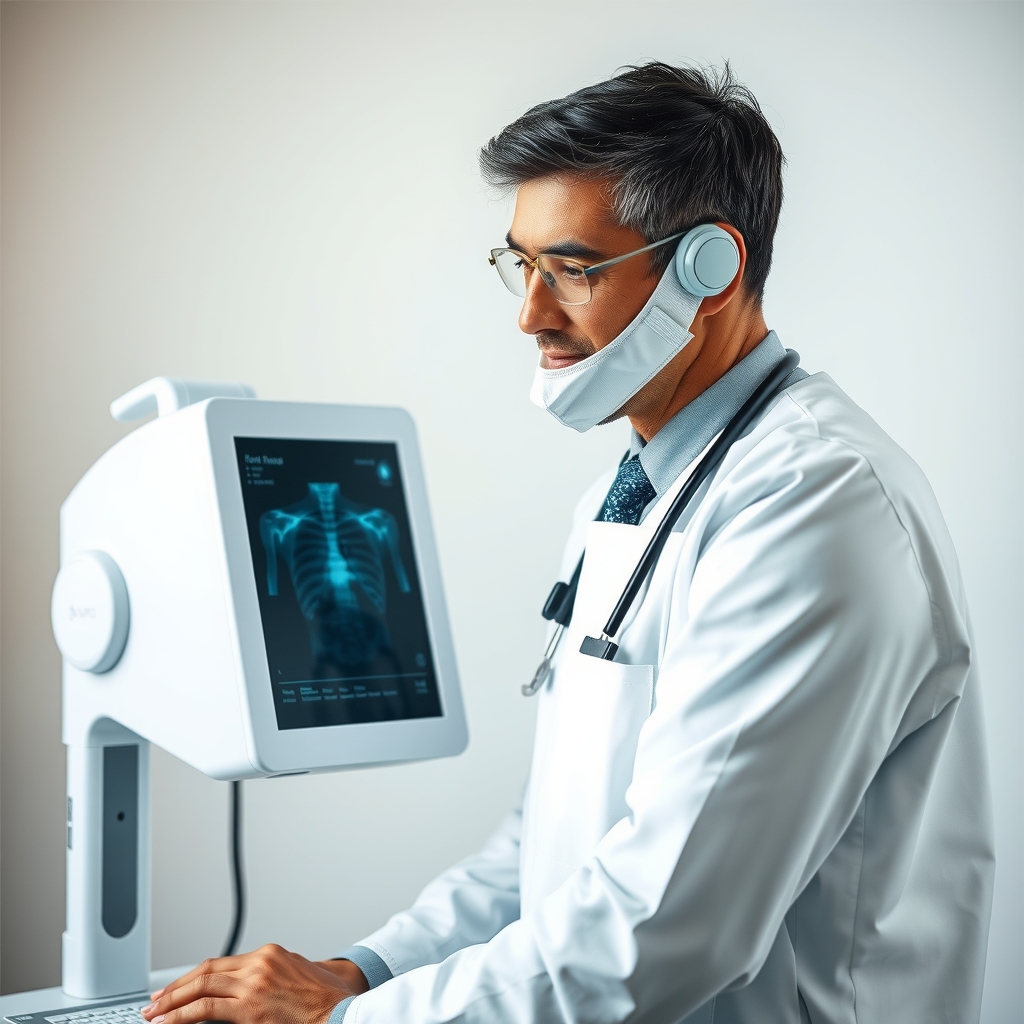
Proper protective gear, like a lead apron and thyroid shield, is essential for minimizing fetal exposure.
Trimester / Period
Verdict
Notes
First trimester (0–13 weeks)
⚠️ Safe with limits
Keep fetal dose <1 mSv; use full shielding and dosimetry badges. This is the most sensitive period for organ development.
Second trimester (14–26 weeks)
⚠️ Safe with limits
Same dose limits apply; risk of malformations is lower as major organogenesis is complete, but growth and neurological development continue.
Third trimester (27–40 weeks)
⚠️ Safe with limits
Keep fetal dose <1 mSv; avoid high‑dose procedures. Fetal brain is still developing, but overall sensitivity to radiation is reduced compared to earlier trimesters.
Breastfeeding
✅ Generally safe
Fetal dose is not a concern; maternal exposure is low and radiation does not transfer through breast milk.
What is working with X‑rays in radiology?
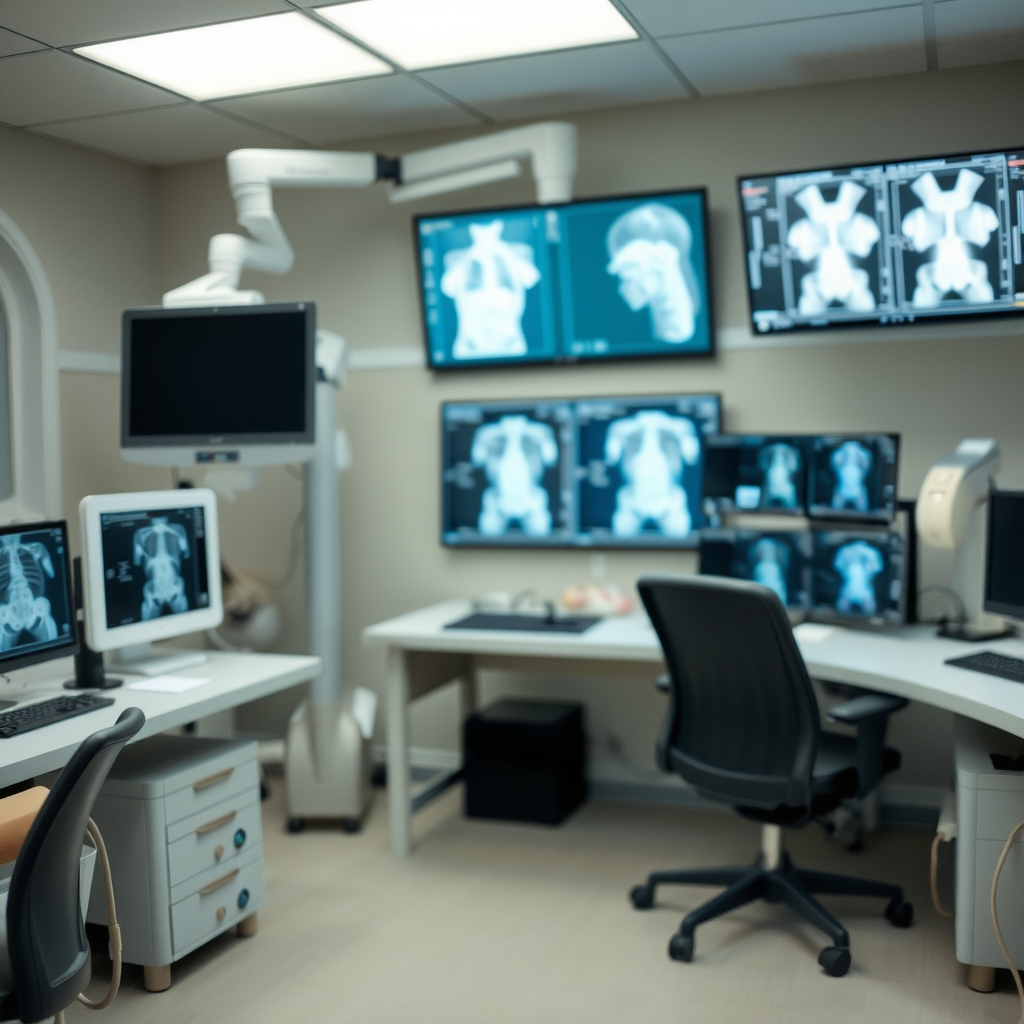
Working with X‑rays in radiology means operating imaging equipment that generates ionizing radiation, such as conventional X‑ray machines, computed tomography (CT) scanners, fluoroscopy units, and interventional suites. The radiation is produced when high‑energy X‑ray photons are generated by a tube and directed toward a patient’s body; the photons then pass through tissues, producing a radiographic image. While the primary beam is aimed at the patient, scattered radiation can reach the operator and the surrounding environment. That scattered dose is what occupationally exposed staff, including technologists, receive.
Because ionizing radiation can damage DNA, it is classified as a potential teratogen—an agent that can cause birth defects—especially during the first trimester when organogenesis is occurring. However, the amount of scatter that a well‑shielded technologist receives is typically far below the threshold associated with adverse fetal outcomes. The key is to keep the cumulative fetal dose below recommended limits, such as the 5 mSv guideline for pregnant workers set by the International Commission on Radiological Protection (ICRP) and adopted by the U.S. National Council on Radiation Protection and Measurements (NCRP). Understanding these mechanisms helps demystify the risks and underscores the importance of proper safety measures.
Different imaging modalities produce varying levels of scattered radiation. For instance, a standard chest X-ray produces very little scatter, while fluoroscopy and CT scans involve higher and more prolonged exposure to scattered radiation due to continuous or repeated X-ray beams. This distinction is crucial in assessing a pregnant technologist's specific risk and determining appropriate job modifications, ensuring that the necessary precautions align with the actual potential for exposure in their daily tasks.
Is working with X‑rays radiology safe during pregnancy?
A
ccording to ACOG, the NHS, and the U.S. FDA, working with X‑ray equipment is generally safe during pregnancy when exposure is kept within established dose limits and appropriate protective measures are used. The American College of Obstetricians and Gynecologists (ACOG) states that the typical occupational exposure for a radiology technician is less than 1 mSv per year, which is well below the 5 mSv fetal exposure threshold for the entire gestation. The National Institute for Occupational Safety and Health (NIOSH) and the International Commission on Radiological Protection (ICRP) recommend that pregnant workers wear lead aprons and thyroid shields, use dosimetry badges to monitor exposure, and avoid high‑dose procedures such as CT scans and complex interventional procedures whenever possible.
In practice, most radiology departments have policies that allow pregnant technicians to continue working safely. They often provide additional shielding, monitor exposure with personal dosimeters, and rotate staff to reduce cumulative dose, adhering to the ALARA (As Low As Reasonably Achievable) principle. If your exposure stays within the 5 mSv per year limit and you’re using full protective gear, the risk of miscarriage or birth defects is extremely low—statistically less than 1 % for occupational exposure levels, which is comparable to the background risk in the general population.
However, if you’re in a setting where you might be exposed to higher doses—such as an interventional radiology suite, a fluoroscopy unit, or a CT lab with frequent, long procedures—your employer should provide a comprehensive risk assessment. This assessment helps determine if job modifications or reassignment to a lower‑dose role are necessary to ensure fetal dose remains well within safe limits. If you’re unsure about your specific exposure, or if you feel uncomfortable with your current duties, it's always best to talk to your occupational health officer and obstetrician.
Is it safe to work as an X‑ray technician while pregnant?
Yes, but only under controlled conditions. ACOG recommends that pregnant technologists maintain a cumulative fetal dose of <5 mSv over the course of the pregnancy. To achieve this, most departments use lead aprons, thyroid shields, and full‑body shielding. They also limit the number of high‑dose procedures and rotate staff. If your job involves frequent fluoroscopy or interventional procedures, you may need to be reassigned to a non‑radiation role or take a leave of absence until after delivery, always in consultation with your employer and healthcare provider.
Many radiology departments have formal pregnancy policies that mirror the guidelines from the U.S. Occupational Safety and Health Administration (OSHA) and the International Atomic Energy Agency (IAEA). These policies typically include:
Mandatory use of lead aprons and thyroid shields, often with specific requirements for lead equivalence.
Personal dosimetry badges (often two: one worn at the collar outside the apron, and a second under the apron at the waist to estimate fetal dose) to track cumulative exposure.
Regular review of exposure records by a radiation safety officer (RSO) or medical physicist.
Job rotation or reassignment if exposure exceeds safe limits or if the pregnant worker requests it due to discomfort or concern.
By following these policies, most pregnant technologists can continue working safely throughout all three trimesters, providing peace of mind and continuity in their careers.
Understanding Your Department's Pregnancy Policy
Every reputable radiology department should have a written pregnancy policy for employees who work with ionizing radiation. This policy outlines the specific steps taken to protect pregnant workers and their fetuses, ensuring compliance with national and international radiation safety standards. It should detail procedures for declaring a pregnancy, the use of dosimetry, dose limits, and options for job modification. Familiarizing yourself with this document is a critical first step.
Your Radiation Safety Officer (RSO) is the key person to discuss this policy with. They are responsible for implementing and overseeing radiation safety programs and can provide personalized guidance, review your specific job duties, and help you understand your individual risk profile. They can also facilitate any necessary job modifications or additional protective measures, ensuring clear communication between you, your employer, and your healthcare provider.
What are the risks of X‑ray exposure in the first trimester for pregnant radiology staff?
The first trimester (0–13 weeks) is often considered the most sensitive period for fetal development because organogenesis—the formation of major organs—occurs during this time. Ionizing radiation can potentially cause chromosomal damage or interfere with cell division, leading to miscarriage or congenital malformations. However, the dose thresholds for such risks are relatively high compared to typical occupational exposure, which is a crucial distinction that often alleviates anxiety.
According to the ICRP, a fetal dose of <1 mSv (100 mrem) is considered negligible for teratogenic risk. Occupational exposure for a radiology technician is usually <0.1 mSv per month, meaning you would need to work for many months at a high dose without proper shielding to even approach the 1 mSv threshold. In practice, with appropriate shielding and adherence to safety protocols, most departments keep the cumulative fetal dose far below 1 mSv during the first trimester, offering a significant margin of safety.
If you’re in a role where you might be exposed to higher doses—such as during interventional procedures where prolonged fluoroscopy is common—your employer should provide a thorough risk assessment and possibly reassign you to lower-exposure tasks. In rare cases where cumulative exposure is assessed to exceed 5 mSv, the ACOG recommends discontinuing work that involves direct X‑ray exposure until after delivery. This is a very conservative limit, designed to ensure maximum safety for the developing fetus.
What is the maximum permissible radiation dose for pregnant radiology technologists?
Professional bodies such as the ICRP and NCRP set the maximum permissible fetal dose for pregnant workers at <5 mSv over the course of the entire pregnancy (from declaration of pregnancy to birth). This limit, often broken down to 0.5 mSv per month, is derived from extensive epidemiological studies that show no statistically significant increase in adverse pregnancy outcomes below this threshold. The ACOG and NHS also recommend staying under 5 mSv to keep the risk of miscarriage or birth defects below 1 %, which is the baseline risk for any pregnancy regardless of radiation exposure.
For the mother, the occupational dose limit is 50 mSv per year (or 100 mSv over a 5‑year period). However, because the fetus is more sensitive to radiation, especially during early development, the stricter 5 mSv limit applies specifically to fetal dose. Employers should monitor both maternal and fetal doses using appropriately placed dosimetry badges and periodic audits by the RSO. If cumulative exposure approaches the limit, your employer should consider reassignment or additional shielding, always prioritizing fetal safety.
In short, as long as your cumulative fetal dose stays below 5 mSv and you use proper protective gear as advised by your RSO and obstetrician, you are operating within safe and widely accepted limits, ensuring the health of your baby while continuing your important work.
What safety precautions should pregnant radiology technicians take?
Protective measures are the cornerstone of safe occupational radiation exposure during pregnancy. These precautions are based on the ALARA principle (As Low As Reasonably Achievable), aiming to minimize radiation exposure to the absolute lowest practical level. Here are the key precautions, elaborated for better understanding:
Lead aprons and thyroid shields: Always wear a lead apron (with a minimum of ≥0.5 mm lead equivalence) and a thyroid shield. These garments significantly reduce scatter dose to your torso and neck, cutting exposure by up to 80 % or more. Ensure your apron is properly fitted and regularly inspected for cracks or damage.
Full‑body shielding: In high‑dose settings (e.g., fluoroscopy suites, interventional radiology), consider using full‑body leaded garments or standing behind mobile lead barriers. These provide even greater protection by shielding a larger portion of your body from scattered radiation.
Personal dosimetry badges: Wear a badge on your chest at the collar level, outside your lead apron, to monitor your whole-body exposure. For pregnant workers, a second badge is often worn at the waist, beneath the lead apron, to provide a more accurate estimate of fetal dose. Review readings regularly with your radiation safety officer.
Job rotation: Actively limit the number of high‑dose procedures you perform. Your department should facilitate rotation to lower‑dose tasks such as patient preparation, image interpretation, or administrative duties, reducing your cumulative exposure.
Distance: Maximize your distance from the primary beam and the patient during X-ray exposures. Radiation intensity decreases rapidly with distance; even a 1‑meter increase can cut scatter dose by 50 % (inverse square law). Step back into the control room or behind a shielded barrier whenever possible.
Time: Minimize the time spent in the radiation field. Shorter exposure times translate directly into lower doses. This means working efficiently and only entering the radiation zone when absolutely necessary during a procedure.
Proper shielding of equipment: Ensure that all X-ray machines have adequate lead shielding and that protective covers, such as collimators and table-side shields, are correctly positioned and in good repair.
Training and awareness: Attend radiation safety refresher courses regularly and stay updated on departmental policies and new best practices. Understanding the risks and proper safety protocols empowers you to advocate for your safety.
By combining these precautions, most pregnant technologists can keep their fetal dose well below the 5 mSv threshold, ensuring a safe working environment for both mother and baby.
The ALARA Principle in Practice
The ALARA (As Low As Reasonably Achievable) principle is a fundamental tenet of radiation protection, asserting that all radiation exposures should be kept as low as reasonably achievable, taking into account economic and social factors. For pregnant radiology technologists, ALARA translates into practical strategies that go beyond just meeting regulatory limits.
In practice, ALARA means continuously seeking ways to reduce exposure through optimized techniques (Time, Distance, Shielding), equipment maintenance, and administrative controls like job rotation. It encourages a proactive approach to safety, ensuring that even if current exposure levels are below official limits, efforts are still made to reduce them further. This commitment to ALARA provides an additional layer of safety and reassurance for pregnant workers, demonstrating a dedication to minimizing any potential risk.
Can working with X‑rays cause miscarriage or birth defects?
At the low levels typical of occupational exposure in radiology, the risk of miscarriage or birth defects is extremely low. ACOG and NHS reports indicate that fetal doses below 5 mSv are associated with a <1 % increase in adverse outcomes, which is statistically similar to the background risk of miscarriage or birth defects in any pregnancy, regardless of radiation exposure. The risk rises sharply only at doses above 50 mSv, far exceeding the occupational exposure that a technologist would receive in a properly managed environment.
For comparison, the average natural background radiation dose in the U.S. is about 3 mSv per year from cosmic rays, radon, and naturally occurring radioactive materials. A pregnant technologist who works in a standard radiology department typically receives <0.5 mSv per year to the fetus (when shielded and monitored), which is well below the natural background level and far below the teratogenic threshold. This context helps to put occupational exposure into perspective and reduce undue worry.
In short, as long as you stay within the 5 mSv fetal dose limit and use proper shielding and follow departmental safety protocols, the chance of miscarriage or birth defects due to occupational X‑ray exposure is considered negligible by major health organizations. The key is consistent monitoring and adherence to established safety guidelines.
Are there job modifications for pregnant X‑ray techs?
Yes, absolutely. Most radiology departments have proactive policies that allow pregnant technologists to modify their job duties to significantly reduce or eliminate radiation exposure. These modifications are often a result of collaborative discussions between the employee, their supervisor, and the Radiation Safety Officer (RSO), ensuring that both safety and operational needs are met. Common modifications include:
Shift to non‑radiation tasks: This is often the most straightforward modification. You might be reassigned to duties such as patient registration, scheduling, image archiving, quality control checks on non-radiation equipment, or administrative support.
Reduced high‑dose procedures: Limit or completely avoid involvement in procedures that inherently carry higher scatter radiation risks, such as interventional radiology, long fluoroscopy cases, or certain CT scans. Instead, focus on standard diagnostic X-rays where exposure is minimal, or assist from a control room.
Remote work: If feasible for your role, conducting image analysis, reporting, or quality assurance from a shielded office or even a remote location can be an excellent way to eliminate direct exposure.
Temporary leave: If cumulative exposure approaches limits, or if you feel uncomfortable despite modifications, taking a short leave of absence (e.g., using sick leave, FMLA, or short-term disability) can be a safe option until after delivery.
Use of additional shielding: Beyond standard lead aprons, this might involve working in a fully shielded room, utilizing mobile lead barriers more extensively, or using specialized overhead shields during procedures.
These modifications are designed not only to keep your fetal dose below the 5 mSv threshold but also to provide peace of mind. It’s important to discuss these options openly and early with your supervisor and occupational health officer to create a suitable work plan that supports your health and safety throughout your pregnancy.
What are the long‑term effects of occupational radiation exposure during pregnancy?
Long‑term effects refer to risks that may manifest later in the child’s life, such as growth delays, cognitive deficits, or an increased risk of childhood cancers like leukemia. It's a natural and important concern for any expecting parent working in a radiation environment. However, studies of occupationally exposed workers, including radiology technologists, have consistently shown no significant increase in long‑term childhood cancers or developmental disorders when maternal exposure stays below the 5 mSv fetal dose limit.
One large cohort study from the U.S. National Cancer Institute, which followed children born to mothers working in radiology or nuclear medicine, found no increased risk of childhood leukemia or solid tumors among their offspring, provided their cumulative dose was <5 mSv. The ACOG and NHS guidelines echo these findings, stating that occupational exposure below 5 mSv does not increase long‑term health risks for the child, providing substantial reassurance to pregnant technologists.
In contrast, exposures above 100 mSv have been associated with higher risks of childhood cancers and growth issues, but such doses are far beyond what a technologist would ever experience in a regulated and safely managed workplace. The extensive research and strict adherence to dose limits are specifically designed to prevent these higher-risk scenarios.
Safe dosage / amount / brands
While X‑ray exposure is not measured in “dosage” the same way a medication is, it is quantified in millisieverts (mSv), which represents the effective dose. Here’s a quick reference for what is considered safe and typical for pregnant technologists, keeping in mind that these are estimates of scattered radiation to the worker, not direct fetal dose without shielding:
Scenario
Typical Dose (mSv) to worker per patient/procedure
Safety Note for Pregnant Technologists
Standard 2D X‑ray (e.g., chest, abdomen)
0.001–0.05 mSv per patient
Very low scatter; generally safe with lead apron and distance.
Fluoroscopy (interventional procedures)
0.1–0.5 mSv per procedure
Higher dose potential. Use full shielding, maximize distance, and limit procedure time. Consider reassignment.
CT scan (adult abdomen)
0.05–0.2 mSv per scan to staff in room
Higher dose potential if in room. Avoid being in the room during scanning if possible; consider reassignment to non-scanning duties.
Annual cumulative exposure (fetal dose)
< 5 mSv (total pregnancy)
This is the critical limit. Ensure all measures keep you well below this threshold.
Always rely on your department’s dosimetry records to confirm you’re staying within limits. If you’re unsure, ask your radiation safety officer or occupational health nurse. They can provide precise data for your specific role and environment.
How Are Fetal Doses Monitored?
Monitoring fetal dose for pregnant radiology technologists involves a systematic approach, primarily through the use of personal dosimeters. When a pregnancy is declared, the RSO will typically issue a second dosimeter. One dosimeter is worn at the collar, outside the lead apron, to measure the whole-body dose to the mother. The second dosimeter is worn at the waist, *underneath* the lead apron, to provide the best estimate of the dose reaching the fetus.
These dosimeters are collected and read monthly or quarterly, and the readings are carefully reviewed by the RSO. If the estimated fetal dose approaches the monthly or cumulative pregnancy limits (0.5 mSv/month or 5 mSv/pregnancy), immediate action will be taken, such as further job modifications or temporary reassignment. This rigorous monitoring ensures that any potential exposure is tracked and managed proactively, keeping the fetus well within safe limits.
Side effects and risks
For most pregnant technologists who adhere to safety protocols, there are no direct side effects from low‑dose X‑ray exposure. However, it's important to be aware of the theoretical potential risks associated with high, unshielded doses, even though these are exceedingly rare in a controlled occupational setting:
Miscarriage: Extremely unlikely at doses <5 mSv; studies show no increased risk compared to the general population. The risk only significantly increases at doses >50 mSv, which are non-occupational exposure levels.
Birth defects: No significant increase below 5 mSv. Major malformations are typically seen at doses above 100 mSv, far exceeding occupational limits.
Cancer risk: No elevated risk for the child or mother has been demonstrated at typical occupational exposure levels (<5 mSv fetal dose).
Radiation dermatitis: Extremely rare in occupational settings. This would only occur with very high, prolonged, unshielded direct exposure, not scattered radiation.
Eye lens damage (Cataracts): Rare; can occur if you’re exposed to very high scatter without proper protective eyewear over many years. This is usually a concern for interventional radiologists or cardiologists with decades of exposure, not typical technologists.
Watch for any unexplained symptoms like unusual fatigue, persistent skin reddening (not related to heat or friction), or any changes in your pregnancy symptoms that concern you. If you experience any of these, or if you feel you’re being exposed to higher doses than usual, discuss it immediately with your employer and obstetrician. Your well-being and your baby's health are paramount.
Safer alternatives
If you're a pregnant radiology technologist concerned about X-ray exposure, or if your role involves higher-dose procedures, there are many safer alternatives and modifications available to ensure a healthy pregnancy:
Working in non‑radiation areas: This is often the safest and most effective alternative. Shift to tasks such as patient reception, scheduling, medical record keeping, image archiving, or administrative support roles that do not involve any radiation exposure.
Increased personal shielding: Beyond standard lead aprons, utilize wrap-around lead garments, lead glasses, and mobile lead barriers more extensively. Ensure your lead apron is the appropriate thickness (e.g., 0.5 mm lead equivalence) and in good condition.
Reduced patient contact requiring direct X‑ray exposure: Limit your involvement in high‑dose procedures like CT scans, fluoroscopy, or interventional radiology. Focus on assisting with patient preparation and post-procedure care outside the radiation field.
Temporary reassignment to administrative roles: If your department has administrative needs, you could temporarily take on tasks like quality control data review, protocol development, or staff training, which are entirely non-radiating.
Working exclusively with shielded equipment: Prioritize working with machines that have built‑in shielding and low‑dose protocols, such as modern digital radiography units where you can operate from behind a shielded control panel.
Maximizing time and distance: Even if you remain in a role with some radiation exposure, strictly adhere to the principles of time and distance. Spend as little time as possible in the radiation field and maintain the maximum safe distance from the X-ray source and patient.
Taking a leave of absence: If cumulative dose approaches limits, or if you simply feel uncomfortable and anxious despite all modifications, a short leave of absence (e.g., FMLA, short-term disability) can be a safe and stress-reducing option until after delivery.
Lead aprons and thyroid shields are essential for protecting your fetus from scatter radiation.
Related items — safety at a glance
Item
Verdict
One‑line note
CT scans during pregnancy (for patient)
⚠️ Safe with limits
High dose, but benefits often outweigh risks in emergencies; limit exposure and use low‑dose protocols.
MRI during pregnancy (for patient)
✅ Generally safe
Uses strong magnetic fields and radio waves; no ionizing radiation, considered safe after the first trimester.
Very low dose; use protective lead apron and thyroid collar. Elective procedures often postponed.
Airport security scanners during pregnancy
✅ Generally safe
Very low dose (millions of times less than a chest X-ray); comparable to background radiation. Metal detector is preferred.
Radiation therapy during pregnancy (for patient)
❌ Best avoided
Very high dose to treat cancer; can cause severe fetal harm. Fetal shielding or termination may be considered.
Ultrasound during pregnancy (for patient)
✅ Generally safe
Uses high-frequency sound waves, not ionizing radiation. No known risks to mother or baby.
Mammography during pregnancy (for patient)
⚠️ Safe with limits
Low dose to fetus with abdominal shielding, but breast tissue changes can make interpretation difficult. Ultrasound is often preferred.
Myth vs. fact
Dispelling common misconceptions can go a long way in reducing anxiety for pregnant radiology technologists:
Myth: Any X‑ray exposure during pregnancy, no matter how small, is dangerous. Fact: Occupational exposure in radiology is typically <0.1 mSv per month (when properly shielded), which is far below the 5 mSv fetal dose limit for the entire pregnancy, and is considered safe with proper shielding and monitoring. The risk of harm is dose-dependent, and typical occupational doses are negligible.
Myth: You must quit your job immediately after finding out you’re pregnant. Fact: Most pregnant technologists can continue working safely if they follow established dose limits, consistently use shielding, and engage with their department's job modification plan. Quitting is rarely medically necessary.
Myth: Lead aprons are ineffective against scattered radiation. Fact: Lead aprons with ≥0.5 mm lead equivalence are highly effective, reducing scatter dose by up to 80 % or more. They are a proven and essential protective measure for pregnant workers.
Myth: If you're pregnant, you can't be in the same room as an X-ray machine. Fact: While it's best to maximize distance and use shielding, being in the same room is safe if you are behind appropriate lead shielding (like a control room wall or mobile barrier) or if you are outside the controlled area during an exposure. The concern is *direct* or *scattered* radiation, not simply proximity to the machine.
Key takeaways
Declaring your pregnancy is the first step to ensuring your safety and allows your employer to implement protective measures.
Pregnancy does not automatically disqualify you from working with X‑ray equipment; safety hinges on adhering to strict dose limits and using proper shielding.
Keep cumulative fetal dose <5 mSv over the entire pregnancy; utilize lead aprons, thyroid shields, and dosimetry badges diligently.
First‑trimester exposure is the most sensitive period for fetal development, but typical occupational doses are far below teratogenic thresholds.
Job modifications—such as moving to non‑radiation tasks or limiting high-dose procedures—are common and effective strategies to keep exposure low.
Long‑term effects on the child are negligible at doses below 5 mSv; studies show no increased risk of childhood cancers or birth defects at these levels.
Always discuss your role, potential exposure, and any concerns with your employer (especially your Radiation Safety Officer) and your obstetrician.
Frequently asked questions
Can pregnant women work in radiology?
Yes. Working in radiology is generally safe during pregnancy when occupational exposure to the fetus is kept below the 5 mSv dose limit and proper protective gear, such as lead aprons and dosimetry badges, is consistently used. It's crucial to discuss your specific role and departmental policies with your employer and obstetrician to ensure you’re following all best practices.
What are the risks of working with X‑rays while pregnant?
At typical occupational exposure levels (<5 mSv fetal dose), the risk of miscarriage, birth defects, or long-term health issues for the child is extremely low—statistically similar to the background risk in the general population. The primary risk is cumulative fetal dose, which is why strict limits and monitoring are in place to keep this risk negligible.
How much radiation is safe during pregnancy for healthcare workers?
For pregnant healthcare workers, the internationally recommended safe limit is <5 mSv to the fetus over the course of the entire pregnancy (from declaration to birth). This limit is based on extensive guidelines from bodies like ACOG, ICRP, and NHS, and is well above the natural background radiation dose you'd experience anyway.
Do pregnant radiology techs wear lead aprons?
Yes, absolutely. Lead aprons (typically ≥0.5 mm lead equivalence) and thyroid shields are standard and mandatory protective equipment for pregnant technologists to significantly reduce scatter radiation exposure to the fetus. Often, a second dosimetry badge is worn underneath the apron to directly estimate fetal dose.
What are the OSHA guidelines for pregnant healthcare workers?
OSHA (Occupational Safety and Health Administration) requires employers to provide a safe work environment for all employees, including pregnant workers. This includes providing appropriate personal protective equipment (PPE) like lead aprons, ensuring adequate shielding, implementing dosimetry monitoring, and considering job modifications if exposure exceeds safe limits. Employers must also provide training and maintain a written safety plan.
When should a pregnant radiologist stop working?
A pregnant radiologist or technologist should consider stopping work that involves direct X-ray exposure if their cumulative fetal dose approaches or exceeds 5 mSv, or if they are in a setting with consistently high-dose procedures (e.g., interventional radiology, long fluoroscopy cases) and cannot effectively reduce exposure through job modifications or additional shielding. This decision should always be made in close consultation with their obstetrician and Radiation Safety Officer.
Can I work in interventional radiology (IR) while pregnant?
Working in interventional radiology (IR) while pregnant is generally discouraged due to the higher and more prolonged exposure to scattered radiation during fluoroscopic procedures. While lead shielding helps, the continuous nature of IR often makes it challenging to keep fetal doses consistently below the 5 mSv limit without significant job modification or reassignment to non-interventional tasks. Discuss this specific concern with your RSO and obstetrician immediately.
What if I didn't know I was pregnant and worked with X-rays?
If you've just discovered you're pregnant and were working with X-rays without special precautions, take a breath and don't panic. The risk is likely very low. Typical occupational exposures, even without a fetal dosimeter, are usually well below the thresholds for concern. Inform your employer and obstetrician immediately so they can assess your past exposure, implement current safety measures, and provide reassurance based on the actual doses you may have received. Most guidelines account for this scenario and advise against undue alarm.
When to call your doctor
Contact your obstetrician or midwife if you experience any of the following:
Unexplained fatigue, persistent skin redness, or any changes in vision that could potentially, though rarely, indicate radiation exposure.
Any unusual or concerning pregnancy symptoms, such as unexplained bleeding, severe abdominal pain, or changes in fetal movement.
Concerns that your cumulative fetal dose may be approaching or exceeding the 5 mSv limit, as indicated by your dosimetry reports.
Any new symptoms or health concerns that you think might be related to your work environment, even if they seem minor.
Persistent questions or anxieties about whether your specific job tasks are safe during pregnancy, especially if you feel your concerns are not being fully addressed by your employer.
Remember, this article is informational only and does not replace personalized medical advice. Always discuss your specific situation, work environment, and any health concerns with your healthcare provider.
References
American College of Obstetricians and Gynecologists (ACOG). Guidelines for Diagnostic Imaging and Radiation Exposure During Pregnancy.
National Institute for Occupational Safety and Health (NIOSH). Occupational Radiation Safety for Healthcare Workers.
International Commission on Radiological Protection (ICRP). ICRP Publication 103: The 2007 Recommendations of the International Commission on Radiological Protection.
National Council on Radiation Protection and Measurements (NCRP). Report No. 147: Structural Shielding Design for Medical X-Ray Imaging Facilities.
National Health Service (NHS). Ionising Radiation (Medical Exposure) Regulations (IR(ME)R).
U.S. Food and Drug Administration (FDA). Radiation Safety in the Workplace.
Centers for Disease Control and Prevention (CDC). Occupational Exposure to Ionizing Radiation.
World Health Organization (WHO). Radiation Protection in Health Care.
Occupational Safety and Health Administration (OSHA). Ionizing Radiation.
International Atomic Energy Agency (IAEA). Radiation Protection and Safety of Radiation Sources: International Basic Safety Standards.
Not sure about the label on Is Working With X Rays Radiology Safe During Pregnancy products?
Snap the ingredients list and SafeFilter checks every ingredient for your stage — only 3 free scans this month, then you're locked until reset. Unlimited from $7/mo or $50/yr.
When Shubhra Mishra was expecting her first child in 2016, she was overwhelmed by conflicting food advice — one site said yes, another said never. By the time her second baby arrived in 2019, she realized millions of mothers face the same confusion.
That sparked a five-year journey through clinical nutrition papers, cultural diets, and expert conversations — all leading to BumpBites: a calm, compassionate space where science meets everyday motherhood.
Her long-term vision is to build a global community ensuring safe, supported, and free deliveriesfor every mother — because no woman should face pregnancy alone or uninformed. 🌿
🌍 Stand with mothers, shape safer guidance
Join a small circle of experts who review BumpBites articles so expecting parents everywhere can decide with confidence.