Conditional: Is working with TB patients safe during pregnancy? With strict precautions and risk assessment, it can be managed. Consult your doctor for
By Shubhra Mishra — a mom of two who turned her own confusion during pregnancy into BumpBites, a global mission to make food choices clear, safe, and stress-free for every expecting mother. 💛
Check whether any food is safe during pregnancy with the BumpBites Food Safety Checker.
Quick verdict: ⚠️ Talk to your doctor first. While working with TB patients during pregnancy carries inherent risks, these can often be managed effectively with strict adherence to infection control protocols and employer accommodations. Your individual risk assessment, based on your role and exposure level, is crucial.
The moment you see those two lines, a new wave of questions begins, especially if you’re a healthcare worker. You might be staring at your N95 mask, wondering, "Is working with TB patients safe during pregnancy?" Many expecting parents in the medical field share this worry, balancing their commitment to patient care with the instinct to protect their unborn baby. Take a deep breath. We understand this concern is front and center for you.
At BumpBites, we’re here to give you clear, evidence-based answers. The good news is that with proper precautions and open communication with your employer and obstetrician, the risks associated with working with TB patients during pregnancy can be significantly minimized. This article will walk you through the current guidance from leading health organizations, explain the specific risks, and empower you to make informed decisions about your work environment throughout your pregnancy and while breastfeeding.
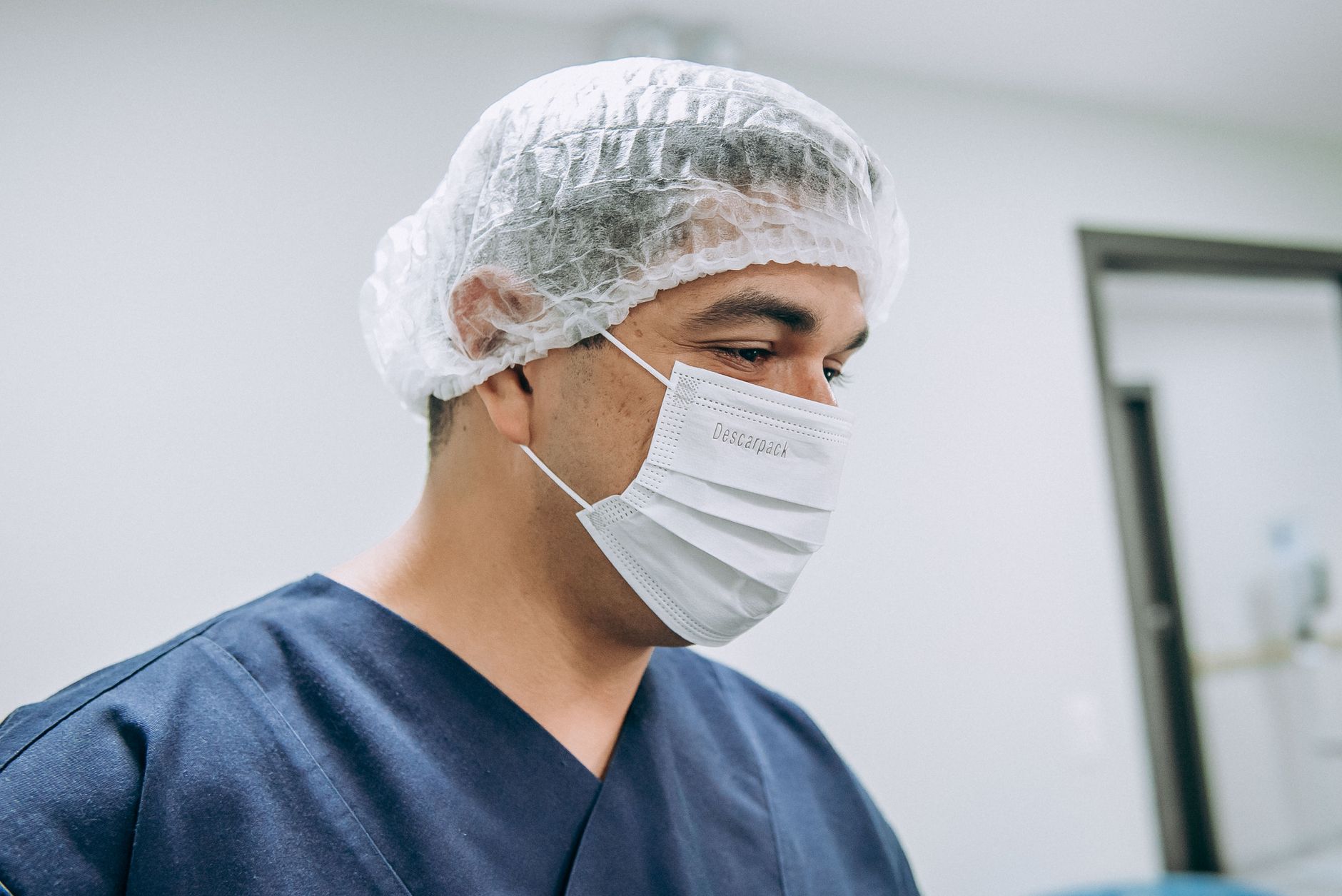
Navigating the balance between professional duties and personal health during pregnancy is a common challenge for healthcare workers.
Safety Snapshot: Working with TB Patients During Pregnancy
Here’s a quick overview of what to consider regarding working with TB patients throughout your pregnancy and while breastfeeding:
Stage of Pregnancy/Breastfeeding
Verdict
Notes
First Trimester
⚠️ Safe with strict precautions
Highest risk for fetal organogenesis. Meticulous adherence to infection control (N95, negative pressure rooms) is paramount. Discuss reassignment options.
Second Trimester
⚠️ Safe with strict precautions
Continued vigilance with PPE and environmental controls. Fetal risk from maternal infection remains.
Third Trimester
⚠️ Safe with strict precautions
Maintain all safety measures. Risk of congenital TB, though rare, should be considered if maternal infection occurs.
Breastfeeding
✅ Generally safe with precautions
Maternal active TB can transmit to the infant via airborne route, not breast milk. If mother has active TB, infant should be isolated until non-infectious, but breastfeeding can continue if mother is on appropriate treatment and non-infectious.
What is Tuberculosis (TB)?
Tuberculosis (TB) is a serious infectious disease caused by a bacterium called *Mycobacterium tuberculosis*. It primarily affects the lungs (pulmonary TB), but it can also impact other parts of the body, such as the kidney, spine, and brain (extrapulmonary TB). TB is spread through the air when a person with active pulmonary TB coughs, sneezes, or speaks, releasing tiny airborne droplets containing the bacteria. If another person inhales these droplets, they can become infected.
There are two main forms of TB:
Latent TB Infection (LTBI): In this stage, the bacteria are present in the body but are inactive. The person has no symptoms, cannot spread TB to others, and usually has a normal chest X-ray. However, the bacteria can become active later. About 10% of people with LTBI will develop active TB disease at some point in their lives, often years later.
Active TB Disease: This is when the bacteria are actively multiplying and causing symptoms. Symptoms often include a persistent cough (sometimes with blood), chest pain, fever, night sweats, weight loss, and fatigue. People with active pulmonary TB can spread the disease to others.
Globally, TB remains a major public health concern, and healthcare workers are among those at higher risk of exposure due due to their close contact with infected individuals. Understanding how TB spreads and how to prevent transmission is critical, especially for pregnant healthcare professionals.
Is Working with TB Patients Safe During Pregnancy?
The
direct answer to "is working with TB patients safe during pregnancy?" is nuanced: it can be, but it requires careful risk assessment and strict adherence to established safety protocols. The primary concern is the potential for the pregnant worker to contract TB, which could then pose risks to both the mother and the developing fetus.
Major health organizations, including the Centers for Disease Control and Prevention (CDC) in the U.S. and the National Institute for Health and Care Excellence (NICE) in the UK, emphasize that pregnant healthcare workers should follow the same infection control guidelines as non-pregnant staff. These guidelines are designed to protect all workers from airborne pathogens like *Mycobacterium tuberculosis*. This includes using appropriate personal protective equipment (PPE), working in environments with proper ventilation and negative pressure rooms, and undergoing regular screening.
However, pregnancy can alter a woman's immune response, potentially making her more susceptible to certain infections or leading to more severe disease if infected. While evidence specifically showing increased susceptibility to TB during pregnancy is mixed, the consequences of active TB disease in a pregnant individual can be more severe, potentially leading to complications for both mother and baby. Therefore, a cautious approach is warranted. Most obstetricians and occupational health specialists recommend a thorough review of job duties, potential exposure levels, and existing institutional infection control measures. Open communication with your employer and your healthcare provider is paramount to ensure your safety and that of your baby.
What Are the Risks of TB Exposure for Pregnant Healthcare Workers?
Working in a healthcare setting inherently involves exposure to various pathogens, and TB is a significant concern. For pregnant healthcare workers, the risks of TB exposure extend beyond the individual to the unborn baby.
The primary risk is acquiring active TB disease. If a pregnant worker contracts active TB, she faces the same health challenges as any individual with TB, including prolonged illness, potential for extrapulmonary disease, and the need for a multi-drug treatment regimen. While TB medications are generally considered safe during pregnancy when prescribed by a doctor, some regimens may have potential side effects or require careful monitoring.
More critically, if the mother develops active TB disease during pregnancy, there's a risk of transmitting the infection to the fetus. This can occur through the placenta (congenital TB) or during delivery. Although congenital TB is rare, it can be severe for the newborn, leading to serious health problems, including prematurity, low birth weight, and developmental issues. The World Health Organization (WHO) highlights that maternal TB can also increase the risk of adverse pregnancy outcomes such as miscarriage, preterm birth, and intrauterine growth restriction. Therefore, preventing maternal TB infection is the cornerstone of protecting the fetus.
Can Maternal TB Exposure Harm the Unborn Baby?
Yes, maternal TB exposure and subsequent infection can potentially harm the unborn baby, though fortunately, direct transmission to the fetus (congenital TB) is rare. The primary concern isn't usually direct transmission from a patient to the fetus, but rather from the patient to the pregnant healthcare worker, who then develops active TB, and *then* potentially transmits it to the fetus.
If a pregnant individual develops active TB disease, the infection can be associated with several adverse pregnancy outcomes. These include an increased risk of miscarriage, preterm labor, low birth weight, and intrauterine growth restriction (the baby growing slower than expected). These complications are often linked to the mother's overall health decline due to the active infection, rather than direct fetal infection.
Congenital TB, meaning the baby is born with TB, is very uncommon. It typically occurs when the mother has active TB disease, especially disseminated (widespread) or placental TB, and the bacteria cross the placenta to infect the fetus. Symptoms in newborns can be non-specific and severe, making early diagnosis challenging but critical for survival. For these reasons, preventing active TB disease in pregnant individuals is a high priority. The American College of Obstetricians and Gynecologists (ACOG) emphasizes the importance of screening and prompt treatment of TB infection in pregnant women to mitigate these risks.
Is Working with TB Patients Safe During the First Trimester?
The first trimester is a period of rapid organ development (organogenesis) for the fetus, making it a time of heightened concern for any potential exposures. While the risk of TB transmission itself doesn't inherently change by trimester, the potential impact of maternal illness or medication on the developing fetus can be a worry.
During the first trimester, consistently adhering to stringent infection control practices is absolutely critical. This means always wearing a properly fitted N95 respirator when entering airborne isolation rooms, ensuring patients are in negative pressure rooms, and following all institutional protocols for TB care. Some pregnant healthcare workers and their providers may opt for temporary reassignment from direct patient care with active TB patients during this sensitive period, particularly if there are concerns about the effectiveness of existing infection control measures or if the worker feels particularly anxious.
It's important to have an open discussion with your obstetrician and occupational health department about your specific role and exposure level. They can help assess your individual risk and discuss any potential accommodations. Remember, the goal is to prevent you from contracting TB, which in turn protects your baby during this crucial developmental stage.
Precautions for Pregnant Nurses Caring for TB Patients in Later Trimesters
As your pregnancy progresses into the second and third trimesters, the fundamental precautions for caring for TB patients remain the same: unwavering adherence to infection control protocols. While the fetus is past the most critical stage of organogenesis, risks associated with maternal TB infection, such as preterm labor or intrauterine growth restriction, persist.
For nurses and other healthcare providers, this means:
Consistent N95 Use: Always wear a fit-tested N95 or higher-level respirator when caring for patients with suspected or confirmed active TB.
Environmental Controls: Ensure patients with suspected or active TB are housed in airborne infection isolation rooms (AIIRs) with negative pressure ventilation.
Hand Hygiene: Practice meticulous hand hygiene before and after patient contact, even if wearing gloves.
Patient Education: Encourage TB patients to cover their coughs and wear surgical masks when outside their AIIRs.
Minimize Exposure Time: While direct care is often necessary, try to minimize prolonged contact with highly infectious patients where possible.
Stay Informed: Be aware of your facility’s TB surveillance data and any changes in protocols.
Additionally, if you experience any symptoms consistent with TB (persistent cough, fever, night sweats, unexplained weight loss), report them immediately to your occupational health department and obstetrician for prompt evaluation. Early diagnosis and treatment of maternal TB are essential for both your health and your baby's.
Working with TB Patients While Breastfeeding
Working with TB patients while breastfeeding generally follows the same infection control principles as during pregnancy. The primary goal remains preventing the breastfeeding parent from contracting active TB. If the mother has active pulmonary TB, the risk to the infant is from airborne transmission, not through breast milk.
According to the CDC, if a breastfeeding parent has active TB, they should be isolated from the infant until they are considered non-infectious (usually after two weeks of effective treatment and clinical improvement). However, breastfeeding can often continue, provided the mother is on appropriate anti-TB medication and is no longer infectious. The infant may also need to be evaluated for TB infection and potentially started on preventive therapy. If the mother has latent TB infection, there is no risk of transmission to the infant, and breastfeeding can continue without interruption. Always discuss your specific situation with your doctor and your baby's pediatrician to ensure the safest approach.
What Level of TB Exposure Is Considered Safe During Pregnancy?
When discussing the safety of working with TB patients during pregnancy, it’s crucial to understand that there isn't a "safe level" of exposure to *Mycobacterium tuberculosis* in the same way there might be for certain chemicals. The goal in healthcare settings is to prevent *any* transmission of TB. Therefore, safety is not about a threshold of exposure but rather about the effectiveness of comprehensive infection control measures.
The CDC and other public health bodies emphasize a hierarchy of controls to minimize TB transmission risks in healthcare settings:
Engineering Controls: These are physical measures that prevent the spread of infectious aerosols. This includes airborne infection isolation rooms (AIIRs) with negative pressure, adequate ventilation systems that filter and exhaust air appropriately, and UV germicidal irradiation where applicable.
Administrative Controls: These are policies and procedures designed to reduce the risk of exposure. Examples include rapid identification and isolation of patients with suspected TB, prompt initiation of effective treatment, healthcare worker education, and regular screening programs for staff.
Personal Protective Equipment (PPE): This is the last line of defense. For TB, this primarily means a properly fit-tested N95 or higher-level respirator for healthcare workers entering AIIRs or during aerosol-generating procedures.
For a pregnant healthcare worker, the question is not about a "safe level" of exposure, but rather, "Are these controls consistently and effectively implemented in my work environment?" If these measures are robust, the risk of transmission is significantly reduced. Any lapse in these controls increases the risk, which is why an individual risk assessment with your occupational health department is so important.
Working with Drug-Resistant TB Patients While Pregnant: Specific Concerns
Working with drug-resistant TB (DR-TB) patients, including multidrug-resistant TB (MDR-TB) and extensively drug-resistant TB (XDR-TB), presents heightened concerns for any healthcare worker, and especially for those who are pregnant. The primary difference is the limited treatment options and often longer, more toxic treatment regimens required for DR-TB.
If a pregnant healthcare worker were to contract DR-TB, the implications could be severe. The illness itself is typically more challenging to treat, often requiring second-line anti-TB drugs that may have more significant side effects or less established safety data in pregnancy. This could lead to a more prolonged and difficult course of illness for the mother, increasing risks to both her and the fetus. The World Health Organization (WHO) provides guidance on managing DR-TB, highlighting the complexities involved.
Therefore, for pregnant individuals, the already stringent infection control measures must be even more rigorously applied when caring for DR-TB patients. This might include:
Ensuring patients are always in highly effective AIIRs.
Strict adherence to N95 respirator use and fit-testing.
Minimizing time spent in direct contact with highly infectious DR-TB patients.
Considering reassignment to areas with lower DR-TB risk, if possible.
Open and honest communication with your occupational health department is crucial to assess your specific exposure risk and explore all available protective measures and accommodations when working with these particularly vulnerable patient populations.
Side Effects and Risks
The primary risk associated with working with TB patients during pregnancy is contracting TB infection. If a pregnant individual develops active TB disease, the potential side effects and risks can be significant for both the mother and the baby.
For the pregnant person, active TB can lead to:
Severe Illness: Prolonged cough, fever, night sweats, weight loss, and fatigue, which can be debilitating during pregnancy.
Complications: Increased risk of extrapulmonary TB (TB affecting organs other than the lungs), which can be harder to diagnose and treat.
Treatment Challenges: While most first-line TB drugs are considered safe in pregnancy, the need for a multi-drug regimen over several months can be burdensome and requires careful monitoring for side effects. For drug-resistant TB, treatment options are more limited and potentially more toxic.
For the unborn baby, maternal active TB can increase the risk of:
Preterm Birth: Delivery before 37 weeks of gestation.
Low Birth Weight: Babies born weighing less than 5.5 pounds.
Intrauterine Growth Restriction (IUGR): The baby not growing at the expected rate.
Congenital TB: Though rare, direct transmission of TB from mother to baby through the placenta or during birth can lead to severe, often fatal, illness in the newborn if not promptly diagnosed and treated.
It's important to differentiate between exposure risk and actual infection. Exposure does not automatically mean infection. However, understanding these potential risks underscores the importance of stringent infection control and prompt action if exposure or symptoms occur.
Safer Alternatives and Accommodations for Pregnant Healthcare Workers
When considering "is working with TB patients safe during pregnancy," many healthcare workers also explore safer alternatives or accommodations. The good news is that employers have a responsibility to provide a safe working environment, and several options can help mitigate risks.
Can Pregnant Healthcare Workers Request Reassignment from TB Units?
Yes, pregnant healthcare workers can absolutely request reassignment from TB units or other high-risk areas. This is often a primary "safer alternative" to direct patient care with active TB patients. Under various regulations, including the Pregnancy Discrimination Act (PDA) in the U.S. and general occupational health principles, employers are often required to provide reasonable accommodations for pregnant employees.
This might include:
Temporary Reassignment: Moving to a different unit or role with lower risk of airborne pathogen exposure.
Administrative Duties: Shifting to roles that involve less direct patient contact, such as charting, telemedicine support, or administrative tasks.
Enhanced PPE and Training: Ensuring consistent access to and proper training on fit-tested N95 respirators.
Flexible Scheduling: Adjustments to work hours to minimize fatigue.
It's crucial to initiate this conversation early with your occupational health department, human resources, and your direct supervisor. Provide documentation from your obstetrician detailing any specific concerns or recommendations. Many facilities have policies in place for pregnant healthcare workers to address these types of concerns. For more on navigating workplace safety, you might find our article on is working as an ICU nurse safe during pregnancy helpful. While working as an ICU nurse during pregnancy presents unique challenges, many of the principles of advocating for accommodations are similar.
Exploring roles that minimize direct patient contact, like telemedicine, can be a valuable option for pregnant healthcare workers.
Related Items: Safety at a Glance for Pregnant Healthcare Workers
Beyond the question of working with TB patients, pregnant healthcare workers often encounter other occupational hazards. Here’s a quick look at the safety of working with other common exposures during pregnancy:
Exposure/Patient Type
Verdict
Notes
Working with COVID-19 patients during pregnancy
⚠️ Safe with strict precautions
Increased risk of severe illness for pregnant individuals. Meticulous PPE (N95/PAPR, eye protection, gown, gloves) and vaccination are critical. Reassignment often recommended for high-risk roles.
Working with radiation during pregnancy
⚠️ Safe with strict limits
Cumulative fetal dose must not exceed 0.5 mSv (50 mrem) for the entire gestation. Requires strict adherence to ALARA (As Low As Reasonably Achievable) principles, lead shielding, dosimeters, and minimizing exposure time.
Working with chemotherapy drugs during pregnancy
⚠️ Safe with strict limits
Requires specialized training, closed-system drug transfer devices, N95 mask, double gloves, and gown. Some roles may necessitate reassignment due to potential teratogenic risks. See Is Working with Chemo Patients Safe During Pregnancy? for more.
Working with measles patients during pregnancy
❌ Best avoided
Measles infection in pregnancy carries significant risks (pneumonia, preterm labor, miscarriage, congenital measles). Non-immune pregnant workers should avoid direct contact; reassignment is strongly recommended. Vaccination is key for prevention.
Working in a lab with hazardous chemicals during pregnancy
⚠️ Safe with strict controls
Requires proper ventilation (fume hoods), appropriate PPE (gloves, lab coat, eye protection), and clear understanding of chemical safety data sheets (SDS). Avoid known teratogens.
Working with HIV patients during pregnancy
✅ Generally safe with universal precautions
Standard precautions (gloves, gowns, eye protection if splash risk) are highly effective. No increased risk to the fetus unless the worker contracts HIV. Post-exposure prophylaxis (PEP) available if exposure occurs.
Working with flu patients during pregnancy
⚠️ Safe with precautions
Pregnant individuals are at higher risk of severe flu complications. Annual flu vaccination is highly recommended. Standard droplet precautions (surgical mask, eye protection) and hand hygiene are essential.
Myth vs. Fact
Let's clear up some common misconceptions about TB and pregnancy:
Myth: If I have latent TB, my baby will automatically get TB.
Fact: Latent TB infection (LTBI) means the bacteria are inactive in your body, and you cannot spread TB to others, including your baby. There is no risk of transmitting LTBI to your fetus or newborn. However, if LTBI progresses to active TB disease during pregnancy, then there is a risk to the baby.
Myth: Breastfeeding is unsafe if I have TB.
Fact: If you have active pulmonary TB, the risk to your baby is from airborne transmission (coughing, sneezing), not through breast milk. With proper treatment, isolation from the infant until non-infectious, and continued medication, breastfeeding can often safely continue. Always consult with your doctor and your baby's pediatrician.
Myth: TB tests (PPD or IGRA) are dangerous during pregnancy.
Fact: Both the tuberculin skin test (TST, also known as PPD) and interferon-gamma release assays (IGRAs) like QuantiFERON-TB Gold are considered safe to administer during pregnancy. They do not pose any risk to the mother or the fetus and are important screening tools for healthcare workers.
Managing Latent TB Infection During Pregnancy for Healthcare Professionals
Many healthcare professionals, due to their occupational exposure, may test positive for latent TB infection (LTBI) even before or during pregnancy. Managing LTBI during pregnancy requires careful consideration.
Screening for LTBI is safe and recommended for pregnant healthcare workers if they have had a known exposure or are at high risk. This typically involves either a tuberculin skin test (TST/PPD) or an interferon-gamma release assay (IGRA). Both tests are safe during pregnancy and do not harm the fetus.
If a pregnant healthcare worker is diagnosed with LTBI, the decision to treat often depends on the individual's risk factors for progression to active TB disease. According to the CDC and ACOG, treatment for LTBI is generally recommended to be deferred until after delivery for most pregnant individuals. This is primarily to avoid potential drug-related side effects during pregnancy and to allow for more flexible treatment options. However, if the pregnant person is at very high risk of progressing to active TB (e.g., recent exposure, immunocompromised), treatment may be initiated during pregnancy, typically with isoniazid (INH) for 9 months, after careful discussion with their provider about risks and benefits. Close monitoring is essential regardless of when treatment begins.
Key Takeaways
Working with TB patients during pregnancy can be managed safely with strict adherence to infection control protocols.
The primary risk is maternal active TB, which can lead to adverse pregnancy outcomes and, rarely, congenital TB.
Stringent infection control measures, including N95 masks, negative pressure rooms, and administrative controls, are paramount.
The first trimester is a sensitive period, and some pregnant workers may consider reassignment during this time.
Pregnant healthcare workers have the right to discuss accommodations and reassignment with their employers and obstetricians.
Both TB screening tests (PPD, IGRA) are safe during pregnancy. Treatment for latent TB is often deferred until postpartum.
Open communication with your occupational health department and obstetrician is essential for personalized risk assessment and planning.
Frequently Asked Questions
Is it safe to work in a hospital while pregnant?
Yes, it is generally safe to work in a hospital while pregnant, provided appropriate infection control measures and occupational safety guidelines are followed. Hospitals have protocols in place to protect staff from various exposures. However, specific roles or units (like TB isolation, oncology, or areas with high chemical exposure) may require individual risk assessments and potential accommodations.
Can a pregnant woman work with infectious diseases?
A pregnant woman can often work with infectious diseases, but it depends heavily on the specific pathogen, the level of exposure risk, and the effectiveness of infection control. For highly transmissible or severe infections (like measles or uncontrolled TB), reassignment or stringent protective measures are crucial. For others (like HIV with universal precautions), the risk may be minimal. Always discuss with your occupational health team.
What are the occupational risks for pregnant healthcare workers?
Occupational risks for pregnant healthcare workers include exposure to infectious diseases (like TB, COVID-19, measles), hazardous chemicals (chemotherapy, lab reagents), radiation, physical strains (lifting, prolonged standing), and psychological stress. Each risk requires specific mitigation strategies, including PPE, administrative controls, and potential accommodations or reassignment.
Can I get TB from a patient if I'm pregnant?
Yes, you can get TB from a patient if you are pregnant, just like any other healthcare worker. Pregnancy does not inherently make you immune to TB. The risk of transmission is dependent on the patient's infectiousness, the duration of exposure, and the effectiveness of infection control measures (like N95 mask use and ventilation).
What should I do if I'm pregnant and exposed to TB?
If you are pregnant and exposed to TB, immediately report the exposure to your occupational health department. They will assess the exposure level and likely recommend a TB test (PPD or IGRA) to screen for infection. Inform your obstetrician about the exposure and any test results. Close monitoring and follow-up are essential.
Does TB affect pregnancy outcomes?
Yes, active TB disease in a pregnant individual can affect pregnancy outcomes. It is associated with an increased risk of adverse events such as miscarriage, preterm birth, low birth weight, and intrauterine growth restriction. While rare, active maternal TB can also lead to congenital TB in the newborn.
Can a pregnant woman get a TB test?
Yes, a pregnant woman can safely get a TB test. Both the tuberculin skin test (TST/PPD) and interferon-gamma release assays (IGRAs) like QuantiFERON-TB Gold are considered safe during pregnancy and do not pose any risk to the mother or the developing fetus. These tests are important for screening and diagnosis.
When to Call Your Doctor
While diligence in the workplace is key, knowing when to seek medical advice is equally important. Call your doctor or obstetrician immediately if you are pregnant and experience any of the following, especially after potential TB exposure:
A cough lasting more than three weeks.
Coughing up blood or blood-streaked sputum.
Unexplained fever or chills.
Night sweats.
Unexplained weight loss.
Loss of appetite.
Unexplained fatigue.
Chest pain.
A positive TB skin test (PPD) or IGRA result.
Any concerns about recent TB exposure or your workplace safety.
Remember, this article provides general information and is not a substitute for personalized medical advice. Always consult with your healthcare provider for any health concerns or before making decisions about your medical care.
References
American College of Obstetricians and Gynecologists (ACOG). (2020). Tuberculosis in Pregnancy. Committee Opinion No. 805.
Centers for Disease Control and Prevention (CDC). (2019). Guidelines for Preventing the Transmission of Mycobacterium tuberculosis in Health-Care Settings, 2005.
Centers for Disease Control and Prevention (CDC). (2020). Latent Tuberculosis Infection: A Guide for Primary Health Care Providers.
World Health Organization (WHO). (2017). WHO consolidated guidelines on tuberculosis. Module 2: Screening – Systematic screening for tuberculosis disease.
National Institute for Health and Care Excellence (NICE). (2016). Tuberculosis. NICE guideline [NG33].
Not sure about the label on Is Working With Tb Patients Safe During Pregnancy products?
Snap the ingredients list and SafeFilter checks every ingredient for your stage — only 3 free scans this month, then you're locked until reset. Unlimited from $7/mo or $50/yr.
When Shubhra Mishra was expecting her first child in 2016, she was overwhelmed by conflicting food advice — one site said yes, another said never. By the time her second baby arrived in 2019, she realized millions of mothers face the same confusion.
That sparked a five-year journey through clinical nutrition papers, cultural diets, and expert conversations — all leading to BumpBites: a calm, compassionate space where science meets everyday motherhood.
Her long-term vision is to build a global community ensuring safe, supported, and free deliveriesfor every mother — because no woman should face pregnancy alone or uninformed. 🌿
🌍 Stand with mothers, shape safer guidance
Join a small circle of experts who review BumpBites articles so expecting parents everywhere can decide with confidence.