is working with hair dye daily safe during pregnancy?
Is working with hair dye all day safe during pregnancy? Experts say limit exposure in first trimester—learn safe alternatives & dosage tips to protect baby.
By Shubhra Mishra — a mom of two who turned her own confusion during pregnancy into BumpBites, a global mission to make food choices clear, safe, and stress-free for every expecting mother. 💛
Check whether any food is safe during pregnancy with the BumpBites Food Safety Checker.
Quick verdict: ⚠️ Working with hair dye all day during pregnancy is not recommended due to repeated chemical exposure, but occasional use with precautions may be safer. The ACOG advises avoiding professional hair dye applications when possible, especially in the first trimester.
Is Working with Hair Dye All Day Safe during Pregnancy?
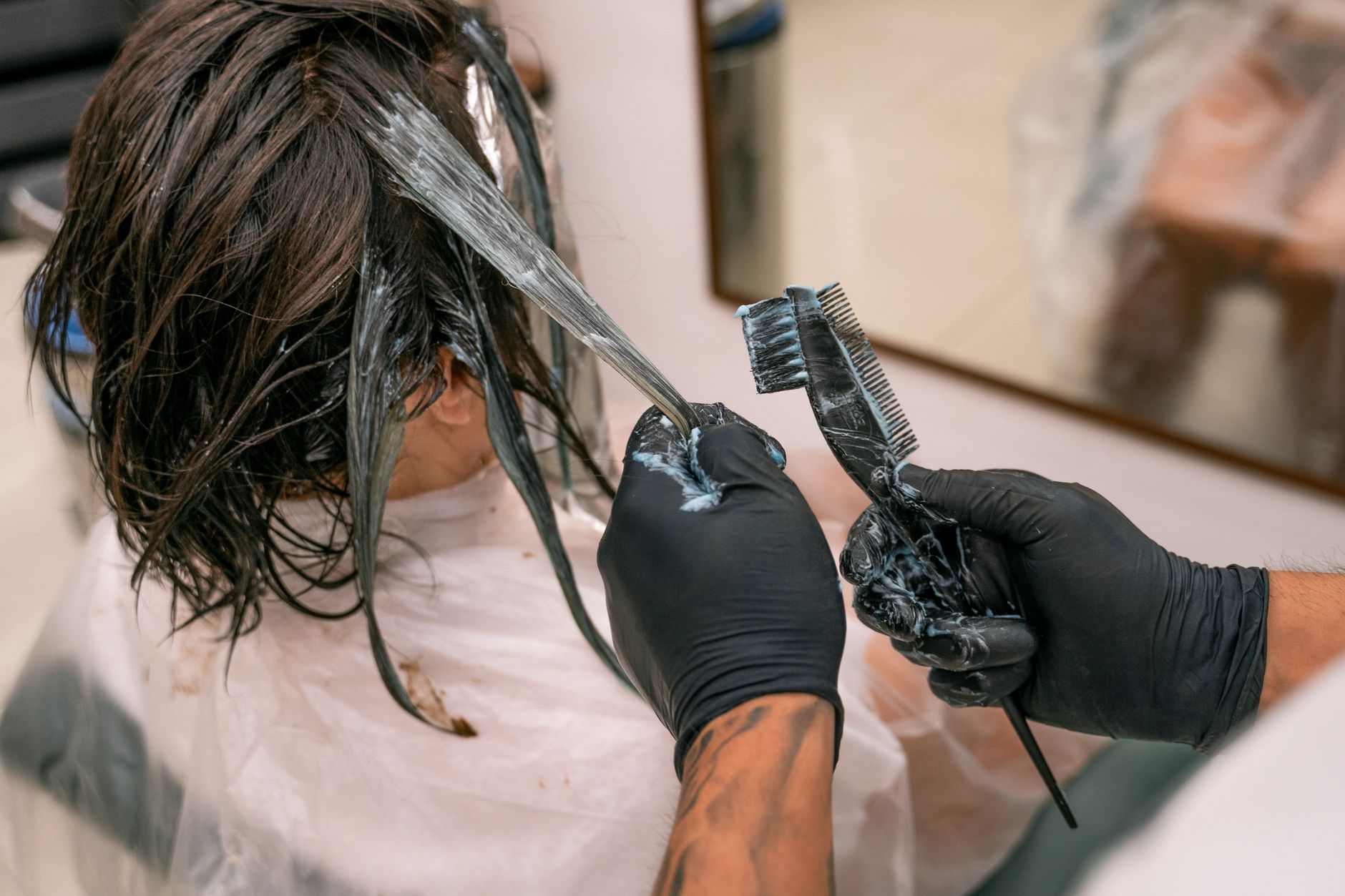
You’re in the salon, the scent of ammonia and dye fills the air, and suddenly—you realize you’re pregnant. Maybe you’ve already been working with hair dye all day, or you’re deciding whether to keep your job as a stylist. The worry is real: is working with hair dye all day safe during pregnancy? You’re not alone in this panic. Many pregnant women—whether stylists, clients, or just curious—have asked the same question. The good news? You don’t have to quit your job overnight. The bad news? The answer isn’t black and white.
Hair dye contains chemicals like ptoluenes (a type of solvent), resorcinol (a preservative), and ammonia (a base), which can be absorbed through the skin or inhaled. While most studies don’t show a direct link between occasional hair dye and birth defects, repeated exposure—especially in the first trimester—is a concern. The American College of Obstetricians and Gynecologists (ACOG) and the UK’s National Health Service (NHS) both recommend avoiding professional hair dye applications when possible. But what if you’re a stylist? What if you’ve already been exposed? And what about those “safe” brands?
This article breaks down the science, trimester-by-trimester safety, safer alternatives, and what to do if you’ve already been working with dye. We’ll also compare brands, debunk myths, and give you the tools to make an informed decision—without the fear.
---
## Safety snapshot: Hair dye by trimester
| **Trimester / Stage** | **Verdict** | **Notes** |
|-----------------------|--------------------------------------|-----------------------------------------------------------------------------------------------------------------------------------------------------------------------------------------------------------------------------------------------------------------------------|
| **First trimester** | ❌ Best avoided | Highest risk for birth defects. Avoid professional applications; limit home use to 1-2 times. |
| **Second trimester** | ⚠️ Safe with limits | Lower risk than first trimester, but still avoid professional applications. If home use, limit to 1-2 times with proper ventilation and gloves. |
| **Third trimester** | ⚠️ Safe with limits | Same as second trimester. Avoid professional applications; home use should be minimal. Monitor for skin irritation or breathing difficulties. |
| **Breastfeeding** | ⚠️ Safe with limits | Avoid professional applications. If home use, wait 24 hours before breastfeeding to minimize exposure. Use low-odor, ammonia-free brands. |
---
## What is hair dye?
Hair dye is a chemical solution designed to change the natural color of hair. It works by penetrating the hair shaft and depositing pigments that alter the shade—whether you’re going from brown to blonde or covering grays. Most professional hair dyes fall into two categories: permanent and semi-permanent.
- **Permanent hair dye** contains ptoluenes (a solvent), ammonia (a base), and hydrogen peroxide (a developer). These chemicals break down the hair’s natural pigment and deposit new color. Permanent dyes last 4-6 weeks and require a chemical reaction to work.
- **Semi-permanent hair dye** lacks ammonia and ptoluenes, making it gentler. It coats the hair shaft with color but doesn’t penetrate deeply, lasting 6-12 weeks. Brands like Arctic Fox or Schwarzkopf Igora (ammonia-free) fall into this category.
Beyond color-changing, hair dye also includes preservatives like resorcinol and ethyl alcohol to extend shelf life, as well as fragrances to mask the chemical smell. While these chemicals are regulated for safety in cosmetics, their effects during pregnancy—especially with repeated exposure—remain a topic of debate among obstetricians.
---
## Is working with hair dye all day safe during pregnancy?
The short answer? No, it’s not recommended. Here’s why: Hair dye contains a cocktail of chemicals that can be absorbed through the skin or inhaled. While most studies haven’t found a direct link between occasional hair dye and birth defects, the ACOG and NHS emphasize that repeated exposure—especially in the first trimester—is a risk factor worth avoiding.
### The chemicals of concern
1. **Ptoluenes (e.g., p-phenylenediamine, PPD)** – A solvent linked to developmental issues in animal studies. The FDA classifies PPD as a potential teratogen (a substance that can cause birth defects) when used in high concentrations or over prolonged periods.
2. **Ammonia** – Can irritate the respiratory system and skin, though it’s less concerning than ptoluenes. High levels may contribute to hyperemesis gravidarum (severe nausea) in sensitive individuals.
3. **Resorcinol** – A preservative that, in large amounts, has been associated with hormonal disruptions in animal models. Its safety during pregnancy hasn’t been extensively studied in humans.
4. **Hydrogen peroxide** – Used as a developer, it can cause skin irritation and, in rare cases, allergic reactions.
### What does the evidence say?
- A 2020 study published in the Journal of Occupational and Environmental Medicine found that hairdressers had a slightly higher risk of preterm birth compared to the general population, though the link wasn’t definitive. The authors noted that occupationally exposed women should minimize exposure during pregnancy.
- The CDC advises that pregnant women should avoid professional hair dye applications due to the cumulative risk of inhaling or absorbing chemicals over time.
- The ACOG states that while occasional use of hair dye is unlikely to harm a pregnancy, repeated exposure—especially in the first trimester—should be avoided.
### Common misconceptions
Many pregnant women assume that natural hair dyes or semi-permanent dyes are completely safe. While they contain fewer harsh chemicals, they’re not risk-free. For example:
- Henna (a natural dye) can cause allergic reactions and contains lawson, a compound that may interact with medications.
- Ammonia-free dyes reduce irritation but still contain solvents and preservatives that haven’t been thoroughly studied in pregnancy.
---
## Safety by trimester
### Is it safe to use hair dye all day during the first trimester of pregnancy?
No, it’s best to avoid working with hair dye all day in the first trimester. This is the most critical period for organ development, and even low levels of chemical exposure—especially through inhalation—could pose a risk. If you’re a stylist, consider taking a leave of absence or reducing your hours. If you’re a client, avoid professional applications and limit home use to 1-2 times with proper ventilation and gloves.
**What to do if you’ve already been exposed:**
- Don’t panic. If you’ve worked with hair dye all day in the first trimester, there’s no need for immediate action unless you experience symptoms like dizziness, nausea, or skin irritation. However, if you’re concerned, discuss it with your provider at your next appointment.
---
### Can pregnant women safely use hair dye during the second trimester?
Yes, but with significant limits. The risk decreases in the second trimester because the major organs have already formed. However, repeated exposure—especially in a salon setting—is still not recommended. If you must use hair dye:
- Limit applications to 1-2 times.
- Use ammonia-free, low-odor dyes (see the “safe brands” section below).
- Wear nitrile gloves to minimize skin absorption.
- Work in a well-ventilated area or use a hair dryer on cool setting to disperse fumes.
- Avoid mixing dye yourself; opt for pre-mixed kits.
**If you’re a stylist:**
- Reduce your client load to limit exposure.
- Consider alternative positions to avoid standing for long periods, which can strain your body and reduce blood flow to the baby.
---
### What is the recommended amount of hair dye to use while pregnant?
There’s no “safe” amount of hair dye during pregnancy, but obstetricians recommend:
- **Avoid professional applications entirely** (especially in the first trimester).
- **Limit home use to 1-2 times** during the entire pregnancy, spaced at least 4-6 weeks apart.
- **Use the smallest amount possible**—only dye the roots if you’re maintaining a color rather than doing a full application.
- **Wear gloves** to reduce skin absorption.
- **Ventilate your space**—open windows, use fans, or work outside if possible.
**For stylists:**
- If you must work, limit your exposure to 2-3 hours per day and take frequent breaks to sit or step outside.
- Avoid mixing dye yourself; use pre-mixed kits to reduce handling.
---
## Are there safer hair dye alternatives for pregnant women?
If you’re looking to change your hair color during pregnancy, consider these safer alternatives:
- **Semi-permanent or demi-permanent dyes** – Brands like Arctic Fox or Schwarzkopf Igora Vario contain fewer harsh chemicals and are less likely to irritate the skin or scalp. They also wash out more quickly, reducing long-term exposure.
- **Natural henna** – While henna is plant-based, it can cause allergic reactions and may not be suitable for everyone. If you choose henna, opt for a 100% pure henna product (avoid synthetic dyes) and do a patch test first.
- **Vegetable-based dyes** – Brands like Madison Reed offer ammonia-free, plant-based options that are gentler on the scalp. These are often semi-permanent and less likely to cause irritation.
- **Temporary sprays or mousses** – For a quick color change without chemicals, try semi-permanent sprays or color-depositing conditioners (e.g., Overtone or Fanola). These coat the hair but don’t penetrate deeply.
- **Gray coverage creams** – If you’re covering grays, consider color-depositing shampoos or conditioners (e.g., Fanola No Gray) instead of full dye applications.
- **Professional lightening without dye** – If you want to lighten your hair, ask your stylist about semi-permanent lighteners or gloss treatments that don’t require harsh chemicals.
- **Waiting until after pregnancy** – The safest option is to wait until after delivery to dye your hair. Many women choose this route to avoid any potential risk.
---
## Which hair dye brands are considered safe for pregnancy?
Not all hair dye brands are created equal. While no brand is 100% safe during pregnancy, some are less risky than others due to their formulation. Here’s a breakdown of the safest options:
| **Brand** | **Type** | **Why It’s Safer** | **Notes** |
|-------------------------|------------------------|-----------------------------------------------------------------------------------------------------------------------------------------------------------------------------------------------------------------|-------------------------------------------------------------------------------------------------------------------------------------------------------------------------------------------------------------|
| **Arctic Fox** | Semi-permanent | Ammonia-free, low-odor, and contains fewer harsh chemicals. Uses plant-based ingredients. | Best for subtle color changes or covering grays. |
| **Schwarzkopf Igora Vario** | Semi-permanent | Ammonia-free, low-scent, and designed for sensitive scalps. Uses a gentle developer. | Avoid the permanent line (Igora Royal). |
| **Madison Reed** | Semi-permanent | Ammonia-free, plant-based, and vegan. Contains fewer solvents and preservatives. | Great for natural-looking color changes. |
| **Overtone** | Temporary spray | No ammonia, no ptoluenes, and washes out after 4-6 washes. Coats the hair without penetration. | Ideal for quick color changes without risk. |
| **Fanola No Gray** | Color-depositing | No ammonia, no ptoluenes, and designed to cover grays without harsh chemicals. | Best for maintaining a natural look. |
| **Henna (100% pure)** | Natural | Plant-based, no synthetic chemicals. However, can cause allergic reactions and may not suit all hair types. | Always do a patch test first. Avoid synthetic dyes mixed with henna. |
| **Redken Shades EQ** | Semi-permanent | Ammonia-free, low-odor, and designed for color-treated hair. Uses a gentle formula. | Avoid the permanent line (Shades EQ Permanent). |
**Brands to avoid during pregnancy:**
- Any permanent dye containing **ptoluenes (PPD)**, **ammonia**, or **hydrogen peroxide** in high concentrations (e.g., Clairol Nice ‘n Easy, L’Oréal Paris Excellence).
- Box dyes with strong fragrances or high ptoluenes levels (e.g., Wella Koleston Perfect).
---
## What are the potential risks of using hair dye during pregnancy?
While occasional hair dye use isn’t likely to harm your pregnancy, repeated exposure—especially in a salon setting—carries potential risks:
### **1. Chemical absorption through the skin**
- Hair dye chemicals can be absorbed through the scalp and enter your bloodstream. While the amounts are typically low, cumulative exposure over time may pose a risk, especially to the developing fetus.
- **Signs of skin irritation:** Redness, itching, or a rash on the scalp or neck. If this occurs, rinse the area immediately and discontinue use.
### **2. Inhalation of fumes**
- Ammonia and other solvents release fumes that can irritate your respiratory system. Prolonged inhalation may contribute to:
- **Headaches or dizziness**
- **Nausea or worsened morning sickness**
- **Breathing difficulties** (especially if you have asthma or allergies)
### **3. Hormonal disruptions**
- Some preservatives in hair dye, like resorcinol, have been linked to hormonal imbalances in animal studies. While human evidence is limited, it’s wise to minimize exposure during pregnancy.
### **4. Increased risk of preterm birth (for stylists)**
- A 2020 study in the Journal of Occupational and Environmental Medicine found that hairdressers had a slightly higher risk of preterm birth. The authors suggested this could be due to chronic exposure to multiple chemicals in the salon environment, not just hair dye.
### **5. Allergic reactions**
- Hair dye can cause allergic reactions, which may be more severe during pregnancy due to hormonal changes. Symptoms include:
- Swelling of the face, lips, or throat
- Difficulty breathing
- Hives or a rash
---
## What precautions should pregnant women take when using hair dye?
If you choose to use hair dye during pregnancy, follow these precautions to minimize risk:
1. **Avoid professional applications** – If possible, skip salon visits entirely, especially in the first trimester.
2. **Use ammonia-free, low-odor dyes** – Opt for semi-permanent or natural dyes with fewer harsh chemicals.
3. **Wear nitrile gloves** – This reduces skin absorption of chemicals.
4. **Work in a well-ventilated area** – Open windows, use fans, or work outside to disperse fumes.
5. **Limit applications to 1-2 times** – Space them at least 4-6 weeks apart.
6. **Avoid mixing dye yourself** – Pre-mixed kits reduce handling and inhalation of fumes.
7. **Patch test first** – Apply a small amount of dye to your inner arm 48 hours before use to check for allergic reactions.
8. **Monitor for symptoms** – If you experience dizziness, nausea, headaches, or skin irritation, stop using the dye immediately and consult your provider.
---
## Related items: Hair dye safety at a glance
| **Item** | **Verdict** | **Notes** |
|------------------------------|--------------------------------------|-------------------------------------------------------------------------------------------------------------------------------------------------------------------------------------------------------|
| **Permanent hair dye** | ❌ Best avoided | Contains ptoluenes, ammonia, and hydrogen peroxide—highest risk for absorption and inhalation. |
| **Semi-permanent hair dye** | ⚠️ Safe with limits | Lower chemical load; use ammonia-free brands like Arctic Fox or Madison Reed. Limit to 1-2 times during pregnancy. |
| **Henna (natural)** | ⚠️ Safe with limits | Plant-based but can cause allergic reactions. Use 100% pure henna and patch test first. Avoid synthetic dyes mixed with henna. |
| **Temporary hair color** | ✅ Generally safe | Sprays, mousses, or color-depositing conditioners (e.g., Overtone) coat hair without penetration. Safe for occasional use. |
| **Hair lightening kits** | ⚠️ Safe with limits | Avoid box lighteners with high ammonia or ptoluenes. Opt for professional semi-permanent lighteners or gloss treatments. |
| **Gray coverage creams** | ✅ Generally safe | Color-depositing shampoos or conditioners (e.g., Fanola No Gray) are chemical-free alternatives to full dye applications. |
| **Professional hair treatments** | ⚠️ Safe with limits | Avoid chemical treatments like relaxers or bleach. Opt for protein treatments or deep conditioning masks (e.g., best deep conditioning hair masks). |
| **Home hair dye kits** | ⚠️ Safe with limits | Pre-mixed kits reduce handling. Use ammonia-free brands and limit to 1-2 times. Avoid mixing dye yourself. |
| **Hair extensions** | ✅ Generally safe | Adhesives are typically low-risk, but avoid glue-based extensions if you have sensitive skin. Opt for clip-in or tape-in extensions instead. |
| **Scalp treatments** | ⚠️ Safe with limits | Avoid chemical scalp treatments (e.g., exfoliants with glycolic acid). Opt for gentle, natural scalp oils (e.g., coconut or jojoba oil). |
| **Postpartum hair dye** | ✅ Safe after delivery | Once breastfeeding is established, you can return to your usual hair dye routine. However, wait at least 24 hours after application before breastfeeding to minimize exposure. |
---
## Myth vs. fact
### **Myth:** "Natural hair dyes are completely safe during pregnancy."
**Fact:** While natural dyes like henna contain fewer synthetic chemicals, they’re not risk-free. Henna can cause allergic reactions, and some natural dyes may interact with medications or contain trace amounts of harsh preservatives. Always patch test and choose 100% pure products.
---
### **Myth:** "Occasional hair dye use won’t hurt my baby."
**Fact:** While occasional use is unlikely to cause harm, repeated exposure—especially in a salon setting—is not recommended. The ACOG advises minimizing chemical exposure during pregnancy, particularly in the first trimester when organs are developing.
---
### **Myth:** "If I’m not mixing dye, I’m safe."
**Fact:** Even pre-mixed dyes contain chemicals that can be absorbed through the skin or inhaled. Wearing gloves and working in a ventilated area reduces risk, but avoiding professional applications entirely is the safest choice.
---
## Key takeaways
- ❌ Avoid working with hair dye all day during pregnancy, especially in the first trimester. The risk of chemical absorption and inhalation is highest when exposure is repeated or prolonged.
- ⚠️ If you must use hair dye, limit it to 1-2 times total during pregnancy and use ammonia-free, semi-permanent brands like Arctic Fox or Madison Reed.
- ✅ Wear nitrile gloves and work in a well-ventilated area to reduce skin absorption and inhalation of fumes.
- ⚠️ Avoid professional applications when possible. If you’re a stylist, reduce your client load or take a leave of absence.
- ✅ Safer alternatives include temporary sprays, henna (with caution), and color-depositing conditioners.
- ⚠️ Watch for symptoms like dizziness, nausea, skin irritation, or breathing difficulties—these are red flags to stop using dye immediately.
- ✅ If you’ve already been exposed, don’t panic unless you experience symptoms. Discuss it with your provider at your next appointment.
---
## Frequently asked questions
### Is it safe to use hair dye all day during the first trimester of pregnancy?
No, it’s best to avoid working with hair dye all day in the first trimester. This is the most critical period for fetal development, and even low levels of chemical exposure—especially through inhalation—could pose a risk. If you’re a stylist, consider reducing your hours or taking a leave of absence. If you’re a client, avoid professional applications and limit home use to 1-2 times with proper ventilation and gloves.
---
### Can pregnant women safely use hair dye during the second trimester?
Yes, but with significant limits. The risk decreases in the second trimester because the major organs have already formed. However, repeated exposure—especially in a salon setting—is still not recommended. If you must use hair dye:
- Limit applications to 1-2 times.
- Use ammonia-free, low-odor dyes (e.g., Arctic Fox, Madison Reed).
- Wear nitrile gloves to minimize skin absorption.
- Work in a well-ventilated area or use a hair dryer on cool setting to disperse fumes.
---
### What is the recommended amount of hair dye to use while pregnant?
There’s no “safe” amount of hair dye during pregnancy, but obstetricians recommend:
- **Avoid professional applications entirely** (especially in the first trimester).
- **Limit home use to 1-2 times** during the entire pregnancy, spaced at least 4-6 weeks apart.
- **Use the smallest amount possible**—only dye the roots if you’re maintaining a color rather than doing a full application.
- **Wear gloves** to reduce skin absorption.
- **Ventilate your space**—open windows, use fans, or work outside if possible.
---
### Are there safer hair dye alternatives for pregnant women?
Yes! Safer alternatives include:
- **Semi-permanent or demi-permanent dyes** (e.g., Arctic Fox, Madison Reed) – Ammonia-free and gentler on the scalp.
- **Natural henna** (with caution) – Plant-based but requires a patch test to avoid allergic reactions.
- **Temporary sprays or mousses** (e.g., Overtone) – Coats hair without penetration.
- **Color-depositing conditioners** (e.g., Fanola No Gray) – Great for covering grays without harsh chemicals.
- **Waiting until after pregnancy** – The safest option for many women.
---
### Which hair dye brands are considered safe for pregnancy?
The safest brands are ammonia-free and semi-permanent, such as:
- **Arctic Fox** – Ammonia-free, low-odor, plant-based.
- **Madison Reed** – Ammonia-free, vegan, and gentle on the scalp.
- **Schwarzkopf Igora Vario** – Ammonia-free, low-scent, and designed for sensitive scalps.
- **Overtone** – Temporary spray with no ammonia or ptoluenes.
- **Fanola No Gray** – Color-depositing shampoo for gray coverage without harsh chemicals.
Avoid permanent dyes with ptoluenes, ammonia, or high hydrogen peroxide levels (e.g., Clairol, L’Oréal Excellence).
---
### What are the potential risks of using hair dye during pregnancy?
Potential risks include:
- **Chemical absorption through the skin** – Even low levels of ptoluenes or ammonia may pose a risk with repeated exposure.
- **Inhalation of fumes** – Can cause headaches, nausea, or breathing difficulties.
- **Hormonal disruptions** – Some preservatives may affect hormone levels.
- **Allergic reactions** – More likely during pregnancy due to hormonal changes.
- **Increased risk of preterm birth** (for stylists) – Linked to chronic exposure to salon chemicals.
---
### Can hair dye affect pregnancy complications like preeclampsia?
There’s no direct evidence that hair dye causes preeclampsia, but repeated exposure to chemicals may contribute to inflammation or stress on the body, which could theoretically worsen pregnancy-related conditions. If you have a history of preeclampsia or high blood pressure, it’s best to avoid hair dye entirely during pregnancy.
---
### Is it safe to use hair dye if you have a history of thyroid issues during pregnancy?
If you have a history of thyroid issues (e.g., hypothyroidism or hyperthyroidism), hair dye may not be the best choice. Some preservatives in hair dye, like resorcinol, have been linked to hormonal imbalances in animal studies. While human evidence is limited, it’s wise to:
- Avoid professional applications.
- Use ammonia-free, natural dyes (e.g., henna or Arctic Fox).
- Monitor your thyroid levels closely if you do use dye.
---
## When to call your doctor
Contact your healthcare provider immediately if you experience any of the following after using hair dye during pregnancy:
- **Severe headaches or dizziness** that doesn’t improve with rest.
- **Nausea or vomiting** that worsens or persists for more than 24 hours.
- **Skin irritation** (redness, swelling, or a rash) that spreads or becomes painful.
- **Difficulty breathing or wheezing** (signs of an allergic reaction).
- **Swelling of the face, lips, or throat** (a severe allergic reaction).
- **Bleeding or spotting** after using hair dye (unrelated to dye but worth checking).
- **Persistent fatigue or weakness** that you didn’t have before.
If you’ve already been working with hair dye all day and are worried, discuss it with your provider at your next appointment. Most women who use hair dye occasionally during pregnancy have healthy babies, but it’s always best to err on the side of caution.
---
## References
1. American College of Obstetricians and Gynecologists (ACOG) – Pregnancy and Cosmetics guidelines.
2. UK National Health Service (NHS) – Pregnancy and Hair Dye advice.
3. US Food and Drug Administration (FDA) – Cosmetic Ingredients and Pregnancy.
4. US Centers for Disease Control and Prevention (CDC) – Occupational Hazards for Pregnant Women.
5. Journal of Occupational and Environmental Medicine – Hairdressers and Preterm Birth Risk (2020).
6. World Health Organization (WHO) – Chemical Safety in Cosmetics.
---
If you must dye your hair during pregnancy, prioritize ventilation, gloves, and ammonia-free brands. Working in a salon during pregnancy also involves risks like standing for long periods—consider alternative positions to reduce strain.
Opt for ammonia-free, semi-permanent dyes like these when dyeing your hair during pregnancy. Always wear gloves and work in a ventilated area.
Not sure about the label on Is Working With Hair Dye All Day Safe During Pregnancy products?
Snap the ingredients list and SafeFilter checks every ingredient for your stage — only 3 free scans this month, then you're locked until reset. Unlimited from $7/mo or $50/yr.
When Shubhra Mishra was expecting her first child in 2016, she was overwhelmed by conflicting food advice — one site said yes, another said never. By the time her second baby arrived in 2019, she realized millions of mothers face the same confusion.
That sparked a five-year journey through clinical nutrition papers, cultural diets, and expert conversations — all leading to BumpBites: a calm, compassionate space where science meets everyday motherhood.
Her long-term vision is to build a global community ensuring safe, supported, and free deliveriesfor every mother — because no woman should face pregnancy alone or uninformed. 🌿
🌍 Stand with mothers, shape safer guidance
Join a small circle of experts who review BumpBites articles so expecting parents everywhere can decide with confidence.