Limit wisdom tooth removal during pregnancy. Safe only in the 2nd trimester with adjusted anesthesia dosage and minimal X-ray exposure.
By Shubhra Mishra — a mom of two who turned her own confusion during pregnancy into BumpBites, a global mission to make food choices clear, safe, and stress-free for every expecting mother. 💛
Check whether any food is safe during pregnancy with the BumpBites Food Safety Checker.
Quick verdict: ⚠️ Safe with limits – wisdom tooth removal can be performed during pregnancy, preferably in the second trimester, using only pregnancy‑approved local anesthesia and minimal pain medication. Discuss timing and anesthesia with your dentist and obstetric provider.
Finding yourself staring at the dental chair late at night, wondering “is wisdom tooth removal safe during pregnancy?” is a common scenario for expectant parents. Whether you’ve already scheduled an extraction or are trying to decide the best time, the answer isn’t a simple yes or no. The good news is that most dental professionals, guided by ACOG and NHS recommendations, consider the procedure permissible when it’s medically necessary and performed with the right precautions.
In this article we’ll break down the safety snapshot by trimester, explain what the procedure involves, discuss anesthesia and pain‑management options, and list non‑surgical alternatives you can use until after delivery. We’ll also compare the safety of related dental procedures so you have a complete picture of what’s advisable while you’re pregnant.
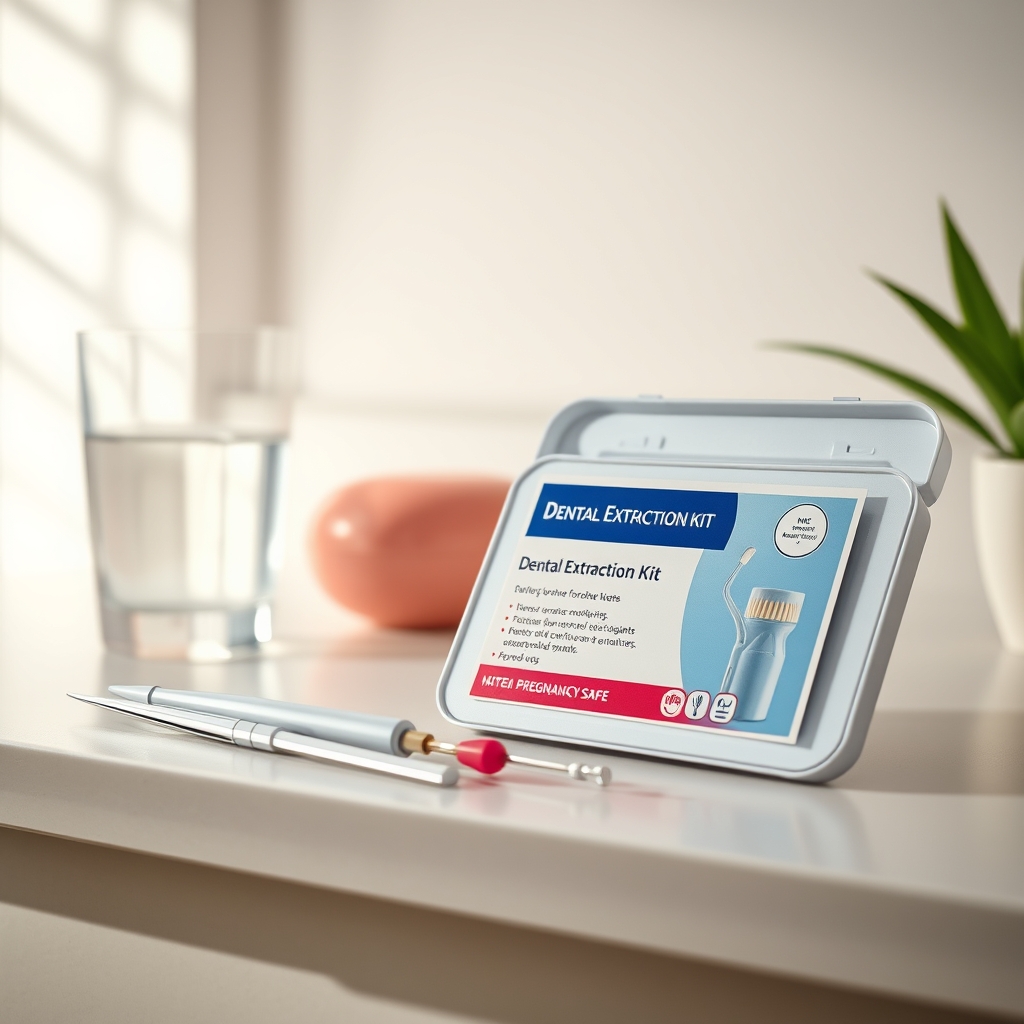
Having the right tools and a clear plan can make a dental extraction feel less intimidating during pregnancy.
Trimester / Breastfeeding
Verdict
Notes
First trimester (0‑13 weeks)
⚠️ Proceed only if urgent
Higher risk of teratogenic effects from anesthesia; consider postponing unless infection threatens the mother.
Second trimester (14‑27 weeks)
✅ Generally safe
Optimal window – organogenesis complete, uterine size still manageable, anesthesia considered low‑risk.
Third trimester (28‑40 weeks)
⚠️ Caution advised
Increased uterine pressure; monitor for preterm labor; local anesthesia still acceptable.
Breastfeeding
✅ Safe
Standard post‑operative pain meds like acetaminophen are compatible with nursing.
What is wisdom tooth removal?
Wisdom teeth, also called third molars, are the last set of molars to erupt, typically between ages 17 and 25. Because they emerge at the back of the mouth, they often lack enough space to come in fully, leading to impaction, infection, or damage to neighboring teeth. Extraction involves numbing the area with a local anesthetic, making an incision in the gum, and gently removing the tooth, sometimes in sections.
Dentists recommend removal when a wisdom tooth is symptomatic—causing pain, swelling, or infection—or when radiographs show that it will likely cause problems later. During pregnancy, the decision hinges on balancing the mother’s oral health needs with fetal safety. The procedure itself is short (usually 20‑40 minutes) and, when done with pregnancy‑approved anesthesia, does not typically involve radiation or medications known to harm the developing baby.
Is wisdom tooth removal safe during pregnancy?
C
urrent guidance from the American College of Obstetricians and Gynecologists (ACOG) and the UK’s National Health Service (NHS) indicates that dental procedures, including wisdom tooth extraction, are permissible when necessary. ACOG’s 2022 Committee Opinion emphasizes that “necessary dental care should not be delayed because of pregnancy,” provided that appropriate infection control and anesthesia protocols are followed. The NHS similarly states that routine dental work, including extractions, can be safely performed, especially in the second trimester.
The primary concern is the type and dose of anesthesia. Studies reviewed by the FDA have classified lidocaine— the most common local anesthetic— as Category B, meaning animal studies have not shown risk to the fetus and there are no adequate human studies showing harm. When used in standard doses (up to 7 mg/kg), lidocaine does not cross the placenta in significant amounts, making it the preferred choice for pregnant patients.
Another consideration is the risk of infection. Untreated dental infections can lead to systemic inflammation, which is linked to preterm labor and low birth weight. In such cases, the benefits of extraction outweigh the theoretical risks of anesthesia. Overall, the consensus is that wisdom tooth removal is safe when performed by a dentist experienced with pregnant patients, using local anesthesia, and with close obstetric collaboration.
Is wisdom tooth extraction safe in the first trimester?
The first trimester is the period of organogenesis, when the baby’s major organs are forming. Because the fetus is most vulnerable to teratogenic agents during this window, many clinicians recommend postponing elective dental procedures unless an infection or severe pain threatens the mother’s health.
If a wisdom tooth is causing an abscess, swelling, or uncontrolled pain, delaying treatment could increase the risk of systemic infection, which itself can jeopardize pregnancy. In such urgent cases, a dentist may proceed with extraction using the minimal effective dose of lidocaine and a strict aseptic technique, following ACOG’s guidance that “necessary dental treatment should not be postponed.” However, for non‑urgent, asymptomatic extractions, most providers suggest waiting until the second trimester.
Is wisdom tooth removal safe in the second trimester?
The second trimester is widely regarded as the safest window for dental work. By weeks 14‑27, the fetus’s organ systems have largely completed development, and the uterus is still low enough to allow comfortable positioning on a dental chair. ACOG’s literature specifically cites the second trimester as the “optimal time” for procedures that require local anesthesia.
During this period, extraction can be carried out with standard lidocaine dosing, and most pregnant patients tolerate the procedure well. Post‑operative pain is typically managed with acetaminophen, which the FDA classifies as Pregnancy Category B and which the CDC notes as safe for short‑term use. The risk of preterm labor remains low, provided that infection control is meticulous and the patient is monitored for any signs of uterine irritation.
Is wisdom tooth removal safe in the third trimester?
In the third trimester, the enlarged uterus can make it harder for a pregnant person to lie flat for an extended period, potentially causing discomfort or reduced blood flow to the placenta. Additionally, the risk of inducing uterine contractions—though rare with local anesthesia—warrants extra caution.
If a third‑trimester extraction is unavoidable (for example, a rapidly spreading infection), the dentist should use a supine position with a slight tilt to the left side to improve uterine blood flow. Local anesthetic dosing remains the same, but the provider should be prepared to monitor the mother’s heart rate and blood pressure closely. Post‑operative care should emphasize gentle oral hygiene and the use of acetaminophen for pain control.
Can I have a wisdom tooth extraction under local anesthesia while pregnant?
Yes. Local anesthesia, particularly lidocaine, is considered safe for use throughout pregnancy when administered in recommended doses. The FDA’s classification of lidocaine as Category B supports its use, and both ACOG and NHS guidelines endorse it as the anesthetic of choice for dental procedures in pregnant patients.
It’s important that the dentist limits the total dose to no more than 7 mg per kilogram of body weight, which is well below the threshold that could cause fetal toxicity. The anesthetic is injected directly into the gum tissue, limiting systemic absorption. Pregnant patients should also inform their dentist about any allergies or previous reactions to anesthetics to ensure a safe experience.
How much pain medication is safe after a wisdom tooth removal in pregnancy?
Acetaminophen (Tylenol) is the first‑line analgesic recommended after dental extractions for pregnant patients. The CDC advises that the standard adult dose—325 mg to 650 mg every 4‑6 hours, not exceeding 3,000 mg per day—is safe for short‑term use during pregnancy. This dosage provides effective pain relief without posing known risks to the fetus.
Non‑steroidal anti‑inflammatory drugs (NSAIDs) such as ibuprofen are generally avoided, especially after 20 weeks gestation, because they can affect fetal kidney development and reduce amniotic fluid. If stronger pain control is needed, the obstetrician may prescribe a short course of opioids, but this is reserved for severe cases and used at the lowest effective dose.
What alternatives to wisdom tooth extraction are safe during pregnancy?
Acetaminophen (Tylenol) for pain relief – safe for both mother and baby when used as directed.
Cold compress therapy – applying an ice pack to the cheek reduces swelling and discomfort without medication.
Saltwater mouth rinse – a ½‑teaspoon of salt in warm water rinsed several times daily helps keep the area clean and eases inflammation.
Dental bonding for temporary relief – a resin material can cover a partially erupted tooth to protect it from food particles.
Pregnancy‑safe local anesthetic (e.g., lidocaine) – can numb the area for minor procedures, providing symptom relief without extraction.
Postpone extraction until after delivery – often the simplest and safest option if the tooth isn’t causing infection.
Are there any brand‑name anesthetics safe for pregnant patients undergoing wisdom tooth extraction?
Brand‑name formulations of lidocaine, such as Xylocaine and Lignocaine, are widely accepted as safe for pregnant patients. Both contain lidocaine as the active ingredient and have been reviewed by the FDA as Category B. When combined with epinephrine (to reduce bleeding), the amount of epinephrine is typically limited to 0.012 mg per cartridge, a dose considered safe for pregnant women.
Other local anesthetics like mepivacaine and prilocaine are also classified as Category B, but lidocaine remains the most studied and thus the preferred choice. Always verify with your dentist that the anesthetic product does not contain preservatives or additives that could be contraindicated in pregnancy.
What conditions make wisdom tooth removal unsafe during pregnancy?
Several clinical scenarios can render extraction risky:
Active systemic infection (e.g., fever, sepsis) – the mother’s health must be stabilized before any dental procedure.
Severe uncontrolled hypertension – high blood pressure can increase the risk of bleeding and preterm labor.
Bleeding disorders or anticoagulant therapy – these increase the chance of excessive intra‑operative bleeding.
Placental complications such as placenta previa – any procedure that could elevate uterine pressure should be avoided.
History of preterm labor – extra caution is warranted, and the procedure may be deferred until after delivery.
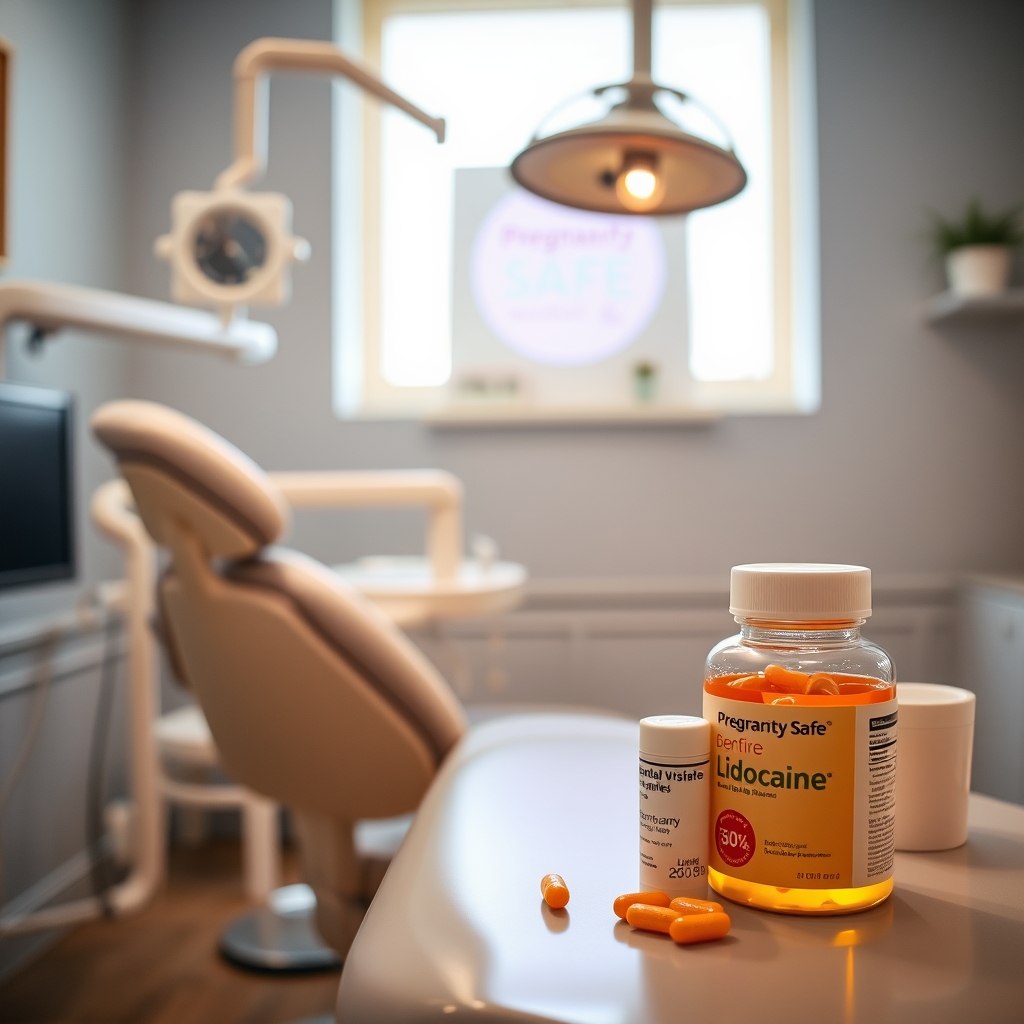
When the environment is pregnancy‑friendly, the procedure feels less stressful.
Safe dosage / amount / brands
For a typical wisdom tooth extraction, the dentist will use lidocaine 2 % with epinephrine 1:100,000. The maximum safe dose for a 70‑kg adult is approximately 500 mg of lidocaine (about 20 mL of the 2 % solution). This dose is well below the threshold that could cause fetal toxicity. Brands such as Xylocaine, Lignocaine, and generic lidocaine cartridges meet this safety profile.
Post‑operative pain can be managed with acetaminophen 500 mg tablets, taken every 6 hours as needed, not exceeding 3,000 mg per day. If a stronger analgesic is required, a short course of codeine (15 mg every 6 hours) may be prescribed, but only under obstetric supervision.
Side effects and risks
Most side effects are mild and temporary. Common, non‑dangerous reactions include:
Numbness or tingling in the lip or chin lasting a few hours.
Minor swelling or bruising of the cheek.
Transient mild headache from the anesthetic.
Potentially serious complications—though rare—should prompt immediate medical attention:
Signs of infection: fever, increasing facial swelling, pus discharge.
Persistent or severe pain beyond a few days.
Bleeding that does not stop after applying pressure for 15 minutes.
Uterine contractions or vaginal bleeding suggesting preterm labor.
If any of these red‑flag symptoms occur, contact your obstetric provider or go to the nearest emergency department.
Safer alternatives
Acetaminophen (Tylenol) – provides reliable pain relief without known fetal risk.
Cold compress therapy – reduces swelling and numbs the area naturally.
Saltwater mouth rinse – keeps the extraction site clean and eases inflammation.
Dental bonding – can protect a partially erupted tooth until after delivery.
Pregnancy‑safe local anesthetic (lidocaine) – offers temporary symptom control without extraction.
Postpone extraction – often the least risky option if the tooth isn’t causing acute problems.
Related items — safety at a glance
Dental item
Verdict
One‑line note
Dental cleaning during pregnancy
✅ Safe
Routine prophylaxis reduces infection risk and is recommended by ACOG.
Tooth extraction during pregnancy
⚠️ Safe with limits
Best in the second trimester; use lidocaine and avoid NSAIDs.
Root canal treatment during pregnancy
✅ Safe
Can be done with local anesthesia; prevents spread of infection.
Dental X‑rays during pregnancy
✅ Safe with shielding
Lead aprons block fetal exposure; doses are far below harmful levels.
Orthodontic braces during pregnancy
✅ Safe
Adjustment appointments are fine; avoid heavy wire adjustments if uncomfortable.
Dental fillings during pregnancy
✅ Safe
Composite or amalgam fillings are acceptable; use rubber dam for isolation.
Myth vs. fact
Myth: All dental work must be postponed until after the baby is born. Fact: Necessary dental procedures, including extractions, are safe when performed with appropriate anesthesia, especially in the second trimester.
Myth: Local anesthetic will harm the baby’s brain. Fact: Lidocaine has been studied extensively and is classified as Category B, showing no evidence of fetal neurotoxicity at standard doses.
Myth: Pain medication after a tooth extraction will cause birth defects. Fact: Acetaminophen, the first‑line analgesic, is widely regarded as safe for short‑term use during pregnancy.
Key takeaways
Wisdom tooth removal is generally safe in the second trimester when using lidocaine anesthesia.
First‑trimester extractions should be limited to urgent cases; third‑trimester procedures need extra monitoring.
Acetaminophen is the preferred pain reliever; avoid NSAIDs unless specifically advised by your provider.
Non‑surgical alternatives—cold compresses, saltwater rinses, and dental bonding—can provide temporary relief.
Always discuss timing, anesthesia, and post‑operative care with both your dentist and obstetrician.
Frequently asked questions
Can I get a wisdom tooth pulled while pregnant?
Yes, you can, especially if the extraction is needed to treat an infection or severe pain; the safest window is the second trimester, using lidocaine anesthesia.
Is it safe to have dental work done in the second trimester?
Yes, the second trimester is considered the optimal time for most dental procedures, including extractions, because organ development is complete and the uterus is still low enough for comfortable positioning.
What anesthesia is safe for pregnant women?
Lidocaine, a Category B local anesthetic, is the preferred choice; it can be used up to 7 mg/kg without known fetal risk, and brand‑name products like Xylocaine are widely accepted.
What are the signs of complications after wisdom tooth extraction in pregnancy?
Watch for fever, increasing facial swelling, persistent pain, uncontrolled bleeding, or any uterine contractions or vaginal bleeding, and contact your provider immediately if these occur.
Can wisdom tooth removal cause preterm labor?
While the risk is low, especially with proper anesthesia and infection control, severe infection or excessive stress from the procedure could theoretically trigger preterm labor; monitoring is advised.
Should I avoid wisdom tooth extraction in the first trimester?
It’s best to postpone non‑urgent extractions until the second trimester; however, urgent cases with infection may still be treated with careful anesthesia and obstetric oversight.
What pain relief options are safe after a dental extraction during pregnancy?
Acetaminophen (Tylenol) up to 3,000 mg per day is the first‑line option; NSAIDs are generally avoided after the first trimester, and opioids are reserved for severe pain under close supervision.
How long should I wait after a wisdom tooth extraction before delivering?
There is no required waiting period; many women deliver weeks or months after an extraction without issue, provided there are no complications like infection.
When to call your doctor
If you experience any of the following after a wisdom tooth extraction, contact your obstetric provider right away:
Fever higher than 100.4 °F (38 °C) or chills.
Increasing facial swelling, redness, or pus discharge.
Severe or worsening pain that isn’t relieved by acetaminophen.
Bleeding that continues for more than 15 minutes despite pressure.
Any uterine contractions, vaginal bleeding, or signs of preterm labor.
These symptoms may indicate infection or a complication that needs prompt medical attention. This article is for informational purposes only and does not replace personalized medical advice. Always consult your dentist and obstetrician before making decisions about dental care during pregnancy.
References
American College of Obstetricians and Gynecologists. “Dental Care During Pregnancy.” Committee Opinion, 2022.
National Health Service (NHS). “Dental Treatment During Pregnancy.” Updated 2023.
U.S. Food and Drug Administration (FDA). “Lidocaine – Drug Safety Communication.” 2021.
Centers for Disease Control and Prevention (CDC). “Acetaminophen Use in Pregnancy.” 2020.
World Health Organization (WHO). “Guidelines for Safe Dental Care in Pregnancy.” 2022.
American Dental Association (ADA). “Oral Health Care During Pregnancy.” 2023.
Not sure about the label on Is Wisdom Tooth Removal Safe During Pregnancy products?
Snap the ingredients list and SafeFilter checks every ingredient for your stage — only 3 free scans this month, then you're locked until reset. Unlimited from $7/mo or $50/yr.
When Shubhra Mishra was expecting her first child in 2016, she was overwhelmed by conflicting food advice — one site said yes, another said never. By the time her second baby arrived in 2019, she realized millions of mothers face the same confusion.
That sparked a five-year journey through clinical nutrition papers, cultural diets, and expert conversations — all leading to BumpBites: a calm, compassionate space where science meets everyday motherhood.
Her long-term vision is to build a global community ensuring safe, supported, and free deliveriesfor every mother — because no woman should face pregnancy alone or uninformed. 🌿
🌍 Stand with mothers, shape safer guidance
Join a small circle of experts who review BumpBites articles so expecting parents everywhere can decide with confidence.