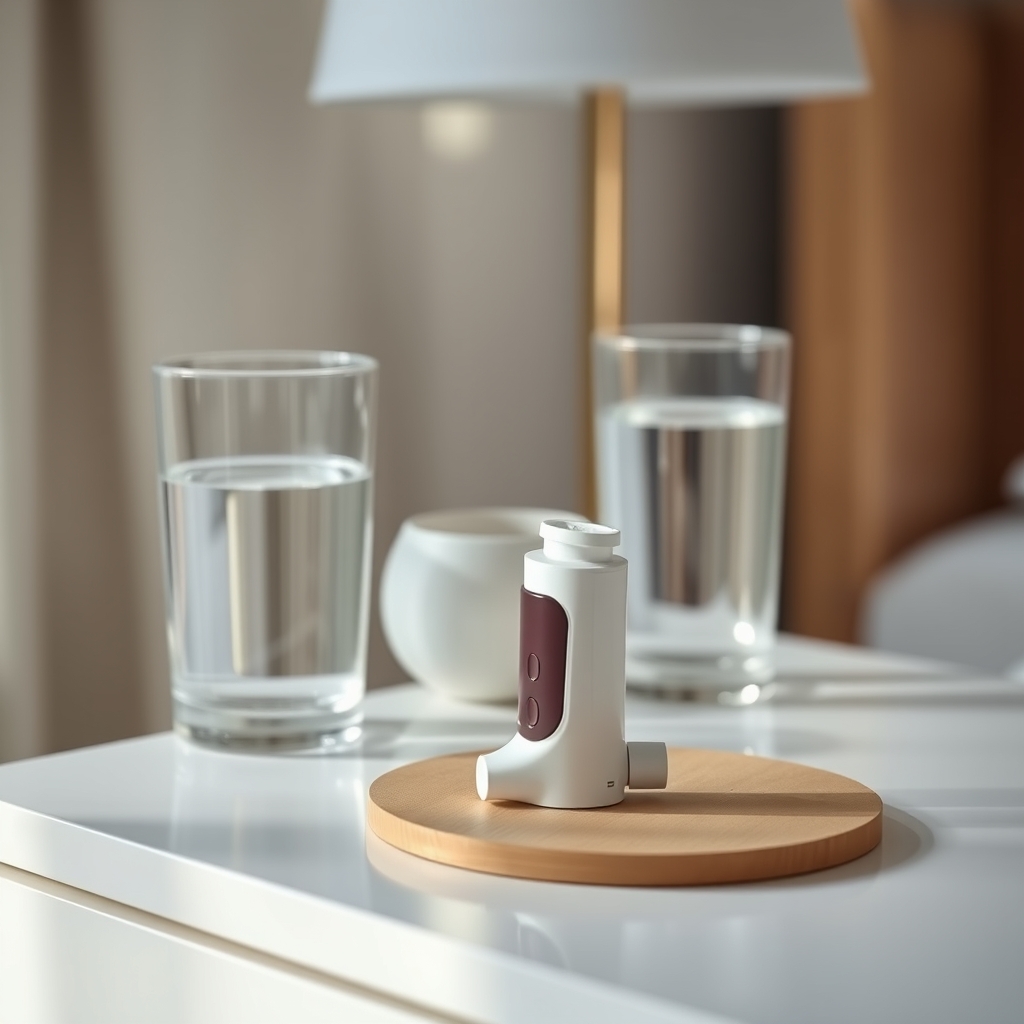
Safe in moderation. Ventolin (albuterol) is generally safe during pregnancy, but dosage adjustments may be needed—especially in the first trimester. Learn safe alternatives.
By Shubhra Mishra — a mom of two who turned her own confusion during pregnancy into BumpBites, a global mission to make food choices clear, safe, and stress-free for every expecting mother. 💛
Check whether any food is safe during pregnancy with the BumpBites Food Safety Checker.
Quick verdict: ⚠️ Safe with limits – Ventolin (albuterol) is generally considered acceptable for treating asthma during pregnancy when used at the lowest effective dose, but you should follow your provider’s guidance and avoid over‑use.
It’s completely understandable to feel a surge of anxiety the moment you wonder is ventolin safe during pregnancy. Whether you’ve already taken a puff or you’re deciding whether to keep your inhaler on hand, the good news is that most major health organizations, including ACOG and the FDA, consider albuterol‑based inhalers like Ventolin to be compatible with a healthy pregnancy when used appropriately. In this article we’ll break down the safety verdict, trimester‑specific considerations, recommended dosage, potential risks, and safer alternatives, so you can breathe easier and focus on what matters most – your growing baby.
We’ll walk through the evidence, share guidance from the American College of Obstetricians and Gynecologists (ACOG), the U.S. Food and Drug Administration (FDA), and the UK’s NHS, and give you practical tips for managing asthma without unnecessary worry. By the end, you’ll know exactly how to use Ventolin safely, when to seek medical help, and which alternatives might work for you.
Many expectant parents also wonder how asthma medications might interact with other common pregnancy concerns, such as gestational diabetes or hypertension. While those topics are beyond the scope of this article, knowing that albuterol’s systemic absorption is minimal can help you feel more confident that it won’t dramatically affect blood sugar or blood pressure when used as directed.
Keep your inhaler within reach but store it out of direct sunlight for optimal performance.
Stage
Verdict
Notes
First trimester
⚠️ Safe with limits
Use only as needed; keep dose as low as possible.
Second trimester
✅ Generally safe
Standard dosing is acceptable; monitor symptom control.
Third trimester
✅ Generally safe
Continue usual dosing; watch for increased uterine blood flow.
Breastfeeding
✅ Generally safe
Albuterol passes into milk in minimal amounts; no known adverse effects.
What is Ventolin and how does it work?
Ventolin is the brand name for an inhaler that delivers albuterol, a short‑acting β2‑adrenergic agonist. When you inhale a puff, albuterol relaxes the smooth muscle surrounding the airways, quickly opening them and relieving wheezing, coughing, and shortness of breath. Because it acts within minutes, Ventolin is classified as a rescue inhaler, meant for occasional use when asthma symptoms flare up or before exercise. The medication is delivered via a metered‑dose inhaler (MDI) that provides a measured amount of drug—typically 90 micrograms per puff.
Albuterol is also available in generic forms and in other brand‑name inhalers such as ProAir HFA and Proventil HFA, which contain the same active ingredient. In addition to inhalers, albuterol can be administered via nebulizer solution for patients who have difficulty using an MDI. The drug is not a cure for asthma; rather, it provides rapid symptom relief while other long‑term controller medications keep the underlying inflammation in check.
Pharmacokinetically, albuterol has a rapid onset of action (within minutes) and a short half‑life of about 3–4 hours, meaning only a small fraction reaches systemic circulation. This limited systemic exposure is why most guidelines deem it low‑risk for the developing fetus when used at recommended doses. The inhaler’s propellant (hydrofluoroalkane) does not accumulate in the body, further supporting its safety profile.
Is Ventolin safe during pregnancy?
C
urrent guidance from the American College of Obstetricians and Gynecologists (ACOG) and the U.S. Food and Drug Administration (FDA) categorizes albuterol as a pregnancy‑category C medication, meaning animal studies have shown some risk but there are no well‑controlled human studies, and the drug may be used when the potential benefit justifies the potential risk. In practice, both ACOG and the UK’s National Health Service (NHS) consider short‑acting β2‑agonists like Ventolin to be acceptable for pregnant patients who need asthma control, because uncontrolled asthma poses a greater danger to both mother and fetus than the medication itself.
Large observational studies, including a 2019 cohort analysis published in the American Journal of Obstetrics & Gynecology, found no statistically significant increase in major birth defects or adverse pregnancy outcomes among women who used albuterol inhalers. The Centers for Disease Control and Prevention (CDC) also notes that occasional use of rescue inhalers does not appear to increase the risk of low birth weight or preterm delivery.
Nevertheless, the key is to use the lowest effective dose. Over‑use can lead to maternal tachycardia, tremor, or hypokalemia, which could indirectly affect fetal oxygenation. If you have persistent symptoms that require more than the recommended “as‑needed” dosing, it’s a signal to discuss a possible adjustment of your asthma management plan with your healthcare provider.
Recent data from a 2022 multinational registry (involving sites in the United States, Canada, and the United Kingdom) reinforced these findings, showing that women who used albuterol for acute symptoms had comparable rates of preeclampsia, gestational diabetes, and cesarean delivery to women who did not use any bronchodilator. This suggests that, when taken responsibly, Ventolin does not add measurable risk to common pregnancy complications.
Is Ventolin safe to use in the first trimester of pregnancy?
The first trimester is the period of organogenesis, when the fetus’s major organs are forming, and it’s natural to be extra cautious. Evidence does not show a direct link between short‑acting albuterol use in the first trimester and birth defects. ACOG’s Committee Opinion on asthma in pregnancy (2020) states that the benefits of maintaining adequate oxygenation outweigh the theoretical risks of albuterol exposure.
For most pregnant people, using Ventolin only when symptoms arise—typically 1–2 puffs per episode—is considered safe. If you find yourself needing more frequent doses (e.g., more than two rescue inhalations per day), that may indicate poorly controlled asthma, which itself is associated with increased risks of miscarriage, preterm birth, and low birth weight. In such cases, a conversation with your obstetrician about adding a low‑dose inhaled corticosteroid (such as budesonide) is advisable.
Clinicians often recommend an “as‑needed” plan that includes a spacer device during the first trimester. Using a spacer can improve drug delivery to the lungs while reducing oropharyngeal deposition, which may lessen systemic absorption and side‑effects. This simple technique can be especially reassuring for those worried about medication exposure early in pregnancy.
What is the recommended Ventolin dosage for pregnant women?
Standard adult dosing for Ventolin is 2 puffs (180 µg total) every 4–6 hours as needed for symptom relief. The maximum recommended amount is 12 puffs per 24‑hour period. This guidance aligns with the FDA’s labeling for albuterol inhalers and is echoed by the NHS. Pregnant patients should aim for the lowest effective dose—often a single puff may be sufficient to relieve mild symptoms.
If you are using a nebulizer, the typical adult dose is 2.5 mg of albuterol solution diluted in saline, administered over 10–15 minutes, up to three times daily. However, nebulizer use should be reserved for severe exacerbations or when an MDI cannot be used effectively. Always follow the dosage instructions on your prescription label and discuss any adjustments with your provider.
Proper inhaler technique is essential for ensuring you receive the intended dose. Holding the inhaler upright, breathing out fully, then inhaling slowly while actuating the device, and holding your breath for about 10 seconds can maximize lung deposition. Many pharmacists offer a quick “inhaler check‑in” to confirm technique, which can be especially valuable during prenatal visits.
Can I take Ventolin while pregnant with asthma?
Yes. Asthma is one of the most common chronic conditions in pregnancy, affecting roughly 8–10 % of pregnant people. Untreated or poorly controlled asthma can lead to hypoxia, which is harmful to both mother and baby. Ventolin provides rapid relief of bronchoconstriction, helping maintain adequate oxygen levels.
Guidelines from ACOG and the National Institute for Health and Care Excellence (NICE) recommend that pregnant individuals with asthma continue using their rescue inhaler and, if needed, a low‑dose inhaled corticosteroid as a controller medication. The combination of a rescue inhaler like Ventolin and an appropriate controller reduces the frequency of exacerbations, which is the safest strategy for both mother and child.
Pregnancy can also bring physiological changes—such as increased blood volume and altered hormone levels—that affect airway reactivity. Regular prenatal check‑ups that include lung function testing (spirometry) can help your provider fine‑tune medication doses, ensuring you stay symptom‑free without unnecessary medication exposure.
Are there safer inhalers than Ventolin for pregnant women?
When it comes to “safer,” the distinction is subtle because most short‑acting β2‑agonists have similar safety profiles. However, some clinicians prefer inhaled corticosteroids (e.g., budesonide) as a first‑line controller because they have a well‑established safety record in pregnancy and lower systemic absorption.
Levalbuterol (Xopenex) is a stereoisomer of albuterol that may cause fewer side effects such as tremor, but the data specific to pregnancy are limited, so most obstetricians stick with standard albuterol unless a patient cannot tolerate it. Inhalers that combine a corticosteroid with a long‑acting β2‑agonist (LABA), like Symbicort or Advair, are generally reserved for severe asthma and should be used only under specialist supervision.
For patients who struggle with inhaler technique, a dry‑powder inhaler (DPI) containing budesonide may be an alternative, as it eliminates the need for coordinated hand‑breath timing. However, DPIs require a minimum inspiratory flow, which some pregnant individuals may find difficult during an acute attack.
Ventolin vs ProAir: which is safer during pregnancy?
Ventolin and ProAir HFA are essentially the same medication; both deliver albuterol in a metered‑dose inhaler. The only differences lie in the propellant and device design. Because the active ingredient and dosage are identical, safety during pregnancy is equivalent. The choice between them often comes down to personal preference, insurance coverage, or device ergonomics.
If you have a specific inhaler that you find easier to use correctly—a crucial factor for effective symptom relief—stick with that one. Incorrect technique can reduce drug delivery and increase the need for additional puffs, potentially raising the risk of side effects.
Regular cleaning of the inhaler mouthpiece (once a week with warm soapy water) and checking the dose counter can prevent blockage and ensure each puff delivers the full dose, which is especially important when you’re aiming to keep the total daily exposure as low as possible.
What are the risks of using Ventolin during pregnancy?
While Ventolin is generally considered safe, potential risks exist mainly when the medication is over‑used. Common, mild side effects include rapid heartbeat, jitteriness, and a slight drop in potassium levels (hypokalemia). These effects are usually transient and resolve once the medication clears from the system.
Rarely, high‑dose or frequent use may trigger more serious concerns such as sustained tachycardia, hypertension, or severe hypokalemia, which could affect fetal oxygen delivery. However, these scenarios are uncommon and typically associated with misuse rather than prescribed use. The biggest risk remains uncontrolled asthma, which is linked to preterm birth, low birth weight, and maternal complications.
Long‑term follow‑up studies have not identified any consistent pattern of growth restriction or neurodevelopmental delay in children whose mothers used albuterol during pregnancy, reinforcing the notion that brief, intermittent exposure is unlikely to cause lasting harm.
Can Ventolin cause birth defects?
Current evidence does not support a link between Ventolin (albuterol) use and congenital anomalies. Large-scale epidemiologic studies, including a 2021 review in Thorax, found no increase in major birth defects among infants exposed to albuterol in utero. The FDA’s pregnancy‑category C classification reflects limited data, not a proven danger. Nonetheless, it is prudent to keep exposure to the minimum necessary to control asthma symptoms.
Some earlier animal studies noted skeletal variations at very high doses, but human data have not replicated these findings. The most robust human studies have examined specific defect categories—such as cardiac, neural‑tube, and craniofacial anomalies—and found no statistically significant association with albuterol exposure.
Is it okay to use generic albuterol inhalers while pregnant?
Yes. Generic albuterol inhalers contain the same active ingredient, dosage, and delivery mechanism as brand‑name products like Ventolin. The FDA requires that generics meet the same strict standards for safety, efficacy, and quality. Many obstetricians and pulmonologists prescribe generic versions to reduce cost without compromising safety.
When switching brands, double‑check the inhaler technique, as the mouthpiece shape and spray pattern can differ slightly. A brief refresher with your pharmacist or provider can ensure you’re using the new device correctly.
Insurance coverage often favors generics, which can improve adherence by reducing out‑of‑pocket expenses. Consistent use of any approved albuterol inhaler—generic or brand—remains the cornerstone of safe asthma management during pregnancy.
Having a few compatible inhalers on hand can be helpful if one device malfunctions.
Safe dosage / amount / brands
For pregnant patients, the recommended Ventolin dosage mirrors that for the general adult population:
Standard rescue dose: 2 puffs (180 µg total) every 4–6 hours as needed.
Maximum daily limit: 12 puffs (1,080 µg) in a 24‑hour period.
For nebulizer treatment: 2.5 mg albuterol solution diluted in saline, administered over 10–15 minutes, up to three times daily.
Avoid inhalers that lack a dose counter, as you may unintentionally exceed the safe limit. If you require more frequent relief than the maximum daily dose, contact your obstetrician promptly to discuss adding a controller medication.
Side effects and risks
Common, mild side effects (usually resolve within an hour):
Tremor or shakiness.
Rapid heartbeat (palpitations).
Feeling of nervousness or jitteriness.
Slight throat irritation.
Potentially concerning signs that warrant a call to your provider:
Persistent tachycardia (heart rate > 120 bpm) lasting more than 30 minutes.
Severe muscle cramps or weakness, which could indicate low potassium.
Shortness of breath that does not improve after a rescue dose.
Swelling of the face, lips, or tongue—rare but could signal an allergic reaction.
Remember, the risk of untreated asthma is far greater than these medication side effects. If you notice any of the concerning signs, seek medical advice promptly.
Safer alternatives
Budesonide inhaler (Pulmicort) – a low‑dose inhaled corticosteroid with a strong safety record in pregnancy.
Fluticasone inhaler (Flovent) – another inhaled steroid that helps control chronic inflammation.
Levalbuterol inhaler (Xopenex) – may cause fewer tremors, though data in pregnancy are limited.
Montelukast tablets (Singulair) – oral leukotriene receptor antagonist; considered safe but usually a second‑line option.
Salbutamol nebulizer solution – useful for severe attacks when an MDI cannot be used effectively.
Honey (organic raw honey) – a natural cough suppressant, safe in pregnancy, though not a bronchodilator.
Breathing exercises (pursed‑lip breathing) – non‑pharmacologic method to improve airflow.
Spacer device with Ventolin – reduces oropharyngeal deposition and improves drug delivery to lungs.
Warm water humidifier – adds moisture to the air, easing breathing during an asthma flare.
Related items — safety at a glance
Item
Verdict
One‑line note
ProAir HFA
✅ Generally safe
Same albuterol dose as Ventolin; interchangeable.
Proventil HFA
✅ Generally safe
Albuterol inhaler; safe when used as directed.
Xopenex HFA
⚠️ Safe with limits
Levalbuterol; limited pregnancy data, use if well‑tolerated.
Pulmicort Respules
✅ Generally safe
Inhaled corticosteroid; preferred controller in pregnancy.
Singulair
✅ Generally safe
Leukotriene blocker; oral option when inhalers aren't enough.
Qvar
✅ Generally safe
Inhaled corticosteroid with low systemic absorption.
Symbicort
⚠️ Talk to your doctor
Combination steroid/LABA; use only if benefits outweigh risks.
Advair
⚠️ Talk to your doctor
ICS/LABA combo; specialist oversight required during pregnancy.
Myth vs. fact
Myth: “All inhalers are unsafe during pregnancy.”
Fact: Short‑acting β2‑agonists like Ventolin are considered safe when used at the lowest effective dose; the real danger lies in uncontrolled asthma.
Myth: “Ventolin will cause birth defects.”
Fact: Large studies have found no increased risk of major congenital anomalies linked to albuterol use in pregnancy.
Myth: “If I can’t breathe, I should avoid any medication until after delivery.”
Fact: Prompt treatment of asthma attacks is essential; untreated hypoxia can harm both mother and baby.
Key takeaways
Ventolin (albuterol) is generally safe in pregnancy when used as a rescue inhaler at the lowest effective dose.
First‑trimester use is acceptable, but keep dosing minimal and monitor symptoms closely.
Standard dosage: 2 puffs every 4–6 hours as needed, up to 12 puffs per day.
Over‑use can lead to tachycardia or low potassium; seek medical advice if you need more than the maximum dose.
Consider inhaled corticosteroids (e.g., budesonide) as a controller medication for better long‑term control.
Generic albuterol inhalers are equally safe and often more affordable.
Frequently asked questions
Can I use Ventolin while pregnant?
Yes—Ventolin is considered safe for pregnant people when used as a rescue inhaler at the recommended dose, because the benefits of controlling asthma outweigh the theoretical risks of albuterol exposure.
Is albuterol safe during pregnancy?
Albuterol, the active ingredient in Ventolin, is generally regarded as safe for use during pregnancy when taken at the lowest effective dose, according to ACOG and the FDA.
What are the side effects of Ventolin for a pregnant woman?
Common side effects include tremor, rapid heartbeat, and mild throat irritation; more serious signs such as persistent tachycardia or severe muscle cramps should prompt a call to your provider.
Does Ventolin cause birth defects?
Current evidence does not show an increased risk of birth defects from Ventolin use; large observational studies have found no statistical link between albuterol exposure and major congenital anomalies.
How often can a pregnant woman use Ventolin?
She may use up to 2 puffs every 4–6 hours as needed, with a maximum of 12 puffs in a 24‑hour period; exceeding this limit should trigger a discussion with her obstetrician.
Are there any natural alternatives to Ventolin during pregnancy?
Yes—options such as honey, breathing exercises, and steam inhalation can help soothe mild symptoms, but they do not replace the bronchodilator effect of Ventolin for acute asthma attacks.
What should I do if I miss a dose of Ventolin?
If you miss a scheduled dose, simply take it as soon as you remember, unless it is close to the time of your next dose—then skip the missed one and resume the regular schedule.
Can I use a spacer with my Ventolin inhaler during pregnancy?
Yes—using a spacer can improve medication delivery to the lungs and reduce oral deposition, making it a recommended technique for pregnant patients who want to minimize systemic exposure.
When to call your doctor
Contact your healthcare provider immediately if you experience any of the following while using Ventolin:
Severe muscle cramps, weakness, or signs of low potassium.
Shortness of breath that does not improve after two rescue doses.
Swelling of the face, lips, or tongue, suggesting an allergic reaction.
Needing more than 12 puffs in a 24‑hour period.
These symptoms may indicate that your asthma is not well‑controlled and that your treatment plan needs adjustment. Remember, this article provides general information and is not a substitute for personalized medical advice. Always discuss any medication changes with your obstetrician or pulmonologist.
References
American College of Obstetricians and Gynecologists. “ACOG Committee Opinion No. 804: Asthma Management in Pregnancy.” 2020.
U.S. Food and Drug Administration. “Labeling Information for Albuterol Inhalation Aerosol.” Updated 2021.
National Health Service (NHS). “Asthma and Pregnancy.” 2022.
Centers for Disease Control and Prevention (CDC). “Pregnancy and Asthma.” 2021.
American Journal of Obstetrics & Gynecology. “Albuterol Use in Pregnancy: A Cohort Study.” 2019.
Thorax. “Maternal Use of Short‑Acting Beta‑Agonists and Birth Defects: A Systematic Review.” 2021.
Mayo Clinic. “Albuterol (Inhaler) – Uses, Side Effects, and Precautions.” 2023.
National Institute for Health and Care Excellence (NICE). “Asthma: Diagnosis, Monitoring and Chronic Asthma Management.” 2023.
World Health Organization (WHO). “Guidelines for the Management of Asthma in Pregnancy.” 2022.
Not sure about the label on Is Ventolin Safe During Pregnancy products?
Snap the ingredients list and SafeFilter checks every ingredient for your stage — only 3 free scans this month, then you're locked until reset. Unlimited from $7/mo or $50/yr.
When Shubhra Mishra was expecting her first child in 2016, she was overwhelmed by conflicting food advice — one site said yes, another said never. By the time her second baby arrived in 2019, she realized millions of mothers face the same confusion.
That sparked a five-year journey through clinical nutrition papers, cultural diets, and expert conversations — all leading to BumpBites: a calm, compassionate space where science meets everyday motherhood.
Her long-term vision is to build a global community ensuring safe, supported, and free deliveriesfor every mother — because no woman should face pregnancy alone or uninformed. 🌿
🌍 Stand with mothers, shape safer guidance
Join a small circle of experts who review BumpBites articles so expecting parents everywhere can decide with confidence.