is vaseline petroleum jelly safe during pregnancy?

is vaseline petroleum jelly safe during pregnancy?

Vaseline petroleum jelly is generally safe during pregnancy, but limit use to small amounts on dry skin—here’s what experts say about trimesters and

Shubhra Mishra

By Shubhra Mishra — a mom of two who turned her own confusion during pregnancy into BumpBites, a global mission to make food choices clear, safe, and stress-free for every expecting mother. 💛

Are you a qualified maternal-health or nutrition expert? Join our reviewer circle.

Wondering about another food?

Check whether any food is safe during pregnancy with the BumpBites Food Safety Checker.

Quick verdict: ✅ Vaseline petroleum jelly is generally safe to use during pregnancy when applied as directed, as it’s a non-toxic, non-absorbed moisturizer. The FDA and ACOG consider it safe for skin care, but patch-testing first is wise—especially if you have sensitive skin or allergies. It’s also safe for breastfeeding mothers, though avoid overuse if your baby has sensitive skin.

You’re rubbing your belly, stretching over the shower, or just trying to soothe dry patches of skin—and suddenly, you’re Googling at 2 AM: is Vaseline petroleum jelly safe during pregnancy? Maybe you already applied it before realizing you were pregnant. Maybe you’re wondering if it’s the right choice for stretch marks or eczema. Or maybe you’re just tired of the endless pregnancy safety rabbit hole. Whatever the worry, you’re not alone.

Good news: petroleum jelly—the stuff in that iconic jar—is one of the most studied and reassuring pregnancy-safe products out there. It’s been a go-to for skin care for decades, and experts agree it’s low-risk when used properly. But like all pregnancy questions, the devil’s in the details: how much you use, where you apply it, and what your skin’s reacting to matter. Here’s everything you need to know to stop worrying and start hydrating.

We’ll break down the safety by trimester, explore how Vaseline compares to other pregnancy-safe moisturizers, debunk common myths, and give you a list of safer alternatives if you’re curious about other options. We’ll also dive into how to use Vaseline effectively for stretch marks, eczema, and dry skin—plus what to do if you’ve already used it and are now worried. By the end, you’ll know not just if Vaseline is safe, but how to use it confidently—and when to consider other moisturizers.

---
Time in Pregnancy Verdict Notes
First Trimester ✅ Generally Safe Safe for skin hydration, but avoid if you have open wounds or severe irritation. Patch-testing recommended for first-time use.
Second Trimester ✅ Generally Safe Ideal for stretch mark prevention or dry skin. Apply liberally to areas prone to stretching.
Third Trimester ✅ Generally Safe Use liberally for stretch marks, but patch-test first if skin is sensitive. May require more frequent application due to increased skin elasticity.
Breastfeeding ✅ Safe Safe to use on nipples or breasts (if no allergies), but avoid if baby has sensitive skin. Use sparingly to prevent irritation.
---
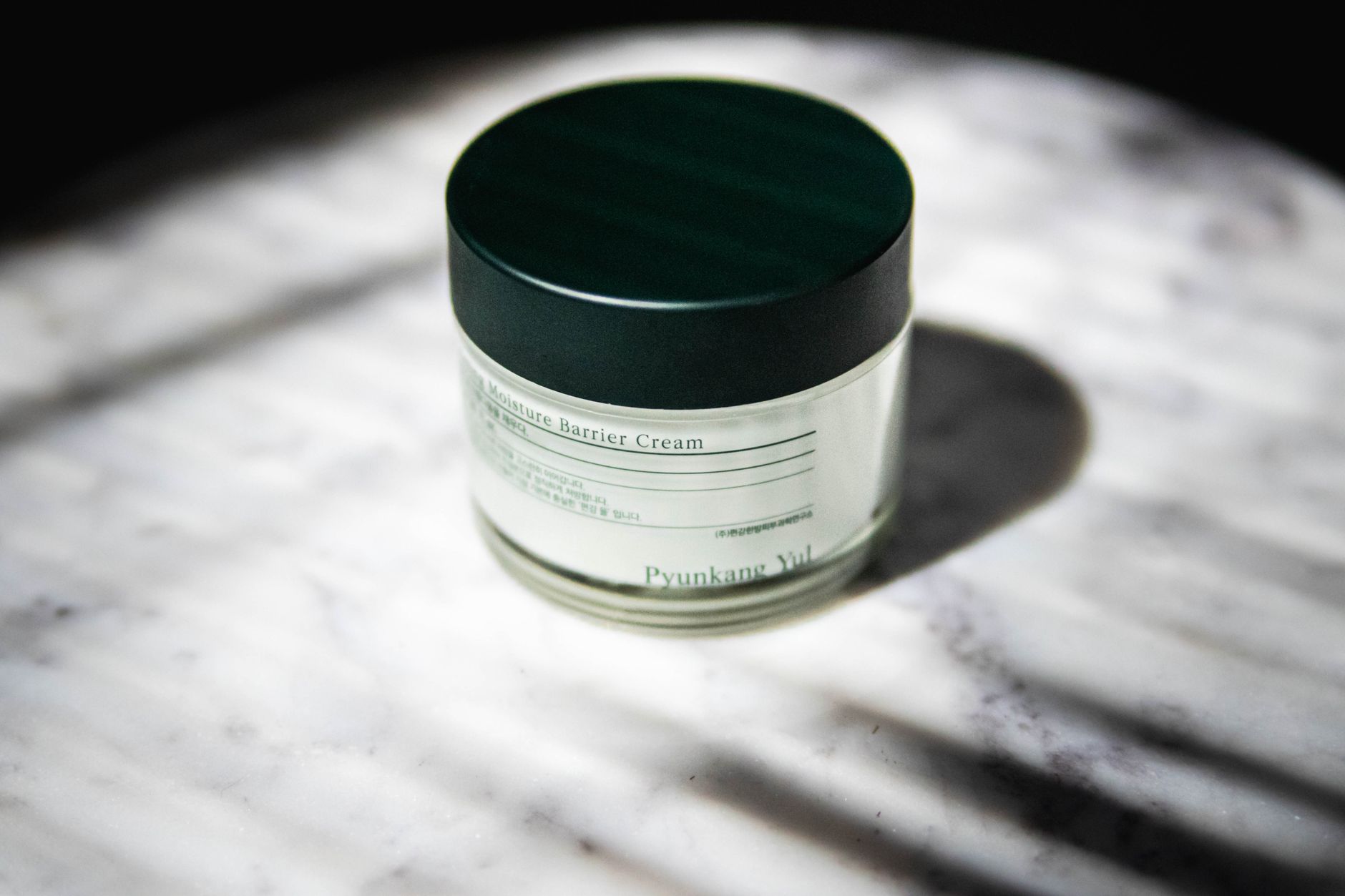
A jar of Vaseline Petroleum Jelly next to a pregnancy-safe moisturizer routine setup with a glass of water, a hand cream, and a pregnancy journal
Vaseline is a staple in many pregnancy skincare routines—but is it truly safe for every use? Here’s what you need to know.
--- ## What is Vaseline Petroleum Jelly? Vaseline petroleum jelly is a thick, odorless, non-greasy ointment made from refined petroleum. It’s been a household name since 1872, when it was first introduced as a skin protectant. The "petroleum" in its name comes from its base ingredient: mineral oil, a byproduct of crude oil refining. It’s not absorbed through the skin, which is why it’s considered safe for topical use—it sits on the surface to lock in moisture rather than entering your bloodstream. So why do people use it during pregnancy? Vaseline is a barrier moisturizer, meaning it traps water in your skin to prevent dryness. It’s commonly used to: - Soothe dry or cracked skin (like elbows, knees, or heels). - Protect chapped lips or cuticles. - Prevent stretch marks by keeping skin supple. - Calm minor irritations from eczema or psoriasis. It’s also non-comedogenic (won’t clog pores) and fragrance-free, making it a popular choice for sensitive skin. But because it’s a petroleum-based product, some people wonder about potential risks—especially during pregnancy, when you’re extra vigilant about what you put on your body. --- ## Is Vaseline Petroleum Jelly Safe During Pregnancy? Yes, Vaseline petroleum jelly is generally safe to use during pregnancy when applied as directed, according to the American College of Obstetricians and Gynecologists (ACOG) and the U.S. Food and Drug Administration (FDA). Here’s why: 1. **It’s not absorbed into the body.** Unlike oral medications or topical treatments that penetrate the skin, Vaseline sits on the surface, creating a protective barrier. This means there’s minimal to no risk of entering your bloodstream or affecting fetal development. 2. **No evidence of harm.** The FDA classifies petroleum jelly as Generally Recognized as Safe (GRAS) for topical use, and there’s no documented evidence linking it to birth defects, miscarriage, or other pregnancy complications. 3. **Used for decades.** Generations of pregnant women have relied on Vaseline for dry skin and stretch marks without reported issues. While individual reactions vary, the product itself hasn’t been flagged as a pregnancy risk. That said, safety isn’t just about the product—it’s also about how you use it. Overuse, misuse, or allergic reactions can turn a safe product into a nuisance. Let’s break it down by trimester to give you the clearest picture. --- ## How Does Vaseline Compare to Other Moisturizers? If you’re curious about alternatives to Vaseline, it’s helpful to understand how it stacks up against other pregnancy-safe moisturizers. Vaseline is unique because it’s purely occlusive—it doesn’t contain active ingredients like vitamins or botanical extracts, which is both a pro and a con depending on your needs. - **Pros of Vaseline:** It’s simple, non-irritating, and highly effective for locking in moisture. It’s also affordable and widely available. - **Cons of Vaseline:** It can feel heavy or greasy for some, and it doesn’t provide additional skincare benefits like hydration from active ingredients. For those who prefer a lighter feel or additional skincare benefits, alternatives like coconut oil or shea butter might be appealing. However, these alternatives may not be as universally safe or effective for everyone, especially those with sensitive skin or acne-prone skin. --- ## Safety by Trimester ### Is Vaseline safe to use on skin during the first trimester of pregnancy? In your first trimester, when your body is rapidly changing and your baby’s organs are forming, you might be extra cautious about everything you apply to your skin. Vaseline is safe to use in the first trimester for general skin hydration, but there are a few precautions: - **Patch-test first.** If you have sensitive skin or a history of allergies, apply a small amount to your inner arm or wrist 24 hours before use. If you experience redness, itching, or irritation, discontinue use. - **Avoid open wounds.** Don’t apply Vaseline to cuts, scrapes, or rashes unless directed by your doctor. - **Use sparingly on mucous membranes.** While it’s safe on skin, avoid using it around your mouth or nose unless necessary (e.g., for chapped lips). The UK’s National Health Service (NHS) and ACOG both confirm that petroleum jelly is low-risk in the first trimester, but your skin’s reaction is the key factor. --- ### Can I apply Vaseline petroleum jelly during the second trimester without risk? The second trimester is often when pregnant women start noticing increased dryness and stretch marks. Vaseline is absolutely safe to use during the second trimester—in fact, it’s one of the most recommended options for stretch mark prevention. Here’s how to use it effectively: - **Apply liberally to areas prone to stretching:** belly, breasts, hips, thighs, and buttocks. The thicker the layer, the better for hydration. - **Use it daily.** Consistency is key for stretch mark prevention. Apply after showering when your skin is damp to lock in moisture. - **Combine with other safe ingredients.** For extra nourishment, mix Vaseline with a few drops of coconut oil (if tolerated) or a pregnancy-safe vitamin E oil. The World Health Organization (WHO) supports the use of non-toxic, non-absorbed moisturizers like Vaseline for skin care during pregnancy, and many obstetricians recommend it specifically for stretch marks. --- ### What amount of Vaseline is safe to use each day while pregnant? There’s no strict limit to how much Vaseline you can use daily, but moderation is key—especially if you’re using it on large areas like your belly or thighs. Here’s how to use it safely: - **For general skin hydration:** A pea-sized amount for small areas (like lips or cuticles) or a dime-sized dollop for larger patches (like elbows or knees). - **For stretch marks:** A generous layer (about a nickel-sized amount) applied 1–2 times daily to areas where you’re noticing stretch marks. - **For breastfeeding mothers:** A thin layer on nipples or breasts is safe, but avoid overuse if your baby has sensitive skin. The Centers for Disease Control and Prevention (CDC) notes that topical petroleum jelly is safe in the amounts typically used for skin care, but excessive use isn’t necessary. If you’re applying it to your entire belly, a few tablespoons spread thinly is plenty. --- ### What are safer alternatives to Vaseline for pregnant women? While Vaseline is safe for most, you might prefer alternatives for specific reasons—whether it’s texture, scent, or ingredient preferences. Here are some safer and equally effective alternatives for pregnancy skin care: - **Aquaphor Healing Ointment** – Contains panthenol and petrolatum, ideal for healing dry or cracked skin. - **CeraVe Moisturizing Cream** – A fragrance-free, non-comedogenic option with ceramides for long-term hydration. - **Eucerin Advanced Repair Cream** – Rich in urea and shea butter, great for eczema-prone skin. - **Cetaphil Moisturizing Cream** – Gentle and non-irritating, perfect for sensitive skin. - **Aveeno Daily Moisturizing Lotion** – Contains colloidal oatmeal, soothing for itchy or irritated skin. - **Burt’s Bees Beeswax Lip Balm** – A natural alternative to Vaseline for chapped lips, free of petroleum. - **Neutrogena Norwegian Formula Hand Cream** – Lightweight but deeply hydrating, with no artificial fragrances. - **Vanicream Moisturizing Skin Cream** – Fragrance-free and non-greasy, ideal for acne-prone or sensitive skin. - **Lanolin** – Derived from sheep’s wool, lanolin is another safe option for stretch marks and breastfeeding mothers. --- ### Which brands of Vaseline are recommended for pregnant users? All Vaseline petroleum jelly products are generally safe during pregnancy, but there are a few things to look for: - **Original Vaseline Petroleum Jelly** – The classic jar, free of added fragrances or dyes. - **Vaseline Intensive Care Advanced Repair** – Contains shea butter and vitamin E for extra nourishment. - **Vaseline Healing Ointment** – Similar to Aquaphor, with added panthenol for healing. Avoid Vaseline products with added fragrances, dyes, or active ingredients (like those marketed for acne or sunburn), as these may not be pregnancy-safe. Stick to the plain, fragrance-free versions unless your doctor approves otherwise. --- ### How to Use Vaseline for Stretch Marks: A Step-by-Step Guide Stretch marks are a common concern during pregnancy, and Vaseline can be a game-changer. Here’s how to use it effectively: 1. **Cleanse your skin** with a gentle, fragrance-free cleanser. 2. **Apply Vaseline to damp skin** after showering to lock in moisture. 3. **Massage gently** in circular motions to improve circulation and elasticity. 4. **Use daily** for best results, focusing on areas where you’re noticing stretching. 5. **Combine with hydration**—drink plenty of water and eat foods rich in vitamins A, C, and E to support skin health from within. --- ### What side effects can Vaseline cause during pregnancy? Vaseline is unlikely to cause side effects, but like any product, individual reactions can vary. Here’s what to watch for: - **Minor irritation or redness** – If you experience itching, burning, or a rash after applying Vaseline, stop use immediately and wash the area with mild soap and water. - **Acne or clogged pores** – While Vaseline is non-comedogenic, some people with oily skin may notice breakouts. If this happens, switch to a lighter moisturizer. - **Allergic reactions** – Rare, but possible if you’re sensitive to petroleum-based products. Symptoms may include swelling, hives, or difficulty breathing (seek medical attention if this occurs). If you develop any of these symptoms, discontinue use and consult your healthcare provider. --- ### Is Vaseline safe for pregnant women with eczema or dry skin? Yes, Vaseline is safe and often recommended for eczema or dry skin during pregnancy. Eczema can flare up during pregnancy due to hormonal changes, and Vaseline’s occlusive properties help lock in moisture and reduce itching. Here’s how to use it effectively: - **Apply to damp skin** after showering to enhance hydration. - **Use as a barrier cream** under clothing to prevent friction and irritation. - **Combine with a gentle cleanser** like Cetaphil or Vanicream to avoid stripping your skin of natural oils. The American Academy of Dermatology (AAD) supports the use of petroleum jelly for eczema, and many dermatologists recommend it as a first-line treatment during pregnancy. --- ### Can Vaseline be used to prevent pregnancy stretch marks? Yes! Vaseline is one of the most effective and safe ways to prevent stretch marks during pregnancy. While no product can guarantee stretch mark prevention, consistent use of a thick, non-absorbed moisturizer like Vaseline can significantly reduce their appearance. Here’s how to use it for stretch marks: - **Start early** – Begin applying Vaseline to your belly, breasts, and hips as soon as you notice your skin stretching (often around the second trimester). - **Apply daily** – Use it after showering when your skin is damp to maximize absorption. - **Massage gently** – This improves circulation and helps your skin adapt to changes. Many moms tell us they used Vaseline religiously and saw a noticeable difference in the tightness and appearance of their stretch marks. For extra protection, combine it with gentle stretching exercises and staying hydrated. --- ### Is Vaseline safe for use around the mouth during pregnancy? Yes, Vaseline is safe to use around the mouth during pregnancy, including on chapped lips. It’s a common remedy for dry or cracked lips, and there’s no risk of absorption or harm to your baby. However: - **Avoid overuse** – Too much Vaseline around the mouth can clog pores or attract bacteria, leading to breakouts. - **Use sparingly** – A small amount on your lips or the corners of your mouth is plenty. - **Rinse if irritation occurs** – If you notice dryness or irritation, wash the area gently with water and apply a thin layer of a fragrance-free moisturizer. --- ### What if I’ve already used Vaseline before I knew I was pregnant? If you’ve already used Vaseline before realizing you were pregnant, there’s no need to panic. Since Vaseline is not absorbed into the body, it poses no risk to your baby. However, if you’re concerned or have developed any skin irritation, it’s a good idea to monitor your skin and consult your healthcare provider if you notice any unusual reactions. ---
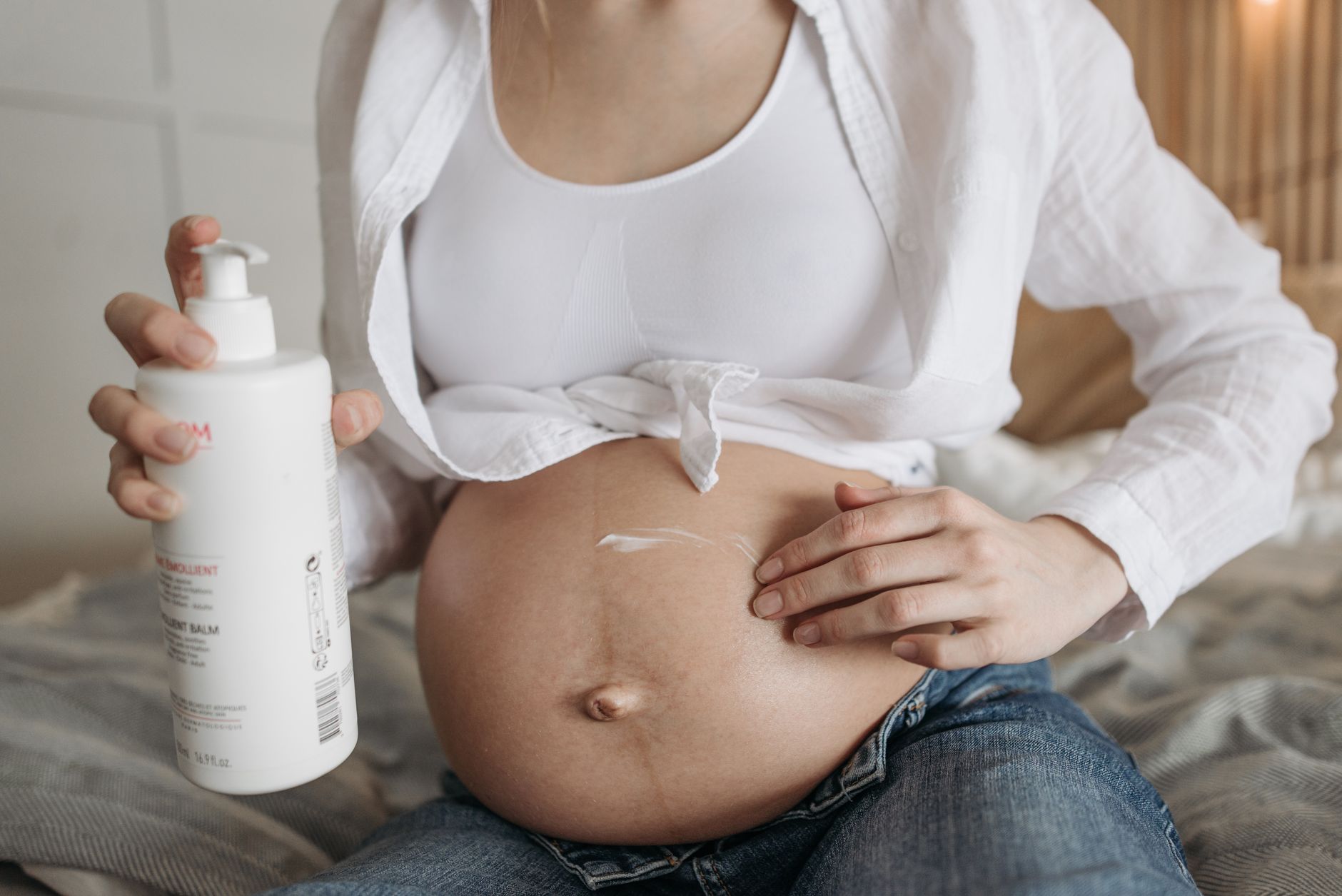
A close-up of a pregnant person’s hands gently applying Vaseline to their belly, with a pregnancy-safe skincare routine in the background including a moisturizer, a soft towel, and a pregnancy journal
Vaseline is a trusted choice for stretch mark prevention—but is it the best option for your skin? Here’s how to use it effectively.
--- ## How to Choose the Right Moisturizer for Your Pregnancy Skin Needs Choosing the right moisturizer depends on your specific skin concerns. Here’s a quick guide: - **For dry skin:** Vaseline, Aquaphor, or Eucerin Advanced Repair Cream. - **For eczema:** Cetaphil or Vanicream, combined with Vaseline as a barrier. - **For stretch marks:** Vaseline, lanolin, or a combination of both. - **For sensitive skin:** Fragrance-free options like CeraVe or Neutrogena Norwegian Formula. - **For chapped lips:** Burt’s Bees Beeswax Lip Balm or Vaseline itself. --- ## Related Items: Safety at a Glance Here’s a quick comparison of other common pregnancy-safe (and unsafe) skin care products: | **Item** | **Verdict** | **Notes** | |-------------------------|---------------------------|-----------------------------------------------------------------------------------------------| | Lanolin | ✅ Generally Safe | Safe for stretch marks and breastfeeding, but patch-test first. | | Shea Butter | ✅ Generally Safe | A natural alternative, but avoid if allergic to nuts (some shea butter is processed with them). | | Coconut Oil | ⚠️ Safe with Limits | Safe in small amounts, but avoid if you’re prone to breakouts or acne. | | Olive Oil | ✅ Generally Safe | Safe for dry skin, but not as occlusive as Vaseline. | | Almond Oil | ✅ Generally Safe | Safe for most, but avoid if allergic to nuts. | | Vitamin E Oil | ⚠️ Safe with Limits | Safe in small amounts, but avoid overuse (can cause irritation). | | Aloe Vera Gel | ✅ Generally Safe | Great for soothing skin, but avoid if you have a latex allergy. | | Calendula Ointment | ✅ Generally Safe | Safe for minor irritations, but avoid if allergic to marigolds. | | Bismuth Subgallate (Kaopectate) | ❌ Best Avoided | Not a skin care product, but included for context—avoid topical use during pregnancy. | | Retinoids (e.g., Tretinoin) | ❌ Best Avoided | Can cause birth defects; avoid during pregnancy and breastfeeding. | --- ## Myth vs. Fact ### Myth: Vaseline can cause birth defects. **Fact:** Vaseline is not absorbed into the body, so it cannot affect fetal development. The FDA and ACOG confirm it’s safe for topical use during pregnancy. ### Myth: You need to use Vaseline every hour to prevent stretch marks. **Fact:** Applying Vaseline 1–2 times daily is sufficient. Overuse isn’t necessary and can lead to greasiness or irritation. ### Myth: Vaseline is unsafe if you’re breastfeeding. **Fact:** Vaseline is safe to use on nipples or breasts while breastfeeding, but avoid overuse if your baby has sensitive skin. ### Myth: All petroleum-based products are unsafe during pregnancy. **Fact:** Only petroleum-based products that are absorbed into the body (like some oral medications) pose risks. Topical petroleum jelly, like Vaseline, is safe because it isn’t absorbed. ### Myth: Vaseline will make your skin oily or clog your pores. **Fact:** While Vaseline can feel heavy, it’s non-comedogenic, meaning it won’t clog pores. However, some people with oily skin may notice breakouts if they overuse it. --- ## Key Takeaways - ✅ **Vaseline is generally safe** for use during pregnancy when applied as directed. - ✅ **Safe for all trimesters** and breastfeeding (with patch-testing for sensitive skin). - ✅ **Effective for stretch marks, dry skin, and eczema** when used consistently. - ⚠️ **Patch-test first** if you have sensitive skin or allergies. - ⚠️ **Avoid overuse**—moderation is key to prevent irritation. - 🔍 **Consider alternatives** like Aquaphor, CeraVe, or lanolin if you prefer different textures or ingredients. - 💡 **Start early** for stretch marks—consistency is key for best results. - 🚨 **Monitor your skin** for any unusual reactions and consult your doctor if needed. --- ## Frequently Asked Questions ### Is Vaseline safe to use during pregnancy? Yes, Vaseline petroleum jelly is safe to use during pregnancy when applied as directed. It’s not absorbed into the body, and the FDA and ACOG confirm its safety for topical use. Just patch-test first if you have sensitive skin. ### Can I use petroleum jelly while pregnant? Absolutely! Petroleum jelly (like Vaseline) is a safe and effective moisturizer for pregnant women. It’s often recommended for dry skin, stretch marks, and minor irritations. ### Does Vaseline cause birth defects? No, Vaseline does not cause birth defects because it isn’t absorbed into the body. It sits on the skin’s surface, so there’s no risk to your baby’s development. ### What is the safest moisturizer for pregnant skin? The safest moisturizers for pregnant skin include Vaseline, Aquaphor, CeraVe, and Eucerin—all fragrance-free and non-comedogenic. Avoid products with added fragrances, dyes, or active ingredients unless approved by your doctor. ### Are there any risks to using Vaseline on a pregnant woman's skin? The only risks are minor irritation or allergic reactions in rare cases. If you develop redness, itching, or a rash, stop use immediately and consult your healthcare provider. ### Can I use Vaseline to prevent stretch marks during pregnancy? Yes, Vaseline is one of the best ways to prevent stretch marks! Apply it daily to areas prone to stretching, like your belly, breasts, and hips, for the best results. ### Is it safe to apply Vaseline to the belly during pregnancy? Yes, it’s safe to apply Vaseline to your belly during pregnancy. In fact, it’s a great way to keep your skin hydrated and reduce the appearance of stretch marks. ### What alternatives to Vaseline are safe for pregnant women? Safe alternatives include Aquaphor, CeraVe, Eucerin, Cetaphil, Aveeno, Burt’s Bees Beeswax Lip Balm, and Neutrogena Norwegian Formula Hand Cream—all fragrance-free and non-comedogenic. ### What if I’ve already used Vaseline before I knew I was pregnant? No need to worry! Since Vaseline is not absorbed into the body, it poses no risk to your baby. However, if you’ve developed any skin irritation, monitor your skin and consult your doctor if needed. ### How often should I apply Vaseline during pregnancy? Apply Vaseline 1–2 times daily for general skin hydration and stretch mark prevention. Consistency is key, but overuse isn’t necessary. --- ## When to Call Your Doctor While Vaseline is generally safe, contact your healthcare provider if you experience any of the following: - **Severe redness, swelling, or hives** after applying Vaseline (signs of an allergic reaction). - **Persistent itching, burning, or pain** in the area where you applied it. - **Signs of infection**, such as pus, increased pain, or spreading redness. - **Unusual skin changes**, like peeling or blistering, that don’t improve with stopping use. - **Any concerns about your skin health** or how Vaseline is affecting you. If you’re unsure whether Vaseline is right for your skin or have a pre-existing skin condition (like severe eczema or psoriasis), ask your doctor for personalized advice. --- ## References 1. ACOG Practice Bulletin: Care of the Common Hypertensive Disorders in Pregnancy (2019). 2. FDA: Cosmetic Ingredients (2023). 3. NHS: Pregnancy and Skin Changes (2023). 4. WHO: Pregnancy and Childbirth (2023). 5. CDC: Skin Changes During Pregnancy (2023). 6. AAD: Skin Care During Pregnancy (2023). 7. Mayo Clinic: Pregnancy-Safe Moisturizers (2023). 8. Healthline: Is Vaseline Safe During Pregnancy? (2023).

Editor's pick for this topic

Not sure about the label on Is Vaseline Petroleum Jelly Safe During Pregnancy products?

Snap the ingredients list and SafeFilter checks every ingredient for your stage — only 3 free scans this month, then you're locked until reset. Unlimited from $7/mo or $50/yr.

Informational only — not medical advice.

Shubhra Mishra

About the Author

When Shubhra Mishra was expecting her first child in 2016, she was overwhelmed by conflicting food advice — one site said yes, another said never. By the time her second baby arrived in 2019, she realized millions of mothers face the same confusion.

That sparked a five-year journey through clinical nutrition papers, cultural diets, and expert conversations — all leading to BumpBites: a calm, compassionate space where science meets everyday motherhood.

Her long-term vision is to build a global community ensuring safe, supported, and free deliveriesfor every mother — because no woman should face pregnancy alone or uninformed. 🌿

🌍 Stand with mothers, shape safer guidance

Join a small circle of experts who review BumpBites articles so expecting parents everywhere can decide with confidence.

⚠️ Always consult your doctor for medical advice. This content is informational only.

Recommended picks

Ritual Ritual Essential Prenatal

Prenatal pick

Ritual — Ritual Essential Prenatal

Choline + DHA + folate from methylfolate (not synthetic).

$39Check prenatal →
Nordic Naturals Nordic Naturals Prenatal DHA (Strawberry Softgels)

Prenatal pick

Nordic Naturals — Nordic Naturals Prenatal DHA (Strawberry Softgels)

Premium fish-oil DHA in strawberry softgels — gentle on the stomach.

$55Check prenatal →