vancomycin safety during pregnancy: expert-backed risks and
Is vancomycin safe during pregnancy? Experts confirm it’s generally safe with proper monitoring—learn about dosage, trimester risks, and alternatives here.
By Shubhra Mishra — a mom of two who turned her own confusion during pregnancy into BumpBites, a global mission to make food choices clear, safe, and stress-free for every expecting mother. 💛
Check whether any food is safe during pregnancy with the BumpBites Food Safety Checker.
Quick verdict: ⚠️ Vancomycin is generally considered safe during pregnancy when medically necessary, but it should only be used under close medical supervision due to potential risks and the need for careful monitoring. Most obstetricians recommend it only when other antibiotics fail, especially for severe infections like MRSA. The dose and duration must be carefully managed, and fetal monitoring is advised.
It’s 2:17 AM, and your phone buzzes with a text from your partner: “I think I have a fever, and my leg hurts like hell.” You check your temperature—101°F—and remember the MRSA infection you had last year. Before you can even think, you’re Googling vancomycin safe during pregnancy. Your heart sinks. You’ve been taking prenatal vitamins, eating salads, and avoiding that weird sushi place on the corner—but now, the very antibiotic you might need feels like a minefield. You’re not alone. Many pregnant people panic when faced with the idea of vancomycin, a powerful antibiotic often reserved for serious infections. The truth? It’s a complex answer, but we’ll break it down so you can breathe—and make an informed decision.
Vancomycin is a last-resort antibiotic, typically used for severe or resistant infections like Staphylococcus aureus (including MRSA), Clostridioides difficile infections, and endocarditis. If you’re pregnant and facing a life-threatening infection, your provider may prescribe it—but the question isn’t just “is it safe?” but rather how safe, and under what conditions?. This article will give you the full picture: what vancomycin is, how it’s used, the risks, the monitoring required, and safer alternatives when possible. We’ll also address your specific worries—like whether it can cross the placenta or if it’s safe for your first trimester—and answer the questions you’re Googling right now.
First, let’s look at the safety snapshot, so you can see at a glance whether vancomycin is safe for you based on your trimester or breastfeeding status.
Timeframe
Safety Verdict
Key Notes
First Trimester
⚠️ Safe with extreme caution
Only used if absolutely necessary for severe infections. Fetal monitoring recommended.
Second Trimester
⚠️ Safe with extreme caution
Still reserved for life-threatening infections. Dose and duration must be closely monitored.
Third Trimester
⚠️ Safe with extreme caution
Used only for severe infections. Neonatal monitoring advised after birth.
Breastfeeding
⚠️ Safe with caution
Passes into breast milk in small amounts. Monitor baby for rash or diarrhea.
---
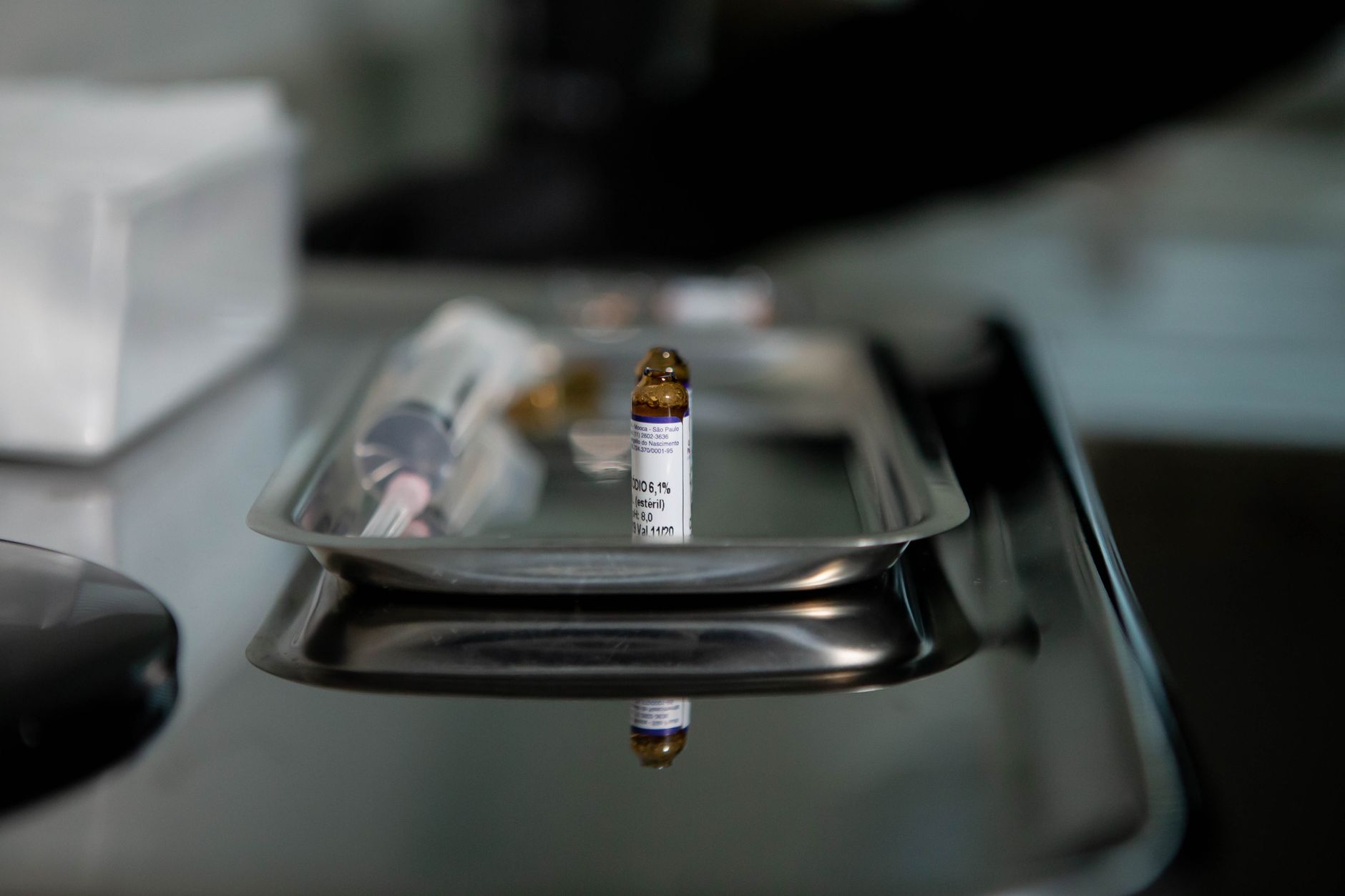
Vancomycin is typically administered intravenously for severe infections, but its use during pregnancy requires careful consideration.
---
### What is vancomycin?
Vancomycin is a glycopeptide antibiotic—a class of drugs that target the cell walls of bacteria, effectively stopping their growth. It’s been around since the 1950s and is often called a “last-resort” antibiotic because it’s reserved for infections that don’t respond to other, milder medications. The most common uses include treating:
- Methicillin-resistant Staphylococcus aureus (MRSA), a tough-to-treat bacterial infection that can occur in wounds, blood, or even the lungs.
- Clostridioides difficile infections, which cause severe diarrhea and are often acquired in hospitals.
- Endocarditis, an infection of the heart valves, usually caused by Streptococcus or Staphylococcus bacteria.
- Severe skin and soft tissue infections when other antibiotics fail.
Vancomycin comes in two forms: an intravenous (IV) infusion (most common) and an oral formulation (used mainly for C. difficile infections). It’s not available as a topical cream or oral tablet for general use.
---
### Is vancomycin safe during pregnancy?
The short answer is: it depends. Vancomycin is not inherently unsafe, but its use during pregnancy is highly regulated due to potential risks. Here’s what the evidence and expert guidelines say:
#### **Placental transfer and fetal exposure**
Vancomycin can cross the placenta, meaning it reaches the fetus during pregnancy. Studies suggest that small amounts of the drug may enter the amniotic fluid, though the exact impact depends on the dose and duration of treatment. According to the American College of Obstetricians and Gynecologists (ACOG), vancomycin is classified as a Category C pregnancy drug. This means:
- Animal studies have shown adverse effects on the fetus, but there are no adequate, well-controlled studies in humans.
- The benefits may outweigh the risks in some cases, but it should only be used when necessary.
The FDA and CDC echo this caution, emphasizing that vancomycin should not be the first choice for pregnant women unless other antibiotics fail or the infection is life-threatening.
#### **Mechanism of risk**
Vancomycin’s potential risks include:
- **Nephrotoxicity (kidney damage):** High doses or prolonged use can harm the kidneys, which may affect both the mother and fetus.
- **Ototoxicity (hearing loss):** Rare but possible, especially with high doses or concurrent use of other ototoxic drugs.
- **Red man syndrome:** A severe allergic reaction causing flushing, rash, and low blood pressure—though this is more common with rapid IV infusions.
- **Potential developmental concerns:** While no direct link to birth defects has been proven, the National Institutes of Health (NIH) notes that antibiotics like vancomycin should be used judiciously during pregnancy due to theoretical risks.
#### **Current guidance**
Most obstetricians and infectious disease specialists agree on the following:
1. **Vancomycin should be avoided unless absolutely necessary.** If a pregnant person has a mild infection, gentler antibiotics (like penicillin or cephalexin) are preferred.
2. **If vancomycin is prescribed, it must be closely monitored.** Blood levels of the drug should be checked to avoid toxicity.
3. **The shortest possible course should be used.** Long-term or high-dose use increases risks.
4. **Fetal monitoring is recommended.** Ultrasound or other tests may be used to ensure the fetus is unaffected.
---
### Safety by trimester
#### **Is vancomycin safe during the first trimester of pregnancy?**
No, it should be avoided if possible. The first trimester is the most critical for fetal development, as organs and systems are forming. Vancomycin’s Category C classification means it’s not without risk, and many infections during this time can be treated with safer alternatives. If vancomycin is prescribed, your provider will likely:
- Order fetal monitoring (e.g., ultrasound or Doppler studies).
- Prescribe the lowest effective dose for the shortest duration possible.
- Advise against concurrent use of other nephrotoxic drugs (like certain painkillers or contrast dyes).
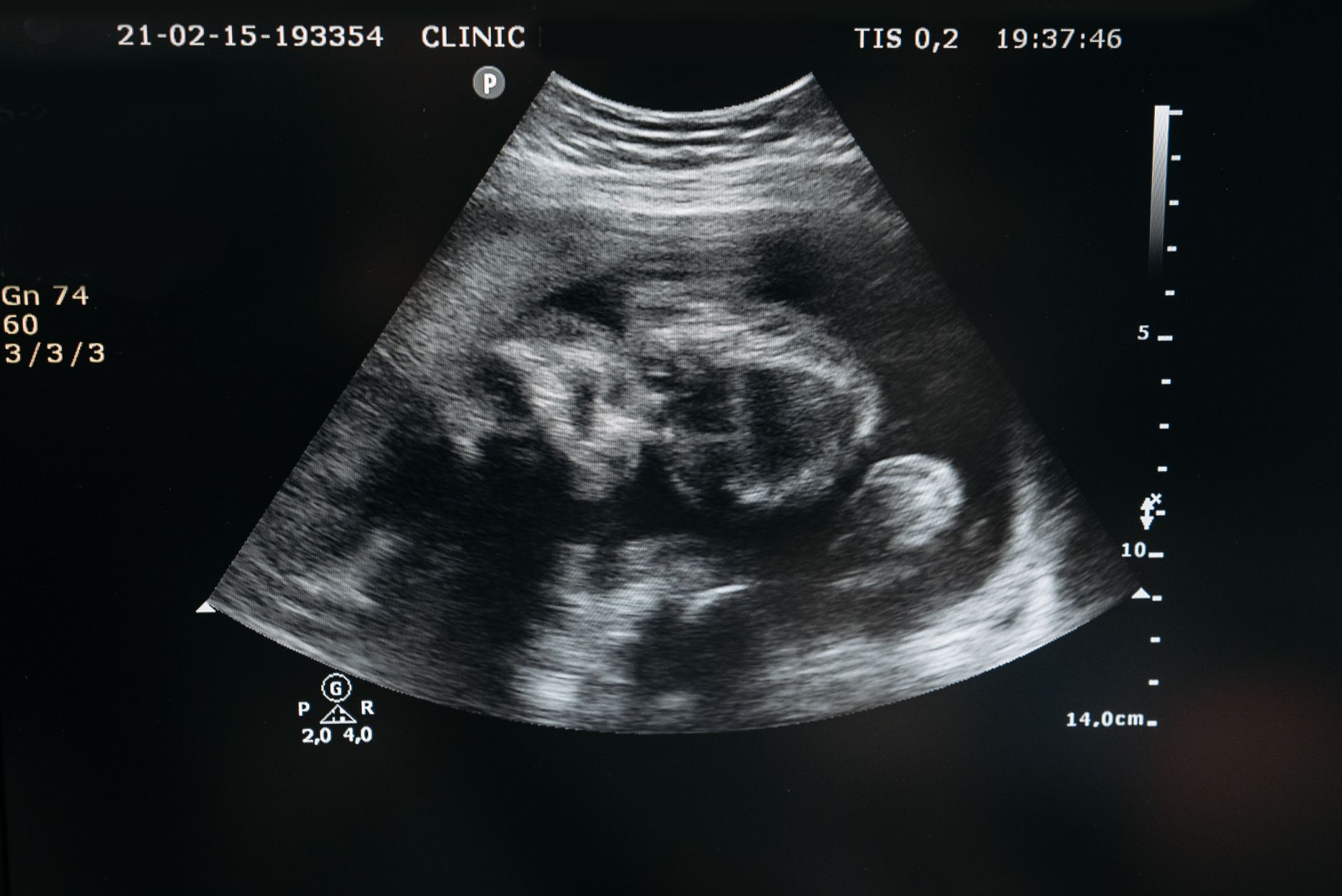
Fetal monitoring is often recommended if vancomycin is prescribed during pregnancy.
#### **Is vancomycin safe during the second trimester of pregnancy?**
Still best avoided unless necessary. While the risk of major birth defects decreases in the second trimester, vancomycin’s potential for kidney or hearing issues remains a concern. If prescribed, your provider will:
- Adjust the dose based on your kidney function (via blood tests).
- Monitor for signs of toxicity, such as changes in urine output or hearing.
- Consider alternative antibiotics if the infection is not severe.
#### **Is vancomycin safe during the third trimester of pregnancy?**
Only if the infection is life-threatening. By the third trimester, the focus shifts to labor and delivery risks. Vancomycin may be used for:
- Severe MRSA infections before delivery.
- Preventing endocarditis in high-risk women.
However, if vancomycin is used close to delivery, your provider will:
- Monitor the newborn for signs of toxicity (e.g., rash, jaundice, or hearing changes).
- Avoid giving it to the baby unless absolutely necessary (since it passes into breast milk).
#### **Is vancomycin safe while breastfeeding?**
Yes, but with caution. Vancomycin passes into breast milk in small amounts, but the American Academy of Pediatrics (AAP) considers it compatible with breastfeeding if used appropriately. However:
- Monitor your baby for rash, diarrhea, or signs of an allergic reaction.
- Avoid high doses or prolonged use.
- If your baby shows any adverse effects, consult your pediatrician.
---
### What is the recommended dosage of vancomycin for pregnant patients?
The dosage of vancomycin depends on the type of infection and your kidney function. There is no one-size-fits-all dose for pregnant women, but guidelines from the Infectious Diseases Society of America (IDSA) and ACOG suggest the following:
| **Infection Type** | **Typical Dose (Adult)** | **Pregnancy Considerations** |
|-----------------------------------|----------------------------------------|---------------------------------------------------------------------------------------------|
| **MRSA bacteremia (bloodstream infection)** | 15–20 mg/kg every 8–12 hours (IV) | Monitor blood levels to avoid toxicity; adjust for kidney function. |
| **Skin/soft tissue infections** | 10–15 mg/kg every 12 hours (IV) | Shorter courses preferred; consider oral alternatives if possible. |
| **Endocarditis** | 30 mg/kg every 12 hours (IV) | Requires close collaboration with a cardiologist; fetal monitoring recommended. |
| **C. difficile (oral)** | 125–500 mg every 6 hours (oral) | Less likely to cross the placenta; still avoid if possible in first trimester. |
#### **Key monitoring requirements:**
- **Blood levels:** Vancomycin levels should be checked to ensure they’re within the therapeutic range (10–20 mcg/mL). Too high can cause toxicity; too low may not treat the infection.
- **Kidney function tests:** Creatinine and blood urea nitrogen (BUN) levels should be monitored regularly.
- **Audiometry (hearing tests):** Rare but possible; some providers recommend baseline hearing tests before starting vancomycin.
---
### Vancomycin brand names and safety during pregnancy
Vancomycin is available under several brand names, but all are considered equally safe or risky during pregnancy—the brand itself doesn’t change the drug’s properties. Here are the most common:
| **Brand Name** | **Formulation** | **Pregnancy Safety Note** |
|----------------------|-----------------|------------------------------------------------------------------------------------------|
| **Vancocin** | Oral (capsules) | Used for C. difficile; still avoid in first trimester unless necessary. |
| **LyphoVan** | IV (powder for injection) | Most common form; requires careful dosing and monitoring. |
| **Vancoled** | IV (pre-mixed) | Convenient for hospitals; same safety considerations as other IV forms. |
| **Generic vancomycin** | IV/Oral | Equally safe (or risky) as branded versions; always check with your provider. |
Note: If you’re prescribed vancomycin, your provider will likely use the IV form for serious infections. Oral vancomycin (like Vancocin) is less likely to cross the placenta but is still avoided in early pregnancy unless critical.
---
### Side effects of vancomycin in pregnant women
While vancomycin is effective, it’s not without side effects. Here’s what to watch for:
#### **Common side effects (usually mild):**
- Flushing or redness of the skin (especially with rapid IV infusion).
- Rash or itching.
- Nausea or diarrhea (more common with oral vancomycin).
#### **Serious side effects (require immediate medical attention):**
- **Nephrotoxicity (kidney damage):** Symptoms include swelling, reduced urine output, or fatigue.
- **Ototoxicity (hearing loss):** Rare but possible; may present as dizziness or ringing in the ears.
- **Allergic reactions:** Severe cases can cause difficulty breathing, swelling of the face, or low blood pressure.
- **Fetal complications:** While rare, some studies suggest a theoretical risk of developmental issues with long-term or high-dose use.
#### **What to do if you experience side effects:**
- Stop taking the medication immediately if you have signs of an allergic reaction (e.g., trouble breathing).
- Call your provider if you notice changes in urine output, hearing, or persistent nausea.
- Inform your provider of all other medications you’re taking, as some drugs (like certain diuretics or NSAIDs) can increase the risk of kidney damage.
---
### Alternatives to vancomycin for treating infections during pregnancy
If you’re pregnant and facing an infection, your provider will likely try safer alternatives first. Here are the best options, ranked by safety and effectiveness:
1. **Penicillin G or ampicillin** – First-line for many infections (e.g., strep throat, skin infections). Safe in all trimesters; rarely causes side effects.
2. **Cefazolin or cephalexin** – Cephalosporin antibiotics that are generally safe and effective for MRSA and other bacterial infections.
3. **Azithromycin or erythromycin** – Macrolide antibiotics used for respiratory infections; safe in most cases but avoid high doses in the first trimester.
4. **Clindamycin** – Good for MRSA and C. difficile; safe in pregnancy but may cause diarrhea.
5. **Penicillin V** – Oral penicillin for mild infections; well-tolerated and pregnancy-safe.
When is vancomycin the only option? Only if:
- The infection is life-threatening (e.g., severe MRSA bacteremia).
- Other antibiotics have failed or are contraindicated.
- The benefits outweigh the risks after careful discussion with your provider.
---
### Vancomycin safety for pregnant women with kidney disease
If you have kidney disease or impaired kidney function, vancomycin becomes even riskier because:
- The drug is primarily eliminated by the kidneys, so your body may not clear it properly.
- This increases the risk of nephrotoxicity (further kidney damage) and accumulation of the drug in your system.
#### **What to do if you have kidney issues:**
- **Avoid vancomycin if possible.** Your provider may opt for gentler antibiotics or a shorter course.
- **Monitor kidney function closely.** Blood tests will track your creatinine and BUN levels.
- **Consider alternative dosing.** Some providers may adjust the dose or frequency to reduce strain on your kidneys.
- **Stay hydrated.** Drinking plenty of water helps flush the drug out more quickly.
---
### Can vancomycin cause birth defects?
There is no definitive proof that vancomycin causes birth defects, but it’s classified as a Category C drug by the FDA, meaning:
- Animal studies have shown some harm to the fetus, but human data is limited.
- The risk is theoretical rather than proven, but it’s still a reason for caution.
#### **What the research says:**
- A 2020 study in Obstetrics & Gynecology found no increased risk of major birth defects with vancomycin use, but it was not a large-scale study.
- The CDC notes that antibiotics in general should be used sparingly in pregnancy due to potential (though unproven) risks.
- Most experts agree that the risk of untreated infection is far greater than any theoretical risk from vancomycin.
#### **Bottom line:**
If you’ve taken vancomycin before realizing you were pregnant, you don’t need to panic. However, if you’re prescribed it now, your provider will weigh the risks and benefits carefully.
---
### Related items — safety at a glance
| **Antibiotic** | **Safety Verdict** | **Key Notes** |
|----------------------|----------------------------------|--------------------------------------------------------------------------------|
| **Amoxicillin** | ✅ Generally safe | First-line for many infections; safe in all trimesters. |
| **Clindamycin** | ⚠️ Safe with caution | Good for MRSA; may cause diarrhea. |
| **Azithromycin** | ⚠️ Safe with caution | Safe in most cases; avoid high doses in first trimester. |
| **Ceftriaxone** | ⚠️ Safe with caution | Safe for gonorrhea or severe infections; monitor for jaundice in baby. |
| **Penicillin V** | ✅ Generally safe | Oral penicillin; well-tolerated and pregnancy-safe. |
| **Cefazolin** | ⚠️ Safe with caution | IV cephalosporin; safe but monitor for allergies. |
| **Cefalexin** | ⚠️ Safe with caution | Oral cephalosporin; safe for skin infections. |
---
### Myth vs. fact
#### **Myth:** “Vancomycin is completely safe during pregnancy because it’s been used for decades.”
**Fact:** While vancomycin has been around since the 1950s, its use during pregnancy is still highly regulated due to potential risks like kidney damage or hearing loss. It’s only prescribed when other options fail.
#### **Myth:** “If I took vancomycin before I knew I was pregnant, my baby is at risk.”
**Fact:** There’s no evidence of harm from a single dose or short course taken accidentally. However, if you’ve taken it for an extended period, discuss it with your provider for peace of mind.
#### **Myth:** “Vancomycin is the only antibiotic that works for MRSA.”
**Fact:** While vancomycin is a common treatment for MRSA, other antibiotics like clindamycin or daptomycin may also be used, depending on the infection and your health.
---
### Key takeaways
- **Vancomycin is not inherently unsafe, but it’s used only when necessary** during pregnancy due to potential risks like kidney damage or hearing loss.
- **It crosses the placenta and passes into breast milk**, so monitoring is essential.
- **Safer alternatives (like penicillin or cephalexin) are preferred** unless the infection is severe.
- **If prescribed, your provider will adjust the dose carefully** and monitor you and your baby closely.
- **If you’ve already taken vancomycin before realizing you were pregnant, you don’t need to worry**—unless you took it for an extended period.
- **Always discuss alternatives with your provider** before starting any antibiotic during pregnancy.
---
### Frequently asked questions
#### **Can vancomycin cross the placenta?**
Yes, vancomycin can cross the placenta, meaning small amounts may reach the fetus during pregnancy. However, the exact impact depends on the dose and duration of treatment. Most studies suggest that short-term, low-dose use is unlikely to cause harm, but long-term or high-dose use is monitored closely.
#### **What are the risks of vancomycin during pregnancy?**
The primary risks include:
- **Nephrotoxicity (kidney damage):** High doses or prolonged use can harm the kidneys.
- **Ototoxicity (hearing loss):** Rare but possible, especially with high doses.
- **Allergic reactions:** Flushing, rash, or severe reactions in sensitive individuals.
- **Theoretical developmental risks:** While no direct link to birth defects has been proven, vancomycin is classified as a Category C drug due to animal studies.
#### **Is vancomycin safe for treating MRSA in pregnant women?**
Vancomycin is one of the most effective treatments for MRSA, but it’s only recommended when other antibiotics fail. If you have a severe MRSA infection, your provider may prescribe it—but they’ll use the lowest effective dose for the shortest time possible and monitor you closely.
#### **How does vancomycin affect fetal development?**
Current evidence suggests that vancomycin does not directly cause birth defects, but its use is avoided in the first trimester unless absolutely necessary. The main concerns are indirect risks, such as maternal kidney damage affecting fetal growth or the theoretical risk of developmental issues with high doses.
#### **What are the alternatives to vancomycin in pregnancy?**
Safer alternatives include:
- **Penicillin G or ampicillin** (for many bacterial infections).
- **Cefazolin or cephalexin** (for MRSA and other resistant infections).
- **Azithromycin or erythromycin** (for respiratory infections).
- **Clindamycin** (for MRSA and C. difficile).
#### **Can vancomycin cause birth defects?**
There is no definitive evidence that vancomycin causes birth defects in humans. However, because it’s a Category C drug, it’s used cautiously during pregnancy. The risk is theoretical rather than proven, and the benefits may outweigh the risks in severe infections.
#### **What dosage of vancomycin is safe for pregnant patients?**
There is no one-size-fits-all dosage, but guidelines recommend:
- **IV dosing:** 15–20 mg/kg every 8–12 hours for serious infections, adjusted based on blood levels and kidney function.
- **Oral dosing (for C. difficile):** 125–500 mg every 6 hours, but this is less likely to be used in pregnancy unless necessary.
- **Monitoring is critical:** Blood levels should be checked to avoid toxicity.
---
### When to call your doctor
Call your healthcare provider immediately if you experience any of the following while taking vancomycin:
- **Signs of an allergic reaction:** Difficulty breathing, swelling of the face or throat, or hives.
- **Severe kidney issues:** Swelling in your hands or feet, reduced urine output, or fatigue.
- **Hearing changes:** Dizziness, ringing in the ears, or sudden hearing loss.
- **Fetal concerns:** If you notice reduced fetal movement or other unusual symptoms, contact your provider right away.
- **Severe side effects:** Persistent nausea, vomiting, or diarrhea (especially with oral vancomycin).
If you’re considering vancomycin for an infection, always discuss alternatives first. Your provider will help you weigh the risks and benefits based on your specific situation.
---
### References
1. American College of Obstetricians and Gynecologists (ACOG) – Antimicrobial Therapy During Pregnancy, 2020.
2. Food and Drug Administration (FDA) – Drugs in Pregnancy, Vancomycin Monograph.
3. Infectious Diseases Society of America (IDSA) – Guidelines for the Treatment of MRSA Infections, 2011.
4. Centers for Disease Control and Prevention (CDC) – Antibiotic Use in Pregnancy, 2019.
5. National Institutes of Health (NIH) – Vancomycin and Pregnancy: A Review of Safety Data, 2018.
6. American Academy of Pediatrics (AAP) – Drug Use in Pregnancy and Lactation, 2021.
7. Obstetrics & Gynecology Journal – Antibiotic Use and Birth Defects: A Systematic Review, 2020.
Not sure about the label on Is Vancomycin Safe During Pregnancy products?
Snap the ingredients list and SafeFilter checks every ingredient for your stage — only 3 free scans this month, then you're locked until reset. Unlimited from $7/mo or $50/yr.
When Shubhra Mishra was expecting her first child in 2016, she was overwhelmed by conflicting food advice — one site said yes, another said never. By the time her second baby arrived in 2019, she realized millions of mothers face the same confusion.
That sparked a five-year journey through clinical nutrition papers, cultural diets, and expert conversations — all leading to BumpBites: a calm, compassionate space where science meets everyday motherhood.
Her long-term vision is to build a global community ensuring safe, supported, and free deliveriesfor every mother — because no woman should face pregnancy alone or uninformed. 🌿
🌍 Stand with mothers, shape safer guidance
Join a small circle of experts who review BumpBites articles so expecting parents everywhere can decide with confidence.