Toxoplasma from soil is safe during pregnancy if proper precautions are taken—learn about first-trimester risks, hygiene tips, and alternatives to avoid
By Shubhra Mishra — a mom of two who turned her own confusion during pregnancy into BumpBites, a global mission to make food choices clear, safe, and stress-free for every expecting mother. 💛
Check whether any food is safe during pregnancy with the BumpBites Food Safety Checker.
Quick verdict: ⚠️ Toxoplasma from soil is not safe to avoid entirely, but you can drastically reduce risk with hygiene and precautions. While most pregnant women don’t get toxoplasmosis from soil, exposure can lead to severe complications like miscarriage or birth defects if contracted during pregnancy. The American College of Obstetricians and Gynecologists (ACOG) advises minimizing risk through gloves, handwashing, and avoiding contaminated soil.
You’re kneeling in your garden, hands buried in rich, dark soil, when a sudden thought stops you mid-row: is toxoplasma from soil safe during pregnancy? Maybe you’ve just found out you’re expecting and now every patch of earth feels like a minefield. Or perhaps you’ve already had a little contact with soil—maybe you touched your cat’s litter box or ate a salad grown in your own backyard—and now your mind’s racing with worst-case scenarios. The truth is, toxoplasma from soil isn’t something to panic over if you take the right precautions, but it’s also not something to ignore. The risk isn’t zero, but it’s preventable.
Toxoplasmosis from soil is one of those pregnancy concerns that feels vague but carries real stakes. You’ve heard of toxoplasmosis before—likely tied to undercooked meat or cat litter—but soil? That’s the wild card. The good news is that with the right knowledge, you can garden, tend to plants, and even enjoy outdoor activities without putting yourself or your baby at unnecessary risk. In this guide, we’ll break down exactly what toxoplasma in soil is, how risky it actually is during pregnancy, and most importantly, how to keep both of you safe while still enjoying the joys of the outdoors.
We’ll start with a quick safety snapshot so you can see at a glance whether soil exposure is safe in your current trimester. Then, we’ll dive into the science behind toxoplasmosis, explain how it spreads through soil, and give you clear, actionable steps to minimize risk. You’ll also find safer alternatives to soil exposure, a comparison of other toxoplasma risks, and answers to the most pressing questions—like whether gardening gloves really work or what to do if you suspect exposure. By the end, you’ll know exactly how to proceed, whether you’re already pregnant or planning for the future.
Trimester / Situation
Safety Verdict
Notes
First Trimester
⚠️ Safe with precautions
Highest risk window for birth defects if toxoplasmosis occurs. Avoid direct contact with soil, use gloves, and wash hands thoroughly.
Second Trimester
⚠️ Safe with precautions
Risk remains but fetal organs are more developed. Same precautions apply—gloves, handwashing, and avoiding contaminated soil.
Third Trimester
⚠️ Safe with precautions
Risk of transmission to baby is lower, but still possible. Continue hygiene practices and avoid high-risk activities like digging in unknown soil.
Breastfeeding
✅ Generally safe with precautions
Toxoplasma can pass through breast milk, but risk is low if precautions were followed during pregnancy. Continue handwashing and hygiene.
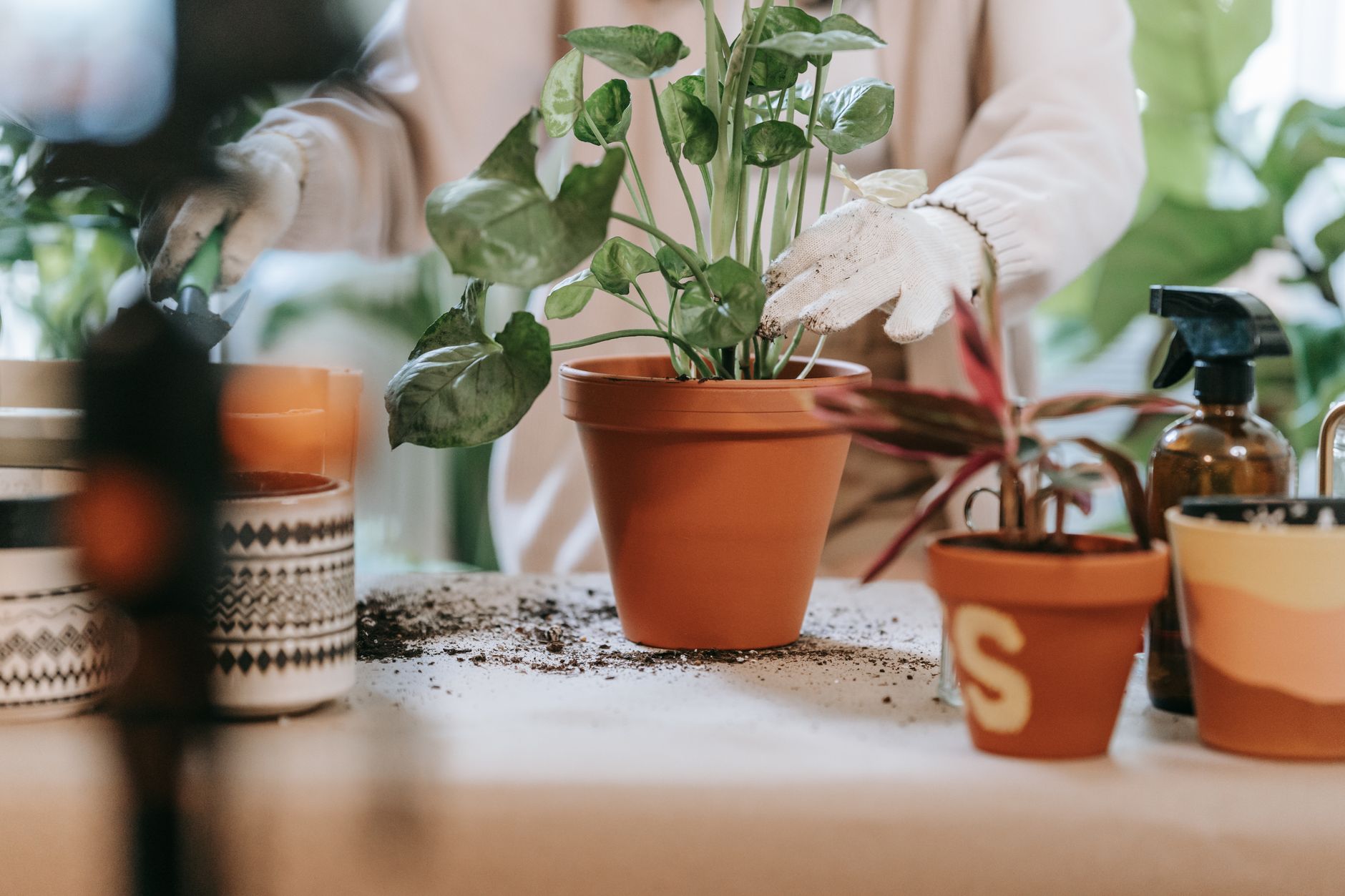
Gardening gloves are your first line of defense against toxoplasma from soil.
---
What is toxoplasma from soil?
Toxoplasmosis is an infection caused by the Toxoplasma gondii parasite, which can live in soil, undercooked meat, and the feces of infected animals like cats. When it comes to soil, the parasite’s oocysts—tiny, resistant eggs—can survive for months or even years in the right conditions. These oocysts are invisible to the naked eye, making them hard to detect until it’s too late.
So how does toxoplasma from soil get into your body? It’s usually through accidental ingestion. This can happen if you:
Touch contaminated soil and then put your hands in your mouth, eat, or touch your face
Eat raw vegetables or fruits grown in contaminated soil without washing them properly
Work with soil in your garden without gloves or proper hygiene
Walk barefoot in areas where cats have defecated (like community gardens or petting zoos)
Most healthy adults who contract toxoplasmosis don’t even realize they’re infected—their immune system fights it off without symptoms. But for pregnant women, the stakes are much higher. If toxoplasmosis is contracted during pregnancy, it can cross the placenta and infect the developing baby, potentially causing severe complications like miscarriage, stillbirth, or congenital toxoplasmosis—a rare but serious condition that can lead to developmental delays, vision or hearing problems, or even death in severe cases.
The Centers for Disease Control and Prevention (CDC) estimates that about 1 in 3 people in the U States have been exposed to toxoplasmosis at some point in their lives, but only about 1 in 1,000 pregnant women become infected each year. This means the risk is relatively low, but it’s not zero—and that’s why precautions matter.
---
Is toxoplasma from soil safe during pregnancy?
The short answer is that toxoplasma from soil is not safe to ignore during pregnancy, but it’s also not an automatic dealbreaker if you take the right steps. The American College of Obstetricians and Gynecologists (ACOG) and the CDC both classify toxoplasmosis as a preventable risk for pregnant women, emphasizing that the majority of infections can be avoided with simple hygiene practices. The key is understanding how the parasite spreads and how to break that chain of transmission.
Unlike some pregnancy risks, toxoplasmosis from soil isn’t about occasional exposure—it’s about cumulative risk. The parasite thrives in warm, moist soil, particularly in areas where cats roam freely (like community gardens, petting zoos, or even your own backyard if you have outdoor cats). The risk isn’t just from gardening; it’s also from activities like hiking, playing in the park, or even touching soil in public spaces where cats might have left their mark.
The good news is that toxoplasma oocysts are killed by heat, so cooking food thoroughly and washing produce thoroughly removes the risk. For soil, the solution is hygiene: gloves, handwashing, and avoiding direct contact with potentially contaminated soil. The National Health Service (NHS) in the UK recommends that pregnant women avoid gardening with bare hands and opt for disposable gloves instead. While this might seem like overkill, it’s a small trade-off for the peace of mind that comes with knowing you’ve minimized risk.
One common misconception is that toxoplasmosis only comes from cats. While cats are the definitive hosts (they excrete the parasite in their feces), the oocysts can contaminate soil and remain infectious for weeks. This means that even if you don’t have cats, you can still encounter toxoplasma in soil. The CDC notes that soil contamination is a significant source of infection, especially in areas with high cat populations or where litter boxes aren’t cleaned regularly.
Another point of confusion is whether all soil is equally risky. The truth is that some soils are more likely to be contaminated than others. For example:
Compost piles made from cat litter or cat feces are high-risk areas.
Community gardens or public parks where multiple people’s cats roam are higher-risk than private backyards.
Potting soil purchased from stores can sometimes be contaminated if it hasn’t been properly sterilized.
Soil from petting zoos or animal shelters is particularly risky due to the high density of animals.
If you’re concerned about the soil in your own garden, you can take additional steps like using soil sterilization sprays or opting for pre-washed, commercially grown produce to avoid homegrown risks entirely.
---
Is toxoplasma from soil safe during pregnancy in the first trimester?
The first trimester is the most critical period for preventing toxoplasmosis during pregnancy because this is when the baby’s organs are forming. If toxoplasma crosses the placenta during this time, it can cause severe birth defects, including damage to the brain, eyes, or other organs. The CDC and ACOG both recommend minimizing all unnecessary risks during the first trimester, including exposure to toxoplasma from soil.
During this phase, your precautions should be extra vigilant:
Wear gloves whenever you handle soil, whether you’re gardening, potting plants, or even just touching dirt in the yard.
Avoid digging or disturbing soil unnecessarily. If you must do yard work, use a shovel or tool to minimize direct contact.
Wash your hands thoroughly with soap and water for at least 20 seconds after any outdoor activity, even if you wore gloves.
Avoid eating or drinking while gardening or handling soil.
Wash all fresh produce from your garden (or any garden) with running water before eating.
If you’re worried about your garden soil specifically, you can have it tested for toxoplasma. Some laboratories offer soil testing for parasites, though results may take time. Alternatively, you can opt for pre-washed salad greens or other produce grown in controlled environments to avoid homegrown risks entirely.
It’s also worth noting that if you have outdoor cats, their litter boxes should be cleaned daily to prevent oocysts from accumulating in the soil. If you’re unsure whether your cats are shedding the parasite, a quick vet visit can provide peace of mind—most cats are exposed to toxoplasma at some point but don’t show symptoms.
---
Is toxoplasma from soil safe during pregnancy in the second trimester?
While the risk of toxoplasmosis during the second trimester is slightly lower than in the first (since the baby’s organs are more developed), it’s still not zero. The CDC reports that infections during the second trimester can still lead to complications, though they may be less severe than those that occur in the first trimester. That said, the precautions you take in the second trimester should be just as thorough.
During this time, you might feel more comfortable with outdoor activities, but it’s important to maintain your hygiene practices:
Continue wearing gloves for all soil-related tasks, including gardening, potting plants, or even just touching dirt in the yard.
Be cautious with compost—if you’re making your own, avoid handling it with bare hands, and consider using gloves or a composting system that minimizes direct contact.
Wash your hands after any outdoor activity, even if you wore gloves. Gloves can tear, and soil can get on your skin.
Avoid high-risk areas like petting zoos, community gardens, or public parks where cats frequently defecate.
If you’re planning a trip to a farm, petting zoo, or even a friend’s backyard with cats, take extra precautions. The NHS advises pregnant women to avoid these environments entirely if possible, but if you must visit, wear gloves and wash your hands immediately afterward.
Another consideration during the second trimester is whether you should continue gardening. If you enjoy it, there’s no need to stop—just follow the precautions above. However, if you’re uncomfortable, you can always delegate gardening tasks to a partner, family member, or hire a gardener to handle the soil work.
---
Is toxoplasma from soil safe during pregnancy in the third trimester?
By the third trimester, the risk of toxoplasmosis causing severe complications is even lower, but it’s still not zero. The baby’s immune system is developing, and while the placenta provides some protection, it’s not foolproof. The CDC notes that infections during the third trimester can still lead to complications, though they may be less severe than those that occur earlier in pregnancy.
Your precautions during the third trimester should remain consistent with those in the first and second trimesters:
Keep wearing gloves for all soil-related tasks, including gardening, potting plants, or even just touching dirt in the yard.
Avoid eating or drinking while gardening or handling soil.
Wash your hands thoroughly after any outdoor activity, even if you wore gloves.
Be cautious with compost and other soil-related activities that might involve bare-hand contact.
One area where you might feel more relaxed is with pre-washed produce. If you’re concerned about the safety of homegrown vegetables, you can opt for store-bought, pre-washed greens to avoid any potential risk. However, if you’re growing your own produce, make sure to wash it thoroughly under running water before eating.
If you’re planning a trip to a high-risk area (like a petting zoo or community garden), consider postponing it until after your baby is born. If you must visit, wear gloves and wash your hands immediately afterward. The risk of toxoplasmosis from soil is relatively low, but it’s not worth taking unnecessary chances, especially in the third trimester when your baby’s immune system is still developing.
---
Is toxoplasma from soil safe during pregnancy while breastfeeding?
If you’ve been infected with toxoplasmosis during pregnancy, the parasite can pass through your breast milk to your baby. However, the risk is low, and most healthcare providers consider breastfeeding safe if you’ve taken the necessary precautions during pregnancy. The CDC and ACOG both recommend continuing to breastfeed if you’ve been exposed to toxoplasma, as the benefits of breastfeeding outweigh the risks in most cases.
To minimize any potential risk, you should:
Continue to practice good hygiene, including washing your hands thoroughly before nursing.
Avoid eating or drinking while handling soil or gardening tools.
Wash all fresh produce thoroughly before eating.
Consider having your baby tested if you were exposed to toxoplasma during pregnancy, as some healthcare providers may recommend additional monitoring.
If you’re concerned about the safety of breastfeeding, talk to your healthcare provider. They can provide personalized advice based on your situation and the level of exposure you’ve had to toxoplasma.
---
How much exposure to toxoplasma from soil is safe during pregnancy?
The answer to this question is simple: there is no “safe” amount of exposure to toxoplasma from soil during pregnancy. The CDC and ACOG both emphasize that the goal is to avoid exposure entirely, as even a small amount can lead to infection. However, the risk of infection is directly related to the amount and frequency of exposure, so minimizing contact is key.
Here’s what you need to know about reducing exposure:
Gloves are your best friend. Wearing disposable or nitrile gloves while gardening or handling soil reduces the risk of direct contact with the parasite. The NHS recommends using gloves for all soil-related tasks, including potting plants and composting.
Handwashing is non-negotiable. Wash your hands thoroughly with soap and water for at least 20 seconds after any outdoor activity, even if you wore gloves. Gloves can tear, and soil can get on your skin.
Avoid eating or drinking while gardening. This might seem like common sense, but it’s easy to forget, especially if you’re enjoying a sunny day outdoors.
Wash all fresh produce thoroughly under running water before eating. This includes homegrown vegetables, as well as store-bought produce that might have been grown in contaminated soil.
Avoid high-risk areas like petting zoos, community gardens, or public parks where cats frequently defecate. If you must visit these areas, wear gloves and wash your hands immediately afterward.
If you’re concerned about the soil in your own garden, you can take additional steps like using soil sterilization sprays or opting for pre-washed, commercially grown produce to avoid homegrown risks entirely. Some people also choose to use organic compost tea or other soil amendments that are less likely to be contaminated with toxoplasma.
It’s also worth noting that the risk of toxoplasmosis from soil is higher in certain regions or climates. For example, areas with warm, moist soil (like the southern United States) may have a higher prevalence of the parasite. If you’re traveling to a high-risk area, take extra precautions to minimize your exposure.
---
What are safer alternatives to soil exposure for pregnant women?
If you’re concerned about toxoplasma from soil, there are plenty of safer alternatives to gardening or outdoor activities that still allow you to enjoy the outdoors without risk. Here are some of the best options:
Gardening gloves – Wearing gloves while gardening is the simplest and most effective way to reduce risk. Look for disposable or nitrile gloves, which provide a barrier between your hands and the soil.
Hand sanitizer with 60% alcohol – If you can’t wash your hands immediately after outdoor activities, use hand sanitizer with at least 60% alcohol to kill any remaining parasites. However, handwashing with soap and water is still the gold standard.
Soil sterilization spray – If you’re growing plants in pots or containers, you can use a soil sterilization spray to kill parasites before planting. This is especially useful if you’re growing herbs or vegetables for consumption.
Pre-washed salad greens – Instead of growing your own salad greens, opt for pre-washed, commercially grown options. These are less likely to be contaminated with toxoplasma from soil.
Organic compost tea – If you’re concerned about the safety of homemade compost, consider using organic compost tea or other soil amendments that are less likely to be contaminated with toxoplasma.
Disposable gardening gloves – These are a great option if you’re worried about cross-contamination between tasks. Simply throw them away after use and start fresh with a new pair.
Gloves with nitrile lining – For extra protection, look for gardening gloves with a nitrile lining. These provide an additional barrier between your hands and the soil.
Hand washing soap – Always keep a bar of hand soap or hand sanitizer nearby when you’re outdoors. Washing your hands thoroughly after any soil contact is one of the most effective ways to reduce risk.
If you’re unable to avoid soil entirely, consider delegating gardening tasks to a partner, family member, or hiring a gardener to handle the soil work. This way, you can still enjoy the benefits of a beautiful garden without the risk of exposure.
---
Which brands or products reduce the risk of toxoplasma from soil during pregnancy?
If you’re looking for specific products to reduce your risk of toxoplasma from soil, there are several brands and types of gloves, sanitizers, and soil treatments that can help. Here are some of the best options:
Product Type
Recommended Brands
Why It Works
Gardening Gloves
Anson’s, Gauntlet, Amazon Basics
Disposable or nitrile-lined gloves provide a barrier between your hands and the soil, reducing direct contact with toxoplasma.
Hand Sanitizer
Purell, Germ-X, CVS Health
Alcohol-based sanitizers with at least 60% alcohol can kill toxoplasma oocysts on your hands if you can’t wash immediately.
Soil Sterilization Spray
Espoma, Miracle-Gro, Dr. Earth
These sprays kill parasites and bacteria in soil, reducing the risk of toxoplasma contamination before planting.
Pre-Washed Produce
Fresh Express, Nature’s Promise, Whole Foods 365
Commercially washed greens are less likely to be contaminated with toxoplasma from soil.
Extra protection for tasks that require more durability, like digging or moving heavy soil.
When choosing products, look for those that are specifically labeled for gardening or soil contact. Avoid gloves made of thin materials, as they may not provide adequate protection. Additionally, always follow the manufacturer’s instructions for use and storage.
---
What are the side effects of Toxoplasma infection from soil during pregnancy?
Most pregnant women who are exposed to toxoplasma from soil don’t experience any symptoms, as their immune system fights off the infection without them even realizing it. However, if the parasite crosses the placenta and infects the baby, the consequences can be severe. Here’s what to watch for:
For the mother:
Mild flu-like symptoms in rare cases, including fever, fatigue, or swollen lymph nodes. These symptoms are usually mild and resolve on their own.
No symptoms at all in about 80-90% of cases. Many women don’t know they’ve been infected until they’re tested during pregnancy.
For the baby (if infected in utero):
Miscarriage or stillbirth in severe cases, though this is rare.
Congenital toxoplasmosis, which can cause:
Brain damage or developmental delays
Vision or hearing problems
Seizures or learning difficulties
Jaundice or anemia in newborns
Symptoms in newborns may include:
Yellowing of the skin or eyes (jaundice)
Purple or red spots on the skin
Enlarged liver or spleen
Seizures or developmental delays
The CDC reports that about 1 in 1,000 pregnant women in the U.S. become infected with toxoplasma each year, and only about 1 in 10 of those infections result in congenital toxoplasmosis. However, the risk is higher if you’re exposed during the first trimester, which is why precautions are so important.
If you suspect you’ve been exposed to toxoplasma from soil, talk to your healthcare provider. They may recommend testing to check for infection and monitor your baby’s health throughout pregnancy.
---
Safer alternatives to soil exposure for pregnant women
If you’re concerned about toxoplasma from soil, there are plenty of safer alternatives to gardening or outdoor activities that still allow you to enjoy the outdoors without risk. Here are some of the best options:
Gardening gloves – Wearing gloves while gardening is the simplest and most effective way to reduce risk. Look for disposable or nitrile gloves, which provide a barrier between your hands and the soil.
Hand sanitizer with 60% alcohol – If you can’t wash your hands immediately after outdoor activities, use hand sanitizer with at least 60% alcohol to kill any remaining parasites. However, handwashing with soap and water is still the gold standard.
Soil sterilization spray – If you’re growing plants in pots or containers, you can use a soil sterilization spray to kill parasites before planting. This is especially useful if you’re growing herbs or vegetables for consumption.
Pre-washed salad greens – Instead of growing your own salad greens, opt for pre-washed, commercially grown options. These are less likely to be contaminated with toxoplasma from soil.
Organic compost tea – If you’re concerned about the safety of homemade compost, consider using organic compost tea or other soil amendments that are less likely to be contaminated with toxoplasma.
Disposable gardening gloves – These are a great option if you’re worried about cross-contamination between tasks. Simply throw them away after use and start fresh with a new pair.
Gloves with nitrile lining – For extra protection, look for gardening gloves with a nitrile lining. These provide an additional barrier between your hands and the soil.
Hand washing soap – Always keep a bar of hand soap or hand sanitizer nearby when you’re outdoors. Washing your hands thoroughly after any soil contact is one of the most effective ways to reduce risk.
---
Does having a pet cat increase the risk of toxoplasma from soil during pregnancy?
Yes, having a pet cat can increase your risk of toxoplasma from soil, but it’s not an automatic dealbreaker. The risk comes from the cat’s feces, which can contaminate soil, sandboxes, or other outdoor areas. However, most cats are exposed to toxoplasma at some point in their lives but don’t show symptoms. The key is managing your cat’s litter box and minimizing soil contact.
The CDC notes that about 30% of cats in the U.S. are infected with toxoplasma, but they only shed the parasite in their feces for a short period (about 1-2 weeks) after initial infection. This means that if your cat has been indoors and hasn’t had access to outdoor areas where they might have been exposed, the risk is lower.
Here’s how to reduce risk if you have a cat:
Clean the litter box daily. This prevents the accumulation of toxoplasma oocysts in the soil.
Avoid handling the litter box if possible. If you must clean it, wear gloves and wash your hands thoroughly afterward.
Keep your cat indoors to reduce their exposure to other animals that might carry toxoplasma.
Avoid eating or drinking near the litter box to prevent accidental ingestion.
Wash your hands after petting your cat, even if they seem healthy. While cats are less likely to transmit toxoplasma directly, it’s still a good hygiene practice.
If you’re concerned about your cat’s health, you can ask your vet to test them for toxoplasma. Most cats don’t show symptoms, but testing can provide peace of mind. If your cat tests positive, focus on the litter box hygiene and other precautions above.
It’s also worth noting that the risk of toxoplasma from cats is higher in outdoor cats or those that hunt. If you have an outdoor cat, consider keeping them indoors during pregnancy or having a friend or family member handle the litter box duties.
---
What conditions increase the risk of toxoplasma from soil during pregnancy?
While anyone can contract toxoplasmosis from soil, certain conditions or factors increase your risk during pregnancy. Being aware of these can help you take extra precautions to stay safe. The CDC and ACOG highlight the following risk factors:
Living in a rural or suburban area with high cat populations. Areas where cats frequently defecate in soil (like community gardens or petting zoos) have higher contamination rates.
Gardening or working with soil without gloves. Direct contact with contaminated soil is the primary way toxoplasma enters the body.
Eating raw or undercooked meat. While this isn’t soil-related, it’s another common source of toxoplasma exposure. Always cook meat thoroughly to kill parasites.
Having an immune system that’s not fully functioning. While this isn’t specific to pregnancy, some women may have conditions that weaken their immune response, making them more vulnerable to infection.
Traveling to regions with high toxoplasma prevalence. Areas with warm, moist climates (like parts of the southern United States or tropical regions) may have higher rates of soil contamination.
Working with compost or manure. If you’re making your own compost or using manure as fertilizer, be extra cautious—these materials can be highly contaminated with toxoplasma.
Not washing hands after outdoor activities. Even a small amount of soil on your hands can lead to accidental ingestion if you touch your face, eat, or smoke.
If you fall into any of these categories, take extra precautions to minimize your risk. For example, if you live in a rural area with many cats, consider wearing gloves for all outdoor activities and washing your hands thoroughly afterward. If you’re traveling to a high-risk area, research local hygiene practices and follow them closely.
---
Related items — safety at a glance
Toxoplasma isn’t just a risk from soil—it can also come from other sources. Here’s a quick comparison of other toxoplasma risks and their safety during pregnancy:
Source
Safety Verdict
Notes
Toxoplasma from raw meat
❌ Best avoided
Undercooked pork, lamb, or venison carry high risk. Always cook meat to 160°F (71°C) to kill parasites.
Toxoplasma from unpasteurized milk
❌ Best avoided
Raw milk can contain toxoplasma. Stick to pasteurized dairy to prevent infection.
Toxoplasma from contaminated water
⚠️ Safe with precautions
Drinking untreated water from wells or streams is risky. Filter or boil water before drinking.
Toxoplasma from unwashed fruits
⚠️ Safe with precautions
Wash all produce thoroughly under running water, even if it’s organic or homegrown.
Toxoplasma from cat litter
⚠️ Safe with precautions
Clean litter boxes daily and wear gloves. Avoid handling litter if possible.
Toxoplasma from soil in petting zoos
❌ Best avoided
High-risk areas due to animal feces. Skip petting zoos during pregnancy or wear gloves and wash hands.
Toxoplasma from gardening tools
⚠️ Safe with precautions
Wash tools with soap and water after use. Avoid sharing tools with others.
Toxoplasma from unfiltered tap water
⚠️ Safe with precautions
Use a filter or boil water if your local water supply is untreated.
---
Myth vs. fact
There are a lot of misconceptions about toxoplasmosis and soil exposure during pregnancy. Here’s what you need to know:
Myth:Only people with cats can get toxoplasmosis.Fact: While cats are the definitive hosts, toxoplasma oocysts can contaminate soil from cat feces, and anyone can get infected through soil contact, even if they don’t have cats. The risk is higher in areas with many outdoor cats.
Myth:If I don’t have symptoms, I can’t be infected.Fact: Most people who are infected with toxoplasma don’t show any symptoms, especially if their immune system is healthy. However, if the parasite crosses the placenta during pregnancy, it can still cause serious complications for the baby, even if the mother feels fine.
Myth:Gardening is completely unsafe during pregnancy.Fact: Gard
Not sure about the label on Is Toxoplasma From Soil Safe During Pregnancy products?
Snap the ingredients list and SafeFilter checks every ingredient for your stage — only 3 free scans this month, then you're locked until reset. Unlimited from $7/mo or $50/yr.
When Shubhra Mishra was expecting her first child in 2016, she was overwhelmed by conflicting food advice — one site said yes, another said never. By the time her second baby arrived in 2019, she realized millions of mothers face the same confusion.
That sparked a five-year journey through clinical nutrition papers, cultural diets, and expert conversations — all leading to BumpBites: a calm, compassionate space where science meets everyday motherhood.
Her long-term vision is to build a global community ensuring safe, supported, and free deliveriesfor every mother — because no woman should face pregnancy alone or uninformed. 🌿
🌍 Stand with mothers, shape safer guidance
Join a small circle of experts who review BumpBites articles so expecting parents everywhere can decide with confidence.