is the ordinary aha 30 bha 2 peel safe during pregnancy?

is the ordinary aha 30 bha 2 peel safe during pregnancy?
On this page

Is The Ordinary AHA 30 BHA 2 Peel safe during pregnancy? Experts say **limit use in first trimester**—here’s the dosage guide and gentler alternatives.

Shubhra Mishra

By Shubhra Mishra — a mom of two who turned her own confusion during pregnancy into BumpBites, a global mission to make food choices clear, safe, and stress-free for every expecting mother. 💛

Are you a qualified maternal-health or nutrition expert? Join our reviewer circle.

Wondering about another food?

Check whether any food is safe during pregnancy with the BumpBites Food Safety Checker.

Quick verdict: ⚠️ The Ordinary AHA 30% BHA 2% Peel is not recommended during pregnancy or breastfeeding due to high concentrations of alpha-hydroxy acids (AHAs) and beta-hydroxy acids (BHAs), which can cause irritation, dryness, and—at these levels—potential skin sensitivity reactions that may worsen during pregnancy. Most obstetricians advise avoiding high-concentration chemical peels in the first trimester and limiting AHAs/BHAs to gentle formulations in later trimesters.

It’s 2 AM, and you’re staring at your bathroom cabinet, heart pounding as you realize you’ve just applied The Ordinary AHA 30% BHA 2% Peeling Solution—the one with the bold numbers that promised "instant glow" before you even knew you were pregnant. Or maybe you’re standing in the pharmacy aisle, debating whether to grab it now that you’re in your second trimester, wondering if those high percentages are safe. Either way, you’re not alone: many pregnant people panic when they encounter skincare products with strong acids, even if they’ve used them for years.

Here’s the truth: high-concentration AHAs and BHAs like this one are not considered safe during pregnancy or breastfeeding, according to the American College of Obstetricians and Gynecologists (ACOG) and dermatology guidelines. But don’t worry—we’ll break down why, what the science says, and what safer alternatives exist so you can make an informed choice. We’ll also compare it to other chemical peels, address common myths, and give you clear takeaways so you can stop stressing over your skincare routine.

This article covers everything you need to know about is The Ordinary AHA 30% BHA 2% Peel safe during pregnancy, including trimester-specific advice, side effects to watch for, and pregnancy-safe skincare swaps.

Timeframe Verdict Notes
First trimester ❌ Best avoided High AHA/BHA concentrations may increase skin sensitivity and irritation, which could worsen morning sickness or dryness. The first trimester is the most critical for fetal development.
Second trimester ⚠️ Use with caution Limit use to once weekly with a patch test. Avoid if you have acne, rosacea, or eczema. Opt for lower-concentration alternatives.
Third trimester ⚠️ Use with caution Same as second trimester, but be extra vigilant about hydration and skin barrier protection. Stop if irritation occurs.
Breastfeeding ❌ Best avoided High concentrations of AHAs/BHAs may irritate nursing skin or enter breast milk in trace amounts. Stick to gentle, fragrance-free options.
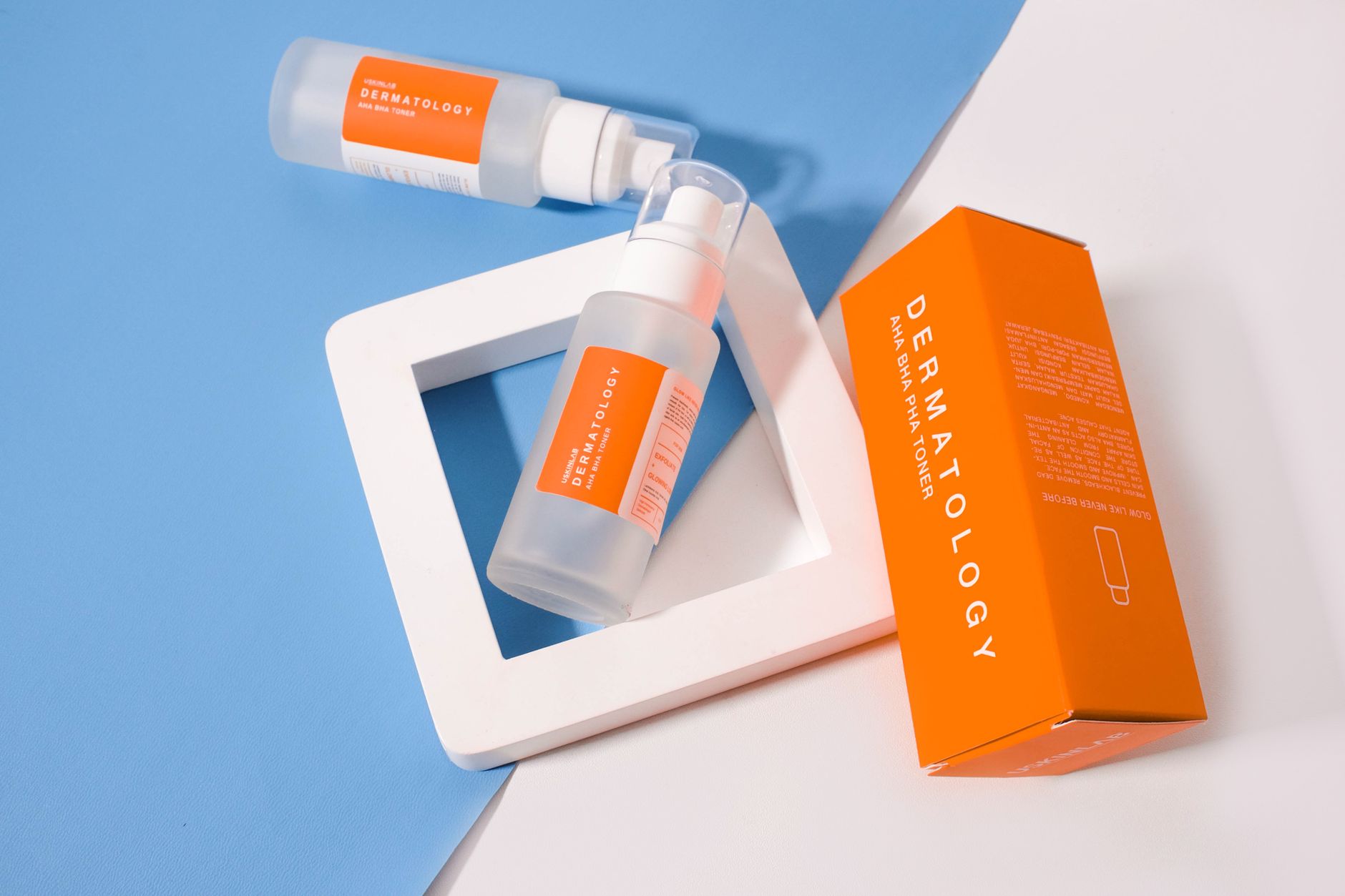
The Ordinary AHA 30% BHA 2% Peeling Solution bottle on a white marble countertop, next to a glass of water and a pregnancy-safe skincare routine guide
Many pregnant people wonder if their favorite skincare products remain safe during pregnancy—but high-concentration acids like this one are a different story.
--- ### What is The Ordinary AHA 30% BHA 2% Peeling Solution? The Ordinary’s AHA 30% BHA 2% Peeling Solution is a high-strength chemical exfoliant designed for experienced users. It combines: - **30% glycolic acid (AHA)**: A powerful alpha-hydroxy acid that dissolves dead skin cells, brightens hyperpigmentation, and improves texture. At this concentration, it’s far stronger than typical over-the-counter AHAs (usually 5–10%). - **2% salicylic acid (BHA)**: A beta-hydroxy acid that penetrates oily skin and pores, reducing acne and blackheads. Like glycolic acid, 2% is much higher than typical BHA formulations (usually 0.5–2%). This product is marketed for intense exfoliation, targeting deep acne scars, melasma, and severe dryness. However, its high acidity makes it aggressive—even for non-pregnant skin—and poses risks during pregnancy due to increased skin sensitivity and potential irritation. --- ### Is The Ordinary AHA 30% BHA 2% Peel safe during pregnancy? The short answer is **no**, this product is not safe during pregnancy or breastfeeding, according to dermatological and obstetric guidelines. Here’s why: 1. **High concentrations of AHAs/BHAs are irritating** The ACOG and the UK’s National Health Service (NHS) recommend avoiding high-concentration chemical peels during pregnancy because they can cause: - **Severe dryness and peeling** (which may worsen with hormonal changes). - **Increased sensitivity** to sunlight, leading to hyperpigmentation or burns. - **Skin barrier disruption**, making you more prone to infections or flare-ups of conditions like eczema or rosacea. 2. **No evidence supports safety at these levels** While mild AHAs/BHAs (5% or less) are generally considered safe in pregnancy when used occasionally (see our guide on The Ordinary Hyaluronic Acid for context), there’s no research confirming the safety of 30% glycolic acid or 2% salicylic acid during pregnancy. The FDA and CDC classify high-concentration AHAs/BHAs as potential irritants, not teratogens (substances that cause birth defects), but their aggressive nature makes them unnecessary risks. 3. **Hormonal changes amplify irritation** Pregnancy hormones increase blood flow to the skin, making it more reactive. What might be tolerable before pregnancy—even a 10% AHA—can become painful, inflamed, or even blistering during pregnancy. The Ordinary’s 30% formulation is far beyond the threshold for safe use. 4. **Breastfeeding concerns** While AHAs/BHAs are unlikely to enter breast milk in significant amounts, the irritation they cause on nursing skin can make breastfeeding uncomfortable. The World Health Organization (WHO) advises avoiding high-concentration exfoliants while breastfeeding due to potential skin sensitivity.
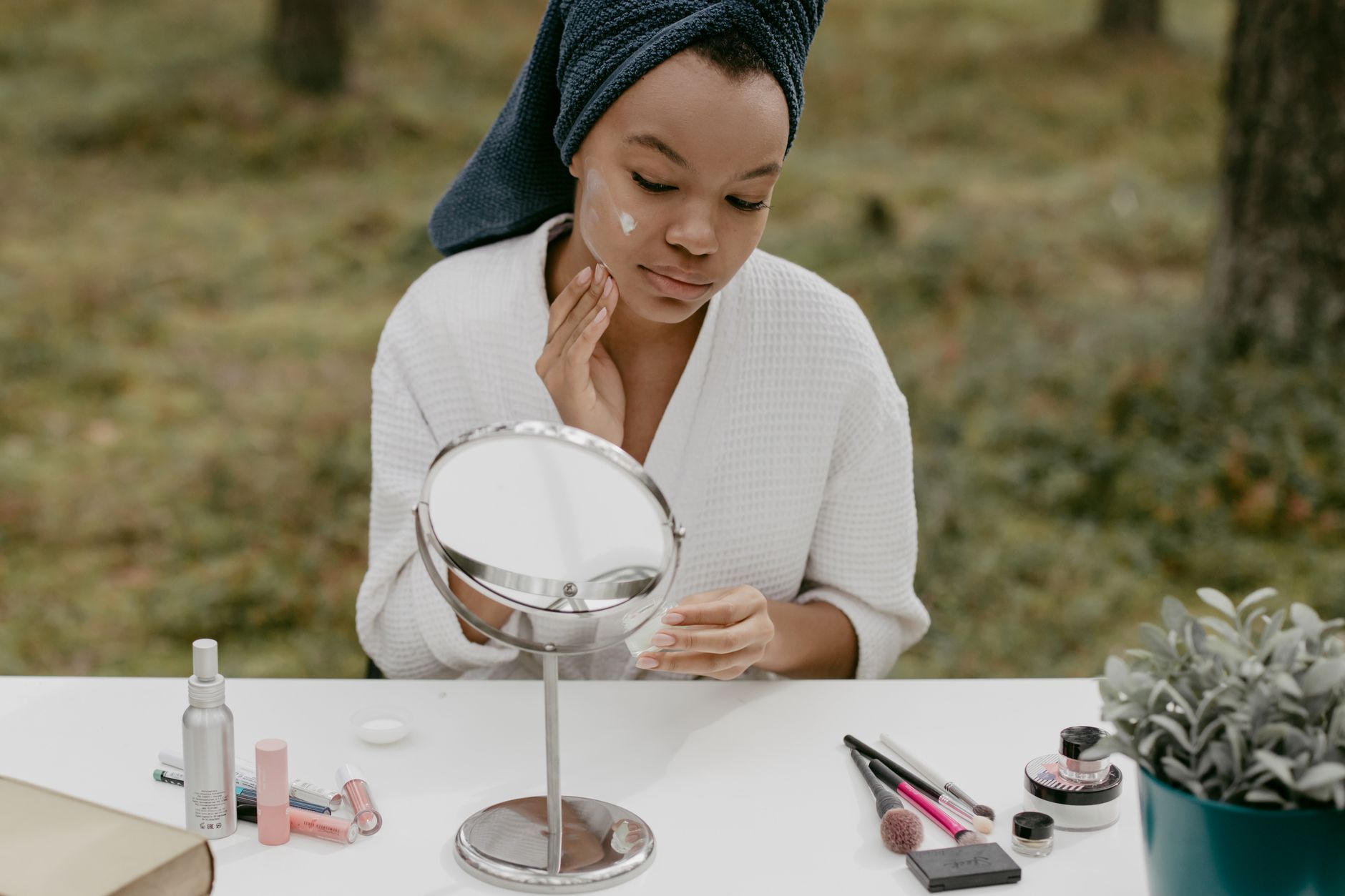
A close-up of a pregnant person's hands applying a gentle skincare product to their face, with a pregnancy-safe skincare routine checklist in the background
Pregnancy-safe skincare focuses on hydration and gentle exfoliation—far removed from high-concentration acids like this peel.
--- ### Safety by trimester #### Is The Ordinary AHA 30% BHA 2% Peel safe in the first trimester? ❌ **Best avoided.** The first trimester is the most critical period for fetal development, as organs and systems are forming. High-concentration AHAs/BHAs can: - **Disrupt the skin barrier**, increasing the risk of infection or irritation that may worsen with nausea or vomiting. - **Cause chemical burns** if left on too long, leading to redness or peeling that could be mistaken for a rash. - **Increase sensitivity to sunlight**, raising the risk of hyperpigmentation (dark spots) during pregnancy. If you’ve already used it in the first trimester and feel fine, there’s no immediate cause for alarm. However, stop using it immediately and switch to a gentle, fragrance-free cleanser and moisturizer. #### Can I use The Ordinary AHA 30% BHA 2% Peel during the second trimester? ⚠️ **Use with extreme caution—and likely still avoid it.** While the risk of birth defects decreases in the second trimester, your skin remains more sensitive. The ACOG advises: - **Limit use to once weekly**, if at all. - **Patch test first**: Apply a small amount to your inner arm or behind your ear. If redness, burning, or stinging occurs within 24 hours, do not use it on your face. - **Avoid if you have acne, rosacea, or eczema**: These conditions can flare up during pregnancy, and high-concentration acids may worsen them. - **Use at night only** and always follow with a thick, fragrance-free moisturizer (like The Ordinary Hyaluronic Acid or Niacinamide 10%). If you experience burning, excessive peeling, or persistent redness, stop using it immediately. #### Can I use The Ordinary AHA 30% BHA 2% Peel during the third trimester? ⚠️ **Same precautions as the second trimester—plus extra vigilance.** Your skin may become even more sensitive as your body prepares for labor. The third trimester is also when many pregnant people experience: - **Stretch marks**: AHAs can help with texture but are not effective for stretch marks and may irritate the skin further. - **Hormonal acne**: If you’re breaking out, opt for gentler exfoliants (see alternatives below). If you’ve used it occasionally without issues, discontinue it by 36 weeks to avoid any potential complications during labor. #### Is The Ordinary AHA 30% BHA 2% Peel safe while breastfeeding? ❌ **Best avoided.** While salicylic acid (BHA) is generally considered safe in small amounts, the high concentration in this product poses unnecessary risks: - **Skin irritation** can make breastfeeding uncomfortable. - **Potential for trace amounts in breast milk**: Though unlikely to harm your baby, it’s not worth the risk when gentler options exist. --- ### Safe dosage/amount/brands There is no safe dosage for The Ordinary AHA 30% BHA 2% Peel during pregnancy or breastfeeding. However, if you’re curious about lower-concentration alternatives, here’s what to look for: | **Product Type** | **Safe Concentration** | **Frequency** | **Brands to Try** | **Brands to Avoid** | |------------------------|------------------------|-----------------------------|--------------------------------------------|-----------------------------------------| | **AHA (Glycolic Acid)** | 5–10% | 1–2x weekly | The Ordinary Glycolic Acid 7% Toning Solution, CeraVe Salicylic Acid Cleanser | Anything over 10% AHA | | **BHA (Salicylic Acid)** | 0.5–2% | 1–2x weekly | Paula’s Choice 2% BHA Liquid Exfoliant, La Roche-Posay Effaclar Micro-Exfoliant | Anything over 2% BHA | | **Physical Exfoliants** | N/A (gentle scrubs) | 1–2x weekly | The Face Shop Rice Water Brightening Scrub, CeraVe Renewing SA Cleanser | Scrubs with large particles (e.g., walnut shells) | **Key tips for safe exfoliation during pregnancy:** - Always patch test new products. - Use only at night and follow with moisturizer. - Avoid fragrance, alcohol, or essential oils. - If you have acne, opt for benzoyl peroxide (5%) (safe in pregnancy) instead of AHAs/BHAs. --- ### ⚠ Side effects and risks While The Ordinary AHA 30% BHA 2% Peel isn’t a teratogen (it won’t cause birth defects), its high concentration can lead to: #### **Mild but annoying side effects (stop using if these occur):** - **Burning or stinging** (even after rinsing). - **Excessive redness or flushing** (especially on the cheeks or around the mouth). - **Peeling or tightness** that lasts more than 24 hours. - **Increased sensitivity to sunlight** (leading to sunburn or dark spots). #### **Severe side effects (call your doctor immediately if you experience):** - **Blistering, oozing, or crusting** on the skin. - **Severe swelling or pain** after application. - **Signs of infection** (pus, persistent red streaks, fever). - **Worsening of acne or eczema** (especially if you develop hives or widespread rash). **Note:** If you’ve already used this product and feel fine, there’s no need to panic. However, discontinue use immediately and switch to a gentle routine. --- ### Safer alternatives to The Ordinary AHA 30% BHA 2% Peel for pregnancy skincare If you’re craving exfoliation or brighter skin, these alternatives are pregnancy-safe and just as effective: 1. **The Ordinary Glycolic Acid 7% Toning Solution** *Why?* A much gentler 7% AHA in a toning format—safe for occasional use in all trimesters. Pair with hyaluronic acid for hydration. 2. **Paula’s Choice 2% BHA Liquid Exfoliant** *Why?* A trusted brand with a 2% BHA (the highest safe concentration for pregnancy). Great for acne-prone skin. 3. **CeraVe Renewing SA Cleanser** *Why?* Contains 2% salicylic acid (BHA) but is formulated for gentle cleansing. Safe for daily use. 4. **The Face Shop Rice Water Brightening Scrub** *Why?* A physical exfoliant with rice water and fine rice particles—no acids, just gentle polishing. 5. **La Roche-Posay Effaclar Micro-Exfoliant** *Why?* A dermatologist-recommended BHA (2%) in a lightweight gel—ideal for oily or acne-prone skin. 6. **Vanicream Gentle Facial Cleanser + Moisturizer Duo** *Why?* Fragrance-free, non-comedogenic, and gentle enough for sensitive pregnancy skin. 7. **Avene Soothing Skin Recovery Cream** *Why?* A repair-focused moisturizer with ceramides and niacinamide to soothe irritation from hormonal changes. 8. **Physical exfoliation tools (e.g., silk or jade roller)** *Why?* Non-chemical exfoliation that boosts circulation without irritation.
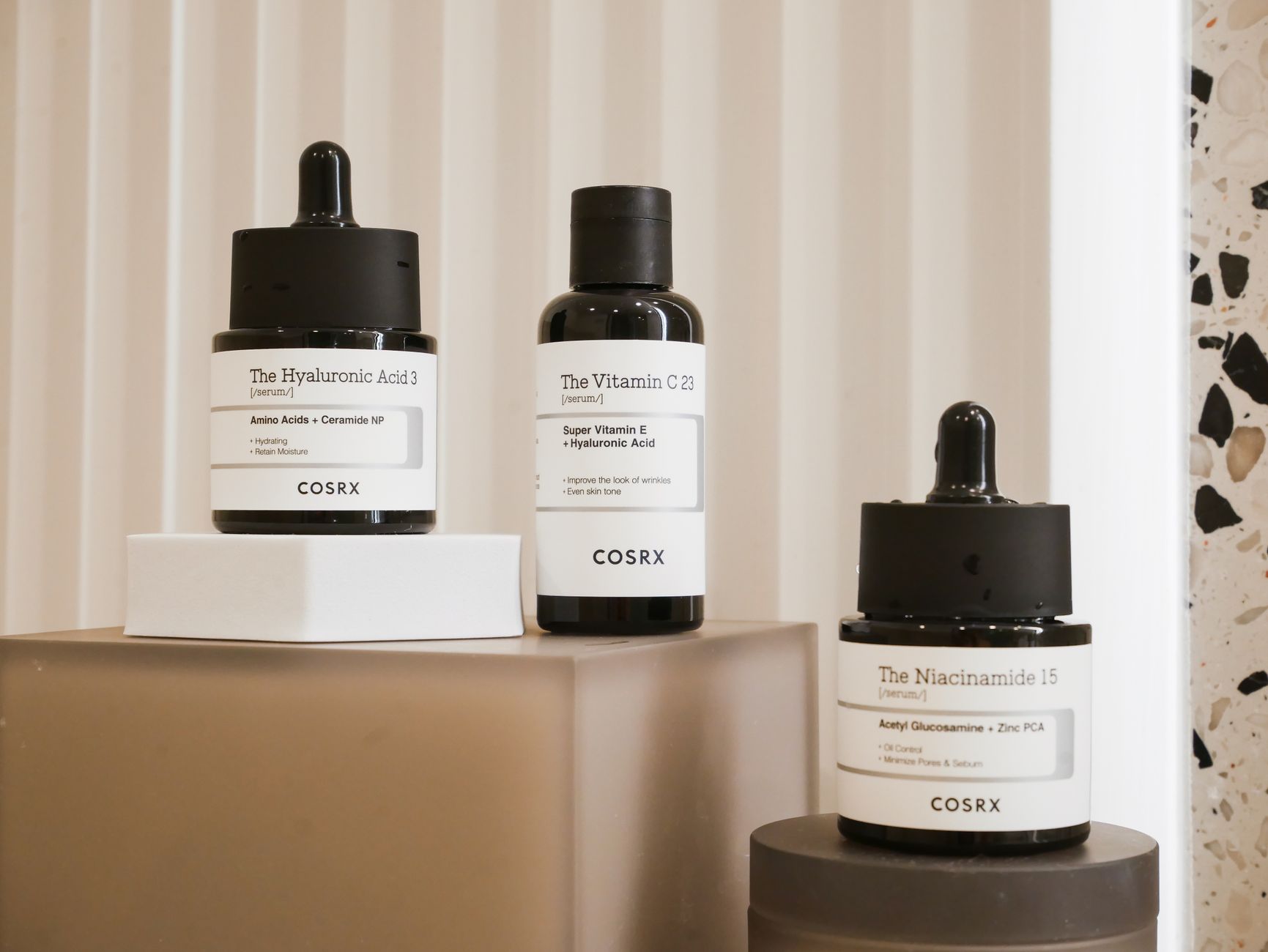
A flat lay of pregnancy-safe skincare products: a jar of The Ordinary Hyaluronic Acid, Paula's Choice 2% BHA, CeraVe Renewing SA Cleanser, and a silk roller on a white linen towel
These pregnancy-safe alternatives deliver exfoliation and brightening without the risk of irritation.
--- ### Does The Ordinary AHA 30% BHA 2% Peel cause birth defects or miscarriage? No, this product is not linked to birth defects or miscarriage. AHAs and BHAs are not teratogens (substances that cause congenital disabilities), and there’s no evidence that high-concentration peels increase miscarriage risk. However, the irritation and stress they cause to your skin can indirectly affect your well-being, which is why obstetricians recommend avoiding them during pregnancy. That said, the real risk isn’t to your baby—it’s to your comfort and skin health. High-concentration acids can: - **Worsen hormonal acne** (common in pregnancy). - **Increase sensitivity to sunlight**, leading to hyperpigmentation. - **Disrupt your skin barrier**, making you more prone to infections. If you’re concerned about acne or texture, gentler alternatives (like those listed above) are far safer and just as effective. --- ### How does The Ordinary AHA 30% BHA 2% Peel compare to other chemical peels during pregnancy? Here’s a quick comparison of similar chemical peels and their safety during pregnancy: | **Product** | **Verdict** | **Notes** | |--------------------------------------|---------------------------|---------------------------------------------------------------------------| | **The Ordinary AHA 30% BHA 2% Peel** | ❌ Best avoided | High concentrations are too irritating for pregnancy. | | **Paula’s Choice 2% BHA** | ⚠️ Safe with caution | 2% BHA is the highest safe concentration; use occasionally. | | **The Ordinary Glycolic Acid 7%** | ✅ Generally safe | 7% AHA is mild enough for occasional use in all trimesters. | | **Drunk Elephant T.L.C. Framboos Glycolic** | ⚠️ Safe with caution | 8% AHA is safe in small amounts but avoid if you have sensitive skin. | | **CeraVe SA Cleanser (2% BHA)** | ✅ Generally safe | Gentle daily cleanser with salicylic acid—ideal for acne-prone skin. | | **The Face Shop Rice Water Scrub** | ✅ Safe | Physical exfoliant with no acids—great for sensitive skin. | | **Professional chemical peels (e.g., 20–30% AHA/BHA)** | ❌ Avoid | Too aggressive; reserved for dermatologist supervision only. | --- ### What conditions can be treated with The Ordinary AHA 30% BHA 2% Peel while pregnant? While this product is not recommended during pregnancy, mild AHAs/BHAs (5% or less) can help with: - **Mild acne** (use benzoyl peroxide 5% instead if acne is severe). - **Dullness or uneven texture** (gentler AHAs like The Ordinary Hyaluronic Acid + Niacinamide 10% are better choices). - **Post-acne marks** (gentle exfoliation can help, but avoid high concentrations). For stretch marks or severe acne, consult your dermatologist for pregnancy-safe treatments like: - **Retinol alternatives** (e.g., Vitamin C serums). - **Hydroquinone (2%)** for hyperpigmentation (only under medical supervision). --- ### Are there any brand variants of The Ordinary AHA 30% BHA 2% Peel that are safer for pregnancy? No, there are no safer brand variants of this specific product. However, you can find lower-concentration alternatives from other brands, such as: - **Paula’s Choice 2% BHA** (same concentration as The Ordinary’s BHA but in a gentler formula). - **The Ordinary Glycolic Acid 7%** (a much milder AHA option). - **La Roche-Posay Effaclar Micro-Exfoliant** (2% BHA in a dermatologist-approved formula). If you’re looking for a complete pregnancy-safe skincare routine, we recommend: 1. **Cleanser**: CeraVe Hydrating Cleanser. 2. **Exfoliant**: Paula’s Choice 2% BHA (occasional use). 3. **Moisturizer**: The Ordinary Hyaluronic Acid + Niacinamide 10%. 4. **Sunscreen**: EltaMD UV Clear SPF 46 (niacinamide-infused, great for pregnancy). --- ### Myth vs. fact **Myth:** *"A little bit won’t hurt—it’s just acids, not chemicals."* **Fact:** While acids are natural, high concentrations like 30% glycolic acid are not natural and can cause irritation, burns, or peeling—especially during pregnancy when skin is more sensitive. Even "natural" acids can disrupt your skin barrier. **Myth:** *"I used it before I knew I was pregnant, so it’s too late to worry."* **Fact:** If you’ve already used it and feel fine, there’s no need to panic. However, stop using it immediately and switch to a gentle routine. The risk isn’t to your baby but to your skin’s health. **Myth:** *"Chemical peels are safe if a dermatologist does them."* **Fact:** Professional chemical peels (even in a clinic) are not recommended during pregnancy due to the risk of irritation, infection, or adverse reactions. Always check with your provider before any in-office treatments. --- ### Key takeaways - ❌ **The Ordinary AHA 30% BHA 2% Peel is best avoided during pregnancy and breastfeeding** due to its high concentration of acids, which can cause irritation and sensitivity. - ⚠️ **First trimester:** Stop using immediately and switch to gentle cleansers and moisturizers. - ⚠️ **Second/third trimester:** If you’ve used it occasionally without issues, discontinue by 36 weeks and opt for lower-concentration alternatives. - ✅ **Safer alternatives:** Look for AHAs/BHAs at **5% or less**, physical exfoliants, or gentle cleansers like CeraVe or Paula’s Choice. - 🚨 **Watch for:** Burning, peeling, excessive redness, or signs of infection—these are red flags to stop using the product. - 💡 **Pro tip:** Always patch test new products and consult your provider if you have concerns about acne, hyperpigmentation, or other skin issues. --- ### Frequently asked questions ####

Is The Ordinary AHA 30% BHA 2% Peel safe in the first trimester?

No, this product is not safe in the first trimester. The first trimester is when your baby’s organs are forming, and high-concentration AHAs/BHAs can cause irritation, dryness, or sensitivity that may worsen with morning sickness. If you’ve already used it, stop immediately and switch to a gentle routine like The Ordinary Hyaluronic Acid + a fragrance-free moisturizer. ####

Can I use The Ordinary AHA 30% BHA 2% Peel during the second trimester?

The second trimester is slightly safer, but this product is still not recommended. If you must use an exfoliant, opt for a lower-concentration alternative like Paula’s Choice 2% BHA or The Ordinary Glycolic Acid 7%. Limit use to once weekly and always patch test first. If you experience burning, peeling, or redness, stop immediately. #### There is no recommended dosage for pregnant women. Most obstetricians and dermatologists advise avoiding this product entirely during pregnancy due to its high acid concentrations. If you’re looking for exfoliation, stick to 5% or less AHA/BHA and use it no more than once weekly. ####

Safer alternatives to The Ordinary AHA 30% BHA 2% Peel for pregnancy skincare

Here are the best pregnancy-safe alternatives: - **Paula’s Choice 2% BHA** (gentler BHA option). - **The Ordinary Glycolic Acid 7%** (milder AHA). - **CeraVe Renewing SA Cleanser** (2% BHA in a gentle cleanser). - **The Face Shop Rice Water Brightening Scrub** (physical exfoliant). - **Avene Soothing Skin Recovery Cream** (repairs irritation). ####

Does The Ordinary AHA 30% BHA 2% Peel cause birth defects or miscarriage?

No, this product does not cause birth defects or miscarriage. AHAs and BHAs are not teratogens, and there’s no evidence linking them to miscarriage. However, the irritation and stress they cause to your skin can indirectly affect your well-being, which is why obstetricians recommend avoiding high-concentration peels during pregnancy. ####

How does The Ordinary AHA 30% BHA 2% Peel compare to other chemical peels during pregnancy?

Most other chemical peels fall into the same "avoid" category if they contain high concentrations of AHAs/BHAs (e.g., 20%+ AHA). Lower-concentration options like Paula’s Choice 2% BHA or The Ordinary Glycolic Acid 7% are safer choices. Professional chemical peels (e.g., 30% AHA) are not recommended during pregnancy due to the risk of irritation. ####

What conditions can be treated with The Ordinary AHA 30% BHA 2% Peel while pregnant?

While this product is not recommended, mild AHAs/BHAs (5% or less) can help with: - Mild acne (use benzoyl peroxide 5% instead if acne is severe). - Dullness or uneven texture (gentler AHAs like The Ordinary Hyaluronic Acid + Niacinamide 10% are better). - Post-acne marks (gentle exfoliation can help, but avoid high concentrations). For stretch marks or severe acne, consult your dermatologist for pregnancy-safe treatments. --- ### When to call your doctor Contact your healthcare provider if you experience any of the following after using The Ordinary AHA 30% BHA 2% Peel during pregnancy: - **Severe burning, stinging, or pain** after application. - **Blistering, oozing, or crusting** on your skin. - **Widespread redness or swelling** that doesn’t improve within 24 hours. - **Signs of infection** (pus, fever, red streaks from the affected area). - **Worsening of acne, eczema, or rosacea** after use. If you’re unsure whether a skincare product is safe, always check with your provider before continuing use. --- ### References 1. American College of Obstetricians and Gynecologists (ACOG) – Skin Care During Pregnancy. 2. UK National Health Service (NHS) – Pregnancy and Skin Care. 3. U.S. Food and Drug Administration (FDA) – Cosmetic Ingredients and Safety. 4. Centers for Disease Control and Prevention (CDC) – Pregnancy and Medications. 5. World Health Organization (WHO) – Breastfeeding and Skin Care. 6. American Academy of Dermatology (AAD) – Skincare During Pregnancy. 7. Mayo Clinic – Pregnancy and Skin Conditions.

Editor's pick for this topic

Not sure about the label on Is The Ordinary Aha 30 Bha 2 Peel Safe During Pregnancy products?

Snap the ingredients list and SafeFilter checks every ingredient for your stage — only 3 free scans this month, then you're locked until reset. Unlimited from $7/mo or $50/yr.

Informational only — not medical advice.

Shubhra Mishra

About the Author

When Shubhra Mishra was expecting her first child in 2016, she was overwhelmed by conflicting food advice — one site said yes, another said never. By the time her second baby arrived in 2019, she realized millions of mothers face the same confusion.

That sparked a five-year journey through clinical nutrition papers, cultural diets, and expert conversations — all leading to BumpBites: a calm, compassionate space where science meets everyday motherhood.

Her long-term vision is to build a global community ensuring safe, supported, and free deliveriesfor every mother — because no woman should face pregnancy alone or uninformed. 🌿

🌍 Stand with mothers, shape safer guidance

Join a small circle of experts who review BumpBites articles so expecting parents everywhere can decide with confidence.

⚠️ Always consult your doctor for medical advice. This content is informational only.

Recommended picks

Ritual Ritual Essential Prenatal

Prenatal pick

Ritual — Ritual Essential Prenatal

Choline + DHA + folate from methylfolate (not synthetic).

$39Check prenatal →
Nordic Naturals Nordic Naturals Prenatal DHA (Strawberry Softgels)

Prenatal pick

Nordic Naturals — Nordic Naturals Prenatal DHA (Strawberry Softgels)

Premium fish-oil DHA in strawberry softgels — gentle on the stomach.

$55Check prenatal →