
Quick verdict: ❌ Best avoided. Current medical guidance from ACOG, the NHS, and the FDA recommends that pregnant individuals do not use THC because no safe level has been established and potential risks to the fetus exist. Even occasional use can result in detectable levels in fetal blood and amniotic fluid, with possible long-term neurodevelopmental effects.
It’s 2 a.m., the kitchen light flickers, and you’re scrolling the web, wondering, “is THC safe during pregnancy?” You may have already inhaled a puff or eaten an edible before you realized you were expecting, and now the worry feels overwhelming. First, take a breath—you’re not alone, and we’ve gathered the most up‑to‑date research to help you understand the real risks, what the experts say, and what safer options you can turn to.
In short, the consensus among leading health organizations is that THC should be avoided throughout pregnancy and while breastfeeding. The concern isn’t just theoretical—THC crosses the placenta and accumulates in fetal tissues, with studies showing potential impacts on brain development, birth weight, and even childhood behavior. Below you’ll find a trimester-by-trimester safety snapshot, details on how THC affects fetal development at each stage, the lack of a proven low-risk dose, and practical alternatives for nausea, pain, or anxiety that won’t put your baby at risk.
| Period | Verdict | Notes |
|---|---|---|
| First trimester | ❌ Best avoided | Critical organ formation; THC may interfere with neural tube development and increase miscarriage risk. |
| Second trimester | ❌ Best avoided | Rapid brain growth; THC exposure linked to lower birth weight and potential cognitive effects. |
| Third trimester | ❌ Best avoided | Fetal brain continues to mature; THC can affect motor development and newborn behavior. |
| Breastfeeding | ❌ Best avoided | THC is secreted in breast milk and may affect infant sleep patterns and neurodevelopment. |
THC (tetrahydrocannabinol) is the primary psychoactive compound found in the cannabis plant. When consumed—whether by smoking, vaping, ingesting edibles, or using tinctures—it binds to cannabinoid receptors (CB1 and CB2) throughout the brain and body, producing the "high" that many associate with relaxation or pain relief. The endocannabinoid system, which naturally contains similar chemicals called endocannabinoids, plays a crucial role in early brain development, hormone regulation, and immune function.
During pregnancy, this system helps guide neuronal migration (how brain cells move to their proper locations), synapse formation (how brain cells connect), and even the development of the placenta. Because THC is structurally similar to our body's own endocannabinoids, it can bind to the same receptors and potentially disrupt these critical processes. This is why researchers are particularly concerned about THC's effects during pregnancy—it's not just about the immediate psychoactive effects, but about how it might alter the fundamental architecture of a developing brain.

Is THC safe during pregnancy?
The short answer is no. The American College of Obstetricians and Gynecologists (ACOG) states that "cannabis use during pregnancy is associated with adverse outcomes and should be discouraged." The UK's National Health Service (NHS) advises pregnant people to avoid marijuana entirely, citing evidence of low birth weight and neurodevelopmental concerns. The U.S. Food and Drug Administration (FDA) has issued warnings that THC products are not approved for use during pregnancy, and the Centers for Disease Control and Prevention (CDC) includes prenatal cannabis exposure in its list of risk factors for adverse birth outcomes.
These authoritative bodies converge on the recommendation that there is no established safe threshold for THC use while pregnant. This isn't just an abundance of caution—it's based on growing evidence that THC affects fetal development in measurable ways. A 2022 systematic review in JAMA Pediatrics analyzed data from over 300,000 pregnancies and found that prenatal THC exposure was associated with a 40% increased risk of low birth weight and a 20% increased risk of preterm birth. These aren't just statistical associations; animal studies have demonstrated that THC can cross the placenta, accumulate in fetal brain tissue, and alter the signaling pathways that guide neuronal migration.
Human studies, while limited by self-reporting bias (since many people may not disclose cannabis use during pregnancy), consistently show associations between maternal cannabis use and later behavioral issues in children. A landmark study published in Nature Neuroscience in 2021 used brain imaging to show that children exposed to THC in utero had subtle differences in brain structure, particularly in regions associated with attention and impulse control. These differences correlated with behavioral challenges observed in school-age children.
It's important to understand that these risks aren't just about heavy or daily use. Even occasional THC exposure can result in detectable levels in maternal blood and amniotic fluid. Because THC is fat-soluble, it can linger in the body for weeks, meaning that occasional use doesn't necessarily mean limited exposure for the developing fetus. The placenta doesn't act as a perfect filter—it's more like a selective barrier that allows many substances, including THC, to pass through to the fetal bloodstream.
How THC crosses the placental barrier
The placenta is often described as a protective barrier, but in reality, it's more like a highly efficient transfer station. THC crosses the placenta through simple diffusion—a process where substances move from areas of higher concentration (maternal blood) to lower concentration (fetal blood). This transfer happens quickly, with studies showing that THC can be detected in fetal blood within minutes of maternal consumption.
Once in the fetal bloodstream, THC binds to cannabinoid receptors in the developing brain. These receptors are part of the endocannabinoid system, which plays a crucial role in brain development. In the first trimester, this system helps guide the formation of neural circuits. In later trimesters, it's involved in synapse formation and the development of brain regions responsible for memory, learning, and emotional regulation. When THC binds to these receptors, it can disrupt these natural processes, potentially leading to long-term developmental effects.
Why there's no "safe" dose of THC during pregnancy
One of the most common questions expecting parents ask is whether there's a safe amount of THC they can consume. Unfortunately, current research doesn't support any safe threshold. The FDA has not set a permissible exposure level, and ACOG explicitly states that "no amount of cannabis is known to be safe for the developing fetus."
This recommendation isn't just based on theoretical risks—it's grounded in how THC behaves in the body. THC is lipophilic, meaning it dissolves in fat. This property allows it to accumulate in fatty tissues, including the brain and breast milk. Unlike water-soluble substances that are quickly eliminated, THC can be stored in fat cells and released slowly over time. This means that even if you consume THC only occasionally, it can build up in your body and continue to expose your baby long after you've stopped using it.
Additionally, the developing fetus has a limited ability to metabolize THC. While adults have well-developed liver enzymes that help break down and eliminate THC, the fetal liver is still developing and can't process the compound as efficiently. This means that THC can remain in the fetal system longer than it would in an adult, potentially prolonging its effects on developing tissues.
Safety by trimester
The first 12 weeks of pregnancy are when the fetus's major organs form—a process called organogenesis. During this critical period, the neural tube (which will become the brain and spinal cord) closes, the heart begins to beat, and the foundations for all major organ systems are laid. This is also when the endocannabinoid system is most active in guiding brain development.
THC readily crosses the placenta and can bind to fetal CB1 receptors, potentially disrupting neuronal migration and the formation of the cerebral cortex. Animal studies have shown that THC exposure during this period can lead to structural changes in the brain, including altered cortical layering and disrupted connectivity between brain regions. Human studies suggest a higher likelihood of miscarriage and low birth weight when THC is used during this window.
ACOG advises that pregnant patients should stop using cannabis as soon as pregnancy is confirmed. If you used THC before realizing you were pregnant, don't panic—many women have unknowingly exposed their babies to substances in early pregnancy without adverse outcomes. The most important thing is to stop using it now and discuss any concerns with your healthcare provider. They may recommend additional monitoring, such as more frequent ultrasounds, to ensure your baby is developing normally.
Second trimester: Rapid brain growth
During weeks 13-27, the brain undergoes rapid growth, with neurons forming connections at an astonishing rate. The endocannabinoid system continues to play a crucial role in this process, regulating everything from neuronal survival to the formation of synapses (the connections between brain cells).
Evidence indicates that continued THC exposure during this period may lead to decreased birth weight and subtle changes in fetal heart rate variability. A 2020 study published in Developmental Cognitive Neuroscience found that second-trimester THC exposure was associated with altered brain connectivity patterns in newborns, particularly in regions involved in sensory processing and attention. These changes were detectable using advanced imaging techniques and correlated with differences in newborn behavior, such as increased irritability and altered sleep patterns.
The NHS reinforces that there is no safe amount of THC at this stage. While the risk of major structural birth defects is lower than in the first trimester, the potential for functional neurodevelopmental impact remains significant. This is also the trimester when many women experience a return of energy and may be tempted to use THC for relaxation or to manage stress. However, the developing brain is particularly vulnerable during this period of rapid growth, making it especially important to avoid THC exposure.
Third trimester: Refining connections
In the final three months of pregnancy, the fetus's brain refines its connections and begins to develop the motor pathways that will control movement after birth. The cerebral cortex—the outer layer of the brain responsible for complex thought, memory, and sensory processing—undergoes significant maturation during this period. The endocannabinoid system continues to play a role in this process, helping to regulate the formation and pruning of synapses.
THC can still affect these processes in the third trimester. Some studies have reported lower scores on newborn neurobehavioral assessments when mothers used cannabis late in pregnancy. These assessments, such as the Neonatal Intensive Care Unit Network Neurobehavioral Scale (NNNS), evaluate a newborn's ability to respond to stimuli, regulate their state (from sleep to alertness), and interact with their environment. Infants exposed to THC in the third trimester may show differences in these areas, such as increased startle responses or difficulty self-soothing.
While the risk of structural birth defects is lower than in earlier trimesters, the potential for functional neurodevelopmental impact remains. This is also the period when many women experience physical discomfort, such as back pain or difficulty sleeping, which might make THC seem like an appealing option. However, the developing brain is still vulnerable, and THC exposure during this time could affect your baby's motor development and behavior in the early months of life.
Breastfeeding: Prolonged exposure
Many new parents assume that once the baby is born, the risks associated with THC use are over. However, THC is lipophilic, meaning it dissolves in fat, and it accumulates in breast milk. The infant's immature metabolism processes THC slowly, leading to prolonged exposure. A study published in Pediatrics in 2018 found that THC can be detected in breast milk for up to six days after maternal use.
The American Academy of Pediatrics (AAP) advises against breastfeeding while using THC, as it may impair infant sleep patterns, feeding behaviors, and later cognitive development. Infants exposed to THC through breast milk may show increased sedation, poor feeding, and delayed motor development in the first year of life. These effects can be subtle but may have long-term implications for learning and behavior.
If you're struggling with postpartum anxiety, depression, or pain, it's important to discuss these concerns with your healthcare provider. There are safe, evidence-based treatments available that won't expose your baby to THC. Many women find that non-pharmacological approaches, such as therapy, support groups, or gentle exercise, can be highly effective for managing postpartum symptoms.
What about CBD during pregnancy?
With the growing popularity of CBD (cannabidiol) products, many pregnant people wonder if these non-psychoactive compounds might be a safer alternative to THC. While CBD doesn't produce the "high" associated with THC, its safety during pregnancy hasn't been well studied. The FDA has not approved any CBD products for use during pregnancy, and ACOG recommends caution due to limited data on potential risks.
CBD interacts with the same endocannabinoid system as THC, though in different ways. Some animal studies suggest that CBD might have neuroprotective effects, but others have raised concerns about potential impacts on fetal development. Until more research is available, most healthcare providers recommend avoiding CBD during pregnancy and breastfeeding.
If you're considering CBD for managing pregnancy-related symptoms like nausea or anxiety, it's important to discuss this with your healthcare provider. They can help you weigh the potential risks and benefits and recommend safer alternatives that have been more thoroughly studied in pregnancy.
Safe dosage / amount / brands
Because no safe dosage has been established, health authorities advise against any amount of THC during pregnancy and lactation. This recommendation applies to all forms of THC, including smoked, vaped, edible, and topical products. The lack of a safe dose isn't just an abundance of caution—it's based on how THC behaves in the body and how it affects fetal development.
THC is metabolized differently in each person, depending on factors like body fat percentage, metabolism, and frequency of use. This variability makes it impossible to establish a universal "safe" dose. Additionally, the developing fetus has a limited ability to metabolize THC, meaning that even small amounts can accumulate in fetal tissues over time. This accumulation can lead to prolonged exposure, even if you're only using THC occasionally.
If you are using THC for a medical condition (e.g., chronic pain, epilepsy, or nausea), it's especially important to discuss alternative therapies with your provider. Many conditions that are treated with medical cannabis have other, safer treatment options during pregnancy. For example, if you're using THC for chronic pain, your provider might recommend physical therapy, acupuncture, or pregnancy-safe medications instead.
Understanding THC concentrations in different products
One of the challenges with THC use is that different products contain vastly different concentrations of the compound. For example:
- Marijuana flower: Typically contains 10-30% THC by weight
- THC concentrates (wax, shatter, oil): Can contain 60-90% THC
- Edibles: Often contain 5-10 mg of THC per serving, but effects can vary widely
- Tinctures: Usually contain 1-10 mg of THC per dropper
- Topicals: Typically contain low concentrations of THC and are less likely to enter the bloodstream
This variability makes it difficult to control your THC intake, even if you're trying to use it responsibly. For example, a single dose of a THC concentrate might contain as much THC as several joints, leading to much higher exposure than intended. Edibles can be particularly unpredictable because the onset of effects is delayed, leading some users to consume more before feeling the effects of their initial dose.
Why "natural" or "organic" THC products aren't safer
Some pregnant people assume that "natural" or "organic" THC products might be safer than synthetic or processed ones. However, the source of the THC doesn't change its effects on fetal development. Whether it comes from an organic cannabis plant or a lab, THC still crosses the placenta and can affect the developing fetus.
Additionally, products marketed as "natural" or "organic" may not be subject to the same quality controls as pharmaceutical medications. A 2019 study published in JAMA Network Open found that many CBD and THC products sold online contained different amounts of active ingredients than what was listed on the label. Some products even contained contaminants like pesticides or heavy metals, which could pose additional risks during pregnancy.
When it comes to pregnancy, the safest approach is to avoid all THC products, regardless of their source or marketing claims. If you're considering using cannabis for medical reasons, discuss this with your healthcare provider. They can help you explore safer alternatives that have been more thoroughly studied in pregnancy.
Side effects and risks
THC use during pregnancy can have both short-term and long-term effects on both the pregnant person and the developing fetus. It's important to understand these risks so you can make informed decisions about your health and your baby's well-being.
Short-term effects of THC in pregnant people can include:
- Dizziness or lightheadedness, which may increase the risk of falls
- Increased heart rate, which can be particularly concerning for those with pre-existing heart conditions
- Impaired judgment and coordination, which may affect your ability to drive or perform other tasks safely
- Anxiety or paranoia, which can be especially challenging during pregnancy when hormonal changes may already be affecting your mood
- Dry mouth and increased appetite, which may lead to poor nutrition if unhealthy foods are chosen
Long-term fetal risks associated with THC exposure include:
- Growth restriction: THC exposure is linked to lower birth weight and smaller head circumference, which may indicate slower brain growth
- Neurodevelopmental effects: Potential alterations in brain structure that may affect cognition, attention, and behavior
- Neurobehavioral changes: Increased irritability, altered sleep patterns, and difficulty self-soothing in newborns
- Long-term behavioral effects: Possible impacts on mental health, including higher rates of anxiety, depression, and attention problems in childhood
- Increased risk of preterm birth: Some studies have found an association between THC use and earlier delivery
Recognizing signs of concern
While many of the effects of THC exposure may not be immediately apparent, there are some signs that should prompt you to contact your healthcare provider:
- Persistent vomiting or severe nausea that doesn't respond to standard prenatal care
- Unusual fetal movement patterns, such as a significant decrease or sudden increase in movement
- Signs of preterm labor, including regular contractions, pelvic pressure, or a change in vaginal discharge
- New or worsening anxiety, depression, or mood swings that interfere with daily functioning
- Difficulty concentrating or memory problems that affect your ability to work or care for yourself
- Physical symptoms like rapid heart rate, chest pain, or severe dizziness
It's important to remember that many of these symptoms can also be normal parts of pregnancy. However, if you've used THC and notice any of these signs, it's better to err on the side of caution and discuss them with your provider. They can help determine whether these symptoms are related to THC exposure or other factors and recommend appropriate monitoring or treatment.
Safer alternatives
If you're using THC to manage pregnancy-related symptoms like nausea, pain, or anxiety, there are many safer alternatives that have been more thoroughly studied in pregnancy. These options can help you feel better without exposing your baby to potential risks. Here's a more detailed look at some of the most effective alternatives:
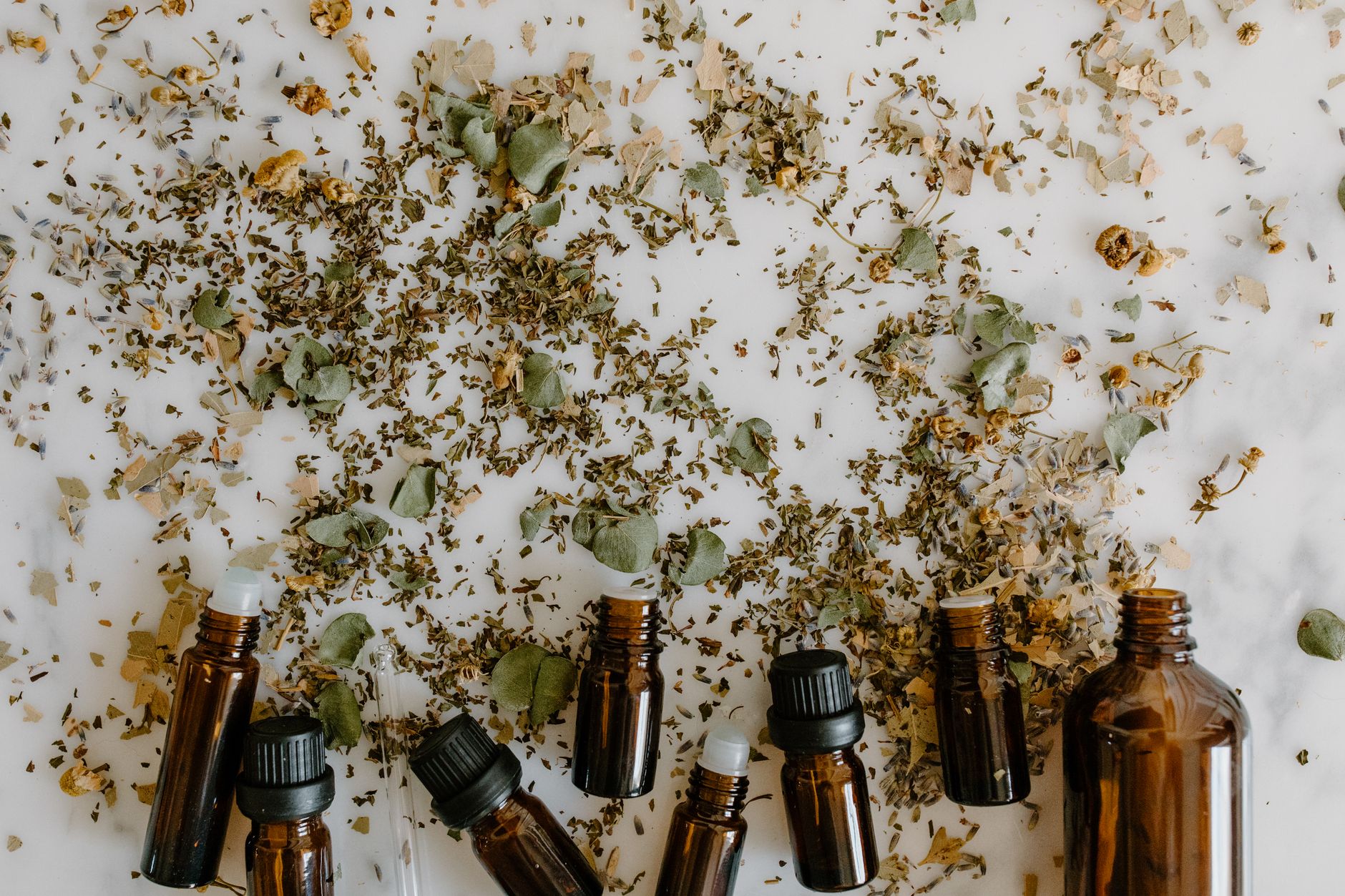
- Chamomile tea: This gentle, caffeine-free herbal tea has been used for centuries to soothe digestive discomfort and promote relaxation. Chamomile contains compounds that may help reduce nausea and calm anxiety. It's generally considered safe during pregnancy when consumed in moderation (1-2 cups per day). However, it's always a good idea to check with your healthcare provider before adding any new herbal remedy to your routine.
- Ginger tea or ginger chews: Ginger is one of the most well-studied natural remedies for nausea, and it's considered safe during pregnancy by the FDA. You can find ginger tea in most grocery stores or make your own by steeping fresh ginger in hot water. Ginger chews or candies are also widely available and can be particularly helpful for on-the-go relief. Studies have shown that ginger can be as effective as some anti-nausea medications for managing pregnancy-related nausea.
- Prenatal vitamin (e.g., One A Day Women's Prenatal): Taking a high-quality prenatal vitamin can help reduce nausea by ensuring you're getting adequate levels of essential nutrients like vitamin B6 and magnesium. Some prenatal vitamins are specifically formulated to be gentle on the stomach, with delayed-release coatings or smaller pill sizes. If you're struggling with nausea, talk to your provider about which prenatal vitamin might work best for you.
- Acetaminophen (Tylenol) for pain relief: When used as directed, acetaminophen is considered safe for occasional pain relief during pregnancy. ACOG recommends it as the first-line medication for mild to moderate pain. The standard adult dose is 325-650 mg every 4-6 hours, with a maximum of 3,000 mg per day. However, it's important not to exceed this limit, as high doses of acetaminophen can be harmful to the liver.
- Prenatal yoga classes: Gentle yoga can help alleviate many common pregnancy discomforts, including back pain, nausea, and stress. Prenatal yoga classes are specifically designed for pregnant people and focus on safe, modified poses that accommodate your changing body. Research has shown that regular prenatal yoga practice can reduce anxiety, improve sleep, and even shorten labor. Many studios and community centers offer prenatal yoga classes, and there are also excellent online options if you prefer to practice at home.
- Meditation apps (Headspace, Calm): Mindfulness meditation has been shown to reduce anxiety and improve sleep quality during pregnancy. Apps like Headspace and Calm offer guided meditations specifically designed for expecting parents, covering topics like managing pregnancy anxiety, preparing for labor, and coping with physical discomfort. Even just 5-10 minutes of meditation per day can make a significant difference in your stress levels and overall well-being.
- Omega-3 fish oil supplements (Nature Made Prenatal DHA): Omega-3 fatty acids, particularly DHA, play a crucial role in fetal brain development. Many prenatal vitamins include DHA, but you can also take it as a separate supplement. Fish oil supplements are generally considered safe during pregnancy when taken at recommended doses (typically 200-300 mg of DHA per day). Look for high-quality brands that have been tested for purity and are free from contaminants like mercury.
- CBD isolate (non-THC) products: While research on CBD use during pregnancy is limited, some people find it helpful for managing anxiety or pain. If you're considering CBD, it's important to choose a product that contains only CBD isolate (not full-spectrum CBD, which may contain trace amounts of THC) and to discuss this with your healthcare provider. Keep in mind that the FDA has not approved any CBD products for use during pregnancy, so it's important to approach this option with caution.
- Acupuncture: This traditional Chinese medicine technique involves inserting thin needles into specific points on the body. Acupuncture has been shown to be effective for managing pregnancy-related nausea, back pain, and anxiety. Many acupuncturists specialize in prenatal care and can provide safe, tailored treatments. If you're considering acupuncture, look for a licensed practitioner who has experience working with pregnant people.
- Support groups for expecting parents: Connecting with other pregnant people can be incredibly helpful for managing stress and anxiety. Many hospitals and community centers offer support groups for expecting parents, covering topics like preparing for labor, newborn care, and postpartum recovery. Online support groups can also be a valuable resource, especially if you're looking for a community that shares your specific concerns or experiences.
Alternative therapies for specific symptoms
Different pregnancy symptoms may respond better to different alternative therapies. Here's a guide to which options might work best for specific concerns:
| Symptom | Recommended Alternatives | Why It Works |
|---|---|---|
| Morning sickness/nausea | Ginger tea, vitamin B6, acupuncture, small frequent meals | Ginger and vitamin B6 have been clinically proven to reduce nausea. Acupuncture can help regulate digestive function. |
| Anxiety/stress | Meditation apps, prenatal yoga, support groups, therapy | Mindfulness practices reduce cortisol levels. Social support provides emotional validation. |
| Back pain | Prenatal yoga, physical therapy, pregnancy support belt, warm compresses | Gentle exercise strengthens core muscles. Support belts reduce pressure on the lower back. |
| Insomnia | Chamomile tea, meditation, consistent bedtime routine, pregnancy pillow | Chamomile promotes relaxation. A consistent routine helps regulate sleep cycles. |
| Headaches | Hydration, magnesium supplements, acupuncture, acetaminophen (as needed) | Dehydration is a common trigger. Magnesium helps relax blood vessels. |
| Fatigue | Short naps, gentle exercise, iron-rich foods, proper hydration | Pregnancy increases iron needs. Gentle movement boosts energy levels. |
Creating a personalized wellness plan
Managing pregnancy symptoms often requires a multi-faceted approach. What works for one person might not work for another, and what helps with one symptom might not address another. Here's how to create a personalized wellness plan that addresses your specific needs:
- Identify your primary concerns: Make a list of the symptoms that are most bothersome to you. Are you struggling with nausea, pain, anxiety, or something else?
- Research evidence-based options: For each symptom, research the alternatives that have the strongest evidence for safety and effectiveness during pregnancy. This article is a great starting point, but you can also ask your healthcare provider for recommendations.
- Start with the safest options: Begin with the alternatives that have the most research supporting their safety during pregnancy. For example, if you're dealing with nausea, you might start with ginger tea and vitamin B6 before trying acupuncture.
- Track what works: Keep a symptom journal to track which alternatives are most effective for you. Note what you tried, how much you used (e.g., one cup of ginger tea), and how it affected your symptoms.
- Combine approaches: Many symptoms respond best to a combination of approaches. For example, you might find that prenatal yoga helps with both back pain and anxiety, while meditation helps you sleep better at night.
- Be patient with yourself: It can take time to find the right combination of alternatives that work for you. Don't be discouraged if the first thing you try doesn't provide complete relief.
- Communicate with your provider: Keep your healthcare provider informed about what you're trying and how it's working. They can offer additional guidance and help you adjust your plan as needed.
Related items — safety at a glance
If you're considering THC during pregnancy, you might also be wondering about the safety of other cannabis-related products. Here's a comprehensive look at how different cannabis products compare when it comes to pregnancy safety:
| Item | Verdict | One-line note | Key Considerations |
|---|---|---|---|
| CBD oil | ⚠️ Use with caution | Non-THC but limited pregnancy data; discuss with provider. | While CBD doesn't produce a "high," research on its safety during pregnancy is limited. Some animal studies suggest potential effects on fetal development. If considering CBD, choose isolate products (not full-spectrum) and discuss with your provider. |
| Marijuana flower | ❌ Best avoided | Same risks as THC; inhalation adds respiratory concerns. | Smoking marijuana exposes you to many of the same harmful chemicals found in tobacco smoke, including tar and carbon monoxide. This can increase the risk of respiratory issues and may affect fetal oxygen supply. |
| THC gummies | ❌ Best avoided | Edibles can lead to accidental over-consumption. | The delayed onset of edibles (30 minutes to 2 hours) can lead to consuming more than intended. This increases the risk of THC toxicity, which can cause severe nausea, anxiety, and even hallucinations. |
| Cannabis vape pens | ❌ Best avoided | Vaping delivers THC and may expose lungs to additional chemicals. | While vaping doesn't produce the same combustion byproducts as smoking, it can expose you to other potentially harmful chemicals. Some vape liquids contain additives that haven't been studied in pregnancy. |
| Delta-8 THC | ❌ Best avoided | Similar psychoactive profile; safety data lacking. | Delta-8 THC is chemically similar to delta-9 THC (the primary psychoactive compound in cannabis) but is less well-studied. It produces similar effects and likely carries similar risks during pregnancy. |
| Synthetic cannabinoids (K2, Spice) | ❌ Best avoided | Highly unpredictable and linked to severe maternal/fetal outcomes. | Synthetic cannabinoids are chemically different from natural THC and can be much more potent. They've been associated with severe health effects, including seizures, heart problems, and even death. |
| Cannabis tinctures | ❌ Best avoided | Liquid THC still crosses placenta; dosing is unreliable. | Tinctures are alcohol-based extracts that contain THC. They're absorbed quickly but can be difficult to dose accurately, increasing the risk of overconsumption. |
| THC-infused topicals | ⚠️ Use with caution | Limited systemic absorption but still not recommended. | Topical products like creams or balms are less likely to enter the bloodstream in significant amounts. However, some absorption can occur, and the safety of this exposure during pregnancy hasn't been studied. |
| Hemp products | ⚠️ Generally safe | Contains minimal THC but check for contaminants. | Hemp products (like hemp seed oil or hemp protein) contain very low levels of THC and are generally considered safe during pregnancy. However, it's important to choose high-quality products that have been tested for contaminants. |
| Medical cannabis (prescribed) | ⚠️ Consult provider | Even prescribed cannabis should be discussed with your obstetrician. | If you're using medical cannabis for a condition like epilepsy or chronic pain, it's especially important Editor's pick for this topic Not sure about the label on Is Thc Safe During Pregnancy products?Snap the ingredients list and SafeFilter checks every ingredient for your stage — only 3 free scans this month, then you're locked until reset. Unlimited from $7/mo or $50/yr. Informational only — not medical advice.  About the AuthorWhen Shubhra Mishra was expecting her first child in 2016, she was overwhelmed by conflicting food advice — one site said yes, another said never. By the time her second baby arrived in 2019, she realized millions of mothers face the same confusion. That sparked a five-year journey through clinical nutrition papers, cultural diets, and expert conversations — all leading to BumpBites: a calm, compassionate space where science meets everyday motherhood. Her long-term vision is to build a global community ensuring safe, supported, and free deliveriesfor every mother — because no woman should face pregnancy alone or uninformed. 🌿 🌍 Stand with mothers, shape safer guidanceJoin a small circle of experts who review BumpBites articles so expecting parents everywhere can decide with confidence. ⚠️ Always consult your doctor for medical advice. This content is informational only. Long-form pregnancy guidesHand-curated deep-dive guides — go beyond the article above. More Pregnancy guides
Recommended picks  Prenatal pick Ritual — Ritual Essential Prenatal Choline + DHA + folate from methylfolate (not synthetic).  Prenatal pick Nordic Naturals — Nordic Naturals Prenatal DHA (Strawberry Softgels) Premium fish-oil DHA in strawberry softgels — gentle on the stomach. |