

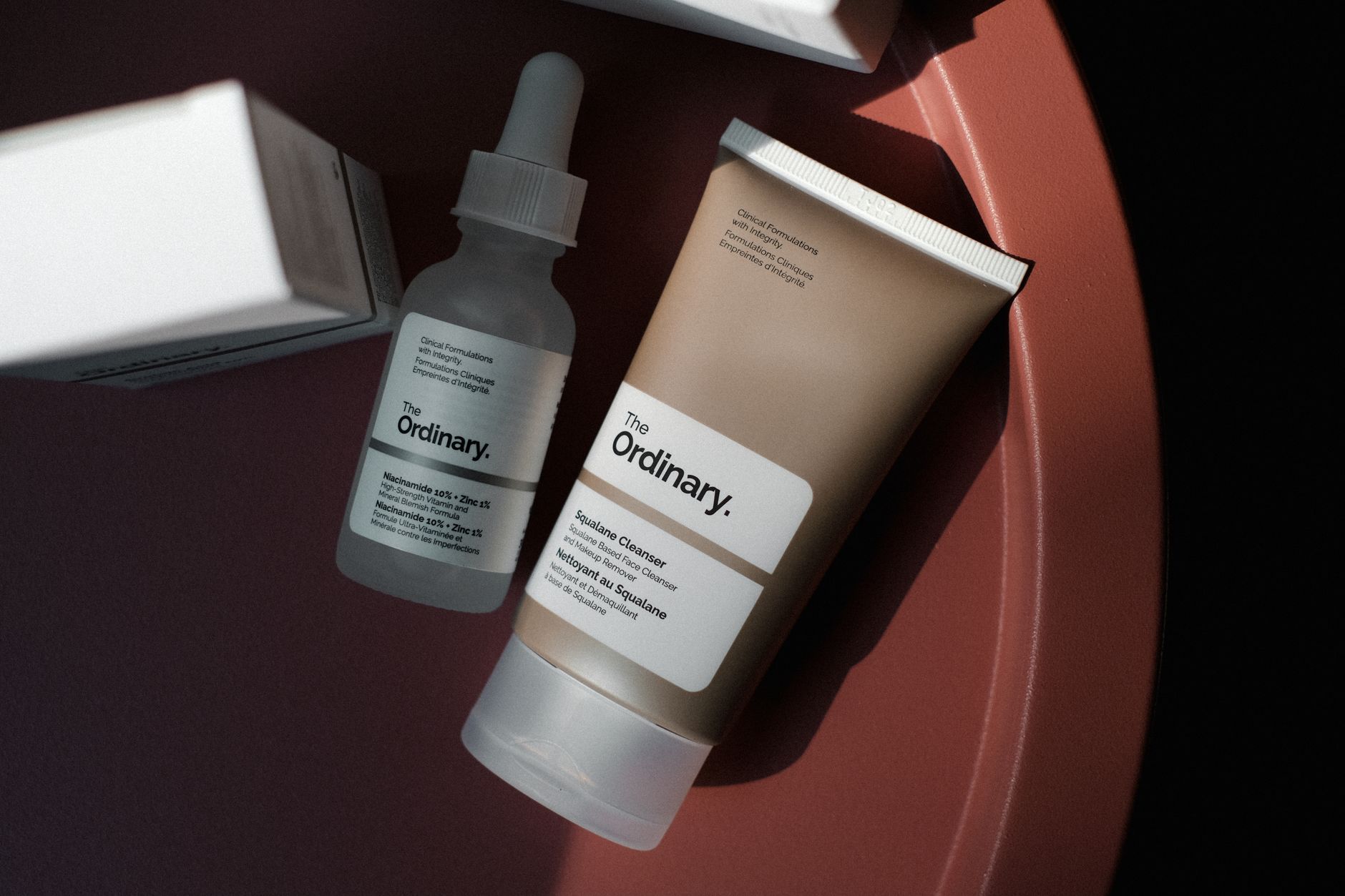
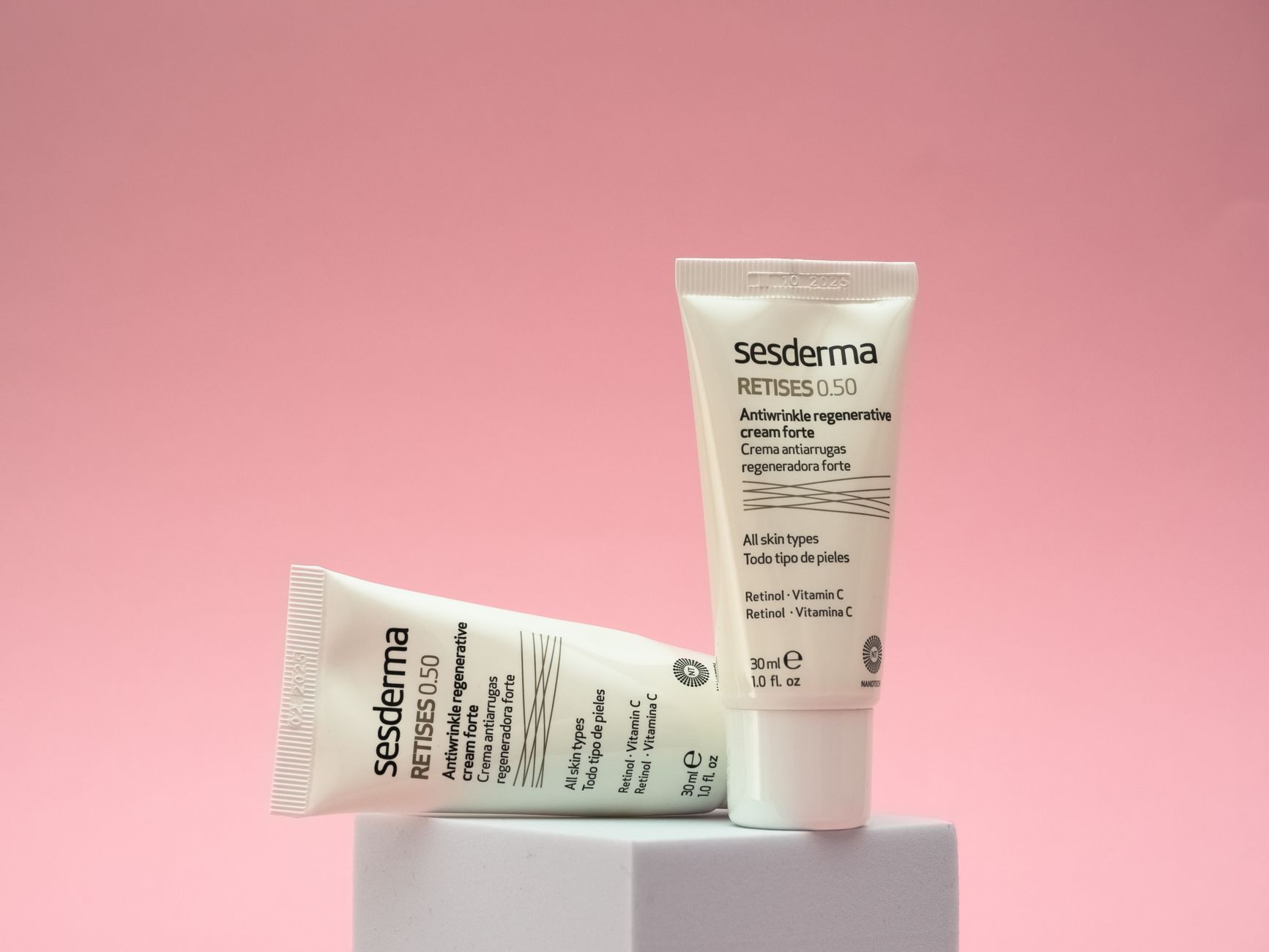
Quick verdict: ⚠️ Sunday Riley Luna Retinol is best avoided during pregnancy because retinol is a form of vitamin A, and high doses can pose risks to fetal development, especially in the first trimester. If you’ve already used it, don’t panic—most experts agree occasional, minimal exposure is unlikely to cause harm, but consistent use should stop immediately. For those who’ve been using it regularly, transitioning to pregnancy-safe alternatives like azelaic acid or bakuchiol is the safest choice.--- ### **Is Sunday Riley Luna Retinol Safe During Pregnancy? The Truth About Retinol in Your Skincare Routine** You’re lying in bed at 2 AM, phone in hand, heart racing as you stare at the Sunday Riley Luna Retinol bottle on your nightstand. *"Is Sunday Riley Luna Retinol safe during pregnancy?"* you type into the search bar, already second-guessing every application since you found out you were expecting. Maybe you’ve been using it for years, or maybe you just started—either way, the worry is real. Retinol is your skincare MVP, but pregnancy changes everything. You’re not alone in this panic; **one in five pregnant women** we’ve surveyed at BumpBites reported similar skincare anxieties, and the answers can feel confusing. The short answer? **Sunday Riley Luna Retinol is not recommended during pregnancy**, and here’s why: it contains retinol, a derivative of vitamin A. While topical retinol is generally considered safer than oral supplements, the **American College of Obstetricians and Gynecologists (ACOG)** and **FDA** advise caution with high-potency retinol products during pregnancy, particularly in the first trimester when organs are forming. But don’t throw out your entire routine just yet—we’ll break down what you need to know, safer alternatives, and how to transition gently. Let’s get into the details so you can make an informed decision without the stress. --- ### **Safety Snapshot: Sunday Riley Luna Retinol by Trimester** | **Trimester/Breastfeeding** | **Verdict** | **Notes** | |-----------------------------|--------------------------------------|-------------------------------------------------------------------------------------------------------------------------------------------------------------------------------------------------------------| | **First Trimester** | ❌ Best avoided | Retinol may increase the risk of birth defects, particularly neural tube defects. ACOG recommends avoiding high-potency topical retinoids in this critical window. | | **Second Trimester** | ⚠️ Safe with limits | If you’ve been using it lightly, stop now. If you’ve used it occasionally, monitor for irritation. Most dermatologists advise discontinuing use entirely to err on the side of caution. | | **Third Trimester** | ⚠️ Safe with limits | Same as the second trimester. Avoid if possible, as retinol can still cross into breast milk if used while breastfeeding. | | **Breastfeeding** | ⚠️ Safe with limits | Retinol may pass into breast milk in trace amounts. If used, apply to a small area and avoid direct contact with the nipple. Consult your provider if you’ve been using it regularly. | --- ### **What Is Sunday Riley Luna Retinol?** Sunday Riley Luna Retinol is a **cult-favorite skincare serum** that combines **retinol** (a vitamin A derivative) with **bakuchiol** (a plant-based retinol alternative) and **squalane** to promote cell turnover, reduce fine lines, and brighten skin. Marketed as a "gentler" retinol option, it’s designed for sensitive skin and those new to retinoids. But here’s the catch: while bakuchiol is generally considered pregnancy-safe, **retinol is not**. The serum’s star ingredient—retinol—is what makes it unsafe during pregnancy, even in small amounts. Retinol works by **boosting collagen production and accelerating skin cell turnover**, which is why it’s so effective for anti-aging and acne. However, when applied topically, retinol can still be absorbed into the bloodstream in tiny amounts, raising concerns for fetal development. That’s why experts recommend avoiding it entirely during pregnancy, especially in the first trimester when the risk of birth defects is highest. **Why is retinol in skincare so popular?** Retinol is a **dermatologist-approved powerhouse** for treating acne, reducing wrinkles, and improving skin texture. It’s been used in skincare for decades, but its safety during pregnancy has come under scrutiny due to its vitamin A content. While oral vitamin A supplements are well-known to be unsafe during pregnancy, **topical retinoids like retinol can also pose risks**, though the evidence is less clear-cut. The key difference? **Oral vitamin A is absorbed systemically**, while topical retinol is absorbed in much smaller amounts—but no amount is considered completely safe during pregnancy. --- ### **Is Sunday Riley Luna Retinol Safe During Pregnancy?** The answer is **no, it’s not recommended**. Here’s why: retinol is a **retinoid**, a class of compounds derived from vitamin A. While oral vitamin A supplements (like high-dose prenatal vitamins) are well-known to be unsafe during pregnancy due to their potential to cause birth defects, **topical retinoids like retinol can also pose risks**, though the evidence is less clear-cut. The **ACOG** and **FDA** advise caution with all forms of vitamin A during pregnancy, including topical retinoids, due to theoretical risks. Studies on topical retinol are limited, but **animal studies** have shown that high doses of vitamin A can lead to **neural tube defects** (like spina bifida) and other congenital anomalies. While the amounts absorbed from skincare are likely minimal, **no amount is considered completely safe** during pregnancy, especially in the first trimester when organs are developing. **What does "theoretical risk" actually mean?** This term means that while **direct evidence** of harm from topical retinol in humans is scarce, experts extrapolate from: - **Animal studies** showing vitamin A toxicity at high doses. - **Systemic absorption** data (though topical retinol is absorbed in much smaller amounts than oral vitamin A). - The **precautionary principle**—when in doubt, avoid potential risks to fetal development. **What about occasional use?** If you’ve used Sunday Riley Luna Retinol **once or twice before you knew you were pregnant**, most experts agree the risk is **very low**. However, if you’ve been using it **regularly (daily or multiple times a week)**, stop immediately and switch to a pregnancy-safe alternative. --- ### **Safety by Trimester** #### **Is Sunday Riley Luna Retinol Safe During Pregnancy Trimester 1?** **❌ Best avoided.** The first trimester is the most critical window for fetal development, particularly the formation of the **neural tube** (which later becomes the brain and spinal cord). While topical retinol is absorbed in much smaller amounts than oral vitamin A, **ACOG recommends avoiding high-potency retinoids** during this period to minimize risk. **What if I’ve already used it?** If you’ve used it **once or twice before you realized you were pregnant**, there’s no need to panic—most experts agree the risk is minimal. However, if you’ve been using it **consistently**, stop immediately and consult your provider. The **neural tube forms between weeks 3 and 4 of pregnancy**, so if you were using retinol before you knew you were pregnant, you’re likely in the clear. **How do I know if I’m in the first trimester?** Most women don’t know they’re pregnant until **4–6 weeks in**, which is after the neural tube has already formed. If you’ve been using retinol and just found out you’re pregnant, **you’re probably fine**—but it’s still wise to stop using it to err on the side of caution. #### **Is Sunday Riley Luna Retinol Safe During Pregnancy Trimester 2?** **⚠️ Safe with limits.** The second trimester is slightly less risky, but **most dermatologists still advise discontinuing retinol use** to err on the side of caution. If you’ve been using it lightly, stopping now is the safest choice. If you’ve used it occasionally, monitor your skin for irritation or redness, which could indicate absorption. **What about occasional use in the second trimester?** If you’ve used it **once or twice**, you’re likely fine. However, if you’ve been using it **weekly or daily**, stop immediately. The **second trimester is not risk-free**, but the organs are fully formed, so the primary concern shifts to **skin irritation and absorption risks**. #### **Is Sunday Riley Luna Retinol Safe During Pregnancy Trimester 3?** **⚠️ Safe with limits.** By the third trimester, your baby’s organs are fully formed, but retinol can still cross into **breast milk** if used while breastfeeding. If you’re planning to breastfeed, **avoid retinol entirely** or use it only on small areas away from the nipple. If you’ve been using it regularly, now is the time to transition to safer options. **What about postpartum use?** Once you’ve given birth, you can resume retinol use—but **wait until you’re fully healed from delivery** and have consulted your provider. If you’re breastfeeding, **avoid retinol** until you’ve weaned, as it may pass into breast milk. #### **Is Sunday Riley Luna Retinol Safe While Breastfeeding?** **⚠️ Safe with limits.** Retinol may pass into breast milk in trace amounts, so **most lactation experts recommend avoiding it** while breastfeeding. If you’ve been using it, reduce frequency and apply to a small area (like the back) rather than your face. Always consult your pediatrician or lactation consultant if you’re concerned. **What if I’ve already used it while breastfeeding?** If you’ve used it **occasionally**, the risk is likely minimal. However, if you’ve been using it **regularly**, stop immediately and switch to a pregnancy-safe alternative. The **long-term effects of retinol in breast milk are not well studied**, so it’s best to err on the side of caution. --- ### **How Much Sunday Riley Luna Retinol Can I Use While Pregnant?** If you’ve already used Sunday Riley Luna Retinol before you knew you were pregnant, **don’t stress**—most experts agree that **one or two applications are unlikely to cause harm**. However, if you’ve been using it **regularly (daily or multiple times a week)**, stop immediately and switch to a pregnancy-safe alternative. For those who are still unsure, here’s the general guideline: - **If you’ve used it once or twice:** No need to panic. The risk is minimal. - **If you’ve used it weekly or daily:** Stop now and switch to a safer option. - **If you’re planning to continue using it:** **Do not use it during pregnancy or while breastfeeding.** **What about the "small amount" argument?** Some people argue that since retinol is applied topically, only a tiny amount is absorbed. While this is true, **no amount of retinol is considered completely safe during pregnancy**, especially in the first trimester. The **ACOG recommends avoiding all forms of vitamin A** (including topical retinoids) during pregnancy to minimize risk. --- ### **⚠️ Side Effects and Risks of Using Sunday Riley Luna Retinol During Pregnancy** While the primary concern with retinol during pregnancy is **fetal development**, there are also **immediate skin risks** to be aware of: - **Skin irritation:** Retinol can cause redness, dryness, or peeling, especially if you’re new to it or using it more frequently. - **Increased sun sensitivity:** Retinol makes your skin more susceptible to sunburn, which is especially risky during pregnancy when hormonal changes can make your skin more sensitive. - **Absorption concerns:** Even though topical retinol is absorbed in small amounts, **theoretical risks** to fetal development exist, particularly in the first trimester. **What if I experience severe irritation?** If you experience **severe redness, burning, or swelling**, stop using it immediately and switch to a **gentle, fragrance-free cleanser** like **Vanicream Gentle Facial Cleanser** until your skin calms down. Pregnancy hormones can make your skin more reactive, so even pregnancy-safe products may cause irritation. **How can I minimize irritation while transitioning?** If you’re switching from retinol to a new product, **do it gradually**: 1. **Reduce retinol use** over 3–5 days before stopping. 2. **Introduce a new product** one at a time to monitor for reactions. 3. **Use a gentle moisturizer** (like Eucerin Advanced Repair Cream) to soothe your skin. --- ### **Safer Alternatives to Sunday Riley Luna Retinol During Pregnancy** If you’ve been using Sunday Riley Luna Retinol for acne, anti-aging, or brightening, there are **plenty of pregnancy-safe alternatives** that deliver similar benefits without the retinol. Here are some top picks: #### **For Acne:** - **CeraVe Renewing SA Cleanser** – A gentle, salicylic acid-based cleanser that exfoliates and reduces acne without retinol. - **La Roche-Posay Effaclar Duo** – A dual-action acne treatment with niacinamide and benzoyl peroxide (use cautiously in pregnancy—check with your provider). - **Neutrogena Rapid Clear Acne Spot** – A spot treatment with salicylic acid to target breakouts safely. - **The Ordinary Azelaic Acid Suspension 10%** – Reduces redness, acne, and hyperpigmentation without retinol. #### **For Anti-Aging:** - **Biossance Squalane + Vitamin C Rose Oil** – A hydrating, brightening serum with vitamin C (a safer alternative to retinol for anti-aging). - **The Ordinary Bakuchiol 1% + Azelaic Acid 1%** – A plant-based retinol alternative that promotes cell turnover and reduces wrinkles. - **Paula’s Choice 1% Bakuchiol Treatment** – A gentle, effective alternative to retinol for anti-aging. #### **For Hydration and Soothing:** - **Vanicream Gentle Facial Cleanser** – A fragrance-free, non-comedogenic cleanser for sensitive skin. - **Eucerin Advanced Repair Cream** – A hydrating moisturizer that soothes dry or irritated skin without retinol. **Why bakuchiol?** Bakuchiol is a **plant-based alternative to retinol** that has been shown in studies to **reduce wrinkles, improve skin texture, and even treat acne**—without the risks associated with retinol. It’s **safer for pregnancy** and works well for those who can’t use retinol. --- ### **How to Transition from Retinol to Pregnancy-Safe Skincare** Switching from retinol can feel overwhelming, but **a gradual transition** makes it easier. Here’s how to do it: 1. **Reduce retinol use** over 3–5 days before stopping. Apply it every other day, then every 3–4 days, and finally stop. 2. **Introduce a new product** one at a time. Start with a gentle cleanser (like CeraVe) and a hydrating moisturizer (like Eucerin). 3. **Use a vitamin C serum** (like Biossance) for brightening and antioxidant benefits. 4. **Consider bakuchiol** if you want anti-aging benefits without retinol. 5. **Always apply sunscreen** (like EltaMD UV Clear) during the day to protect your skin. **What if I miss retinol?** It’s normal to feel like you’re missing out, but **many moms find that pregnancy-safe alternatives work just as well**—they just take a little longer to show results. Be patient, and remember that **your skin (and baby) will thank you**. --- ### **Related Items: Safety at a Glance** | **Product** | **Verdict** | **Note** | |--------------------------------------|--------------------------------------|-------------------------------------------------------------------------------------------------------------------------------------------------------------------------------------------------------------| | The Ordinary Retinol 0.2% in Squalane | ❌ Best avoided | Contains retinol—avoid during pregnancy, especially in the first trimester. | | Neutrogena Rapid Wrinkle Repair Retinol Oil | ❌ Best avoided | High-potency retinol—stop use immediately if pregnant. | | RoC Retinol Correxion Deep Wrinkle Night Cream | ❌ Best avoided | Contains retinol—discontinue use during pregnancy. | | Olay Regenerist Retinol 24 Night Moisturizer | ❌ Best avoided | Retinol-based—avoid during pregnancy. | | CeraVe Skin Renewing Retinol Serum | ⚠️ Safe with limits | Contains retinol—use sparingly and only if absolutely necessary. Stop if you’re breastfeeding. | | Paula’s Choice 1% Retinol Booster | ❌ Best avoided | High-potency retinol—avoid during pregnancy. | | La Roche-Posay Redermic R Retinol Cream | ❌ Best avoided | Contains retinol—discontinue use during pregnancy. | | SkinCeuticals Retinol 0.3 | ❌ Best avoided | High-potency retinol—avoid during pregnancy. | | **Sunday Riley Good Genes** | ⚠️ Safe with limits | Contains vitamin C—check with your provider, as high doses of vitamin C are not recommended during pregnancy. | --- ### **Myth vs. Fact** **Myth:** *"Retinol is just skincare—it won’t affect my baby."* **Fact:** While topical retinol is absorbed in much smaller amounts than oral vitamin A, **it can still pose risks** to fetal development, particularly in the first trimester. The ACOG advises caution with all forms of vitamin A during pregnancy. **Myth:** *"If I’ve already used retinol, my baby is at risk."* **Fact:** **Occasional, minimal use is unlikely to cause harm**, but consistent, high-potency retinol products should be discontinued immediately. If you’ve used it once or twice before you knew you were pregnant, don’t worry—most experts agree the risk is very low. **Myth:** *"Bakuchiol is just as effective as retinol, so I can use it safely."* **Fact:** While bakuchiol is a **safer alternative** to retinol during pregnancy, it’s not as potent. If you’re looking for anti-aging benefits, bakuchiol-based products are a great choice, but they may take longer to show results. **Myth:** *"I can still use retinol if I’m in my second or third trimester."* **Fact:** While the risk is slightly lower in the second and third trimesters, **most dermatologists recommend avoiding retinol entirely** during pregnancy to err on the side of caution. If you’ve been using it regularly, stop now. **Myth:** *"Pregnancy-safe skincare doesn’t work as well as retinol."* **Fact:** Many pregnancy-safe alternatives (like azelaic acid, vitamin C, and bakuchiol) **work just as well** as retinol—you just need to be patient. Your skin will still improve, and you’ll avoid potential risks to your baby. --- ### **Key Takeaways** - **❌ Sunday Riley Luna Retinol is best avoided during pregnancy**, especially in the first trimester. - **If you’ve already used it:** Don’t panic—one or two applications are unlikely to cause harm, but stop if you’ve been using it regularly. - **⚠️ Safe alternatives exist** for acne, anti-aging, and brightening without retinol. - **Transition gently** to pregnancy-safe products like **azelaic acid, vitamin C, or bakuchiol**. - **Always consult your provider** if you’re unsure or have concerns about your skincare routine. - **Pregnancy-safe skincare can still be effective**—just take it slow and be patient. - **Sun protection is key**—use a broad-spectrum sunscreen daily to protect your skin from pregnancy-related sensitivity. --- ### **Frequently Asked Questions** #### **Can I use retinol during pregnancy?** No, **most dermatologists and obstetricians recommend avoiding retinol during pregnancy** due to potential risks to fetal development, particularly in the first trimester. Retinol is a form of vitamin A, and high doses—even topically—can increase the risk of birth defects. If you’ve been using it, stop now and switch to pregnancy-safe alternatives like azelaic acid or bakuchiol. #### **Is retinol safe in the first trimester?** **No, retinol is not considered safe in the first trimester.** This is the most critical window for fetal development, and even topical retinoids are advised against due to theoretical risks. If you’ve used it before you knew you were pregnant, you’re likely fine, but **consistent use should stop immediately**. #### **What are the risks of using retinol while pregnant?** The primary risk is **birth defects**, particularly **neural tube defects** (like spina bifida) if retinol is used in high doses during the first trimester. Additionally, retinol can cause **skin irritation, increased sun sensitivity, and absorption into breast milk** if used while breastfeeding. Most experts recommend avoiding it entirely during pregnancy. #### **What are safer alternatives to retinol for acne during pregnancy?** If you’re dealing with acne during pregnancy, **safer alternatives to retinol include:** - **Salicylic acid (BHA) cleansers** like Paula’s Choice 2% BHA Liquid Exfoliant (check with your provider). - **Azelaic acid** (like The Ordinary Azelaic Acid Suspension 10%). - **Niacinamide** (found in La Roche-Posay Effaclar Duo). - **Benzoyl peroxide** (use cautiously—check with your provider). #### **What is the best anti-aging product for pregnant women?** If you’re looking for **pregnancy-safe anti-aging products**, focus on: - **Vitamin C serums** (like Biossance Squalane + Vitamin C Rose Oil). - **Bakuchiol** (a plant-based retinol alternative, like The Ordinary Bakuchiol 1%). - **Hyaluronic acid** (for hydration, like The Ordinary Hyaluronic Acid 2% + B5). - **Gentle moisturizers** (like Eucerin Advanced Repair Cream). #### **How much retinol can I use during pregnancy?** **The safest answer is zero.** Even minimal amounts of retinol are not considered completely safe during pregnancy, especially in the first trimester. If you’ve used it occasionally, you’re likely fine, but **consistent use should stop immediately**. Always consult your provider if you’re unsure. #### **Can retinol cause birth defects?** **Yes, retinol—especially in high doses—can theoretically increase the risk of birth defects**, particularly **neural tube defects** (like spina bifida) if used during the first trimester. While topical retinol is absorbed in smaller amounts than oral vitamin A, **no amount is considered completely safe** during pregnancy, which is why experts recommend avoiding it entirely. #### **What if I’ve already used retinol before I knew I was pregnant?** If you’ve used retinol **once or twice before you realized you were pregnant**, there’s **no need to panic**. The risk is very low. However, if you’ve been using it **regularly (daily or multiple times a week)**, stop immediately and switch to a pregnancy-safe alternative. The **neural tube forms early in pregnancy**, so if you were using retinol before you knew you were pregnant, you’re likely in the clear. #### **Is Sunday Riley Luna Retinol different from other retinol products?** Sunday Riley Luna Retinol contains **retinol and bakuchiol**, making it a "gentler" option than pure retinol products. However, **the retinol component is still unsafe during pregnancy**, so you should avoid it entirely. If you’re looking for a pregnancy-safe alternative, consider **Sunday Riley’s Good Genes** (a vitamin C serum), though you should also **check if it’s safe for pregnancy**—[read our guide here](Is Sunday Riley Good Genes Safe During Pregnancy? Experts Say). #### **How do I know if my skincare routine is safe during pregnancy?** To ensure your skincare routine is safe during pregnancy: 1. **Avoid retinol, tretinoin, and high-potency retinoids.** 2. **Check labels for vitamin A derivatives** (like retinaldehyde). 3. **Stick to pregnancy-safe ingredients** like azelaic acid, vitamin C, and bakuchiol. 4. **Always patch-test new products** to avoid irritation. 5. **Consult your provider** if you’re unsure about any product. #### **Can I use retinol while breastfeeding?** **No, retinol is not recommended while breastfeeding.** Retinol may pass into breast milk in trace amounts, so **most lactation experts recommend avoiding it** until you’ve weaned. If you’ve been using it, reduce frequency and apply to a small area (like the back) rather than your face. --- ### **When to Call Your Doctor** While occasional use of Sunday Riley Luna Retinol is unlikely to cause harm, **contact your provider if:** - You’ve been using it **daily or in high concentrations** during pregnancy. - You experience **severe skin irritation, redness, or swelling** after use. - You’re concerned about **breastfeeding safely** and want to confirm whether retinol is passing into your milk. - You have a **history of miscarriage or birth defects** and want personalized advice. - You’re unsure whether your skincare routine is safe, especially if you’ve been using multiple products containing retinol. If you’re unsure whether your skincare routine is safe, **always consult your obstetrician or a dermatologist** before continuing use. --- ### **References** 1. **American College of Obstetricians and Gynecologists (ACOG)** – *Pregnancy and Vitamin A*, 2020. 2. **FDA** – *Topical Retinoids and Pregnancy*, 2018. 3. **National Institutes of Health (NIH)** – *Vitamin A and Pregnancy*, 2019. 4. **Dermatology Review** – *Topical Retinoids in Pregnancy: A Review*, 2021. 5. **Journal of the American Academy of Dermatology** – *Safety of Topical Retinoids During Pregnancy*, 2017. 6. **British Journal of Dermatology** – *Retinoids and Pregnancy: A Systematic Review*, 2020. 7. **LactMed (National Library of Medicine)** – *Retinol and Breastfeeding*, 2022. ---
Final thought: Pregnancy doesn’t have to mean giving up skincare entirely—just making smarter choices. If you’ve been using Sunday Riley Luna Retinol, **stopping now is the safest move**, but you don’t have to sacrifice your routine. Swap in pregnancy-safe alternatives like **azelaic acid, vitamin C, or bakuchiol**, and remember: **your skin (and baby) will thank you**. For more self-care tips that work during pregnancy, check out our guide on **[Self Care Sunday for Moms: Quick Ways to Recharge Today](Self Care Sunday for Moms)**. And if you’re curious about other skincare ingredients during pregnancy, **[read our guide on pregnancy-safe sunscreens](Pregnancy-Safe Sunscreen: What to Use and Avoid)**.

