skin products safe for pregnancy during trimesters

skin products safe for pregnancy during trimesters
On this page

Safe: skin products safe for pregnancy, use limited dosage in first trimester

Shubhra Mishra

By Shubhra Mishra — a mom of two who turned her own confusion during pregnancy into BumpBites, a global mission to make food choices clear, safe, and stress-free for every expecting mother. 💛

Are you a qualified maternal-health or nutrition expert? Join our reviewer circle.

Wondering about another food?

Check whether any food is safe during pregnancy with the BumpBites Food Safety Checker.

Download the Complete Pregnancy Food Guide (10,000 Foods) 📘

Instant PDF download • No spam • Trusted by thousands of moms

💡 Your email is 100% safe — no spam ever.

Quick verdict: ⚠️ Skin products can be safe for pregnancy, but it's crucial to choose products with safe ingredients and follow guidelines. Generally, most skincare products are safe, but some ingredients should be avoided or used with caution due to potential risks to your developing baby. Always consult your healthcare provider if you have concerns about specific products or ingredients.
As an expecting parent, the late-night Google search "is X safe during pregnancy?" is a familiar one, and when it comes to your skincare routine, those worries are completely valid. You might be staring at your favorite serum, wondering if it's still okay to use, or perhaps you've already used a product and are now panicking. We understand that anxiety. The good news is that maintaining healthy, glowing skin during pregnancy is absolutely possible, but it does require a little extra attention to what you're putting on your body. Skin products safe for pregnancy are a top concern for many women, and it's essential to separate fact from fiction. In this article, we'll delve into the world of skincare during pregnancy, exploring which ingredients to avoid, safe alternatives, and how to build a pregnancy-safe skincare routine that leaves you feeling confident and cared for. When it comes to skin products safe for pregnancy, the primary concern is the ingredients. What you apply to your skin can sometimes be absorbed into your bloodstream and potentially reach your baby. While the absorption rate for most topical products is low, certain ingredients are known to carry risks. For instance, retinoids, hydroquinone, and high-dose salicylic acid are generally flagged for caution or avoidance. On the other hand, ingredients like hyaluronic acid, vitamin C, and azelaic acid are widely considered safe and beneficial. It's essential to read labels carefully and look for products that are specifically labeled as "pregnancy-safe" or "non-comedogenic." By making informed choices about skin products safe for pregnancy, you can maintain healthy and glowing skin while minimizing risks to your baby's development.
Trimester Verdict Notes
1st Trimester ⚠️ Avoid retinoids, hydroquinone, high-dose salicylic acid, and chemical sunscreens. Opt for gentle, fragrance-free, mineral-based products.
2nd Trimester Most skincare products are safe, but continue to avoid potentially harmful ingredients. Introduce new products slowly to check for sensitivity.
3rd Trimester Continue to use gentle, pregnancy-safe products. Be mindful of increased skin sensitivity and potential for melasma.
Breastfeeding Most skincare products are safe while breastfeeding, but avoid ingredients that can pass into breast milk or come into direct contact with the baby's mouth/skin. Consult your doctor for specific concerns.
So, what are skin products safe for pregnancy? Skincare products are designed to promote healthy skin, addressing various concerns such as acne, aging, and hyperpigmentation. During pregnancy, hormonal changes can significantly impact your skin, leading to conditions like "pregnancy glow," but also issues like acne, melasma (dark spots), increased sensitivity, or extreme dryness. It's essential to choose products that are safe for both mother and baby, ensuring they support your skin's changing needs without introducing unnecessary risks. The American College of Obstetricians and Gynecologists (ACOG) and the National Health Service (NHS) provide guidelines on safe skincare during pregnancy. According to these guidelines, most skincare products are safe, but it's crucial to avoid certain ingredients and follow specific recommendations. We recommend always checking with your healthcare provider about any new product you plan to introduce into your routine.
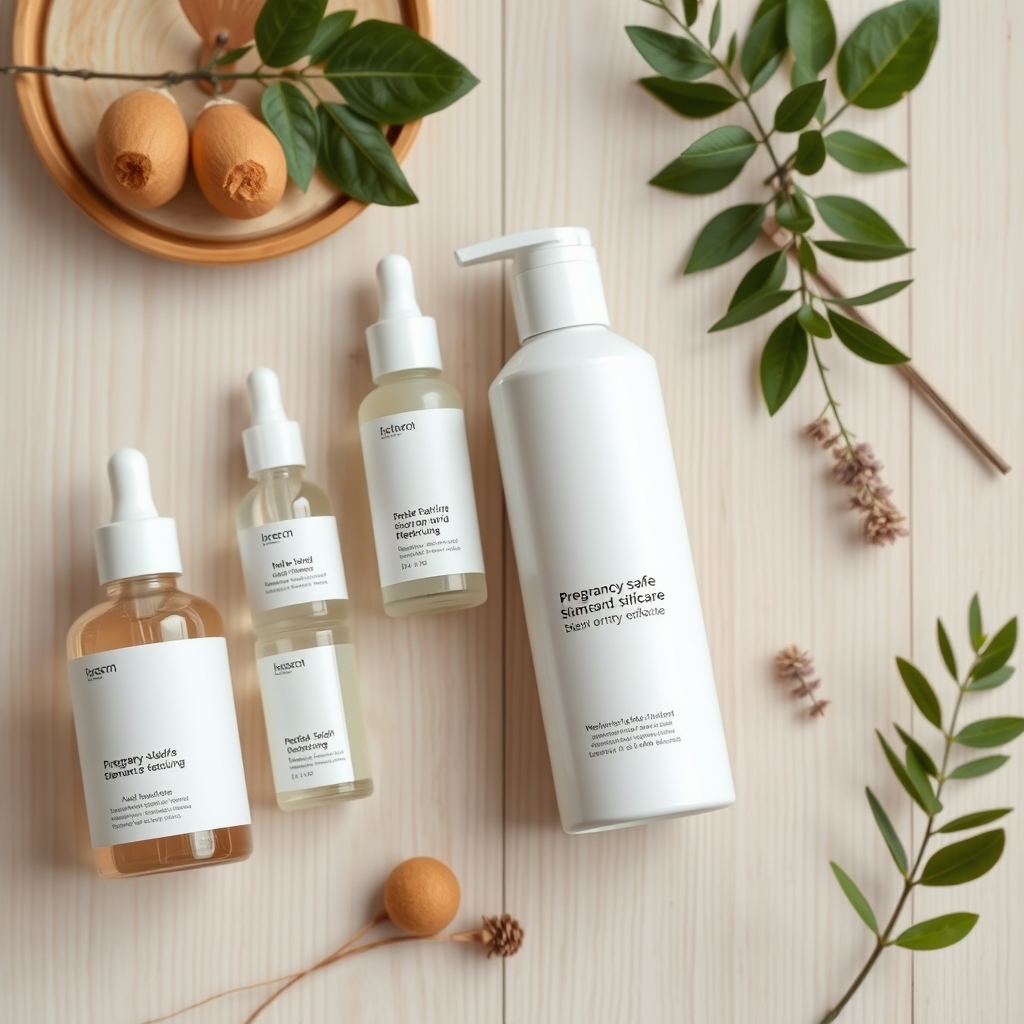
A selection of pregnancy-safe skincare products arranged neatly on a light wood surface, including a gentle cleanser, moisturizer, and mineral sunscreen.
Building a pregnancy-safe skincare routine means selecting products with ingredients known to be gentle and effective without risk.

Which skincare ingredients should pregnant women avoid?

Pregnant women should avoid ingredients like retinoids (including retinol, retinaldehyde, tretinoin, adapalene, tazarotene), hydroquinone, and high-dose salicylic acid. Retinoids, derived from vitamin A, are a primary concern because high systemic absorption has been linked to a rare but serious risk of birth defects (teratogenicity). While topical absorption is typically low, most obstetricians err on the side of caution and recommend avoiding them entirely. Hydroquinone, often used to treat hyperpigmentation or melasma, is another ingredient with significant absorption into the bloodstream, and due to limited safety data in pregnancy, it's generally advised to avoid it. High-dose salicylic acid, commonly used to treat acne in peels or strong topical solutions, can also be problematic. While low concentrations (less than 2%) found in wash-off products like cleansers are generally considered safe, higher concentrations or leave-on products should be discussed with your doctor. Beyond these well-known culprits, other ingredients to approach with caution include certain chemical sunscreens (like oxybenzone, avobenzone), which have been shown to be absorbed systemically and may have endocrine-disrupting potential, though more research is needed to confirm direct harm to the fetus. Formaldehyde and formaldehyde-releasing preservatives (like quaternium-15, DMDM hydantoin) are also best avoided due to potential links to adverse reproductive outcomes. Phthalates and parabens, often found in fragrances and preservatives, are also on many 'avoid' lists due to concerns about endocrine disruption. It's essential to read labels carefully and look for products that are specifically labeled as "pregnancy-safe," "fragrance-free," or "non-comedogenic" to minimize exposure to potentially harmful substances. When in doubt, always consult your healthcare provider or a dermatologist specializing in pregnancy skincare.

Are all skincare products safe to use in the first trimester?

Not
all skincare products are safe to use in the first trimester. This period, from conception to about 12 weeks, is a critical time of rapid fetal development and organogenesis, meaning the baby's major organs are forming. During this vulnerable window, it's essential to be extra cautious about exposure to potentially harmful substances. Ingredients that could pose a risk, even if absorbed in small amounts, are best avoided. This includes the major "no-go" ingredients like retinoids and hydroquinone. Even ingredients generally considered safe in later trimesters, like some chemical exfoliants, might be recommended with more caution or in lower concentrations during the first trimester. The first trimester can also bring increased skin sensitivity, nausea, and changes in smell perception, making even previously loved products irritating or unpleasant. Opting for gentle, fragrance-free products during this critical period can help mitigate discomfort and reduce exposure to unnecessary chemicals. The ACOG generally advises a conservative approach, recommending that if you're unsure about a product, it's best to pause its use and consult your doctor. This allows you to prioritize your baby's development while navigating your changing skin needs with peace of mind.

What is the maximum concentration of salicylic acid safe for pregnancy?

The maximum concentration of salicylic acid generally considered safe for pregnancy, particularly in leave-on products, is typically around 2%. However, the context of its use is very important. Low concentrations (0.5% to 2%) found in wash-off products like cleansers, which are on the skin for only a short period, are usually considered safe because systemic absorption is minimal. The American College of Obstetricians and Gynecologists (ACOG) guidelines suggest that topical salicylic acid in small amounts and low concentrations is generally acceptable. The concern arises with higher concentrations, such as those found in chemical peels or strong spot treatments, where absorption can be more significant. High doses of oral salicylic acid (aspirin) are known to be problematic during pregnancy, especially in the third trimester due to risks like premature ductal closure. While topical absorption is much lower, the precautionary principle applies. If you're considering using a product with salicylic acid, especially a leave-on treatment, it's essential to consult your doctor or dermatologist to ensure the concentration and application method are appropriate for your individual pregnancy.

First Trimester Skincare: Laying the Foundation for Safety

The first trimester is a time of immense change and is often accompanied by heightened sensitivities, not just to smells and tastes, but also to what you apply to your skin. During these initial 12 weeks, your baby is undergoing rapid development, making it the most critical period for avoiding any potential teratogens (substances that can cause birth defects). Therefore, your skincare routine should be stripped down to the essentials: a gentle cleanser, a hydrating moisturizer, and a mineral-based sunscreen. Absolutely avoid retinoids, hydroquinone, and high-dose chemical exfoliants. Even some essential oils can be problematic. Focus on nourishing and protecting your skin with minimal ingredients, and if you experience new breakouts or dryness, consult your doctor rather than reaching for strong treatments without advice.

Second and Third Trimester Skincare: Managing Changes and Maintaining Health

As you move into your second and third trimesters, many of the initial risks associated with fetal development have passed, and your skincare routine can often become a little more flexible. However, ongoing vigilance is still key. Hormonal surges can lead to new skin concerns like melasma (often called the "mask of pregnancy"), increased oiliness, or persistent acne. It's generally safe to incorporate ingredients like azelaic acid, vitamin C, niacinamide, and hyaluronic acid, which can help address these issues effectively. Continue to prioritize mineral sunscreens to protect against melasma, which can be exacerbated by sun exposure. Pay attention to how your skin reacts, as pregnancy can make skin more sensitive or prone to irritation even to previously well-tolerated products.

Skincare While Breastfeeding and Postpartum: Continued Caution and Healing

The postpartum period and breastfeeding bring their own set of considerations for skincare. While many ingredients become safer once the baby is born, some caution is still warranted, especially if you are breastfeeding. The primary concern is whether ingredients can transfer into breast milk in significant amounts or if the product could come into direct contact with your baby's skin or mouth during feeding or cuddling. Generally, ingredients like retinoids are still advised against during breastfeeding, as they can be absorbed systemically. Focus on gentle, non-irritating products. If you use a product on your chest or nipples, ensure it's safe for ingestion or wipe it off thoroughly before feeding. The postpartum period can also bring new skin challenges, such as dryness, hormonal acne, or stretch marks, making it a good time to re-evaluate your routine with your doctor or a dermatologist.

Safe dosage / amount / brands

When it comes to skincare products, "dosage" refers more to the concentration of active ingredients and the frequency of application. For ingredients like salicylic acid, as discussed, concentrations of 2% or less in wash-off products are generally deemed safer. For other active ingredients like glycolic acid, it's recommended to stick to lower concentrations (e.g., 8-10%) and use them less frequently. Always patch-test new products on a small area of skin first, especially during pregnancy when sensitivity can increase. Many brands are known for offering gentle, effective, and often fragrance-free products that are suitable for pregnancy. Some commonly recommended brands include **CeraVe**, **La Roche-Posay**, **Cetaphil**, and **Vanicream**, all of which focus on barrier-supporting ingredients and avoid common irritants. For more active treatments, brands like **The Ordinary** and **Paula's Choice** offer single-ingredient formulations where you can easily identify what you're using. When shopping, look for products that explicitly state they are "pregnancy-safe" or that feature lists of ingredients they exclude, such as "free from parabens, phthalates, and synthetic fragrances." Always cross-reference ingredient lists with the "avoid" list provided by your healthcare provider or a trusted resource like ACOG.
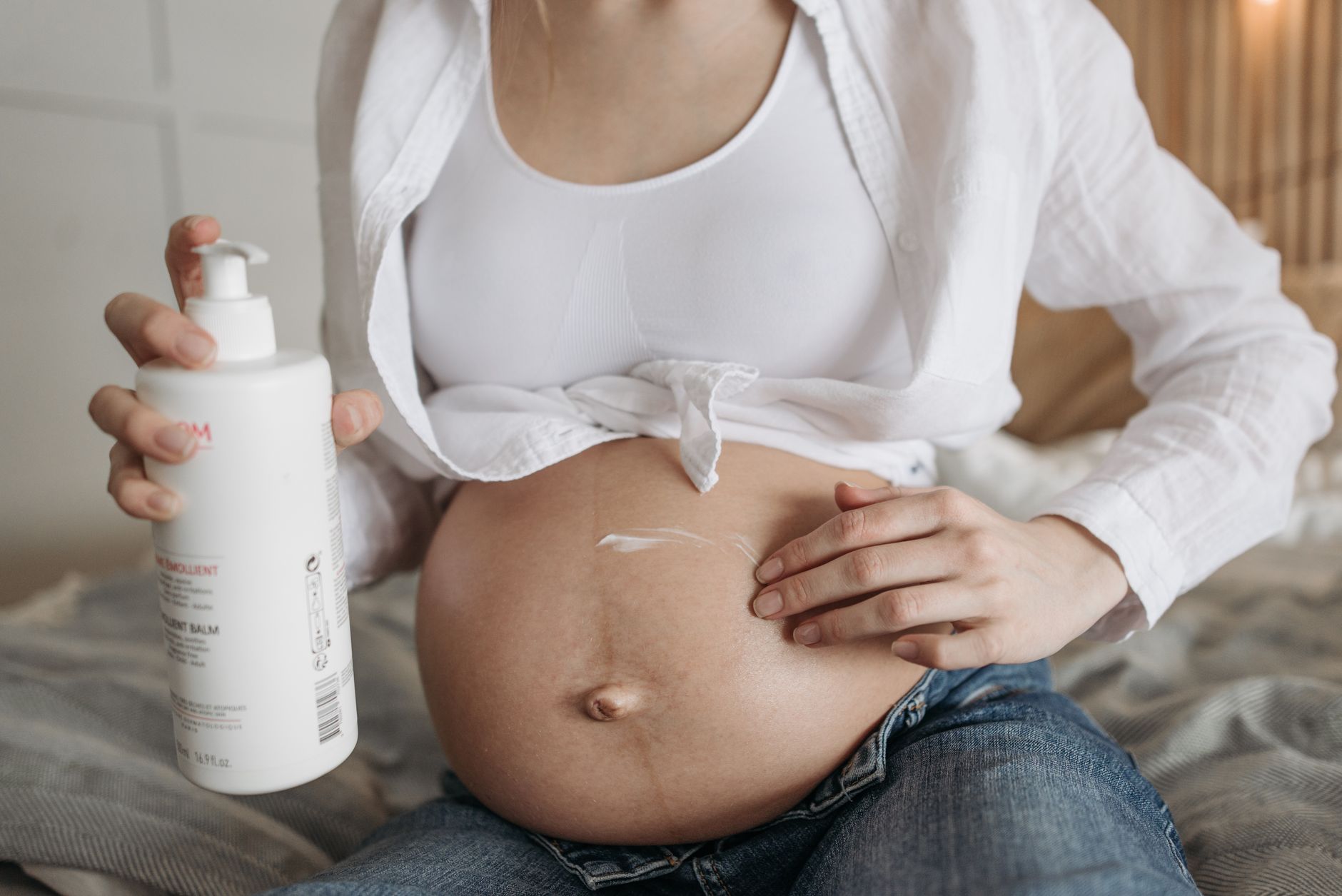
A pregnant woman gently applying a moisturizer to her face, with a soft, natural light, emphasizing a moment of self-care.
Gentle moisturizers are a cornerstone of any pregnancy-safe skincare routine, helping to soothe and protect sensitive skin.

Side effects and risks

Using skincare products during pregnancy, even those considered safe, can sometimes cause side effects due to increased skin sensitivity and hormonal fluctuations. You might experience skin irritation, redness, dryness, or even new allergic reactions to products you previously tolerated. If you notice any unusual or persistent reactions, it's best to discontinue use and consult your doctor or dermatologist. While these reactions are often more annoying than dangerous, they can indicate an underlying sensitivity. The more significant risks come from using ingredients that are known or suspected teratogens, like retinoids and hydroquinone. As mentioned, retinoids have been linked to birth defects when absorbed systemically in high doses. While the risk from topical application is considered low, the potential severity of the outcome leads most experts to recommend complete avoidance. Similarly, hydroquinone's high absorption rate and lack of comprehensive safety data make it a risky choice. Using chemical sunscreens with ingredients like oxybenzone, while not definitively proven harmful to the fetus, are often advised against due to their systemic absorption and potential for endocrine disruption. Always err on the side of caution and prioritize ingredients with robust safety profiles during pregnancy.

Safer alternatives

Some safer alternatives to traditional skincare products and ingredients include:
  • Azelaic acid: A natural ingredient that can help reduce acne, calm redness (rosacea), and improve hyperpigmentation, all while being pregnancy-safe. It's often recommended by dermatologists for pregnancy acne and melasma.
  • Glycolic acid (low concentration): As an alpha hydroxy acid (AHA), it can gently exfoliate the skin and promote collagen production. Stick to concentrations under 10% in wash-off products or use sparingly in leave-on formulas. Lactic acid is another gentle AHA option.
  • Vitamin C serum: A powerful antioxidant that can help address fine lines, wrinkles, and skin discoloration, boost collagen, and protect against environmental damage. It's a fantastic pregnancy-safe anti-aging and brightening ingredient.
  • Niacinamide: A form of vitamin B3 that can help improve skin elasticity, reduce inflammation and redness, minimize pore appearance, and strengthen the skin barrier. It's well-tolerated and highly versatile.
  • Hyaluronic acid: A natural humectant that can attract and lock in moisture, plumping the skin and soothing dryness. It's excellent for hydration and is universally considered safe.
  • Mineral sunscreen (zinc oxide/titanium dioxide): A physical sunblock that sits on top of the skin, providing broad-spectrum protection without systemic absorption. Essential for preventing melasma and sun damage.
  • Bakuchiol: A plant-derived ingredient often touted as a natural alternative to retinol. While studies show it has similar anti-aging benefits, it lacks the known risks of retinoids during pregnancy, making it a popular safe choice.
  • Gentle cleansers (e.g., Cetaphil, CeraVe, Vanicream): Fragrance-free, non-foaming cleansers that help maintain healthy skin without stripping natural oils or causing irritation.
  • Bentonite clay masks: For oily skin or occasional breakouts, a simple clay mask can help absorb excess oil and draw out impurities without harsh chemicals.
  • Topical probiotics: Emerging research suggests that skincare products with probiotics can help balance the skin's microbiome, potentially reducing inflammation and supporting skin health, and are considered safe.
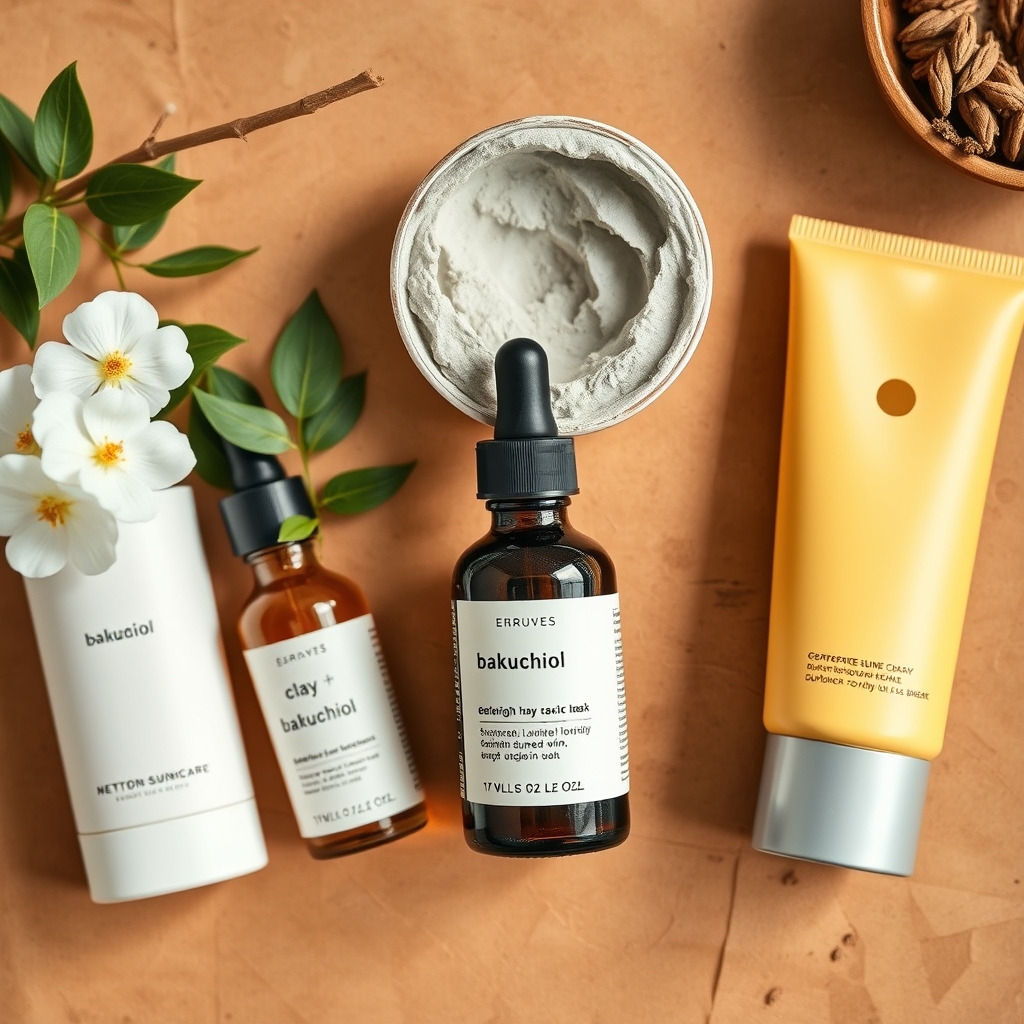
An array of natural and mineral-based skincare alternatives, including a bottle of bakuchiol serum, a jar of clay mask, and a tube of mineral sunscreen, on a rustic wooden table.
Exploring natural and mineral-based alternatives allows you to maintain an effective skincare routine safely during pregnancy.
Item Verdict Notes
Hair dye ⚠️ Generally considered low risk if limited, but many experts suggest waiting until the second trimester. Opt for highlights or balayage to minimize scalp contact.
Nail polish Most nail polishes are safe, but avoid those containing "toxic trio" chemicals: formaldehyde, toluene, and DBP. Look for "3-free" or "5-free" options.
Makeup Most makeup products are safe, but avoid those containing heavy metals (like lead in lipsticks), parabens, or phthalates. Mineral makeup is often a good choice.
Deodorant Most deodorants are safe, but opt for aluminum-free and fragrance-free options if you have sensitive skin or concerns about systemic absorption.
Perfume ⚠️ Avoid during the first trimester due to potential phthalates and strong scents that can trigger nausea. Opt for fragrance-free products or natural essential oil blends (with caution).
Self-tanner Most self-tanners are safe, as the active ingredient dihydroxyacetone (DHA) is minimally absorbed. Avoid spray tans, which can lead to inhalation.
Essential oils (topical) ⚠️ Many are contraindicated. Avoid certain essential oils like tea tree oil, peppermint oil, rosemary, clary sage, and frankincense. Always dilute heavily and consult an expert.
Bug spray Most bug sprays are safe. DEET is considered safe by the CDC when used as directed. Picaridin and oil of lemon eucalyptus are also safe alternatives.
Hair removal creams ⚠️ Generally considered safe due to minimal absorption, but pregnancy can increase skin sensitivity, leading to irritation or allergic reactions. Patch test first.
Chemical peels Avoid during pregnancy. High concentrations of acids can lead to significant systemic absorption and skin irritation, posing unnecessary risks.
Professional facials ⚠️ Generally safe, but inform your aesthetician you're pregnant so they can avoid retinoids, high-dose acids, microdermabrasion, and certain machines. Focus on hydrating, gentle treatments.
Teeth whitening ⚠️ Most dentists recommend avoiding professional or at-home teeth whitening during pregnancy due to the lack of long-term safety data.

Myth vs. fact

* Myth: All skincare products are safe during pregnancy because topical application means minimal absorption. * Fact: While absorption is often low, certain ingredients like retinoids, hydroquinone, and some chemical sunscreens can be absorbed systemically in amounts that raise concern. It's essential to be selective. * Myth: You can't use any active ingredients in your skincare routine during pregnancy. * Fact: Many active ingredients are considered safe and can be very beneficial for common pregnancy skin concerns. Azelaic acid, vitamin C, niacinamide, and low-concentration AHAs are great examples of effective and safe options. * Myth: Natural or organic skincare products are always safe for pregnancy. * Fact: "Natural" doesn't automatically mean "safe." Some natural ingredients, like certain essential oils (e.g., rosemary, clary sage), are contraindicated in pregnancy due to their potent effects. Always check the specific ingredients, regardless of whether a product is labeled natural or organic.

Key takeaways

  • Prioritize safety by carefully reading product labels and understanding which ingredients to avoid (retinoids, hydroquinone, high-dose salicylic acid, certain chemical sunscreens).
  • Opt for gentle, fragrance-free products, especially during the first trimester when fetal development is most rapid.
  • Embrace pregnancy-safe active ingredients like azelaic acid, vitamin C, niacinamide, hyaluronic acid, and bakuchiol to address common skin concerns.
  • Always use a mineral-based sunscreen (zinc oxide or titanium dioxide) daily to protect against UV damage and prevent melasma.
  • Consult your doctor or a dermatologist before introducing any new or strong skincare products into your routine during pregnancy or breastfeeding.
  • Listen to your skin; pregnancy can increase sensitivity, so patch-test new products and discontinue use if irritation occurs.
  • Remember that hormonal changes are temporary, and many pregnancy-related skin conditions will resolve postpartum.

Frequently asked questions

What skincare ingredients to avoid during pregnancy?

During pregnancy, it's essential to avoid ingredients like retinoids (retinol, tretinoin, etc.), hydroquinone, high-dose salicylic acid (over 2% or in leave-on treatments), formaldehyde, phthalates, parabens, and certain chemical sunscreens (like oxybenzone). These ingredients have potential risks for fetal development or significant systemic absorption.

Can I use salicylic acid while pregnant?

Yes, salicylic acid can be used during pregnancy, but with strict limitations. Low concentrations (0.5% to 2%) found in wash-off products like cleansers are generally considered safe. However, higher concentrations in leave-on treatments, peels, or masks should be avoided or used only under the direct guidance of your healthcare provider.

Is hyaluronic acid safe during pregnancy?

Yes, hyaluronic acid is generally considered very safe during pregnancy. It's a natural humectant that effectively locks in moisture, plumps the skin, and can help alleviate dryness and maintain skin hydration without any known risks to the baby. It's an excellent ingredient for all trimesters.

What are safe alternatives to retinol during pregnancy?

Some safe and effective alternatives to retinol during pregnancy include bakuchiol, which offers similar anti-aging benefits without the risks. Azelaic acid and vitamin C serum are also excellent choices for addressing fine lines, hyperpigmentation, and overall skin health, providing antioxidant protection and brightening effects.

Is vitamin C serum safe for pregnancy?

Yes, vitamin C serum is generally considered very safe during pregnancy. It's a powerful antioxidant that helps protect the skin from environmental damage, brightens complexion, reduces hyperpigmentation, and supports collagen production, making it an excellent choice for maintaining healthy skin.

What skincare brands are safe for pregnancy?

Many skincare brands offer pregnancy-safe options. Brands like CeraVe, La Roche-Posay, Cetaphil, and Vanicream are often recommended for their gentle, fragrance-free, and barrier-supporting formulations. Always check the specific product's ingredient list, even within these brands, to ensure it avoids any contraindicated ingredients.

Can I use benzoyl peroxide while pregnant?

Benzoyl peroxide can be used during pregnancy, but it's essential to follow the recommended dosage and amount. The American College of Obstetricians and Gynecologists (ACOG) generally considers topical benzoyl peroxide in concentrations of 5% or less to be safe, as systemic absorption is minimal. Discuss with your doctor before use.

What happens if you use retinol while pregnant?

Using retinol (a type of retinoid) while pregnant carries a rare but serious risk of birth defects. While the risk from topical application is much lower than oral retinoids (like isotretinoin), the potential severity of the outcome leads most obstetricians and dermatologists to recommend complete avoidance as a precautionary measure throughout pregnancy.

How do I deal with pregnancy acne safely?

For pregnancy acne, focus on gentle cleansing and using safe active ingredients. Azelaic acid (10-20%), topical benzoyl peroxide (up to 5%), and low-concentration salicylic acid cleansers are often recommended as safe and effective options. Avoid harsh scrubbing and consult your doctor for persistent or severe breakouts.

Are professional skincare treatments like facials safe during pregnancy?

Most basic professional facials are safe during pregnancy, but it's crucial to inform your aesthetician that you are pregnant. They should avoid treatments involving retinoids, strong chemical peels, microdermabrasion, certain electrical currents, and deep tissue massage. Focus on hydrating, soothing, and gentle extractions if needed.

When to call your doctor

If you experience any new or severe skin reactions, such as excessive redness, swelling, burning, itching, or a widespread rash after using a skincare product, discontinue use immediately and contact your doctor. Also, if you've inadvertently used a product containing a contraindicated ingredient (like a retinoid) before realizing you were pregnant or out of caution, try not to panic, but do inform your obstetrician at your next appointment or sooner if you are very concerned. They can offer reassurance and assess any potential risks based on the specific product and duration of use. Always remember, this information is for educational purposes only and is not a substitute for professional medical advice, diagnosis, or treatment.

References

  1. American College of Obstetricians and Gynecologists (ACOG). (2020). Skin Care During Pregnancy.
  2. National Health Service (NHS). (2020). Skincare during pregnancy.
  3. Food and Drug Administration (FDA). (2020). Pregnancy and Lactation.
  4. Centers for Disease Control and Prevention (CDC). (2020). Pregnancy and Skin Care.
  5. Pryor, L., & Phipps, A. (2020). Pregnancy and Skincare. *Dermatology and Therapy*, *10*(3), 395-403.
  6. Boozalis, E., & Khachemoune, A. (2020). Management of acne vulgaris in pregnancy: A review. *Journal of the American Academy of Dermatology*, *83*(5), 1475-1483.
  7. Betts, C., & Griffiths, C. E. M. (2018). Skincare in pregnancy. *Clinical and Experimental Dermatology*, *43*(1), 1-8.

Editor's pick for this topic

Shubhra Mishra

About the Author

When Shubhra Mishra was expecting her first child in 2016, she was overwhelmed by conflicting food advice — one site said yes, another said never. By the time her second baby arrived in 2019, she realized millions of mothers face the same confusion.

That sparked a five-year journey through clinical nutrition papers, cultural diets, and expert conversations — all leading to BumpBites: a calm, compassionate space where science meets everyday motherhood.

Her long-term vision is to build a global community ensuring safe, supported, and free deliveriesfor every mother — because no woman should face pregnancy alone or uninformed. 🌿

🌍 Stand with mothers, shape safer guidance

Join a small circle of experts who review BumpBites articles so expecting parents everywhere can decide with confidence.

⚠️ Always consult your doctor for medical advice. This content is informational only.