

Quick take: Most regular, moderate‑intensity activities—like walking, swimming, prenatal yoga, and light strength training—are safe throughout pregnancy, provided you listen to your body, stay within recommended intensity limits, and get clearance from your provider, especially if you have hypertension, gestational diabetes, or back pain.
It’s 2 a.m., you’ve just finished a short jog and the “Is this exercise safe while pregnant?” question is buzzing in your mind. You’re not alone—many expectant moms wonder whether their favorite workouts still fit into the changing landscape of pregnancy. The short answer is yes, with a few important tweaks.
In this guide we’ll walk through the core safety guidelines, break down what’s recommended in each trimester, and show how common conditions like hypertension or back pain shape your choices. We’ll also give you practical tips on intensity, heart‑rate limits, and warning signs, plus a quick‑check checklist you can print out. By the end you’ll feel confident tailoring your routine, whether you’re a yoga enthusiast, a runner, or just getting started with gentle movement.
Overview of exercise safety guidelines during pregnancy
Exercise is one of the most beneficial things you can do for you and your baby. The American College of Obstetricians and Gynecologists (ACOG) and the UK National Health Service (NHS) both recommend at least 150 minutes of moderate‑intensity aerobic activity per week for healthy pregnant women. “Moderate” means you can talk, but not sing, while you move.
Key safety pillars include:
- Medical clearance: Before you start or continue a program, get a green light from your obstetrician, midwife, or family physician. This is especially important if you have chronic hypertension, pre‑eclampsia risk, gestational diabetes, or a history of preterm birth.
- Intensity limits: Keep your heart rate below about 140 beats per minute (bpm) in the second trimester and below 150 bpm in the third, or use the “talk test” and a perceived exertion (RPE) of 12–14 on a 6‑20 scale.
- Environment: Avoid overly hot, humid, or high‑altitude settings. Dehydration and overheating can reduce blood flow to the uterus.
- Footwear and surface: Choose supportive shoes and low‑impact surfaces (e.g., rubber gym flooring, grass, or a pool). This reduces stress on joints that become more lax thanks to pregnancy hormones.
- Hydration and nutrition: Drink water before, during, and after workouts, and eat a balanced snack with protein and carbs if you’re exercising for longer than an hour.
These pillars apply across all trimesters, but the specifics shift as your belly grows and your body’s biomechanics change. Below we’ll map out the trimester‑by‑trimester nuances, and later we’ll add nutrition and climate tips that help you stay safe and energized.
Remember, the goal isn’t to push performance records; it’s to keep moving in a way that supports circulation, mood, and muscle tone while respecting the growing baby.

Trimester‑specific recommendations and restrictions
Energy levels can swing dramatically, and many women experience nausea, fatigue, and heightened sensitivity to heat. The good news: most pre‑pregnancy routines can continue, as long as you modify intensity and stay well‑hydrated. Focus on maintaining a steady pace rather than pushing new PRs.
- Cardio: Walking, stationary cycling, swimming, and low‑impact aerobics are ideal. If you love running, keep it to a gentle jog (no more than 5 km/h) and listen to any dizziness or nausea.
- Strength: Light resistance bands or body‑weight moves (squats, wall push‑ups) are safe. Avoid heavy lifting that requires a Valsalva maneuver (holding breath while straining).
- Flexibility: Prenatal yoga or gentle stretching can relieve tension, but steer clear of deep forward bends that compress the abdomen.
Because hormonal shifts can affect ligament flexibility, it’s wise to add extra warm‑up time—about five minutes of light cardio and dynamic stretching—before you dive into the main set. This helps protect the joints that are becoming more pliable.
Second trimester (14‑27 weeks)
This is often the “honeymoon” phase—energy returns, the belly is still relatively flat, and your pelvis is more stable. It’s a great time to add variety, but also to start thinking about balance and core stability as your center of gravity shifts.
- Cardio: Brisk walking, swimming, elliptical, and low‑impact dance classes remain excellent. If you’re a runner, consider a run‑walk schedule, limiting runs to under 30 minutes and staying below 140 bpm.
- Strength: Continue with resistance bands, light dumbbells (5‑10 lb), and modified squats. Emphasize form over weight; the goal is to maintain muscle tone, not build bulk.
- Core & balance: Pelvic‑floor exercises (Kegels) and stability ball work can counteract the widening hips.
During this trimester, many women notice a mild lower‑back ache caused by the expanding uterus. Adding a few minutes of supine pelvic‑tilt or cat‑cow stretches after cardio can keep the spine supple and reduce pain later on.
Third trimester (28 weeks to birth)
Your belly may now be the size of a watermelon, and you’ll notice increased joint laxity. The focus shifts to maintaining mobility, managing swelling, and preparing for labor.
- Cardio: Walking, water aerobics, and stationary cycling are safest. Limit sessions to 20‑30 minutes if you feel short‑of‑breath. Keep heart rate under 150 bpm.
- Strength: Light resistance work (e.g., dumbbells ≤ 5 lb) and body‑weight exercises that don’t require deep bending. Use a sturdy chair for support when needed.
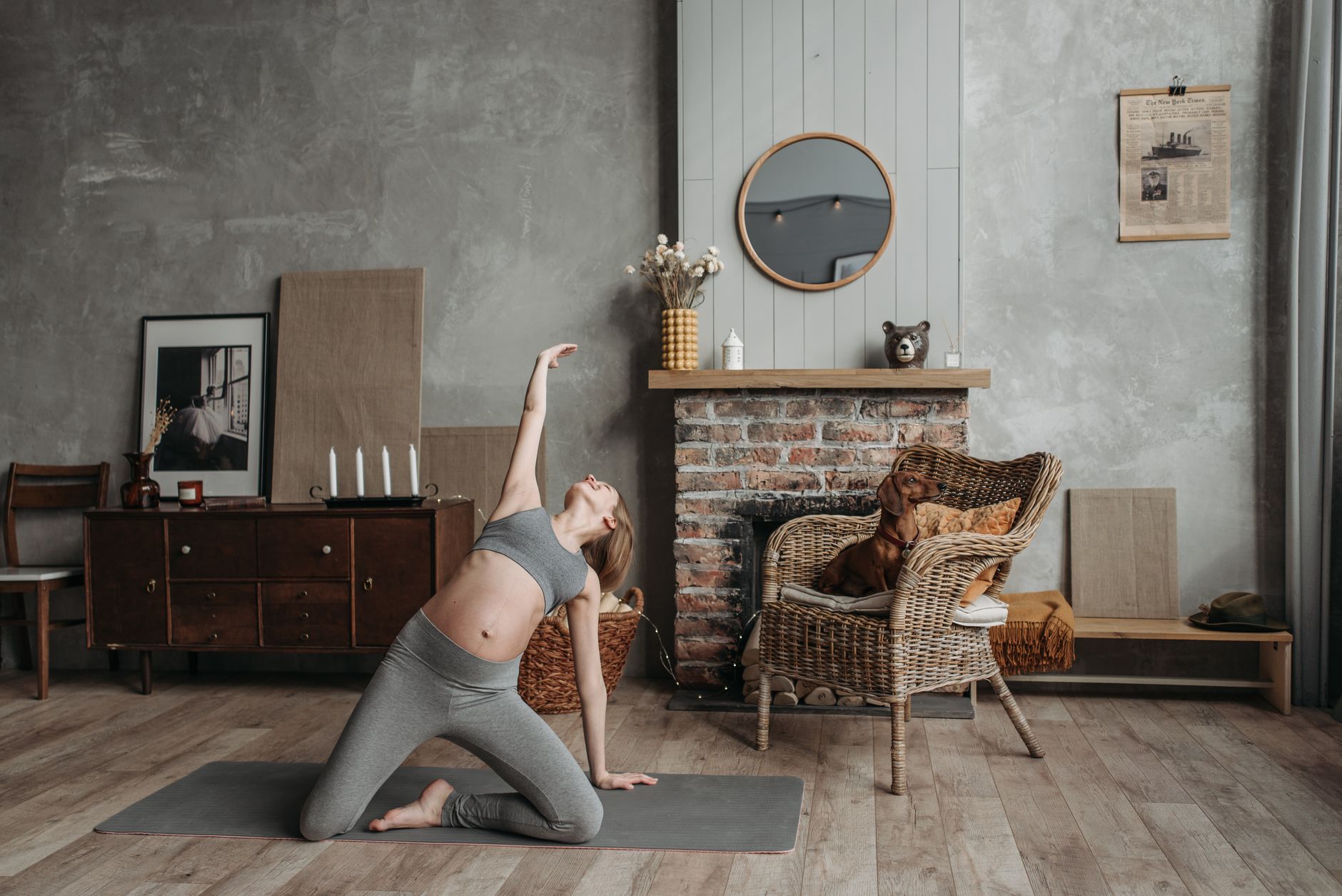
- Flexibility & relaxation: Prenatal yoga, especially classes that focus on breathing and gentle hip openers, helps with labor preparation. Avoid inversions and deep twists.
Even in the third trimester, staying active can lessen the severity of common discomforts like swelling and constipation. Short, frequent walks are especially effective at keeping blood circulating in the legs.
No matter the trimester, stop any activity immediately if you experience vaginal bleeding, severe cramping, dizziness, chest pain, or sudden shortness of breath.
As you progress, keep a simple journal of how each workout feels; patterns of fatigue or discomfort can help you and your provider fine‑tune the plan.
Exercise options for common pregnancy conditions
Many expectant mothers have conditions that influence what’s safest. Below we break down the most common scenarios.
| Condition | Recommended Exercise Types | Key Modifications | When to Seek Guidance |
|---|---|---|---|
| Hypertension (chronic or gestational) | Walking, swimming, stationary cycling, prenatal yoga | Keep intensity low (RPE 11‑12), monitor blood pressure before and after sessions | If systolic > 160 mmHg or diastolic > 110 mmHg |
| Gestational diabetes | Moderate‑intensity cardio (e.g., brisk walking), resistance training with light weights | Aim for 30 minutes most days; avoid prolonged fasting before workouts | If glucose spikes > 180 mg/dL after exercise |
| Low back pain | Pilates‑style core work, swimming, prenatal yoga, seated rowing | Focus on pelvic‑floor activation, avoid deep forward bends, use a supportive cushion | If pain worsens or radiates down the leg |
| Joint hypermobility / ligament laxity | Low‑impact cardio, resistance bands, stability‑ball exercises | Prioritize controlled movements, avoid high‑impact plyometrics | If you notice frequent sprains or giving‑away sensations |
Each of these categories underscores the importance of personalized adjustments. For instance, a woman with hypertension may benefit from a heart‑rate monitor and pre‑exercise blood‑pressure checks, while someone with back pain might focus on swimming to off‑load spinal pressure.
Choosing safe workouts: intensity, heart rate, and perceived exertion
Because pregnancy changes cardiovascular dynamics, using a combination of heart‑rate monitoring and the Borg Rating of Perceived Exertion (RPE) scale helps you stay within safe limits without obsessively counting beats.
- Heart‑rate caps: Aim for 140 bpm in the second trimester and 150 bpm in the third. If you’re on medication that affects heart rate, rely more on RPE.
- RPE guideline: Keep your effort at an RPE of 12‑14 (moderate) on the 6‑20 scale. This feels like a “somewhat hard” effort where you can still hold a conversation.
- Duration: Sessions of 20‑30 minutes are ideal; you can combine multiple short bouts throughout the day to reach the 150‑minute weekly goal.
- Frequency: 3‑5 days per week provides consistency while allowing recovery.
If you prefer not to wear a heart‑rate monitor, the “talk test” works well: you should be able to speak full sentences without gasping. For activities like swimming where a monitor may be less practical, RPE and the talk test are your best tools.
Remember that the perceived exertion can feel different as your pregnancy progresses; what felt “moderate” in the first trimester may feel “hard” later on. Adjust accordingly, and don’t hesitate to lower intensity if you’re feeling unusually warm or breathless.
How to modify moves and avoid injury
As your belly expands, certain movements become uncomfortable or unsafe. Below are practical tweaks for popular exercises.
- Running: Switch to a run‑walk pattern (2 minutes jog, 1 minute walk). Shorten stride length and land softly to reduce joint impact. Consider a treadmill with a slight incline to mimic outdoor walking without the jarring bounce.
- Weightlifting: Replace barbell squats with goblet squats holding a light kettlebell close to the chest. Keep the back straight, avoid locking knees, and exhale on the upward phase.
- HIIT: Scale down high‑impact intervals (e.g., replace jump squats with body‑weight squats). Keep work intervals under 30 seconds and rest for at least 60 seconds.
- Pilates: Use a stability ball for supine core work instead of floor‑based roll‑ups, which can strain the lower back.
- Yoga: Opt for poses that keep the belly open, such as Cat‑Cow, Warrior II, and seated forward folds with a bolster. Skip deep twists and inversions like headstand or shoulder stand.
Always warm up for at least five minutes (e.g., marching in place, gentle arm circles) and cool down with slow stretching to aid circulation and reduce soreness. Adding a short, gentle pelvic‑tilt at the end of each session can also help keep the lower back comfortable.
Building your personalized pregnancy exercise plan
Creating a routine that fits your lifestyle, trimester, and any health conditions is easier when you have a clear framework. Here’s a step‑by‑step template you can adapt:
- Check clearance: Schedule a brief visit with your provider. Bring a list of current activities, any symptoms, and any medications you’re taking.
- Set goals: Decide whether you want to maintain fitness, manage weight, improve mood, or prepare for labor. Write them down; they’ll guide your exercise choices.
- Select modalities: Choose 2‑3 types (e.g., walking, swimming, prenatal yoga) that you enjoy and that meet safety criteria.
- Determine frequency & duration: Aim for 150 minutes per week, split into 30‑minute sessions, 5 days a week.
- Monitor intensity: Use a heart‑rate monitor or RPE. Keep within the trimester‑specific caps mentioned above.
- Plan progression: In the first two trimesters you might add 5‑minute increments every two weeks. In the third trimester, maintain or slightly reduce volume to accommodate fatigue.
- Schedule recovery: Include at least one rest day per week and light‑stretching days to keep muscles supple.
For a quick numeric check—like confirming you’re staying under the heart‑rate limit or tracking weekly minutes—try our Pregnancy Workout Safety calculator. It lets you plug in your age, trimester, and activity type to see personalized recommendations.
Don’t forget to keep a simple log (paper or phone) of how you feel after each workout. Noting things like “felt steady,” “leg cramps,” or “a little breathless” creates a pattern you can discuss at prenatal visits, helping your provider fine‑tune recommendations.
Nutrition to fuel your workouts during pregnancy
Exercise burns calories, but pregnancy also increases basal metabolic demands. The Institute of Medicine (IOM) suggests an extra 300 kcal per day in the second and third trimesters for most women. Pairing those calories with the right macronutrients helps you sustain energy, protect muscle, and support fetal growth.
- Carbohydrates: Aim for complex carbs (whole grains, legumes, fruit) that provide steady glucose. A small banana or a slice of whole‑grain toast with nut butter before a walk can prevent low‑blood‑sugar dips.
- Protein: Include 20‑30 g of high‑quality protein in each main meal (e.g., Greek yogurt, lean poultry, tofu). Protein supports muscle repair after strength sessions.
- Healthy fats: Omega‑3 fatty acids from fish (low‑mercury options like salmon) or flaxseed support both brain development and anti‑inflammatory recovery.
- Hydration: Aim for 2.5–3 L of fluid daily, especially on workout days. Electrolyte‑enhanced water can be useful after longer sessions or in warmer climates.
Timing matters, too. A light snack 30‑60 minutes before moderate activity—such as a piece of fruit with a handful of nuts—provides quick fuel without causing nausea. Post‑exercise, refuel within two hours with a mix of carbs and protein (e.g., a smoothie with spinach, berries, and whey protein) to replenish glycogen stores and aid recovery.
For those who struggle with appetite, split meals into smaller, more frequent portions throughout the day; this keeps energy stable and reduces the chance of feeling overly full before a workout.
Staying cool: exercising in warm weather and avoiding overheating
Heat stress is a real concern. The CDC warns that pregnant people are more susceptible to dehydration and heat‑related complications, which can affect uterine blood flow. Follow these strategies to stay comfortable on a summer jog or a hot‑day yoga class:
- Choose cooler times: Early morning or late evening sessions keep ambient temperature lower.
- Dress in layers: Moisture‑wicking fabrics pull sweat away from the skin, while a light, breathable outer layer can be removed as you warm up.
- Stay hydrated: Sip water before you feel thirsty. Adding a pinch of salt or an electrolyte tablet can replace minerals lost in sweat.
- Monitor core temperature: If you feel unusually hot, flushed, or start to sweat profusely, stop, move to shade, and drink cool fluids. The “talk test” is especially helpful here—if you can’t speak comfortably, you’re likely overexerting.
- Environment: Opt for indoor pools or climate‑controlled gyms when outdoor heat spikes above 30 °C (86 °F).
Women with hypertension should be especially vigilant, as overheating can raise blood pressure. If you notice a sudden spike in your home‑monitor reading after a workout, pause and discuss it with your provider.
In addition to external heat, internal temperature can rise during vigorous effort; a quick cool‑down with gentle walking and a splash of water on the wrists can help normalize your core temperature faster.
Preparing for labor: how exercise can help with delivery and recovery
Regular activity builds endurance, strengthens core and pelvic‑floor muscles, and improves circulation—all of which can translate to a smoother labor experience. Studies cited by ACOG show that women who maintain moderate exercise are less likely to need a cesarean section and often report shorter second‑stage labor.
Specific moves that mimic labor‑related muscles—such as squats, lunges, and pelvic‑tilt bridges—enhance hip flexibility and support the uterus’s descent. Adding rhythmic breathing practiced in prenatal yoga can also teach you how to stay calm and maintain oxygen flow during contractions.
Post‑delivery, many of the same exercises can accelerate recovery. Light walking the day after birth promotes circulation, while gentle pelvic‑floor training helps with urinary control. Always wait for your provider’s clearance before resuming higher‑intensity workouts, typically around six weeks postpartum for uncomplicated pregnancies.
Even if you’re not planning a “active birth,” staying fit can reduce fatigue, improve mood, and give you confidence in your body’s ability to move through labor.
Mental health benefits of exercise during pregnancy
Beyond the physical advantages, regular movement can be a powerful mood‑stabilizer. The NHS notes that moderate exercise releases endorphins, which help alleviate pregnancy‑related anxiety and depressive symptoms. ACOG’s 2020 guidelines also highlight that women who stay active report better sleep quality and lower perceived stress.
Choosing activities you enjoy—whether it’s a gentle water walk or a dance class—creates a sense of routine and control during a time that often feels unpredictable. If you ever feel overwhelmed, try a 10‑minute mindful‑movement break: focus on your breath, notice how your body moves, and let tension melt away.
When mood dips, consider pairing exercise with a supportive community, such as a prenatal fitness group or an online forum, to share experiences and stay motivated.
Safety considerations for specific activities (cycling, rowing, dance)
Not all workouts are created equal when a baby is growing. Here’s a quick guide to three popular options:
- Cycling: Stationary bikes are safe throughout pregnancy because you stay upright and can control resistance. Outdoor cycling is okay in the first two trimesters if you avoid rough terrain and wear a properly fitted helmet. After the 20‑week mark, consider switching to a recumbent bike to reduce balance challenges.
- Rowing: A rowing machine provides low‑impact cardio and works the upper back and legs. Keep resistance moderate and avoid leaning too far forward, which can compress the abdomen. Listen for any pelvic pressure; if you feel discomfort, stop and switch to a seated workout.
- Dance: Low‑impact styles like Zumba Gold, prenatal dance, or gentle salsa can be fun cardio. Skip high‑kick moves or rapid spins that increase fall risk. Practicing on a stable surface with supportive footwear helps keep joints safe.
For any new activity, start with a short 5‑minute session, monitor how you feel, and gradually increase duration as tolerated. When in doubt, ask the instructor if they offer a “pregnancy‑safe” modification.
From our medical team: Regular, moderate activity supports healthier placental function, reduces risk of gestational diabetes, and can shorten labor. Yet the safest exercise is the one that respects your unique physiology. If something feels off, pause, hydrate, and call your provider. Adjustments are normal, and most women can stay active safely with the right plan.
Myth vs. fact
Myth: You must stop all exercise once you’re pregnant.
Fact: Exercise is encouraged throughout pregnancy for most women, with modifications as the belly grows and as any medical conditions dictate.
Myth: High‑intensity interval training (HIIT) is always unsafe for pregnant people.
Fact: HIIT can be safe if kept low‑impact, short (under 30 seconds per burst), and performed at a moderate RPE. Always get clearance and monitor heart rate.
Myth: Weightlifting will cause your baby to “fall out” of the uterus.
Fact: Light to moderate resistance training strengthens supportive muscles and does not endanger the baby when performed with proper form.
Key takeaways
- Most moderate activities—walking, swimming, prenatal yoga, and light strength work—are safe throughout pregnancy.
- Stay within trimester‑specific heart‑rate caps (≈ 140 bpm in 2nd trimester, ≤ 150 bpm in 3rd) or use an RPE of 12‑14.
- Adjust exercises for common conditions: keep intensity low for hypertension, focus on low‑impact cardio for back pain, and avoid deep twists if you have joint laxity.
- Listen to your body; stop immediately if you notice bleeding, severe pain, dizziness, or abnormal shortness of breath.
- Consult your provider before starting or changing any routine, especially if you have gestational diabetes, hypertension, or a history of preterm labor.
- Use tools like the Pregnancy Workout Safety calculator to personalize minutes, intensity, and safe heart‑rate zones.
Frequently asked questions
What exercises should I avoid while pregnant?
High‑impact activities that involve jumping, deep twisting, or lying flat on your back after the first trimester should be avoided; also steer clear of contact sports, scuba diving, and heavy weightlifting that requires a Valsalva maneuver.
Is it safe to do high‑intensity interval training during pregnancy?
Yes, if you keep intervals short (≤ 30 seconds), use low‑impact moves (e.g., step‑ups instead of burpees), and stay below the heart‑rate cap; always get provider clearance first.
Can I continue my pre‑pregnancy workout routine in the third trimester?
Often you can, but you’ll need to modify intensity, reduce duration, and avoid exercises that put pressure on the abdomen; focus on maintaining fitness rather than setting new performance goals.
How much exercise is recommended for pregnant women?
ACOG and NHS guidelines suggest at least 150 minutes of moderate‑intensity aerobic activity per week, spread over most days, plus two days of light strength training.
Is swimming a safe exercise during pregnancy?
Absolutely—swimming and water aerobics are low‑impact, keep you cool, and support the weight of your growing belly, making them ideal throughout all trimesters.
What are the signs that I should stop exercising while pregnant?
Stop immediately if you experience vaginal bleeding, severe cramping, dizziness, chest pain, shortness of breath that feels out of proportion, or a sudden increase in swelling that doesn’t improve with rest.
Can I start a new workout like Pilates or barre in the second trimester?
Yes, as long as the class is specifically labeled “prenatal” or “pregnancy‑safe,” avoids deep twists and heavy resistance, and you stay within the recommended heart‑rate range. Ask the instructor about modifications before the first session.
How do I safely return to exercise after a C‑section?
Most providers advise waiting 6–8 weeks before resuming moderate activity, starting with gentle walking and pelvic‑floor exercises. Gradually re‑introduce core work only after clearance, and avoid any abdominal strain until the incision has fully healed.
Is yoga still okay once my belly gets bigger?
Yes—prenatal yoga classes adapt poses to keep the abdomen open and avoid deep twists. Focus on gentle stretches, breathing, and hip‑opening moves, and always listen for any discomfort.
What if I feel unusually fatigued during my workouts?
If fatigue feels excessive, reduce the session length, add a rest day, and make sure you’re fueling properly before and after exercise. Persistent exhaustion should be discussed with your provider to rule out anemia or other issues.
When to call your doctor
If you notice any of the warning signs listed above—especially bleeding, severe abdominal pain, persistent dizziness, or an abnormal rise in heart rate—contact your obstetrician, midwife, or go to the nearest emergency department right away. This article is for general information only and does not replace personalized medical advice.
References
- American College of Obstetricians and Gynecologists (ACOG). “Physical Activity and Exercise During Pregnancy and the Postpartum Period.” Practice Bulletin No. 226, 2020.
- National Health Service (NHS). “Exercise in pregnancy.” Updated 2022.
- World Health Organization (WHO). “Recommendations on Antenatal Care for a Positive Pregnancy Experience.” 2016.
- Mayo Clinic. “Exercise during pregnancy: Is it safe?” 2023.
- Centers for Disease Control and Prevention (CDC). “Physical Activity for Pregnant Women.” 2021.
- Royal College of Obstetricians and Gynaecologists (RCOG). “Guidelines on the Management of Hypertension in Pregnancy.” 2022.
- American Diabetes Association (ADA). “Gestational Diabetes Mellitus.” Standards of Care, 2023.
- National Institute for Health and Care Excellence (NICE). “Antenatal Care for Women with Pre‑Existing Conditions.” 2021.
- Institute of Medicine (IOM). “Dietary Reference Intakes for Energy.” 2005.

