Safe in most cases. Is sex toys during pregnancy safe? Experts say yes, but avoid high intensity or internal use in the first trimester—here’s why.
By Shubhra Mishra — a mom of two who turned her own confusion during pregnancy into BumpBites, a global mission to make food choices clear, safe, and stress-free for every expecting mother. 💛
Check whether any food is safe during pregnancy with the BumpBites Food Safety Checker.
Quick verdict: ⚠️ Generally safe with precautions. Most sex toys are safe to use during pregnancy if you follow hygiene guidelines, avoid deep penetration, and choose body-safe materials like medical-grade silicone. However, if you have a high-risk pregnancy (e.g., placenta previa, preterm labor risk, or cervical insufficiency), check with your provider first. The key is comfort, cleanliness, and listening to your body.
You’re curled up in bed, scrolling at midnight, heart pounding: Is it safe to use sex toys during pregnancy? Maybe you already used one and now you’re panicking. Or maybe you’re just trying to figure out how to keep intimacy alive as your body changes. Either way, you’re not alone—this is one of the most Googled pregnancy questions, and the answers online are often vague or alarmist.
Here’s the good news: sex toys are generally safe during pregnancy for most people, as long as you take a few simple precautions. The bigger question isn’t just can you, but how—what types, how often, and when to pause. Below, we’ll break it down by trimester, cover the risks (and myths), and give you a clear roadmap so you can relax—or know exactly when to call your doctor.
Sex toys during pregnancy: safety snapshot
Trimester
Verdict
Notes
First trimester
✅ Generally safe
Safe if you’re comfortable and have no high-risk conditions. Avoid deep penetration if you’re experiencing nausea or fatigue.
Second trimester
✅ Generally safe
Often the most comfortable trimester for sex toy use. Stick to body-safe materials and avoid excessive pressure on the cervix.
Third trimester
⚠️ Safe with caution
Avoid deep penetration or anything that causes discomfort. Some providers recommend stopping if you’re at risk for preterm labor.
Breastfeeding
✅ Generally safe
Safe to resume after postpartum recovery (typically 4-6 weeks). Use lubrication, as breastfeeding can cause vaginal dryness.
What are sex toys, and why do people use them during pregnancy?
Sex toys are objects designed to enhance sexual pleasure, either solo or with a partner. They come in countless shapes, sizes, and materials—vibrators, dildos, anal plugs, clitoral stimulators, and more. During pregnancy, many people turn to them for a few key reasons:
Comfort and adaptability: As your body changes, some positions or types of touch may feel less comfortable. Sex toys can help you explore what works now.
Hormonal shifts: Pregnancy hormones can boost libido for some and tank it for others. Toys can help bridge the gap when desire fluctuates.
Partner dynamics: If your partner is nervous about sex during pregnancy (a common fear!), toys can keep intimacy alive without pressure.
Pain relief: Some people use vibrators to ease pelvic or back pain, as the vibrations can relax tense muscles.
But here’s the catch: not all sex toys are created equal, especially during pregnancy. The materials, shape, and how you use them matter more than ever.
Is it safe to use sex toys during pregnancy?
According to the American College of Obstetricians and Gynecologists (ACOG) and the UK’s National Health Service (NHS), sex toys are generally safe during pregnancy for most people. The amniotic sac and strong uterine muscles protect your baby, and the cervix acts as a barrier to prevent anything from reaching the uterus. However, there are a few important caveats:
High-risk pregnancies: If you have conditions like placenta previa, cervical insufficiency, or a history of preterm labor, your provider may recommend avoiding penetration (including with toys).
Infections: Pregnancy makes you more susceptible to infections, so hygiene is critical. Always clean toys before and after use, and avoid sharing them.
Discomfort: If a toy causes pain, cramping, or spotting, stop using it and check in with your provider.
Most obstetricians agree that the biggest risks aren’t to the baby, but to you—irritation, infection, or discomfort. As long as you’re using body-safe materials (like medical-grade silicone) and listening to your body, sex toys are a low-risk way to maintain intimacy.
That said, if you’re ever unsure, it’s always okay to ask your provider. They’ve heard it all before—and they’d rather you ask than stress in silence.
Is it safe to use sex toys in the first trimester of pregnancy?
The first trimester can feel like a rollercoaster: exhaustion, nausea, and tender breasts might make sex (or even the idea of it) unappealing. But if you’re feeling up to it, sex toys are generally safe during this time. Here’s what to keep in mind:
Avoid deep penetration: If you’re experiencing nausea or fatigue, deep penetration might feel uncomfortable. Opt for external toys (like clitoral stimulators) or shallow penetration.
Watch for spotting: Light spotting after sex (or toy use) can be normal due to increased blood flow to the cervix, but heavy bleeding or cramping warrants a call to your provider. (For more on this, check out our guide on cramping after sex during pregnancy.)
Hygiene matters: Your immune system is slightly suppressed during pregnancy, making you more prone to infections. Clean toys thoroughly with mild soap and warm water before and after use.
If you’re high-risk (e.g., history of miscarriage or cervical insufficiency), your provider might recommend avoiding penetration altogether. Otherwise, as long as you’re comfortable, there’s no need to stop.
Can you use vibrators during the second trimester of pregnancy?
For many people, the second trimester is the golden window for sex toy use. Nausea and fatigue often ease up, energy returns, and your growing belly might not yet be in the way. Vibrators are safe to use during this trimester, but here’s how to do it comfortably:
Positioning: As your belly grows, some positions may feel awkward. Side-lying or using a pregnancy pillow for support can help. (For more ideas, see our guide on the best sex positions during pregnancy.)
Cervical sensitivity: Your cervix is higher and softer during pregnancy, so avoid deep penetration or anything that presses against it. If you feel a sharp pain or cramping, stop and adjust.
Vibration intensity: Some people find that vibrations feel more intense during pregnancy due to increased blood flow. Start with a lower setting and adjust as needed.
One thing to note: if you’re using a wand vibrator, avoid pressing it directly against your cervix. The vibrations can cause discomfort or even mild cramping. Instead, focus on external stimulation or shallow penetration.
Are sex toys safe in the third trimester or should you avoid them?
The third trimester brings a mix of excitement and discomfort. Your belly is bigger, your joints may ache, and you might feel like a beached whale. So, are sex toys still safe? Yes, but with extra caution.
Avoid deep penetration: As your baby drops lower into your pelvis, deep penetration can feel uncomfortable or even painful. Stick to external toys or shallow penetration.
Watch for contractions: Orgasms can cause mild, temporary contractions (called Braxton Hicks). These are usually harmless, but if they become regular or painful, stop and call your provider.
High-risk pregnancies: If you’re at risk for preterm labor, your provider may recommend avoiding orgasms (and thus, sex toys) altogether. This is because oxytocin, the hormone released during orgasm, can stimulate contractions.
If you’re full-term (37+ weeks), some providers even encourage sex or orgasm to help ripen the cervix. But if you’re not comfortable, there’s no pressure—your body, your rules.
What types of sex toys are safest to use while pregnant?
Not all sex toys are created equal, especially during pregnancy. Here’s what to look for (and avoid) when choosing a toy:
Safest sex toy materials and types during pregnancy
Material/Type
Safety Verdict
Notes
Medical-grade silicone
✅ Safest
Non-porous, easy to clean, and body-safe. Look for "100% medical-grade silicone" on the label.
Glass (borosilicate)
✅ Safe
Non-porous and easy to sterilize. Avoid if you’re prone to dropping things (it can break!).
Stainless steel
✅ Safe
Non-porous and durable, but can feel cold. Warm it up with your hands or warm water first.
Cyberskin/TPE
⚠️ Use with caution
Porous materials can harbor bacteria, even with cleaning. If you use them, cover with a condom and clean thoroughly.
Jelly rubber
❌ Avoid
Often contains phthalates (chemicals that may disrupt hormones). Hard to clean and can degrade over time.
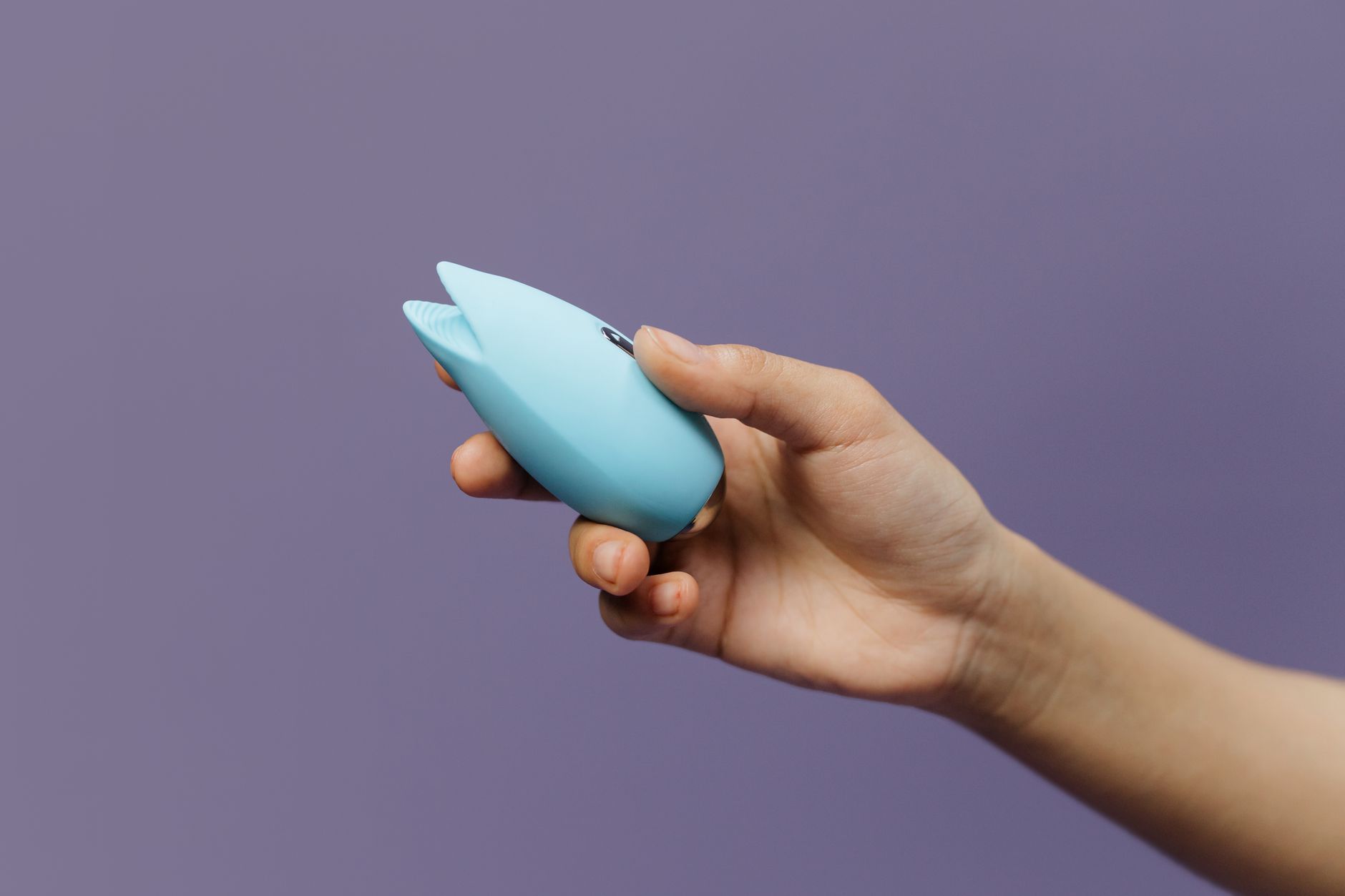
External vibrators (clitoral stimulators)
✅ Safest
No penetration needed, so they’re a great option if you’re uncomfortable with internal toys.
G-spot vibrators
⚠️ Safe with caution
Safe if used gently, but avoid deep penetration or pressing against the cervix.
Anal toys
⚠️ Talk to your doctor first
Anal play is generally safe during pregnancy, but avoid if you have hemorrhoids or are at risk for preterm labor.
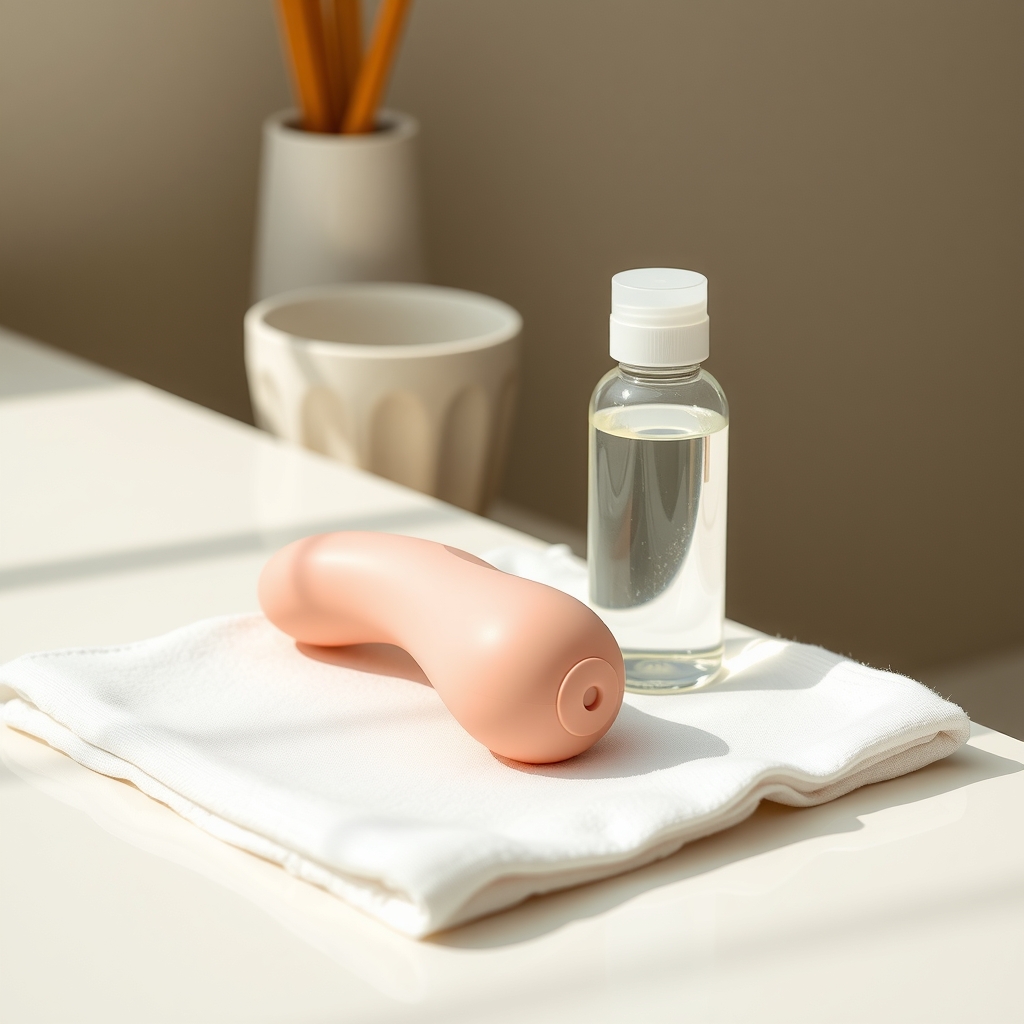
When in doubt, stick to external toys or shallow penetration. And always clean your toys before and after use with mild soap and warm water (or a toy cleaner designed for the material).
Can using sex toys during pregnancy cause miscarriage or preterm labor?
This is the question that keeps many pregnant people up at night: Could my vibrator cause a miscarriage? The short answer: no, not for most people.
Here’s what the evidence says:
Miscarriage: The ACOG states that sex (or orgasm) does not increase the risk of miscarriage in a healthy pregnancy. The same applies to sex toys. Miscarriages are almost always caused by chromosomal abnormalities or other medical issues, not by external stimulation.
Preterm labor: For most people, orgasms (and thus, sex toys) do not trigger preterm labor. However, if you’re already at high risk for preterm labor (e.g., history of preterm birth, cervical insufficiency, or placenta previa), your provider may recommend avoiding orgasms. This is because oxytocin, the hormone released during orgasm, can stimulate contractions.
That said, if you experience regular contractions, cramping, or bleeding after using a sex toy, stop and call your provider. These could be signs of preterm labor, especially if they don’t go away after resting.
Are there specific sex toy brands recommended for pregnant women?
While no brand is specifically "for pregnancy," some are better suited for pregnant bodies due to their materials, shapes, and ease of use. Here are a few trusted brands and what to look for:
Lelo: Known for high-quality, medical-grade silicone toys. Their Sona (a clitoral stimulator) and Mia (a small, curved vibrator) are great for pregnancy.
We-Vibe: Their Nova and Sync vibrators are designed for couples and can be used externally or with shallow penetration. They’re also waterproof, making them easy to clean.
Fun Factory: Their Moxie (a wearable clitoral vibrator) and Tiger (a flexible, body-safe vibrator) are popular among pregnant people for their comfort and versatility.
Dame: Their Aer (a suction toy) and Fin (a finger vibrator) are great for external stimulation and easy to use in various positions.
When shopping, look for:
Medical-grade silicone: Non-porous and body-safe.
Easy-to-clean designs: Avoid toys with lots of crevices where bacteria can hide.
Adjustable intensity: Pregnancy can make you more (or less) sensitive to vibrations, so a toy with multiple settings is ideal.
Ergonomic shapes: Toys with curves or flexibility can be more comfortable as your body changes.
Avoid brands that don’t disclose their materials or use terms like "jelly" or "TPE" without specifying they’re body-safe.
How often can you safely use sex toys during pregnancy?
There’s no hard-and-fast rule for how often you can use sex toys during pregnancy—it all comes down to comfort and safety. Here’s what to consider:
Listen to your body: If a toy feels uncomfortable or causes cramping, stop and try something else. Pregnancy is not the time to push through discomfort.
Hygiene matters: Clean your toys before and after every use to avoid infections. If you’re using them frequently, consider a toy cleaner designed for the material.
High-risk pregnancies: If you’re at risk for preterm labor, your provider may recommend limiting orgasms (and thus, toy use) to reduce the risk of contractions.
Lubrication: Pregnancy can cause vaginal dryness, so use a pregnancy-safe lubricant to avoid irritation.
As a general guideline, most providers say it’s safe to use sex toys as often as you feel comfortable, as long as you’re not experiencing pain, cramping, or bleeding. If you’re ever unsure, check in with your provider—they can give you personalized advice based on your pregnancy.
What are the risks of using sex toys with STIs or infections during pregnancy?
Pregnancy doesn’t protect you from sexually transmitted infections (STIs)—in fact, it can make you more susceptible to some. If you or your partner has an STI, using sex toys can increase the risk of transmission. Here’s what you need to know:
STI transmission: If you share a toy with a partner who has an STI (like herpes, HPV, or chlamydia), you can contract it. Always use a condom on shared toys, even if you’re in a monogamous relationship.
Bacterial vaginosis (BV): Pregnancy increases your risk of BV, a common (but uncomfortable) vaginal infection. Poor toy hygiene can contribute to BV, so clean toys thoroughly and avoid sharing them.
Yeast infections: Pregnancy hormones can throw off your vaginal pH, making yeast infections more likely. Using dirty toys can introduce bacteria or yeast, so clean them before and after use.
Urinary tract infections (UTIs): UTIs are common during pregnancy and can be triggered by irritation from toys. If you’re prone to UTIs, opt for external toys or shallow penetration, and always pee after use.
If you or your partner has an STI, talk to your provider about safe sex practices during pregnancy. They may recommend avoiding sex (or toy use) altogether until the infection is treated.
Are there safer alternatives to sex toys for intimacy during pregnancy?
If you’re not comfortable with sex toys (or just want to mix things up), there are plenty of other ways to stay connected and intimate during pregnancy. Here are some safer alternatives to try:
Manual stimulation (hands): Sometimes, the simplest option is the best. Hands are gentle, adaptable, and don’t require any special cleaning.
Pregnancy-safe lubricants: If dryness is an issue, a good lube can make all the difference. Look for water-based or silicone-based options labeled "pregnancy-safe."
Couples’ massage oils: A sensual massage can be a great way to connect without pressure. Use a pregnancy-safe oil (like coconut or almond oil) and focus on areas that feel good for you.
Pregnancy pillows for comfort: As your belly grows, finding a comfortable position can be a challenge. A pregnancy pillow can help you and your partner get cozy for cuddling or other forms of intimacy.
Sensual touch without penetration: Focus on erogenous zones like the neck, ears, or inner thighs. You don’t need penetration to feel pleasure or connection.
External vibrators (clitoral stimulators): If you’re open to toys but want to avoid penetration, external vibrators are a great option. They’re safe, easy to use, and can be just as pleasurable.
For more ideas, check out our guide on sex positions during pregnancy—many of them can be adapted for non-penetrative intimacy.
Can sex toys harm the baby or cervix during pregnancy?
This is one of the biggest fears pregnant people have about sex toys: Could I hurt my baby or cervix? The good news is that your baby is well-protected inside the amniotic sac and uterus, and the cervix acts as a barrier to prevent anything from reaching the baby. Here’s what you need to know:
The baby is safe: The amniotic sac and strong uterine muscles cushion your baby, so even if a toy touches the cervix, it won’t harm them. The cervix is also tightly closed during pregnancy (unless you’re in labor), so nothing can get through.
Cervical irritation: While a toy can’t harm the baby, it can irritate your cervix if you’re not careful. Deep penetration or pressing against the cervix can cause discomfort, spotting, or even mild cramping. If this happens, stop and adjust your position or toy.
Placenta previa: If you have placenta previa (a condition where the placenta covers the cervix), your provider will likely recommend avoiding penetration altogether. This is because penetration could cause bleeding or other complications.
If you’re ever unsure, opt for external toys or shallow penetration. And if you experience pain, cramping, or bleeding, stop and call your provider.
Sex toys and pregnancy: related safety at a glance
Activity/Item
Verdict
Notes
Oral sex during pregnancy
✅ Generally safe
Safe for most people, but avoid blowing air into the vagina (can cause an air embolism).
Anal sex during pregnancy
⚠️ Safe with caution
Avoid if you have hemorrhoids or are at risk for preterm labor. Always use a condom and plenty of lube.
Masturbation during pregnancy
✅ Generally safe
Safe for most people, but avoid if you’re at risk for preterm labor or have other high-risk conditions.
Pregnancy-safe lubricants
✅ Generally safe
Use water-based or silicone-based lubes labeled "pregnancy-safe." Avoid oil-based lubes with condoms (they can cause breakage).
Kegel exercises during pregnancy
✅ Generally safe
Can help strengthen pelvic floor muscles and prepare for labor. Avoid if you have pelvic pain or other complications.
Pregnancy sex positions
✅ Generally safe
Opt for positions that avoid deep penetration and pressure on the belly. Side-lying and spooning are great options.
Vaginal dilators during pregnancy
⚠️ Talk to your doctor first
Not typically recommended during pregnancy unless prescribed by your provider for a specific condition.
Erotic massage during pregnancy
✅ Generally safe
Safe and a great way to connect with your partner. Use pregnancy-safe oils and avoid deep pressure on the belly.
Myth vs. fact
Myth: Using sex toys during pregnancy can poke the baby.
Fact: Your baby is protected by the amniotic sac, uterine muscles, and cervix. Even if a toy touches the cervix, it can’t reach the baby. The cervix is tightly closed during pregnancy (unless you’re in labor), so nothing can get through.
Myth: Orgasms from sex toys can cause miscarriage.
Fact: Orgasms do not increase the risk of miscarriage in a healthy pregnancy. Miscarriages are almost always caused by chromosomal abnormalities or other medical issues, not by external stimulation.
Myth: You should stop using sex toys after the first trimester.
Fact: Sex toys are generally safe throughout pregnancy, as long as you’re comfortable and have no high-risk conditions. The second trimester is often the most comfortable time for toy use, but you can continue into the third trimester with caution.
Key takeaways
Sex toys are generally safe during pregnancy for most people, but hygiene, comfort, and material safety are key.
Choose body-safe materials like medical-grade silicone, and avoid porous materials like jelly rubber or TPE.
Opt for external toys or shallow penetration, especially in the third trimester, to avoid discomfort or cervical irritation.
If you’re high-risk (e.g., placenta previa, preterm labor risk, or cervical insufficiency), talk to your provider before using sex toys.
Clean toys before and after every use to avoid infections, and avoid sharing them if you or your partner has an STI.
Listen to your body—if a toy causes pain, cramping, or bleeding, stop and call your provider.
There are plenty of safer alternatives to sex toys, like manual stimulation, pregnancy-safe lubricants, or sensual touch.
Frequently asked questions
Can sex toys cause contractions during pregnancy?
Orgasms can cause mild, temporary contractions called Braxton Hicks, which are usually harmless. However, if you experience regular or painful contractions after using a sex toy, stop and call your provider. If you’re at risk for preterm labor, your provider may recommend avoiding orgasms altogether.
Is it safe to use a vibrator at 38 weeks pregnant?
Yes, it’s generally safe to use a vibrator at 38 weeks pregnant, as long as you’re comfortable and have no high-risk conditions. Some providers even encourage orgasm to help ripen the cervix. However, avoid deep penetration or anything that causes discomfort. If you experience regular contractions, stop and call your provider.
What happens if a sex toy hits the cervix during pregnancy?
If a sex toy hits your cervix, it might cause discomfort, spotting, or mild cramping. This is usually harmless, but if the pain persists or you experience bleeding, stop and call your provider. To avoid this, opt for external toys or shallow penetration, especially in the third trimester.
Can you use a dildo in early pregnancy?
Yes, you can use a dildo in early pregnancy, as long as you’re comfortable and have no high-risk conditions. Stick to body-safe materials like medical-grade silicone, and avoid deep penetration if you’re experiencing nausea or fatigue. If you experience pain, cramping, or bleeding, stop and call your provider.
Are silicone sex toys safe during pregnancy?
Yes, medical-grade silicone sex toys are among the safest options during pregnancy. They’re non-porous, easy to clean, and body-safe. Look for toys labeled "100% medical-grade silicone" to ensure they’re free from harmful chemicals like phthalates.
Can sex toys induce labor at 37 weeks?
Orgasms can cause mild contractions, which might help ripen the cervix, but they’re unlikely to induce labor unless you’re already close to delivery. If you’re full-term (37+ weeks) and your provider has given the okay, sex or orgasm can be a natural way to encourage labor. However, if you’re not comfortable, there’s no pressure—your body will go into labor when it’s ready.
Is it safe to use a wand vibrator while pregnant?
Yes, it’s generally safe to use a wand vibrator during pregnancy, as long as you avoid pressing it directly against your cervix. The vibrations can cause discomfort or mild cramping if they’re too intense. Start with a lower setting and focus on external stimulation or shallow penetration.
Can sex toys cause infections during pregnancy?
Sex toys can cause infections during pregnancy if they’re not cleaned properly or if you share them with a partner who has an STI. To avoid infections, clean toys before and after every use, avoid sharing them, and use a condom on shared toys. If you experience itching, burning, or unusual discharge, call your provider.
When to call your doctor
While sex toys are generally safe during pregnancy, there are a few red flags to watch for. Call your provider if you experience any of the following after using a sex toy:
Regular or painful contractions that don’t go away after resting.
Heavy bleeding or spotting (light spotting after sex can be normal, but heavy bleeding is not).
Severe cramping or abdominal pain that doesn’t improve with rest.
Signs of infection, like itching, burning, unusual discharge, or a foul odor.
Fluid leaking from the vagina, which could indicate your water has broken.
Sudden swelling or pain in your legs, which could be a sign of a blood clot.
Remember: this article is for informational purposes only and is not a substitute for medical advice. Always check with your provider if you’re unsure about using sex toys during pregnancy—they know your medical history and can give you personalized guidance.
References
American College of Obstetricians and Gynecologists (ACOG). (2021). Sexual Health During Pregnancy and the Postpartum Period.
National Health Service (NHS). (2023). Sex in Pregnancy.
Mayo Clinic. (2022). Sex During Pregnancy: What’s OK, What’s Not.
American Pregnancy Association. (2023). Sex During Pregnancy.
Cleveland Clinic. (2023). Is It Safe to Have Sex During Pregnancy?.
Planned Parenthood. (2023). Sex During Pregnancy.
Opt for body-safe materials like medical-grade silicone, and always use a pregnancy-safe lubricant to avoid irritation.Pregnancy pillows can help you find comfortable positions for intimacy as your belly grows.External clitoral stimulators are a great option if you want to avoid penetration during pregnancy.
Not sure about the label on Is Sex Toys During Pregnancy Safe During Pregnancy products?
Snap the ingredients list and SafeFilter checks every ingredient for your stage — only 3 free scans this month, then you're locked until reset. Unlimited from $7/mo or $50/yr.
When Shubhra Mishra was expecting her first child in 2016, she was overwhelmed by conflicting food advice — one site said yes, another said never. By the time her second baby arrived in 2019, she realized millions of mothers face the same confusion.
That sparked a five-year journey through clinical nutrition papers, cultural diets, and expert conversations — all leading to BumpBites: a calm, compassionate space where science meets everyday motherhood.
Her long-term vision is to build a global community ensuring safe, supported, and free deliveriesfor every mother — because no woman should face pregnancy alone or uninformed. 🌿
🌍 Stand with mothers, shape safer guidance
Join a small circle of experts who review BumpBites articles so expecting parents everywhere can decide with confidence.