Sente Dermal Repair is generally safe during pregnancy in the first trimester, but consult your doctor about dosage. Learn alternatives and expert-backed
By Shubhra Mishra — a mom of two who turned her own confusion during pregnancy into BumpBites, a global mission to make food choices clear, safe, and stress-free for every expecting mother. 💛
Check whether any food is safe during pregnancy with the BumpBites Food Safety Checker.
Quick verdict: ⚠️ Sente Dermal Repair is generally considered safe for most pregnant women when used as directed, but it should be avoided in the first trimester due to its alcohol content and lack of extensive pregnancy-specific studies. Always consult your provider before use. In later trimesters and while breastfeeding, it may be safe for minor skin repairs, but safer alternatives exist for ongoing skin care. For belly use or stretch marks, we strongly recommend avoiding it entirely and opting for hydrating, alcohol-free alternatives like CeraVe or Bepanthen.
At 11:30pm, you’re rubbing your sore belly after a long day, and your stretch marks are starting to itch. You reach for your go-to Sente Dermal Repair—only to pause and stare at the bottle. Is Sente Dermal Repair safe during pregnancy? The last thing you want is to accidentally use something that could harm your baby, but you also don’t want to give up on the relief you’ve relied on for years. Maybe you’ve already used it a few times before realizing you were pregnant. Or maybe you’re just trying to be proactive. Either way, you’re not alone in this worry.
Sente Dermal Repair is a popular over-the-counter skincare product known for its fast-acting healing properties, especially for dry, cracked skin, minor cuts, and stretch marks. But pregnancy changes everything—your skin is more sensitive, your body is adjusting to new demands, and you’re constantly weighing risks against the relief you need. The good news? Many common skincare products are safe during pregnancy, but Sente Dermal Repair falls into a gray area. Its main active ingredient, alcohol denat., is generally safe in small amounts, but the lack of large-scale pregnancy studies—and its potential to dry out skin further—means most obstetricians recommend caution, especially early on.
In this article, we’ll break down everything you need to know about using Sente Dermal Repair during pregnancy, including trimester-by-trimester safety, safer alternatives, and what your provider might recommend. We’ll also address common concerns like whether it’s safe for stretch marks or belly use, what to do if you’ve already used it before realizing you were pregnant, and how to navigate the world of pregnancy-safe skincare. Let’s get started.
If you’ve ever found yourself Googling "is Sente Dermal Repair safe during pregnancy in the second trimester" or "can I use Sente Dermal Repair for stretch marks while pregnant?", you’re not alone. Many moms-to-be face similar questions—and the answers can feel confusing. The key is to prioritize your skin’s needs while minimizing any potential risks. Let’s dive in.
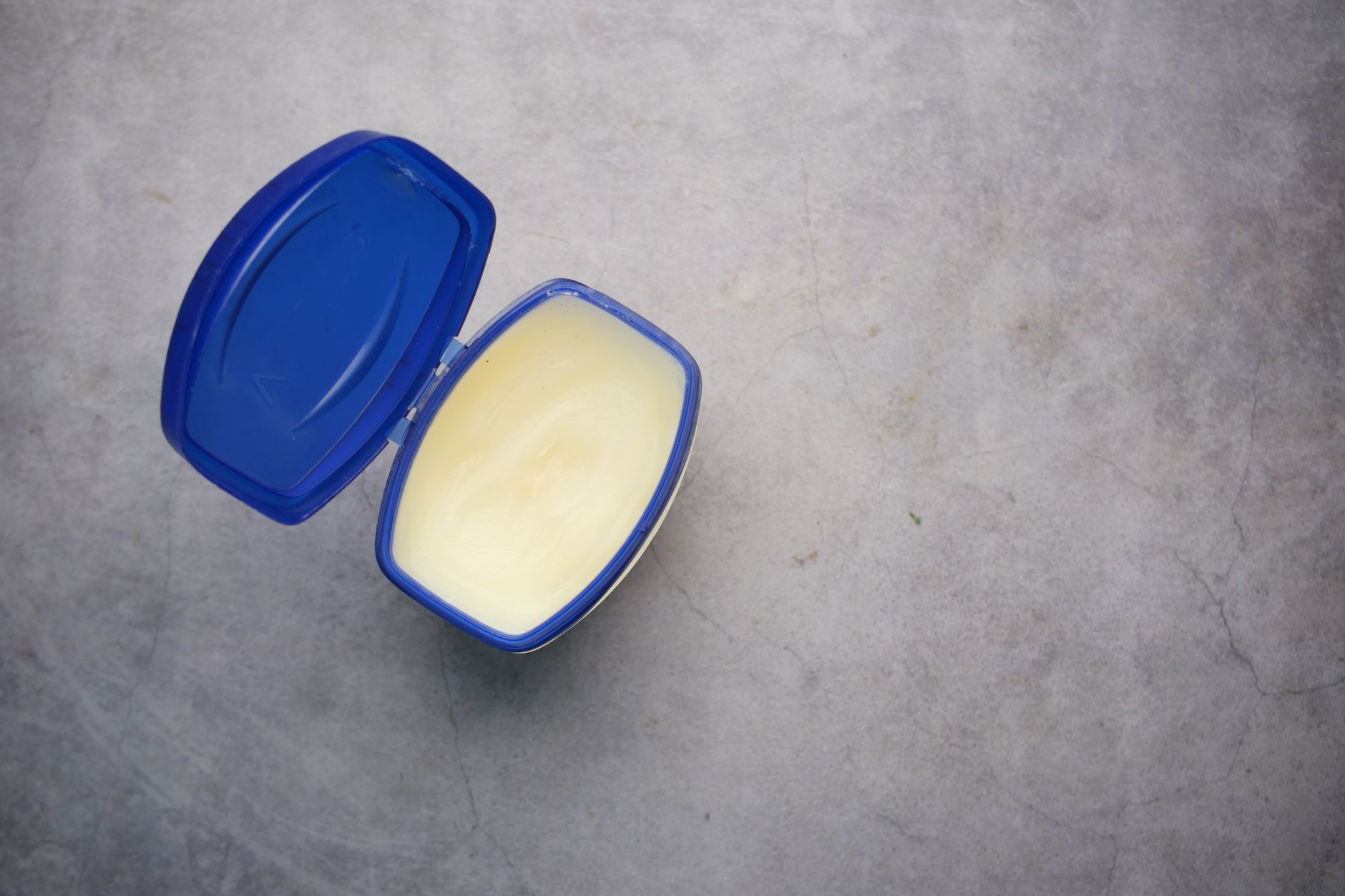
Applying Sente Dermal Repair to a minor cut at night—how most people use it, but with extra caution needed during pregnancy.
Safety snapshot: Is Sente Dermal Repair safe during pregnancy?
Trimester / Use
Safety Verdict
Notes
First Trimester
❌ Best avoided
Alcohol content and lack of pregnancy-specific studies make it risky during organ development. Safer alternatives recommended.
Second Trimester
⚠️ Safe with limits
Only for minor, one-time use on small areas. Avoid frequent application or large surface areas. Best for cuts, not stretch marks.
Third Trimester
⚠️ Safe with limits
Same as second trimester. Use sparingly, especially near the belly button or stretch marks. Monitor for skin irritation.
Breastfeeding
⚠️ Safe with limits
Only for minor repairs; avoid applying to breasts or nipples. Patch test first. Safe alternatives like Bepanthen are preferred.
Belly Use
❌ Best avoided
Alcohol can exacerbate dryness and irritation on sensitive belly skin. Opt for hydrating creams like CeraVe or Aveeno.
Note: Always consult your provider before use, especially if you have sensitive skin, a history of allergies, or pre-existing skin conditions like eczema or rosacea.
What is Sente Dermal Repair?
Sente Dermal Repair is a fast-acting, alcohol-based healing ointment designed to protect and repair minor skin damage. It’s often used for dry, cracked skin, chapped lips, minor cuts, scrapes, and even stretch marks. The product works by creating a protective barrier on the skin’s surface, locking in moisture and preventing further irritation or infection. It’s also popular among pregnant women who experience new skin sensitivities, such as itchy stretch marks or dry patches.
The formula typically includes alcohol denat. (alcohol denatured) as a primary ingredient, which helps dry out excess moisture and speed up the healing process. However, alcohol can also be drying and irritating, especially for sensitive skin—something many pregnant women already deal with due to hormonal changes. Sente Dermal Repair also contains petroleum and mineral oil, which help create a protective seal over the skin but may not be ideal for ongoing hydration needs.
Sente Dermal Repair comes in a tube and is easy to apply with your fingers or a cotton swab. It’s widely available at drugstores, pharmacies, and online retailers. While it’s not a medical-grade ointment, it’s often recommended for everyday skin care and minor repairs. However, its use during pregnancy requires extra consideration due to the alcohol content and the lack of comprehensive safety data.
Many moms-to-be have relied on Sente Dermal Repair for years before pregnancy, but once they find out they’re expecting, they often wonder if it’s still safe to use. The truth is, while it’s not inherently toxic, its drying properties and lack of pregnancy-specific studies make it a less-than-ideal choice for ongoing use.
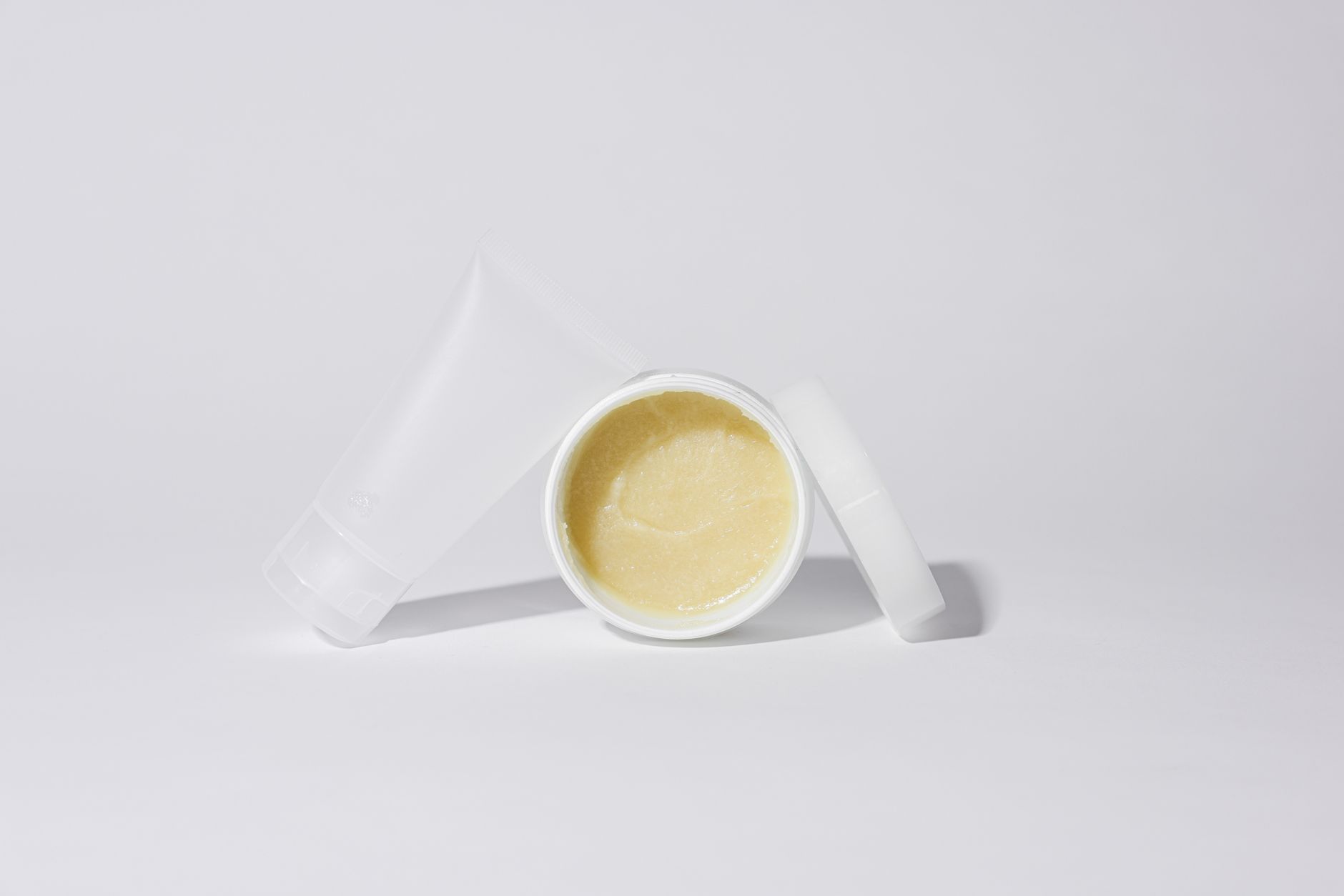
Sente Dermal Repair next to a pregnancy-safe alternative—highlighting the importance of choosing gentler options during pregnancy.
Is Sente Dermal Repair safe during pregnancy?
When it comes to is Sente Dermal Repair safe during pregnancy?, the answer depends on the trimester and how you use it. While there’s no definitive ban on Sente Dermal Repair during pregnancy, most obstetricians and dermatologists recommend caution—especially in the first trimester—due to its alcohol content and the lack of large-scale pregnancy studies. Alcohol denat. is generally considered safe in small amounts for topical use, but it can be drying and may exacerbate skin sensitivity, which is already heightened during pregnancy.
The American College of Obstetricians and Gynecologists (ACOG) does not list Sente Dermal Repair specifically in its guidelines, but it advises pregnant women to avoid products with high alcohol content unless medically necessary. The UK’s National Health Service (NHS) similarly recommends caution with alcohol-based products during pregnancy, as they can irritate the skin and potentially absorb into the bloodstream in small amounts. The FDA also notes that while topical alcohol is generally safe, its use should be minimized during pregnancy unless there’s a clear benefit.
The main concern with Sente Dermal Repair isn’t that it’s toxic to the fetus, but rather that it may not be the best option for your skin’s changing needs. Pregnancy hormones can make your skin more prone to dryness, irritation, and even stretch marks, so using a product that dries out your skin further might not be ideal. Additionally, if you have any open wounds or infections, alcohol could slow down the healing process or cause discomfort.
That said, if you’ve already used Sente Dermal Repair before realizing you were pregnant, take a deep breath. One-time, limited use is unlikely to harm your baby. However, if you’re considering ongoing use—especially for stretch marks or frequent skin repairs—it’s best to opt for safer alternatives. Many moms tell us they switched to products like Aquaphor or CeraVe once they found out they were expecting, and they’ve been happy with the results.
If you're specifically wondering "is Sente Dermal Repair safe during pregnancy in the second trimester?", the answer is still cautious use only. While the risk is lower than in the first trimester, the alcohol content and lack of pregnancy studies still make it a less-than-ideal choice for ongoing use.
Is Sente Dermal Repair safe in the first trimester?
In the first trimester, your baby’s organs are developing, and your body is going through rapid changes. This is the most critical window for avoiding potential risks, and Sente Dermal Repair is not recommended during this time. The alcohol content, while generally safe for topical use, isn’t ideal for sensitive skin, and the lack of pregnancy-specific studies means there’s no clear evidence that it’s entirely harmless.
If you’ve already used Sente Dermal Repair in your first trimester, there’s no need to panic. Most obstetricians agree that a single, small application is unlikely to pose a risk. However, if you’re experiencing frequent skin irritation or cuts, it’s best to switch to a safer, alcohol-free option until your first trimester is over. Many moms tell us they relied on Sente Dermal Repair for years before pregnancy, but once they found out they were expecting, they switched to gentler products like Aquaphor or CeraVe. The key is to prioritize hydration and soothing ingredients over drying agents like alcohol.
If you're wondering "is Sente Dermal Repair safe during pregnancy in the first trimester for minor cuts?", the answer is still no. Even for minor cuts, the alcohol content can slow down healing and irritate your skin further. It’s best to avoid it entirely during this critical period.
What if I’ve already used Sente Dermal Repair in my first trimester?
If you’ve already used Sente Dermal Repair in your first trimester, you’re likely feeling a mix of relief and worry. Here’s what you need to know: one-time, limited use is unlikely to harm your baby. However, if you’ve used it frequently or on large areas of skin, it’s best to switch to safer alternatives for the rest of your pregnancy. Your provider can offer personalized advice based on your specific situation.
Can I use Sente Dermal Repair during the second trimester?
By the second trimester, your baby is growing rapidly, but the risk of birth defects from topical products is significantly lower than in the first trimester. That said, Sente Dermal Repair is still not recommended for regular use during this time. While it may be safe for occasional, minor repairs—such as a small cut or chapped lips—it’s best to avoid frequent application, especially on large areas of skin.
If you’re dealing with stretch marks or dry patches, consider using Sente Dermal Repair only as needed and for small areas. For ongoing skin care, opt for hydrating, alcohol-free alternatives like Bepanthen or Vaseline. These products help repair your skin without adding extra irritation. If you're specifically wondering "can I use Sente Dermal Repair for stretch marks during pregnancy?", the answer is no. Stretch marks require hydration and prevention, not repair.
Many moms-to-be find that using a pregnancy-safe moisturizer like CeraVe or Aveeno helps minimize the appearance of stretch marks and keeps their skin comfortable. These products are designed to hydrate and soothe, rather than dry out, making them a much better choice for ongoing use.
How does Sente Dermal Repair compare to other healing ointments during pregnancy?
If you're comparing Sente Dermal Repair to other healing ointments, it’s important to note that many alternatives are safer and more hydrating. For example, Neosporin contains antibiotics and is not recommended for routine use during pregnancy unless prescribed by your provider. Polysporin is another option, but it also contains antibiotics and should be used cautiously. In contrast, alcohol-free ointments like Aquaphor or Bepanthen are generally considered safer for ongoing use.
What is the recommended dosage of Sente Dermal Repair for pregnant women?
If you choose to use Sente Dermal Repair during pregnancy, the recommended dosage is minimal and occasional. Here’s how to use it safely:
Application: Apply a pea-sized amount to the affected area, using your fingers or a cotton swab.
Frequency: Use only as needed—ideally, no more than once or twice a week for minor repairs.
Avoid large areas: Do not apply to large sections of skin, especially on the belly or stretch marks.
Patch test first: Always test a small area of skin before full application to check for irritation.
Discontinue if irritation occurs: If you experience redness, itching, or worsening dryness, stop using the product immediately.
For ongoing skin care—such as stretch marks or dry patches—it’s best to avoid Sente Dermal Repair altogether and opt for safer, hydrating alternatives.
Are there safer alternatives to Sente Dermal Repair for skin healing during pregnancy?
If you’re looking for safer alternatives to Sente Dermal Repair for skin healing during pregnancy, there are several excellent options that are gentle, hydrating, and free of alcohol or other irritants. Here are our top recommendations:
Aquaphor Healing Ointment – A classic, alcohol-free option that locks in moisture and promotes healing without drying out the skin.
CeraVe Healing Ointment – Contains ceramides to repair the skin barrier and is safe for sensitive skin, including during pregnancy.
Bepanthen Ointment – A pantothenic acid-based ointment that soothes and heals minor skin damage without alcohol.
Vaseline (Petroleum Jelly) – A simple, alcohol-free barrier that helps protect and hydrate dry or cracked skin.
Eucerin Advanced Repair Cream – A non-comedogenic, alcohol-free cream that restores the skin’s natural moisture balance.
Aveeno Skin Relief Cream – Contains oatmeal to calm irritation and is safe for sensitive skin during pregnancy.
La Roche-Posay Cicaplast Baume B5 – A soothing, alcohol-free balm that helps repair and protect the skin.
Honest Company Baby Butter – A gentle, fragrance-free option that’s safe for sensitive skin and can be used on the belly.
Safer alternatives to Sente Dermal Repair for pregnancy skin care, offering hydration and gentle healing.
Which brands of dermal repair products are considered safe for pregnancy?
When choosing a safe brand of dermal repair products for pregnancy, look for alcohol-free, fragrance-free, and non-comedogenic options. Here’s a quick guide to some of the safest choices:
Product
Safety Verdict
Why It’s Safe
Aquaphor Healing Ointment
✅ Generally safe
Alcohol-free, locks in moisture, and promotes healing without irritation.
CeraVe Healing Ointment
✅ Generally safe
Contains ceramides to repair the skin barrier; safe for sensitive skin.
Bepanthen Ointment
✅ Generally safe
Pantothenic acid-based; soothes and heals without alcohol or fragrance.
Vaseline (Petroleum Jelly)
✅ Generally safe
Simple, alcohol-free barrier that protects and hydrates dry skin.
Eucerin Advanced Repair Cream
✅ Generally safe
Non-comedogenic, alcohol-free, and restores moisture balance.
Aveeno Skin Relief Cream
✅ Generally safe
Oatmeal-based; calms irritation and is safe for sensitive skin.
La Roche-Posay Cicaplast Baume B5
✅ Generally safe
Soothing, alcohol-free, and designed for sensitive skin repair.
Honest Company Baby Butter
✅ Generally safe
Gentle, fragrance-free, and safe for sensitive skin and belly use.
What are the potential risks of using Sente Dermal Repair while pregnant?
While Sente Dermal Repair isn’t known to be toxic to a developing fetus, there are a few potential risks of using Sente Dermal Repair while pregnant to be aware of:
Skin irritation or dryness: The alcohol content can worsen dry, sensitive skin—something many pregnant women already deal with.
Slower healing for open wounds: Alcohol can slow down the healing process for cuts or scrapes, increasing the risk of infection.
Patch testing is essential: If you have sensitive skin or allergies, Sente Dermal Repair could cause a reaction, leading to redness or itching.
Limited pregnancy studies: There’s no large-scale research on Sente Dermal Repair during pregnancy, so its long-term effects aren’t well-documented.
Belly skin sensitivity: Applying Sente Dermal Repair to your belly can exacerbate dryness and irritation, which is already common during pregnancy.
If you experience any of these side effects—such as persistent redness, itching, or worsening dryness—stop using the product immediately and switch to a safer alternative. If you're wondering "can Sente Dermal Repair cause stretch marks to worsen?", the answer is yes. The alcohol can dry out your skin further, making stretch marks more noticeable.
Does Sente Dermal Repair help with pregnancy-related skin conditions?
Sente Dermal Repair can help with minor skin conditions like chapped lips or small cuts, but it’s not ideal for pregnancy-related skin concerns like stretch marks or general dryness. Here’s why:
Stretch marks: Sente Dermal Repair won’t prevent or reduce stretch marks. For this, you’d need a product with ingredients like shea butter, vitamin E, or hyaluronic acid—none of which are in Sente Dermal Repair.
Dry patches: The alcohol in Sente Dermal Repair can make dry skin worse, whereas hydrating alternatives like Aquaphor or CeraVe will help.
Itchy skin: Alcohol can irritate already-sensitive skin, leading to more itching. Opt for fragrance-free, soothing creams instead.
Belly irritation: Applying Sente Dermal Repair to your belly can cause additional dryness and discomfort, making it a poor choice for ongoing belly care.
If you're dealing with stretch marks or dry skin, focus on hydration and prevention rather than repair. Moisturizing regularly with a pregnancy-safe cream can help minimize the appearance of stretch marks and keep your skin comfortable. If you're wondering "how to prevent stretch marks during pregnancy?", start using a hydrating cream early in your second trimester and apply it daily.
Is Sente Dermal Repair safe for use on the abdomen during pregnancy?
Using Sente Dermal Repair on the abdomen during pregnancy is not recommended, especially in the first or second trimester. Here’s why:
Alcohol can be drying: Your belly skin is already stretching and may be more sensitive. Alcohol can exacerbate dryness and irritation.
Limited absorption risk: While the risk of alcohol entering your bloodstream is low, it’s still not ideal for frequent use on a large area like your belly.
Better alternatives exist: For stretch marks or dry patches on your abdomen, opt for alcohol-free, hydrating creams like CeraVe or Aveeno.
Belly skin sensitivity: The skin on your belly is more delicate during pregnancy, and using products with alcohol can lead to further irritation.
If you’re concerned about stretch marks, start using a pregnancy-safe moisturizer early in your second trimester to help prevent them. Products with ceramides, shea butter, or hyaluronic acid are excellent choices. If you're wondering "what is the best cream for stretch marks during pregnancy?", CeraVe or Aveeno are both highly recommended.
How does Sente Dermal Repair compare to other products for stretch marks?
If you're comparing Sente Dermal Repair to other products specifically for stretch marks, it’s important to understand that Sente Dermal Repair is not designed to prevent or reduce stretch marks. Instead, it’s meant for minor skin repairs. Products like Stretch Marks Gone or Bio-Oil are often marketed for stretch marks, but even these have mixed evidence. The most effective approach is prevention with hydrating creams.
Many moms-to-be find that using a simple, alcohol-free moisturizer like Honest Company Baby Butter or Vanicream Daily Facial Moisturizer helps keep their skin hydrated and minimizes the appearance of stretch marks. These products are gentle, non-irritating, and safe for ongoing use during pregnancy.
Myth vs. fact
Myth: Sente Dermal Repair is completely safe for pregnancy because it’s just an over-the-counter product.
Fact: Just because a product is over-the-counter doesn’t mean it’s automatically safe during pregnancy. Many OTC products contain ingredients—like alcohol—that can irritate sensitive skin or have unknown long-term effects when used frequently. Always check with your provider before using any new product, especially during the first trimester.
Myth: If I’ve already used Sente Dermal Repair in my first trimester, my baby is at risk.
Fact: One-time, limited use of Sente Dermal Repair in the first trimester is unlikely to harm your baby. However, if you’ve used it frequently or on large areas, it’s best to switch to safer alternatives for the rest of your pregnancy. Your provider can offer personalized advice based on your specific situation.
Myth: Sente Dermal Repair can prevent or reduce stretch marks.
Fact: Sente Dermal Repair is not designed to prevent or reduce stretch marks. While it can help with minor skin repairs, stretch marks are caused by the stretching of skin fibers, and no topical product can reverse this. Focus on hydration and prevention instead.
Myth: Alcohol in topical products is always harmful during pregnancy.
Fact: While alcohol can be drying and irritating, small amounts in topical products are generally considered safe during pregnancy. However, it’s still best to avoid products with high alcohol content unless medically necessary, especially in the first trimester.
Myth: All healing ointments are safe during pregnancy.
Fact: Not all healing ointments are safe during pregnancy. Some contain ingredients like antibiotics or high levels of alcohol that can be irritating or risky. Always choose alcohol-free, fragrance-free options like Aquaphor or Bepanthen.
Key takeaways
Sente Dermal Repair is not recommended in the first trimester due to alcohol content and lack of pregnancy studies.
In the second and third trimesters, it’s safe for occasional, minor use only—avoid large areas or frequent application.
For ongoing skin care—like stretch marks or dry patches—opt for alcohol-free, hydrating alternatives like Aquaphor, CeraVe, or Bepanthen.
Always patch test a new product before full application, especially during pregnancy.
If you’ve already used Sente Dermal Repair, there’s no need to panic—one-time use is unlikely to harm your baby.
For belly use, avoid Sente Dermal Repair and choose gentler, hydrating creams like CeraVe or Aveeno.
If you're dealing with stretch marks, focus on hydration and prevention rather than repair.
Consult your provider if you have any concerns or experience skin irritation.
Frequently asked questions
Is Sente Dermal Repair safe during pregnancy?
Sente Dermal Repair is not recommended for regular use during pregnancy, especially in the first trimester. While it’s generally safe for occasional, minor repairs, the alcohol content and lack of pregnancy-specific studies make it a less ideal choice compared to alcohol-free alternatives. If you’ve already used it, there’s no need to worry—one-time use is unlikely to harm your baby.
Can I use Sente Dermal Repair in the first trimester?
No, Sente Dermal Repair is best avoided in the first trimester due to its alcohol content and the critical development window for your baby’s organs. If you’ve already used it, take a deep breath—most providers agree that a single application is unlikely to pose a risk. For ongoing skin care, switch to safer, alcohol-free options like Aquaphor or CeraVe.
What are the side effects of Sente Dermal Repair for pregnant women?
The main side effects of Sente Dermal Repair during pregnancy include skin irritation, dryness, or slowed healing for open wounds. The alcohol content can worsen sensitive skin, which is already more prone to dryness and irritation during pregnancy. If you experience redness, itching, or worsening dryness, stop using the product and switch to a gentler alternative.
Are there safer alternatives to Sente Dermal Repair for skin healing during pregnancy?
Yes! Safer alternatives to Sente Dermal Repair for skin healing during pregnancy include Aquaphor Healing Ointment, CeraVe Healing Ointment, Bepanthen Ointment, Vaseline, Eucerin Advanced Repair Cream, Aveeno Skin Relief Cream, La Roche-Posay Cicaplast Baume B5, and Honest Company Baby Butter. These products are alcohol-free, hydrating, and designed to soothe and repair skin without irritation.
Does Sente Dermal Repair contain any harmful ingredients for pregnancy?
Sente Dermal Repair contains alcohol denat., which is generally considered safe in small amounts for topical use. However, alcohol can be drying and irritating, especially for sensitive skin during pregnancy. While it’s not inherently harmful, it’s not the best choice for ongoing skin care, and safer alternatives exist. Additionally, if you have sensitive skin or allergies, it’s best to avoid it entirely.
How much Sente Dermal Repair should I use while pregnant?
If you choose to use Sente Dermal Repair during pregnancy, limit it to a pea-sized amount for minor repairs only. Avoid frequent use or applying it to large areas of skin. For ongoing skin care, opt for hydrating, alcohol-free alternatives. Always patch test a small area first to check for irritation.
Can Sente Dermal Repair help with stretch marks during pregnancy?
No, Sente Dermal Repair won’t help with stretch marks. While it can repair minor skin damage, stretch marks are caused by the stretching of skin fibers, and no topical product can reverse this. For stretch marks, focus on hydration and prevention with products like CeraVe or Aveeno, and start using them early in your second trimester.
Is Sente Dermal Repair safe for use on the belly during pregnancy?
No, Sente Dermal Repair is not recommended for use on the belly during pregnancy. The alcohol can dry out your skin further, and there’s no evidence it helps with stretch marks. Instead, use alcohol-free, hydrating creams like CeraVe or Aveeno to keep your belly skin comfortable and moisturized.
What is the best cream for stretch marks during pregnancy?
The best creams for stretch marks during pregnancy are hydrating, alcohol-free, and gentle on the skin. Top recommendations include CeraVe Moisturizing Cream, Aveeno Skin Relief Cream, Honest Company Baby Butter, and La Roche-Posay Cicaplast Baume B5. These products help prevent stretch marks by keeping your skin moisturized and protected.
How can I prevent stretch marks during pregnancy?
Preventing stretch marks during pregnancy involves hydration, gentle skin care, and maintaining a healthy weight gain. Start using a pregnancy-safe moisturizer like CeraVe or Aveeno early in your second trimester and apply it daily. Stay hydrated by drinking plenty of water, and consider using a humidifier if your skin tends to dry out. Avoid excessive sun exposure, as it can make stretch marks more noticeable.
When to call your doctor
While Sente Dermal Repair is generally considered safe for occasional use in pregnancy, there are a few scenarios where you should call your doctor:
You experience persistent redness, itching, or swelling after using the product, which could indicate an allergic reaction.
You have open wounds, infections, or severe skin irritation that doesn’t improve with safer alternatives.
You’re unsure whether you’ve already used Sente Dermal Repair in your first trimester and want to confirm whether it’s safe for you.
You have a history of skin allergies or eczema and aren’t sure how your skin will react to Sente Dermal Repair.
You notice unusual changes in your skin, such as rashes or excessive dryness, that concern you.
Remember: This information is not a substitute for medical advice. Always consult your provider with any concerns about your pregnancy or skincare routine.
Not sure about the label on Is Sente Dermal Repair Safe During Pregnancy products?
Snap the ingredients list and SafeFilter checks every ingredient for your stage — only 3 free scans this month, then you're locked until reset. Unlimited from $7/mo or $50/yr.
When Shubhra Mishra was expecting her first child in 2016, she was overwhelmed by conflicting food advice — one site said yes, another said never. By the time her second baby arrived in 2019, she realized millions of mothers face the same confusion.
That sparked a five-year journey through clinical nutrition papers, cultural diets, and expert conversations — all leading to BumpBites: a calm, compassionate space where science meets everyday motherhood.
Her long-term vision is to build a global community ensuring safe, supported, and free deliveriesfor every mother — because no woman should face pregnancy alone or uninformed. 🌿
🌍 Stand with mothers, shape safer guidance
Join a small circle of experts who review BumpBites articles so expecting parents everywhere can decide with confidence.