Avoid scuba diving during pregnancy due to decompression risks. Learn safe alternatives, trimester-specific concerns, and expert guidelines for expectant mothers.
By Shubhra Mishra — a mom of two who turned her own confusion during pregnancy into BumpBites, a global mission to make food choices clear, safe, and stress-free for every expecting mother. 💛
Check whether any food is safe during pregnancy with the BumpBites Food Safety Checker.
Quick verdict: ⚠️ Talk to your doctor first. Scuba diving is not routinely recommended during pregnancy because of potential decompression‑related risks, but a qualified dive‑medicine physician may clear a low‑risk, limited dive plan.
It’s 2 a.m., the bathroom light flickers on, and you’re staring at the wetsuit you bought last summer, wondering, “is scuba diving safe during pregnancy?” You’re not alone—many expecting parents grapple with the same question after discovering they’re pregnant while still holding a dive‑logbook. The short answer is that most obstetric guidelines advise against scuba diving while pregnant, yet the decision often hinges on your health, dive experience, and the specific dive plan you have in mind.
In this article we’ll break down the current medical guidance, explore how safety changes from the first to the third trimester, outline how many dives per week and how deep you might safely go, discuss equipment considerations, and suggest gentler water‑based activities you can enjoy instead. We’ll also compare scuba diving to related underwater pursuits, debunk common myths, and give you a clear, skimmable action plan so you can stop worrying and start planning your next safe adventure.
Trimester / Stage
Verdict
Notes
First trimester
❌ Generally advised against
Rapid embryonic development; risk of decompression sickness (DCS) may affect organ formation.
Second trimester
⚠️ May be allowed with medical clearance
If dive depth ≤10 m, single dive per week, and no complications.
Third trimester
❌ Generally advised against
Increased blood volume and pressure; higher risk of DCS and barotrauma.
Breastfeeding
⚠️ Discuss with provider
No direct fetal risk, but maternal dehydration and fatigue can affect milk supply.
What is scuba diving?
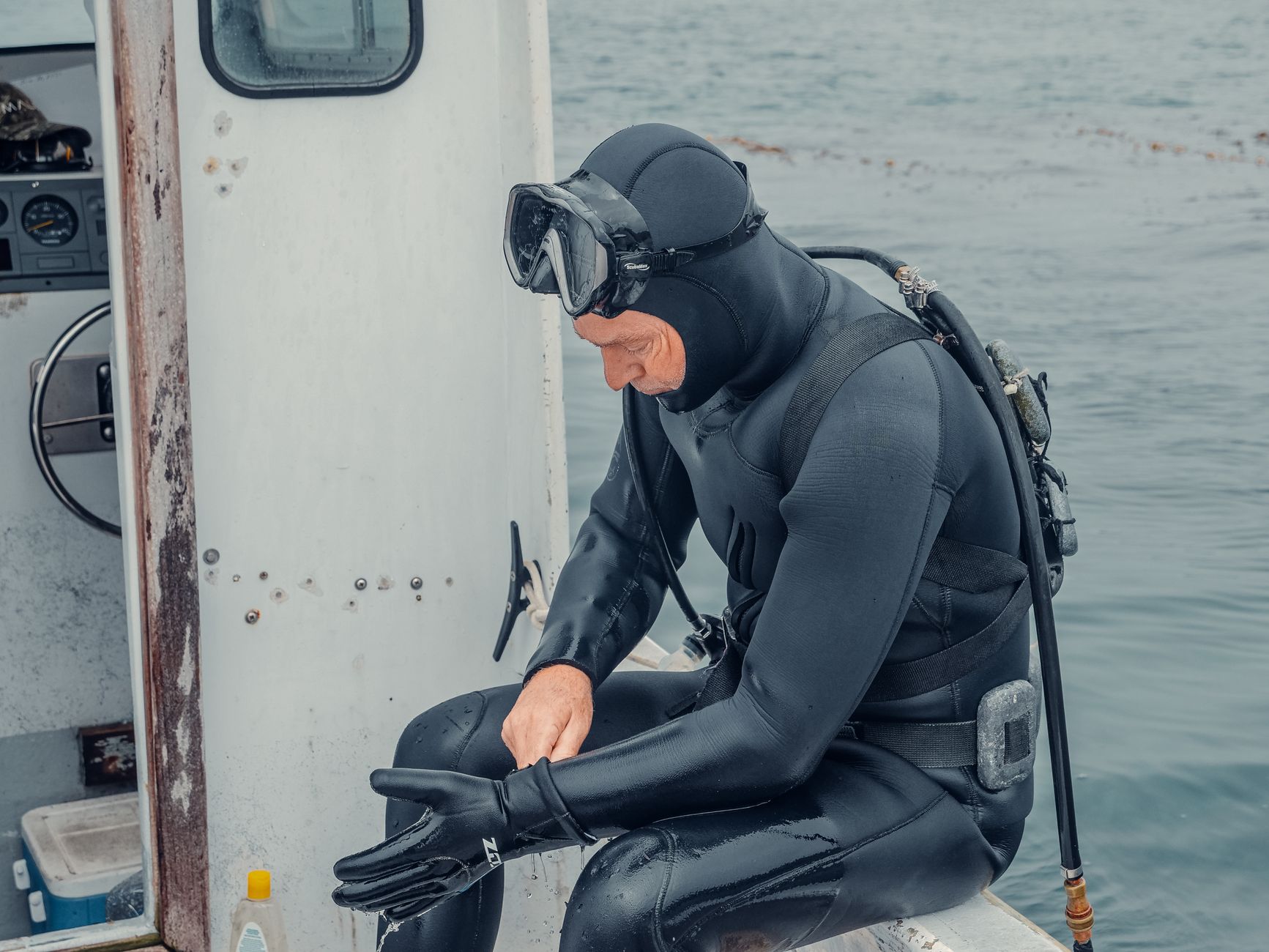
Scuba diving (Self‑Contained Underwater Breathing Apparatus) lets you explore underwater environments by breathing compressed air from a tank you carry on your back. A regulator reduces tank pressure to ambient water pressure, allowing you to inhale and exhale normally. Divers wear a wetsuit or dry‑suit to maintain body temperature, a weight belt to achieve neutral buoyancy, and often a dive computer that tracks depth, time, and ascent rate.
The activity is popular for recreation, scientific research, and professional work. Because the water exerts pressure that increases by about 1 atm every 10 m of depth, the body’s gases compress and expand, which can cause nitrogen bubbles to form in tissues if ascent is too rapid. This phenomenon—known as decompression sickness (DCS)—is the primary safety concern for all divers, and it becomes especially significant for pregnant divers due to the potential impact on the developing fetus.
Many people first encounter scuba diving through a certification course (e.g., PADI Open Water), after which they can dive recreationally to depths typically limited to 30 m (100 ft) for experienced divers. The experience can be exhilarating, offering a sense of weightlessness and a chance to observe marine life up close. For pregnant individuals, however, the physiological changes of pregnancy intersect with the physics of diving in ways that merit careful consideration.
Is scuba diving safe during pregnancy?
Current guidance from major health organizations is consistent: scuba diving is not routinely recommended for pregnant women. The American College of Obstetricians and Gynecologists (ACOG) states that “the potential for decompression illness and barotrauma makes diving a questionable activity for pregnant patients” and advises physicians to counsel against it unless a dive‑medicine specialist provides individualized clearance (ACOG Committee Opinion 2020). The United Kingdom’s National Health Service (NHS) echoes this sentiment, noting that “pregnant women should avoid scuba diving because the fetus may be more vulnerable to changes in pressure and nitrogen levels.”
The Centers for Disease Control and Prevention (CDC) does not list scuba diving as a specific contraindication, but its broader diving safety recommendations advise against any activity that could cause rapid pressure changes during pregnancy. The World Health Organization (WHO) also highlights the need for “medical assessment before any underwater activity that involves compressed gas” for pregnant individuals.
Mechanistically, the main risk stems from nitrogen bubbles that could cross the placental barrier. While the placenta does filter many substances, studies on animal models have shown that inert gases can cross and potentially affect fetal development. Human data are limited, but case reports of decompression sickness in pregnant divers have documented fetal distress and, in rare instances, miscarriage. Because the evidence is not robust enough to quantify exact risk levels, most clinicians err on the side of caution.
In practice, many obstetricians will advise pregnant divers to postpone diving until after delivery. If a diver is eager to continue, a thorough evaluation by a dive‑medicine physician—including assessment of dive depth, frequency, and any pre‑existing health conditions—is essential. The safest approach remains to avoid scuba diving during pregnancy altogether.
Is scuba diving safe during the first trimester of pregnancy?
The first trimester is the period of organogenesis when the baby’s major organs are forming. Because the fetus is especially sensitive to environmental stressors, ACOG and the NHS both advise against scuba diving during this stage. The primary concern is that a bout of decompression sickness could lead to hypoxia (low oxygen) or nitrogen bubbles that interfere with organ development.
If a pregnant diver insists on diving, the safest protocol would involve shallow dives (no deeper than 10 m/33 ft), a single dive per week, and strict adherence to a slow ascent rate of no more than 9 m (30 ft) per minute. Even then, most providers would still recommend postponing the activity until after the first trimester.
For many expecting mothers, the first trimester also brings nausea, fatigue, and increased sensitivity to motion, which can make the underwater environment uncomfortable or unsafe. If you’ve already taken a dive during this period, stay calm—most single, shallow dives do not automatically cause complications. Monitor for any signs of DCS (joint pain, dizziness, shortness of breath) and contact your obstetrician if symptoms arise.
Can pregnant women scuba dive in the second trimester?
The second trimester is often considered the “golden window” for many physical activities because the risk of miscarriage drops and energy levels usually improve. Some dive‑medicine specialists may clear low‑risk dives for pregnant divers in this stage, provided that the dive plan follows strict limits: depth ≤10 m, no more than one dive per week, and a surface interval of at least 24 hours between dives.
Even with these precautions, ACOG still recommends a conservative approach, emphasizing that any exposure to elevated nitrogen levels carries a theoretical risk. If you have a clean medical history—no hypertension, clotting disorders, or previous DCS events—a qualified physician might approve a shallow, recreational dive under close monitoring.
Women with a history of uncomplicated pregnancies often feel more comfortable returning to light water activities in the second trimester, but they should still prioritize hydration, avoid rapid ascents, and keep dive times under 30 minutes. A dive computer that alerts you to ascent rates and provides a conservative no‑decompression limit is strongly advised.
What are the risks of scuba diving while pregnant?
Decompression sickness (DCS): Nitrogen bubbles may cross the placenta, potentially causing fetal hypoxia or miscarriage.
Barotrauma: Pressure changes can affect air‑filled spaces (sinuses, ears, lungs) and may indirectly stress the fetus.
Maternal dehydration: Warm water and exertion can lead to fluid loss, which reduces uterine blood flow.
Orthostatic stress: Rapid changes in posture while surfacing can cause dizziness or fainting, increasing fall risk.
Thermal stress: Pregnant bodies retain heat more readily, raising core temperature, which some studies link to birth defects.
While the absolute incidence of DCS in pregnant divers is low, the potential consequences for the developing baby mean that most clinicians classify scuba diving as a high‑risk activity during pregnancy.
How many dives per week are safe for pregnant divers?
There is no universally accepted “safe” dive frequency for pregnant women, but the most cautious guidelines suggest limiting exposure to a single, shallow dive per week—if you receive explicit medical clearance. This recommendation comes from a synthesis of dive‑medicine literature and obstetric advice that emphasizes minimizing nitrogen load and pressure fluctuations.
Key parameters for a “low‑risk” dive plan include:
Depth no greater than 10 m (33 ft).
Bottom time under 30 minutes.
Surface interval of at least 24 hours before the next dive.
Strict adherence to a 9 m/min (30 ft/min) ascent rate, with a safety stop at 5 m for 3 minutes.
Even with these limits, many obstetricians will still advise against diving, preferring activities that carry no pressure‑related risk.
Are there safer water activities for pregnant women instead of scuba diving?
Snorkeling: Allows you to stay at the surface, eliminating pressure changes and nitrogen exposure.
Pool swimming: Gentle, low‑impact exercise that improves circulation without depth‑related risks.
Prenatal yoga: Conducted in shallow water, it offers relaxation and core strengthening.
Water aerobics: Low‑intensity classes keep you moving without immersion pressure.
Floatation therapy: Floating in a warm pool reduces joint stress while providing a calming environment.
Guided underwater walking tours: Shallow, slow walks (≤2 m) with a guide, suitable for those who miss the underwater view but want minimal pressure.
Standing bathtub soak: Simple, warm soak can relieve muscle tension without any diving equipment.
All of these alternatives avoid the key hazards of scuba diving—namely, compressed‑gas exposure and rapid pressure changes—while still letting you enjoy the water.
Which scuba diving equipment is recommended for pregnant divers?
If a pregnant diver obtains medical clearance, the equipment should prioritize comfort, safety, and ease of use. Recommended gear includes:
Wetsuit or dry‑suit: Choose a suit that maintains body temperature without excessive compression; a thin 3 mm wetsuit is often sufficient in temperate water.
Buoyancy control device (BCD): Opt for a low‑pressure inflator to avoid rapid volume changes that could affect the abdomen.
Regulator: A standard first‑stage regulator is fine; ensure it’s well‑maintained to prevent free‑flow.
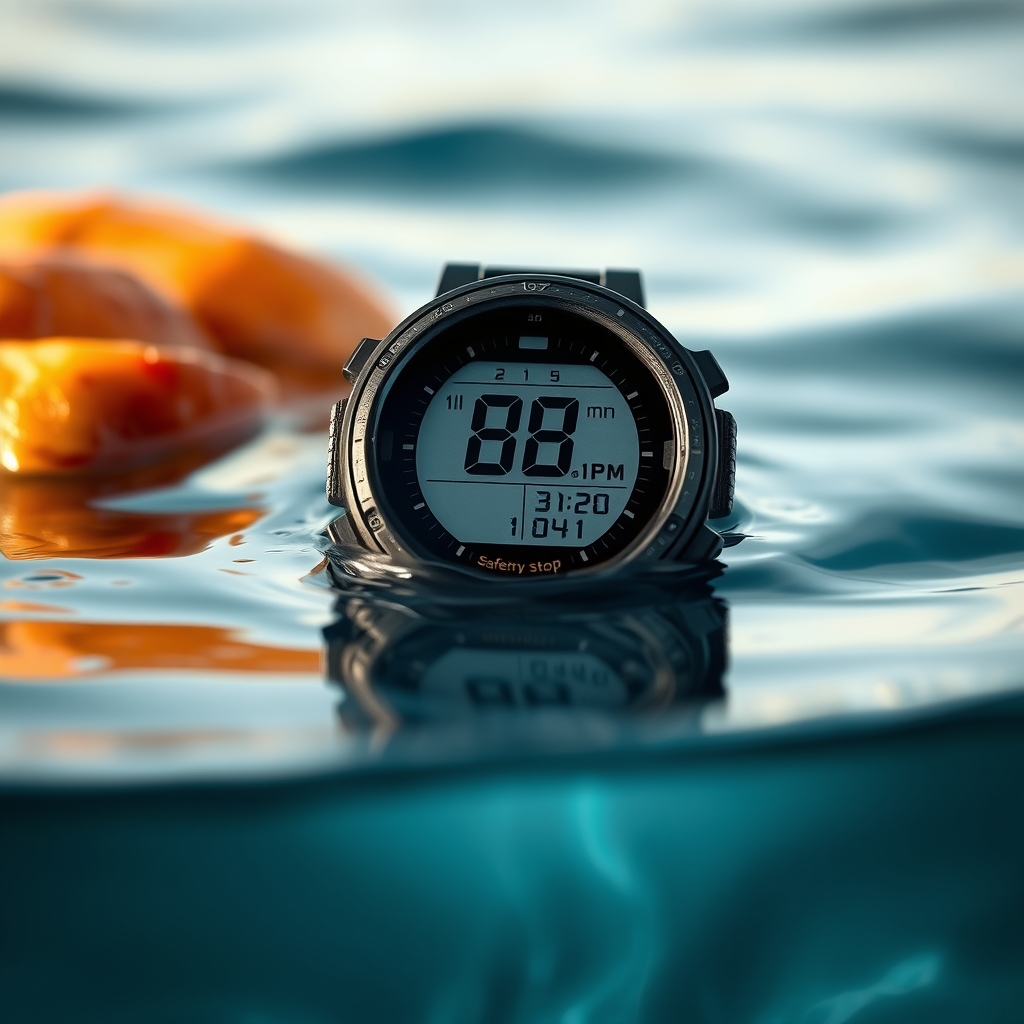
Dive computer: Must be set to a conservative no‑decompression limit (e.g., 10 m depth, 20‑minute max) and include a mandatory safety stop.
Mask and snorkel: Ensure a snug fit to prevent water leakage, which could cause discomfort during ascent.
Weight system: Use minimal weights to achieve neutral buoyancy quickly, reducing effort.
Brands such as Mares, Scubapro, and Cressi are known for reliable, low‑maintenance gear. Always have a dive buddy who is aware of your pregnancy and can assist in case of an emergency.
Can scuba diving cause complications for pregnant women with high blood pressure?
Pregnant women with hypertension (either chronic or gestational) face added risks when diving. Elevated blood pressure can amplify the effects of barotrauma and increase the likelihood of a hypertensive crisis during the physical exertion of a dive. ACOG advises that “women with uncontrolled hypertension should avoid scuba diving” because the combination of increased intravascular pressure and potential nitrogen bubbles could compromise placental blood flow.
If your blood pressure is well‑controlled under obstetric care, a dive‑medicine physician may still recommend avoiding diving altogether. The safest route is to substitute with low‑impact water activities like pool swimming or prenatal yoga, which do not introduce pressure changes.
Is scuba diving safe for pregnant women with a history of miscarriage?
A history of miscarriage raises concerns about any activity that could potentially reduce uterine blood flow or cause hypoxia. While there is no direct evidence linking scuba diving to recurrent miscarriage, the theoretical risk of DCS‑related fetal hypoxia makes many clinicians cautious. The NHS suggests that “women who have experienced previous pregnancy loss should discuss the risks of diving with their provider before deciding.”
Given the uncertainty, most obstetricians will recommend avoiding scuba diving if you have a miscarriage history, opting instead for surface‑level water activities that pose no pressure‑related threats.
Safe dosage / amount / brands
Because scuba diving is not a medication, “dosage” translates to dive frequency, depth, and duration. Below is a quick reference for pregnant divers who have received explicit medical clearance:
Parameter
Recommended limit
Rationale
Maximum depth
≤10 m (33 ft)
Limits nitrogen absorption; reduces DCS risk.
Number of dives per week
1
Minimizes cumulative nitrogen load.
Bottom time per dive
≤30 minutes
Keeps total nitrogen exposure low.
Surface interval
≥24 hours
Allows nitrogen off‑gassing before next exposure.
Equipment brands
Mares, Scubapro, Cressi
Known for reliability and low‑maintenance designs.
These limits are conservative and should only be followed under the supervision of a dive‑medicine specialist and your obstetric provider. If any of these parameters feel uncomfortable, opt for a safer water activity instead.
Side effects and risks
While most scuba divers never experience serious complications, pregnant divers should be vigilant for signs that could indicate decompression illness or other issues:
Mild symptoms (monitor): Joint or limb pain, mild dizziness, unusual fatigue, or a “pins‑and‑needles” sensation.
Serious symptoms (seek care immediately): Severe shortness of breath, chest pain, loss of consciousness, rapid heart rate, or any vaginal bleeding.
Maternal complications: Dehydration, overheating, or excessive exertion can exacerbate pregnancy‑related nausea and fatigue.
Because DCS can manifest hours after surfacing, keep a log of your dives and watch for delayed symptoms. If any red‑flag signs appear, contact your obstetrician or go to the nearest emergency department.
Safer alternatives
Snorkeling – Stay at the surface, eliminating pressure changes.
Pool swimming – Gentle aerobic exercise with no nitrogen exposure.
Prenatal yoga – Conducted in shallow water, supports flexibility and relaxation.
Water aerobics – Low‑impact cardio that improves circulation.
Combines breath‑hold diving with equipment, increasing risk.
Underwater photography
⚠️ Talk to your doctor
Often involves scuba diving; risk depends on dive depth.
Boat diving
⚠️ Talk to your doctor
Same risks as scuba diving; depth and frequency matter.
Technical diving
❌ Best avoided
Deeper, longer dives with mixed gases increase DCS risk.
Scuba diving certification courses
⚠️ Talk to your doctor
Training involves multiple dives; not recommended while pregnant.
Myth vs. fact
Myth: “If I wear a wetsuit, I’m safe from all diving risks during pregnancy.”
Fact: A wetsuit protects against temperature loss but does not prevent nitrogen absorption or pressure‑related injuries.
Myth: “A single shallow dive can’t harm my baby.”
Fact: Even a shallow dive can theoretically cause decompression sickness, which may affect fetal oxygenation; most clinicians therefore advise against any diving.
Myth: “Only the mother is at risk; the baby is protected by the placenta.”
Fact: The placenta allows certain gases, including nitrogen, to pass through; DCS bubbles can cross and potentially cause fetal distress.
Key takeaways
Most obstetric guidelines advise against scuba diving during pregnancy due to DCS and barotrauma risks.
If you receive medical clearance, limit depth to ≤10 m, keep dives under 30 minutes, and restrict to one dive per week.
Pregnant women with hypertension or a history of miscarriage should avoid scuba diving altogether.
Safer water activities—snorkeling, pool swimming, prenatal yoga—offer similar enjoyment without pressure‑related hazards.
Always discuss any planned dive with a dive‑medicine specialist and your obstetric provider before you go underwater.
Frequently asked questions
Can you scuba dive while pregnant?
Generally, no. Most health authorities, including ACOG and the NHS, recommend avoiding scuba diving while pregnant because of potential decompression‑related risks to the fetus.
What trimester is safest for scuba diving?
The second trimester is the least risky of the three, but even then most clinicians advise against it unless a dive‑medicine physician provides explicit clearance and the dive follows strict depth and frequency limits.
Does scuba diving increase risk of miscarriage?
While direct evidence is limited, the theoretical risk of nitrogen bubbles causing fetal hypoxia means many obstetricians consider scuba diving a potential miscarriage trigger and therefore advise avoidance.
How deep can a pregnant woman dive safely?
If a dive is medically cleared, the recommended maximum depth is 10 m (33 ft). This shallow limit helps keep nitrogen absorption low and reduces the chance of decompression illness.
Do you need a doctor's note to scuba dive while pregnant?
Yes. Most dive operators and certification agencies require a medical clearance from a qualified physician—ideally a dive‑medicine specialist—before allowing a pregnant diver to dive.
What are the signs of decompression sickness in pregnant divers?
Early signs include joint or limb pain, mild dizziness, and a “pins‑and‑needles” sensation. Serious symptoms—shortness of breath, chest pain, vomiting, or vaginal bleeding—require immediate medical attention.
Is it okay to take scuba diving lessons during pregnancy?
Scuba diving lessons involve multiple dives and skill practice at depth, which most obstetricians consider unsafe during pregnancy. Opt for a surface‑level water safety course instead.
Can scuba diving affect the baby’s development?
Potentially, yes. Nitrogen bubbles from decompression sickness could cross the placenta, leading to reduced oxygen delivery and possible developmental impacts. Because the risk, though low, is not negligible, most providers advise against diving.
When to call your doctor
If you experience any of the following after a dive, contact your obstetric provider or go to the emergency department immediately: severe joint or limb pain, sudden shortness of breath, chest pain, vomiting, vaginal bleeding, loss of consciousness, or any unexplained dizziness that persists more than a few minutes. Even mild symptoms like persistent “pins‑and‑needles” sensations should be reported, as they may indicate early decompression sickness.
Remember, the information in this article is for educational purposes only and does not replace personalized medical advice. Always consult your healthcare provider before making decisions about scuba diving or any other activity during pregnancy.
References
American College of Obstetricians and Gynecologists. Committee Opinion No. 797: Diving and Pregnancy. 2020.
National Health Service (UK). “Pregnancy and Diving.” Updated 2022.
Centers for Disease Control and Prevention. “Diving Safety.” Accessed 2024.
World Health Organization. “Guidelines for Diving and Pregnancy.” 2021.
International Association of Dive Trainers (IADT). “Medical Clearance for Diving.” 2023.
National Institute for Health and Care Excellence (NICE). “Pregnancy: Lifestyle Advice.” 2022.
Mayo Clinic. “Decompression sickness.” Retrieved 2024.
American Academy of Pediatrics. “Water Safety for Pregnant Women.” 2023.
Choosing the right moment and equipment can make a big difference in how safe you feel underwater.A conservative dive computer setting helps you stay within safe limits if you receive medical clearance.Pool swimming or floatation therapy offers a low‑risk way to stay active and enjoy the water.
Not sure about the label on Is Scuba Diving Safe During Pregnancy products?
Snap the ingredients list and SafeFilter checks every ingredient for your stage — only 3 free scans this month, then you're locked until reset. Unlimited from $7/mo or $50/yr.
When Shubhra Mishra was expecting her first child in 2016, she was overwhelmed by conflicting food advice — one site said yes, another said never. By the time her second baby arrived in 2019, she realized millions of mothers face the same confusion.
That sparked a five-year journey through clinical nutrition papers, cultural diets, and expert conversations — all leading to BumpBites: a calm, compassionate space where science meets everyday motherhood.
Her long-term vision is to build a global community ensuring safe, supported, and free deliveriesfor every mother — because no woman should face pregnancy alone or uninformed. 🌿
🌍 Stand with mothers, shape safer guidance
Join a small circle of experts who review BumpBites articles so expecting parents everywhere can decide with confidence.