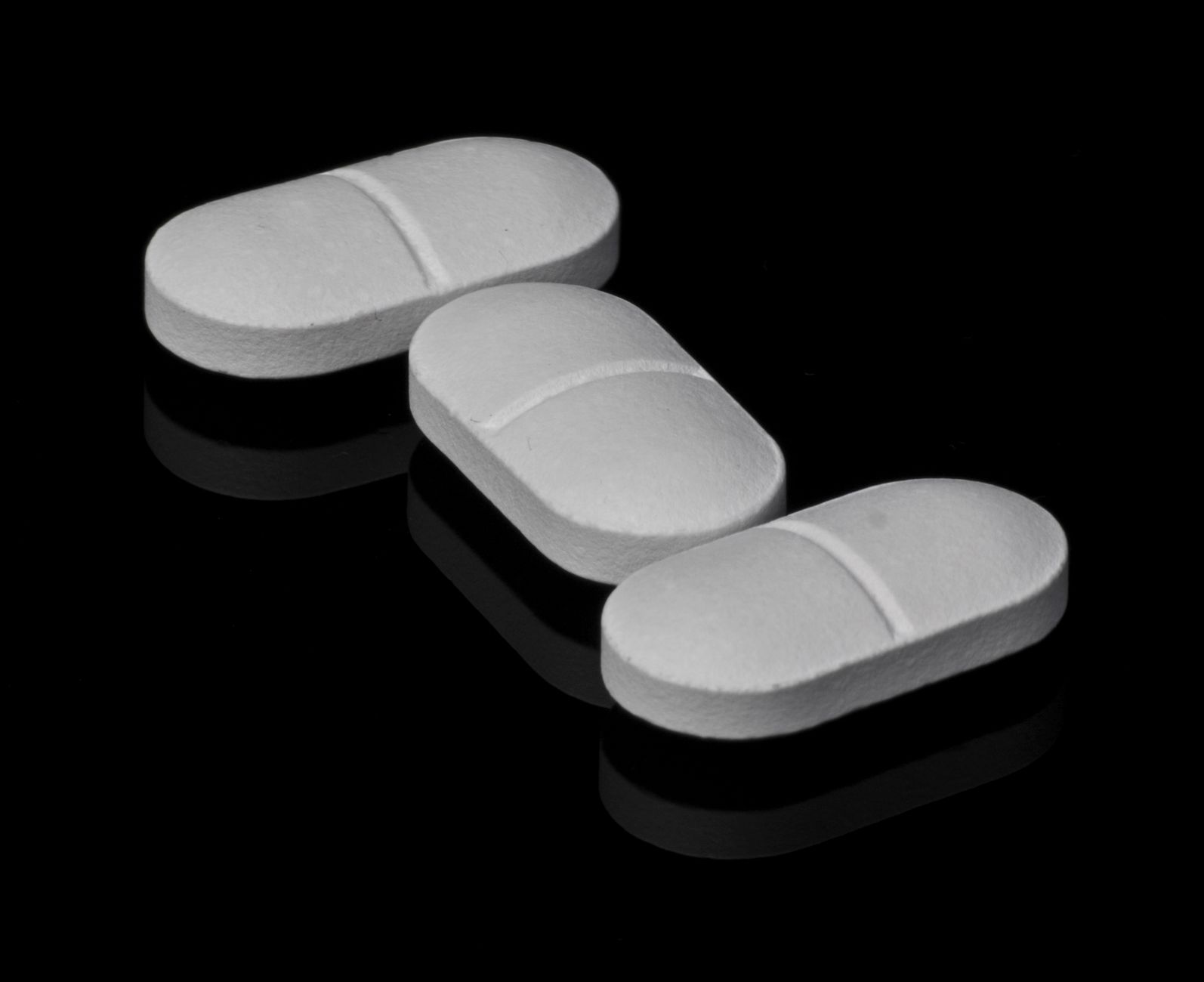
Is oxcarbazepine trileptal safe during pregnancy? Limited evidence suggests it may be safe in low doses, but consult your doctor before use in the first
By Shubhra Mishra — a mom of two who turned her own confusion during pregnancy into BumpBites, a global mission to make food choices clear, safe, and stress-free for every expecting mother. 💛
Check whether any food is safe during pregnancy with the BumpBites Food Safety Checker.
Quick verdict: ⚠️ Oxcarbazepine (Trileptal) is generally safe during pregnancy when used as prescribed, but it carries higher risks in the first trimester and requires close monitoring. Most obstetricians recommend continuing treatment if you have epilepsy, but they’ll adjust your dose and add folic acid. Always discuss your specific situation with your doctor.
It’s 2 AM, and you’re scrolling through your phone, heart pounding as you type: is oxcarbazepine trileptal safe during pregnancy? Maybe you just found out you’re expecting, or maybe you’ve been managing epilepsy for years and now you’re worried about how Trileptal might affect your baby. Or perhaps you’ve already taken it before realizing you were pregnant—and now you’re panicking. Whatever your situation, you’re not alone. Many women with epilepsy struggle with this exact question, and the answer isn’t always straightforward.
Oxcarbazepine, sold under the brand name Trileptal, is a widely prescribed antiepileptic drug (AED) used to treat seizures, bipolar disorder, and nerve pain. If you’ve been taking it for your health, you might be relieved to learn that current evidence suggests it’s safer than some other AEDs—but it’s not risk-free. The first trimester is the most critical window, and while oxcarbazepine isn’t classified as a teratogen (a substance that causes birth defects), it does carry potential risks, especially if not managed properly.
In this article, we’ll break down everything you need to know about oxcarbazepine and pregnancy:
Is it safe in each trimester—and what precautions matter most?
What’s the recommended dosage, and how does it differ from non-pregnant patients?
What are the real risks, and how do they compare to other AEDs?
What safer alternatives exist if your doctor suggests switching?
What red flags mean you should call your provider immediately?
By the end, you’ll have a clear plan—whether you’re deciding whether to start it, adjusting your dose, or simply reassuring yourself that you’ve made the right choice so far. Let’s dive in.
Many women with epilepsy rely on Trileptal to manage seizures—but pregnancy adds layers of consideration.
---
Safety snapshot: Oxcarbazepine (Trileptal) during pregnancy
Here’s a quick breakdown of oxcarbazepine’s safety profile by trimester and breastfeeding:
Trimester / Situation
Safety Verdict
Key Notes
First Trimester
⚠️ Use with caution
Higher risk of neural tube defects (NTDs) if folic acid isn’t taken. Monitor closely.
Second Trimester
⚠️ Safer than some AEDs
Lower risk than valproate or carbamazepine, but still requires folic acid (4–5 mg/day).
Third Trimester
⚠️ Generally safe
Watch for withdrawal seizures if stopped abruptly. Dose may need adjustment.
Breastfeeding
✅ Generally safe
Passes into breast milk in small amounts. Monitor baby’s sleep and development.
---
What is oxcarbazepine (Trileptal)?
O
xcarbazepine, marketed as Trileptal, is a second-generation antiepileptic drug (AED) used primarily to treat seizures (especially partial-onset epilepsy) and, less commonly, bipolar disorder, neuropathic pain, and migraine prevention. Chemically related to carbamazepine but with a different metabolic pathway, it’s often prescribed when carbamazepine isn’t tolerated due to fewer drug interactions.
How does it work? Oxcarbazepine stabilizes electrical activity in the brain by blocking sodium channels, which helps prevent the excessive firing of neurons that causes seizures. Unlike some older AEDs, it doesn’t rely on liver enzymes called CYP3A4 to break down, which means it has a lower risk of certain drug interactions—but it still requires careful monitoring.
Trileptal comes in immediate-release tablets (150 mg, 300 mg, 600 mg) and extended-release tablets (300 mg, 600 mg, 900 mg), as well as an oral suspension. It’s typically started at a low dose and gradually increased to minimize side effects like dizziness or nausea.
For women with epilepsy, oxcarbazepine is often preferred over older AEDs like valproate or carbamazepine because studies suggest it may carry lower risks of birth defects, though it’s not without its own considerations. If you’re pregnant or planning to conceive, your doctor will likely adjust your treatment plan to balance seizure control with fetal safety.
---
Is oxcarbazepine (Trileptal) safe during pregnancy?
The short answer is: it depends. Oxcarbazepine is not classified as a high-risk teratogen like valproate, but it’s not completely without risk. The American College of Obstetricians and Gynecologists (ACOG) and the UK’s National Institute for Health and Care Excellence (NICE) categorize it as a Category C drug—meaning animal studies show risks, but no large-scale human data confirms them. However, current evidence from the CDC and FDA suggests oxcarbazepine is safer than valproate or carbamazepine for most women, but it still requires vigilance.
Here’s what the research says:
Neural tube defects (NTDs): The biggest concern with oxcarbazepine is a slightly increased risk of NTDs (like spina bifida) if folic acid isn’t taken. Studies show that with 4–5 mg of folic acid daily (higher than the standard 0.4–1 mg), the risk drops close to that of the general population.
Minor malformations: Some studies link oxcarbazepine to a smaller increase in minor birth defects (e.g., heart defects, cleft lip/palate) compared to no AEDs, but the risk is still lower than with valproate.
Fetal growth: Oxcarbazepine may slightly reduce birth weight or head circumference in some cases, but this is often manageable with dose adjustments.
Seizure control: The biggest risk isn’t the drug itself—it’s uncontrolled seizures during pregnancy, which carry their own dangers (e.g., preterm labor, oxygen deprivation). Most doctors prioritize keeping seizures under control over switching to a different AED.
The Levetiracetam Pregnancy Registry (though focused on levetiracetam, it provides broader insights) notes that oxcarbazepine is one of the "preferred" AEDs for pregnant women when possible, but it emphasizes the need for prenatal monitoring, including ultrasound scans to check for structural abnormalities.
If you’ve already taken oxcarbazepine before realizing you were pregnant, take a deep breath. Most experts agree that one or two doses before confirmation is unlikely to cause harm, but you should still discuss it with your doctor. They may recommend additional testing (like an early ultrasound) if you’re worried.
---
Safety by trimester
Is oxcarbazepine safe during the first trimester?
The first trimester (weeks 1–12) is the most critical period for fetal development, especially for the brain and spinal cord. Oxcarbazepine is not as high-risk as valproate, but it’s not risk-free. Here’s what you need to know:
Neural tube defects (NTDs): The risk of NTDs (like spina bifida) is higher with oxcarbazepine than with no AEDs, but it’s much lower than with valproate. Taking 4–5 mg of folic acid daily (instead of the standard 0.4 mg) can reduce this risk significantly.
Monitoring: Your doctor may recommend an early ultrasound (around 11–14 weeks) to check for structural abnormalities, especially if you have other risk factors (e.g., diabetes, obesity).
Dose adjustments: Some women find their seizures worsen in early pregnancy due to hormonal changes, which may require a temporary dose increase. Others may need a switch to a different AED if side effects (like dizziness) become unbearable.
What to avoid: Don’t stop oxcarbazepine abruptly—this can trigger withdrawal seizures, which are far riskier than the drug itself.
Bottom line: Oxcarbazepine can be used in the first trimester with caution, but you’ll need extra folic acid, prenatal monitoring, and close communication with your doctor.
Is oxcarbazepine safe during the second trimester?
The second trimester (weeks 13–26) is generally safer for drug exposure because the major organs have already formed. Oxcarbazepine is considered safer than valproate or carbamazepine during this period, but it’s not without considerations:
Lower risk of major birth defects: The risk of NTDs and other structural defects drops significantly if folic acid was taken in the first trimester.
Fetal growth monitoring: Your doctor may recommend growth ultrasounds to ensure the baby’s weight and head circumference are developing normally.
Side effects: Some women experience increased drowsiness or fatigue in the second trimester, which can be managed with dose adjustments.
Breastfeeding prep: If you’re planning to breastfeed, discuss with your doctor—oxcarbazepine passes into breast milk in small amounts, but it’s generally considered safe.
Bottom line: Oxcarbazepine is relatively safer in the second trimester, but you should still have regular prenatal visits to monitor both you and your baby’s health.
Is oxcarbazepine safe during the third trimester?
The third trimester (weeks 27–40) is a time of rapid fetal development, particularly for the brain and lungs. Oxcarbazepine is generally safe in this period, but there are a few key considerations:
Withdrawal risk: If you stop oxcarbazepine abruptly in the third trimester, you may experience withdrawal seizures, which can be dangerous for both you and the baby. Always taper under medical supervision.
Fetal monitoring: Your doctor may recommend non-stress tests or kick counts to ensure the baby is getting enough oxygen.
Labor and delivery: Oxcarbazepine doesn’t typically affect labor, but if you’re on other medications (like opioids), your doctor will coordinate care to avoid interactions.
Breastfeeding: If you choose to breastfeed, oxcarbazepine is generally safe, but your baby’s sleep and development should be monitored.
Bottom line: Oxcarbazepine is safe in the third trimester if managed properly, but never stop it without medical advice.
Is oxcarbazepine safe while breastfeeding?
Oxcarbazepine passes into breast milk in small amounts, and the American Academy of Pediatrics (AAP) considers it compatible with breastfeeding when used as prescribed. However, there are a few things to keep in mind:
Baby’s sleep: Some infants may experience drowsiness or irritability due to the drug, so watch for changes in their feeding or sleeping patterns.
Monitoring: Your pediatrician may recommend regular check-ups to ensure your baby’s development is on track.
Dose adjustments: If you’re switching to breastfeeding, your doctor may reduce your dose slightly to avoid excessive exposure.
Safer alternatives: If you experience side effects in your baby, your doctor might suggest switching to a different AED that’s less likely to pass into milk.
Bottom line: Oxcarbazepine is generally safe while breastfeeding, but monitor your baby closely and discuss any concerns with your pediatrician.
---
What’s the recommended dosage of oxcarbazepine for pregnant patients?
The dosage of oxcarbazepine during pregnancy varies by individual, but most doctors follow these general guidelines:
Start low, increase slowly to minimize side effects.
Pregnant patient (first trimester)
Same as non-pregnant, but add 4–5 mg folic acid daily
Monitor for NTD risk; dose may need adjustment if seizures worsen.
Pregnant patient (second/third trimester)
May require higher doses if seizures increase due to hormonal changes
Watch for fetal growth; avoid abrupt changes.
Breastfeeding patient
Usually same as non-lactating, but may reduce slightly if baby shows side effects
Monitor infant’s sleep and development.
Important notes:
Never adjust your dose without talking to your doctor. Sudden changes can trigger seizures or withdrawal effects.
Blood levels matter. Your doctor may order therapeutic drug monitoring (TDM) to ensure your oxcarbazepine levels stay in the target range (typically 15–35 mcg/mL).
Combination therapy: If you’re on other AEDs (like lamotrigine or levetiracetam), your doctor will adjust all doses to avoid interactions.
Avoid generic switches. Some generic oxcarbazepine brands may have slightly different absorption rates, which can affect seizure control.
---
What brand names of oxcarbazepine are available?
Oxcarbazepine is sold under one primary brand name in the U.S. and Canada:
Trileptal® (manufactured by Novartis): Available in immediate-release tablets (150 mg, 300 mg, 600 mg) and extended-release tablets (300 mg, 600 mg, 900 mg), as well as an oral suspension (300 mg/5 mL).
Generic oxcarbazepine (available in the same dosages as Trileptal): Many pharmacies offer generic versions at a lower cost. However, generic switches should be approved by your doctor to ensure consistency in seizure control.
What to look for:
Check with your pharmacist to confirm the generic is bioequivalent to Trileptal.
Avoid compounded oxcarbazepine unless prescribed by your doctor—quality can vary.
If you’re traveling internationally, some countries use different brand names (e.g., Trileptal is also sold as Oxcarb in some regions).
---
Side effects and risks of oxcarbazepine in pregnancy
While oxcarbazepine is safer than some other AEDs, it’s not without side effects—some of which are more concerning during pregnancy. Here’s what to watch for:
Common side effects (usually mild and manageable)
Dizziness or lightheadedness (especially when standing up)
Nausea or vomiting (often improves with food)
Headache
Fatigue or drowsiness
Double vision or blurred vision (rare, but report to your doctor)
Serious risks (report to your doctor immediately)
Seizure worsening or new seizures (this is a medical emergency—oxcarbazepine isn’t working as intended)
Signs of liver problems (nausea, yellowing of skin/eyes, dark urine, fatigue)
Signs of low sodium (hyponatremia) (headache, confusion, muscle cramps, seizures)—this is more common in pregnancy due to hormonal changes
Fetal growth restriction (if you notice less movement than usual, contact your doctor)
Withdrawal symptoms if stopping abruptly (increased seizures, tremors, insomnia)
Fetal risks (based on current evidence)
The CDC’s National Birth Defects Prevention Study and ACOG guidelines highlight these potential risks:
Neural tube defects (NTDs): Risk increases if folic acid isn’t taken. Studies show a 2–3% risk with oxcarbazepine vs. 1% in the general population.
Minor malformations: Slightly higher risk of heart defects or cleft lip/palate compared to no AEDs, but lower than with valproate.
Fetal growth issues: Some studies link oxcarbazepine to lower birth weight or smaller head circumference, but this is often manageable with dose adjustments.
Autism spectrum disorder (ASD): Some observational studies suggest a slightly increased risk of ASD with oxcarbazepine, but the evidence is not definitive. More research is needed.
What to do if you experience side effects:
Call your doctor immediately if you have signs of low sodium (confusion, seizures, muscle weakness).
Report any new or worsening seizures—this may mean your dose needs adjustment.
If you develop jaundice or severe fatigue, contact your doctor right away (possible liver issues).
If you’re stopping oxcarbazepine, do so under medical supervision to avoid withdrawal seizures.
---
Are there safer alternatives to oxcarbazepine for seizures in pregnancy?
If you’re concerned about oxcarbazepine’s risks—or if your doctor suggests switching—there are safer alternatives for managing seizures during pregnancy. The best option depends on your specific condition, but here are the most commonly recommended alternatives:
Lamotrigine (Lamictal) – Generally considered one of the safest AEDs for pregnancy, with low risk of birth defects and no increased risk of NTDs when taken with folic acid. Often preferred for women with epilepsy.
Levetiracetam (Keppra) – Safer than valproate or carbamazepine, with low risk of major birth defects. However, some studies link it to higher rates of autism-like behaviors in children, so monitoring is key.
Pregabalin (Lyrica) – Safer than valproate and often used for neuropathic pain or adjunct seizure control. Not first-line for epilepsy but may be considered if oxcarbazepine isn’t tolerated.
Gabapentin (Neurontin) – Generally safe and often used for neuropathic pain or adjunct seizure therapy. Lower risk of birth defects than valproate, but not as well-studied as lamotrigine.
Topiramate (Topamax) – Safer than valproate but linked to higher risk of cleft lip/palate if taken in the first trimester. Often avoided unless necessary.
Zonisamide (Zonegran) – Safer than valproate but has limited pregnancy data. May cause metabolic acidosis in the baby, so monitoring is essential.
Vigabatrin (Sabril) – Avoid if possible due to high risk of vision loss in infants (not recommended unless no other options).
Valproate (Depakote) – Best avoided during pregnancy due to high risk of NTDs and developmental delays. Only used if no other options work.
How to decide which alternative is best for you:
Discuss your seizure history and current medication response with your neurologist.
Consider your baby’s specific risks (e.g., if you have a family history of cleft lip, topiramate may not be ideal).
Ask about folic acid supplementation—it’s critical when switching to any AED.
Consider non-drug options like ketogenic diet or vagus nerve stimulation (VNS) if medication isn’t working.
---
Related items: Safety at a glance
If you’re researching oxcarbazepine, you might also be curious about other AEDs. Here’s a quick comparison of their safety profiles during pregnancy:
Medication
Safety Verdict
Key Notes
Valproic acid (Depakote)
❌ Best avoided
High risk of NTDs and developmental delays; linked to autism in children.
Carbamazepine (Tegretol)
⚠️ Use with caution
Safer than valproate but linked to cleft lip/palate; requires folic acid.
Phenytoin (Dilantin)
⚠️ Use with caution
Higher risk of fetal hydantoin syndrome (cleft palate, heart defects).
Lamotrigine (Lamictal)
✅ Generally safe
Lowest risk of major birth defects; preferred for epilepsy in pregnancy.
Levetiracetam (Keppra)
✅ Generally safe
Safer than valproate; some concerns about autism-like behaviors in children.
Topiramate (Topamax)
⚠️ Use with caution
Safer than valproate but linked to cleft lip/palate; monitor closely.
Gabapentin (Neurontin)
✅ Generally safe
Low risk of birth defects; often used for neuropathic pain.
---
Myth vs. fact: Oxcarbazepine and pregnancy
Myth: "Oxcarbazepine will definitely cause birth defects."
Fact: Oxcarbazepine is not classified as a high-risk teratogen like valproate. While it carries some increased risk of NTDs and minor malformations, the risk is much lower than with other AEDs. Taking 4–5 mg of folic acid daily significantly reduces these risks. Most babies born to mothers on oxcarbazepine are healthy.
Myth: "If I stop oxcarbazepine, my seizures will go away, and the baby will be safer."
Fact:Uncontrolled seizures are far riskier than taking oxcarbazepine. Seizures during pregnancy can lead to preterm labor, oxygen deprivation, or even maternal injury. Always work with your doctor to manage seizures safely rather than stopping medication abruptly.
Myth: "All generic oxcarbazepine is the same, so I can switch brands without issues."
Fact: While most generic oxcarbazepine is bioequivalent to Trileptal, some brands may absorb differently, which could affect seizure control. Always check with your pharmacist or doctor before switching to ensure consistency.
---
Key takeaways
Oxcarbazepine is ⚠️ safe with precautions during pregnancy, but it’s not risk-free. The first trimester is the highest-risk period.
Take 4–5 mg of folic acid daily to significantly reduce the risk of NTDs.
Never stop oxcarbazepine abruptly—this can trigger withdrawal seizures, which are dangerous for both you and your baby.
Monitor for side effects like dizziness, low sodium, or seizure worsening, and report them to your doctor immediately.
Safer alternatives exist if you’re concerned, such as lamotrigine or levetiracetam, but switching requires medical supervision.
Oxcarbazepine is generally safe while breastfeeding, but monitor your baby’s sleep and development.
Your doctor will adjust your dose as needed, but therapeutic drug monitoring (TDM) is essential to keep levels in the target range.
---
Frequently asked questions
Is oxcarbazepine safe during pregnancy?
Oxcarbazepine (Trileptal) is generally considered safer than valproate or carbamazepine during pregnancy, but it’s not risk-free. The ACOG and NHS classify it as a Category C drug, meaning animal studies show risks, but human data is more reassuring. The biggest concern is a slightly increased risk of neural tube defects (NTDs) if folic acid isn’t taken (4–5 mg daily). Most importantly, uncontrolled seizures are far riskier than taking oxcarbazepine as prescribed.
If you’ve already taken oxcarbazepine before realizing you were pregnant, don’t panic. Most experts agree that one or two doses before confirmation is unlikely to cause harm, but you should discuss it with your doctor, especially if you’re in the first trimester.
What are the risks of taking oxcarbazepine while pregnant?
The primary risks of oxcarbazepine during pregnancy include:
Neural tube defects (NTDs): Risk increases if folic acid isn’t taken. Studies show a 2–3% risk with oxcarbazepine vs. 1% in the general population.
Minor malformations: Slightly higher risk of heart defects or cleft lip/palate compared to no AEDs.
Fetal growth issues: Some studies link oxcarbazepine to lower birth weight or smaller head circumference, but this is often manageable with dose adjustments.
Autism spectrum disorder (ASD): Some observational studies suggest a slightly increased risk, but the evidence is not definitive.
The biggest risk isn’t the drug itself—it’s uncontrolled seizures, which can lead to preterm labor, oxygen deprivation, or maternal injury. Most doctors prioritize keeping seizures under control over switching to a different AED.
Can oxcarbazepine cause birth defects?
Oxcarbazepine can increase the risk of certain birth defects, but the risk is lower than with some other AEDs like valproate or carbamazepine. The CDC’s National Birth Defects Prevention Study found that:
Not sure about the label on Is Oxcarbazepine Trileptal Safe During Pregnancy products?
Snap the ingredients list and SafeFilter checks every ingredient for your stage — only 3 free scans this month, then you're locked until reset. Unlimited from $7/mo or $50/yr.
When Shubhra Mishra was expecting her first child in 2016, she was overwhelmed by conflicting food advice — one site said yes, another said never. By the time her second baby arrived in 2019, she realized millions of mothers face the same confusion.
That sparked a five-year journey through clinical nutrition papers, cultural diets, and expert conversations — all leading to BumpBites: a calm, compassionate space where science meets everyday motherhood.
Her long-term vision is to build a global community ensuring safe, supported, and free deliveriesfor every mother — because no woman should face pregnancy alone or uninformed. 🌿
🌍 Stand with mothers, shape safer guidance
Join a small circle of experts who review BumpBites articles so expecting parents everywhere can decide with confidence.