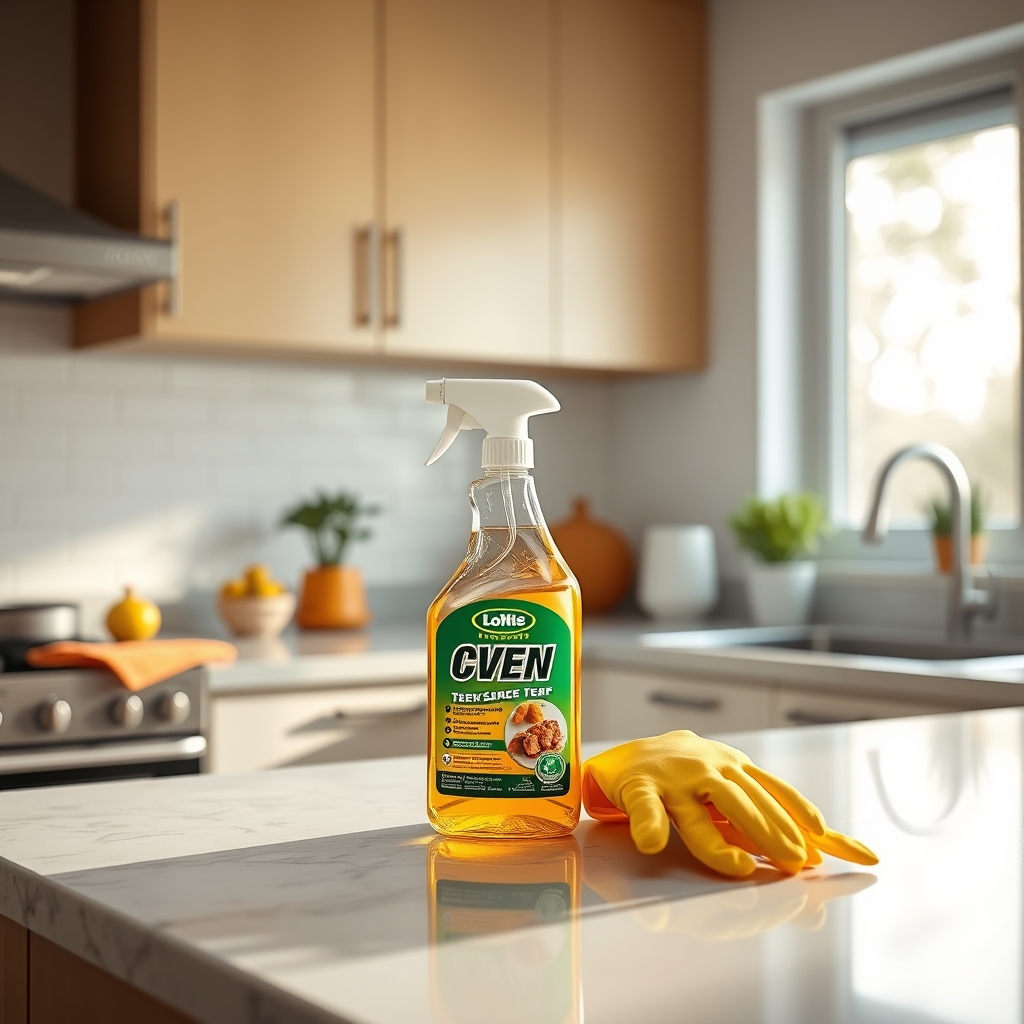
Avoid oven cleaner during pregnancy, particularly in the first trimester, as its strong chemicals can be inhaled and may harm fetal development and avoid it.
By Shubhra Mishra — a mom of two who turned her own confusion during pregnancy into BumpBites, a global mission to make food choices clear, safe, and stress-free for every expecting mother. 💛
Check whether any food is safe during pregnancy with the BumpBites Food Safety Checker.
Quick verdict: ❌ Best avoided. Oven cleaner contains strong chemicals that can be inhaled or absorbed, and current guidance from ACOG and the NHS advises pregnant people to steer clear of these products. If you need to clean an oven, choose a non‑toxic alternative and ventilate well.
It’s 2 a.m., the kitchen light is on, and you’ve just opened a can of oven cleaner while you’re half‑asleep. A sudden rush of worry hits you: is oven cleaner safe during pregnancy? You’re not alone—many expectant parents experience that spike of anxiety the moment they realize they might have inhaled fumes or touched a harsh chemical. The good news is that the answer is clear: most conventional oven cleaners are not considered safe for pregnant people, especially in the first trimester when the baby’s organs are forming.
In this article we’ll break down exactly why oven cleaners are best avoided, how risk changes across each trimester, what amount of exposure could be harmful, and which brands (if any) are less risky. We’ll also give you a toolbox of safer cleaning alternatives, a quick‑reference table comparing related household chemicals, and clear next steps if you think you’ve already been exposed. By the end, you’ll know exactly what to do—so you can stop worrying and get back to enjoying your pregnancy.
Keep the area well‑ventilated and consider a non‑toxic cleaner to protect both you and your baby.
What is oven cleaner?
Oven cleaners are formulated to dissolve baked‑on grease, food residue, and carbon buildup inside ovens. Most conventional products are either spray‑on or gel‑type and contain a mix of alkaline agents (like sodium hydroxide or potassium hydroxide), strong solvents (such as petroleum distillates), surfactants, and sometimes fragrances. When applied, the chemicals break down fats through a process called saponification, turning stubborn grime into a liquid that can be wiped away. Because the chemistry is intentionally aggressive, the fumes can be pungent, and the liquid can cause skin irritation if it contacts bare skin.
People reach for oven cleaner because it promises a quick, hands‑off solution—just spray, wait, and scrub. However, the same potency that makes it effective also makes it hazardous for anyone breathing the vapors, especially pregnant individuals whose respiratory and metabolic systems are already working harder. Understanding what ingredients are in these cleaners helps you gauge the level of risk and choose safer alternatives.
In addition to the common alkaline and solvent components, many oven cleaners contain additives such as fragrances, dyes, and proprietary surfactants. These extra ingredients can contribute to volatile organic compound (VOC) emissions, which are a particular concern for pregnant people because VOCs can cross the placenta and affect fetal development in subtle ways.
Is oven cleaner safe during pregnancy?
C
urrent guidance from the American College of Obstetricians and Gynecologists (ACOG) and the United Kingdom’s National Health Service (NHS) advises pregnant people to avoid exposure to strong household chemicals, including oven cleaners, whenever possible. The FDA classifies many of the active ingredients—such as sodium hydroxide—as “hazardous” for inhalation and skin contact. According to the CDC, inhaling volatile organic compounds (VOCs) from cleaning products can lead to respiratory irritation, headaches, and, in high concentrations, may affect fetal development.
There is no definitive study linking occasional, brief exposure to oven cleaner with birth defects, but the precautionary principle is strong: the first 12 weeks of pregnancy (organogenesis) are especially vulnerable. Even low‑level exposure to alkaline fumes can cause mucosal irritation, which may increase the risk of infection or stress hormones that could theoretically influence fetal growth. Because the risk outweighs the benefit of a quick clean, most obstetricians recommend using milder, non‑toxic cleaners or natural methods instead.
In short, while a single brief exposure is unlikely to cause severe harm, the safest approach is to treat all oven cleaners as “best avoided” throughout pregnancy. If you must use one, follow strict ventilation and protective‑equipment protocols, and limit the time you spend in the kitchen.
What the research says
Scientific literature on household chemical exposure during pregnancy is limited, largely because ethical constraints prevent controlled experiments on pregnant people. However, epidemiological studies on occupational exposure to alkaline agents and solvents—such as those used in the cleaning industry—have shown associations with lower birth weight and increased preterm birth rates. The ACOG Committee Opinion on Environmental Exposures (2020) cites these findings and recommends minimizing any non‑essential exposure to harsh chemicals.
Because most data come from high‑exposure occupational settings, the absolute risk from occasional home use is lower, but the principle of “as low as reasonably achievable” (ALARA) still applies. This is why reputable health agencies advise pregnant individuals to opt for low‑VOC, non‑alkaline alternatives whenever possible.
How the chemicals affect your body
Alkaline agents like sodium hydroxide are caustic; they can damage the lining of the respiratory tract, leading to inflammation and swelling. Solvents such as petroleum distillates are lipophilic, meaning they can penetrate cell membranes and potentially disrupt normal cellular function. Both pathways can trigger an inflammatory response that raises maternal cortisol levels, which in turn may influence fetal development, especially during the critical early weeks of organ formation.
While these mechanisms are well‑understood in toxicology, the exact dose‑response curve for occasional home exposure remains uncertain. This uncertainty reinforces the recommendation to avoid oven cleaners altogether during pregnancy.
Is it safe to use oven cleaner during first trimester?
The first trimester is the period of organ formation, making the embryo especially sensitive to chemical insults. Inhaled fumes from oven cleaners can cross the placental barrier, and alkaline agents can irritate the respiratory tract, potentially leading to maternal hypoxia—a condition where the mother’s blood oxygen level drops, which can affect the fetus. ACOG’s “Committee Opinion on Environmental Exposures” stresses that pregnant people should avoid chemicals that can cause respiratory irritation during this window.
If you accidentally open a can of oven cleaner in a poorly ventilated kitchen, the immediate priority is to get fresh air. Step outside, open windows, and avoid re‑entering the space until the fumes have cleared. Even with brief exposure, most clinicians would not recommend a repeat use of such products until after the first trimester, and many would advise waiting until after pregnancy altogether.
Because the first trimester carries the highest theoretical risk, the consensus among obstetric professionals is to treat oven cleaner as a “best avoided” product during this stage.
First‑trimester red flags
If you notice persistent coughing, shortness of breath, or a sudden onset of headache after using oven cleaner, it’s wise to seek medical advice promptly. These symptoms can indicate that the inhaled chemicals are causing more than mild irritation, and a healthcare provider can assess whether any additional monitoring is needed for the pregnancy.
Can you use oven cleaner in second trimester or is it dangerous?
During the second trimester, the fetus’s major organs have already formed, and the risk of teratogenic (birth‑defect‑causing) effects from chemicals is lower. Nonetheless, the respiratory system remains vulnerable, and strong fumes can still cause maternal irritation, headaches, and nausea. The NHS’s “Pregnancy and the Environment” briefing notes that exposure to strong solvents and alkaline agents can increase the chance of preterm labor if the mother experiences severe stress or hypoxia.
If you find yourself needing to clean an oven in the second trimester, the safest plan is to use a non‑chemical method—such as a baking soda paste with water—or to schedule the cleaning for a time when you can leave the home for several hours. If a commercial oven cleaner is the only option, wear a properly fitting N95 mask, open all windows, and use a fan to push fumes outward. Even with these precautions, many obstetricians still recommend avoiding the product if possible.
Second‑trimester best practices
When you must be in the kitchen for any reason, keep a window open and run an exhaust fan on high. Consider timing the cleaning for early morning or late evening when the house is empty, and stay out of the room for at least 30 minutes after you finish.
Third trimester oven cleaning: risks and precautions
In the third trimester, the baby’s brain and lungs are maturing rapidly, and the mother’s body is under added physiological stress. Inhalation of irritating chemicals can provoke uterine contractions, potentially triggering premature labor. The CDC’s “Guidelines for Environmental Health in Pregnancy” specifically lists strong cleaning fumes as a trigger for preterm labor in susceptible individuals.
Because of this heightened sensitivity, the advice remains consistent: treat oven cleaner as a “best avoided” product throughout the third trimester. If you must use it, ensure the kitchen is ventilated with open windows and a high‑capacity exhaust fan, wear a respirator rated for chemical vapors, and limit exposure to a few minutes. After cleaning, stay out of the kitchen for at least an hour before returning.
Third‑trimester warning signs
Any onset of regular uterine contractions, vaginal spotting, or a sudden increase in pelvic pressure after exposure to strong fumes should prompt immediate medical evaluation. These could be early signs of preterm labor, and early intervention can improve outcomes for both mother and baby.
How much oven cleaner exposure is harmful during pregnancy?
There is no exact “safe dose” for oven cleaner because the risk depends on concentration, ventilation, duration of exposure, and individual susceptibility. The Occupational Safety and Health Administration (OSHA) sets permissible exposure limits (PELs) for sodium hydroxide vapors at 5 mg/m³ over an 8‑hour workday for healthy adults. Pregnant people are advised to stay well below these limits, ideally avoiding any intentional exposure.
In practical terms, this means using no more than a thin mist in a well‑ventilated area for a brief period (under five minutes) and never applying the product in an enclosed space. Even then, most clinicians would still recommend a non‑chemical cleaning method as the safer choice.
Understanding exposure limits
PELs are designed for occupational settings where workers may be exposed daily for many hours. A single, brief household exposure is unlikely to reach these limits, but the lack of a defined “safe threshold” for pregnant individuals means the most prudent approach is to avoid exposure altogether.
What are the safest oven cleaners to use while pregnant?
Unfortunately, most commercial oven cleaners contain alkaline agents or solvents that are not classified as pregnancy‑safe. If you must purchase a product, look for those that are explicitly labeled “non‑toxic,” “free of harsh chemicals,” or “certified for use around children and pregnant people.” Brands such as Method Heavy Duty Degreaser and Mrs. Meyer’s Clean Day Multi‑Surface Concentrate use milder surfactants and fewer volatile organic compounds, making them a comparatively safer option—but they are still not completely risk‑free.
Even with a “safer” brand, the same precautions apply: wear gloves, keep the area well‑ventilated, and limit the time you spend near the fumes. When possible, opt for a natural alternative that eliminates chemical exposure altogether.
Safe dosage / amount / brands
Because oven cleaner is not a medication, “dosage” refers to the amount of product applied and the duration of exposure. A general safety rule is to use the smallest amount needed to cover the surface—usually a thin mist or a pea‑sized amount of gel—followed by immediate ventilation. For pregnant users, the most conservative approach is to avoid any amount greater than a light spray for less than five minutes.
Below is a quick reference for commonly available brands and their relative safety:
Brand
Verdict for pregnancy
Notes
Easy-Off Oven Cleaner
❌ Best avoided
Contains sodium hydroxide and petroleum solvents.
Method Heavy Duty Degreaser
⚠️ Use with caution
Milder surfactants, still emits VOCs; ventilate.
Mrs. Meyer’s Clean Day Multi‑Surface Concentrate
⚠️ Use with caution
Plant‑based surfactants, low VOCs, but not fragrance‑free.
Seventh Generation Free & Clear Dish Liquid (as an alternative)
✅ Generally safe
Non‑alkaline, no strong fumes; safe for most cleaning.
Side effects and risks
Inhalation of oven‑cleaner fumes can cause:
Immediate irritation of the eyes, nose, and throat.
Headaches, dizziness, or nausea—symptoms that can be mistaken for morning sickness.
Respiratory distress or bronchospasm in people with asthma.
Skin burns or dermatitis if the liquid contacts bare skin.
While most of these effects are short‑term, severe exposure (e.g., prolonged inhalation in an unventilated space) can lead to more serious outcomes such as chemical pneumonitis, which may necessitate emergency care. There is no solid evidence that occasional, brief exposure causes miscarriage, but the cumulative stress on the mother’s body could increase the risk of preterm labor, especially in the third trimester.
Long‑term considerations
Repeated low‑level exposure to VOCs has been linked in some studies to reduced fetal growth and lower birth weight. Although the data are not definitive for occasional household use, the potential for subtle developmental effects reinforces the recommendation to minimize any exposure during pregnancy.
Safer alternatives
When it comes to cleaning an oven while pregnant, there are plenty of effective, low‑risk options that avoid harsh chemicals. Below are some of the most popular and pregnancy‑friendly methods, each with a brief note on why it works.
Baking soda and vinegar paste – a gentle abrasive that breaks down grease without fumes.
Lemon juice and salt scrub – natural acidity and abrasiveness work well on baked‑on residue.
Bon Ami powder cleanser – mild, non‑abrasive powder safe for most surfaces.
Seventh Generation Free & Clear Dish Liquid – a low‑VOC surfactant that can be mixed with warm water.
Dr. Bronner’s Pure‑Castile Liquid Soap – plant‑based, fragrance‑free, safe for cleaning ovens when diluted.
Steam cleaning with water – uses heat to loosen grime without chemicals.
Bar Keepers Friend Soft Cleanser – contains oxalic acid but is low‑odor; use with gloves and ventilation.
Hydrogen peroxide and baking soda paste – mild oxidizer that lifts stains.
Method Heavy Duty Degreaser – a commercial option with fewer harsh solvents.
Mrs. Meyer’s Clean Day Multi‑Surface Concentrate – plant‑based surfactants and low VOCs.
Mixing baking soda and vinegar creates a safe, effective cleaner for stubborn oven grime.
Related items — safety at a glance
Below is a snapshot of other common household cleaning products and how they rank for pregnancy safety. Use this table as a quick reference when you’re deciding which product to reach for in the pantry.
Item
Verdict
One‑line note
Bleach
⚠️ Use with caution
Strong oxidizer; can irritate lungs—ventilate well.
Ammonia‑based cleaners
❌ Best avoided
Highly irritating vapors; risk of respiratory distress.
Aerosol sprays
❌ Best avoided
Propellants can contain VOCs harmful to fetus.
Degreasers
❌ Best avoided
Often contain strong solvents similar to oven cleaners.
Drain cleaners
❌ Best avoided
Extremely caustic; can cause severe burns and inhalation hazards.
Oven bags for self‑cleaning ovens
✅ Generally safe
Physical barrier; no chemicals released.
Carpet cleaners
⚠️ Use with caution
Some contain solvents; choose fragrance‑free formulas.
Glass cleaners with ammonia
❌ Best avoided
Ammonia fumes are irritating for pregnant lungs.
Furniture polish
⚠️ Use with caution
Often contains petroleum solvents; ventilate.
Mold and mildew removers
❌ Best avoided
Contain bleach or strong acids; avoid inhalation.
Choosing low‑VOC or natural cleaners can reduce chemical exposure throughout pregnancy.
Myth vs. fact
Myth: A single whiff of oven cleaner will not affect my baby.
Fact: Even brief inhalation can cause maternal respiratory irritation, which may reduce oxygen delivery to the fetus, especially in the first trimester.
Myth: Wearing a mask makes any oven cleaner safe to use.
Fact: While a mask reduces inhalation of large particles, many chemical vapors can still penetrate standard masks; a proper respirator and full ventilation are required.
Myth: “Pregnancy‑safe” labels on commercial cleaners guarantee no risk.
Fact: Labels are not regulated for pregnancy safety; always consult your provider and prefer natural alternatives.
Myth: Natural ingredients are automatically safe for pregnancy.
Fact: Even “natural” substances like citrus acids can be irritating in high concentrations; always test a small area and ensure good airflow.
Key takeaways
❌ Most conventional oven cleaners are best avoided throughout pregnancy.
Ventilate thoroughly, wear gloves, and limit exposure time if you must use one.
Opt for natural cleaners like baking soda‑vinegar paste or steam cleaning whenever possible.
Monitor for symptoms such as persistent coughing, headaches, or skin burns and seek medical advice if they occur.
Discuss any accidental exposure with your obstetric provider to rule out complications.
When in doubt, choose the lowest‑VOC, non‑alkaline product or a homemade alternative.
Frequently asked questions
Can oven cleaner fumes harm my unborn baby?
Yes. Fumes can irritate your respiratory system and, in severe cases, reduce oxygen flow to the fetus, especially during the first trimester.
What should I do if I used oven cleaner before knowing I was pregnant?
Take a deep breath of fresh air, drink plenty of water, and monitor for any irritation; contact your provider to discuss the exposure and any needed follow‑up.
Are there any oven cleaners that are pregnancy‑safe?
Most commercial cleaners contain alkaline agents or solvents that are not classified as safe; the closest options are low‑VOC brands like Method Heavy Duty Degreaser, but even these should be used with caution and proper ventilation.
How long should I stay out of the house after using oven cleaner while pregnant?
Ideally, stay out for at least 30–60 minutes while windows remain open and a fan circulates fresh air to clear any lingering fumes.
Can I use the self‑cleaning function on my oven while pregnant?
Yes, the self‑cleaning cycle produces less chemical exposure than spray cleaners, but keep the kitchen well‑ventilated and avoid staying nearby while the oven reaches high temperatures.
What are the symptoms of oven cleaner poisoning during pregnancy?
Symptoms include persistent coughing, throat irritation, shortness of breath, nausea, skin burns, or eye redness; if any appear, seek medical attention promptly.
Is it safe to use oven cleaner if I wear a mask and gloves?
Gloves protect your skin, but a standard mask may not filter chemical vapors; a certified respirator and excellent ventilation are still required.
Can oven cleaner cause developmental issues in babies?
There is no conclusive evidence linking occasional exposure to long‑term developmental problems, but avoiding exposure eliminates any theoretical risk.
What are VOCs and why should I worry about them during pregnancy?
VOCs (volatile organic compounds) are gases released from many cleaning products; they can be inhaled, cross the placenta, and potentially affect fetal development, so minimizing VOC exposure is advisable.
Can I use a homemade oven cleaner recipe safely?
Homemade mixes like baking soda and vinegar are generally considered safe when used in a well‑ventilated area, but avoid adding harsh acids or bleach, which can create harmful fumes.
When to call your doctor
If you experience any of the following after using oven cleaner, contact your obstetric provider right away:
Persistent coughing, wheezing, or shortness of breath.
Severe throat or eye irritation that does not improve after rinsing.
Skin burns larger than a few centimeters or spreading redness.
Unexplained dizziness, fainting, or sudden abdominal pain.
Any signs of preterm labor such as regular uterine contractions or vaginal bleeding.
These symptoms could indicate a chemical exposure that warrants professional evaluation. Remember, this article provides general information and is not a substitute for personalized medical advice.
References
American College of Obstetricians and Gynecologists. Committee Opinion No. 723: Environmental Exposures in Pregnancy. 2020.
National Health Service (NHS). Pregnancy and the Environment. Updated 2021.
U.S. Food and Drug Administration (FDA). Safety Data on Household Cleaning Products. 2022.
Centers for Disease Control and Prevention (CDC). Guidelines for Environmental Health in Pregnancy. 2021.
Occupational Safety and Health Administration (OSHA). Permissible Exposure Limits for Sodium Hydroxide. 2023.
Method Products. Safety Data Sheet – Heavy Duty Degreaser. 2022.
Not sure about the label on Is Oven Cleaner Safe During Pregnancy products?
Snap the ingredients list and SafeFilter checks every ingredient for your stage — only 3 free scans this month, then you're locked until reset. Unlimited from $7/mo or $50/yr.
When Shubhra Mishra was expecting her first child in 2016, she was overwhelmed by conflicting food advice — one site said yes, another said never. By the time her second baby arrived in 2019, she realized millions of mothers face the same confusion.
That sparked a five-year journey through clinical nutrition papers, cultural diets, and expert conversations — all leading to BumpBites: a calm, compassionate space where science meets everyday motherhood.
Her long-term vision is to build a global community ensuring safe, supported, and free deliveriesfor every mother — because no woman should face pregnancy alone or uninformed. 🌿
🌍 Stand with mothers, shape safer guidance
Join a small circle of experts who review BumpBites articles so expecting parents everywhere can decide with confidence.