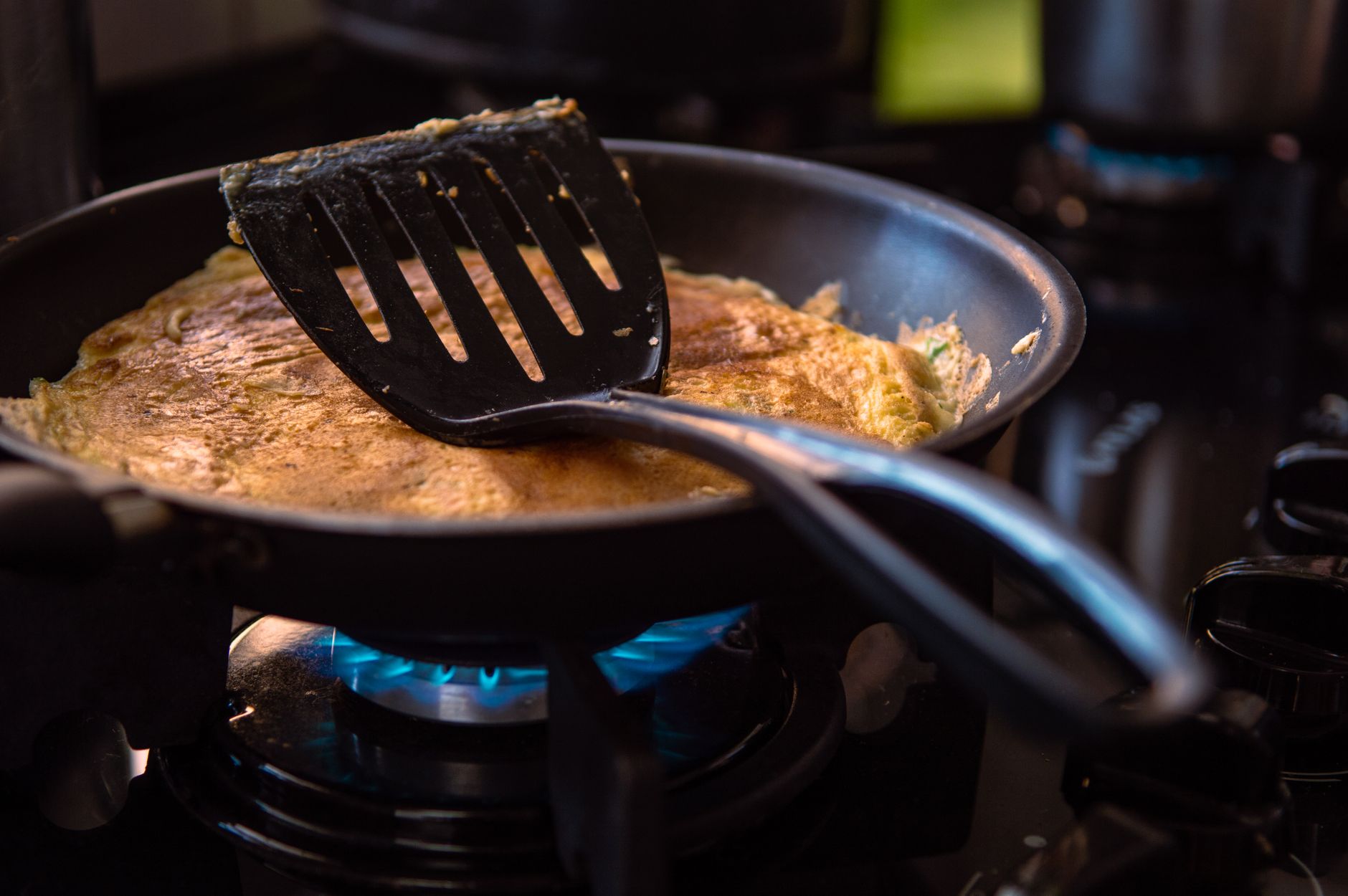
Is non-stick teflon pfoa safe during pregnancy? Experts warn to limit exposure in first trimester—learn safer cookware alternatives and PFOA risks for baby’s
By Shubhra Mishra — a mom of two who turned her own confusion during pregnancy into BumpBites, a global mission to make food choices clear, safe, and stress-free for every expecting mother. 💛
Check whether any food is safe during pregnancy with the BumpBites Food Safety Checker.
Quick verdict: ⚠️ Non-stick Teflon cookware with PFOA is best avoided during pregnancy due to potential chemical exposure risks, though the risk is low if pans are used correctly and not overheated. If you already own PFOA-containing pans, limit use to low-heat cooking and replace them with PFOA-free alternatives as soon as possible. **For the safest option, prioritize ceramic, cast iron, or stainless steel cookware**, especially in the first trimester when fetal development is most vulnerable.
It’s 2 a.m., your stomach is growling, and you’re staring at your non-stick Teflon pan—wondering if the same cookware that made eggs effortless for years is safe to use now that you’re pregnant. That familiar "click" of the lid closing feels like a betrayal when you realize you might be heating up more than just your breakfast. You’re not alone: every year, thousands of pregnant people Google is non-stick Teflon PFOA safe during pregnancy after a moment of hesitation over their favorite pan. The truth? The answer isn’t black and white, but it’s closer to gray—and the safest color to lean toward is white.
Non-stick cookware has been a kitchen staple for decades, but its safety during pregnancy has become a hot-button topic as research on chemical exposure evolves. The short answer is that traditional non-stick Teflon pans containing PFOA (perfluorooctanoic acid) are not recommended during pregnancy due to concerns about chemical leaching, especially when overheated. However, the risk isn’t absolute—it depends on how you use your pans, which brands you own, and whether you’ve already been exposed. This article breaks down the science, trimester-by-trimester safety, safer alternatives, and what to do if you’re already using Teflon cookware. We’ll also address the myths, debunk misconceptions, and give you clear action steps so you can cook with confidence—without the worry.
If you’ve already used your Teflon pans before realizing you were pregnant, take a deep breath. Here’s what you need to know: most experts agree that occasional, low-heat use is unlikely to cause harm, but long-term or high-heat exposure could pose risks. Below, we’ll explore the science, safer options, and how to navigate this safely—so you can focus on what matters most: your growing baby.
**Did you know?** The CDC estimates that 65% of Americans have detectable levels of PFAS chemicals in their blood, including PFOA, due to widespread environmental exposure. While this doesn’t mean you should panic, it highlights why pregnancy is a critical time to minimize unnecessary chemical exposure. Let’s dive into what you need to know to keep your kitchen—and your baby—safe.
Trimester / Stage
Safety Verdict
Notes
1st Trimester
⚠️ Limit use; avoid overheating
Critical window for organ development. PFOA exposure may pose higher risks during early pregnancy.
2nd Trimester
⚠️ Use with caution; prefer PFOA-free alternatives
Risk of chemical leaching remains, though fetal development is less vulnerable than in the first trimester.
3rd Trimester
⚠️ Minimize use; replace if possible
Late pregnancy may involve higher sensitivity to chemical exposure; prioritize safer cookware.
Breastfeeding
⚠️ Avoid; opt for PFOA-free options
PFOA may transfer to breast milk; safer alternatives reduce potential exposure to baby.
Overheating non-stick Teflon pans can release harmful chemicals—even if it's just a small amount of smoke.
---
### What is Non-Stick Teflon Cookware and What Is PFOA?
Non-stick Teflon cookware refers to pans and baking dishes coated with a synthetic polymer called **polytetrafluoroethylene (PTFE)**, commonly known as Teflon. This coating makes food release easily from the surface, reducing the need for oil or butter and simplifying cooking tasks like frying eggs or baking cakes. For decades, Teflon was a kitchen game-changer, but its safety—especially when overheated—has come under scrutiny due to the chemicals used in its production and coating.
One of the most controversial chemicals associated with Teflon is **PFOA (perfluorooctanoic acid)**, a synthetic compound used in the manufacturing process of some non-stick coatings. PFOA is part of a broader class of chemicals called **per- and polyfluoroalkyl substances (PFAS)**, which are known for their persistence in the environment and potential health effects. PFOA was widely used in the production of non-stick cookware, waterproof fabrics, and food packaging until its phased-out use by major manufacturers in the early 2000s due to regulatory pressure. However, older cookware may still contain PFOA, and some newer non-stick coatings may use alternative PFAS chemicals, which are also raising concerns.
PFOA and other PFAS chemicals have been linked to a range of health issues, including **immune system suppression, developmental problems in children, and potential links to certain cancers**. While the exact mechanisms aren’t fully understood, research suggests that these chemicals can accumulate in the body over time and may cross the placenta during pregnancy, posing risks to fetal development.
**Why does this matter during pregnancy?** The **first trimester is particularly vulnerable** because it’s when your baby’s organs and systems are forming. Even low levels of chemical exposure can potentially disrupt this delicate process. The **ACOG and FDA** recommend minimizing exposure to unnecessary chemicals during pregnancy, and non-stick Teflon cookware with PFOA falls into that category.
---
### Is Non-Stick Teflon Cookware Safe During Pregnancy?
The short answer is: **it depends on the type of non-stick coating and how you use the cookware**. Traditional non-stick Teflon pans containing PFOA are generally considered **not safe for regular use during pregnancy** by major health organizations like the **American College of Obstetricians and Gynecologists (ACOG)** and the **U.S. Food and Drug Administration (FDA)**. The primary concern is that PFOA can leach into food, especially when the pan is overheated, scratched, or worn. This is because high heat can break down the PTFE coating, releasing microscopic particles and chemicals into the air and food.
The **CDC (Centers for Disease Control and Prevention)** and **Environmental Protection Agency (EPA)** have classified PFOA as a **potential human carcinogen** and have set exposure limits. While the risk of using PFOA-containing non-stick cookware occasionally is likely low, **long-term or high-heat use during pregnancy is not recommended** due to the potential for cumulative exposure. The **National Health Service (NHS)** in the UK also advises pregnant women to avoid non-stick cookware with PFOA, opting instead for safer alternatives like stainless steel or cast iron.
It’s important to note that **not all non-stick cookware contains PFOA**. Many modern brands have reformulated their coatings to be PFOA-free, using alternative PFAS chemicals or other materials. However, these alternatives are not without controversy, as some PFAS chemicals may still pose risks. The safest choice is to **avoid non-stick cookware entirely during pregnancy** unless you are certain it is PFOA-free and meets strict safety standards.
**What about "green" or "eco-friendly" non-stick cookware?** Some brands market themselves as "eco-friendly" but still use PFAS chemicals. Always **check the label or manufacturer’s website** to confirm that the cookware is truly PFOA-free. If in doubt, opt for **ceramic, cast iron, or stainless steel**, which are inherently safer.
---
### **How PFOA Exposure Affects Pregnancy: What the Research Shows**
Recent studies have highlighted the potential risks of PFAS exposure during pregnancy. A **2022 study published in *Environmental Health Perspectives*** found that higher levels of PFOA in pregnant women were associated with **lower birth weights and potential developmental delays in children**. Another study from the **Harvard T.H. Chan School of Public Health** suggested that PFAS exposure may disrupt **hormone regulation**, which could impact fetal growth and development.
While these studies don’t prove causation, they do raise concerns about the **cumulative effects** of chemical exposure over time. The **ACOG** recommends that pregnant individuals take **precautionary measures** to reduce unnecessary chemical exposure, including avoiding non-stick cookware with PFOA.
**Key takeaway:** If you’re concerned about PFOA exposure, **limiting use to low-heat cooking and replacing older pans as soon as possible** is the safest approach.
---
### Safety by Trimester
#### Is Non-Stick Teflon Cookware Safe to Use During the First Trimester?
⚠️ Limit use; avoid overheating
The first trimester is the most critical period for fetal development, as organs and systems are forming. During this time, exposure to harmful chemicals like PFOA may pose higher risks, including potential disruptions to organogenesis or developmental issues. While the risk of using non-stick Teflon pans occasionally is likely minimal, **the ACOG recommends minimizing exposure to unnecessary chemicals during this sensitive window**. If you must use non-stick cookware, opt for low-heat cooking and avoid scratching or damaging the coating, which can increase chemical leaching.
**What if you’ve already used it?** If you’ve used non-stick Teflon pans in the first trimester, **don’t panic**. Occasional, low-heat use is unlikely to cause harm, but if you’ve been using them regularly or at high heat, consider replacing them with safer alternatives as soon as possible.
---
#### Is Non-Stick Teflon Cookware Safe to Use During the Second Trimester?
⚠️ Use with caution; prefer PFOA-free alternatives
By the second trimester, the risk of major birth defects from chemical exposure is lower than in the first trimester, but the fetus is still vulnerable to other potential harms. The **FDA and CDC** advise that pregnant individuals avoid unnecessary exposure to PFAS chemicals, including PFOA. If you continue to use non-stick Teflon pans, **limit use to simple tasks like scrambling eggs or sautéing vegetables at low to medium heat**. Avoid high-heat cooking, which can cause the coating to degrade and release more chemicals.
**Did you know?** The **second trimester is also when many pregnant people start to feel more confident in the kitchen**, but it’s important to remember that **chemical sensitivity can vary**. If you’re unsure about your cookware, **err on the side of caution** and switch to safer options.
---
#### Is Non-Stick Teflon Cookware Safe to Use During the Third Trimester?
⚠️ Minimize use; replace if possible
In the third trimester, your body is preparing for labor and delivery, and sensitivity to environmental toxins may increase. While the risk of birth defects is lower, **the CDC highlights that PFAS chemicals can accumulate in the body and may affect breastfeeding infants**. If you’re still using non-stick Teflon pans, consider replacing them with safer alternatives as soon as possible. If replacement isn’t an option, use them sparingly and at low heat.
**What about labor and delivery?** Some hospitals use non-stick pans for cooking meals for new parents, but **you can request safer alternatives** if you’re concerned about chemical exposure during this vulnerable time.
---
#### Is Non-Stick Teflon Cookware Safe While Breastfeeding?
⚠️ Avoid; opt for PFOA-free options
Breastfeeding mothers should be particularly cautious about chemical exposure, as PFAS chemicals like PFOA can transfer to breast milk. The **ACOG and WHO (World Health Organization)** recommend avoiding non-stick cookware with PFOA during breastfeeding to minimize potential risks to the nursing infant. Safer alternatives like stainless steel, cast iron, or ceramic cookware are ideal choices during this time.
**Why does this matter?** Breast milk is the most nutritious food for your baby, and **minimizing chemical exposure** ensures that your little one isn’t inadvertently ingesting harmful substances. If you’re breastfeeding, **prioritize cookware that is certified PFOA-free and safe for both you and your baby**.
---
### **How to Safely Use Non-Stick Teflon Pans If You Already Own Them**
If you already own non-stick Teflon cookware and are unsure whether it contains PFOA, here’s how to use it **safely during pregnancy**—though replacing it with a PFOA-free option is still the best course of action:
- **Avoid high heat**: Never let your non-stick pan reach the point where it smokes or releases a chemical odor. High heat breaks down the PTFE coating, releasing microscopic particles and chemicals into the air and food.
- **Use low to medium heat**: Ideal for tasks like scrambling eggs, sautéing vegetables, or melting butter. Avoid searing or frying at high temperatures.
- **Avoid scratching or damaging the coating**: Use wooden or silicone utensils instead of metal spoons or forks, which can scratch the surface and release more chemicals.
- **Replace if worn or damaged**: If your non-stick pan shows signs of wear—such as peeling, flaking, or a rough surface—replace it immediately. Damaged coatings release more chemicals into food.
- **Clean gently**: Hand-wash with mild soap and warm water. Avoid abrasive scrubbers or harsh detergents that can damage the coating.
- **Ventilate your kitchen**: If you must use non-stick cookware at high heat (e.g., for baking), ensure your kitchen is well-ventilated to reduce inhalation of any released particles.
- **Check for PFOA-free labels**: If your pans are newer, check the packaging for **PFOA-free certifications**. If they’re older, **assume they contain PFOA** and use them sparingly.
**What if my pans are damaged?** If your non-stick pans are scratched or peeling, **replace them immediately**. The **ACOG recommends avoiding damaged non-stick cookware** due to the increased risk of chemical leaching.
---
### **Safe Brands and How to Choose PFOA-Free Cookware**
Not all non-stick cookware contains PFOA. Many modern brands have reformulated their coatings to be **PFOA-free**, though some may still use alternative PFAS chemicals. Here’s how to identify safe options:
#### Brands to Look For (PFOA-Free):
- **GreenPan**: Uses ceramic non-stick coatings that are PFOA-free and generally considered safe for pregnancy. Their **Ceramic Pro** line is a popular choice.
- **Scanpan**: Offers ceramic non-stick cookware that is free from PFOA and other harmful chemicals. Their **Ceramic Non-Stick** line is a great alternative.
- **Calphalon**: Some lines are PFOA-free; always check the packaging or manufacturer’s website for confirmation. Their **GreenPan partnership** ensures some lines are safe.
- **Le Creuset**: Uses enamel-coated cast iron, which is naturally non-stick and free from PFOA. Their **stoneware and enamel cookware** are excellent pregnancy-safe options.
- **Stainless Steel Brands (e.g., All-Clad, Cuisinart)**: While not naturally non-stick, stainless steel is a safer alternative and doesn’t leach chemicals. Brands like **All-Clad D5** and **Cuisinart Multiclad Pro** are top picks.
#### How to Verify PFOA-Free Status:
- **Check the packaging**: Look for labels like "PFOA-free," "PFAS-free," or "ceramic non-stick."
- **Visit the manufacturer’s website**: Many brands list their safety certifications and chemical compositions online.
- **Avoid "greenwashing"**: Some brands market themselves as "eco-friendly" but still use PFAS chemicals. Always verify claims.
- **Look for third-party certifications**: Brands that are **NSF International-certified** or **GreenScreen-certified** are more likely to be safe.
**What about "PFAS-free" cookware?** While PFAS-free is a step in the right direction, **some brands replace PFOA with other PFAS chemicals**. Always **read the fine print** and choose cookware that is **certified free from all harmful chemicals**.
---
### **⚠ Side Effects and Risks of PFOA Exposure During Pregnancy**
While the risk of using non-stick Teflon pans occasionally is likely low, **long-term or high-heat use may pose several potential risks**, particularly during pregnancy:
1. **Developmental Issues**: Some studies suggest that PFOA exposure may be linked to **lower birth weights, developmental delays, or behavioral issues in children**. While the evidence is not definitive, the **CDC recommends minimizing exposure** during pregnancy to reduce potential risks.
2. **Immune System Effects**: PFAS chemicals, including PFOA, have been associated with **suppression of the immune system**, which could affect both the mother and developing fetus.
3. **Endocrine Disruption**: PFOA is an endocrine disruptor, meaning it may interfere with hormones that regulate growth and development. This could potentially affect fetal development.
4. **Cancer Risk**: The **IARC (International Agency for Research on Cancer)** classifies PFOA as a "possible carcinogen," though the risk during pregnancy is not fully understood.
5. **Respiratory Issues**: Overheating non-stick pans can release **microscopic PTFE particles into the air**, which may cause respiratory irritation if inhaled.
**Red-flag symptoms to watch for after using non-stick cookware:**
- **Chemical odor or smoke**: If you notice a strange smell or smoke from your pan, stop using it immediately and replace it.
- **Skin irritation or rashes**: If you experience unusual skin reactions after cooking, consult your healthcare provider.
- **Persistent nausea or dizziness**: While common in pregnancy, these symptoms could also indicate chemical exposure. If they persist, seek medical advice.
- **Difficulty breathing or coughing**: If you inhale particles from overheated non-stick pans, you may experience respiratory symptoms. Open windows and use a fan to ventilate your kitchen.
**What if I’ve already inhaled smoke from my pan?** If you’ve accidentally overheated your non-stick pan and inhaled smoke, **open windows immediately** and step outside for fresh air. If you experience **persistent coughing, wheezing, or dizziness**, contact your healthcare provider.
---
### **Safer Alternatives to Non-Stick Teflon Pans for Pregnant Women**
If you’re looking to replace your non-stick Teflon pans, here are **safer alternatives** that are free from PFOA and other harmful chemicals:
- **Ceramic Non-Stick Pan**: A great alternative to Teflon, ceramic coatings are PFOA-free and generally safer for pregnancy. Brands like GreenPan and Scanpan offer excellent options. **Pro tip:** Ceramic pans are also **dishwasher-safe** and less likely to scratch.
- **Cast Iron Skillet**: Naturally non-stick when seasoned properly, cast iron is a durable and chemical-free choice. It’s also rich in iron, which is beneficial during pregnancy. **Pro tip:** Season your cast iron well before pregnancy to ensure it’s ready for use.
- **Stainless Steel Cookware**: While not naturally non-stick, stainless steel is a safe and versatile option. Brands like All-Clad and Cuisinart offer high-quality, chemical-free cookware. **Pro tip:** Preheat your stainless steel pan with oil to create a non-stick surface.
- **Aluminum Cookware with PFOA-Free Coating**: Some aluminum pans use alternative coatings that are PFOA-free. Always verify the label before purchasing. **Pro tip:** Avoid aluminum cookware with **anodized coatings** if you’re concerned about aluminum leaching.
- **Glass Baking Dish**: Ideal for baking, glass dishes are chemical-free and easy to clean. They’re also dishwasher-safe and durable. **Pro tip:** Use glass bakeware for casseroles and casseroles to avoid chemical exposure.
- **Silicone Baking Mat**: A great substitute for non-stick pans when baking, silicone mats are flexible, reusable, and free from harmful chemicals. **Pro tip:** Silicone mats are also **microwave-safe** and easy to clean.
- **Carbon Steel Pan**: Similar to cast iron but lighter, carbon steel is a safer alternative that develops a natural non-stick patina with use. **Pro tip:** Carbon steel pans are **great for searing and frying** once properly seasoned.
- **Enamel-Coated Cast Iron**: Brands like Le Creuset offer enamel-coated cast iron that is naturally non-stick and PFOA-free. **Pro tip:** Enamel-coated pans are **easy to clean** and come in beautiful designs.
**What about non-stick spray?** If you’re worried about using oil in your new cookware, **PFOA-free non-stick sprays** (like **Misto**) are a safer alternative to traditional cooking sprays. Always **check the label** to ensure it’s free from harmful chemicals.
---
### **How to Transition to Safer Cookware During Pregnancy**
Switching to safer cookware doesn’t have to be overwhelming. Here’s a step-by-step guide to help you make the transition smoothly:
1. **Start with one pan**: Replace your most-used non-stick pan first, such as your egg or omelet pan.
2. **Invest in multi-functional cookware**: Choose pieces that can handle multiple tasks, like a **cast iron skillet** that works for frying, baking, and searing.
3. **Check for sales**: Many brands offer discounts on ceramic and stainless steel cookware. Keep an eye out for **Black Friday or holiday sales**.
4. **Ask for recommendations**: Reach out to other pregnant friends or join online communities (like **BumpBites’ Facebook group**) for personal recommendations.
5. **Prioritize quality**: While safer cookware may have a higher upfront cost, **it’s an investment in your health and your baby’s health**. Brands like **All-Clad, Le Creuset, and GreenPan** are worth the splurge.
**What if I can’t afford to replace all my pans?** If budget is a concern, **prioritize replacing your most-used pans first**. Even switching to **ceramic or stainless steel** for your everyday cooking can make a big difference.
---
### **Related Items: Safety at a Glance**
Here’s a quick comparison of similar cookware options and their safety during pregnancy:
Item
Safety Verdict
Notes
Non-stick silicone bakeware
✅ Generally safe
PFOA-free and chemical-free; ideal for baking.
PFOA-free Teflon cookware
⚠️ Safe with limits
Use only at low heat; avoid overheating or damaging the coating.
Stainless steel pot
✅ Generally safe
No chemicals; requires preheating oil for non-stick properties.
Cast iron pot
✅ Generally safe
Naturally non-stick when seasoned; rich in iron for pregnancy.
Ceramic cookware
✅ Generally safe
PFOA-free and chemical-free; great for low-heat cooking.
Aluminum pan
⚠️ Safe with limits
Avoid high-heat cooking; some brands use PFOA-free coatings.
Glass cookware
✅ Generally safe
Chemical-free and dishwasher-safe; ideal for baking.
Non-stick cookware with PTFE
❌ Best avoided
Contains PFOA or other PFAS chemicals; avoid during pregnancy.
Enamel-coated cookware
✅ Generally safe
PFOA-free and durable; great for everyday use.
---
### **Myth vs. Fact**
#### Myth: "All non-stick cookware is unsafe during pregnancy."
**Fact:** Not all non-stick cookware contains PFOA. Many modern brands offer **PFOA-free ceramic or enamel-coated options** that are considered safe for pregnancy. Always check the label or manufacturer’s website to confirm.
#### Myth: "Using non-stick pans occasionally is harmless."
**Fact:** While occasional use is unlikely to cause harm, **long-term or high-heat use may pose risks** due to chemical leaching. The **ACOG and CDC recommend minimizing exposure** to unnecessary chemicals during pregnancy.
#### Myth: "Replacing non-stick pans is too expensive or inconvenient."
**Fact:** Many safer alternatives, like cast iron or stainless steel, are **durable and cost-effective in the long run**. Additionally, some brands offer affordable PFOA-free ceramic options that are just as easy to use. **Start with one pan** to ease into the transition.
#### Myth: "If my pans are old, they’re definitely unsafe."
**Fact:** Older pans may contain PFOA, but **not all do**. If you’re unsure, **assume they contain PFOA** and use them sparingly. If they’re damaged or scratched, **replace them immediately**.
#### Myth: "I can’t cook anything without non-stick pans."
**Fact:** Many dishes can be adapted to safer cookware. For example, **cast iron and stainless steel** can be used with a little more oil or butter to achieve the same results. **Experiment with your new pans** to find what works best for you!
---
### **Key Takeaways**
Here’s what you need to remember about using non-stick Teflon cookware during pregnancy:
- **Avoid PFOA-containing non-stick pans**: Traditional Teflon cookware with PFOA is best avoided due to potential chemical exposure risks.
- **Use low heat only**: If you must use non-stick pans, keep heat low to medium and avoid overheating.
- **Replace damaged pans**: Scratched or worn non-stick pans release more chemicals—replace them immediately.
- **Opt for PFOA-free alternatives**: Ceramic, cast iron, stainless steel, and glass cookware are safer choices.
- **Check labels**: Always verify that your cookware is PFOA-free before purchasing.
- **Prioritize ventilation**: Use your stove’s hood or open windows when cooking to reduce inhalation of any released particles.
- **Start small**: If replacing all your pans isn’t feasible, **prioritize replacing your most-used pans first**.
- **Invest in quality**: Safer cookware may have a higher upfront cost, but it’s an investment in your health and your baby’s health.
---
### **Frequently Asked Questions**
####
Is Teflon safe for pregnancy?
Traditional non-stick Teflon pans containing PFOA are not recommended during pregnancy due to potential chemical leaching, especially when overheated. If you must use Teflon pans, limit use to low-heat cooking and avoid scratching or damaging the coating. For the safest option, replace them with PFOA-free alternatives like ceramic or cast iron.
####
What is PFOA and does it affect pregnancy?
PFOA (perfluorooctanoic acid) is a synthetic chemical used in some non-stick cookware coatings. During pregnancy, PFOA exposure may pose risks, including potential developmental issues or immune system effects. The **CDC and ACOG recommend minimizing exposure** to PFOA and other PFAS chemicals during pregnancy to reduce potential harm to the fetus.
####
Can I use non-stick pans while pregnant?
You can use non-stick pans **occasionally and at low heat**, but it’s best to avoid them if they contain PFOA. If you’re unsure whether your pans are PFOA-free, replace them with safer alternatives like ceramic, cast iron, or stainless steel. High-heat use or damaged pans should be avoided entirely.
####
What are the risks of PFOA exposure during pregnancy?
PFOA exposure during pregnancy may be linked to **lower birth weights, developmental delays, immune system suppression, and potential endocrine disruption**. While the risk of occasional use is likely low, **long-term or high-heat exposure is not recommended** by health organizations like the ACOG and CDC.
####
Are there safer cookware options for pregnant women?
Yes! Safer alternatives include **ceramic non-stick pans, cast iron skillets, stainless steel cookware, aluminum pans with PFOA-free coatings, glass baking dishes, silicone baking mats, and carbon steel pans**. These options are free from harmful chemicals and ideal for pregnancy.
####
How to choose PFOA-free cookware for pregnancy?
To choose PFOA-free cookware, **check the label for "PFOA-free" or "PFAS-free" certifications**. Look for brands like GreenPan, Scanpan, or Le Creuset, which are known for their chemical-free coatings. Avoid cookware with vague marketing claims—always verify with the manufacturer or third-party certifications.
####
Can PFOA exposure cause birth defects?
While **PFOA exposure has been linked to developmental issues in some studies**, the evidence for birth defects is not definitive. The **ACOG and CDC recommend minimizing exposure** during pregnancy as a precautionary measure. Safer cookware options reduce potential risks and provide peace of mind.
####
What should I do if I’ve already used non-stick Teflon pans during pregnancy?
If you’ve already used non-stick Teflon pans, **don’t panic**. Occasional, low-heat use is unlikely to cause harm. However, if you’ve been using them regularly or at high heat, **replace them with safer alternatives as soon as possible**. If you’re concerned, **contact your healthcare provider** for personalized advice.
####
How do I know if my non-stick pans contain PFOA?
If your pans were made **before 2015**, they likely contain PFOA. For pans made **after 2015**, check the label for "PFOA-free" or "PFAS-free" certifications. If you’re unsure, **assume they contain PFOA** and use them sparingly. If they’re damaged or scratched, **replace them immediately**.
####
Is ceramic cookware safe during pregnancy?
Yes! **Ceramic non-stick cookware is generally safe during pregnancy** because it’s free from PFOA and other harmful chemicals. Brands like GreenPan and Scanpan are popular choices. Always check the label to ensure it’s **certified PFOA-free**.
---
### **When to Call Your Doctor**
While the risks of using non-stick Teflon pans occasionally are likely low, **contact your healthcare provider if you experience any of the following after cooking with non-stick cookware:**
- **Persistent nausea, dizziness, or headaches** that don’t improve with rest.
- **Skin rashes, irritation, or unusual reactions** after handling or cooking with your pans.
- **Chemical odors or smoke** from your cookware, which may indicate overheating or damage.
- **Concerns about pre-existing conditions** (e.g., autoimmune disorders, thyroid issues) that may make you more sensitive to chemical exposure.
- **Difficulty breathing or coughing** after inhaling smoke from overheated pans.
If you’ve already used non-stick Teflon pans before realizing you were pregnant and are worried, **most experts agree that occasional, low-heat use is unlikely to cause harm**. However, if you have ongoing concerns, your healthcare provider can offer personalized advice based on your situation.
**Remember:** Your health and your baby’s health come first. If you’re unsure about your cookware, **err on the side of caution** and switch to safer alternatives.
---
### **References**
1. **American College of Obstetricians and Gynecologists (ACOG)**: Guidelines on minimizing chemical exposure during pregnancy.
2. **Centers for Disease Control and Prevention (CDC)**: Information on PFAS chemicals and pregnancy.
3. **U.S. Food and Drug Administration (FDA)**: Safety updates on non-stick cookware and PFOA.
4. **World Health Organization (WHO)**: Global guidelines on chemical exposure during pregnancy.
5. **Environmental Protection Agency (EPA)**: Regulations and safety information on PFOA.
6. **National Health Service (NHS)**: UK guidance on safe cookware during pregnancy.
7. **International Agency for Research on Cancer (IARC)**: Classification of PFOA as a "possible carcinogen."
8. **Harvard T.H. Chan School of Public Health**: Studies on PFAS exposure and endocrine disruption.
9. **Environmental Health Perspectives**: Research on PFOA and developmental risks during pregnancy.
Ceramic non-stick pans offer a safer alternative to traditional Teflon cookware during pregnancy, with no risk of chemical leaching or smoke.
Not sure about the label on Is Non Stick Teflon Pfoa Safe During Pregnancy products?
Snap the ingredients list and SafeFilter checks every ingredient for your stage — only 3 free scans this month, then you're locked until reset. Unlimited from $7/mo or $50/yr.
When Shubhra Mishra was expecting her first child in 2016, she was overwhelmed by conflicting food advice — one site said yes, another said never. By the time her second baby arrived in 2019, she realized millions of mothers face the same confusion.
That sparked a five-year journey through clinical nutrition papers, cultural diets, and expert conversations — all leading to BumpBites: a calm, compassionate space where science meets everyday motherhood.
Her long-term vision is to build a global community ensuring safe, supported, and free deliveriesfor every mother — because no woman should face pregnancy alone or uninformed. 🌿
🌍 Stand with mothers, shape safer guidance
Join a small circle of experts who review BumpBites articles so expecting parents everywhere can decide with confidence.