Avoid nicotine pouches during pregnancy due to high nicotine dosage risks in the first trimester
By Shubhra Mishra — a mom of two who turned her own confusion during pregnancy into BumpBites, a global mission to make food choices clear, safe, and stress-free for every expecting mother. 💛
Check whether any food is safe during pregnancy with the BumpBites Food Safety Checker.
Quick verdict: ❌ Best avoided. Nicotine pouches are not considered safe during pregnancy, and the safest choice is to avoid nicotine altogether.
It’s 2 a.m., the glow of your phone screen is the only light in the kitchen, and you’ve just Googled “is nicotine pouches safe during pregnancy?” You might be holding a pouch in your hand, wondering if that tiny packet could harm your baby. First, breathe. You’re not alone—many expecting parents grapple with the same question, especially if they’ve already used nicotine pouches before they knew they were pregnant.
In short, nicotine pouches are not recommended for pregnant people. While they don’t contain tobacco leaf, they still deliver nicotine, a potent stimulant that can cross the placenta and affect fetal development. Below we break down what the major health authorities (ACOG, NHS, FDA, CDC) say, how risk varies across trimesters, what amount—if any—is considered “low risk,” safer alternatives, and when you should call your provider.
We’ll also compare nicotine pouches to other nicotine delivery products so you can see the full safety landscape at a glance. By the end of this article you’ll have a clear plan: whether to stop, how to transition, and what red‑flag symptoms to watch for.
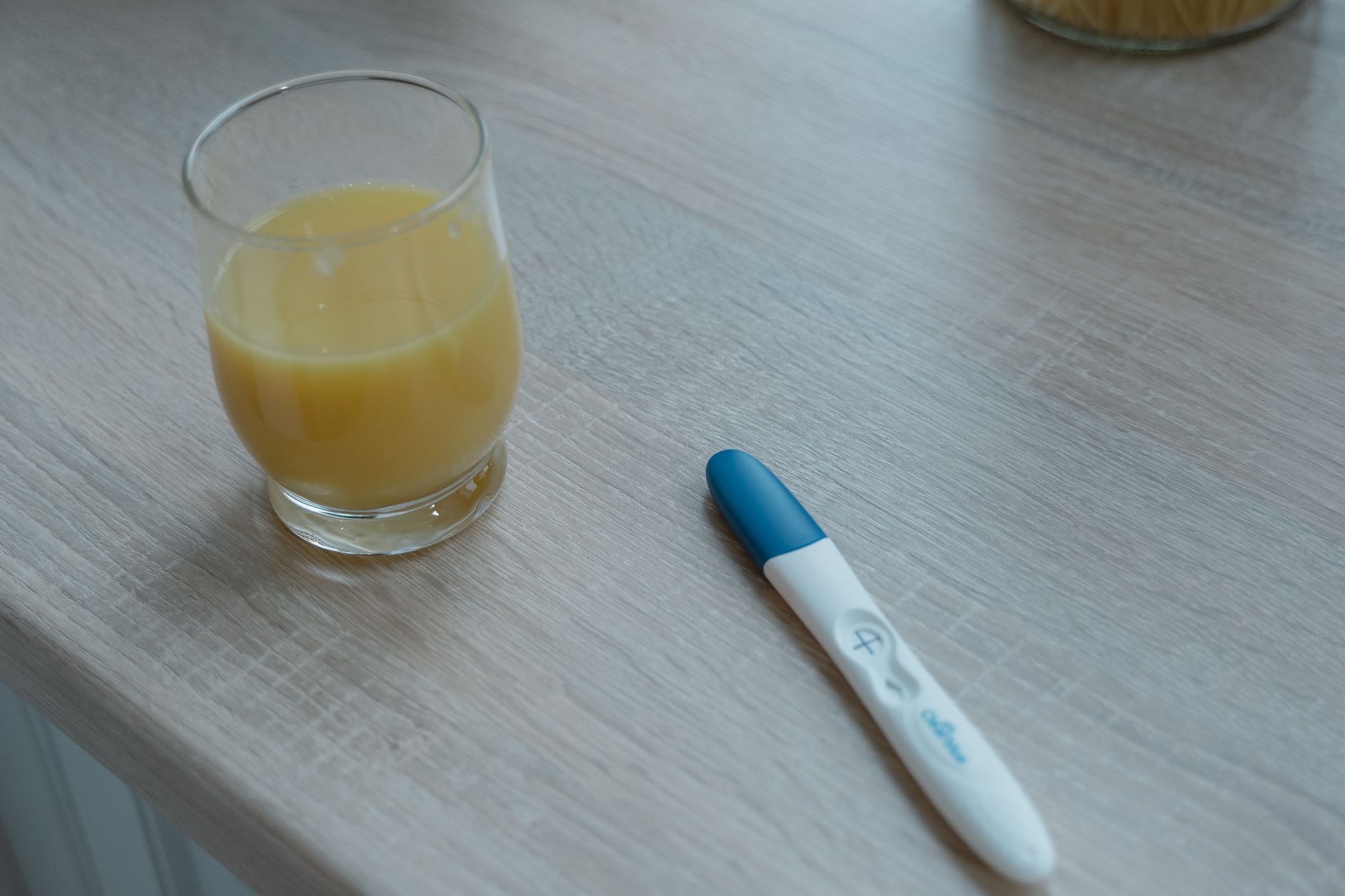
Seeing a nicotine pouch and a pregnancy test together can trigger a wave of worry—let’s unpack the facts.
Trimester / Breastfeeding
Verdict
Notes
First trimester
❌ Avoid
Nicotine can interfere with organ formation; no safe threshold identified.
Second trimester
❌ Avoid
Continued fetal growth; nicotine still linked to low birth weight.
Third trimester
❌ Avoid
Risk of preterm labor and placental insufficiency persists.
Breastfeeding
❌ Avoid
Nicotine passes into breast milk and can affect infant sleep and behavior.
What are nicotine pouches?
Nicotine pouches are small, white, tobacco‑free packets that you place between your gum and lip. They contain nicotine extracted from tobacco leaves, flavorings, sweeteners, and a moisture‑retaining base. The pouch releases nicotine through the oral mucosa, allowing it to be absorbed directly into the bloodstream without the need for smoking or vaping. Because they don’t produce smoke, many people view them as a “cleaner” alternative to cigarettes or vaping, and they’re often marketed as discreet, spit‑free, and odorless. The nicotine content varies by brand, typically ranging from 2 mg to 8 mg per pouch.
Is nicotine pouches safe during pregnancy?
C
urrent guidance from the American College of Obstetricians and Gynecologists (ACOG) and the UK’s National Health Service (NHS) states that any nicotine exposure during pregnancy is discouraged because nicotine is a known teratogen—a substance that can cause birth defects. The FDA also requires warning labels on nicotine‑containing products, noting that nicotine use during pregnancy may harm fetal development. While nicotine pouches lack the combustion products found in cigarettes, they still deliver nicotine, which can cross the placenta and affect the developing brain, lungs, and cardiovascular system.
Evidence from cohort studies shows that pregnant people who use nicotine replacement therapy (NRT) under medical supervision have lower risks than those who continue smoking, but the safest route is complete nicotine cessation. Nicotine pouches have not been studied in large, controlled trials with pregnant participants, so the precautionary principle applies: without solid safety data, the recommendation is to avoid them.
In short, the answer to “is nicotine pouches safe during pregnancy?” is “no”—they are not considered safe, and any potential benefit of reduced tobacco harm does not outweigh the known risks of nicotine exposure to the fetus.
Are nicotine pouches safe in the first trimester?
The first trimester is the period of organogenesis, when the baby’s major organs are forming. Nicotine can constrict blood vessels, reducing oxygen and nutrient delivery to the embryo, which may increase the risk of congenital anomalies. ACOG notes that there is no established “safe level” of nicotine during this critical window. Even low‑dose nicotine from a single pouch can raise maternal blood nicotine concentrations enough to affect fetal development.
Because the placenta is still developing, nicotine can more readily cross into fetal circulation. The consensus among obstetric experts is to avoid nicotine pouches entirely during the first trimester.
How many nicotine pouches can I use during pregnancy?
There is no scientifically validated “safe number” of nicotine pouches for pregnant people. Studies on nicotine replacement therapy (NRT) suggest that any dose above the minimal amount needed for cessation may still pose risk. The NHS advises that if nicotine replacement is required, it should be used under a healthcare provider’s supervision, and the lowest effective dose should be chosen. Since nicotine pouches are not approved for use in pregnancy, the safest answer is zero pouches.
What are the risks of using nicotine pouches while pregnant?
Nicotine exposure during pregnancy is linked to several adverse outcomes:
Low birth weight and intrauterine growth restriction.
Preterm birth and increased risk of preeclampsia.
Potential neurodevelopmental delays and behavioral issues in childhood.
Placental abruption and reduced placental blood flow.
Possible contribution to miscarriage, although data are limited.
These risks stem from nicotine’s ability to constrict blood vessels and interfere with normal fetal signaling pathways. While nicotine pouches avoid the tar and carbon monoxide of cigarettes, they still deliver nicotine, which is the primary driver of these complications.
Is there a safe nicotine pouch brand for pregnant women?
No reputable brand markets nicotine pouches as “pregnancy‑safe.” All brands contain nicotine, and the FDA requires a warning label stating that nicotine use during pregnancy may harm the baby. Some manufacturers claim “tobacco‑free” or “smoke‑free,” but these descriptors refer only to the absence of tobacco leaf, not to the presence of nicotine. Without specific clinical data supporting safety in pregnancy, health authorities advise against using any nicotine pouch, regardless of brand.
Can nicotine pouches cause birth defects?
Nicotine is classified as a developmental toxin. While direct causation of specific birth defects from nicotine pouches has not been conclusively demonstrated—largely because such studies are ethically impossible—the biological plausibility is strong. Nicotine can disrupt the formation of the heart, brain, and lungs, which could theoretically lead to structural anomalies. Consequently, ACOG and the CDC caution that any nicotine exposure, including from pouches, may increase the risk of birth defects.
What are safer alternatives to nicotine pouches during pregnancy?
Nicorette nicotine gum – provides controlled, low‑dose nicotine and is approved for use in pregnancy under medical guidance.
NicoDerm CQ nicotine patch – delivers steady nicotine; a healthcare provider can help select the lowest effective dose.
Nicotine lozenges (e.g., Nicorette lozenges) – similar to gum, with flexible dosing.
Behavioral counseling for smoking cessation – evidence shows counseling alone can improve quit rates without nicotine exposure.
Mindfulness meditation for nicotine cravings – helps manage stress and reduce the urge to use nicotine.
Acupuncture for nicotine withdrawal – some studies suggest it can lessen cravings during pregnancy.
Do nicotine pouches affect pregnancy complications like preeclampsia?
Research indicates that nicotine exposure may increase the risk of hypertensive disorders of pregnancy, including preeclampsia. Nicotine induces vasoconstriction, which can elevate maternal blood pressure and strain the placenta. While definitive causal links between nicotine pouches and preeclampsia are still being studied, the precautionary stance is to avoid nicotine altogether to reduce any added risk.
Nicotine gum, patches, and lozenges are approved options when quitting nicotine during pregnancy.
Safety by trimester
First trimester
During the first 13 weeks, the embryo’s organs are forming. Nicotine can restrict blood flow, potentially leading to structural anomalies. No amount of nicotine from pouches is considered safe, and the recommendation is complete avoidance.
Second trimester
From weeks 14 to 27, fetal growth accelerates. Nicotine exposure can contribute to low birth weight and may increase the chance of preterm labor. Even low‑dose nicotine from a single pouch is not advisable.
Third trimester
In the final three months, the brain and lungs mature. Nicotine can still impair placental function, raising the risk of stillbirth and neonatal complications. Again, the safest approach is to stay nicotine‑free.
Breastfeeding
Nicotine passes into breast milk. Infants may experience irritability, poor sleep, and reduced feeding efficiency. Health agencies advise against nicotine pouch use while nursing.
Safe dosage / amount / brands
Because nicotine pouches are not approved for use in pregnancy, there is no established “safe dosage.” If you are already using them, discuss a tapering plan with your provider. Some clinicians may suggest switching to a medically supervised nicotine gum or patch at the lowest possible dose (e.g., 2 mg gum). Brands such as Velo or Zyn offer pouches ranging from 2 mg to 8 mg; however, the higher the nicotine content, the greater the potential fetal exposure.
Key points for anyone considering nicotine pouches while pregnant:
Zero pouches is the safest amount.
If you need nicotine replacement, choose a product with the lowest nicotine dose (2 mg gum or 7 mg/24 h patch).
Never combine nicotine pouches with other nicotine sources.
Consult your obstetrician before starting any nicotine replacement.
Side effects and risks
Short‑term side effects of nicotine pouches include mouth irritation, nausea, increased heart rate, and dizziness. In pregnancy, these can be compounded by hormonal changes, leading to:
Persistent nausea or vomiting beyond typical morning sickness.
Elevated blood pressure or new‑onset hypertension.
Rapid fetal heart rate changes detectable at prenatal visits.
If you notice any of the above, especially a sudden increase in blood pressure, bleeding, or severe abdominal pain, contact your provider immediately. Most side effects are not life‑threatening, but they signal that nicotine may be affecting you and your baby.
Safer alternatives
Nicorette nicotine gum – easy to dose, approved for pregnant smokers.
Behavioral counseling – proven to help quit nicotine without drug exposure.
Mindfulness meditation – reduces cravings and stress.
Acupuncture – some evidence supports reduced nicotine dependence.
Related items — safety at a glance
Item
Verdict
One‑line note
Snus
❌ Avoid
Contains nicotine; similar risks to pouches.
Nicotine gum
⚠️ Safe with limits
Approved for pregnancy under medical supervision.
Nicotine patch
⚠️ Safe with limits
Low‑dose patches may be used when prescribed.
E‑cigarettes
❌ Avoid
Deliver nicotine plus aerosol chemicals.
Vape pens
❌ Avoid
Nicotine and flavoring compounds can harm fetal development.
Nicotine lozenges
⚠️ Safe with limits
Similar to gum; best when medically supervised.
Nicotine inhalers
❌ Avoid
Rapid nicotine spikes; not recommended for pregnancy.
Myth vs. fact
Myth: Because nicotine pouches are tobacco‑free, they’re safe for pregnant people. Fact: Nicotine itself is a known developmental toxin; the absence of tobacco leaf does not eliminate risk.
Myth: Using a few nicotine pouches is harmless if you quit smoking. Fact: Even low‑dose nicotine can affect fetal blood flow and brain development; any exposure carries potential risk.
Myth: Nicotine pouches won’t show up on a urine drug test, so they’re “invisible” to doctors. Fact: Nicotine metabolites are detectable, and healthcare providers can assess exposure regardless of the product.
Key takeaways
❌ Nicotine pouches are not considered safe at any stage of pregnancy.
Zero use is the safest amount; if you’re currently using them, seek help to quit.
Approved nicotine replacement options (gum, patch, lozenges) can be used under medical supervision.
Monitor for increased blood pressure, severe nausea, or any bleeding and contact your provider promptly.
Consult your obstetrician for a personalized cessation plan that fits your needs.
Frequently asked questions
Can I use nicotine pouches while pregnant?
No. Health authorities such as ACOG and the NHS advise against any nicotine use during pregnancy, including nicotine pouches.
Do nicotine pouches increase the risk of miscarriage?
While direct evidence linking pouches to miscarriage is limited, nicotine exposure is associated with higher rates of early pregnancy loss, so avoiding them is recommended.
Is there a safe amount of nicotine during pregnancy?
There is no established safe level; the consensus is that the safest amount is none, especially during the first trimester.
What are the long‑term effects of nicotine exposure on a baby?
Long‑term studies suggest increased risk of attention‑deficit/hyperactivity disorder (ADHD), learning difficulties, and respiratory problems in children whose mothers used nicotine during pregnancy.
Are any nicotine pouch brands marketed as pregnancy‑safe?
No reputable brand markets nicotine pouches as safe for pregnancy, and all carry FDA warnings about potential fetal harm.
How does nicotine affect fetal development?
Nicotine constricts blood vessels, reducing oxygen and nutrient delivery to the fetus, and can interfere with brain and lung maturation.
What are the best ways to quit nicotine during pregnancy?
Combining medically supervised nicotine replacement (gum or patch) with behavioral counseling, mindfulness, and, if desired, acupuncture offers the most evidence‑based approach.
When to call your doctor
If you experience any of the following while using nicotine pouches or any nicotine product, contact your obstetric provider immediately:
Sudden increase in blood pressure or signs of preeclampsia (headache, vision changes, swelling).
Severe or persistent nausea/vomiting beyond typical morning sickness.
Unexplained vaginal bleeding or spotting.
Rapid fetal heart rate changes detected at prenatal visits.
Any chest pain, shortness of breath, or palpitations.
These symptoms may signal that nicotine is affecting you or your baby, and prompt medical evaluation is essential. Remember, this article provides general information and is not a substitute for personalized medical advice.
References
American College of Obstetricians and Gynecologists. “Nicotine Exposure in Pregnancy.” ACOG Committee Opinion, 2022.
National Health Service (UK). “Nicotine Replacement Therapy in Pregnancy.” NHS website, updated 2023.
U.S. Food and Drug Administration. “Warning: Nicotine is an Addictive Chemical.” FDA Consumer Updates, 2021.
Centers for Disease Control and Prevention. “Smoking and Tobacco Use: Pregnancy.” CDC Health Information for Professionals, 2022.
World Health Organization. “Guidelines for the Prevention and Management of Tobacco Use in Pregnancy.” WHO, 2020.
Mayo Clinic. “Nicotine Replacement Therapy (NRT).” Mayo Clinic Proceedings, 2023.
National Institute for Health and Care Excellence (NICE). “Smoking Cessation in Pregnancy.” NICE guideline NG209, 2021.
Not sure about the label on Is Nicotine Pouches Safe During Pregnancy products?
Snap the ingredients list and SafeFilter checks every ingredient for your stage — only 3 free scans this month, then you're locked until reset. Unlimited from $7/mo or $50/yr.
When Shubhra Mishra was expecting her first child in 2016, she was overwhelmed by conflicting food advice — one site said yes, another said never. By the time her second baby arrived in 2019, she realized millions of mothers face the same confusion.
That sparked a five-year journey through clinical nutrition papers, cultural diets, and expert conversations — all leading to BumpBites: a calm, compassionate space where science meets everyday motherhood.
Her long-term vision is to build a global community ensuring safe, supported, and free deliveriesfor every mother — because no woman should face pregnancy alone or uninformed. 🌿
🌍 Stand with mothers, shape safer guidance
Join a small circle of experts who review BumpBites articles so expecting parents everywhere can decide with confidence.