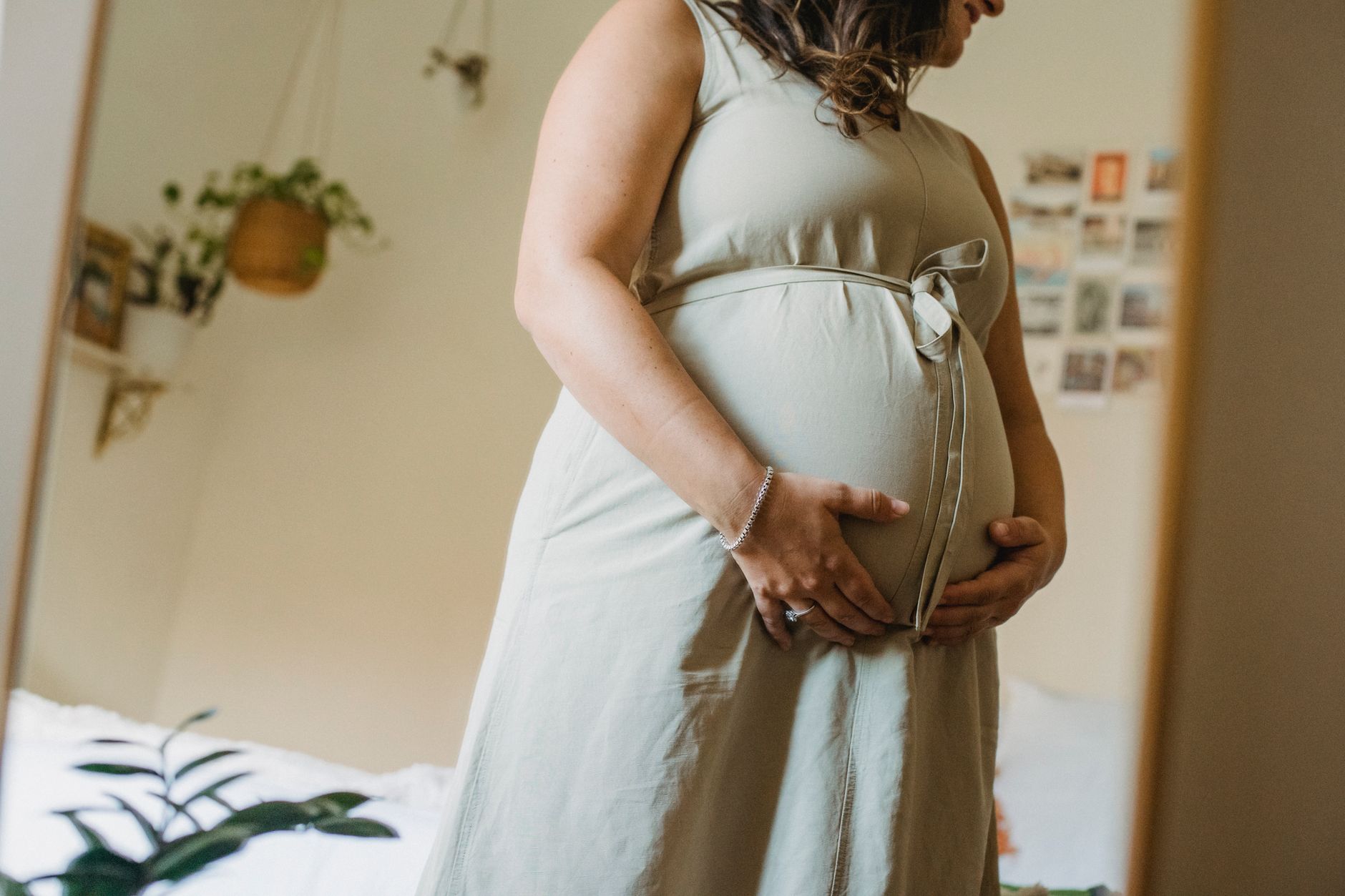
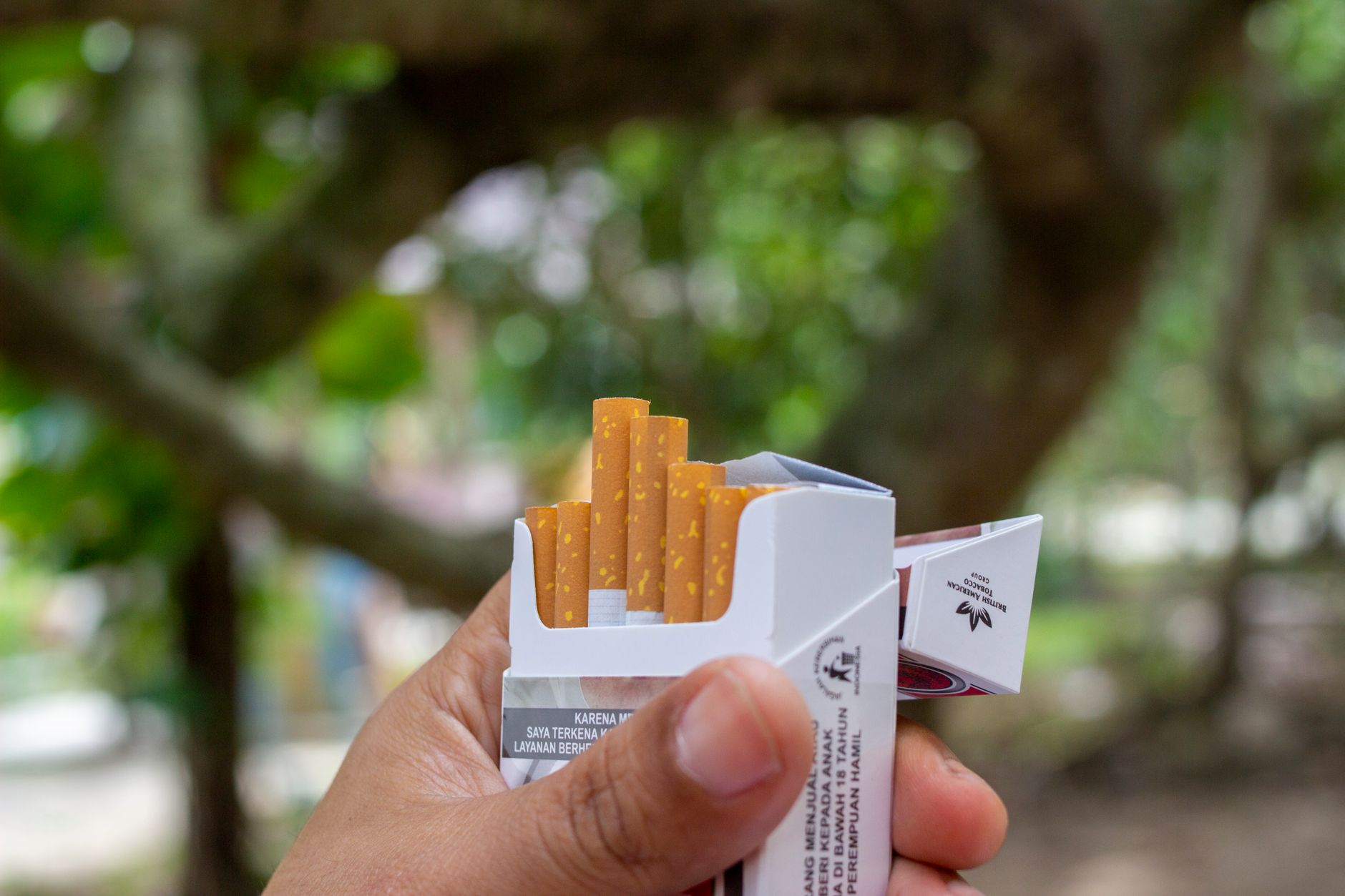
Is nicotine patch safe during pregnancy? Experts advise conditional use, weighing risks vs. benefits. Learn about safe dosages, trimester considerations, and alternatives for quitting.
By Shubhra Mishra — a mom of two who turned her own confusion during pregnancy into BumpBites, a global mission to make food choices clear, safe, and stress-free for every expecting mother. 💛
Check whether any food is safe during pregnancy with the BumpBites Food Safety Checker.
Quick verdict: ⚠️ Talk to your doctor first. While using a nicotine patch is generally considered a safer option than continuing to smoke during pregnancy, it's not without risk and should only be used under the guidance of your healthcare provider after non-nicotine methods have been unsuccessful. The goal is complete cessation from nicotine.
The journey of pregnancy brings a flood of questions, especially around what's safe for you and your developing baby. If you're grappling with nicotine addiction and considering a nicotine patch to quit smoking, you're not alone in wondering, "is nicotine patch safe during pregnancy?" Many expecting parents find themselves weighing the risks and benefits of various options, often feeling overwhelmed by conflicting information or the sheer anxiety of making the "right" choice. We understand this concern deeply at BumpBites.
The good news is that quitting smoking at any point during pregnancy offers significant health benefits for both you and your baby. When it comes to nicotine replacement therapy (NRT) like patches, the consensus among medical professionals is nuanced: while nicotine itself carries risks, the thousands of other harmful chemicals in cigarette smoke pose a far greater danger. Therefore, if non-nicotine methods haven't worked, your doctor may recommend a nicotine patch as a supervised, temporary aid. This article will break down what current evidence says about is nicotine patch safe during pregnancy, discuss dosages, trimester-specific considerations, and explore safer alternatives to help you make an informed decision with your healthcare provider.
Discussing any NRT use with your doctor is crucial for personalized guidance during pregnancy.
Trimester/Period
Verdict
Notes
First Trimester
⚠️ Talk to your doctor first
Critical period for fetal development; NRT generally considered only if non-nicotine methods fail and under strict medical supervision. Aim for lowest effective dose, shortest duration.
Second Trimester
⚠️ Talk to your doctor first
Continued fetal growth and development; NRT may be considered if smoking cessation is otherwise unsuccessful. Regular monitoring by a healthcare provider is essential.
Third Trimester
⚠️ Talk to your doctor first
Risk of preterm birth, low birth weight, and potential impact on fetal lung development. NRT should still be monitored closely, with a focus on tapering off before delivery if possible.
Breastfeeding
⚠️ Talk to your doctor first
Nicotine can pass into breast milk. Shorter-acting NRTs may be preferred, or patches used with careful timing (e.g., removing before the longest feeding gap) to minimize infant exposure.
What is a Nicotine Patch?
A nicotine patch is a type of Nicotine Replacement Therapy (NRT) designed to help people quit smoking by delivering a controlled dose of nicotine into the bloodstream through the skin. These patches are thin, adhesive patches that you apply to your skin, typically on the upper arm or torso. The nicotine is absorbed slowly and steadily over 16 or 24 hours, depending on the patch type, helping to reduce withdrawal symptoms and cravings associated with quitting tobacco products.
The idea behind NRTs like the nicotine patch is to provide nicotine without the thousands of other toxic chemicals found in cigarette smoke, such as tar, carbon monoxide, and carcinogens. By replacing the nicotine, the patch helps manage the physical addiction while allowing the user to break the behavioral habits associated with smoking. Nicotine patches are available in different strengths, usually starting with a higher dose and gradually decreasing over several weeks as part of a step-down program. This gradual reduction helps the body adjust to less and less nicotine, ultimately aiming for complete nicotine independence. For someone asking, "is nicotine patch safe during pregnancy?", understanding this mechanism is key to evaluating its role in smoking cessation.
Is Nicotine Patch Safe During Pregnancy?
When considering "is nicotine patch safe during pregnancy?", it's important to understand the medical consensus: while not entirely risk-free, using a nicotine patch is generally considered a *safer alternative* to continuing to smoke during pregnancy. Major health organizations, including the American College of Obstetricians and Gynecologists (ACOG) and the UK's National Institute for Health and Care Excellence (NICE), acknowledge that nicotine replacement therapy (NRT) can be an option for pregnant individuals who are unable to quit smoking using non-nicotine methods.
The primary concern with continued smoking is not just nicotine, but the vast cocktail of over 7,000 chemicals, many of which are highly toxic and carcinogenic, that are inhaled with each cigarette. These chemicals, including carbon monoxide, tar, and heavy metals, are known to cause severe harm to both the pregnant person and the developing fetus, leading to risks like preterm birth, low birth weight, stillbirth, and developmental problems. Nicotine itself, whether from cigarettes or a patch, is a vasoconstrictor, meaning it narrows blood vessels, which can reduce blood flow and oxygen to the placenta and fetus. However, the nicotine dose from a patch is typically lower and delivered more steadily than the fluctuating, high doses from smoking, and it lacks the other detrimental chemicals.
ACOG states that if a pregnant person is unable to quit smoking with behavioral interventions alone, NRT may be considered. The decision should always be made in consultation with a healthcare provider, who can weigh the individual risks of continued smoking against the potential, albeit lesser, risks of NRT. The goal is always complete cessation from all forms of nicotine. So, while it's not a "safe" option in the way that plain water is, it's a harm-reduction strategy compared to smoking, making the question "is nicotine patch safe during pregnancy?" one that requires careful, individualized medical evaluation.
Is it safe to use nicotine patches in early pregnancy?
The first trimester is a critical period for fetal organ development (organogenesis), making it a time of heightened vulnerability to external substances. Because of this, the general recommendation for is nicotine patch safe during pregnancy in the early stages is one of caution. Healthcare providers typically advise pregnant individuals to first attempt to quit smoking using non-nicotine behavioral therapies, such as counseling and support groups. If these methods prove unsuccessful and the risk of continued smoking outweighs the potential risks of NRT, a nicotine patch might be considered, but strictly under medical supervision.
Nicotine exposure during early pregnancy, even from a patch, has been linked to potential risks such as altered fetal brain development and, in some studies, an increased risk of certain birth defects, though the evidence is often more robust for smoking than for NRT alone. The aim is always to minimize any exposure to nicotine during this crucial developmental window. If a patch is used, the lowest effective dose for the shortest possible duration is recommended, with frequent reassessment of the need for NRT.
What are the risks of nicotine patch use during pregnancy?
While using a nicotine patch is considered less harmful than smoking, it's crucial to understand that nicotine itself is not benign and carries its own set of risks during pregnancy. The core question, "is nicotine patch safe during pregnancy?", must acknowledge these potential adverse effects. Nicotine is a psychoactive and addictive substance that can cross the placenta and affect fetal development. The risks associated with nicotine exposure from patches include:
Reduced Blood Flow: Nicotine is a vasoconstrictor, meaning it narrows blood vessels. This can reduce blood flow to the placenta and fetus, potentially limiting the supply of oxygen and nutrients essential for growth and development.
Fetal Growth Restriction: Reduced nutrient supply due to vasoconstriction can lead to the baby growing slower than expected, resulting in a smaller baby at birth.
Preterm Birth: Studies suggest an association between nicotine exposure and an increased risk of delivering the baby before 37 weeks of gestation.
Impact on Fetal Brain and Lung Development: Nicotine can interfere with the normal development of the fetal brain and lungs, potentially leading to long-term neurobehavioral issues and respiratory problems after birth.
Increased Risk of SIDS: Some research indicates that prenatal nicotine exposure, even from NRT, might contribute to a higher risk of Sudden Infant Death Syndrome (SIDS) after the baby is born.
Behavioral Issues in Childhood: There's emerging evidence suggesting that prenatal nicotine exposure may be linked to attention deficit hyperactivity disorder (ADHD) and other behavioral problems in children.
These risks, while present, are generally considered lower than the risks associated with continued cigarette smoking, which exposes the fetus to nicotine *plus* thousands of other harmful chemicals. The decision to use a nicotine patch must involve a careful discussion with your healthcare provider to weigh these specific risks against the very real and immediate dangers of ongoing tobacco use.
What dosage of nicotine patch is safe for pregnant women?
There is no universally "safe" dosage of nicotine patch for pregnant women, as the primary goal is to minimize nicotine exposure while maximizing the chances of quitting smoking. The approach to dosage, when considering "is nicotine patch safe during pregnancy," is highly individualized and must be determined in consultation with a healthcare provider. The general guideline from organizations like ACOG and NICE is to use the *lowest effective dose* for the *shortest possible duration*.
Typically, nicotine patches come in various strengths (e.g., 21mg, 14mg, 7mg delivered over 24 hours, or 15mg, 10mg, 5mg delivered over 16 hours). For pregnant individuals, healthcare providers often recommend starting with a lower dose than might be prescribed for non-pregnant adults, or a dose that is just enough to control severe cravings and withdrawal symptoms. The aim is to step down the dosage as quickly as possible. For instance, instead of starting at the highest dose, a doctor might recommend starting with a medium dose (e.g., 14mg/24hr or 10mg/16hr) and then reducing to lower doses (e.g., 7mg/24hr or 5mg/16hr) over a period of weeks, rather than months.
Some providers may also suggest 16-hour patches over 24-hour patches to allow for a period of nicotine-free time, particularly overnight, to potentially reduce fetal exposure. However, this must be balanced against the individual's withdrawal symptoms and craving patterns. It's crucial not to self-medicate or adjust dosage without medical advice. Your doctor will help you determine a personalized plan, monitor your progress, and adjust the dosage as needed to ensure the safest and most effective path to quitting smoking.
Safety by Trimester
First Trimester
The first trimester (weeks 1-12) is the most critical period for fetal development, as all major organs are forming. During this time, the question "is nicotine patch safe during pregnancy?" carries significant weight. Exposure to any substances that can interfere with cell division and differentiation is a concern. For nicotine patches, healthcare providers generally recommend exhausting all non-nicotine smoking cessation methods first, such as behavioral counseling and support groups. If these are unsuccessful and the pregnant person continues to smoke, the risks of continued smoking are considered far greater than the controlled, albeit still present, risks of NRT. If a nicotine patch is used, it should be at the lowest effective dose for the shortest duration, with close monitoring by a doctor. The goal is always to minimize any nicotine exposure during this vulnerable window.
Second Trimester
During the second trimester (weeks 13-27), the fetus continues to grow rapidly and mature. While the risk of major birth defects is lower than in the first trimester, nicotine exposure can still impact fetal growth and organ development. The question of "is nicotine patch safe during pregnancy" in this stage still emphasizes caution. Nicotine's vasoconstrictive effects can reduce blood flow to the placenta, potentially leading to fetal growth restriction and other complications. If NRT is being used, your doctor will likely continue to recommend the lowest effective dose and encourage tapering off as soon as possible. Regular prenatal check-ups will include monitoring fetal growth and well-being to assess for any potential impacts.
Third Trimester
In the third trimester (weeks 28-40), the fetus is gaining weight rapidly and the lungs are maturing. Continued nicotine exposure, even from a patch, can increase the risks of preterm birth, low birth weight, and potential long-term effects on lung function and neurological development. When considering "is nicotine patch safe during pregnancy" in the final months, the focus remains on minimizing exposure. Your healthcare provider will likely work with you to gradually reduce and ideally discontinue the patch before delivery. This is to ensure the baby is not born with nicotine in their system, which could lead to withdrawal symptoms in the newborn. Close monitoring of both maternal and fetal health is paramount.
Breastfeeding
The safety of using a nicotine patch while breastfeeding is another common concern. Nicotine does pass into breast milk, and therefore, can be ingested by the infant. While the amount of nicotine transferred through a patch is generally lower and more stable than from smoking, it's still present. Organizations like the American Academy of Pediatrics (AAP) acknowledge that if a mother cannot quit smoking without NRT, it may be a better option than continued smoking. However, the recommendation is to use the lowest effective dose and to consider shorter-acting NRTs (like gum or lozenges) that allow for more control over timing. If using a patch, some providers suggest removing it before the longest feeding gap (e.g., overnight) to reduce the amount of nicotine in milk during that period. Always discuss NRT use with your pediatrician or lactation consultant to weigh the benefits of breastfeeding against the potential nicotine exposure.
Safe Dosage and Brands
When it comes to the nicotine patch and pregnancy, there isn't a "safe" standard dosage in the way there is for common medications like acetaminophen. Instead, the guiding principle is to use the *lowest effective dose* for the *shortest possible duration* necessary to help you quit smoking, always under the direct supervision of your healthcare provider. This individualized approach is critical because the primary aim is to eliminate tobacco smoke exposure, and NRT is a tool to achieve that when behavioral methods alone are insufficient.
Common brands like Nicoderm CQ, Habitrol, and Nicotrol are widely available, but the active ingredient (nicotine) and its transdermal delivery are the main considerations, not the brand name itself. These brands offer patches in various strengths (e.g., 21mg, 14mg, 7mg for 24-hour patches, or 15mg, 10mg, 5mg for 16-hour patches). For pregnant individuals, a healthcare provider might recommend starting with a lower or mid-range dose (e.g., 14mg/24hr or 10mg/16hr) rather than the highest dose, and then progressively stepping down to lower doses more rapidly than typically prescribed for non-pregnant adults. The specific regimen will depend on your smoking history, the severity of your cravings, and your body's response.
It's crucial to avoid self-prescribing or adjusting the dose without medical guidance. Your doctor will help you create a tapering schedule that aims to get you off nicotine completely as soon as safely possible. They will also monitor for any side effects and assess your progress towards cessation. The goal is to minimize fetal exposure to nicotine while successfully helping you quit smoking entirely.
Side Effects and Risks
While using a nicotine patch is considered a harm-reduction strategy compared to continued smoking during pregnancy, it's important to be aware of potential side effects for the pregnant person and risks for the developing baby. Understanding these helps answer the nuanced question, "is nicotine patch safe during pregnancy?"
For the Pregnant Person
Skin Irritation: Redness, itching, or burning at the patch application site is common. Rotating the application site daily can help.
Sleep Disturbances: Some people report vivid dreams, nightmares, or difficulty sleeping, especially with 24-hour patches. Using a 16-hour patch (removed before bedtime) might alleviate this.
Nausea and Dizziness: These are less common but can occur, particularly if the patch dose is too high.
Headache: A mild headache can be a side effect, often managed by adjusting the dose.
For the Developing Baby (due to nicotine exposure)
The primary concern with nicotine patches is the nicotine itself, which can cross the placenta. The risks, while generally lower than those from cigarette smoke, are still significant and include:
Vasoconstriction: Nicotine narrows blood vessels, reducing blood flow and oxygen/nutrient delivery to the placenta and fetus. This can impact fetal growth.
Fetal Growth Restriction: Babies exposed to nicotine prenatally are at an increased risk of being born smaller than expected (low birth weight).
Preterm Birth: Nicotine exposure has been associated with an increased risk of delivering before 37 weeks of gestation.
Impact on Brain Development: Nicotine is a neuroteratogen, meaning it can adversely affect fetal brain development, potentially leading to long-term neurobehavioral issues, learning disabilities, or attention problems (e.g., ADHD) in childhood.
Lung Development Issues: Fetal lung development can be impaired, potentially increasing the risk of respiratory problems after birth.
Increased Risk of SIDS: Prenatal nicotine exposure may contribute to a higher risk of Sudden Infant Death Syndrome (SIDS) in the infant.
Fetal Nicotine Withdrawal: In rare cases, if the mother is on a high dose of nicotine replacement close to delivery, the baby may experience mild nicotine withdrawal symptoms after birth.
It's crucial to reiterate that the risks from nicotine delivered via a patch are generally considered substantially lower than the risks from continued smoking, which involves not just nicotine, but thousands of other toxic chemicals. However, the goal should always be complete nicotine cessation. If you experience any concerning side effects or continue to struggle with cravings, it's vital to speak with your healthcare provider immediately.
Always consult your doctor to understand the risks and benefits of nicotine patches during pregnancy.
Safer Alternatives to Nicotine Patches for Quitting Smoking While Pregnant
When you're asking, "is nicotine patch safe during pregnancy?", it's often because you're looking for the safest way to quit smoking. The safest approach involves methods that do not introduce nicotine or other medications. These non-pharmacological interventions are always the first-line recommendation for pregnant individuals. Here are several highly effective and safe alternatives:
Behavioral Counseling: This is often the most recommended first step. Individual or group counseling sessions with a trained professional can provide strategies, coping mechanisms, and personalized support to help you manage cravings and triggers without nicotine.
Smoking Cessation Programs: Many local health departments, hospitals, and non-profit organizations offer specialized programs for pregnant smokers. These programs provide structured support, education, and resources tailored to the unique challenges of quitting during pregnancy.
Cognitive Behavioral Therapy (CBT): CBT helps you identify and change negative thought patterns and behaviors associated with smoking. It equips you with tools to challenge cravings and develop healthier coping strategies.
Support Groups for Pregnant Smokers: Connecting with others who are going through similar experiences can provide invaluable emotional support, shared strategies, and a sense of community.
Mindfulness Practices: Techniques like meditation, deep breathing exercises, and yoga can help manage stress, reduce cravings, and improve self-control. Focusing on the present moment can distract from the urge to smoke.
Hypnotherapy: For some individuals, hypnotherapy can be an effective tool to modify subconscious associations with smoking and strengthen the resolve to quit. It should be performed by a qualified and experienced hypnotherapist.
Acupuncture: While evidence for acupuncture as a standalone smoking cessation aid is mixed, some individuals find it helpful for managing withdrawal symptoms and reducing cravings. Ensure any acupuncturist is licensed and aware of your pregnancy.
These alternatives focus on addressing the psychological and behavioral aspects of addiction, empowering you to quit without exposing your baby to nicotine. Always discuss these options with your healthcare provider to find the best approach for you.
Related Items — Safety at a Glance
Understanding the safety of various nicotine products and smoking cessation aids during pregnancy can be complex. Here's a quick overview of how nicotine patches compare to other related items:
Item
Verdict
Notes
Nicotine gum
⚠️ Talk to your doctor first
Similar to patches, provides nicotine without other toxins. Shorter-acting, allowing more control over timing and dose. Often preferred for managing acute cravings.
Nicotine lozenges
⚠️ Talk to your doctor first
Similar to gum, offers controlled nicotine release. Shorter-acting, good for situational cravings. Always use lowest effective dose.
Nicotine inhaler
⚠️ Talk to your doctor first
Delivers nicotine to the mouth and throat, mimicking the hand-to-mouth action of smoking. Still provides nicotine, so use under medical guidance.
Nicotine nasal spray
⚠️ Talk to your doctor first
Fastest-acting NRT, delivers nicotine rapidly to the bloodstream. Can be more addictive due to rapid delivery. Generally reserved for heavy smokers under strict supervision.
Bupropion (Wellbutrin)
⚠️ Talk to your doctor first
Prescription antidepressant sometimes used for smoking cessation. Classified as Category C (risk cannot be ruled out). Discuss benefits vs. risks with your doctor.
Varenicline (Chantix)
⚠️ Talk to your doctor first
Prescription medication that reduces cravings and withdrawal symptoms. Classified as Category C. Use during pregnancy is generally not recommended unless benefits clearly outweigh risks.
E-cigarettes (Vaping)
❌ Best avoided
Contain nicotine and other potentially harmful chemicals (flavorings, heavy metals). Not considered a safe alternative to smoking during pregnancy due to unknown long-term effects.
Cigarettes
❌ Best avoided
Contain nicotine plus thousands of toxic chemicals, tar, and carbon monoxide. Poses severe risks to mother and baby, including stillbirth, preterm birth, and birth defects.
Cigarillos
❌ Best avoided
Similar to cigarettes, contain nicotine and other harmful chemicals. Highly detrimental to maternal and fetal health.
Chewing tobacco
❌ Best avoided
Contains high levels of nicotine and many carcinogens. Associated with oral cancer and severe risks during pregnancy, including preterm birth and low birth weight.
Myth vs. Fact
Myth: Nicotine patches are completely safe during pregnancy because they don't have all the chemicals found in cigarettes.
Fact: While it's true that nicotine patches eliminate the thousands of toxic chemicals, tar, and carbon monoxide found in cigarette smoke, nicotine itself is not harmless. Nicotine is a vasoconstrictor and can negatively impact fetal development, including brain and lung development, and contribute to risks like low birth weight and preterm birth. The question of "is nicotine patch safe during pregnancy?" is answered with a nuanced "safer than smoking, but not entirely safe."
Myth: If I already used a nicotine patch before I knew I was pregnant, there's nothing I can do, and the damage is done.
Fact: If you've already used a nicotine patch early in pregnancy before realizing you were pregnant, take a deep breath. The most important step is to stop using it immediately and consult your healthcare provider. Quitting smoking and nicotine exposure at any stage of pregnancy offers significant benefits for your baby's health. Your doctor can assess your situation and provide guidance and support for a completely nicotine-free pregnancy moving forward.
Myth: Low-dose nicotine patches are perfectly fine to use throughout pregnancy.
Fact: While a lower dose is generally preferred if NRT is deemed necessary, no dose of nicotine is considered "perfectly fine" throughout pregnancy. The goal is always complete cessation from nicotine. NRT, including low-dose patches, should be used for the shortest possible duration, under medical supervision, and with a plan to taper off as soon as cravings are manageable. The decision to use NRT, even low-dose, is a balance of the risks of nicotine exposure versus the much higher risks of continued smoking.
Key Takeaways
The safest option for you and your baby is to be completely nicotine-free during pregnancy.
If non-nicotine methods fail, a nicotine patch may be considered a safer alternative to continued smoking, but only under strict medical supervision.
Nicotine itself carries risks for fetal development, including low birth weight and impacts on brain and lung development.
Always use the lowest effective dose of a nicotine patch for the shortest possible duration, as advised by your healthcare provider.
First-line recommendations for quitting smoking in pregnancy are behavioral counseling and support programs.
Never use nicotine patches or any NRT without first discussing it thoroughly with your doctor.
Frequently Asked Questions
Is it safe to use nicotine patches while breastfeeding?
Nicotine can pass into breast milk, exposing the infant to the substance. While using a nicotine patch is generally considered less harmful than smoking while breastfeeding, it's not entirely risk-free. If NRT is necessary to prevent a return to smoking, healthcare providers often recommend using the lowest effective dose and considering shorter-acting NRTs like gum or lozenges, or timing patch removal to minimize infant exposure. Always discuss with your pediatrician or lactation consultant.
What happens if a pregnant woman uses a nicotine patch?
If a pregnant woman uses a nicotine patch, the nicotine enters her bloodstream and crosses the placenta to the fetus. This exposure can lead to reduced blood flow, potentially impacting fetal growth, increasing the risk of preterm birth, and affecting the developing brain and lungs. While these risks are present, they are generally lower than the severe risks associated with continued cigarette smoking, which contains thousands of other harmful chemicals.
Can nicotine patches cause birth defects?
While some studies have suggested a potential link between prenatal nicotine exposure and certain birth defects, the evidence is often more conclusive for smoking than for nicotine patches alone. Nicotine is considered a developmental toxicant, and any exposure carries potential risks, especially during the first trimester when organs are forming. However, the overall risk of birth defects from a nicotine patch is generally considered lower than the risk from continued smoking.
Is NRT safe during pregnancy?
NRT (Nicotine Replacement Therapy) is not considered entirely "safe" during pregnancy, as nicotine itself carries risks for fetal development. However, NRT, including nicotine patches, gum, or lozenges, is widely considered a *safer alternative* to continued smoking. The consensus among medical bodies like ACOG is that if non-nicotine methods fail, NRT may be an appropriate option under medical supervision, weighing the substantial risks of smoking against the lesser risks of NRT.
What is the best way to quit smoking when pregnant?
The best and safest way to quit smoking when pregnant is through non-nicotine methods, primarily behavioral counseling and comprehensive smoking cessation programs. These approaches address the psychological and behavioral aspects of addiction without introducing any substances to the pregnant person or fetus. If these methods are unsuccessful, and the risk of continued smoking is high, your healthcare provider may discuss NRT as a secondary option.
Can I use a low-dose nicotine patch while pregnant?
If NRT is deemed necessary by your healthcare provider after non-nicotine methods have failed, a low-dose nicotine patch may be recommended. The principle is always to use the lowest effective dose for the shortest possible duration to minimize nicotine exposure to the fetus. However, even a low-dose patch should only be used under strict medical supervision, with regular monitoring and a clear plan to taper off completely.
Are nicotine patches better than smoking during pregnancy?
Yes, nicotine patches are considered significantly better and safer than continuing to smoke during pregnancy. Smoking exposes the pregnant person and fetus to nicotine *plus* thousands of other highly toxic chemicals, including carbon monoxide, tar, and carcinogens, which cause far greater harm. While nicotine from a patch still carries risks, it eliminates these additional harmful substances, making it a harm-reduction strategy when complete cessation through non-nicotine means is not achievable.
When to Call Your Doctor
It's always important to maintain open communication with your healthcare provider throughout your pregnancy, especially when discussing medications or aids for quitting smoking. You should call your doctor immediately if:
You experience any severe side effects from the nicotine patch, such as intense skin reactions, persistent dizziness, severe headaches, or nausea.
You find that the nicotine patch is not effectively controlling your cravings, and you are still smoking, even occasionally.
You have any new or worsening pregnancy symptoms that you are concerned about.
You are struggling with your quit attempt or feeling overwhelmed, and need additional support or resources.
You have any questions or concerns about your nicotine patch dosage, duration of use, or tapering plan.
Remember, this article provides general information and is not a substitute for professional medical advice. Always consult with your healthcare provider for personalized guidance regarding your health and pregnancy.
References
American College of Obstetricians and Gynecologists (ACOG). (2020). Smoking Cessation During Pregnancy. Committee Opinion No. 807.
National Institute for Health and Care Excellence (NICE). (2021). Smoking: stopping in pregnancy and after childbirth. NICE guideline NG99.
Centers for Disease Control and Prevention (CDC). (2023). Smoking During Pregnancy.
Food and Drug Administration (FDA). (2023). Nicotine Replacement Therapy (NRT).
Mayo Clinic. (2023). Quitting smoking when you're pregnant.
American Academy of Pediatrics (AAP). (2021). Breastfeeding and the Use of Human Milk. Policy Statement.
World Health Organization (WHO). (2020). WHO recommendations for the prevention and management of tobacco use and exposure during pregnancy and lactation.
Not sure about the label on Is Nicotine Patch Safe During Pregnancy products?
Snap the ingredients list and SafeFilter checks every ingredient for your stage — only 3 free scans this month, then you're locked until reset. Unlimited from $7/mo or $50/yr.
When Shubhra Mishra was expecting her first child in 2016, she was overwhelmed by conflicting food advice — one site said yes, another said never. By the time her second baby arrived in 2019, she realized millions of mothers face the same confusion.
That sparked a five-year journey through clinical nutrition papers, cultural diets, and expert conversations — all leading to BumpBites: a calm, compassionate space where science meets everyday motherhood.
Her long-term vision is to build a global community ensuring safe, supported, and free deliveriesfor every mother — because no woman should face pregnancy alone or uninformed. 🌿
🌍 Stand with mothers, shape safer guidance
Join a small circle of experts who review BumpBites articles so expecting parents everywhere can decide with confidence.