Narcan (naloxone) during pregnancy is generally safe—approved for opioid overdose reversal in all trimesters. Learn dosage, side effects, and alternatives from
By Shubhra Mishra — a mom of two who turned her own confusion during pregnancy into BumpBites, a global mission to make food choices clear, safe, and stress-free for every expecting mother. 💛
Check whether any food is safe during pregnancy with the BumpBites Food Safety Checker.
Quick verdict: ⚠️ Narcan (naloxone) is generally considered safe during pregnancy when administered for an opioid overdose, but it should only be used as directed by medical professionals. The FDA and ACOG classify it as a lifesaving medication with no evidence of harm to the fetus when used appropriately. However, its use depends on the urgency of reversing opioid overdose, not routine prevention.
At 11 pm, scrolling through a list of emergency medications, you freeze on the word naloxone. Maybe you’ve heard it mentioned in news stories about opioid overdoses, or perhaps you’ve seen it in your partner’s first-aid kit. Now, with a pregnancy test in hand, your mind races: Is Narcan safe during pregnancy? If you’ve already taken it—or are considering it in case of an emergency—you’re not alone. Many expecting parents worry about the safety of medications they might need for emergencies, especially those that reverse opioid effects. The good news? Narcan (naloxone) is a critical tool for saving lives, and its use during pregnancy is backed by major health authorities—when necessary. But like all emergency medications, it’s not without nuance.
This guide breaks down everything you need to know about is Narcan naloxone during pregnancy safe, including how it works, the recommended dosage, trimester-specific considerations, safer alternatives, and what to watch for. We’ll also address common myths and provide clear guidance on when to call your doctor. If you’re pregnant and facing an opioid crisis—or simply want to be prepared—this article will help you navigate the facts with confidence.
Below, you’ll find a quick safety snapshot, a detailed explanation of naloxone, and a trimester-by-trimester breakdown of its use. By the end, you’ll know exactly what to do—whether you’re facing an emergency or just planning ahead.
Timeframe
Safety Verdict
Notes
First Trimester
⚠️ Safe with medical supervision
Only used in an emergency to reverse opioid overdose. No evidence of harm to developing fetus when administered as directed by a healthcare provider.
Second Trimester
⚠️ Safe with medical supervision
Same as first trimester; no additional risks identified during this period. Always administered by a medical professional.
Third Trimester
⚠️ Safe with medical supervision
No evidence of harm to fetus or newborn. However, newborns may experience withdrawal symptoms if the mother was dependent on opioids. Always administered under medical guidance.
Breastfeeding
⚠️ Safe with medical supervision
Naloxone is not absorbed through breast milk, so it is considered safe for breastfeeding mothers. However, the mother’s opioid dependence may require additional support for the baby.
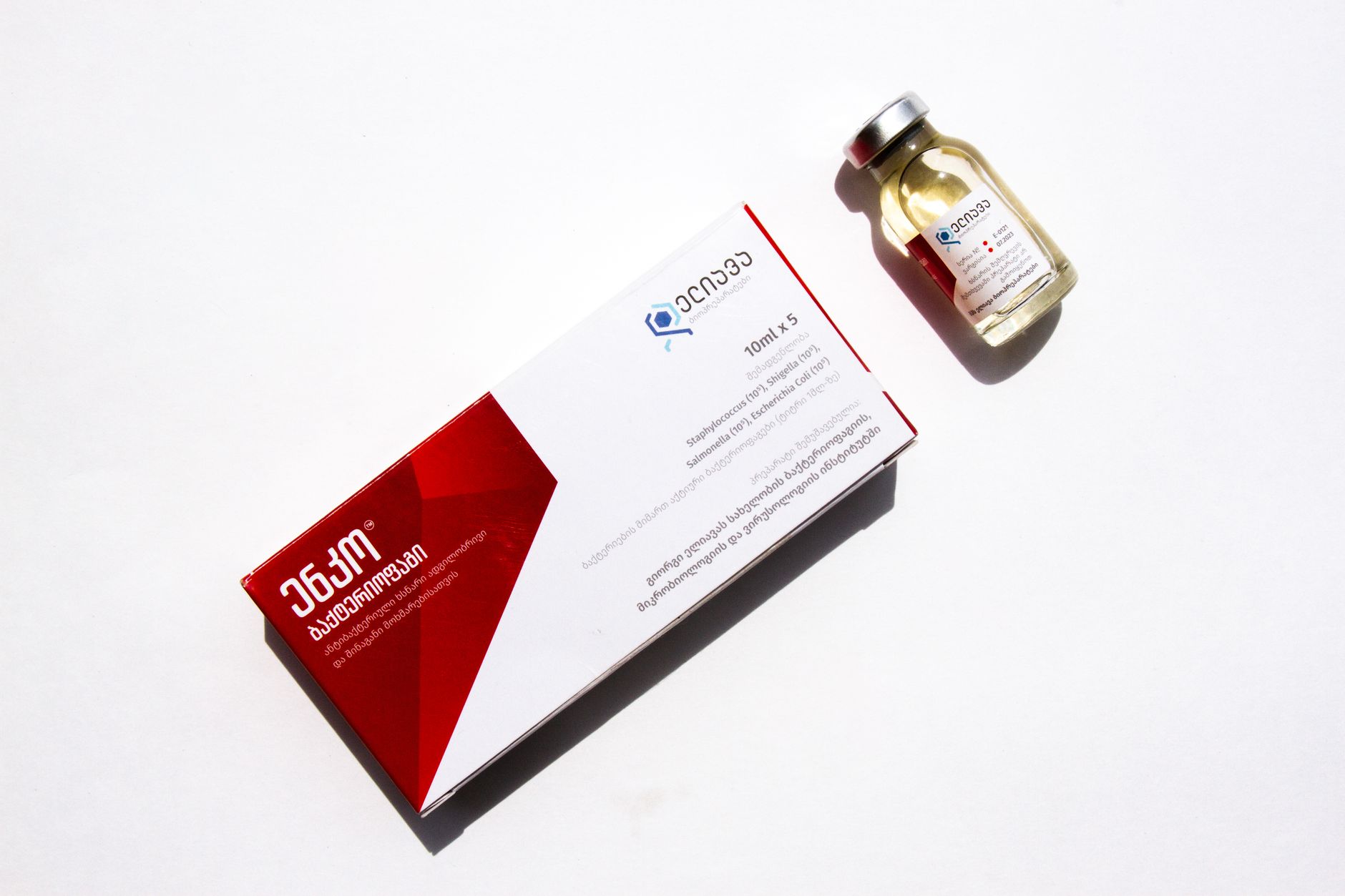
Narcan comes in nasal spray and auto-injector forms, both designed for quick administration in an emergency.
---
## What is Narcan (Naloxone)?
Narcan is the brand name for naloxone, a medication specifically designed to rapidly reverse the effects of an opioid overdose. Opioids—such as oxycodone, hydrocodone, fentanyl, heroin, and prescription painkillers—can depress the central nervous system, slowing breathing to dangerous levels. Naloxone works by binding to opioid receptors in the brain, effectively blocking the effects of opioids and restoring normal breathing within minutes.
Developed in the 1960s, naloxone has been a cornerstone of emergency medicine for decades. It’s often referred to as an antidote because it can counteract life-threatening opioid toxicity. Today, naloxone is widely available as both a nasal spray (Narcan) and an auto-injector (Eviyo), making it accessible for first responders, family members, and even individuals at risk of overdose.
The FDA approved naloxone for emergency use in 1971, and it has since been endorsed by organizations like the American College of Obstetricians and Gynecologists (ACOG) and the World Health Organization (WHO) as a critical tool in combating opioid overdoses. Its use is not limited to medical settings; it’s increasingly being carried by people who use opioids, their loved ones, and even in public spaces like pharmacies and community centers.
---
## Is Narcan (Naloxone) Safe During Pregnancy?
The short answer is: yes, when used as directed to reverse an opioid overdose. The FDA, ACOG, and other health authorities classify naloxone as a lifesaving medication with no evidence of harm to the fetus when administered in an emergency. However, its use is not without context—naloxone is not a routine medication for pregnant women. Instead, it’s reserved for specific, urgent situations where an opioid overdose poses an immediate threat to the mother’s life.
### Why Naloxone is Considered Safe During Pregnancy
Naloxone’s safety during pregnancy is rooted in several key factors:
1. **Mechanism of Action**: Naloxone works by blocking opioid receptors, but it does not interact with the fetus’s respiratory system in a harmful way when administered correctly. The drug is rapidly metabolized by the body, meaning its effects are short-lived and localized to the mother’s system.
2. **Emergency-Only Use**: The ACOG and FDA emphasize that naloxone should only be used in life-threatening situations. This means it’s not intended for preventive use or routine administration. Instead, it’s a last-resort tool for reversing overdose symptoms.
3. **No Evidence of Harm**: Clinical studies and case reports have not identified any teratogenic effects (birth defects) or adverse outcomes for the fetus when naloxone is administered as directed. The drug does not cross the placenta in harmful quantities, and its effects on the fetus are minimal compared to the risks of untreated opioid overdose.
4. **Opioid Withdrawal Considerations**: While naloxone itself is safe, it’s important to note that withdrawal symptoms may occur in the mother after administration. This is because naloxone reverses the effects of opioids, which can trigger withdrawal in someone who is dependent. However, withdrawal symptoms are generally manageable and do not pose a risk to the fetus.
### Common Misconceptions
There are a few myths about naloxone and pregnancy that deserve clarification:
- **Myth**: "Naloxone can cause miscarriage or birth defects."
**Fact**: There is no evidence that naloxone causes miscarriage or birth defects when used as directed. The risks of untreated opioid overdose far outweigh the risks of naloxone administration.
- **Myth**: "Naloxone is harmful to the fetus because it crosses the placenta."
**Fact**: While naloxone does cross the placenta, it does so in very small amounts that are not harmful. The primary concern is the opioid overdose itself, which can lead to fetal hypoxia (lack of oxygen) and other complications.
- **Myth**: "Pregnant women should avoid naloxone because it’s not FDA-approved for pregnancy."
**Fact**: The FDA does not require separate approval for emergency medications like naloxone when they are used to reverse life-threatening conditions. The drug is classified as Category C (animal studies show risk, but no human studies exist), but this classification is more about the lack of human data than an indication of harm.
---
## Safety by Trimester
### Is Narcan Safe During Pregnancy in the First Trimester?
In the first trimester, when the fetus’s organs are developing, the use of any medication—even an emergency one like naloxone—may raise concerns. However, there is no evidence that naloxone poses a risk to the developing fetus when administered in an emergency. The ACOG and FDA both support the use of naloxone to reverse opioid overdose, regardless of trimester, because the risks of untreated overdose—such as respiratory depression—far outweigh the potential risks of naloxone.
**What to Watch For:**
- If you or someone you know is pregnant and experiencing an opioid overdose, administer naloxone immediately and seek emergency medical care. The goal is to restore normal breathing, which is critical for both the mother and the fetus.
- If you’ve taken naloxone accidentally (e.g., if you were exposed to opioids and received naloxone), contact your healthcare provider to discuss monitoring. While no harm is expected, it’s always wise to report any medication exposure during pregnancy.
### How Does Narcan Affect the Fetus During the Second Trimester?
During the second trimester, the fetus continues to grow and develop, but the risk of organ-specific birth defects has passed. Naloxone remains safe for emergency use, with no additional risks identified for the fetus. The primary concern remains the opioid overdose itself, which can lead to complications such as placental insufficiency or fetal distress.
**What to Watch For:**
- If you’ve taken naloxone during the second trimester, there’s no need for additional testing or monitoring unless you were also exposed to other substances or had symptoms of withdrawal.
- If you or someone you know is pregnant and experiencing an opioid overdose, naloxone should be administered without delay. Follow up with a healthcare provider to ensure both you and the baby are stable.
### What Are the Risks of Using Narcan During the Third Trimester?
In the third trimester, the risks of opioid overdose are particularly high because the fetus’s respiratory system is nearly fully developed, and the mother’s opioid tolerance may have increased. Naloxone is still considered safe for emergency use, but it may trigger withdrawal symptoms in the mother, which can be uncomfortable but not harmful to the fetus.
**What to Watch For:**
- After naloxone administration, the mother may experience withdrawal symptoms such as sweating, nausea, or anxiety. These symptoms are generally mild and manageable but may require support.
- If the mother was dependent on opioids, the newborn may experience withdrawal symptoms (neonatal abstinence syndrome) after birth. This is a separate concern from the naloxone itself and is managed by healthcare providers.
### Is Narcan Safe for Breastfeeding Mothers?
Naloxone is considered safe for breastfeeding mothers because it is not absorbed into breast milk in significant amounts. The drug does not pass into breast milk in concentrations that would affect the nursing infant. However, if the mother was dependent on opioids, she may require additional support for the baby, such as monitoring for withdrawal symptoms.
**What to Watch For:**
- If you’ve taken naloxone while breastfeeding, there’s no need to stop nursing unless you were also exposed to other substances or experienced severe withdrawal.
- If you or someone you know is breastfeeding and experiencing an opioid overdose, naloxone should be administered immediately, and the breastfeeding mother should continue to nurse unless advised otherwise by a healthcare provider.
---
## What Is the Recommended Dosage of Narcan for Pregnant Patients?
The dosage of naloxone for pregnant patients is the same as for non-pregnant adults: 0.4 mg to 2 mg, administered as needed to reverse the effects of an opioid overdose. Naloxone is typically given in increments until the overdose is reversed, and the patient’s breathing normalizes.
### Forms of Narcan and Their Dosages
Naloxone is available in several forms, each with specific dosing instructions:
| **Form** | **Dosage** | **Notes** |
|------------------------|-------------------------------------|---------------------------------------------------------------------------|
| Narcan Nasal Spray | 4 mg per spray (one spray per nostril)| Each spray contains 4 mg of naloxone; use one spray in each nostril for a total of 8 mg if needed. |
| Narcan Auto-Injector | 0.4 mg, 2 mg, 4 mg, or 8 mg | Choose the appropriate dose based on the severity of the overdose. |
| Naloxone Injection | 0.4 mg to 2 mg (IV or IM) | Administered by trained medical personnel. |
**Key Points:**
- Naloxone’s effects last for about 30–80 minutes, so the patient may require multiple doses if the opioid has a long half-life (e.g., fentanyl).
- Always follow the instructions provided with the specific form of naloxone you’re using.
- If you’re unsure about the dosage, call emergency services immediately for guidance.
### Which Brands of Narcan Are Approved for Use During Pregnancy?
All brands of naloxone—including Narcan (nasal spray and auto-injector), Eviyo (auto-injector), and generic naloxone—are approved for emergency use during pregnancy. The FDA and ACOG do not differentiate between brands in terms of safety; the choice often comes down to availability and personal preference.
**Brands to Look For:**
- **Narcan Nasal Spray (4 mg per spray)**: Widely available and easy to administer.
- **Narcan Auto-Injector (0.4 mg, 2 mg, 4 mg, 8 mg)**: Portable and useful for those who may need to administer the medication quickly.
- **Eviyo Auto-Injector (2 mg)**: Another option for auto-injection, often carried by individuals at risk of overdose.
**Brands to Avoid (If Available):**
- Any naloxone product that is expired or improperly stored, as its effectiveness may be compromised.
---
## Side Effects and Risks of Narcan During Pregnancy
While naloxone is generally safe when used as directed, it can cause side effects in some individuals. These side effects are typically mild and temporary but are important to understand:
### Common Side Effects in Pregnant Women
- **Nausea or vomiting**: Due to the rapid reversal of opioid effects.
- **Sweating or chills**: As the body adjusts to the absence of opioids.
- **Anxiety or irritability**: Related to withdrawal symptoms.
- **Rapid heartbeat or high blood pressure**: In some cases, especially if the overdose was severe.
### Serious Risks (Rare)
- **Opioid relapse**: If the person who received naloxone was dependent on opioids, they may attempt to take more opioids to re-sedate themselves, leading to another overdose.
- **Withdrawal symptoms**: While generally manageable, severe withdrawal can be uncomfortable and may require medical intervention.
### Risks to the Fetus
- **No direct harm**: Naloxone does not cause birth defects or miscarriage when used as directed.
- **Indirect risks**: If the mother was dependent on opioids, the fetus may be at risk of complications such as low birth weight or preterm labor. However, these risks are related to the opioid use itself, not the naloxone.
---
## Safer Alternatives to Narcan for Pregnant Patients
While naloxone is the gold standard for reversing opioid overdose, there are no safer alternatives for emergency use. However, if you’re looking to prevent opioid dependence or overdose in the first place, the following strategies are recommended:
1. **Medication-Assisted Treatment (MAT)**: For pregnant women with opioid use disorder, medications like **methadone** or **buprenorphine (Suboxone)** are safer alternatives to opioids. These medications help manage withdrawal symptoms and reduce cravings without the same risks of overdose.
2. **Support Groups and Counseling**: Programs like **NA (Narcotics Anonymous)** or **SMART Recovery** can provide non-medication support for opioid dependence.
3. **Harm Reduction Strategies**: If you or someone you know is struggling with opioid use, consider harm reduction techniques such as:
- Using opioids in a supervised setting.
- Carrying naloxone to reverse overdoses.
- Avoiding mixing opioids with other depressants (e.g., alcohol, benzodiazepines).
4. **Prenatal Care and Monitoring**: Regular prenatal visits can help monitor for signs of opioid use disorder and provide early intervention.
5. **Avoiding Opioids Entirely**: If possible, avoiding opioids during pregnancy is the safest option. However, if you’re already dependent, MAT is the next best choice.
---
## Related Items: Safety at a Glance
Here’s a quick comparison of naloxone and related medications or substances, including their safety during pregnancy:
| **Item** | **Safety Verdict** | **Notes** |
|------------------------|----------------------------------|---------------------------------------------------------------------------|
| **Narcan 0.4 mg** | ⚠️ Safe with medical supervision | Lowest dose; used for mild overdoses or first responders. |
| **Narcan 2 mg** | ⚠️ Safe with medical supervision | Common dose for reversing moderate overdoses. |
| **Narcan 4 mg** | ⚠️ Safe with medical supervision | Standard dose for most opioid overdoses. |
| **Narcan 8 mg** | ⚠️ Safe with medical supervision | Highest dose; used for severe overdoses or repeated dosing. |
| **Naloxone Nasal Spray** | ⚠️ Safe with medical supervision | Easy to administer; widely available. |
| **Naloxone Injection** | ⚠️ Safe with medical supervision | Administered by medical professionals; faster-acting than nasal spray. |
| **Suboxone (Buprenorphine/Naloxone)** | ✅ Generally safe | Used for opioid dependence; safer than street opioids but requires medical supervision. |
| **Methadone** | ⚠️ Safe with medical supervision | Used in MAT; must be prescribed and monitored by a healthcare provider. |
---
## Myth vs. Fact
### Myth: "Narcan can cause birth defects."
**Fact**: There is no evidence that naloxone causes birth defects when used as directed. The risks of untreated opioid overdose far outweigh the risks of naloxone administration.
### Myth: "Narcan is unsafe for pregnant women because it crosses the placenta."
**Fact**: While naloxone does cross the placenta, it does so in very small amounts that are not harmful. The primary concern is the opioid overdose itself, which can lead to fetal hypoxia and other complications.
### Myth: "You can take Narcan preventively during pregnancy."
**Fact**: Naloxone is only for emergencies. It is not intended for routine use or prevention. Taking it unnecessarily could lead to withdrawal symptoms in someone who is not dependent on opioids.
---
## Key Takeaways
- **Narcan (naloxone) is safe during pregnancy when used in an emergency to reverse opioid overdose.**
- **It should only be administered by trained individuals or under medical supervision.**
- **No evidence suggests naloxone causes birth defects or miscarriage when used as directed.**
- **Withdrawal symptoms may occur in the mother after administration, but these are generally manageable.**
- **Safer alternatives for preventing opioid dependence include MAT (methadone or Suboxone) and support groups.**
- **Always carry naloxone if you or someone you know is at risk of opioid overdose.**
- **If you’ve taken naloxone accidentally, contact your healthcare provider for guidance.**
---
## Frequently Asked Questions
###
Is Narcan safe during pregnancy?
Yes, Narcan (naloxone) is considered safe during pregnancy when used to reverse an opioid overdose. The FDA and ACOG classify it as a lifesaving medication with no evidence of harm to the fetus when administered correctly. Its use is reserved for emergencies, not routine prevention.
###
Can Narcan cause birth defects?
No, there is no evidence that Narcan causes birth defects. The drug is not teratogenic, and its use in emergencies is supported by major health authorities. The risks of untreated opioid overdose are far greater than the risks of naloxone administration.
###
What is the dosage of Narcan for pregnant women?
The dosage for pregnant women is the same as for non-pregnant adults: 0.4 mg to 2 mg, administered as needed. Naloxone is available as a nasal spray (4 mg per spray) or auto-injector (0.4 mg, 2 mg, 4 mg, or 8 mg). Follow the instructions provided with the specific form you’re using.
###
Are there safer alternatives to Narcan for pregnant patients?
Narcan is the safest and most effective option for reversing opioid overdose. However, if you’re looking to prevent opioid dependence, safer alternatives include medication-assisted treatment (MAT) with methadone or Suboxone, support groups, and harm reduction strategies.
###
Does Narcan affect breastfeeding?
Narcan is safe for breastfeeding mothers because it is not absorbed into breast milk in significant amounts. However, if the mother was dependent on opioids, she may require additional support for the baby, such as monitoring for withdrawal symptoms.
###
Which brands of Narcan are safe for pregnancy?
All brands of naloxone—including Narcan (nasal spray and auto-injector) and Eviyo—are approved for emergency use during pregnancy. The choice often comes down to availability and personal preference, as all are considered safe when used as directed.
###
What are the risks of using Narcan during pregnancy?
The primary risks of using Narcan are mild side effects like nausea, sweating, or anxiety, which are related to withdrawal symptoms. There is no risk of birth defects or miscarriage when the drug is used correctly. The greater risk is the opioid overdose itself, which can be life-threatening to both the mother and the fetus.
###
Can Narcan cause miscarriage?
No, there is no evidence that Narcan causes miscarriage. The drug does not affect the uterus or the developing fetus in harmful ways when used as directed. The risks of untreated opioid overdose are far more serious.
---
## When to Call Your Doctor
While naloxone is generally safe when used as directed, you should contact your healthcare provider if:
- You’ve taken naloxone accidentally (e.g., if you were exposed to opioids and received naloxone without needing it).
- You experience severe withdrawal symptoms after administration, such as rapid heartbeat, extreme anxiety, or difficulty breathing.
- You or someone you know is pregnant and has a history of opioid use disorder—your provider can help monitor for complications and provide support.
- You’re breastfeeding and have taken naloxone—discuss any concerns with your healthcare provider to ensure the baby is safe.
- You or someone you know is struggling with opioid dependence—seek help from a healthcare provider or support group.
**Remember**: Narcan is a tool for emergencies only. If you’re concerned about opioid use during pregnancy, talk to your healthcare provider about safer alternatives and support options.
---
## References
1. FDA (U.S. Food and Drug Administration): Naloxone Hydrochloride Injection, Nasal Spray, and Auto-Injector. [FDA.gov](https://www.fda.gov)
2. ACOG (American College of Obstetricians and Gynecologists): Opioid Use Disorder During Pregnancy. [ACOG.org](https://www.acog.org)
3. CDC (Centers for Disease Control and Prevention): Overdose Reversal with Naloxone. [CDC.gov](https://www.cdc.gov)
4. WHO (World Health Organization): Naloxone for the Treatment of Opioid Overdose. [WHO.int](https://www.who.int)
5. NHS (UK National Health Service): Naloxone for Opioid Overdose. [NHS.uk](https://www.nhs.uk)
Narcan is administered in emergencies to reverse opioid overdose, ensuring both the mother's and fetus's safety.While Narcan is an emergency tool, knowing pregnancy-safe alternatives can help manage other health concerns during pregnancy.
Not sure about the label on Is Narcan Naloxone During Pregnancy Safe During Pregnancy products?
Snap the ingredients list and SafeFilter checks every ingredient for your stage — only 3 free scans this month, then you're locked until reset. Unlimited from $7/mo or $50/yr.
When Shubhra Mishra was expecting her first child in 2016, she was overwhelmed by conflicting food advice — one site said yes, another said never. By the time her second baby arrived in 2019, she realized millions of mothers face the same confusion.
That sparked a five-year journey through clinical nutrition papers, cultural diets, and expert conversations — all leading to BumpBites: a calm, compassionate space where science meets everyday motherhood.
Her long-term vision is to build a global community ensuring safe, supported, and free deliveriesfor every mother — because no woman should face pregnancy alone or uninformed. 🌿
🌍 Stand with mothers, shape safer guidance
Join a small circle of experts who review BumpBites articles so expecting parents everywhere can decide with confidence.