Find out if your weight is healthy for pregnancy with our BMI calculator and get personalized tips to ensure a safe pregnancy
By Shubhra Mishra — a mom of two who turned her own confusion during pregnancy into BumpBites, a global mission to make food choices clear, safe, and stress-free for every expecting mother. 💛
Check whether any food is safe during pregnancy with the BumpBites Food Safety Checker.
Quick take: Your pre‑pregnancy weight and body‑mass index (BMI) give a useful starting point for a healthy pregnancy, but the “right” weight can vary by height, age, and how much you gain each trimester. Use a reputable calculator, talk with your provider, and focus on balanced nutrition rather than the number on the scale.
It’s 2 a.m., you’re curled up on the couch, and a stray thought—“Is my weight healthy for pregnancy?”—suddenly feels urgent. You’ve Googled the phrase, read conflicting advice, and now you’re wondering whether the number on the scale is a warning sign or just a momentary worry.
🔢 Calculate it for your situation: Use our Pregnancy BMI Calculator for a personalized result in seconds.
First, breathe. The answer isn’t a simple yes or no; it depends on your height, pre‑pregnancy BMI, age, and the amount of weight you add as your baby grows. In this guide we’ll break down how BMI works in pregnancy, show you how to calculate a personalized weight range, explain the risks of being under‑ or overweight, and give you practical nutrition and lifestyle tips to stay on track.
By the end you’ll know what a healthy weight looks like for you, how to use a reliable calculator, and which red‑flag symptoms merit a call to your obstetrician or midwife.
Understanding BMI and its relevance to pregnancy
Body‑mass index (BMI) is a quick way to compare weight to height. The formula is weight (kg) ÷ height (m)², or you can use pounds and inches with an online tool. In non‑pregnant adults, BMI categories are:
Underweight: BMI < 18.5
Normal weight: BMI 18.5–24.9
Overweight: BMI 25–29.9
Obese: BMI ≥ 30
These ranges were created by the World Health Organization (WHO) and are used worldwide, including by the American College of Obstetricians and Gynecologists (ACOG) and the UK’s National Institute for Health and Care Excellence (NICE). During pregnancy, BMI helps providers estimate how much weight you should gain and identify potential complications early.
Why does a pre‑pregnancy BMI matter? Because the amount of extra tissue, blood, and fluid you’ll need to support a growing fetus is proportional to your starting body composition. A higher BMI often means a lower recommended weight‑gain range, while a lower BMI usually calls for a bigger gain to ensure adequate fetal growth.
It’s also important to recognize BMI’s limits. The calculation does not differentiate between muscle and fat, nor does it account for body‑frame size or ethnic variations in body composition. For example, many Asian‑heritage populations develop metabolic risks at lower BMI thresholds, prompting the WHO to suggest a lower cut‑off of 23 for “overweight” in those groups. Because of these nuances, clinicians sometimes combine BMI with waist‑circumference or skin‑fold measurements to get a fuller picture of nutritional status.
When you hear “BMI is high, you’re at risk,” remember the number is a flag, not a verdict. Your provider will interpret it alongside your medical history, diet, activity level, and any pregnancy‑specific factors.
What counts as a healthy weight range for pregnant women?
Healt
hy weight gain isn’t a one‑size‑fits‑all number. ACOG’s 2020 guidelines suggest total weight‑gain ranges that correspond to pre‑pregnancy BMI categories. Below is a simplified version:
Pre‑pregnancy BMI
Recommended total gain
Weekly gain (2nd‑3rd trimester)
Underweight ( < 18.5 )
28–40 lb (12.5–18 kg)
0.5–0.7 lb (0.2–0.3 kg)
Normal (18.5–24.9)
25–35 lb (11.5–16 kg)
0.5–0.6 lb (0.2–0.3 kg)
Overweight (25–29.9)
15–25 lb (7–11.5 kg)
0.3–0.5 lb (0.1–0.2 kg)
Obese (≥ 30)
11–20 lb (5–9 kg)
0.2–0.4 lb (0.1–0.2 kg)
These ranges are meant to keep you and your baby nourished while limiting the risk of gestational diabetes, pre‑eclampsia, and delivery complications. Your individual goal may shift based on age, twin pregnancy, or pre‑existing health conditions. For example, younger mothers (under 20) often benefit from a slightly higher gain within the normal‑weight range, while women over 35 may be advised to stay at the lower end.
Guidelines differ slightly across the Atlantic. The UK’s NICE recommendations, for instance, suggest a narrower gain for obese women (5–9 kg) and emphasize the importance of a balanced diet over strict weight targets. In contrast, the U.S. ACOG guidelines provide a broader range to accommodate diverse body types. Knowing which set of recommendations your provider follows can help you interpret the numbers you see in a calculator.
When you’re expecting twins, the recommended total gain rises by roughly 15–25 lb (7–11 kg) above the singleton ranges, reflecting the extra fetal mass and placental tissue. Conversely, women with a history of pre‑eclampsia may be counseled to aim for the lower end of their BMI‑specific range to reduce strain on the cardiovascular system.
Remember that “healthy” also includes the distribution of gain. Most weight is added in the second and third trimesters, with the first trimester usually seeing only a modest increase (often less than 2 lb). Rapid early weight gain can be a sign of fluid retention or an underlying metabolic issue that warrants a check‑in with your provider.
How to use a pregnancy weight calculator
Calculating your personalized weight range is easier than you think. Start by gathering three pieces of information: your height, your current weight, and the week of pregnancy you’re in. Plug those numbers into a trusted online tool, such as the Pregnancy BMI Calculator. The calculator will output your pre‑pregnancy BMI, the recommended total weight‑gain range, and a week‑by‑week chart showing how much you should aim to add each month.
Many women find the visual chart especially helpful because it turns abstract goals into concrete milestones. For instance, if you’re 5′4″ (163 cm) with a pre‑pregnancy weight of 130 lb (59 kg), the calculator might place you in the “normal” BMI category with a recommended gain of 25–35 lb. The week‑by‑week view would suggest adding roughly 1 lb per week after the 13th week, tapering slightly as you approach term.
It’s worth noting that calculators are guides, not prescriptions. Your provider may suggest a narrower range if you have hypertension, a history of gestational diabetes, or other risk factors. The best practice is to share the calculator’s output with your obstetrician at your next appointment and ask how it aligns with your overall health plan.
When you track your weight, look for trends rather than day‑to‑day fluctuations. A steady upward slope that matches the chart is reassuring. If you notice a plateau that lasts three weeks or a sudden jump of more than 2 lb in a single week, note it and discuss it with your care team. Some apps let you set alerts that remind you to log your weight at the same time each day, reducing variability caused by meals or hydration.
Finally, remember that the calculator’s weekly targets are averages. Your body may naturally gain a little more one week and a little less the next. The key is staying within the recommended total range by the end of pregnancy, not achieving an exact number each week.
Seeing your weekly weight‑gain target on a chart can make the goal feel more manageable.
Risks of being underweight or overweight during pregnancy
Both ends of the BMI spectrum carry distinct challenges. Being underweight (< 18.5) raises the chance of delivering a low‑birth‑weight baby, which can lead to neonatal intensive‑care admission and longer‑term developmental concerns. Underweight mothers also have higher rates of preterm birth and may experience fatigue or nutrient deficiencies more intensely.
Conversely, overweight and obese categories (BMI ≥ 25) are linked to higher odds of gestational diabetes, pre‑eclampsia, and Caesarean delivery. Excess weight can also affect the baby’s birth weight, increasing the risk of macrosomia (large‑for‑gestational‑age infants), which can complicate vaginal birth and raise shoulder‑dystocia risk.
Research from the CDC and ACOG shows that each 5‑unit increase in BMI above the normal range correlates with a 20‑30 % rise in pre‑eclampsia risk. However, proactive lifestyle changes—balanced diet, moderate exercise, and regular prenatal visits—can mitigate many of these risks. The key is early identification and collaborative planning with your care team.
Beyond the immediate pregnancy period, maternal weight status can influence the child’s health trajectory. Studies published by the National Institutes of Health (NIH) indicate that infants born to obese mothers have a higher likelihood of childhood obesity and metabolic syndrome, independent of genetics. This intergenerational effect underscores why optimal weight management matters for both mother and child.
Weight‑related anxiety is also common. Feeling pressured by the scale can increase stress hormones, which in turn may affect uterine blood flow. If you notice your worries turning into compulsive eating or excessive restriction, talk to your provider about counseling or a referral to a perinatal mental‑health specialist.
Nutrition and lifestyle tips to stay on track
Focus on nutrient density rather than calories alone. Aim for a daily intake of about 300 extra calories in the second trimester and 450 extra in the third, according to the Institute of Medicine (IOM). Choose foods that are rich in protein, iron, calcium, folate, and omega‑3 fatty acids.
Here are practical ideas you can start today:
Protein at every meal: lean poultry, beans, Greek yogurt, or tofu. A 3‑oz serving of chicken provides roughly 25 g of protein, supporting fetal tissue growth.
Iron‑rich snacks: a handful of pumpkin seeds or a slice of whole‑grain toast with nut butter helps prevent anemia, a common issue in pregnancy.
Calcium sources: fortified plant milks, low‑fat cheese, or kale. Aim for 1,000 mg /day (1,300 mg if you’re a teen).
Hydration: at least 8–10 cups of water daily. Dehydration can mask as fatigue and increase the risk of constipation.
Safe exercise: 150 minutes of moderate‑intensity activity per week, such as brisk walking, swimming, or prenatal yoga, unless your provider advises otherwise.
Limit sugary drinks, high‑fat processed foods, and excessive caffeine (no more than 200 mg per day, roughly one 12‑oz cup of coffee). If you’re craving something sweet, reach for fresh fruit or a small portion of dark chocolate, which also supplies iron and magnesium.
Adding a prenatal multivitamin can fill gaps, especially for folic acid, iodine, and vitamin D. However, supplements are not a substitute for real food; they work best when paired with a varied diet. If you’re vegetarian or vegan, pay extra attention to vitamin B12 and omega‑3 DHA, and discuss appropriate fortified foods or supplements with your provider.
Meal timing can help manage hunger and blood‑sugar swings. Small, frequent meals—three balanced meals plus two snacks—keep energy steady and may curb cravings for high‑sugar foods. Pair a protein source with each snack (e.g., cheese and apple slices) to sustain satiety.
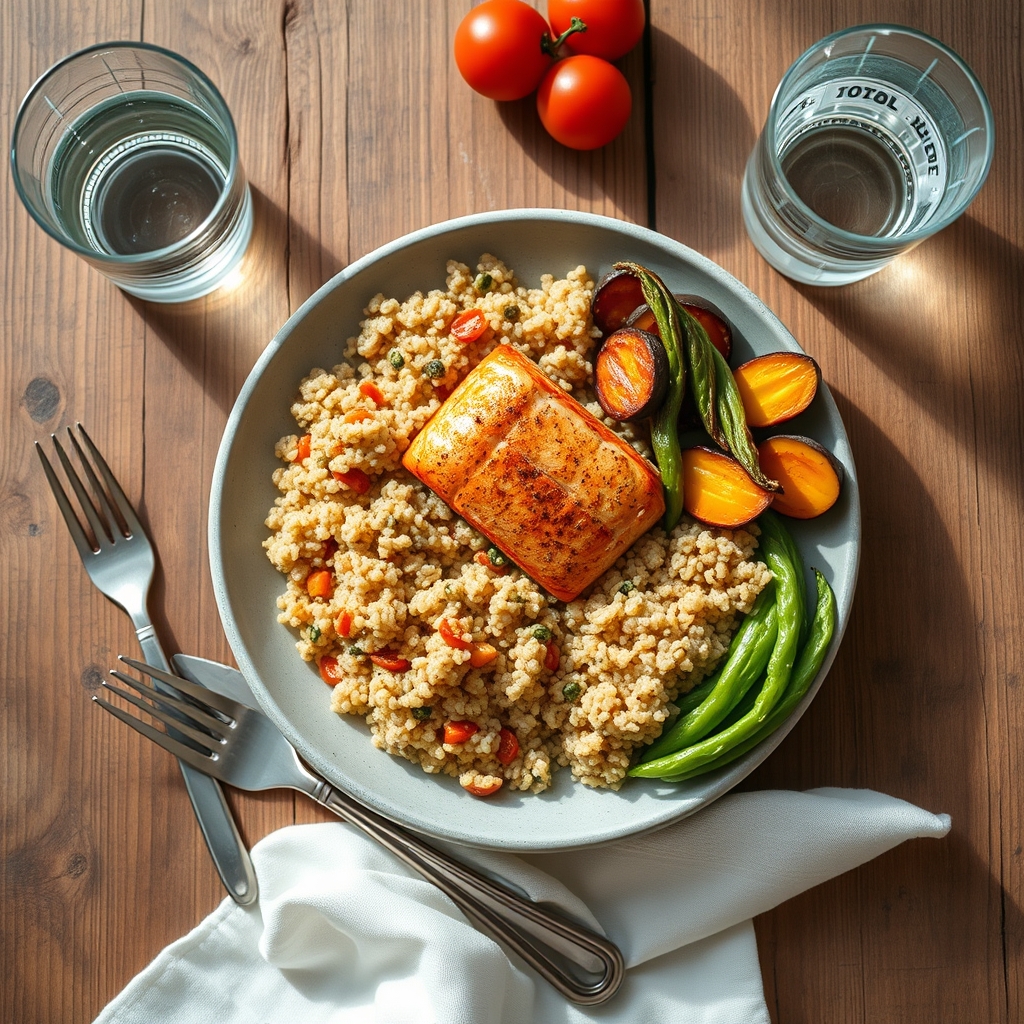
A balanced plate with protein, whole grains, and vegetables supplies the nutrients you need.
Managing weight gain by trimester
Each trimester has its own typical weight‑gain pattern. In the first 12 weeks, most women gain 1–5 lb, mainly due to plasma volume expansion and early fetal tissue. The second trimester (weeks 13–27) is when the bulk of weight accrues—about 0.5 lb per week for a normal‑BMI pregnancy. The third trimester (weeks 28–40) slows slightly, but you’ll still add roughly 0.4–0.5 lb weekly.
If you’re tracking your weight on a weekly basis, a simple log can keep you honest. Write down your weekly weight, note any major dietary changes, and compare it to the chart from the calculator. Small fluctuations (up to 2 lb) are normal due to water retention, especially if you’re on prenatal vitamins that contain iron.
When you notice a rapid rise—more than 2 lb in a week—or a plateau that lasts several weeks, bring it up at your next prenatal visit. Your provider may check thyroid function, blood pressure, or screen for gestational diabetes to rule out underlying issues.
Trimester‑specific nutrition also shifts. In the first trimester, folic acid and iron are paramount to prevent neural‑tube defects and anemia. The second trimester calls for more protein and calcium as the baby’s bones harden. By the third trimester, omega‑3 DHA becomes critical for brain development, while still maintaining adequate iron stores for the upcoming blood loss at delivery.
Physical comfort changes too. As the uterus expands, balance can be challenged, so swapping high‑impact workouts for low‑impact options like swimming or stationary cycling can keep you active without risking falls. Wearing supportive shoes and using a maternity belt during longer walks can reduce back strain.
When to seek professional guidance
Even with the best tools, personal circumstances can shift the goalposts. If you have a chronic condition such as hypertension, type 1 or type 2 diabetes, or an autoimmune disorder, your provider will tailor a weight‑gain plan that balances maternal health with fetal growth.
Women who have previously given birth to a large baby (over 4,000 g) or who have a family history of obesity may be advised to stay toward the lower end of the recommended range. Conversely, those with a history of low‑birth‑weight infants might be encouraged to aim for the higher end.
Always share any major dietary changes, new supplements, or exercise routines with your obstetrician. Open communication ensures that any red‑flag trends are caught early, keeping both you and your baby safe.
In many health systems, a registered dietitian specializing in prenatal nutrition can provide personalized meal plans, especially if you have food allergies, vegetarian preferences, or need to manage gestational diabetes. If anxiety about weight becomes overwhelming, a referral to a perinatal mental‑health therapist can help you develop coping strategies and keep stress hormones in check.
From our medical team: Your weight trajectory is just one piece of the pregnancy puzzle. Focus on nourishing foods, regular movement, and consistent prenatal care. If the numbers from a calculator feel off, let your provider know—together you can fine‑tune a plan that respects your unique body and your baby’s needs.
Weight monitoring tools and techniques
Choosing the right tools can make tracking feel less like a chore and more like a helpful habit. A digital bathroom scale that measures to the nearest 0.2 lb (0.1 kg) provides consistency. Some scales also estimate body‑fat percentage, which can be useful for seeing how much of your gain is maternal fat versus fetal and placental weight.
Smartphone apps such as “What to Expect” or “Ovia Pregnancy” let you log weight, set reminders, and visualize trends alongside your due‑date calendar. Many of these apps sync with wearable devices, offering a picture of daily activity, sleep, and hydration that together influence weight changes.
Beyond the numbers, pay attention to how your clothes fit. A snug waistband or a dress that suddenly feels tighter can be an early cue that you’re gaining more than expected, prompting a check‑in before the next appointment. Midwives often use a simple “finger test” (the distance between the belly button and the top of the uterus) to estimate growth, so you’ll have multiple ways to gauge progress.
Finally, keep a brief journal of how you feel each week—energy levels, cravings, mood, and any physical discomfort. This narrative can help your provider spot patterns that a scale alone might miss, such as rapid weight gain tied to swelling or stress.
Special considerations for multiple pregnancies and older mothers
Twins, triplets, or higher‑order multiples dramatically increase the amount of tissue, fluid, and blood your body must support. The ACOG guidelines recommend an additional 15–25 lb (7–11 kg) of weight gain beyond the singleton ranges, spread across the second and third trimesters. This extra gain reflects the larger placental mass and greater amniotic fluid volume.
Older mothers (35 years and up) often face higher baseline risks for hypertension, gestational diabetes, and pre‑eclampsia. While the same BMI categories apply, many clinicians advise staying near the lower end of the normal‑BMI gain range to lessen strain on the cardiovascular system. However, an overly restrictive plan can compromise fetal nutrient stores, so a balanced approach is essential.
Both multiple gestations and advanced maternal age benefit from more frequent prenatal monitoring. Ultrasound measurements, blood‑pressure checks, and glucose screening may be scheduled every four weeks instead of the typical eight‑week interval. Discuss with your provider whether a dedicated maternal‑fetal medicine specialist should be involved in your care.
Postpartum weight and return to pre‑pregnancy weight
After delivery, many parents wonder how and when to shed the extra pounds. The timeline varies: most women regain about 1–2 lb (0.5–1 kg) of the baby’s weight, placenta, and amniotic fluid in the first week, and an additional 4–5 lb (2–2.3 kg) by six weeks as uterine involution completes.
Breastfeeding can aid gradual weight loss, as it burns roughly 500 calories per day. However, the energy demand also increases your appetite, so focus on nutrient‑dense foods rather than calorie restriction. The American Academy of Pediatrics (AAP) recommends that postpartum women aim for a slow, steady loss of about 0.5 lb (0.2 kg) per week, which supports both maternal health and milk production.
If you’re eager to return to your pre‑pregnancy weight, set realistic milestones. A gentle approach—adding a 20‑minute walk after the baby’s nap, swapping a sugary snack for fruit, and continuing the balanced plate you practiced during pregnancy—helps maintain momentum without triggering fatigue or nutritional deficits. Remember, every body recovers at its own pace; celebrate the progress you make, no matter how small.
🔢 Ready to crunch your numbers? Use our Pregnancy BMI Calculator for a personalized result in seconds.
Myth vs. fact
Myth: You must gain exactly the same number of pounds as everyone else in your BMI category.
Fact: The recommended ranges are a guide. Individual factors—age, activity level, and medical history—can shift the ideal target up or down within that range.
Myth: If you’re already overweight, you should lose weight during pregnancy.
Fact: Losing weight while pregnant can deprive the fetus of essential nutrients. Instead, aim for a modest gain that stays within the lower end of the recommended range.
Myth: All weight gain is fat.
Fact: About 50 % of weight gain comes from the baby, placenta, amniotic fluid, and increased blood volume; the rest is maternal fat stores, breast tissue, and uterine growth.
Key takeaways
Calculate your pre‑pregnancy BMI and use a trusted Pregnancy BMI Calculator to set a personalized weight‑gain range.
Aim for the recommended total gain based on your BMI category, focusing on steady weekly increases after the first trimester.
Prioritize nutrient‑dense foods, adequate hydration, and safe exercise to support healthy weight gain.
Track your weight weekly, but expect small day‑to‑day fluctuations.
Talk to your provider about any rapid changes, pre‑existing conditions, or concerns about your gain.
Remember that “healthy” is individualized—your care team can help you adjust goals as pregnancy progresses.
Use tools like digital scales, apps, and clothing fit checks to monitor progress without stress.
Postpartum, aim for gradual weight loss while supporting breastfeeding and overall wellness.
Frequently asked questions
What is the ideal weight for a pregnant woman?
The ideal weight varies; it’s based on your pre‑pregnancy BMI and the recommended total gain for that category. A normal‑BMI woman (18.5–24.9) typically aims for 25–35 lb (11.5–16 kg) of gain.
How much weight should I gain during pregnancy?
Weight‑gain goals depend on pre‑pregnancy BMI: underweight ≈ 28–40 lb, normal ≈ 25–35 lb, overweight ≈ 15–25 lb, and obese ≈ 11–20 lb. Most gain occurs in the second and third trimesters at about 0.5 lb per week.
What is a healthy BMI range for pregnancy?
A healthy pre‑pregnancy BMI falls between 18.5 and 24.9. This range is linked to the lowest risk of complications such as gestational diabetes, pre‑eclampsia, and preterm birth.
Can being overweight affect my pregnancy?
Yes. Overweight and obese pregnancies have higher rates of gestational diabetes, hypertension, and Caesarean delivery. Proper nutrition, modest weight gain, and regular prenatal care can reduce these risks.
How can I maintain a healthy weight during pregnancy?
Focus on balanced meals with protein, whole grains, fruits, and vegetables. Add 300–450 extra calories per day after the first trimester, stay active with approved exercises, and monitor weight weekly using a calculator for guidance.
What are the risks of being underweight during pregnancy?
Underweight women face a greater chance of low‑birth‑weight infants, preterm delivery, and nutrient deficiencies. Gaining the higher end of the recommended range (28–40 lb) helps protect fetal growth.
Is it safe to exercise if I’m gaining weight faster than the chart suggests?
Moderate exercise is generally safe and can help regulate weight gain. If you notice a rapid increase, pause intense workouts and discuss the trend with your provider, who may recommend lighter activities like walking or prenatal yoga.
Can I use over‑the‑counter weight‑loss supplements during pregnancy?
Most weight‑loss supplements contain stimulants or herbal ingredients that aren’t tested for safety in pregnancy. The consensus from ACOG and the FDA is to avoid them entirely; focus on diet and approved exercise instead.
When to call your doctor
If you experience any of the following, contact your obstetrician or midwife right away: sudden swelling of hands or face, severe headaches, visual changes, persistent vomiting, rapid weight gain of more than 2 lb in a week, or feeling faint or short‑of‑breath. This article is for informational purposes only and does not replace personalized medical advice.
References
American College of Obstetricians and Gynecologists. “Weight Gain During Pregnancy.” ACOG Practice Bulletin, 2020.
World Health Organization. “Body Mass Index – BMI.” WHO Guidelines, 2021.
Institute of Medicine. “Weight Gain During Pregnancy: Reexamining the Guidelines.” National Academies Press, 2009.
Centers for Disease Control and Prevention. “Gestational Diabetes.” CDC Health Information, 2022.
National Institute for Health and Care Excellence. “Obesity: Identification and Management.” NICE Clinical Guideline CG189, 2021.
American Dietetic Association. “Nutrition During Pregnancy.” Journal of the Academy of Nutrition and Dietetics, 2020.
Royal College of Obstetricians and Gynaecologists. “Maternal Obesity.” RCOG Green-top Guideline No. 73, 2020.
National Institutes of Health. “Maternal Obesity and Child Health.” NIH Publication, 2021.
American Academy of Pediatrics. “Breastfeeding and Maternal Weight Loss.” AAP Policy Statement, 2022.
UK National Health Service. “Weight Gain in Pregnancy.” NHS Guidance, 2023.
Food and Drug Administration. “Pregnancy and Dietary Supplements.” FDA Consumer Update, 2022.
Not sure about the label on Is My Weight Healthy For Pregnancy Bmi Calculator Personalized Tips products?
Snap the ingredients list and SafeFilter checks every ingredient for your stage — only 3 free scans this month, then you're locked until reset. Unlimited from $7/mo or $50/yr.
When Shubhra Mishra was expecting her first child in 2016, she was overwhelmed by conflicting food advice — one site said yes, another said never. By the time her second baby arrived in 2019, she realized millions of mothers face the same confusion.
That sparked a five-year journey through clinical nutrition papers, cultural diets, and expert conversations — all leading to BumpBites: a calm, compassionate space where science meets everyday motherhood.
Her long-term vision is to build a global community ensuring safe, supported, and free deliveriesfor every mother — because no woman should face pregnancy alone or uninformed. 🌿
🌍 Stand with mothers, shape safer guidance
Join a small circle of experts who review BumpBites articles so expecting parents everywhere can decide with confidence.