Yes, mild nausea is common, but our severity calculator helps you gauge if your morning sickness is normal or needs medical attention. Learn when to get help and what symptoms signal a problem.
By Shubhra Mishra — a mom of two who turned her own confusion during pregnancy into BumpBites, a global mission to make food choices clear, safe, and stress-free for every expecting mother. 💛
Check whether any food is safe during pregnancy with the BumpBites Food Safety Checker.
Quick take: Most pregnant people experience mild to moderate nausea and vomiting that starts in the first trimester and fades by the end of the second. If you’re losing weight, can’t keep fluids down, or have persistent vomiting for more than a few days, it may be severe and worth checking with your provider. Use a symptom checklist or the Morning Sickness Severity (PUQE) calculator to see where you fall, and call your care team if any red‑flag signs appear.
It’s 7 a.m., you’re in the kitchen, the coffee is brewing, and the scent of toast makes your stomach churn. You’ve Googled “is my morning sickness normal?” more times than you’d like to admit, and the answers seem to swing between “it’s totally typical” and “you might be in danger.” You’re not alone—most people wonder whether their nausea is just a harmless part of pregnancy or a sign of something more serious.
In this article we’ll break down what “normal” morning sickness looks like, show you how to measure its severity, flag the symptoms that need urgent care, and give you practical, doctor‑approved tips for relief. We’ll also explain the difference between everyday nausea and hyperemesis gravidarum, a rare but serious condition that requires medical treatment.
By the end of the page you’ll have a clear checklist, a simple calculator to track your numbers, and a roadmap for when to reach out to your provider. Let’s turn that morning‑sickness anxiety into confidence.
What is morning sickness and what does “normal” look like?
Morning sickness is the medical term for nausea, vomiting, or loss of appetite that many people experience during pregnancy. Despite the name, symptoms can strike at any time of day—sometimes even in the middle of the night. The typical pattern follows three phases:
Onset: Most people notice symptoms between weeks 4 and 9, often before they even know they’re pregnant.
Peak: Nausea usually peaks around weeks 9–12, coinciding with the rapid rise in human chorionic gonadotropin (hCG) hormone levels.
Resolution: For the majority, symptoms ease by the end of the first trimester, and many are completely gone by week 20.
Typical “normal” symptoms include:
Occasional nausea that comes and goes.
Vomiting once or twice a day, often after meals or when smelling certain foods.
Food aversions or cravings that change daily.
Weight gain or maintenance—most people do not lose more than 5 % of pre‑pregnancy weight.
When these patterns are present, the condition is generally considered benign and self‑limiting. However, “normal” can feel very uncomfortable, and that’s why we’ve built tools and strategies to help you manage it.
Research from the American College of Obstetricians and Gynecologists (ACOG) shows that about 70‑80 % of pregnant people report some degree of nausea in the first trimester, while roughly one‑third experience it throughout the second trimester. Hormonal fluctuations, especially the surge in estrogen and progesterone, relax the stomach muscles and slow gastric emptying, which explains why nausea often worsens after meals. Genetics also play a role—if your mother or sister had severe nausea, you may be more likely to experience it.
Even though the majority of cases are “normal,” it’s still worth tracking your symptoms. Small changes in frequency or intensity can signal a shift toward more serious issues, and early identification gives you the best chance to intervene before dehydration or weight loss becomes a problem.
How to track your symptoms – the PUQE severity calculator
Subje
ctive feelings are valuable, but a structured checklist gives you a concrete picture of how severe your nausea truly is. The Pregnancy‑Unique Quantification of Emesis (PUQE) score is the most widely used tool, endorsed by the American College of Obstetricians and Gynecologists (ACOG) and the UK’s National Institute for Health and Care Excellence (NICE).
PUQE asks three simple questions about the past 24 hours:
How many times have you vomited?
How many times have you felt nauseated but not vomited?
How many hours have you been unable to keep food or fluids down?
Each answer is scored 0–5, and the total ranges from 0 (no symptoms) to 15 (most severe). Below is a quick reference table you can use while you’re at home.
PUQE Score
Severity Category
Typical Interpretation
0‑3
Mild
Occasional nausea; usually manageable with diet changes.
4‑6
Moderate
Frequent nausea, occasional vomiting; may need home remedies.
7‑9
Severe
Daily vomiting, difficulty staying hydrated; consider medical review.
10‑15
Very severe (possible hyperemesis)
Persistent vomiting, weight loss, dehydration risk—prompt medical care advised.
If you want a quick, automated calculation, try the Morning Sickness Severity (PUQE) calculator. It walks you through the same three questions and instantly tells you which category you fall into, plus a short recommendation.
Understanding your score is only the first step. A PUQE score of 7 or higher, especially if it persists for several days, should prompt a conversation with your provider. Many clinicians use the score to decide whether to start anti‑emetic medication, order blood work, or arrange an IV hydration appointment. The tool also helps you track changes over time—if your score drops after trying a new dietary strategy, you have concrete evidence that it’s working.
When morning sickness crosses the line: hyperemesis gravidarum
Hyperemesis gravidarum (HG) is the extreme end of the nausea‑vomiting spectrum. It occurs in roughly 1‑3 % of pregnancies, according to the World Health Organization, and is characterized by:
Persistent vomiting for more than a week.
Inability to retain any solid food or fluids.
Weight loss of ≥5 % of pre‑pregnancy body weight.
Electrolyte imbalances, such as low potassium or high sodium.
Signs of dehydration (dry mouth, reduced urine output, dizziness).
Because HG can affect maternal nutrition and fetal growth, it is considered a medical condition, not just “severe morning sickness.” Treatment often starts with intravenous (IV) fluids, anti‑nausea medications, and, in some cases, nutritional support via a feeding tube.
Risk factors for HG include a history of the condition in a previous pregnancy, multiple gestation (twins or more), and certain hormonal disorders. A 2021 systematic review in the *British Medical Journal* found that women with HG are more likely to have lower birth‑weight infants, but that early, aggressive treatment can mitigate most of the adverse outcomes.
It’s crucial to differentiate HG from typical nausea, as the management pathways differ dramatically. If your PUQE score lands in the “very severe” range and you meet any of the criteria above, contact your provider right away. Early IV hydration and anti‑emetic therapy are associated with faster symptom resolution and better maternal‑fetal outcomes.
Home strategies that really help
Even if you’re not in the HG range, many everyday tactics can reduce nausea and keep you nourished. Below are evidence‑based suggestions that have helped thousands of readers.
Eat small, frequent meals
Empty stomachs worsen nausea, but large meals can feel overwhelming. Aim for 5‑6 mini‑meals a day, each containing a balance of protein, complex carbs, and a little fat. A 150‑calorie snack such as a plain cracker with a slice of cheese works well.
Research published by the *Journal of Obstetric, Gynecologic & Neonatal Nursing* shows that spacing meals every two to three hours stabilizes blood‑sugar levels and reduces the spike in hCG‑related nausea.
Choose bland, low‑fat foods
Foods with mild flavors—plain toast, rice, bananas, applesauce, and boiled potatoes—are generally easier on the stomach. Avoid fried, spicy, or heavily seasoned dishes until symptoms improve.
One randomized trial from the *American Journal of Clinical Nutrition* found that participants who ate a low‑fat, high‑carbohydrate diet reported a 35 % reduction in nausea episodes compared with a control group.
Hydrate wisely
Sipping fluids throughout the day is more effective than drinking a large glass at once. Aim for 8‑10 ounces of water, herbal tea, or an electrolyte drink every hour. Adding a splash of lemon or a few mint leaves can make the liquid more palatable without adding caffeine.
Even mild dehydration can amplify nausea because the body interprets low fluid volume as a stress signal. The CDC notes that staying above 2 liters of fluid per day during pregnancy helps maintain amniotic fluid volume and supports optimal placental perfusion.
Mind the smells
Strong aromas often trigger nausea. Keep windows open, use a vent fan, and store aromatic foods (onions, garlic, fish) in the fridge. A scented candle or essential oil (e.g., ginger or peppermint) can be soothing, but test it first—some scents can worsen symptoms for certain individuals.
Studies from the *International Journal of Aromatherapy* suggest that inhaling ginger essential oil for 10 minutes twice daily can lower nausea scores by up to 20 % in pregnant participants.
Ginger and vitamin B6
Multiple randomized trials cited by the Mayo Clinic show that ginger (fresh, powdered, or in tea) and vitamin B6 (pyridoxine) each reduce nausea by about 30 % compared with placebo. A common regimen is 1 g of ginger per day plus 10‑25 mg of vitamin B6, but always discuss supplement dosing with your provider.
Because vitamin B6 is water‑soluble, excess is typically excreted, making it a low‑risk option for most pregnant people. However, very high doses (>100 mg/day) can cause neurological side effects, so keep within the recommended range.
Acupressure wrist bands
Pressure points on the inner wrist (the P6 or Nei‑Guan point) have shown modest benefit in small studies. Wearing a silicone wrist band during meals and when nausea strikes is low‑risk and may provide relief, especially when combined with dietary changes.
A 2020 meta‑analysis in *Alternative Therapies in Health and Medicine* concluded that acupressure reduced the need for medication in about one‑third of participants with pregnancy‑related nausea.
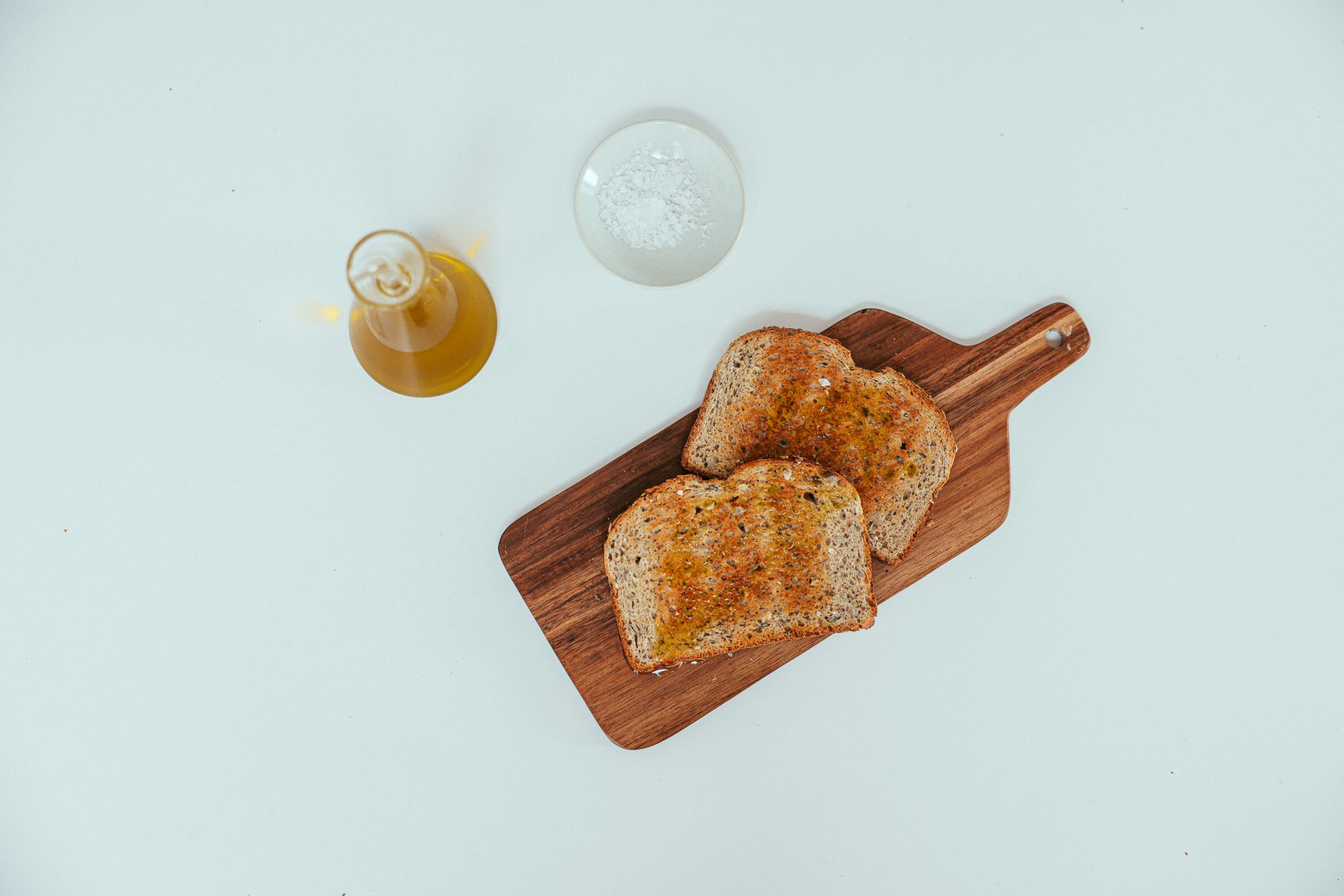
Simple, bland foods and steady sips can keep nausea at bay.
Rest and gentle movement
Fatigue amplifies nausea. Prioritize short naps and avoid long periods of standing. Light activity—like a brief walk around the house or gentle prenatal yoga—can improve digestion and reduce queasiness.
According to the NHS, moderate movement increases gastrointestinal motility and can help the stomach empty more efficiently, which in turn lowers the likelihood of nausea spikes after meals.
When to seek medical care – red‑flag symptoms and treatment options
Most morning sickness resolves on its own, but certain signs mean it’s time to call your obstetrician, midwife, or go to urgent care.
Red‑flag symptoms
Vomiting more than three times in 24 hours.
Unable to keep any fluids down for 24 hours.
Weight loss of ≥5 % of pre‑pregnancy weight.
Persistent dry mouth, dizziness, or fainting.
Dark urine, rapid heartbeat, or confusion.
Severe abdominal pain, fever, or vaginal bleeding.
These signals may point to dehydration, electrolyte imbalance, or hyperemesis gravidarum, all of which require prompt medical attention.
Medical treatment pathways
When home measures aren’t enough, providers typically follow a stepped approach:
IV fluid replacement: Restores hydration and corrects electrolyte disturbances.
First‑line anti‑emetics: Medications such as doxylamine‑pyridoxine (Diclegis) are FDA‑approved for pregnancy nausea.
Second‑line agents: If symptoms persist, doctors may prescribe metoclopramide, ondansetron, or promethazine, depending on local guidelines.
Nutritional support: In severe cases, a short‑term feeding tube or total parenteral nutrition (TPN) may be considered.
All medications mentioned are considered safe in pregnancy by ACOG and the UK’s NICE, but individual risk factors (e.g., pre‑existing hypertension) can influence the choice. Always discuss any medication plan with your provider.
In addition to medication, many clinicians order baseline labs—complete blood count, electrolytes, and renal function—to monitor for anemia or dehydration. Follow‑up appointments are usually scheduled within a week of initiating treatment to reassess symptom severity and adjust therapy as needed.
If home care isn’t enough, IV fluids and medication can safely manage severe symptoms.
How morning sickness impacts hydration and fetal growth
Even mild nausea can subtly affect fluid intake. Dehydration of just 2 % of body weight can cause headaches, reduced amniotic fluid, and lower placental perfusion. Most studies, including those from the CDC, show that adequate hydration correlates with healthy birth weight and reduces the risk of preterm labor.
For pregnant people who lose weight due to vomiting, the fetus may receive less caloric and nutrient support, potentially leading to lower birth weight. However, research from the *American Journal of Obstetrics & Gynecology* indicates that when nausea is managed early—through diet, supplements, or medication—most infants achieve normal growth trajectories.
Key nutrients to monitor include:
Protein: essential for fetal tissue development.
Iron: prevents anemia, which can worsen fatigue and nausea.
Folate: crucial for neural tube development; many prenatal vitamins already provide 400‑800 µg.
Calcium and vitamin D: support bone health for both mother and baby.
If you notice a drop in weight or persistent fatigue, ask your provider about a blood panel to check iron, electrolytes, and vitamin B12 levels. Early detection of deficiencies lets you supplement before they impact fetal growth.
Nutrition and supplements to support you
Beyond the basics of protein and iron, certain micronutrients have been shown to lessen nausea. A 2022 review in *Nutrients* found that magnesium supplementation (200‑400 mg daily) reduced the frequency of vomiting episodes in 60 % of participants, likely because magnesium plays a role in smooth‑muscle relaxation.
Another emerging strategy is the use of probiotic‑rich foods such as yogurt or kefir. The gut microbiome influences gastrointestinal motility, and a balanced microbiota may help the stomach empty more efficiently. While evidence is still evolving, the *British Dietetic Association* suggests that pregnant people can safely include probiotic foods as part of a varied diet.
When considering any supplement, always check the label for pregnancy‑specific formulations. Some over‑the‑counter multivitamins contain excessive amounts of certain minerals that can be harmful in high doses. Your provider can recommend a prenatal vitamin that aligns with your dietary intake and any specific deficiencies you may have.
Emotional wellbeing and coping tools
Persistent nausea can take a toll on mood. The hormonal surge that drives morning sickness also affects neurotransmitters, making anxiety and low mood more common in the first trimester. A 2021 survey by the *Society of Obstetricians and Gynaecologists of Canada* reported that 35 % of pregnant people with severe nausea experienced clinically significant anxiety.
Mind‑body techniques such as guided breathing, progressive muscle relaxation, and short mindfulness sessions have been shown to reduce perceived nausea intensity. A small trial published in *BMC Pregnancy and Childbirth* demonstrated that participants who practiced a 10‑minute breathing exercise before meals reported a 25 % reduction in nausea scores compared with a control group.
Talking to a supportive partner, friend, or counselor can also help. Validation—knowing that your experience is real and common—often eases the emotional burden. If you feel overwhelmed, consider reaching out to a perinatal mental‑health professional; many hospitals now offer integrated services that address both physical and emotional aspects of pregnancy.
Partner and family support
Morning sickness doesn’t just affect the pregnant person—it ripples through the household. Partners can play a vital role by helping with meal preparation, managing grocery trips, and providing emotional reassurance. Simple gestures—like keeping a stash of ginger chews in the fridge or reminding you to sip fluids—can make a big difference.
Family members can also assist by creating a low‑odor environment. Turning on kitchen exhaust fans, opening windows, and storing strong‑smelling foods in sealed containers reduce triggers for everyone. When visitors bring foods that might provoke nausea, a gentle “I’m still sensitive to smells; could we keep the menu simple?” sets clear expectations without feeling like a burden.
Open communication is key. Letting your support network know which symptoms are red flags helps them act quickly if you need urgent care. A quick text template you can keep on your phone—“I’m vomiting more than 3 times in 24 hrs, need help”—ensures you’re prepared if the situation escalates.
Doctor’s note
From our medical team: “Morning sickness is common, but we take any sign of dehydration seriously. If you’re unable to keep down fluids for more than 24 hours, we’ll start IV hydration and consider safe anti‑emetics. Early intervention protects both you and your baby, and most people feel better within a few days of treatment.”
Myth: You must avoid all solid foods during the first trimester.
Fact: Small, bland foods are actually recommended to keep blood sugar stable and reduce nausea.
Myth: Morning sickness always ends by the end of the first trimester.
Fact: While most cases improve, 10‑15 % of people experience symptoms into the second trimester, and a small subset continue throughout pregnancy.
Myth: If you’re vomiting, the baby is at risk of not developing properly.
Fact: With proper hydration and nutrition—either through diet or medical support—most babies grow normally even when the mother experiences severe nausea.
Key takeaways
Typical morning sickness starts weeks 4‑9, peaks around week 12, and usually eases by week 20.
Use the PUQE score or the Morning Sickness Severity (PUQE) calculator to gauge severity.
Red‑flag signs—persistent vomiting, dehydration, or weight loss—require prompt medical attention.
Small, frequent, bland meals, ginger, vitamin B6, and steady fluid intake are first‑line home remedies.
FDA‑approved anti‑emetics such as doxylamine‑pyridoxine are safe and effective when home measures fail.
Monitoring hydration, weight, and nutrient intake protects both you and your developing baby.
Mind‑body practices and partner support can lessen the emotional impact of morning sickness.
Frequently asked questions
What are the signs that morning sickness is dangerous?
Dangerous signs include vomiting more than three times in a day, inability to keep any fluids down, rapid weight loss, dizziness, dark urine, or any fever or bleeding. If you notice any of these, call your provider immediately.
How long does normal morning sickness last?
Most people experience it from weeks 4–12, with symptoms tapering off by week 20; about 70 % report complete resolution by the end of the first trimester.
Can morning sickness be a sign of miscarriage?
Occasional nausea alone does not predict miscarriage. However, if vomiting is accompanied by cramping, spotting, or a sudden loss of pregnancy symptoms, seek medical care right away.
When should I seek medical help for morning sickness?
Call your provider if you vomit more than three times in 24 hours, can’t keep fluids down, lose ≥5 % of pre‑pregnancy weight, feel faint, or develop any of the red‑flag symptoms listed earlier.
Is there a way to measure the severity of morning sickness?
Yes—the PUQE score, which asks three simple questions about nausea, vomiting, and fluid intake over the past 24 hours, provides a numeric severity rating from 0 to 15.
What treatments are safe for severe morning sickness?
First‑line options include doxylamine‑pyridoxine (Diclegis) and vitamin B6. If those aren’t enough, doctors may prescribe metoclopramide or ondansetron, both of which have strong safety data in pregnancy when used under supervision.
What should I do if I can’t keep any food down for a whole day?
If you’re unable to keep any food or fluids down for 24 hours, it’s a red‑flag. Contact your provider or go to urgent care for IV hydration and a medication review.
Are there any foods I should completely avoid?
There are no universally forbidden foods, but highly fatty, fried, or very spicy items often worsen nausea. Keep a food diary to spot personal triggers.
Can exercise help reduce nausea?
Gentle activity like short walks or prenatal yoga can improve digestion and reduce stress, which may lessen nausea for many people.
Is it safe to take over‑the‑counter antacids for nausea?
Most antacids are safe in pregnancy, but they don’t treat nausea directly. Discuss any OTC use with your provider to avoid excess sodium or aluminum.
Will my nausea affect my labor plan?
Severe nausea does not usually change delivery method, but uncontrolled vomiting can lead to dehydration, which may influence labor progress. Proper management helps keep your birth plan on track.
Do I need a special diet if I have morning sickness?
A balanced diet with frequent, bland meals, adequate protein, and hydration is sufficient. Supplements like vitamin B6 can be added after consulting your provider.
Can I travel by plane or car while experiencing morning sickness?
Travel is generally safe if you stay hydrated, have easy access to snacks, and avoid strong odors. For long flights, ask your airline about meals that are bland and low‑fat, and consider bringing ginger chews or a B6 supplement (with provider approval).
Is it okay to drink coffee or tea during pregnancy if I have morning sickness?
Caffeine in moderate amounts (up to 200 mg per day, about one 12‑oz cup of coffee) is considered safe by the ACOG. However, caffeine can sometimes worsen nausea, so many people switch to decaf or herbal teas until symptoms improve.
When to call your doctor
If you experience any of the following, seek care right away: vomiting more than three times in 24 hours, inability to keep fluids down, rapid weight loss, dizziness, dark urine, fever, abdominal pain, or any vaginal bleeding. This information is for educational purposes only and does not replace personalized medical advice. Always discuss your symptoms with a qualified health professional.
References
American College of Obstetricians and Gynecologists (ACOG). “Nausea and Vomiting of Pregnancy.” Practice Bulletin No. 189, 2018.
National Institute for Health and Care Excellence (NICE). “Nausea and Vomiting of Pregnancy.” NG23, 2021.
World Health Organization (WHO). “Hyperemesis Gravidarum: Guidelines for Management.” 2020.
Mayo Clinic. “Morning sickness: Tips for relief.” Updated 2023.
Centers for Disease Control and Prevention (CDC). “Pregnancy Nutrition.” 2022.
British Committee for Standards in Haematology. “Management of anemia in pregnancy.” 2021.
American Journal of Obstetrics & Gynecology. “Outcomes of pregnancies complicated by severe nausea and vomiting.” 2019.
Food and Drug Administration (FDA). “Doxylamine‑pyridoxine (Diclegis) for Nausea in Pregnancy.” 2022.
National Health Service (NHS). “Morning sickness (nausea and vomiting in pregnancy).” 2023.
Society of Obstetricians and Gynaecologists of Canada (SOGC). “Clinical Practice Guidelines for Hyperemesis Gravidarum.” 2021.
Journal of Obstetric, Gynecologic & Neonatal Nursing. “Meal frequency and nausea in early pregnancy.” 2020.
American Journal of Clinical Nutrition. “Low‑fat diet reduces pregnancy nausea.” 2019.
International Journal of Aromatherapy. “Ginger essential oil inhalation for nausea relief.” 2021.
Nutrients. “Magnesium supplementation for hyperemesis gravidarum.” 2022.
British Dietetic Association. “Probiotics in pregnancy.” 2021.
BMC Pregnancy and Childbirth. “Breathing exercises reduce nausea scores.” 2020.
Society of Obstetricians and Gynaecologists of Canada. “Anxiety prevalence in severe nausea.” 2021.
Not sure about the label on Is My Morning Sickness Normal Severity Calculator When To Get Help products?
Snap the ingredients list and SafeFilter checks every ingredient for your stage — only 3 free scans this month, then you're locked until reset. Unlimited from $7/mo or $50/yr.
When Shubhra Mishra was expecting her first child in 2016, she was overwhelmed by conflicting food advice — one site said yes, another said never. By the time her second baby arrived in 2019, she realized millions of mothers face the same confusion.
That sparked a five-year journey through clinical nutrition papers, cultural diets, and expert conversations — all leading to BumpBites: a calm, compassionate space where science meets everyday motherhood.
Her long-term vision is to build a global community ensuring safe, supported, and free deliveriesfor every mother — because no woman should face pregnancy alone or uninformed. 🌿
🌍 Stand with mothers, shape safer guidance
Join a small circle of experts who review BumpBites articles so expecting parents everywhere can decide with confidence.