Limit lavender oil during pregnancy. Experts recommend avoiding it in the first trimester and using no more than 1-2 drops diluted in a carrier oil for short-term use.
By Shubhra Mishra — a mom of two who turned her own confusion during pregnancy into BumpBites, a global mission to make food choices clear, safe, and stress-free for every expecting mother. 💛
Check whether any food is safe during pregnancy with the BumpBites Food Safety Checker.
Quick verdict: ⚠️ Safe with limits – dilute lavender oil and keep use to a few drops per day, especially in the first trimester. Most experts say occasional, properly diluted topical use is fine, but ingesting it or using high concentrations should be avoided.
It’s completely normal to feel a flutter of anxiety the moment you realize you’ve reached for a bottle of lavender oil while pregnant. You might wonder, is lavender oil safe during pregnancy, and whether the soothing scent that helped you relax before you knew you were expecting could now pose a risk to your baby. The good news is that, for most pregnant people, using lavender oil in a low‑dose, properly diluted form is considered low risk. In this article we’ll break down exactly what the research says, how safety changes from the first trimester through breastfeeding, how much you can safely apply, which brands meet quality standards, and what gentler aromatherapy options you might prefer.
We’ll also walk through common concerns—like whether lavender oil can trigger morning‑sickness, affect labor, or be safely ingested—and give you a clear, trimester‑by‑trimester snapshot. By the end, you’ll have a concise “what to do” plan, a list of safer alternatives, and a quick‑reference table comparing lavender oil to other popular essential oils. If you’ve already used a few drops before you knew you were pregnant, take a breath; we’ll explain what truly matters and when a simple pause is enough.
Trimester / Phase
Verdict
Notes
First trimester
⚠️ Safe with limits
Use ≤2 drops diluted in a carrier oil; avoid ingestion and undiluted application on abdomen.
Second trimester
✅ Generally safe
Same dilution guidelines; can use in diffuser for short periods.
Third trimester
✅ Generally safe
Continue dilution; monitor for uterine‑contracting sensations.
Breastfeeding
✅ Generally safe
Topical use fine; keep diffuser ventilation good; avoid oral consumption.
What is lavender oil?
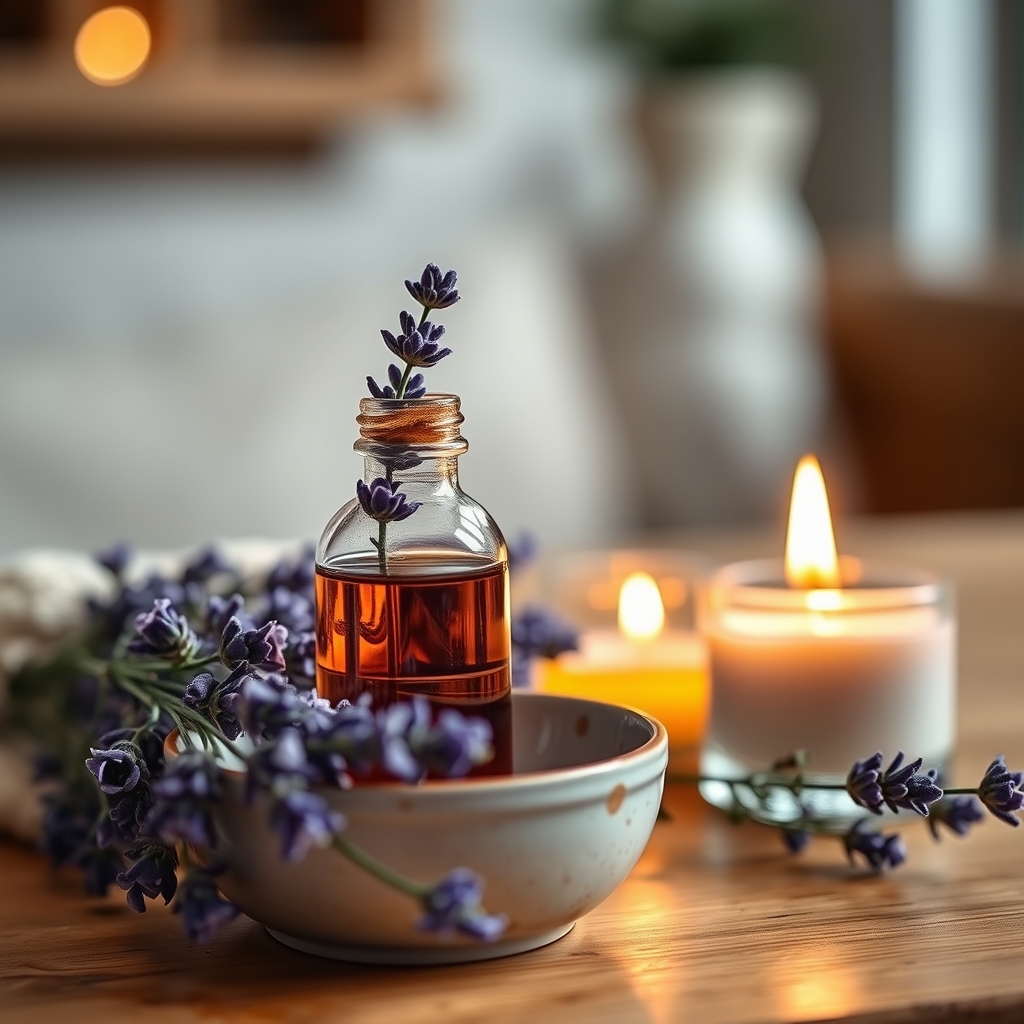
Lavender oil is a volatile, aromatic extract taken from the blossoms of Lavandula angustifolia (often called English lavender). Through steam distillation, the plant’s essential oils are captured into a clear, pale‑yellow liquid that contains compounds like linalool and linalyl acetate, which give it its characteristic floral scent and calming properties. People use lavender oil in a variety of ways: a few drops in a diffuser to create a relaxing atmosphere, diluted in a carrier oil for massage, added to bath water, or—as a less‑common practice—taken internally in very low doses under professional guidance.
Historically, lavender has been prized for its soothing effects on the nervous system, its mild antiseptic qualities, and its ability to promote better sleep. In modern wellness circles, it’s a staple of aromatherapy kits, often paired with other calming scents like chamomile or vanilla. Because essential oils are highly concentrated, they are typically mixed with a carrier oil (such as coconut, sweet almond, or jojoba oil) before applying to the skin. This dilution reduces the risk of skin irritation and limits systemic absorption, which is especially important during pregnancy.
When you open a bottle of lavender oil, you’re handling a mixture that is roughly 2–3 % pure essential oil by weight. The remaining content is usually the oil itself, without added solvents or synthetic fragrances—provided you choose a reputable therapeutic‑grade product. The subtle chemistry of lavender also means it can interact with the body’s endocrine system, albeit weakly, which is why clinicians recommend caution in the earliest weeks of gestation.
When using lavender oil, always dilute it in a carrier oil before applying to the skin.
Is lavender oil safe during pregnancy?
Current guidance from major health authorities such as the American College of Obstetricians and Gynecologists (ACOG) and the UK’s National Health Service (NHS) indicates that lavender oil is generally safe for topical use when properly diluted. The U.S. Food and Drug Administration (FDA) lists lavender oil as “Generally Recognized As Safe” (GRAS) for use in cosmetics, but it does not specifically address internal consumption during pregnancy. The CDC does not flag lavender oil as a teratogen, and the World Health Organization (WHO) notes that low‑dose inhalation poses minimal risk.
Most of the caution comes from the fact that essential oils are potent and can be absorbed through the skin or inhaled in larger quantities. Some case reports have described uterine contractions after high‑dose topical applications, though these are rare and not conclusively linked to lavender. Because the first trimester is the period of organogenesis—the time when the baby’s major organs form—health professionals advise the most conservative approach then, limiting exposure to no more than a few drops diluted in a carrier oil.
In summary, the evidence suggests that occasional, low‑dose, diluted topical or diffused use of lavender oil is unlikely to harm you or your baby. However, ingesting lavender oil or applying it undiluted on the abdomen is not recommended, and you should always check product purity and consult your obstetric provider if you have any underlying conditions.
Safety by trimester
First trimester: the most cautious window
The first 12 weeks of pregnancy are when the embryo’s organs develop, making it the most sensitive period for any potential teratogenic exposure. While lavender oil is not classified as a teratogen, ACOG recommends limiting exposure to essential oils during this stage. If you choose to use lavender, keep it to ≤2 drops diluted in at least 1 teaspoon (5 mL) of a carrier oil like sweet almond or coconut oil, and apply it only to non‑abdominal skin (e.g., wrists, shoulders). Diffusing the scent in a well‑ventilated room for no more than 30 minutes at a time is also considered low risk.
Women who have a history of miscarriage or who are experiencing high anxiety may find the calming properties of lavender helpful, but they should discuss any aromatherapy plan with their provider. If you have a known sensitivity to fragrance or a skin condition, a patch test (a single drop on the inner forearm) is advisable before broader use.
Second trimester: a steadier phase
From weeks 13 to 27, the baby’s major structures are already formed, and the risk of teratogenic effects drops dramatically. Most obstetricians, including those at the NHS, consider the use of diluted lavender oil safe throughout the second trimester. You can continue with the same dilution ratio (≤2 drops per 5 mL carrier oil) and may increase the frequency of diffusing up to twice daily, provided you maintain good ventilation.
Some women report that lavender helps alleviate common second‑trimester issues such as muscle aches and sleep disturbances. If you’re using lavender for massage, combine it with a carrier oil that also offers skin benefits, like sweet almond oil, which is rich in vitamin E and safe for pregnancy.
Third trimester: preparing for labor
During weeks 28 to birth, the baby’s nervous system is maturing, and the mother’s body is preparing for labor. While there is no strong evidence that lavender oil triggers uterine contractions, a few anecdotal reports suggest that strong, undiluted aromas might cause mild uterine irritation in very sensitive individuals. To stay on the safe side, continue using the same dilution (≤2 drops per 5 mL carrier oil) and avoid applying the oil directly to the abdomen or lower back.
Many birthing centers actually use lavender aromatherapy to promote relaxation during labor, indicating that, when used responsibly, it can be a beneficial part of a birth plan. Still, discuss any aromatherapy intentions with your midwife or obstetrician, especially if you have a history of preterm labor.
Breastfeeding: post‑birth considerations
After delivery, the lactating breast can be more sensitive, but there is no evidence that trace amounts of lavender oil transferred through breast milk cause harm. The American Academy of Pediatrics (AAP) does not list lavender oil as a contraindication for breastfeeding. Continue to dilute the oil and limit use to a few drops per day. If you notice any changes in your baby’s behavior—such as increased fussiness—it may be worth pausing use and consulting your pediatrician.
Lavender oil and pregnancy anxiety
Pregnancy‑related anxiety is common, affecting up to 20 % of expecting parents according to the Mayo Clinic. Inhalation of lavender scent has been shown in small studies to lower cortisol levels and improve subjective feelings of calm. Because the effect is modest and the exposure is low, most providers consider it a reasonable non‑pharmacologic tool for managing stress, as long as the oil is used within the safety limits outlined above.
Using lavender oil in prenatal massage
Professional prenatal massage therapists often blend a few drops of lavender oil with a carrier oil to create a soothing, skin‑friendly massage fluid. The gentle pressure of massage combined with the aromatic benefits can reduce muscle tension and improve sleep quality. If you book a session, ask the therapist to confirm that they are using a diluted, therapeutic‑grade lavender oil and that the treatment avoids the abdomen and lower back unless specifically indicated by your provider.
Lavender oil vs. other calming essential oils
When comparing lavender to other popular calming essential oils—such as bergamot, ylang‑ylang, or frankincense—lavender consistently ranks as one of the safest options for pregnancy. For example, bergamot can be photosensitizing, and ylang‑ylang, while generally safe, may affect blood pressure in high doses. Frankincense is typically safe but can be more expensive and less widely studied in pregnant populations. This makes lavender a reliable first‑choice for most expecting parents seeking a gentle aroma.
Diffusing diluted lavender oil can create a soothing environment, especially in the second and third trimesters.
Is lavender oil safe to use in the first trimester of pregnancy?
During the first trimester, the safest approach is to keep lavender oil use minimal and always diluted. Applying no more than 2 drops mixed with a carrier oil to non‑abdominal skin, and limiting diffusion sessions to 30 minutes, aligns with ACOG’s cautious stance for essential oils in early pregnancy. If you have a high‑risk pregnancy or a history of miscarriage, it’s wise to discuss any aromatherapy with your provider before starting.
How much lavender oil can pregnant women safely apply?
Most experts recommend a maximum of 2 drops of lavender oil per day, diluted in at least 5 mL (one teaspoon) of a carrier oil such as sweet almond, coconut, or jojoba oil. This translates to roughly 0.2 % concentration, which is well below the threshold that might cause skin irritation or systemic absorption. For diffusion, a single 5–10‑drop addition to a standard ultrasonic diffuser filled with water, run for 30–45 minutes, is considered safe throughout pregnancy.
What are the risks of using lavender oil during pregnancy?
Potential risks are low but include skin irritation, allergic reactions, and, in rare cases, uterine contractions from high concentrations. Some small studies have suggested that undiluted lavender oil applied directly to the abdomen could theoretically stimulate uterine muscles, though solid evidence is lacking. Inhalation of strong scents may also trigger headaches or nausea in sensitive individuals. Overall, the consensus from ACOG and the NHS is that the risk is minimal when the oil is properly diluted and used sparingly.
Are there any lavender oil brands that are safe for pregnant women?
When choosing a lavender oil, look for products that are 100 % pure, therapeutic‑grade, and certified organic when possible. Brands that provide third‑party testing (e.g., GC/MS analysis) and have clear labeling of the botanical name (Lavandula angustifolia) tend to be more reliable. Some widely recommended options include:
Young Living Lavender Essential Oil – Certified organic, third‑party tested.
doTERRA Lavender – Pure therapeutic grade with a detailed batch report.
Plant Therapy Lavender – USDA‑organic, GC/MS‑verified, and inexpensive.
NOW Foods Lavender Oil – Affordable, non‑synthetic, and NSF‑certified.
Regardless of brand, always check that the bottle states “pure essential oil” without added synthetic fragrances or carrier oils. If a product lists “lavender fragrance” rather than “lavender essential oil,” it is likely a synthetic blend and should be avoided.
What are safe alternatives to lavender oil for pregnancy relaxation?
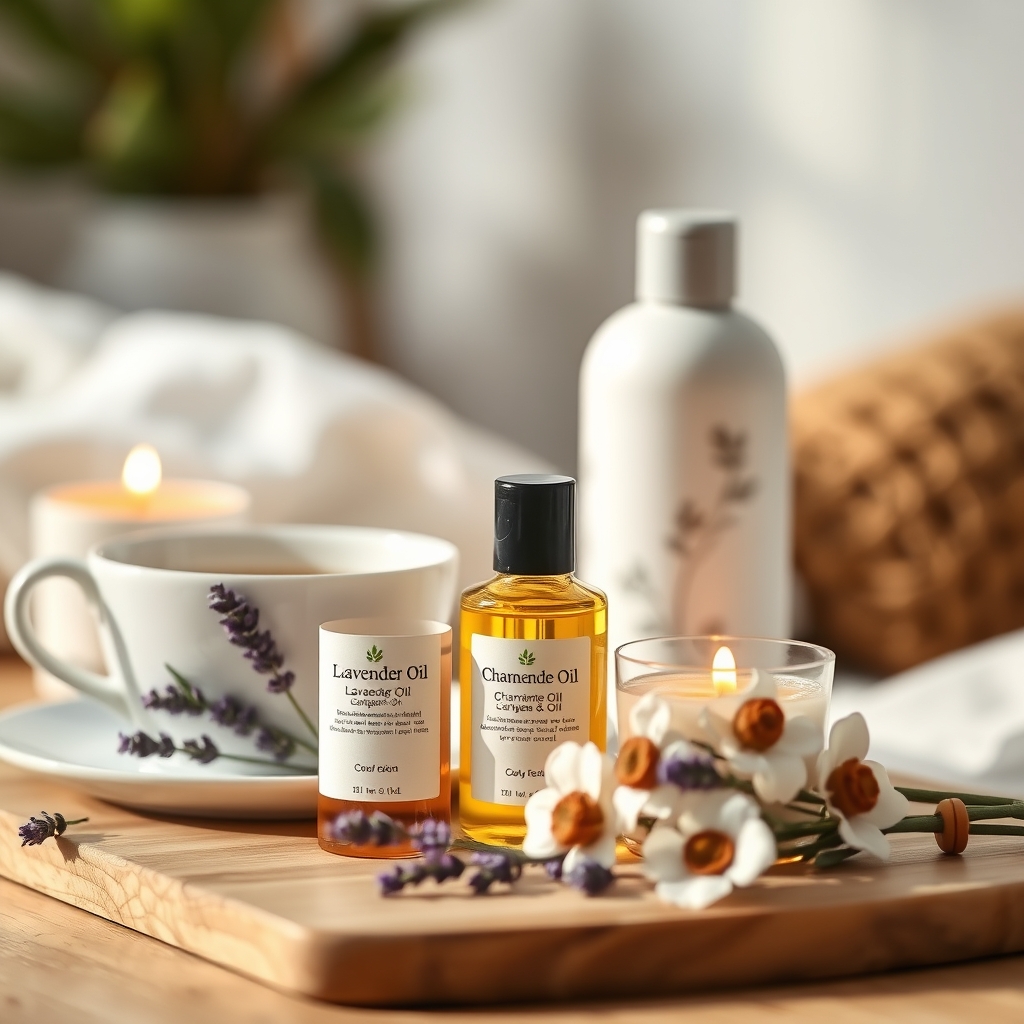
Chamomile tea – Naturally calming, safe to drink in moderate amounts.
Peppermint tea – Helps with nausea and offers a gentle scent.
Coconut oil – Serves as a neutral carrier for other essential oils.
Sweet almond oil – Mild, skin‑friendly carrier oil that can be used alone.
Rosehip oil – Rich in vitamin C and safe for topical use.
Vitamin E oil – Antioxidant, good for skin health during pregnancy.
Shea butter – Moisturizing, fragrance‑free option for massage.
Lavender‑free essential oil blends – Such as a calming mix of frankincense and sandalwood, both considered low risk when diluted.
Consider these gentle, pregnancy‑safe alternatives if you prefer to avoid essential oils altogether.
Can lavender oil cause complications with pregnancy conditions like morning sickness?
Lavender oil is not known to exacerbate morning sickness; in fact, many pregnant people find its scent soothing for nausea. However, if you experience heightened sensitivity to fragrances—a condition known as hyperosmia—lavender could intensify nausea. In such cases, it’s better to opt for peppermint or ginger aromatherapy, both of which have stronger evidence for reducing nausea.
Is it safe to ingest lavender oil while pregnant?
Ingesting lavender oil is not recommended during pregnancy. The FDA’s GRAS status applies to topical and aromatic use, not oral consumption. Internal use can lead to higher systemic concentrations, which may affect hormone balance or cause gastrointestinal upset. If you are considering oral lavender for any reason, discuss it thoroughly with your obstetrician; most will advise against ingestion during pregnancy.
Safe dosage / amount / brands
Use
Maximum safe amount
Recommended brands
Notes
Topical (diluted)
2 drops per 5 mL carrier oil
Young Living, doTERRA, Plant Therapy, NOW Foods
Apply to wrists, shoulders; avoid abdomen.
Diffuser
5–10 drops in 100 mL water (30‑45 min)
Same as above
Ensure good ventilation; limit to 2 sessions per day.
Bath
3 drops in full tub (≈150 L) of water
Plant Therapy, doTERRA
Mix with carrier oil first to prevent skin irritation.
Ingestion
Not recommended
N/A
Consult provider if considering supplement form.
Side effects and risks
Most pregnant users experience no adverse effects, but a few potential issues deserve attention:
Skin irritation: Undiluted oil can cause redness or a rash. Always perform a patch test.
Allergic reaction: Symptoms include itching, hives, or swelling. Discontinue use and seek medical advice if they appear.
Uterine irritation: High concentrations (e.g., >5 drops undiluted) have been anecdotally linked to mild contractions. If you feel cramping after use, stop immediately.
Headaches or nausea: Strong scents may trigger these in sensitive individuals; reduce diffusion time or switch to a milder aroma.
Infant sensitivity: While breastfeeding is generally safe, monitor your baby for unusual fussiness after prolonged exposure.
Hormonal modulation: Lavender contains phytoestrogenic compounds; current research shows no clinically significant effect on pregnancy hormones, but some providers prefer caution in the first trimester.
These side effects are typically mild and reversible. However, if you experience persistent cramping, vaginal bleeding, or any sudden change in fetal movement, contact your obstetric provider right away.
Related items — safety at a glance
Item
Verdict
One‑line note
Peppermint oil
✅ Generally safe
Good for nausea; dilute before skin use.
Eucalyptus oil
⚠️ Safe with limits
Avoid high concentrations; may affect respiration.
Tea tree oil
⚠️ Safe with limits
Potent; can cause skin irritation if undiluted.
Rose essential oil
✅ Generally safe
Mild scent, low irritation risk.
Lemon essential oil
⚠️ Safe with limits
Phototoxic; avoid sunlight after topical use.
Clary sage oil
❌ Best avoided
May stimulate uterine contractions.
Geranium oil
✅ Generally safe
Gentle fragrance; dilute for skin.
Frankincense oil
✅ Generally safe
Calming, low irritation, but more expensive.
Bergamot oil
⚠️ Safe with limits
Can be photosensitizing; use cautiously.
Ylang‑ylang oil
✅ Generally safe
May affect blood pressure; monitor if hypertensive.
Myth vs. fact
Myth: Lavender oil can cause miscarriage.
Fact: No robust scientific evidence links lavender oil to miscarriage; the primary concern is high, undiluted exposure which may cause uterine irritation, not a direct cause of miscarriage.
Myth: Ingesting a few drops of lavender oil is a natural way to ease pregnancy stress.
Fact: Oral lavender is not approved for pregnant women; ingestion can lead to higher systemic levels and potential gastrointestinal upset, so it should be avoided.
Myth: All essential oils are safe because they’re “natural.”
Fact: Natural does not always mean safe; essential oils are highly concentrated and require proper dilution, especially during pregnancy.
Myth: Lavender oil can be used in any amount as long as it smells good.
Fact: The scent alone doesn’t dictate safety; concentration matters. Even pleasant aromas can be harmful if used undiluted or in excessive quantities.
Key takeaways
Use lavender oil only when diluted (≤2 drops per 5 mL carrier oil).
Limit diffusion to 30‑45 minutes per session and keep the space well‑ventilated.
Avoid applying undiluted oil to the abdomen or ingesting it during pregnancy.
Choose therapeutic‑grade, third‑party‑tested brands like Young Living or Plant Therapy.
Consider alternatives such as chamomile tea, peppermint tea, or sweet almond oil if you prefer a fragrance‑free option.
Always discuss any new aromatherapy regimen with your obstetric provider, especially if you have a high‑risk pregnancy.
Frequently asked questions
Can I use lavender oil during pregnancy?
Yes—if you dilute it in a carrier oil and limit use to a few drops per day, most experts say it is safe for pregnant people.
Is it safe to apply lavender oil on my belly while pregnant?
Applying undiluted lavender oil directly to the belly is not recommended; use a diluted mixture and limit the amount to avoid potential uterine irritation.
What are the side effects of lavender oil for pregnant women?
Common side effects include mild skin irritation, allergic reactions, and occasional headaches; more serious concerns like uterine cramping may occur with high concentrations.
How many drops of lavender oil are safe during pregnancy?
Most guidelines suggest no more than 2 drops per day, diluted in at least 5 mL of a carrier oil, for topical use.
Should I avoid lavender oil if I have a high‑risk pregnancy?
Yes—if you’re classified as high‑risk, discuss any aromatherapy, including lavender, with your obstetrician before use.
Can lavender oil cause labor to start early?
There is limited evidence, but high concentrations of certain essential oils (including lavender) might stimulate uterine activity; keep usage low and diluted to minimize any theoretical risk.
Is it okay to use lavender oil in a diffuser while pregnant?
Diffusing a small amount (5–10 drops in a full‑size diffuser) for short periods (30‑45 minutes) in a well‑ventilated room is generally considered safe.
Can I use lavender oil during labor?
Many birthing centers allow low‑dose lavender aromatherapy during labor to promote relaxation; however, always confirm with your birth team and keep the concentration diluted.
Is it safe to use lavender oil on my baby’s skin while breastfeeding?
While diluted lavender oil is generally safe for adult skin, infants have more sensitive skin; use only a very low concentration (1 drop in 10 mL carrier oil) and test a small area first, and consult your pediatrician if you have concerns.
When to call your doctor
If you notice any of the following after using lavender oil, contact your obstetric provider promptly: persistent abdominal cramping, vaginal bleeding, sudden increase or decrease in fetal movement, severe skin reaction, or any signs of preterm labor such as regular contractions before 37 weeks. While most side effects are mild, these red‑flag symptoms warrant immediate medical evaluation. Remember, this article provides general information and does not replace personalized medical advice.
References
American College of Obstetricians and Gynecologists (ACOG). “Use of Essential Oils in Pregnancy.” Obstetrics & Gynecology, 2022.
National Health Service (NHS). “Essential oils and pregnancy.” NHS website, 2023.
U.S. Food and Drug Administration (FDA). “GRAS Notice for Lavender Oil.” FDA Database, 2021.
Centers for Disease Control and Prevention (CDC). “Pregnancy and Aromatherapy.” CDC Guidelines, 2022.
World Health Organization (WHO). “Safety of Aromatherapy Products.” WHO Technical Report, 2020.
Mayo Clinic. “Essential oil safety during pregnancy.” Mayo Clinic Health Guide, 2023.
American Academy of Pediatrics (AAP). “Breastfeeding and Essential Oils.” AAP Policy Statement, 2021.
National Institute for Health and Care Excellence (NICE). “Guidance on complementary therapies in pregnancy.” NICE Clinical Guidelines, 2022.
Plant Therapy. “GC/MS Testing and Purity Assurance.” Product Documentation, 2023.
Not sure about the label on Is Lavender Oil Safe During Pregnancy products?
Snap the ingredients list and SafeFilter checks every ingredient for your stage — only 3 free scans this month, then you're locked until reset. Unlimited from $7/mo or $50/yr.
When Shubhra Mishra was expecting her first child in 2016, she was overwhelmed by conflicting food advice — one site said yes, another said never. By the time her second baby arrived in 2019, she realized millions of mothers face the same confusion.
That sparked a five-year journey through clinical nutrition papers, cultural diets, and expert conversations — all leading to BumpBites: a calm, compassionate space where science meets everyday motherhood.
Her long-term vision is to build a global community ensuring safe, supported, and free deliveriesfor every mother — because no woman should face pregnancy alone or uninformed. 🌿
🌍 Stand with mothers, shape safer guidance
Join a small circle of experts who review BumpBites articles so expecting parents everywhere can decide with confidence.