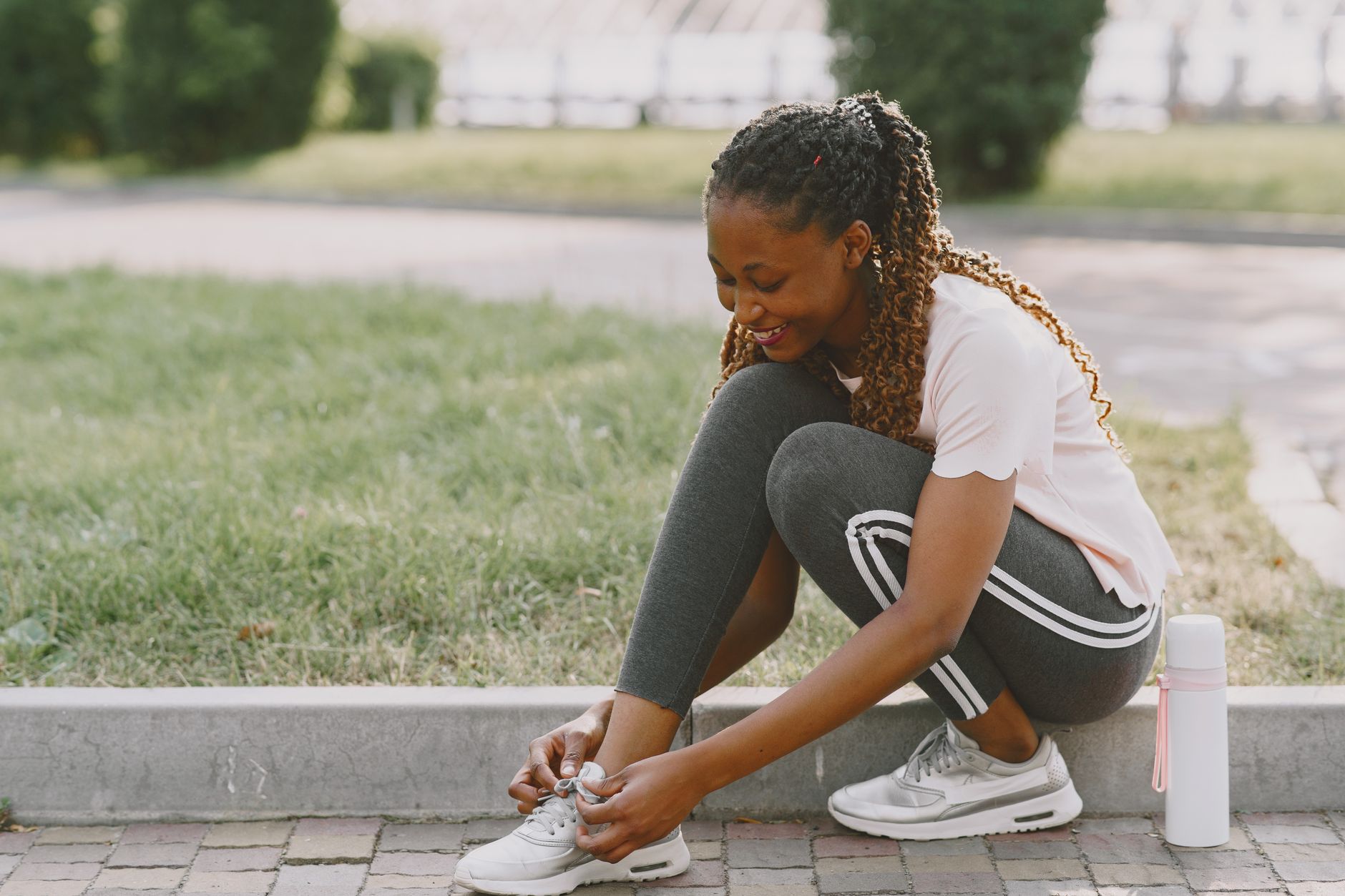
Safe in moderation. Jogging during pregnancy is generally safe if you follow trimester-specific guidelines and limit intensity to 30 minutes, 3-4 times weekly.
By Shubhra Mishra — a mom of two who turned her own confusion during pregnancy into BumpBites, a global mission to make food choices clear, safe, and stress-free for every expecting mother. 💛
Check whether any food is safe during pregnancy with the BumpBites Food Safety Checker.
Quick verdict: ⚠️ Talk to your doctor first. Jogging can be continued in many pregnancies, but the safest approach depends on your health, fitness level, and trimester. A moderate pace (about 30‑45 minutes most days) is generally okay, yet you should get clearance if you have hypertension, a prior C‑section, or other complications.
It’s 2 a.m., you’re scrolling through pregnancy forums, and the question that keeps popping up is, “is jogging safe during pregnancy?” You might have already laced up your sneakers for a quick run, or you’re wondering whether to start a new routine now that you’re expecting. First, take a breath—you’re not alone. Many expecting parents worry about the impact of everyday activities on their baby, and the good news is that, with the right precautions, jogging often remains a healthy option.
In this article we’ll break down exactly what the leading medical bodies—ACOG, the NHS, and the CDC—say about jogging while pregnant. You’ll learn how safety changes across each trimester, the ideal amount of time on the pavement, warning signs that merit a pause, and safer alternatives if you’d rather swap the run for something gentler. By the end, you’ll have a clear, evidence‑based answer to the question — is jogging safe during pregnancy — and a roadmap for staying active without unnecessary worry.
Stage
Verdict
Notes
First trimester
⚠️ Conditional
Generally okay if you were already jogging pre‑pregnancy; start with ≤30 min/day, low‑impact pace.
Second trimester
✅ Generally safe
Maintain ≤45 min most days; monitor core temperature and hydration.
Third trimester
⚠️ Conditional
Continue if comfortable, but reduce intensity and watch for balance issues.
Breastfeeding
✅ Safe
Same guidelines as post‑partum; listen to your body and stay hydrated.
Tip: Choose supportive shoes and stay hydrated to keep both you and baby comfortable.
What is jogging?
Jogging is a form of aerobic exercise that sits between walking and running in intensity. Typically, it involves a steady, moderate pace—roughly 4 to 6 miles per hour—sustained for at least a few minutes. The activity raises heart rate, improves circulation, and strengthens the muscles of the legs, core, and back. For many, it’s a favorite way to stay fit because it requires minimal equipment and can be done outdoors or on a treadmill.
During pregnancy, the body undergoes profound changes: the uterus expands, hormone levels shift, and the center of gravity moves forward. These adaptations affect balance, joint stability, and cardiovascular demand. Because jogging is weight‑bearing, it also stimulates bone density, which can be beneficial after delivery. However, the same forces that make jogging advantageous also mean that it must be approached with awareness of the unique physiological demands of pregnancy.
Is jogging safe during pregnancy?
O
verall, most obstetric guidelines consider jogging safe for women who were already active before conception, provided there are no contraindications. ACOG’s “Physical Activity and Exercise During Pregnancy and the Postpartum Period” recommends that pregnant individuals continue moderate‑intensity activities—like brisk walking, swimming, and jogging—up to 150 minutes per week. The NHS echoes this, stating that “light to moderate exercise” is beneficial and can be maintained throughout pregnancy.
The main concern with jogging is overheating and excessive impact, which could theoretically affect fetal blood flow. Studies published in the American Journal of Obstetrics & Gynecology have shown that when core temperature stays below 38.5 °C (101.3 °F) and hydration is adequate, jogging does not increase adverse outcomes. The CDC also highlights that regular aerobic activity reduces the risk of gestational diabetes, hypertension, and excessive weight gain, all of which are common pregnancy complications.
That said, certain conditions—pre‑existing hypertension, a history of preterm labor, or a recent C‑section—require individualized assessment. In these cases, ACOG advises a conversation with a health provider before continuing or starting a jogging regimen. The consensus is clear: if you’re healthy, have been jogging before pregnancy, and keep the intensity moderate, is jogging safe during pregnancy leans toward “yes, with precautions.”
Is jogging safe during pregnancy in the first trimester?
The first trimester is the period of organogenesis, when the baby’s major organs are forming. Because this window is sensitive, many expectant mothers wonder whether any impact could be harmful. Research indicates that low‑to‑moderate intensity jogging does not increase the risk of miscarriage when the mother is already accustomed to the activity. ACOG notes that “exercise should be continued at a comfortable level” and that abrupt changes—especially starting a high‑impact routine from scratch—should be avoided.
If you were jogging before you discovered you were pregnant, you can generally continue at a reduced duration (no more than 30 minutes per session) and keep the pace easy enough to maintain a conversation. Pay special attention to any signs of fatigue, dizziness, or abdominal pain, and stop immediately if they occur. Hydration and avoiding overheating are especially important in the early weeks when progesterone levels can cause increased body temperature.
For first‑trimester newcomers, the safest route is to begin with brisk walking or prenatal yoga and gradually transition to light jogging only after a medical clearance. This approach respects the delicate nature of early fetal development while still promoting maternal fitness.
How many minutes of jogging can a pregnant woman do each week?
ACOG’s recommendation of 150 minutes of moderate‑intensity aerobic activity per week translates well to jogging. For most pregnant joggers, this means 30‑45 minutes on most days, broken into 3‑5 sessions. The exact amount should be individualized: if you’re accustomed to longer runs, you might keep the total close to 150 minutes, but if you’re new to jogging, start with 10‑15‑minute intervals and gradually increase.
Research from the Journal of Maternal‑Fetal & Neonatal Medicine suggests that maintaining a heart‑rate zone of 50‑70 % of your maximum (roughly 120‑140 bpm for many women) is both safe and effective. The CDC also emphasizes that pacing matters more than total minutes—steady, rhythmic jogging is preferable to sprint intervals.
In practical terms, a weekly schedule could look like:
Monday: 30‑minute jog
Wednesday: 30‑minute jog
Friday: 30‑minute jog
Saturday or Sunday: optional 20‑minute light jog or a longer walk
Always listen to your body; if you feel unusually short‑of‑breath, experience calf cramps, or notice swelling, reduce the duration or intensity.
Can jogging cause complications for pregnant women with hypertension?
Hypertension in pregnancy—whether chronic or gestational—requires careful monitoring. ACOG advises that women with high blood pressure engage in low‑impact aerobic exercise, but they should first obtain a physician’s clearance. Light jogging can be permissible if blood pressure is well‑controlled and the jog stays within a moderate intensity range.
Studies in the Hypertension in Pregnancy journal have shown that regular, moderate exercise can actually help lower systolic and diastolic pressures over time, reducing the risk of preeclampsia. However, intense jogging that spikes heart rate dramatically may temporarily raise blood pressure, which could be risky for some women.
Therefore, if you have hypertension, aim for a “talk test” pace, keep sessions under 30 minutes, and monitor your blood pressure before and after exercise. If any readings exceed your provider’s target range, stop and seek medical advice.
What are the safest alternatives to jogging for pregnant women?
Walking – Low‑impact, easy to adjust speed, and supports joint health.
Swimming – Provides full‑body resistance without weight‑bearing stress.
Stationary cycling – Keeps the heart rate steady while minimizing impact.
Elliptical trainer – Mimics jogging motion with reduced joint strain.
Water aerobics – Combines cardio with buoyancy for a gentle workout.
Pilates for pregnancy – Focuses on core stability and breathing.
Is jogging safe for pregnant women who have had a C‑section?
After a cesarean delivery, the abdominal incision needs time to heal—typically six to eight weeks before resuming high‑impact activities. ACOG notes that gentle walking can begin soon after discharge, but jogging should be delayed until the surgical site is fully healed and cleared by the obstetrician.
When you receive the green light, start with short, low‑intensity jogs and pay attention to any abdominal discomfort, pulling sensations, or swelling around the incision. If any of these symptoms appear, pause the activity and consult your provider. Many women successfully return to jogging after the postpartum healing period, especially when they incorporate core‑strengthening exercises and wear supportive maternity belts.
Does jogging increase the risk of preterm labor?
Current evidence does not support a direct link between moderate jogging and preterm labor. A systematic review in the Obstetrics & Gynecology International found that women who continued regular, moderate‑intensity aerobic exercise—including jogging—did not experience higher rates of preterm birth compared with sedentary peers.
That said, certain warning signs—such as uterine contractions, lower‑back pain, or vaginal bleeding—should prompt an immediate pause in activity and a call to your provider. The key is to keep intensity moderate, stay well‑hydrated, and avoid overheating, all of which help maintain uterine blood flow and reduce stress on the pregnancy.
What is the recommended jogging pace for pregnant women?
Most guidelines suggest a “moderate” pace, which is often defined as the ability to hold a conversation without gasping for breath. For many, this translates to a speed of about 4–5 mph (6–8 km/h). ACOG’s “talk test” is a practical way to gauge intensity: if you can speak in full sentences, you’re likely in the safe zone.
Heart‑rate monitoring can also be useful. Aim for 50‑70 % of your age‑predicted maximum (220 – your age). For a 30‑year‑old, that would be roughly 95‑133 bpm. Some fitness trackers have pregnancy‑specific modes that adjust target zones automatically.
Remember that as pregnancy progresses, your stride may shorten and your balance may shift. It’s perfectly okay to slow down or switch to a brisk walk if you feel any instability.
Which jogging shoes are recommended for pregnant women?
Supportive footwear is essential for maintaining proper alignment and reducing joint stress. Look for shoes with:
Good arch support – helps counter the extra weight and forward shift of the center of gravity.
Cushioned midsoles – absorb impact and protect the knees and hips.
Secure heel counter – prevents the foot from sliding inward.
Brands such as Brooks (Ghost), Asics (Gel‑Nimbus), and New Balance (Fresh Foam) frequently receive high marks from podiatrists for pregnant runners. Replace shoes every 300‑500 miles or when you notice reduced cushioning.
Choosing shoes with ample arch support can help keep you stable as your belly grows.
Safe dosage / amount / brands
When we talk about “dosage” for jogging, we refer to the total weekly minutes, intensity, and frequency. The following table provides a practical guide for most pregnant joggers:
Weekly Jogging Goal
Minutes per Session
Intensity
Notes
Beginner (new to jogging)
10‑20 min
Low (walking‑jog hybrid)
Start with 2‑3 sessions, increase by 5 min each week.
Moderate (active pre‑pregnancy)
30‑45 min
Moderate (talk test)
3‑5 sessions per week; stay under 150 min total.
Advanced (regular long‑distance runner)
45‑60 min
Moderate‑high (maintain heart‑rate zone)
Only if cleared by provider; limit to 2‑3 sessions.
There are no “brands” of jogging itself, but you may consider reputable fitness trackers (Garmin, Fitbit) that can monitor heart rate and temperature. Look for devices with pregnancy‑specific settings or the ability to set custom heart‑rate zones.
Side effects and risks
While jogging is generally safe, a few potential issues merit attention:
Overheating – Elevated core temperature can reduce blood flow to the uterus. If you feel excessively warm or start sweating heavily, slow down or stop.
Dehydration – Pregnant bodies need more fluids. Aim for at least 8‑10 cups of water daily, plus extra during exercise.
Joint pain or swelling – Hormone‑induced ligament laxity can make knees and ankles more vulnerable. Choose supportive shoes and consider low‑impact alternatives if pain persists.
Uterine contractions – Mild, occasional “training” contractions are normal, but if you notice regular tightening, stop and contact your provider.
Vaginal bleeding – Any spotting during or after jogging should be reported immediately.
Most of these are manageable with proper preparation, but if you experience any of the red‑flag symptoms—persistent abdominal pain, severe shortness of breath, dizziness, or bleeding—stop your activity and seek medical care right away.
Safer alternatives
Walking – Gentle on joints, easy to adjust pace, and can be done virtually anywhere.
Prenatal yoga – Improves flexibility, reduces stress, and strengthens the pelvic floor.
Swimming – Provides full‑body resistance without impact, keeping you cool.
Stationary cycling – Maintains cardiovascular fitness while minimizing weight‑bearing stress.
Elliptical trainer – Replicates jogging motion with reduced joint strain.
Water aerobics – Combines cardio with buoyancy, ideal for swollen joints.
Pilates for pregnancy – Focuses on core stability, which can help with posture during later stages.
Related items — safety at a glance
Activity
Verdict
One‑line note
Brisk walking
✅ Safe
Low impact, excellent for all trimesters.
Prenatal yoga
✅ Safe
Improves flexibility and stress management.
Swimming
✅ Safe
Full‑body workout without overheating.
Stationary bike
✅ Safe
Maintains heart health with minimal joint stress.
Elliptical workout
✅ Safe
Simulates jogging but cushions impact.
Low‑impact aerobics
✅ Safe
Keeps you moving without high‑impact forces.
Pregnancy Pilates
✅ Safe
Targets core stability for better posture.
Myth vs. fact
Myth: Jogging will cause the baby’s head to be too big for the birth canal.
Fact: The size of the baby’s head is determined by genetics and growth patterns, not by maternal jogging. Moderate aerobic activity does not affect fetal skull size.
Myth: All pregnant women must stop jogging once the belly shows.
Fact: Many women continue jogging well into the third trimester, adjusting speed and stride for balance. Clearance from a provider is key, not the mere appearance of a bump.
Myth: If you feel a little cramp, you should stop jogging forever.
Fact: Mild, occasional uterine “training” cramps are normal. Persistent, painful, or rhythmic cramps should be evaluated, but they do not automatically mean you must quit jogging.
Key takeaways
Jogging is generally safe if you were active before pregnancy and keep intensity moderate.
Aim for 30‑45 minutes per session, up to 150 minutes per week, unless your provider advises otherwise.
Monitor core temperature, stay hydrated, and wear supportive shoes to reduce joint strain.
Women with hypertension, a recent C‑section, or other complications should get clearance before jogging.
If you notice bleeding, severe cramping, dizziness, or overheating, stop and call your healthcare provider.
Safe low‑impact alternatives include walking, prenatal yoga, swimming, and stationary cycling.
Frequently asked questions
Can I jog after the first trimester?
Yes, many women continue jogging into the second and third trimesters as long as they maintain a moderate pace, stay hydrated, and have no medical contraindications. Adjust intensity if you feel any balance or comfort issues.
Is it okay to jog if I'm pregnant and overweight?
Jogging can be safe for pregnant individuals who are overweight, but start with low‑impact options like walking or elliptical work and get a provider’s clearance. Focus on moderate intensity and monitor how your body feels.
How often should I jog while pregnant?
Most guidelines suggest 3‑5 times per week, with each session lasting 30‑45 minutes. This totals roughly 150 minutes of moderate aerobic activity per week, aligning with ACOG’s recommendation.
What signs indicate I should stop jogging during pregnancy?
Stop immediately if you experience vaginal bleeding, persistent abdominal pain, severe shortness of breath, dizziness, overheating, or any sudden swelling of the hands or feet. Contact your provider right away.
Is jogging safe for twins?
For most twin pregnancies, moderate jogging is acceptable if you were active before conception and have no other complications. However, because twin pregnancies carry higher risk of preterm labor, it’s wise to discuss an individualized exercise plan with your obstetrician.
Do I need a doctor's clearance to jog while pregnant?
Yes, especially if you have pre‑existing conditions (e.g., hypertension, heart disease), a history of C‑section, or if you’re new to jogging. A brief medical review can confirm that your chosen intensity and duration are appropriate.
When to call your doctor
If you notice any of the following while jogging, stop the activity and reach out to your provider promptly:
Vaginal bleeding or spotting
Persistent, rhythmic uterine contractions
Severe abdominal or pelvic pain
Dizziness, faintness, or shortness of breath that doesn’t resolve with rest
Sudden swelling in hands, feet, or face
Elevated temperature above 38.5 °C (101.3 °F) despite stopping activity
These symptoms could signal complications that need medical evaluation. Remember, the information in this article is for educational purposes only and does not replace personalized medical advice.
References
American College of Obstetricians and Gynecologists. “Physical Activity and Exercise During Pregnancy and the Postpartum Period.” ACOG Committee Opinion No. 804, 2020.
National Health Service (UK). “Exercise in pregnancy.” NHS website, 2023.
Centers for Disease Control and Prevention. “Pregnancy and Physical Activity.” CDC, 2022.
Mayo Clinic. “Exercise during pregnancy: What’s safe?” Mayo Clinic, 2021.
American Journal of Obstetrics & Gynecology. “Maternal core temperature and fetal outcomes during exercise.” AJOG, 2019.
Journal of Maternal‑Fetal & Neonatal Medicine. “Cardiovascular response to moderate aerobic exercise in pregnancy.” 2020.
Hypertension in Pregnancy. “Effects of exercise on blood pressure in pregnant women with hypertension.” 2021.
Obstetrics & Gynecology International. “Physical activity and preterm birth risk: a systematic review.” 2020.
Not sure about the label on Is Jogging Safe During Pregnancy products?
Snap the ingredients list and SafeFilter checks every ingredient for your stage — only 3 free scans this month, then you're locked until reset. Unlimited from $7/mo or $50/yr.
When Shubhra Mishra was expecting her first child in 2016, she was overwhelmed by conflicting food advice — one site said yes, another said never. By the time her second baby arrived in 2019, she realized millions of mothers face the same confusion.
That sparked a five-year journey through clinical nutrition papers, cultural diets, and expert conversations — all leading to BumpBites: a calm, compassionate space where science meets everyday motherhood.
Her long-term vision is to build a global community ensuring safe, supported, and free deliveriesfor every mother — because no woman should face pregnancy alone or uninformed. 🌿
🌍 Stand with mothers, shape safer guidance
Join a small circle of experts who review BumpBites articles so expecting parents everywhere can decide with confidence.