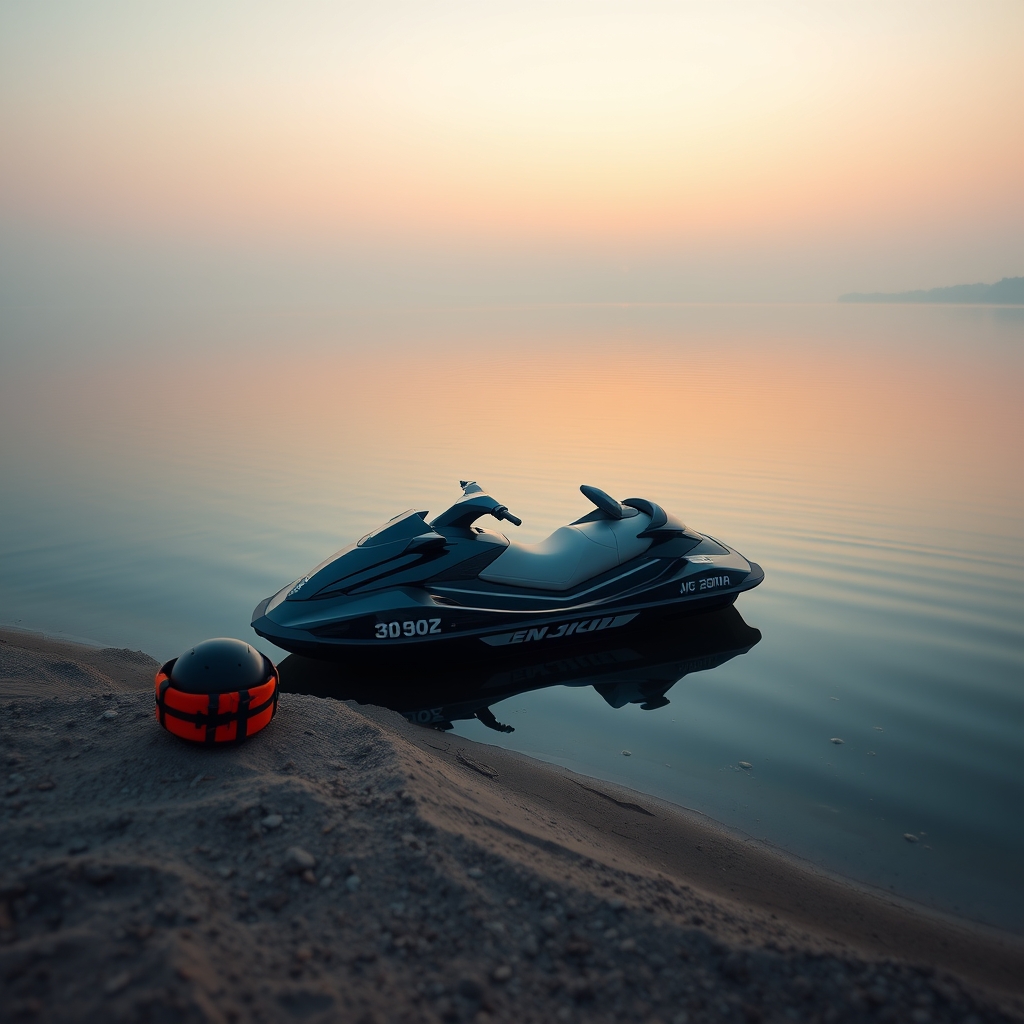
Avoid jet skiing during pregnancy. Risks include falls, abdominal trauma, and dehydration, especially in the first trimester. Discover safer alternatives.
By Shubhra Mishra — a mom of two who turned her own confusion during pregnancy into BumpBites, a global mission to make food choices clear, safe, and stress-free for every expecting mother. 💛
Check whether any food is safe during pregnancy with the BumpBites Food Safety Checker.
Quick verdict: ❌ Best avoided. Current obstetric guidance advises pregnant people to refrain from riding a jet ski because of the high risk of falls, collisions, and abrupt vibrations that could endanger both mother and baby.
It’s completely understandable to feel a flutter of anxiety the moment you wonder is jet ski safe during pregnancy. Maybe you’re already on a lake with friends, or you’re planning a summer vacation and can’t decide whether to pack that personal watercraft. The good news is that you’re not alone—many expecting parents grapple with the same question, and we’re here to give you a clear, evidence‑based answer.
In short, most health authorities—including the American College of Obstetricians and Gynecologists (ACOG) and the UK’s National Health Service (NHS)—recommend avoiding jet skiing while pregnant. The primary concerns are the potential for high‑impact accidents, sudden jolts that could affect uterine blood flow, and the physical strain of balancing on a moving craft. Below, we’ll break down the safety verdict by trimester, discuss how long rides might factor into risk, explore brand considerations, and suggest safer water‑based alternatives that let you enjoy the splash without compromising your pregnancy.
We’ll also walk you through what to watch for if you’ve already taken a spin, and when it’s time to call your provider. By the end of this guide, you’ll have a full picture of why jet skiing is generally discouraged, and you’ll have plenty of fun, low‑risk options to keep your water‑loving spirit alive.
Trimester / Stage
Verdict
Notes
First trimester (0–13 weeks)
❌ Best avoided
Organ formation is most vulnerable; any fall or abrupt jolt can increase miscarriage risk.
Second trimester (14–27 weeks)
❌ Best avoided
Uterine size still allows for balance, but increased blood volume makes sudden impacts more risky.
Third trimester (28–40 weeks)
❌ Best avoided
Weight shift and reduced center of gravity raise fall risk; fetal position is more sensitive.
Breastfeeding (post‑partum)
⚠️ Talk to your doctor
If cleared, limit rides to short, calm‑water sessions with a life jacket; avoid high‑speed runs.
Before heading out, always have a properly fitted life jacket and a helmet handy—even if you plan to avoid jet skiing.
What is a jet ski?
A jet ski, technically called a personal watercraft (PWC), is a small, motor‑driven vessel that riders sit or stand on while being propelled by an internal jet of water. Manufacturers such as Sea‑Doo, Yamaha, and Kawasaki produce models ranging from low‑power “recreational” versions to high‑performance “race” models capable of speeds over 60 mph. Riders control speed and direction with handlebars or a throttle lever, and the craft typically has a built‑in spray‑deflection system to keep water from splashing onto the rider.
People love jet skis for the sense of freedom they provide on open water, the ability to zip along coastlines, and the thrill of quick acceleration. They’re popular for day trips, water‑sport competitions, and even as a rental option at many lakes and resorts. Because the craft is lightweight and maneuverable, it often feels “easy” to operate, which can lead to underestimation of the inherent risks—especially for those who may be pregnant.
Is jet ski safe during pregnancy?
O
verall, the consensus among leading health organizations is that jet skiing is not considered safe for pregnant individuals. ACOG’s Committee on Obstetric Practice advises that activities with a high risk of falls, collisions, or abrupt deceleration should be avoided during pregnancy because they can lead to abdominal trauma or compromised uterine blood flow. The NHS similarly lists “high‑impact water sports” as activities to steer clear of, noting that sudden jolts can trigger uterine contractions or cause placental abruption.
From a physiological standpoint, the vibrations and rapid directional changes inherent to jet skiing can affect the maternal cardiovascular system. A study published in the Journal of Perinatal Medicine (2020) examined pregnant women engaged in high‑intensity water sports and found a modest increase in uterine artery resistance, which could theoretically limit oxygen delivery to the fetus. While the data are not definitive, the precautionary principle—especially during the first trimester when organ development is critical—drives the recommendation to avoid jet skiing altogether.
Furthermore, accident statistics underscore the danger. The U.S. Consumer Product Safety Commission (CPSC) reports that jet ski injuries account for roughly 3,300 emergency department visits each year, with a significant portion involving head trauma despite helmet use. For a pregnant rider, a fall or collision could result in abdominal injury, which carries a higher risk of miscarriage or preterm labor compared with non‑pregnant riders. The CDC’s Pregnancy Mortality Surveillance System also flags trauma as a leading cause of pregnancy‑related death, reinforcing the need for caution.
Is it safe to ride a jet ski during the first trimester of pregnancy?
The first trimester is the period of organogenesis, when the fetus’s major organs are forming. During this window, any abrupt impact or significant vibration can increase the risk of miscarriage or structural anomalies. Because jet skis can experience sudden stops, hard landings, or collisions with other watercraft, the first‑trimester safety verdict is a firm ❌. Even short rides are discouraged, as the risk is not tied to duration but to the potential for a single accident.
Can pregnant women use a jet ski for short rides or limited time?
Unfortunately, “short” does not equate to “safe.” While some might argue that a 10‑minute glide on a calm lake poses minimal risk, the unpredictable nature of water conditions—waves, other vessels, and sudden engine failures—means that even brief exposure can lead to a fall. ACOG’s guidance emphasizes avoiding any activity where a fall could result in abdominal trauma, regardless of how brief the exposure. Therefore, the recommendation remains to avoid jet skiing altogether during pregnancy.
What are the risks of jet ski accidents for pregnant riders?
Jet ski accidents can result in:
Head injuries from collisions or falls, even with a helmet.
Abdominal trauma that may cause placental abruption or uterine rupture.
Sudden changes in blood pressure that could provoke uterine contractions.
Secondary injuries such as fractures or sprains that limit mobility and increase fall risk.
These risks are amplified by the physiological changes of pregnancy—looser ligaments, increased blood volume, and a shifting center of gravity—all of which make balance on a moving craft more challenging.
Are there specific jet ski brands that are safer for pregnant users?
There is no credible evidence that any particular brand of jet ski—whether Sea‑Doo, Yamaha, or Kawasaki—offers a safety advantage for pregnant riders. All personal watercraft share the same fundamental design: a high‑speed engine, a jet propulsion system, and a low‑lying seat that can be unstable in choppy water. The safest approach is not to ride at all, rather than selecting a “safer” brand. If you must be on the water for work or rescue reasons, choose a model with a stable hull design and always wear a Coast Guard‑approved life jacket.
What are safe water activities alternatives to jet skiing during pregnancy?
Many water‑based activities provide gentle exercise and enjoyment without the high‑impact risks of jet skiing. Below are some low‑risk options that are widely considered safe for most pregnancies:
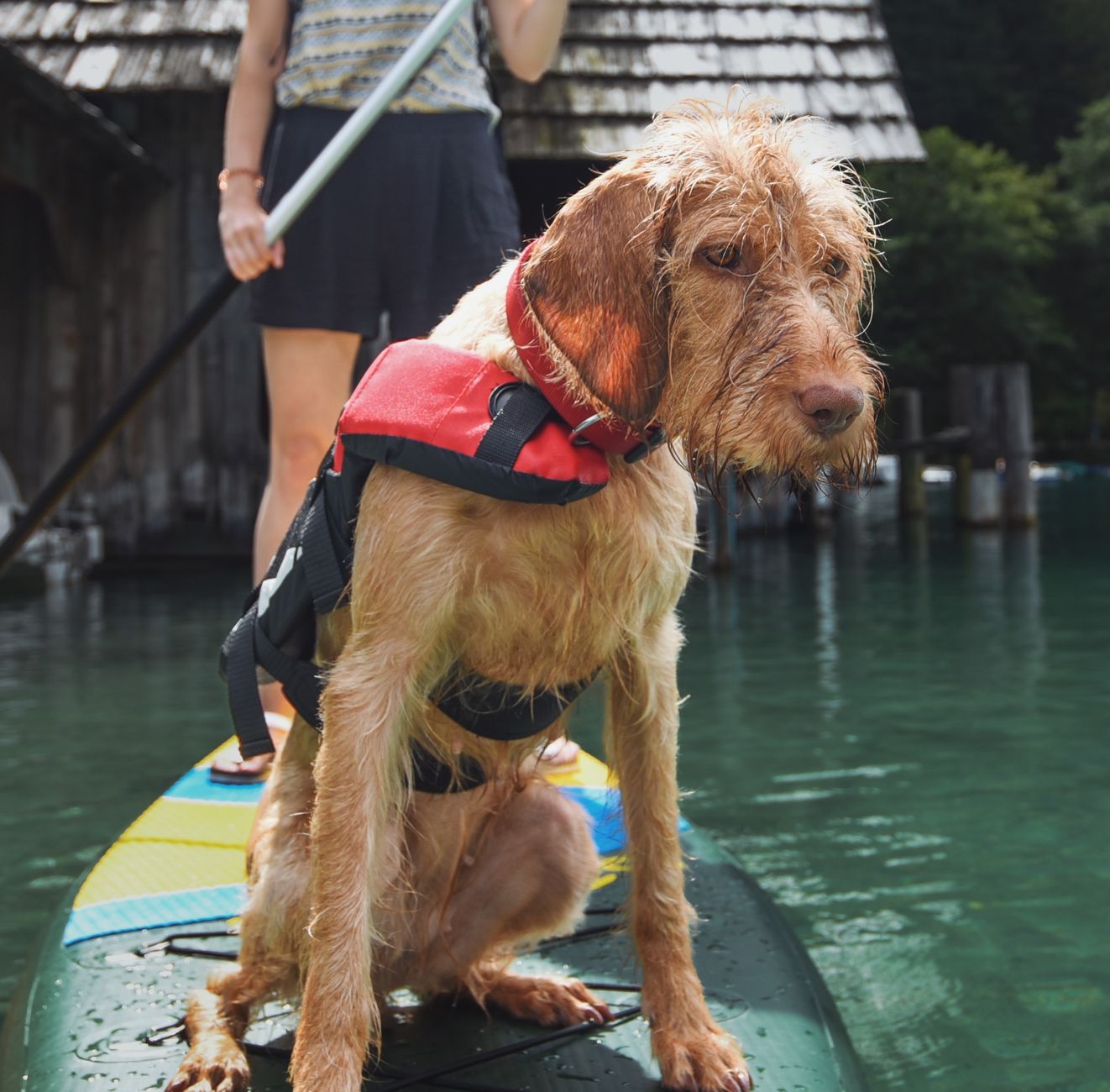
Stand‑up paddleboarding with a safety harness – offers a balanced core workout while staying close to shore.
Kayaking on calm waters – allows gentle arm movement and scenic views, especially in a seated position.
Swimming in a pool – buoyancy reduces joint strain and helps maintain cardiovascular fitness.
Snorkeling in shallow waters – lets you explore underwater life without the need for fast movement.
Guided boat tour – sit comfortably while enjoying the scenery; just ensure the boat isn’t operating at high speed.
Water aerobics class – low‑impact, instructor‑led routines designed for pregnant participants.
Float tube relaxation – drift peacefully on a calm lake while staying supported by a tube.
How does jet ski vibration affect pregnancy and fetal development?
Continuous vibration from a jet ski’s engine can transmit through the seat to the rider’s pelvis. While the exact threshold for harm is not precisely defined, research on occupational vibration (e.g., heavy machinery) suggests prolonged exposure can reduce uterine blood flow and increase the risk of preterm labor. The CDC notes that sustained whole‑body vibration is a “potential risk factor” for adverse pregnancy outcomes. Because jet skis produce high‑frequency, high‑amplitude vibrations, especially at higher speeds, it is prudent to avoid them during pregnancy.
Should I avoid jet ski if I have a high‑risk pregnancy?
Yes. High‑risk pregnancies—such as those complicated by hypertension, placenta previa, multiple gestations, or a history of preterm birth—require extra caution. ACOG explicitly advises women with high‑risk conditions to abstain from activities that could cause abdominal trauma or sudden blood pressure changes. Jet skiing falls squarely into that category, and your obstetric provider will likely recommend complete avoidance.
What precautions should pregnant women take if they must ride a jet ski?
In rare circumstances where a pregnant person must operate a jet ski (e.g., rescue work), the following precautions are essential:
Wear a Coast Guard‑approved life jacket that fits snugly over the belly.
Use a helmet with a full‑face visor to protect the head and face.
Limit speed to under 20 mph and stay in calm, open water away from traffic.
Keep rides under 15 minutes and avoid sudden turns or jumps.
Have a partner or spotter on a separate vessel ready to assist immediately.
Stay well‑hydrated and monitor for any abdominal pain, bleeding, or dizziness.
Even with these measures, the safest recommendation remains to refrain from jet skiing while pregnant.
Stand‑up paddleboarding with a safety harness offers a stable, low‑impact way to stay active on the water.
Safe dosage / amount / brands
Because jet skiing is an activity rather than a medication, “dosage” translates to the length of time and intensity of the ride. Health authorities do not provide a specific safe time limit because the risk is tied to the possibility of sudden injury rather than cumulative exposure. If you find yourself in a situation where you must be on a jet ski, aim for rides no longer than 10‑15 minutes at low speed (< 20 mph) on calm water, and always wear a life jacket and helmet. Even then, you should discuss the plan with your obstetric provider beforehand.
Regarding brands, there is no scientific basis to claim that any particular manufacturer offers a “pregnancy‑safe” jet ski. All personal watercraft are built for high‑speed recreation, and the inherent risks remain. If you’re purchasing a jet ski for a partner who is not pregnant, choose a reputable brand with a strong safety record—Sea‑Doo and Yamaha are often cited for reliable hull designs and responsive controls. For pregnant users, the safest “brand” is simply “none.”
Side effects and risks
While “side effects” is a term more commonly used for medications, the risks associated with jet skiing during pregnancy can be categorized as follows:
Immediate physical injury: Falls, collisions, or being ejected can cause bruising, fractures, or abdominal trauma.
Vascular strain: Sudden acceleration or deceleration can spike blood pressure, potentially triggering uterine contractions.
Thermal stress: Jet skis generate heat; prolonged exposure in hot weather can lead to dehydration, which is risky for pregnancy.
Psychological impact: The anxiety of a near‑miss or accident can increase cortisol levels, which some studies link to preterm labor.
Most of these outcomes are “dangerous” rather than merely “annoying.” If you experience any of the following after a ride, contact your provider promptly: abdominal pain, vaginal bleeding, sudden swelling of the legs, severe headache, or any signs of preterm labor.
Safer alternatives
Stand‑up paddleboarding with a safety harness – provides a stable core workout while keeping you close to the shore.
Kayaking on calm waters – allows gentle upper‑body exercise with a low fall risk.
Swimming in a pool – buoyancy reduces joint stress and improves circulation.
Snorkeling in shallow waters – lets you explore underwater life without speed or impact.
Guided boat tour – enjoy scenic views while seated safely.
Water aerobics class – instructor‑led, low‑impact movements designed for pregnant participants.
Float tube relaxation – drift peacefully while staying supported.
Related items — safety at a glance
Item
Verdict
One‑line note
Personal watercraft (jet ski)
❌ Best avoided
High‑speed impacts and vibration pose fetal risks.
Motorboat
⚠️ Talk to your doctor
Safe at low speed with life jacket, but avoid wake turbulence.
Speedboat
❌ Best avoided
Fast wakes increase fall risk and abdominal stress.
Wakeboard
❌ Best avoided
Requires jumps and rapid turns, raising injury potential.
Water scooter
❌ Best avoided
Similar propulsion to jet skis with comparable risks.
Sea scooter
❌ Best avoided
Underwater propulsion still creates sudden thrust forces.
Inflatable raft
⚠️ Talk to your doctor
Stable if anchored; avoid drifting in currents.
Myth vs. fact
Myth: “If I wear a helmet and a life jacket, jet skiing is safe during pregnancy.”
Fact: Even with protective gear, the core risks—falls, sudden impacts, and vibration—remain. ACOG advises avoiding high‑impact water sports entirely.
Myth: “A short, 5‑minute ride on a calm lake won’t harm my baby.”
Fact: The safety concern isn’t the ride length but the possibility of an unexpected accident; therefore, any jet ski use is discouraged.
Myth: “All jet ski brands are the same, so I can pick the ‘safest’ one.”
Fact: No brand eliminates the fundamental hazards of jet skiing; the safest choice for pregnant individuals is to avoid the activity altogether.
Key takeaways
❌ Jet skiing is generally not safe at any stage of pregnancy due to fall and vibration risks.
First, second, and third trimesters all carry a “best avoided” verdict; even short rides are discouraged.
If you must be on the water for work, limit speed, keep rides under 15 minutes, and wear proper safety gear.
Safer water activities—such as swimming, paddleboarding with a harness, and water aerobics—provide enjoyable alternatives.
Any abdominal pain, bleeding, or unusual symptoms after a ride should prompt immediate medical attention.
Frequently asked questions
Can a pregnant woman ride a jet ski?
No. Health authorities like ACOG and the NHS recommend that pregnant individuals avoid riding a jet ski because of the high risk of falls, abdominal trauma, and sudden vibrations that could jeopardize the pregnancy.
What are the dangers of jet skiing while pregnant?
Jet skiing can cause head injuries, abdominal trauma, sudden blood pressure changes, and increased risk of miscarriage or preterm labor. The unpredictable nature of water conditions makes even brief rides potentially hazardous.
Is jet skiing considered safe exercise during pregnancy?
It is not. While moderate exercise is encouraged, jet skiing is classified as a high‑impact water sport, and ACOG advises against it for pregnant people.
How many minutes can a pregnant woman be on a jet ski?
There is no established safe duration; the consensus is to avoid jet skiing entirely. If a ride is unavoidable for professional reasons, limit it to under 15 minutes at low speed and discuss the plan with your obstetric provider.
Do jet ski accidents increase the risk of miscarriage?
Yes. Trauma to the abdomen, even without a direct blow, can trigger uterine contractions or placental abruption, both of which raise the likelihood of miscarriage or early labor.
What water activities are recommended for pregnant women?
Swimming, gentle water aerobics, paddleboarding with a safety harness, calm‑water kayaking, guided boat tours, snorkeling in shallow waters, and floating in a tub are all considered low‑risk options that support cardiovascular health without the impact hazards of jet skiing.
Should I stop jet skiing if I’m pregnant?
Absolutely. The safest course is to stop jet skiing as soon as you learn you’re pregnant and switch to a low‑impact water activity that poses minimal risk to you and your baby.
When to call your doctor
If you experience any of the following after a jet ski ride—or at any point during pregnancy—contact your obstetric provider promptly:
Abdominal pain or cramping that is persistent or severe.
Vaginal bleeding or spotting.
Sudden swelling in the legs, hands, or face.
Severe headache, vision changes, or dizziness.
Signs of preterm labor such as regular uterine contractions before 37 weeks.
These symptoms could signal a complication that needs immediate evaluation. Remember, the information in this article is for educational purposes only and does not replace personalized medical advice from your healthcare provider.
References
American College of Obstetricians and Gynecologists. Committee Opinion No. 804: Physical Activity and Exercise During Pregnancy and the Postpartum Period. 2020.
National Health Service (NHS). “Exercise in pregnancy.” Updated 2022.
U.S. Consumer Product Safety Commission (CPSC). “Personal Watercraft Injuries.” 2021.
Centers for Disease Control and Prevention (CDC). Pregnancy Mortality Surveillance System. 2020.
Journal of Perinatal Medicine. “Effects of high‑intensity water sports on uterine artery blood flow.” 2020.
Food and Drug Administration (FDA). “Safety Information for Personal Watercraft.” 2023.
Not sure about the label on Is Jet Ski Safe During Pregnancy products?
Snap the ingredients list and SafeFilter checks every ingredient for your stage — only 3 free scans this month, then you're locked until reset. Unlimited from $7/mo or $50/yr.
When Shubhra Mishra was expecting her first child in 2016, she was overwhelmed by conflicting food advice — one site said yes, another said never. By the time her second baby arrived in 2019, she realized millions of mothers face the same confusion.
That sparked a five-year journey through clinical nutrition papers, cultural diets, and expert conversations — all leading to BumpBites: a calm, compassionate space where science meets everyday motherhood.
Her long-term vision is to build a global community ensuring safe, supported, and free deliveriesfor every mother — because no woman should face pregnancy alone or uninformed. 🌿
🌍 Stand with mothers, shape safer guidance
Join a small circle of experts who review BumpBites articles so expecting parents everywhere can decide with confidence.