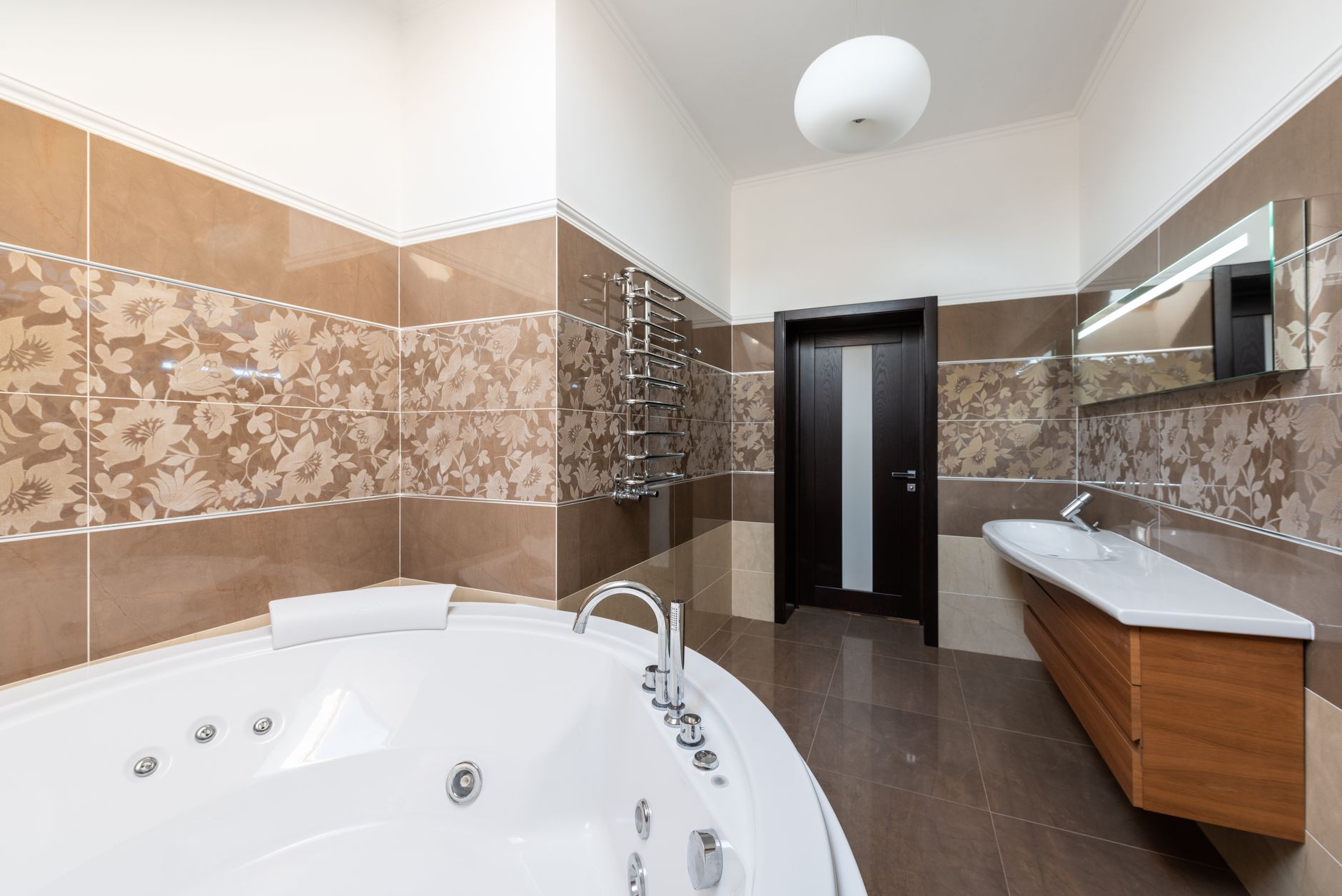
Safe in moderation: is jacuzzi safe during pregnancy? Use up to 30 minutes at 100°F in the second and third trimesters, avoid hot water in the first trimester.
By Shubhra Mishra — a mom of two who turned her own confusion during pregnancy into BumpBites, a global mission to make food choices clear, safe, and stress-free for every expecting mother. 💛
Check whether any food is safe during pregnancy with the BumpBites Food Safety Checker.
Quick verdict: ⚠️ Talk to your doctor first. A Jacuzzi can be used during pregnancy if you keep the water temperature below 100 °F (38 °C) and limit sessions to 15 minutes, but certain conditions like hypertension or a history of miscarriage warrant extra caution.
It’s 2 a.m., the bathroom light is on, and you’ve just realized you’ve been soaking in the Jacuzzi for a while. “Is Jacuzzi safe during pregnancy?” you wonder, heart racing. You’re not alone—many expecting parents have that midnight moment of doubt, especially when they’ve already stepped into the warm bubbles. The short answer is that a Jacuzzi can be safe, but only when you follow specific temperature and time limits and consider any existing health concerns.
In this article we’ll break down the safety verdict for Jacuzzi use, walk you through trimester‑specific guidance, explain the ideal temperature and duration, flag potential risks like overheating or blood‑pressure spikes, and suggest gentler ways to relax. We’ll also compare popular hot‑water options, debunk common myths, and give you a quick‑reference cheat sheet so you can stop worrying and enjoy a soothing soak with confidence.
We know how easy it is to feel a knot of anxiety when you hear a “hot‑tub” warning in a prenatal class or on a parenting forum. Whether you’ve already taken a dip or you’re planning your first prenatal spa day, the goal here is to give you clear, evidence‑based answers—plus practical tips you can start using tonight.
Trimester / Breastfeeding
Verdict
Notes
1st trimester
⚠️ Caution
Limit to ≤15 min, water ≤100 °F (38 °C); avoid if you have hypertension or prior miscarriage.
2nd trimester
✅ Generally safe
Same temperature and time limits; monitor for dizziness or overheating.
3rd trimester
⚠️ Caution
Shorter sessions (≤10 min) recommended; watch for uterine contractions.
Breastfeeding
✅ Generally safe
Temperature and time limits still apply; ensure water is not too hot for comfort.
What is a Jacuzzi?
Jacuzzis are a type of hot‑water tub that uses jets to circulate warm water, creating a massage‑like effect. The term “Jacuzzi” is often used generically for any hot tub, but it’s also a brand name for a specific line of built‑in spa systems. Most home Jacuzzis can be set anywhere between 90 °F (32 °C) and 104 °F (40 °C). The jets help relieve muscle tension, improve circulation, and provide a relaxing environment—benefits that sound perfect for pregnancy, especially when aches and swelling are common. However, the same heat that feels soothing can also raise core body temperature, affect blood pressure, and, in rare cases, trigger uterine contractions.
Because of these physiological effects, obstetric societies have issued clear guidance on hot‑water exposure during pregnancy. The American College of Obstetricians and Gynecologists (ACOG) advises that pregnant people avoid water hotter than 100 °F (38 °C) and limit immersion to 15 minutes or less, especially in the first trimester when organ formation (organogenesis) is occurring. The UK’s National Health Service (NHS) echoes this recommendation, noting that overheating can increase the risk of neural‑tube defects and miscarriage. The U.S. Food and Drug Administration (FDA) does not regulate Jacuzzi temperature, but it does warn that prolonged exposure to hot tubs can raise core body temperature, which is a known teratogen risk factor. The Centers for Disease Control and Prevention (CDC) also cautions that hot tubs can harbor bacteria like Legionella, which may be more problematic for pregnant people with weakened immunity.
Is it safe to use a Jacuzzi during pregnancy?
The bottom line from major health bodies is that a Jacuzzi is not outright forbidden, but safety hinges on temperature, duration, and individual health status. When the water stays at or below 100 °F (38 °C) and you limit each soak to 15 minutes (or 10 minutes in the third trimester), the risk of raising your core temperature enough to affect fetal development is minimal. Studies that have looked at hot‑tub use in pregnancy generally show no increase in major birth defects when these limits are respected. However, the data are not as robust as for many other prenatal exposures, so obstetricians often advise a cautious approach, especially for people with hypertension, a history of miscarriage, or multiple gestations.
Mechanistically, the concern is two‑fold. First, excessive heat can cause maternal hyperthermia, which in animal models has been linked to neural‑tube defects. Human data suggest that a core temperature above 101 °F (38.5 °C) for more than 30 minutes may increase the odds of such defects, but a short, moderate‑temperature soak typically does not reach that threshold. Second, the vasodilation caused by heat can lead to fluid shifts and blood‑pressure changes, potentially triggering dizziness or, in rare cases, uterine irritability. The CDC’s warning about bacterial contamination adds a third layer—maintaining proper chlorine levels and cleaning the tub regularly reduces infection risk.
Most misconceptions revolve around the idea that any hot water is dangerous. In reality, the key variables are “how hot” and “how long.” A comfortably warm bath (around 98‑100 °F) that lasts under 15 minutes is generally regarded as safe by ACOG and NHS guidelines. If you’re unsure whether your Jacuzzi stays within those limits, a quick check with a waterproof thermometer can give you peace of mind.
Safety by trimester
First trimester (weeks 1–13)
The first trimester is the period of organogenesis, when the baby’s major organs form. Overheating during this window can theoretically increase the risk of neural‑tube defects. ACOG recommends a strict temperature ceiling of 100 °F (38 °C) and a maximum soak time of 15 minutes. If you have a history of miscarriage or hypertension, discuss Jacuzzi use with your provider before stepping in.
Second trimester (weeks 14–27)
Many women find the second trimester the most comfortable for relaxation. The same temperature and time limits still apply, but you may tolerate slightly longer sessions (up to 15 minutes) if you feel well. Keep an eye on your body’s signals—if you start to feel faint or overly warm, exit the tub. The risk of overheating‑related birth defects is lower in this stage, but maintaining safe limits remains important.
Third trimester (weeks 28–40)
In the third trimester, uterine blood flow is already maximized, and you’re more prone to feeling light‑headed. ACOG suggests limiting sessions to 10 minutes and still keeping the water at or below 100 °F. Some clinicians advise pregnant people to avoid hot tubs altogether after week 36 because of the potential for triggering premature contractions.
Breastfeeding
While the fetus is no longer present, the same thermal guidelines apply for comfort and safety. Overheating can affect milk supply and maternal well‑being. A short, warm soak (≤15 minutes, ≤100 °F) is generally considered safe for breastfeeding mothers.
Can I use a Jacuzzi if I have Braxton Hicks contractions?
Braxton Hicks are “practice” contractions that many pregnant people feel in the second and third trimesters. Warm water can sometimes ease the discomfort, but it can also accentuate the sensation. If you experience Braxton Hicks, limit the soak to 5‑10 minutes and stay well‑hydrated. If the contractions become painful or regular, exit the tub and contact your provider.
Is a Jacuzzi safe for a twin or multiple pregnancy?
Carrying more than one baby increases cardiovascular demand, so the margin for heat‑related stress is narrower. The same temperature ceiling (≤100 °F) and duration limits (≤10 minutes in the third trimester) apply, but many clinicians recommend a more conservative approach—perhaps 5‑minute sessions—especially if you have any blood‑pressure concerns.
Can I use a Jacuzzi after a C‑section?
After a cesarean delivery, the incision needs time to heal. Most obstetricians advise waiting at least 6 weeks before submerging the incision in any tub, including a Jacuzzi, to reduce infection risk. Once cleared, you can follow the same pregnancy‑safe temperature and time guidelines.
Use a waterproof thermometer and a timer to keep your Jacuzzi session within safe limits.
Temperature control tips for a safe Jacuzzi experience
Even if your Jacuzzi has a built‑in thermostat, it’s wise to double‑check the water temperature with a reliable waterproof thermometer. Temperatures can fluctuate as the water circulates, especially if the room is warm or if you add extra heating elements. Aim for a water temperature of 98‑100 °F (36.5‑38 °C). If the reading is higher, add cool water or let the tub sit for a few minutes before entering.
Set a visible timer on your phone or use a waterproof kitchen timer to remind you when it’s time to get out. Many newer models include an automatic shut‑off feature; if yours doesn’t, a simple kitchen timer can be a lifesaver. Finally, avoid layering additional heat sources—such as heated blankets or heating pads—while you soak, as they can quickly push your core temperature over the safe threshold.
Keeping your Jacuzzi clean for pregnancy safety
Hot water creates an ideal environment for bacteria, especially Legionella, which can cause serious respiratory illness. The CDC recommends maintaining a chlorine level of 1‑3 ppm (parts per million) and a pH between 7.2‑7.8. Test the water weekly with a pool‑test kit, and follow the manufacturer’s cleaning schedule—usually a deep clean every 2‑3 weeks. If the water looks cloudy or has an unusual odor, skip the soak until you’ve refreshed the chemicals.
Pregnant people with compromised immune systems should be especially diligent. Wearing shower shoes can prevent fungal infections, and rinsing off with a quick cool shower after the soak helps remove any residual chemicals that might irritate sensitive skin.
Safe dosage / amount / brands
Because a Jacuzzi isn’t a medication, “dosage” refers to temperature, duration, and frequency. Follow these guidelines:
Temperature: Keep water at ≤100 °F (38 °C). Use a waterproof thermometer to verify.
Duration per session: 10 minutes (third trimester) to 15 minutes (first & second trimesters).
Frequency: No more than 3–4 sessions per week, allowing your body to cool between uses.
Brand considerations: Choose models with precise thermostats, automatic shut‑off timers, and robust filtration systems to reduce bacterial growth.
If you own a Jacuzzi without a built‑in thermostat, purchase an external digital thermometer and a timer. Clean the water regularly according to the manufacturer’s instructions to avoid bacterial buildup, a concern highlighted by the CDC for hot‑tub users.
Side effects and risks
Most side effects are related to overheating or dehydration:
Heat‑related dizziness or fainting: Can lead to falls and injury; exit the tub and sit or lie down immediately.
Elevated heart rate: Normal in warm environments but should not exceed 120 bpm at rest; monitor with a smartwatch if you have concerns.
Uterine contractions: Rare but possible in the third trimester; any cramping should be reported to your provider.
Infection risk: Hot tubs can harbor Legionella bacteria; maintain proper chlorine levels and avoid using the tub if you have a cold or flu.
Blood‑pressure fluctuations: For those with hypertension, hot water can cause sudden drops followed by spikes; monitor before and after soaking.
Most of these issues are preventable with careful temperature control, limited soak times, and good hygiene. If you experience persistent headache, persistent nausea, or any concerning symptom after a soak, contact your obstetric provider.
Safer alternatives
Prenatal yoga class – low‑impact, heat‑free stretch that eases muscle tension.
Warm shower – you can control water temperature precisely and limit exposure to a few minutes.
Maternity massage – professional therapists can target aches without raising core temperature.
Gentle prenatal swimming – cool water provides buoyancy and relaxation without overheating.
Pregnancy support pool – shallow, temperature‑controlled pools allow safe, low‑impact exercise.
Warm foot soak – a small, targeted soak that relieves foot fatigue without affecting overall body temperature.
Heat‑pack therapy – localized heat pads can soothe sore muscles without immersing the whole body.
Prenatal Pilates – focuses on core strength and flexibility without excessive heat.
Related items — safety at a glance
Item
Verdict
One‑line note
Hot tub
⚠️ Caution
Same temperature and time limits as Jacuzzi; watch for overheating.
Spa
⚠️ Caution
Often hotter than 100 °F; ensure temperature control before use.
Steam bath
❌ Best avoided
High humidity and heat can raise core temperature quickly.
Sauna
❌ Best avoided
Temperatures often exceed safe limits for pregnancy.
Bubble bath
✅ Generally safe
Water usually below 100 °F; short soak is fine.
Heated pool
⚠️ Caution
Check pool temperature; keep below 95 °F for safety.
Hydrotherapy tub
✅ Generally safe
Often used in physical therapy with controlled temperature.
Portable spa
⚠️ Caution
May lack precise thermostats; verify temperature before use.
Outdoor hot spring
❌ Best avoided
Natural sources can exceed safe temperatures and have unknown water quality.
Myth vs. fact
Myth: Soaking in a Jacuzzi will always cause a miscarriage.
Fact: Short, moderate‑temperature soaks (≤15 minutes, ≤100 °F) have not been shown to increase miscarriage risk in healthy pregnancies.
Myth: All hot tubs are unsafe for pregnant women.
Fact: When kept at safe temperatures and used for limited periods, hot tubs—including Jacuzzis—can be enjoyed safely by many pregnant people.
Myth: You must avoid any warm water after the first trimester.
Fact: Warm water is permissible throughout pregnancy as long as core temperature stays below 101 °F and sessions are brief.
Myth: Warm water will inevitably lead to dehydration.
Fact: Staying hydrated before, during, and after a Jacuzzi session prevents dehydration; the key is to limit time and monitor fluid loss.
Key takeaways
Keep Jacuzzi water at or below 100 °F (38 °C) and limit each session to 15 minutes (10 minutes in the third trimester).
Monitor for signs of overheating—dizziness, rapid heartbeat, flushed skin—and exit immediately if they appear.
Women with hypertension, a history of miscarriage, or other complications should get provider approval before using a Jacuzzi.
Choose models with precise thermostats and automatic shut‑off timers to help stay within safe limits.
Consider gentler alternatives like prenatal yoga, warm showers, or prenatal swimming for relaxation without heat‑related risks.
Maintain proper chlorine levels and clean your Jacuzzi regularly to reduce bacterial infection risk.
Frequently asked questions
Can pregnant women use a hot tub?
Yes, pregnant women can use a hot tub if the water temperature stays at or below 100 °F (38 °C) and sessions are limited to 15 minutes or less.
What temperature is safe for a pregnant woman in a hot tub?
The safe temperature is 100 °F (38 °C) or cooler; higher temperatures raise core body temperature and may increase risk of birth defects.
How long can a pregnant woman stay in a hot tub?
Most guidelines recommend no more than 15 minutes per session, with a shorter 10‑minute limit in the third trimester.
Is it safe to soak in a Jacuzzi during pregnancy?
It can be safe when you keep the water at ≤100 °F, limit the soak to 15 minutes, and have no contraindicating health conditions.
What are the risks of using a hot tub while pregnant?
Risks include overheating, dehydration, blood‑pressure fluctuations, and rare bacterial infections; monitoring temperature and duration mitigates these.
Are there any benefits to using a hot tub during pregnancy?
Benefits can include muscle relaxation, stress reduction, and improved circulation, provided safety limits are respected.
Can a Jacuzzi cause birth defects?
Only if the water is hot enough to raise your core temperature above 101 °F (38.5 °C) for a prolonged period; staying within recommended limits avoids this risk.
What should I do if I accidentally exceed the safe temperature?
Immediately exit the Jacuzzi, cool down with a lukewarm shower, and drink water. If you feel persistent dizziness, headache, or uterine cramping, contact your obstetric provider right away.
Is it okay to use a Jacuzzi after my first prenatal appointment?
Yes, as long as your provider has not identified any contraindications and you follow the temperature (≤100 °F) and time (≤15 minutes) guidelines.
When to call your doctor
Seek medical attention promptly if you experience any of the following after a Jacuzzi session: persistent dizziness, rapid heartbeat (>120 bpm at rest), severe headache, uterine cramping, fever, or signs of infection such as unusual discharge or fever. Also call your provider if you have pre‑existing hypertension, a history of miscarriage, or any other pregnancy complication and you’re unsure about Jacuzzi use. Remember, this article provides general information and is not a substitute for personalized medical advice.
References
American College of Obstetricians and Gynecologists (ACOG). “Hot Tub Use During Pregnancy.” Practice Bulletin, 2022.
National Health Service (NHS). “Pregnancy and Hot Baths.” Updated 2023.
U.S. Food and Drug Administration (FDA). “Hot Tub Safety.” Consumer Health Information, 2021.
Centers for Disease Control and Prevention (CDC). “Legionella and Hot Tub Use.” 2022.
Mayo Clinic. “Pregnancy: Managing Heat and Overheating.” 2023.
Not sure about the label on Is Jacuzzi Safe During Pregnancy products?
Snap the ingredients list and SafeFilter checks every ingredient for your stage — only 3 free scans this month, then you're locked until reset. Unlimited from $7/mo or $50/yr.
When Shubhra Mishra was expecting her first child in 2016, she was overwhelmed by conflicting food advice — one site said yes, another said never. By the time her second baby arrived in 2019, she realized millions of mothers face the same confusion.
That sparked a five-year journey through clinical nutrition papers, cultural diets, and expert conversations — all leading to BumpBites: a calm, compassionate space where science meets everyday motherhood.
Her long-term vision is to build a global community ensuring safe, supported, and free deliveriesfor every mother — because no woman should face pregnancy alone or uninformed. 🌿
🌍 Stand with mothers, shape safer guidance
Join a small circle of experts who review BumpBites articles so expecting parents everywhere can decide with confidence.