Avoid risks: is infrared sauna safe during pregnancy? Limit sessions to 15‑20 minutes in the second trimester, and never exceed 39°C. Learn safe dosage and alternatives.
By Shubhra Mishra — a mom of two who turned her own confusion during pregnancy into BumpBites, a global mission to make food choices clear, safe, and stress-free for every expecting mother. 💛
Check whether any food is safe during pregnancy with the BumpBites Food Safety Checker.
Quick verdict: ⚠️ Safe with limits – occasional infrared sauna sessions are generally considered okay for most pregnant people, but you should keep the temperature low, limit sessions to 15‑20 minutes, and always listen to your body. If you have any pregnancy complications or a history of overheating, talk to your provider before stepping in.
It’s 2 a.m., the house is quiet, and you’ve just Googled “is infrared sauna safe during pregnancy?” while wondering whether the soothing heat you love will harm your baby. You’re not alone—many expecting parents feel a sudden rush of anxiety after reading about sauna benefits and wondering if they’re a hidden danger. The short answer is that infrared sauna use can be okay in pregnancy when you follow strict temperature and time limits, but it isn’t a blanket “go‑ahead” for every trimester or every health condition.
In this article we’ll break down exactly what an infrared sauna does, what the leading health authorities (including ACOG, NHS, and the FDA) say, how safety changes from the first trimester to breastfeeding, and what temperature, duration, and frequency are considered low‑risk. We’ll also compare infrared saunas to other heat‑based therapies, list safer alternatives, and give you a quick‑reference table for related heat‑exposure products. By the end, you’ll have a clear, evidence‑based answer to “is infrared sauna safe during pregnancy?” and a plan you can discuss with your obstetrician.
We’ll also address common follow‑up questions that pop up after the initial verdict—like “what if I accidentally went a little hotter?” or “can I still use a sauna while nursing?”—so you won’t have to keep scrolling late‑night. Remember, the goal isn’t to scare you; it’s to give you the facts you need to make a confident, safe choice for you and your baby.
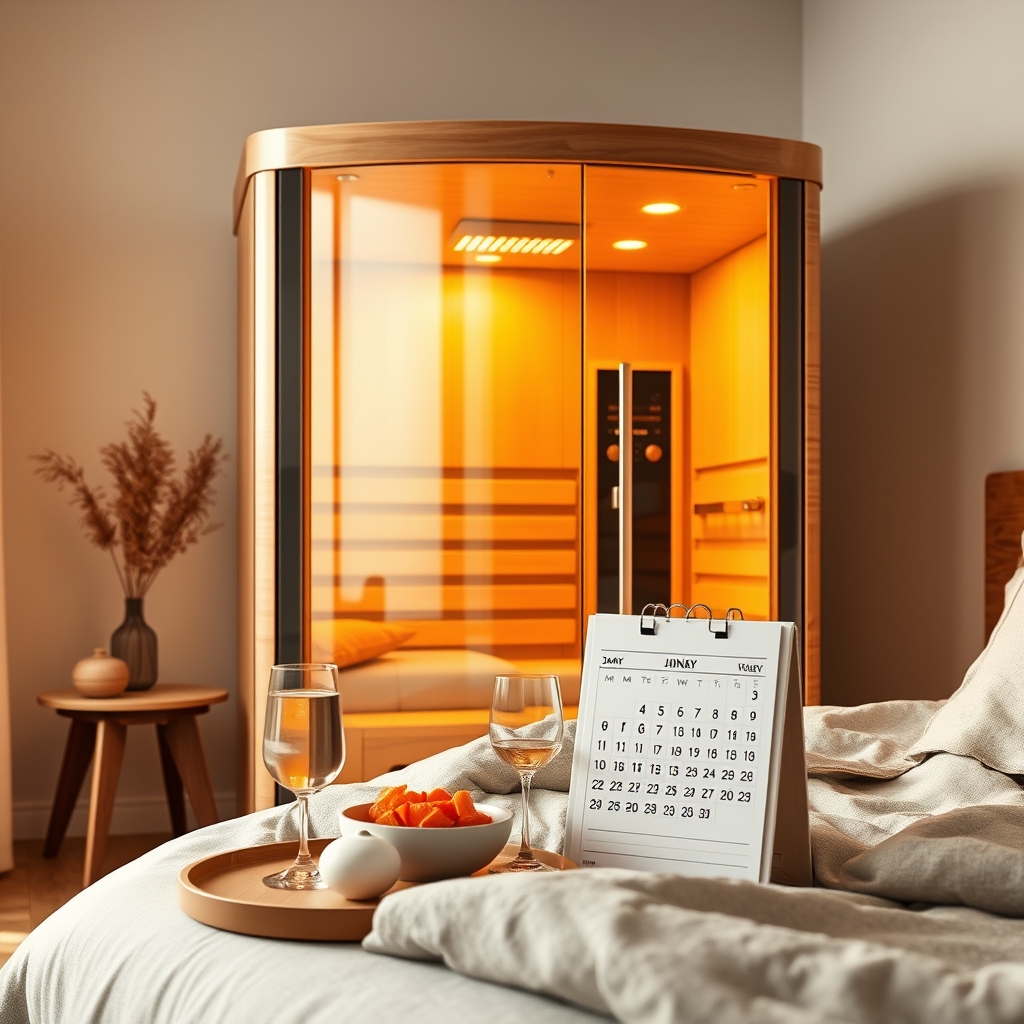
When you’re pregnant, a calm environment and low‑heat options can help you relax without risking overheating.
Stage
Verdict
Notes
First trimester
⚠️ Conditional
Keep temperature ≤ 104 °F (40 °C), limit sessions to ≤ 15 minutes, avoid if you have fever, bleeding, or a history of miscarriage.
Second trimester
⚠️ Conditional
Same temperature limit, can extend to 20 minutes if you feel comfortable; stay well‑hydrated.
Third trimester
⚠️ Conditional
Maintain ≤ 104 °F, limit to 15 minutes, stop if you feel dizziness or uterine contractions.
Breastfeeding
✅ Generally safe
Low‑heat sessions (≤ 104 °F) for up to 20 minutes are fine; monitor milk supply and hydration.
What is an infrared sauna?
Infrared saunas use far‑infrared (FIR) light‑emitting panels to heat the body directly, rather than heating the air around you like traditional Finnish or steam saunas. The infrared wavelengths (typically 5‑15 µm) penetrate the skin up to 1–2 cm, raising core temperature without making the surrounding air scorching hot. Most home units run on electricity and can be installed in a bathroom or dedicated wellness room. Users often seek the “deep‑tissue” warmth for muscle relaxation, improved circulation, and a gentle sweat that feels less intense than a conventional sauna.
Because the ambient temperature is usually between 100‑130 °F (38‑54 °C), many people mistakenly assume infrared saunas are “cooler” and therefore safer for everyone—including pregnant people. The heat still raises core body temperature, which can trigger physiological changes such as increased heart rate, vasodilation, and sweating. Understanding how these changes intersect with pregnancy physiology is key to deciding whether an infrared sauna fits into your prenatal self‑care routine.
Modern infrared models often come with digital controls, timers, and even built‑in heart‑rate monitors, which can be helpful tools for pregnant users who need to stay within safe limits. Some units also offer “low‑heat” presets specifically marketed for relaxation or recovery, making it easier to stay under the 104 °F guideline.
Is infrared sauna safe during pregnancy?
C
urrent guidance from major health bodies is cautious but not prohibitive. The American College of Obstetricians and Gynecologists (ACOG) advises pregnant people to avoid environments that cause core body temperatures to rise above 102.2 °F (39 °C) because hyperthermia in early pregnancy has been linked to neural tube defects in animal studies and a small increase in miscarriage risk in humans. The UK’s National Health Service (NHS) echoes this, recommending that pregnant women limit exposure to hot tubs, saunas, and other heat sources that raise body temperature.
Infrared saunas, when set to a low temperature (≤ 104 °F/40 °C) and used for short periods (≤ 15‑20 minutes), typically keep core temperature below the ACOG threshold. A small number of observational studies on pregnant athletes and women using “warm water therapy” suggest that mild, controlled heat exposure does not increase adverse outcomes, but the evidence is limited and mostly indirect. The FDA does not specifically regulate sauna devices, but it does warn that any heat therapy that causes excessive sweating or overheating should be used with caution during pregnancy.
Overall, the consensus is that an infrared sauna can be used safely in pregnancy *if* you stay within the temperature and time limits, stay well‑hydrated, and have no pregnancy complications that make overheating risky (such as hypertension, preeclampsia, or a history of miscarriage). Always discuss your personal health profile with your obstetrician before beginning any regular sauna routine.
It’s also worth noting that the research landscape is still evolving. While no large randomized trials have specifically examined infrared sauna use in pregnant populations, the existing data from broader heat‑exposure studies provide a reasonable safety net when the recommended limits are respected.
Is it safe to use an infrared sauna during the first trimester?
The first trimester is the period of organogenesis, when the embryo’s major organs are forming. Because the fetus is especially vulnerable to temperature spikes, ACOG recommends stricter heat controls during this window. If you choose to use an infrared sauna in the first trimester, keep the temperature at or below 104 °F (40 °C) and limit the session to 15 minutes or less. Monitor your body for any signs of overheating—such as flushed skin, rapid heartbeat, or dizziness—and stop immediately if they appear.
Women who have experienced early pregnancy bleeding, recurrent miscarriage, or a history of fever should avoid infrared saunas entirely until after the first trimester, unless a provider explicitly approves it. The risk is not that the sauna will cause a birth defect directly, but that sustained hyperthermia can interfere with proper neural tube closure, a concern most pronounced in weeks 3‑8 of gestation.
For those who suffer from severe morning sickness, a brief, warm infrared session may actually provide comfort by relaxing tense muscles and improving circulation. However, the benefit must be weighed against the potential for raising core temperature, so many clinicians suggest a lukewarm bath as a safer first‑trimester alternative.
How long can a pregnant woman stay in an infrared sauna?
For most pregnant people, the safest session length is 15‑20 minutes. This duration allows the gentle warmth to promote relaxation without driving core temperature too high. If you’re in the second trimester and feel comfortable, you may extend to 20 minutes, but you should never exceed 25 minutes, especially if the sauna is set near the upper safe temperature limit. Always start with a shorter trial (5‑10 minutes) to see how your body reacts.
Hydration is crucial. Drink at least 250‑300 ml (8‑10 oz) of water before entering, and have more on hand to sip during the session. After exiting, cool down gradually with a lukewarm shower and continue to hydrate. If you notice any uterine cramping, feeling faint, or excessive sweating, exit the sauna immediately and rest in a cool environment.
Some practitioners recommend a “cool‑down” period of 5 minutes after the sauna, where you sit in a well‑ventilated room and sip water. This step helps stabilize heart rate and prevents a sudden drop in blood pressure that can sometimes follow heat exposure.
What temperature is safe for an infrared sauna while pregnant?
Evidence from ACOG and NHS guidelines points to a core body temperature ceiling of 102.2 °F (39 °C). Because infrared saunas heat the body directly, the ambient temperature can be slightly higher while still keeping core temperature safe. Most experts recommend setting the sauna panel to no more than 104 °F (40 °C). Many consumer models allow precise temperature control, so you can dial it in and verify with an external thermometer if you’re unsure.
Temperatures above 108 °F (42 °C) are generally discouraged for any pregnant person, as they increase the risk of hyperthermia, dehydration, and cardiovascular strain. If you have a fever (temperature ≥ 100.4 °F/38 °C) from an infection, avoid the sauna entirely until the fever resolves.
Because individual tolerance varies, some clinicians advise using a skin‑temperature probe or a wearable core‑temp monitor during the first few sessions to ensure you stay comfortably below the threshold.
Are there safer sauna alternatives for pregnant women?
Warm bath (lukewarm water): Soaking in water around 98‑100 °F (37‑38 °C) provides gentle relaxation without raising core temperature dramatically.
Prenatal yoga classes: Guided stretches and breathing promote circulation and stress relief without heat exposure.
Moderate walking outdoors: Fresh air and light cardio improve mood and circulation safely.
Guided meditation for pregnancy: Mental relaxation techniques reduce stress hormones without any physical heat.
Low‑heat heated blanket: Use a setting that stays below 100 °F (38 °C) for a cozy, non‑overheating warmth.
Gentle steam shower (low temperature): A brief, low‑temp steam can be soothing while staying below the hyperthermia threshold.
Hydrotherapy pool at comfortable temperature: Warm water (around 92‑96 °F/33‑35 °C) offers muscle relaxation without the intense heat of a sauna.
Do specific infrared sauna brands have pregnancy safety guidelines?
Some manufacturers include pregnancy warnings in their user manuals, especially those that market high‑intensity far‑infrared panels. Brands such as Sunlighten, Clearlight, and Health Mate often advise users to keep sessions under 30 minutes and to avoid temperatures above 130 °F (54 °C). However, most do not provide pregnancy‑specific dosing because the scientific data are limited.
If you already own a particular infrared sauna, check the product’s safety section for any mention of “pregnant,” “heat‑sensitive,” or “medical conditions.” Look for certifications like UL or CE, which indicate electrical safety but not physiological safety. When in doubt, contact the manufacturer’s customer service for their official stance, and always cross‑reference with ACOG or NHS recommendations.
What are the risks of infrared sauna use for pregnant women?
Potential risks stem primarily from overheating and dehydration:
Hyperthermia: Core temperatures above 102.2 °F (39 °C) can increase the risk of neural tube defects and early miscarriage.
Cardiovascular strain: Heat causes vasodilation and a rise in heart rate, which may be uncomfortable for those with hypertension or preeclampsia.
Uterine contractions: In rare cases, overheating can trigger premature contractions, especially in the third trimester.
Most of these risks are mitigated by limiting temperature, duration, and ensuring adequate fluid intake. The key is to listen to your body—if you feel light‑headed, nauseous, or experience any cramping, exit the sauna right away.
Can infrared sauna use affect pregnancy complications like hypertension?
Women with chronic hypertension or a history of preeclampsia should be especially cautious. Heat exposure can exacerbate blood pressure fluctuations, and the vasodilatory effect of infrared heat may cause a sudden drop in blood pressure, leading to dizziness. ACOG advises that pregnant patients with hypertension avoid prolonged heat exposure unless a provider explicitly clears them. If you have a controlled blood pressure reading and your obstetrician approves, a short, low‑temperature session may be permissible, but close monitoring is essential.
Some clinicians suggest measuring blood pressure before and after a sauna session in the second trimester to ensure there’s no abnormal spike or drop. This practice can provide peace of mind and a quantitative way to track safety.
How often should a pregnant woman use an infrared sauna if approved?
For most pregnant people cleared by their provider, a frequency of 1‑2 times per week is reasonable. This cadence offers the relaxation benefits without cumulative heat stress. Space sessions at least 48 hours apart to allow your body to re‑equilibrate temperature and hydration levels. If you notice any lingering fatigue, increased swelling, or changes in fetal movement, reduce frequency or pause use until you discuss it with your clinician.
Post‑partum women who are breastfeeding often find that a gentle infrared session can aid muscle recovery after childbirth, but they should still adhere to the ≤ 104 °F limit and keep sessions under 20 minutes.
Pregnancy‑safe relaxation can also come from low‑heat options like prenatal yoga or a warm bath.
Safe dosage / amount / brands
Infrared sauna “dosage” is measured by temperature, duration, and frequency. Below is a concise guide:
Parameter
Recommended limit during pregnancy
Explanation
Temperature
≤ 104 °F (40 °C)
Keeps core body temperature below ACOG’s hyperthermia threshold.
Allows adequate cooling and hydration between sessions.
Hydration
250‑300 ml water before, + 150‑200 ml during
Prevents dehydration and supports placental blood flow.
Brands with clear guidelines
Sunlighten, Clearlight, Health Mate
These manufacturers provide user manuals that mention pregnancy cautions and temperature limits.
If you own a portable infrared sauna tent, treat it the same way—verify the temperature setting and ensure the tent’s ventilation is adequate. Infrared sauna blankets, while convenient, often run hotter; choose models that allow you to set a maximum temperature of 104 °F and keep sessions under 15 minutes.
Side effects and risks
Most side effects are mild and reversible:
Light‑headedness or dizziness: Often due to a temporary drop in blood pressure; sit down, hydrate, and cool off.
Excessive sweating: Can lead to mild dehydration; replace lost fluids with water or electrolyte drinks.
Skin redness: Normal vasodilation; persists for a few minutes after exiting.
More serious warning signs that require immediate medical attention include:
Fever‑like temperature (≥ 100.4 °F/38 °C) that does not subside after cooling.
Persistent uterine cramping or contractions.
Sudden swelling of hands, feet, or face (possible preeclampsia sign).
Decreased fetal movement after a session.
If any of these occur, stop the sauna, cool down, and call your obstetric provider right away.
Safer alternatives
Warm bath (lukewarm water): Provides soothing heat without raising core temperature above safe levels.
Prenatal yoga classes: Gentle stretching and breathing improve circulation and reduce stress.
Moderate walking outdoors: Fresh air and light cardio promote well‑being without heat stress.
Guided meditation for pregnancy: Mental relaxation can lower cortisol without any physical heat.
Low‑heat heated blanket: Keeps you cozy while staying well below hyperthermia thresholds.
Gentle steam shower (low temperature): A brief, low‑temp steam can be soothing and safe.
Hydrotherapy pool at comfortable temperature: Warm water therapy relaxes muscles without excessive heat.
Related items — safety at a glance
Item
Verdict
One‑line note
Traditional Finnish sauna
⚠️ Conditional
Often exceeds 150 °F; limit temperature to ≤ 104 °F and duration to ≤ 15 minutes.
Steam sauna
⚠️ Conditional
High humidity can increase perceived heat; keep session short and temperature low.
Far infrared sauna
⚠️ Conditional
Same guidelines as infrared sauna; low‑temperature settings are key.
Portable infrared sauna tent
⚠️ Conditional
Ensure adequate ventilation and monitor temperature closely.
Infrared sauna blanket
⚠️ Conditional
Often runs hotter; set maximum to 104 °F and limit to 15 minutes.
Dry sauna
⚠️ Conditional
Dry heat can feel less intense but still raises core temperature; follow same limits.
Hot tub
⚠️ Conditional
Water temperature above 100 °F can quickly raise core temperature; limit exposure.
Myth vs. fact
Myth: Because infrared saunas feel “cooler,” they are completely safe at any temperature.
Fact: Infrared heat still raises core body temperature; pregnant people should keep the ambient temperature ≤ 104 °F and sessions short.
Myth: A quick 5‑minute sauna will never cause overheating.
Fact: Even short exposures can raise core temperature if the setting is too high; always monitor both ambient and personal comfort.
Myth: If a sauna feels comfortable, it’s safe for the baby.
Fact: Comfort is subjective; objective temperature and duration limits are needed to protect fetal development.
Key takeaways
Infrared sauna can be used in pregnancy when temperature stays ≤ 104 °F (40 °C) and sessions are limited to 15‑20 minutes.
First and third trimesters require the shortest sessions (≤ 15 minutes) and strict temperature monitoring.
Hydration before, during, and after each session is essential to prevent dehydration.
Women with hypertension, a history of miscarriage, or fever should avoid infrared saunas unless cleared by a provider.
Safer alternatives—warm baths, prenatal yoga, gentle walking, and low‑heat blankets—provide relaxation without heat‑related risks.
Always discuss your sauna plans with your obstetrician, especially if you have any pregnancy complications.
Frequently asked questions
Can I use an infrared sauna while pregnant?
Yes, you can use an infrared sauna during pregnancy if you keep the temperature at or below 104 °F (40 °C), limit sessions to 15‑20 minutes, stay well‑hydrated, and have no contraindicating health conditions.
What are the benefits of infrared sauna for pregnant women?
When used safely, infrared saunas may help relieve muscle tension, improve circulation, and promote relaxation, which can reduce stress and improve sleep—benefits that are valuable during pregnancy.
How hot is too hot for a pregnant woman in a sauna?
Core body temperatures above 102.2 °F (39 °C) are considered too hot; this generally corresponds to an infrared sauna setting above 104 °F (40 °C) for most users.
Is it safe to have a sauna session during each trimester?
Sauna sessions can be safe in each trimester if you follow trimester‑specific limits: ≤ 15 minutes in the first and third trimesters, up to 20 minutes in the second, and always keep the temperature ≤ 104 °F.
What are the signs of overheating in pregnancy?
Signs include feeling flushed, dizzy, rapid heartbeat, excessive sweating, headache, nausea, or uterine cramping; if any appear, exit the sauna, cool down, and hydrate.
Can infrared sauna affect my baby's development?
When core temperature stays below the hyperthermia threshold, there is no evidence that infrared sauna use harms fetal development; however, sustained overheating can increase risk of neural tube defects.
How long should a sauna session be for a pregnant woman?
Limit each session to 15 minutes in the first and third trimesters and up to 20 minutes in the second trimester, always monitoring how you feel.
Do infrared saunas increase risk of miscarriage?
Current research does not show a direct link between brief, low‑temperature infrared sauna use and miscarriage, but overheating in early pregnancy (core > 102.2 °F) may raise the risk, so caution is advised.
What should I do if I accidentally exceeded the temperature limit?
If you think you exceeded the safe temperature, step out immediately, drink cool water, and sit in a shaded area until you feel normal. Monitor for any signs of overheating (dizziness, rapid heartbeat, uterine cramping) and contact your obstetrician if symptoms persist.
Is infrared sauna safe while breastfeeding?
Yes, low‑heat infrared sauna sessions (≤ 104 °F) for up to 20 minutes are generally considered safe while breastfeeding, but stay hydrated and watch for any changes in milk supply.
When to call your doctor
If you experience any of the following after or during an infrared sauna session, contact your obstetric provider right away: fever ≥ 100.4 °F (38 °C) that doesn’t subside, persistent uterine contractions, sudden swelling of hands/feet/face, decreased fetal movement, or severe dizziness/fainting. These symptoms may signal overheating, dehydration, or a pregnancy complication that needs professional evaluation.
This article provides general information and is not a substitute for personalized medical advice. Always consult your healthcare provider before starting or continuing any heat‑related therapy during pregnancy.
References
American College of Obstetricians and Gynecologists (ACOG). “Thermal Stress and Pregnancy.” Practice Bulletin No. 200, 2022.
National Health Service (NHS). “Saunas and Hot Tubs in Pregnancy.” Updated 2023.
U.S. Food and Drug Administration (FDA). “Consumer Health Information: Saunas and Heat Exposure.” 2021.
Centers for Disease Control and Prevention (CDC). “Pregnancy and Heat Illness.” 2020.
World Health Organization (WHO). “Guidelines on Heat and Health.” 2018.
Sunlighten. “Infrared Sauna Safety Guidelines for Pregnant Users.” Manufacturer’s website, accessed July 2026.
Not sure about the label on Is Infrared Sauna Safe During Pregnancy products?
Snap the ingredients list and SafeFilter checks every ingredient for your stage — only 3 free scans this month, then you're locked until reset. Unlimited from $7/mo or $50/yr.
When Shubhra Mishra was expecting her first child in 2016, she was overwhelmed by conflicting food advice — one site said yes, another said never. By the time her second baby arrived in 2019, she realized millions of mothers face the same confusion.
That sparked a five-year journey through clinical nutrition papers, cultural diets, and expert conversations — all leading to BumpBites: a calm, compassionate space where science meets everyday motherhood.
Her long-term vision is to build a global community ensuring safe, supported, and free deliveriesfor every mother — because no woman should face pregnancy alone or uninformed. 🌿
🌍 Stand with mothers, shape safer guidance
Join a small circle of experts who review BumpBites articles so expecting parents everywhere can decide with confidence.