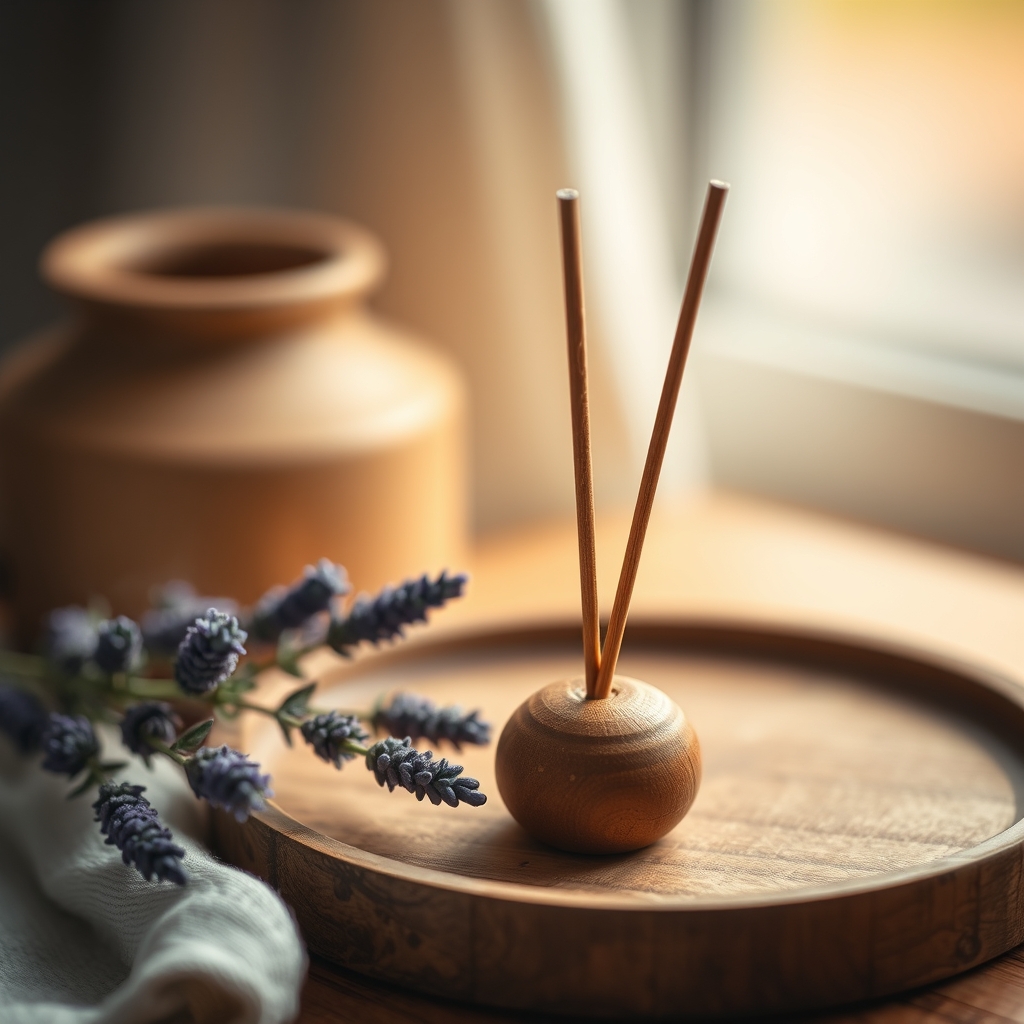
Limit incense during pregnancy. Experts recommend avoiding synthetic types, especially in the first trimester, and using no more than 30 minutes daily in well-ventilated areas.
By Shubhra Mishra — a mom of two who turned her own confusion during pregnancy into BumpBites, a global mission to make food choices clear, safe, and stress-free for every expecting mother. 💛
Check whether any food is safe during pregnancy with the BumpBites Food Safety Checker.
Quick verdict: ⚠️ Safe with limits – occasional, low‑smoke incense is generally considered acceptable, but prolonged or heavy exposure should be avoided, especially in the first trimester.
It’s 2 a.m., the kitchen light is on, and you’re wondering whether the faint curl of incense smoke drifting from the living‑room incense stick is a cause for concern. You’ve probably Googled “is incense safe during pregnancy” more times than you’d like, and now you need a clear, calm answer.
In short, most health authorities say occasional, light incense use is unlikely to harm you or your baby, but the evidence does suggest that heavy or continuous exposure can increase the risk of respiratory irritation and, in some studies, affect fetal development. This article walks you through the verdict, how much is safe, what changes across each trimester, which brands are lower‑risk, and safer scent‑alternatives you can enjoy without the smoke.
We’ll also cover potential side effects, red‑flag symptoms that require a call to your provider, and a quick‑reference table that lets you compare incense with related fragrance products. By the end, you’ll be equipped to decide whether to keep that incense stick burning or switch to a gentler aroma.
Stage
Verdict
Notes
First trimester
⚠️ Safe with limits
Limit to brief, low‑smoke sessions; avoid heavy incense or multiple sticks.
Second trimester
⚠️ Safe with limits
Same guidance; consider ventilation and low‑smoke products.
Third trimester
⚠️ Safe with limits
Maintain good airflow; avoid incense that triggers allergies.
Breastfeeding
⚠️ Safe with limits
Limited exposure is acceptable; keep nursery well‑ventilated.
Incense has been used for centuries in religious ceremonies, meditation, and home fragrance. Typically, a stick, cone, or coil is composed of a combustible base (often bamboo, wood, or a charcoal core) mixed with aromatic oils or natural powders such as sandalwood, frankincense, or jasmine. When lit, the material slowly burns, releasing fragrant smoke that can linger for minutes to hours, depending on the product’s size and composition.
People choose incense for its calming scent, to mask odors, or to create a sense of ritual. Modern “natural” or “organic” incense promises fewer synthetic chemicals, but even plant‑based ingredients produce particulate matter and volatile organic compounds (VOCs) when burned. Understanding what incense actually releases helps you gauge any potential risk to you and your developing baby.
Is incense safe during pregnancy?
Current guidance from major health bodies such as the American College of Obstetricians and Gynecologists (ACOG) and the UK’s National Health Service (NHS) suggests that occasional, low‑smoke incense exposure is not an absolute contraindication in pregnancy. However, both organizations caution that any indoor air pollutant—including incense smoke—should be minimized, especially during the first trimester when organ formation (organogenesis) is most vulnerable.
Studies reviewed by the World Health Organization (WHO) and the U.S. Environmental Protection Agency (EPA) have linked prolonged exposure to incense smoke with higher levels of fine particulate matter (PM2.5) and polycyclic aromatic hydrocarbons (PAHs), both of which are known respiratory irritants. In pregnant women, elevated exposure to these pollutants has been associated with increased odds of low birth weight and preterm birth in some cohort studies, though the evidence is not yet definitive.
Most of the risk comes from the amount and duration of exposure rather than the mere act of burning a single stick. A single, short‑duration incense burn in a well‑ventilated room is generally considered low risk. Conversely, using multiple sticks or coils for several hours a day, especially in a small, poorly ventilated space, raises the potential for respiratory irritation and, theoretically, fetal stress.
In short, the consensus is that incense is not categorically unsafe, but moderation and good ventilation are key. If you have pre‑existing respiratory conditions, asthma, or a history of pregnancy complications, you may wish to avoid incense altogether or opt for non‑smoke alternatives.
Is burning incense safe during the first trimester of pregnancy?
The first trimester (weeks 1‑13) is the period of organogenesis, when the baby’s major organs form. Because this window is especially sensitive to teratogens—substances that can cause birth defects—health authorities advise extra caution with any inhaled pollutants.
ACOG’s Committee Opinion on environmental exposures notes that pregnant women should limit exposure to indoor air pollutants, including incense smoke, during the first trimester. The NHS similarly recommends keeping indoor air “as clean as possible” during early pregnancy.
For most women, burning a single incense stick for a few minutes in a well‑ventilated room does not appear to increase the risk of major birth defects. However, continuous burning, multiple sticks, or use in a small, enclosed area can raise particulate levels, which may irritate the respiratory tract and theoretically affect fetal development. If you’re in the first trimester, consider limiting incense to brief sessions (under 10 minutes) and always open a window or use a fan to disperse the smoke.
How much incense can a pregnant woman use without risk?
There is no official “safe dosage” for incense because exposure depends on several variables: type of incense, size of the stick or cone, ventilation, and the size of the room. In the absence of formal guidelines, experts suggest practical limits based on air‑quality research.
Limit burning to one stick or cone per day, and keep the session under 10 minutes.
Ensure the room is well‑ventilated—open a window or run an exhaust fan.
Avoid using multiple sticks simultaneously or using large incense coils that burn for hours.
If you notice coughing, wheezing, or throat irritation, stop burning immediately and increase airflow.
These limits align with the EPA’s recommendations for indoor air quality, which suggest keeping PM2.5 concentrations below 35 µg/m³ for 24‑hour exposure. While incense alone rarely pushes levels that high in a typical home, cumulative exposure from other sources (cooking, candles, smoking) can add up, so moderation is wise.
What are the risks of incense smoke exposure for pregnant moms?
Incense smoke contains a mixture of particulate matter, carbon monoxide, VOCs, and PAHs. The primary health concerns for pregnant women stem from respiratory irritation and potential systemic effects of inhaled pollutants.
Potential risks include:
Respiratory irritation: Cough, throat soreness, or shortness of breath, especially in those with asthma or allergies.
Increased oxidative stress: PAHs can generate free radicals, which, in high amounts, may affect placental function.
Low birth weight and preterm birth: Some epidemiological studies link high indoor particulate exposure to these outcomes, though incense alone is rarely the sole factor.
Allergic reactions: Fragrance sensitivities can trigger sneezing, watery eyes, or skin irritation.
It’s important to note that most of these risks are dose‑dependent. Light, occasional use in a ventilated space typically does not cause serious problems, but chronic, heavy exposure could contribute to the above issues.
Safer incense alternatives for pregnant women
Lavender essential oil (diffused): Provides a calming scent without smoke; use a low‑output diffuser.
Plant Therapy calming blend (essential oil): A pregnancy‑safe blend that can be diffused or added to a warm bath.
Moso natural soy candles: Burns cleanly with minimal soot; choose fragrance‑free or mild scents.
White sage smudge stick (minimal smoke): If you prefer traditional smudging, use a single stick in a well‑ventilated area and limit burn time.
Organic bamboo charcoal incense (unscented): Produces far less fragrance and smoke; still use sparingly.
Unscented beeswax candles: Offer a gentle glow with virtually no fragrance or smoke.
Herbal tea – ginger: Warm, soothing, and completely smoke‑free; great for nausea in pregnancy.
Which incense brands are considered safest for pregnancy?
When choosing incense, look for brands that advertise “organic,” “non‑synthetic,” and “low‑PM” on their packaging. While no brand can be declared completely risk‑free, some manufacturers prioritize cleaner combustion.
Brand
Verdict
One‑line note
Satya Sai (organic bamboo)
⚠️ Safe with limits
Unscented bamboo core reduces VOCs; still smoke, so limit use.
Shoyeido (Japanese sandalwood)
⚠️ Safe with limits
Natural ingredients, but still produces particulate matter.
Himalayan (herbal blend)
⚠️ Safe with limits
Uses dried herbs; smoke is light but can trigger allergies.
Pure Aroma (synthetic fragrance)
❌ Best avoided
Contains synthetic chemicals that may increase toxicity.
Incense Art (soy‑based coil)
⚠️ Safe with limits
Soy base burns slower, producing less soot.
Even the “safest” brands should be used sparingly and in well‑ventilated spaces. If you have a history of respiratory issues or are particularly anxious about any exposure, opting for non‑smoke alternatives listed above may give you greater peace of mind.
Can incense trigger pregnancy complications like preterm labor?
There is no direct evidence that incense smoke alone causes preterm labor. However, the same particulate matter that can irritate the lungs may also provoke systemic inflammation, which is a known risk factor for early contractions. A 2015 cohort study published in Environmental Health Perspectives found a modest association between high indoor PM2.5 levels and increased odds of preterm birth. While incense was only one of many indoor sources examined, the findings suggest that minimizing any source of indoor particulate exposure—including incense—could be prudent for those at risk of preterm labor.
If you have a history of preterm labor, uterine irritability, or have been advised to avoid strenuous activities, it’s wise to limit incense use and prioritize fresh‑air ventilation.
Is incense safe for pregnant women with asthma?
For women with asthma, incense smoke can be a trigger. The American Lung Association notes that smoke, even from “natural” sources, can provoke bronchoconstriction and wheezing. A small study in the Journal of Asthma reported that participants with mild asthma experienced a measurable drop in peak expiratory flow after a 15‑minute incense session.
Therefore, if you have asthma—especially if it’s not well‑controlled—avoid burning incense or use a high‑efficiency particulate air (HEPA) filter in the room while the incense is burning. Opting for essential‑oil diffusers or unscented candles is a safer way to enjoy fragrance without aggravating your airways.
Does incense affect fetal development?
Direct studies on fetal development and incense are limited, but research on prenatal exposure to indoor air pollutants provides useful clues. A 2018 systematic review by the WHO highlighted that high levels of PAHs and fine particulates can cross the placental barrier, potentially affecting fetal growth and neurodevelopment. While occasional incense use in a ventilated space is unlikely to reach harmful concentrations, chronic, heavy exposure could theoretically contribute to subtle developmental effects.
Overall, the safest approach is to keep incense exposure low and intermittent, especially during the first and second trimesters when organ formation and brain development are most rapid.
Limit incense to short sessions and keep the room ventilated to reduce smoke buildup.
Safety by trimester
First trimester
During weeks 1‑13, organogenesis makes the fetus most vulnerable to teratogenic agents. While incense is not classified as a teratogen, the smoke’s particulate matter can irritate the respiratory tract and, in theory, increase systemic inflammation. The safest practice is to keep incense use to a single, brief (under 10 minutes) burn in a well‑ventilated space. If you notice any respiratory irritation, stop immediately and open windows.
Second trimester
From weeks 14‑27, the baby’s organs are largely formed, and the focus shifts to growth. Respiratory irritation remains a concern, but the risk of major malformations diminishes. You may continue occasional incense use under the same limits—one short‑duration stick per day, good airflow, and avoidance of strong fragrances that could provoke allergies.
Third trimester
Weeks 28‑40 involve rapid fetal weight gain and preparation for birth. While the placenta acts as a barrier, high levels of indoor pollutants can still affect maternal health, which indirectly influences labor. Maintain the same conservative approach: brief, low‑smoke sessions, and always ensure fresh air circulation. If you experience any signs of preterm labor (regular contractions, pelvic pressure), discontinue incense use.
Breastfeeding
After delivery, the infant’s exposure shifts to the home environment. Although the infant’s lungs are still developing, the risk from occasional incense smoke is low if the room is ventilated. Nonetheless, many lactating parents choose to avoid incense entirely to keep the nursery air as clean as possible.
Safe dosage / amount / brands
Because incense does not have a standardized “dose,” safety depends on exposure time and ventilation. Below is a practical guide:
Parameter
Recommendation
Why it matters
Number of sticks per day
≤ 1
Limits particulate buildup.
Burn time per session
≤ 10 minutes
Reduces cumulative smoke exposure.
Room size
≥ 150 sq ft with ventilation
Ensures smoke disperses.
Preferred brands
Satya Sai, Shoyeido, Incense Art (organic or soy‑based)
Lower synthetic additives and cleaner combustion.
Brands to avoid
Pure Aroma (synthetic fragrance), any “cheap” charcoal sticks with added chemicals
Higher VOC and PAH content.
If you already own a brand not listed here, check the ingredient list for synthetic fragrances, added chemicals, or excessive charcoal. Opt for products that state “natural,” “organic,” or “soy‑based” and that have minimal added dyes.
Side effects and risks
Most pregnant women who use incense occasionally report only mild, transient symptoms. Common, non‑dangerous side effects include:
Transient coughing or throat tickle.
Eye irritation or watery eyes.
Headache from strong fragrances.
More concerning signs—especially if they persist—should prompt a call to your provider:
Shortness of breath, wheezing, or asthma flare‑up.
Persistent cough lasting more than a week.
Chest tightness or pain.
Unexplained vaginal bleeding or cramping after prolonged exposure.
These symptoms could indicate that the smoke is irritating your respiratory system or, in rare cases, affecting uterine activity. Prompt medical evaluation is advisable.
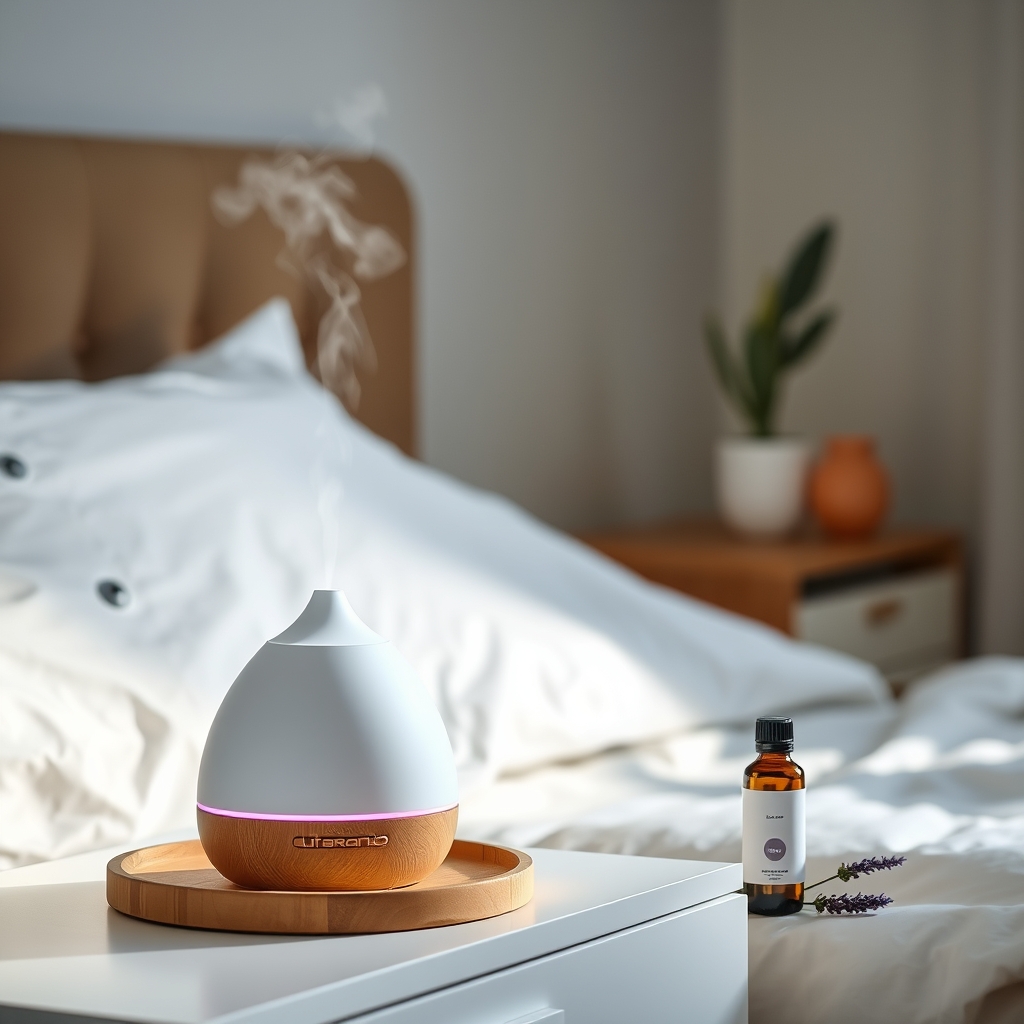
Ultrasonic diffusers provide fragrance without smoke, a good pregnancy‑friendly alternative.
Safer alternatives
Lavender essential oil (diffused) – soothing aroma without smoke.
Myth: All natural incense is completely safe for pregnancy.
Fact: “Natural” refers to the source of the fragrance, not the safety of the smoke. Even plant‑based incense releases particulate matter that can irritate the lungs.
Myth: Incense only affects the person burning it, not the baby.
Fact: Inhaled pollutants cross the maternal bloodstream and can reach the placenta; while occasional low exposure is unlikely to cause harm, chronic exposure may affect fetal growth.
Myth: If you don’t smell anything, the incense is harmless.
Fact: Many harmful particles are odorless; you can’t rely on scent alone to gauge safety.
Key takeaways
Occasional, brief incense use (≤ 1 stick, ≤ 10 minutes) in a ventilated room is generally considered safe.
First trimester requires extra caution; keep exposure minimal.
Women with asthma, allergies, or a history of preterm labor should avoid incense or choose non‑smoke alternatives.
Prefer organic, soy‑based, or low‑smoke brands such as Satya Sai or Shoyeido, and avoid synthetic‑fragrance products.
Watch for respiratory irritation, persistent cough, or any signs of preterm labor; call your provider if they occur.
Non‑smoke options—essential‑oil diffusers, soy candles, or herbal tea—provide fragrance without the risks of smoke.
Frequently asked questions
Can I burn incense while pregnant?
Yes, you can burn incense while pregnant, but limit it to one stick or cone per day, keep the burn time under 10 minutes, and ensure the room is well‑ventilated.
What are the dangers of incense smoke during pregnancy?
Incense smoke contains particulate matter, PAHs, and VOCs that can irritate the respiratory tract, potentially increase oxidative stress, and, in high amounts, have been linked to low birth weight or preterm birth.
Is it safe to use incense in the third trimester?
Incense use in the third trimester is considered safe with the same limits—brief, low‑smoke sessions in a ventilated space—though you should still avoid any exposure that triggers respiratory symptoms.
How many incense sticks can I burn per day when pregnant?
Stick to no more than one incense stick (or cone) per day, and keep each burning session under 10 minutes to stay within low‑risk exposure levels.
Do natural incense sticks pose any risk to my baby?
Even natural incense releases smoke that contains fine particles and PAHs; while occasional use is low risk, chronic or heavy exposure can still pose a potential threat.
Can incense trigger allergies during pregnancy?
Yes, incense fragrances—natural or synthetic—can provoke allergic reactions such as sneezing, watery eyes, or skin irritation, especially in those prone to sensitivities.
Are there any pregnancy‑safe incense brands?
Brands like Satya Sai (organic bamboo), Shoyeido (Japanese sandalwood), and Incense Art (soy‑based coil) are considered safer when used sparingly, but no brand is completely risk‑free.
When to call your doctor
If you experience any of the following after burning incense, contact your obstetric provider promptly:
Persistent coughing or wheezing lasting more than 24 hours.
Shortness of breath, chest tightness, or new asthma symptoms.
Unexplained vaginal bleeding, cramping, or signs of preterm labor.
Severe headache, dizziness, or feeling faint.
Allergic reactions that do not resolve with removal from the area.
These symptoms may indicate that the smoke is affecting your respiratory system or triggering uterine activity. Remember, this article provides general information and is not a substitute for personalized medical advice. Always discuss any concerns with your own healthcare provider.
References
American College of Obstetricians and Gynecologists. Committee Opinion No. 711: Environmental Exposures in Pregnancy. ACOG, 2020.
National Health Service (NHS). “Indoor air quality and pregnancy.” NHS, 2021.
U.S. Environmental Protection Agency (EPA). “Guidelines for Indoor Air Quality.” EPA, 2022.
World Health Organization. “Household Air Pollution and Health.” WHO, 2018.
Centers for Disease Control and Prevention (CDC). “Air Pollution and Birth Outcomes.” CDC, 2020.
Environmental Health Perspectives. “Prenatal Exposure to Fine Particulate Matter and Birth Outcomes.” 2015.
Journal of Asthma. “Acute Effects of Incense Smoke on Pulmonary Function in Asthmatic Adults.” 2017.
International Journal of Environmental Research and Public Health. “Maternal Exposure to Indoor Air Pollutants and Fetal Development.” 2019.
Not sure about the label on Is Incense Safe During Pregnancy products?
Snap the ingredients list and SafeFilter checks every ingredient for your stage — only 3 free scans this month, then you're locked until reset. Unlimited from $7/mo or $50/yr.
When Shubhra Mishra was expecting her first child in 2016, she was overwhelmed by conflicting food advice — one site said yes, another said never. By the time her second baby arrived in 2019, she realized millions of mothers face the same confusion.
That sparked a five-year journey through clinical nutrition papers, cultural diets, and expert conversations — all leading to BumpBites: a calm, compassionate space where science meets everyday motherhood.
Her long-term vision is to build a global community ensuring safe, supported, and free deliveriesfor every mother — because no woman should face pregnancy alone or uninformed. 🌿
🌍 Stand with mothers, shape safer guidance
Join a small circle of experts who review BumpBites articles so expecting parents everywhere can decide with confidence.