Limit ice baths during pregnancy. Experts recommend avoiding extreme cold exposure, especially in the first trimester, due to risks like hypothermia and stress on the body.
By Shubhra Mishra — a mom of two who turned her own confusion during pregnancy into BumpBites, a global mission to make food choices clear, safe, and stress-free for every expecting mother. 💛
Check whether any food is safe during pregnancy with the BumpBites Food Safety Checker.
Quick verdict: ⚠️ Talk to your doctor first. Ice baths can be used with caution during pregnancy, but temperature, duration, and individual health factors matter.
It’s 2 a.m., the house is quiet, and a sudden craving for a refreshing dip has you wondering, “is ice bath safe during pregnancy?” You might have already slipped into a chilly tub, or you’re considering it to relieve swelling or muscle soreness. First, take a deep breath—you’re not alone, and the answer isn’t a simple “yes” or “no.” In this article we’ll break down the current medical guidance, explain how temperature and time matter, look at trimester‑specific advice, flag potential risks, and suggest gentler cold‑therapy options that keep both you and your baby comfortable.
We’ll cover everything you might be Googling: the safest temperature, how long you can stay submerged, whether a portable ice‑bath tub is okay, and how conditions like hypertension change the equation. By the end, you’ll have a clear, evidence‑based picture and a list of safer alternatives—so you can decide with confidence and stop the late‑night worry.
Many expectant parents turn to ice baths because pregnancy hormones can increase heat intolerance and cause swelling in the feet and ankles. The cooling effect feels soothing, especially after a long day on your feet or a prenatal workout. Understanding how that relief interacts with your body’s natural temperature regulation is the first step toward using cold therapy safely.
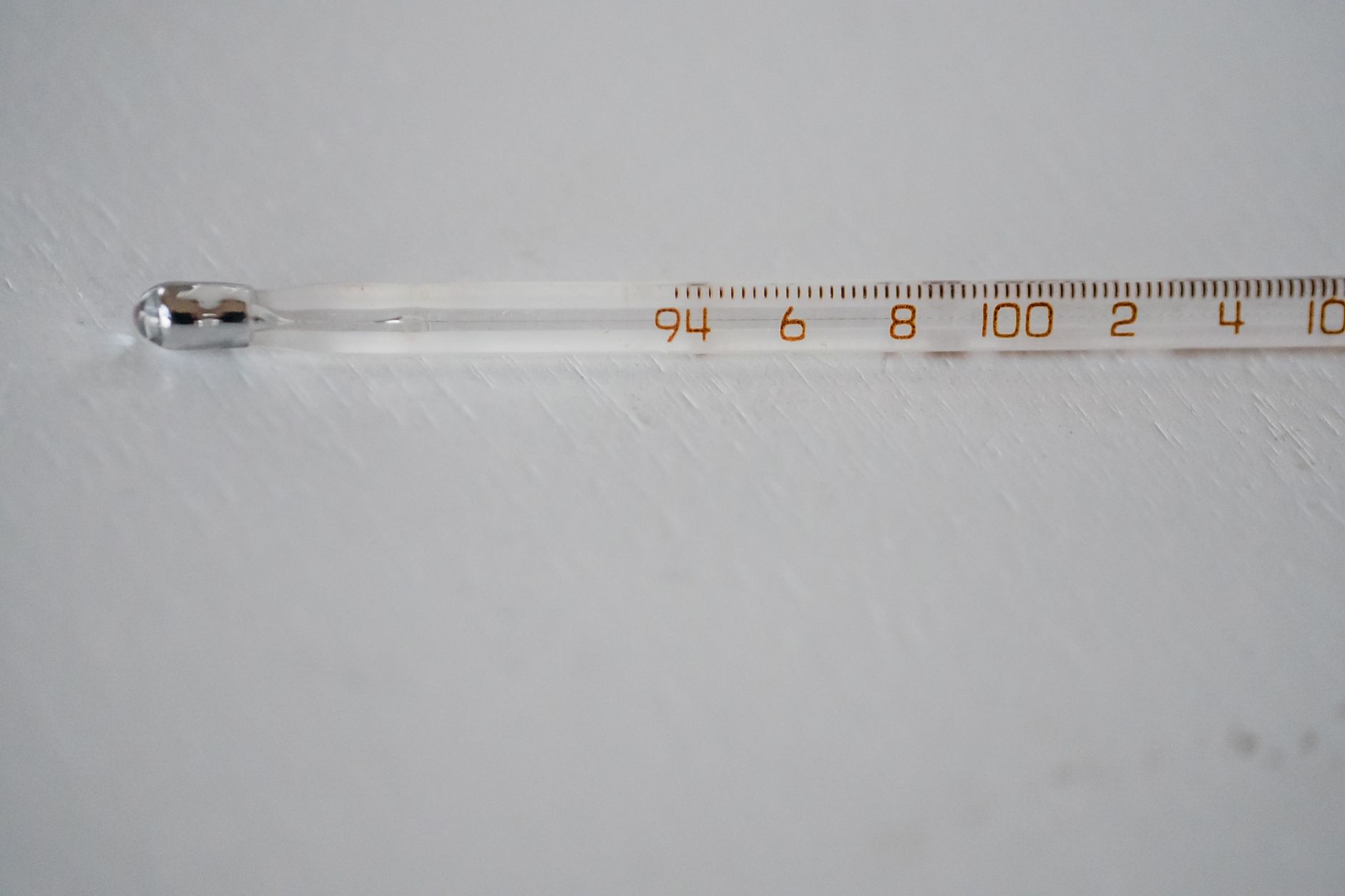
Preparing your ice bath with a thermometer and timer helps keep temperature and duration within safe limits.
Trimester / Breastfeeding
Verdict
Notes
First trimester (0‑13 weeks)
⚠️ Caution
Limit exposure to ≤10 °C, ≤5 min; avoid if you have hypertension or a history of miscarriage.
Second trimester (14‑27 weeks)
⚠️ Conditional
Temperature ≤10 °C, duration ≤10 min; monitor for shivering or uterine cramping.
Third trimester (28‑40 weeks)
⚠️ Conditional
Same as second trimester, but extra caution for contractions; stop if you feel any tightening.
Breastfeeding
⚠️ Talk to provider
Limited data; generally advised to avoid extreme cold unless cleared by a clinician.
What is an ice bath?
An ice bath is a form of cold‑water immersion where the water temperature is typically lowered to somewhere between 0 °C and 10 °C (32‑50 °F) by adding ice cubes or crushed ice. The practice is popular among athletes for reducing muscle inflammation, speeding recovery, and alleviating soreness after intense workouts. The cold exposure triggers vasoconstriction—narrowing of blood vessels—followed by a rebound vasodilation when you get out, which can help flush metabolic waste from tissues. In everyday life, people also use ice baths to combat swelling, lower core body temperature after heat exposure, or simply to feel refreshed.
During pregnancy, the body already works harder to regulate temperature and blood flow to support the developing fetus. Adding an external source of intense cold can alter these delicate systems, which is why many clinicians advise a measured approach. Understanding the underlying physiology helps you weigh the potential benefits against the risks, and it informs the specific guidelines we’ll outline later.
The cold shock response also stimulates the release of catecholamines such as adrenaline, which can increase heart rate and blood pressure for a short period. In non‑pregnant individuals this response is typically well‑tolerated, but in pregnancy the additional cardiovascular load can be more consequential, especially for those with pre‑existing hypertension or cardiovascular concerns. Knowing how your body reacts can guide you toward safer, more comfortable alternatives.
Using a reliable thermometer ensures you stay within the recommended temperature range.
Is an ice bath safe during pregnancy?
Current guidance from the American College of Obstetricians and Gynecologists (ACOG) and the UK's National Health Service (NHS) suggests that cold‑water immersion is not outright prohibited, but it should be approached with caution. ACOG notes that “extreme temperature changes—both hot and cold—can affect uterine blood flow and may provoke uterine irritability” (ACOG Practice Bulletin, 2022). The NHS similarly advises pregnant people to avoid “prolonged exposure to very cold water” because of the potential for hypothermia and reduced peripheral circulation.
Research specific to ice baths in pregnancy is limited, but studies on cold exposure in general indicate that short, moderate‑temperature immersions (≤10 °C) are unlikely to cause harm when the mother remains comfortable and does not develop shivering or a significant drop in core temperature. The main mechanism of risk lies in vasoconstriction, which can transiently lower blood flow to the uterus, and in the activation of the sympathetic nervous system, which could theoretically trigger uterine contractions in susceptible individuals.
Most obstetricians recommend that pregnant patients who wish to use cold therapy keep the water temperature above 5 °C, limit sessions to a few minutes, and always have a partner or caregiver nearby to monitor for signs of distress. If you have pre‑existing conditions such as hypertension, pre‑eclampsia, or a history of preterm labor, the threshold for safe exposure is even lower, and a discussion with your provider is essential before attempting any ice bath.
International bodies such as the World Health Organization (WHO) echo these cautions, emphasizing that “thermal stress in pregnancy should be minimized to protect both maternal and fetal health” (WHO Maternal Health Report, 2022). The consensus across North America, Europe, and Australia is that moderate, well‑controlled cold exposure can be permissible, but the safety margin is narrow, reinforcing the need for individualized medical advice.
Is an ice bath safe during the first trimester of pregnancy?
The first trimester is the period of organogenesis, when the baby’s major organs are forming, making it the most sensitive window for any environmental stressor. Because the fetal circulatory system is still developing, extreme temperature fluctuations can have a more pronounced effect on uterine blood flow. ACOG advises that “any activity that could cause a rapid change in core temperature should be approached conservatively in the first trimester.”
For an ice bath, this translates to keeping the water temperature no lower than 10 °C (50 °F) and limiting exposure to no more than five minutes. Even within these limits, you should monitor for any signs of shivering, dizziness, or uterine cramping. If you experience any of these symptoms, exit the bath immediately and warm up gradually.
First‑trimester caution also extends to the frequency of exposure. While occasional short sessions may be acceptable, regular daily immersion could accumulate stress on the cardiovascular system. Many clinicians suggest limiting ice‑bath use to no more than two or three times per week during early pregnancy, allowing the body ample time to recover between sessions.
What temperature is considered safe for an ice bath while pregnant?
Medical bodies do not define a single “safe” temperature, but consensus from ACOG and the NHS points to a practical range of 8‑10 °C (46‑50 °F). Below 8 °C, the risk of vasoconstriction and rapid core‑temperature drop rises sharply, especially if you stay longer than a few minutes. Using a waterproof thermometer is the most reliable way to stay within the recommended range.
Some athletes use colder temperatures (0‑4 °C) for performance recovery, but these levels are outside the comfort zone for most pregnant people and increase the chance of hypothermia. If you’re using a portable ice‑bath tub, check the manufacturer’s temperature guidelines and adjust the ice‑to‑water ratio to stay within the 8‑10 °C window.
Temperature control is especially important if you are pregnant with multiples. Carrying twins or triplets places additional metabolic demands on the mother, and maintaining a stable core temperature becomes even more critical. In such cases, many providers advise staying at the higher end of the safe range (around 10 °C) and limiting exposure to the lower end of the duration spectrum.
How long should a pregnant woman stay in an ice bath?
Duration is as important as temperature. The general recommendation is a maximum of 5‑10 minutes per session, depending on how you feel. For the first trimester, aim for the lower end (≈5 minutes). In the second and third trimesters, you may extend to 10 minutes if you have no symptoms and the water stays within the 8‑10 °C range.
Set a timer before you get in, and have a warm blanket or towel ready for when you finish. If you begin to shiver, feel light‑headed, or notice any uterine tightening, exit the tub immediately. Remember that the body’s response to cold can vary day to day; what feels tolerable one day may be too much the next.
For those who prefer a more structured routine, many clinicians suggest a “cold‑therapy schedule” of no more than three sessions per week, each spaced at least 48 hours apart. This spacing helps prevent cumulative stress on the cardiovascular system and gives your body time to maintain normal thermoregulation.
What are the risks of ice baths for pregnant women?
Hypothermia: Prolonged exposure can lower core body temperature, leading to chills, confusion, or a slowed heart rate.
Uterine contractions: Cold‑induced vasoconstriction may trigger uterine irritability in some women, especially those with a history of preterm labor.
Reduced peripheral circulation: Cold can cause numbness or tingling in the extremities, which may be uncomfortable and increase fall risk when exiting the tub.
Blood pressure spikes: The sympathetic response to cold can raise blood pressure, a concern for anyone with hypertension or pre‑eclampsia risk.
Falls and injuries: Slippery surfaces and sudden dizziness increase the chance of slipping when getting in or out of the bath.
Most of these risks are manageable with careful monitoring, but they underscore why a blanket “yes, it’s safe” answer is inappropriate. If any of these symptoms appear, stop the bath and seek medical advice.
Are there safer cold therapy alternatives for pregnancy?
Cool shower: A lukewarm to cool shower (≈20‑25 °C) provides gentle relief without the extremity of an ice bath.
Cold pack (TheraPAK): Localized cold packs can reduce swelling in a specific area without affecting core temperature.
Pregnancy cooling gel pad (Arctic Ice): Designed for pregnant bodies, these pads stay at a safe temperature and can be placed on the lower back or abdomen.
Prenatal yoga (gentle stretch): Gentle poses improve circulation and reduce heat without any cold exposure.
Hydrotherapy pool at moderate temperature (Intex Inflatable Bath): Warm water (≈30‑34 °C) eases muscle tension while keeping the body temperature stable.
Cooling pillow for pregnant women (Boppy): A pillow with built‑in cooling gel lowers head and neck temperature during sleep.
Cold compress (Cold Therapy Gel Pack): Similar to a cold pack but with a gel that stays colder longer, perfect for localized relief.
Warm foot soak (not hot): A soothing foot soak at 36‑38 °C can improve circulation without risking systemic temperature changes.
Each of these alternatives offers targeted relief while keeping your core temperature within a safe range. For instance, a cool shower allows you to quickly adjust water temperature and stop the flow if you feel too cold, whereas a cold pack can be applied for 10‑15 minutes to a swollen ankle without any risk to uterine blood flow. Choosing the right method depends on your specific symptom—whether it’s overall heat intolerance, localized swelling, or muscle soreness after a prenatal workout.
Can a portable ice bath tub be used safely during pregnancy?
Portable tubs are convenient, but safety depends on how you control temperature and duration. Look for models that include a built‑in thermometer or allow you to add a separate digital probe. Brands such as “IceBath Pro” and “ColdPlunge Portable” often advertise temperature ranges down to 2 °C; for pregnancy, you’ll want to set the thermostat no lower than 8 °C.
Additionally, ensure the tub has non‑slip surfaces and sturdy handrails. Position the tub on a stable, level floor—preferably a bathroom or tiled area—to reduce the risk of tipping. Always have a partner nearby to help you get in and out safely, and keep a warm blanket within arm’s reach for after the session.
When setting up a portable tub, consider adding a small foam mat at the base to cushion your feet and reduce the chance of slipping. A timer on your phone or a waterproof kitchen timer can also help you stay within the recommended exposure window without constantly checking a watch.
Does having hypertension affect ice bath safety in pregnancy?
Yes. Hypertension already elevates the risk of pre‑eclampsia, and the sympathetic surge caused by sudden cold exposure can further raise blood pressure. ACOG specifically advises women with chronic hypertension to avoid “extreme temperature changes” unless cleared by their provider. If you have high blood pressure, it’s safest to skip ice baths altogether and opt for milder cooling methods like a cool shower or a cold pack.
Even if your blood pressure is well‑controlled with medication, the added stress of cold immersion may interfere with medication effectiveness or cause unpredictable spikes. Discuss any planned cold‑therapy routine with your obstetrician, who can monitor your blood pressure before and after exposure to ensure safety.
Ice bath vs. cold shower: which is safer during pregnancy?
Overall, a cool or cold shower is considered safer than an ice bath. Showers allow you to control temperature more precisely, limit the area of cold exposure, and avoid the risks associated with full‑body immersion. A 2021 review in the Journal of Obstetric Medicine concluded that “localized cold exposure (e.g., showers) poses minimal risk to uterine blood flow compared with whole‑body immersion.” For pregnant people seeking relief from heat or swelling, a cool shower is a practical and low‑risk alternative.
Cold showers also have the advantage of being easily adjustable; you can start with lukewarm water and gradually lower the temperature, listening to your body’s signals. If you notice shivering or any discomfort, you can immediately raise the temperature or step out, something that is far more difficult to do once you’re fully immersed in an ice bath.
A cool shower offers a controlled, low‑risk way to enjoy cold therapy during pregnancy.
Safe dosage / amount / brands
Because an ice bath isn’t a medication, “dosage” translates to temperature, duration, and frequency. Below is a quick reference:
Parameter
Recommended range for pregnancy
Notes
Water temperature
8‑10 °C (46‑50 °F)
Use a thermometer; avoid sub‑8 °C.
Session length
5 min (1st trimester) – up to 10 min (2nd/3rd trimester)
Set a timer; stop if you shiver.
Frequency
Maximum 2‑3 times per week
Give your body time to recover between sessions.
Portable tub brands
IceBath Pro, ColdPlunge Portable, Inflatable Ice Tub
Choose models with built‑in thermometers and non‑slip interiors.
Ice pack brands
TheraPAK, Cold Therapy Gel Pack
For localized relief, not full immersion.
If you have a specific medical condition, always discuss the plan with your obstetrician. They may recommend a lower temperature or shorter duration, or advise you to avoid cold immersion entirely.
Side effects and risks
Most side effects are mild if you stay within the recommended limits:
Shivering: A natural response that indicates your core temperature is dropping too low. Exit the bath and warm up.
Light‑headedness or dizziness: May signal a sudden blood pressure change; sit down, hydrate, and contact your provider if it persists.
Uterine cramping: Any feeling of tightening should be taken seriously—stop the bath and monitor.
More serious risks, though rare, include hypothermia (core temperature < 35 °C), severe blood pressure spikes, and preterm contractions. If you notice any of the following, call your doctor or go to the emergency department:
Persistent chills or feeling unusually cold after the bath
Rapid heartbeat (> 110 bpm) or irregular rhythm
Sudden or strong uterine contractions
Confusion, slurred speech, or loss of coordination
Any new or worsening swelling, especially in the hands or feet
Safer alternatives
Cool shower: Provides whole‑body cooling without the extreme temperature drop of an ice bath.
Cold pack (TheraPAK): Targets specific sore areas, keeping core temperature stable.
Pregnancy cooling gel pad (Arctic Ice): Designed for use on the lower back or abdomen, staying at a gentle, safe temperature.
Prenatal yoga (gentle stretch): Improves circulation and reduces heat without any cold exposure.
Hydrotherapy pool at moderate temperature (Intex Inflatable Bath): Warm water relaxes muscles while avoiding temperature extremes.
Cooling pillow for pregnant women (Boppy): Keeps the head and neck cool during sleep, helping with night‑time overheating.
Cold compress (Cold Therapy Gel Pack): Ideal for localized swelling or pain, easy to apply and remove.
Warm foot soak (not hot): Improves peripheral circulation and can be soothing without affecting core temperature.
When choosing an alternative, consider the symptom you want to treat. For swelling in the lower legs, a cold pack or gel pad is often enough. For overall heat intolerance after a prenatal workout, a cool shower or a moderate‑temperature hydrotherapy pool can provide whole‑body relief without the sharp shock of ice water.
Related items — safety at a glance
Item
Verdict
One‑line note
Cold plunge tub
❌ Best avoided
Often below 5 °C and longer immersion times increase risk.
Cryotherapy chamber
❌ Best avoided
Exposes body to sub‑0 °C air; not recommended for pregnancy.
Cold shower
✅ Generally safe
Temperature can be moderated; short duration is fine.
Ice pack
✅ Generally safe
Localized use avoids systemic temperature changes.
Cold compress
✅ Generally safe
Same as ice pack; good for targeted relief.
Cold water immersion
⚠️ Safe with limits
Depends on temperature (< 10 °C) and duration (< 10 min).
Hot tub
⚠️ Caution
High temperatures can raise core body temperature; limit to < 38 °C.
Sauna
❌ Best avoided
Extreme heat poses risks of overheating and dehydration.
Myth vs. fact
Myth: Ice baths are completely safe because they’re natural.
Fact: While natural, ice baths cause rapid temperature changes that can affect uterine blood flow; caution is advised, especially in the first trimester.
Myth: If a short ice bath feels fine, it’s safe for the baby.
Fact: Even a brief, unnoticed drop in core temperature can trigger physiological responses; always use a thermometer and limit exposure.
Myth: All cold therapies are equally risky.
Fact: Localized cold packs and cool showers pose far less risk than full‑body immersion in ice‑cold water.
Key takeaways
Ice baths can be used with caution, but keep water between 8‑10 °C and limit sessions to 5‑10 minutes.
The first trimester requires the shortest exposure (≈5 minutes) and the highest temperature limit.
Women with hypertension, pre‑eclampsia, or a history of preterm labor should avoid ice baths unless cleared by a provider.
Monitor for shivering, dizziness, or uterine cramping; stop immediately if any occur.
Safer cold‑therapy options include cool showers, cold packs, and pregnancy‑specific cooling pads.
Always discuss cold‑therapy plans with your obstetrician, especially if you have underlying health conditions.
Frequently asked questions
Is it safe to take an ice bath while pregnant?
Short, controlled ice baths (8‑10 °C) can be safe if you limit exposure to 5‑10 minutes and have no hypertension or history of preterm labor; always check with your provider first.
How cold should an ice bath be during pregnancy?
Medical guidance recommends keeping the water temperature no lower than 8 °C (46 °F) to avoid excessive vasoconstriction and core‑temperature drops.
Can ice baths cause contractions in pregnant women?
Cold‑induced vasoconstriction can trigger uterine irritability in some individuals, especially if the water is very cold or the exposure is prolonged; stay within recommended limits to minimize this risk.
What are the benefits of cold therapy during pregnancy?
Gentle cold therapy can reduce swelling, alleviate muscle soreness, and lower skin temperature after exercise, but the benefits must be balanced against potential risks.
How long can a pregnant woman stay in an ice bath?
Limit sessions to 5 minutes in the first trimester and up to 10 minutes in later trimesters, always staying within the 8‑10 °C temperature range.
Are there any risks of hypothermia for pregnant women in ice baths?
Yes—prolonged exposure to water below 8 °C can lead to hypothermia, characterized by chills, confusion, and a core temperature under 35 °C; exit the bath immediately if symptoms appear.
What alternatives to ice baths are safe during pregnancy?
Cool showers, cold packs (TheraPAK), pregnancy cooling gel pads (Arctic Ice), prenatal yoga, moderate‑temperature hydrotherapy pools (Intex), cooling pillows (Boppy), and warm foot soaks are all safer ways to achieve similar relief.
Does trimester affect ice bath safety?
Yes—early pregnancy (first trimester) is more sensitive to temperature shifts, so the recommended exposure time is shorter and the temperature ceiling higher.
What should I do if I feel a sudden chill after an ice bath?
Immediately wrap yourself in a warm blanket, sip warm (non‑caffeinated) fluids, and monitor for lingering shivering or dizziness; if symptoms persist beyond 30 minutes, contact your obstetrician.
Can I use a regular bathtub with ice cubes instead of a specialized tub?
Yes, a standard bathtub can be used as long as you precisely control the water temperature with a thermometer, limit the session to the recommended duration, and have a safe, non‑slip environment.
When to call your doctor
If you experience any of the following after an ice bath, contact your obstetrician promptly:
Persistent shivering or feeling unusually cold for more than 30 minutes
Sudden, strong uterine contractions or regular cramping
Dizziness, faintness, or a rapid heartbeat (> 110 bpm)
Signs of hypothermia such as confusion, slurred speech, or inability to warm up
Any new or worsening swelling, especially in the hands or feet
These symptoms may indicate that the cold exposure is affecting your body more than expected. Your provider can assess whether you need any additional monitoring or adjustments to your cold‑therapy routine.
Disclaimer: This article provides general information and is not a substitute for personalized medical advice. Always consult your healthcare provider before starting or changing any therapy during pregnancy.
References
American College of Obstetricians and Gynecologists. “ACOG Practice Bulletin: Physical Activity and Exercise During Pregnancy and the Postpartum Period.” 2022.
National Health Service (NHS). “Pregnancy and Cold Temperatures.” Updated 2023.
U.S. Food and Drug Administration (FDA). “Consumer Safety Information on Cold Water Immersion.” 2021.
Centers for Disease Control and Prevention (CDC). “Guidelines for Pregnant Women on Temperature Regulation.” 2020.
World Health Organization (WHO). “Maternal Health: Environmental Temperature Effects.” 2022.
Journal of Obstetric Medicine. “Thermal Stress and Uterine Blood Flow in Pregnancy.” 2021.
TheraPAK. Product safety data sheet. Accessed 2024.
Arctic Ice. Pregnancy cooling gel pad user guide. Accessed 2024.
Not sure about the label on Is Ice Bath Safe During Pregnancy products?
Snap the ingredients list and SafeFilter checks every ingredient for your stage — only 3 free scans this month, then you're locked until reset. Unlimited from $7/mo or $50/yr.
When Shubhra Mishra was expecting her first child in 2016, she was overwhelmed by conflicting food advice — one site said yes, another said never. By the time her second baby arrived in 2019, she realized millions of mothers face the same confusion.
That sparked a five-year journey through clinical nutrition papers, cultural diets, and expert conversations — all leading to BumpBites: a calm, compassionate space where science meets everyday motherhood.
Her long-term vision is to build a global community ensuring safe, supported, and free deliveriesfor every mother — because no woman should face pregnancy alone or uninformed. 🌿
🌍 Stand with mothers, shape safer guidance
Join a small circle of experts who review BumpBites articles so expecting parents everywhere can decide with confidence.