Quick verdict: ⚠️ Hydro Flask is generally safe to use during pregnancy if it’s BPA-free, properly maintained, and used for cold water or room-temperature beverages. However, avoid using it for extremely hot liquids (above 160°F/71°C) due to potential material degradation. Always check your specific model’s material and certifications.
It’s 2 a.m., you’re curled under a blanket with a glass of water—except this time, it’s in your trusty Hydro Flask. The one you’ve relied on for years to keep your coffee cold or your tea piping hot. Suddenly, that familiar blue or black bottle feels like a question mark. Is Hydro Flask safe safe during pregnancy? You’ve just found out you’re expecting, and now every sip feels like a risk assessment. Maybe you’ve already taken a few sips of that iced coffee in your Hydro Flask before realizing—now you’re wondering if you should toss it. Take a deep breath. The answer isn’t as scary as it seems.
Hydro Flask is a popular choice for its insulated, leak-proof design, but pregnancy adds layers of consideration: material safety, temperature risks, and even how you clean it. The good news? Most Hydro Flask models are BPA-free and made with food-grade materials, which aligns with pregnancy safety guidelines. But there are nuances—like whether your bottle is still safe after years of use, or if that morning latte you’re sipping at 170°F is actually safe at all. This guide breaks down everything you need to know, from trimester-by-trimester safety to safer alternatives if you’re still unsure.
We’ll start with the bottom line: Hydro Flask is safe for pregnancy if you use it correctly. But we’ll also dive into the details—like why some models might not be ideal, how to spot a safe one, and what to do if you’ve already been using it. By the end, you’ll know exactly what to do with your bottle (and whether to keep it on your nightstand or in the recycling bin).
| Timeframe | Verdict | Notes |
|---|---|---|
| 1st Trimester | ⚠️ Safe with precautions | Use only for cold water, room-temperature drinks, or beverages below 160°F/71°C. Avoid hot liquids to prevent material degradation. |
| 2nd Trimester | ⚠️ Safe with precautions | Same as 1st trimester. Focus on proper cleaning and maintenance to avoid bacterial growth. |
| 3rd Trimester | ⚠️ Safe with precautions | Continue using for cold drinks only. Monitor for wear and tear, especially if the bottle is older. |
| Breastfeeding | ✅ Safe | BPA-free models are safe for breastfeeding moms, provided they’re cleaned properly and used for cold or room-temperature drinks. |
Is Hydro Flask safe for pregnant women?
Yes, Hydro Flask is safe for pregnant women if it’s a **BPA-free model** and you’re using it for **cold water or room-temperature drinks**. Avoid hot liquids above 160°F/71°C to prevent material degradation. Always check your specific model’s materials and certifications. ###Can I drink water from a Hydro Flask while pregnant?
Absolutely! Drinking water from a Hydro Flask is a great way to stay hydrated during pregnancy, as long as you’re using it for **cold or room-temperature water**. Just ensure the bottle is **clean and in good condition** to avoid bacterial growth. ###Does Hydro Flask contain BPA?
No, most Hydro Flask models are BPA-free. However, always check the label or Hydro Flask’s website for your specific model. If it’s not labeled BPA-free, it’s best to avoid it during pregnancy. ###Are there any risks using Hydro Flask during pregnancy?
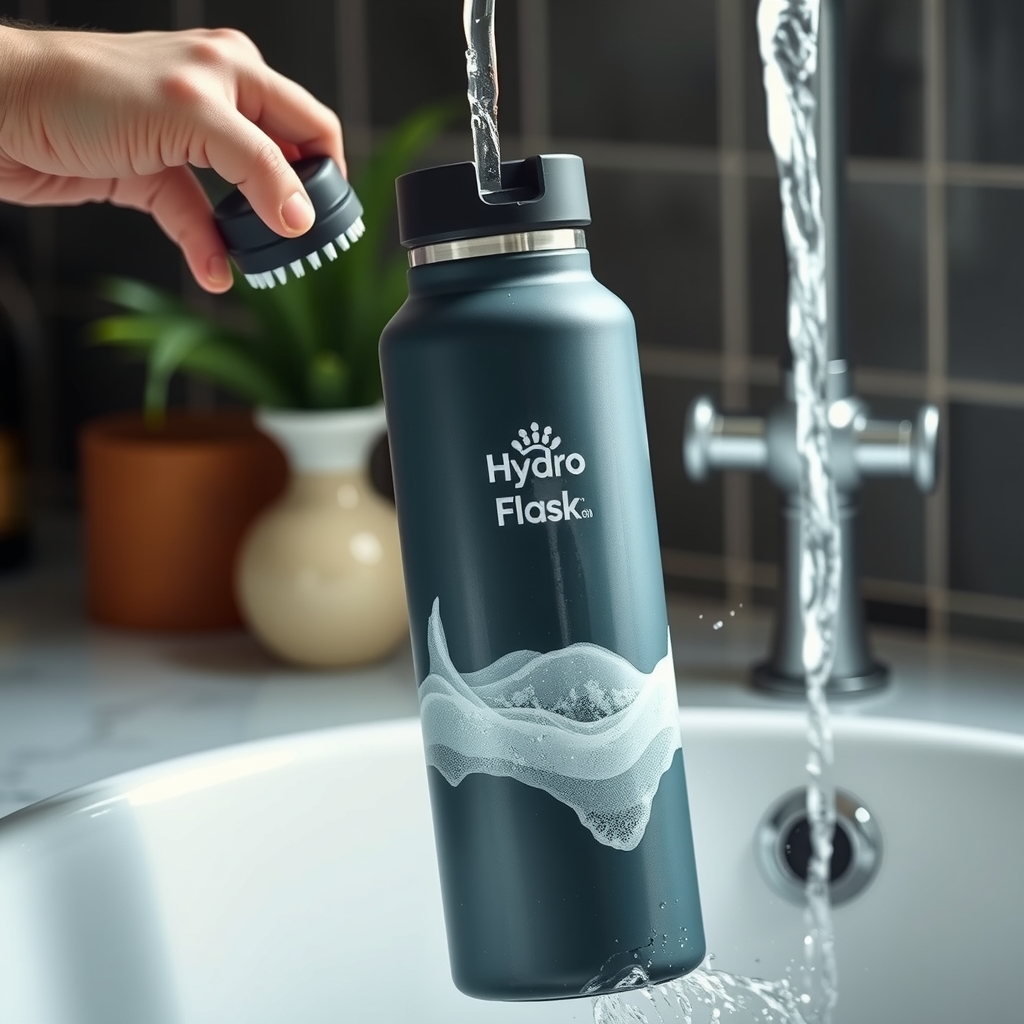
The main risks are chemical leaching from hot liquids and bacterial growth if the bottle isn’t cleaned properly. To minimize risks: - Use it only for **cold or room-temperature drinks**. - **Avoid hot liquids above 160°F/71°C**. - **Clean it thoroughly** after each use. - **Replace it if damaged** (cracks, leaks, or worn seals). ###What is the best water bottle for pregnant women?
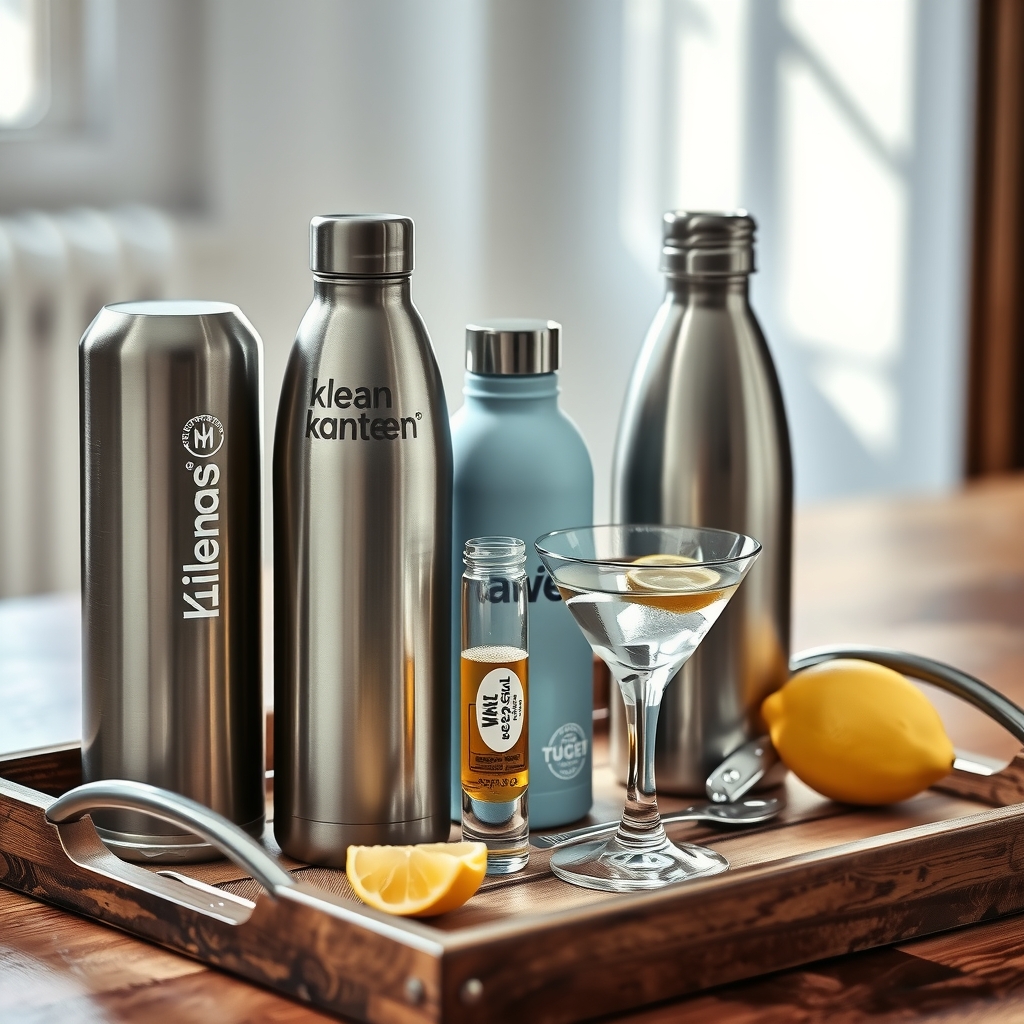
The best water bottles for pregnant women are BPA-free, durable, and easy to clean. Top picks include: - **Klean Kanteen** (100% stainless steel) - **S’well** (BPA-free plastic with triple-layer insulation) - **Takeya** (100% stainless steel) - **Nalgene Tritan** (BPA-free plastic, shatterproof) These options are **safe for hot and cold drinks** and built to last. ###How to keep water cold in a Hydro Flask during pregnancy?
Hydro Flask is excellent for keeping water cold—it can maintain cold temperatures for up to **24 hours**. To maximize coldness: - Fill it with **ice-cold water** before leaving the house. - Keep it in a **cool, shaded area** (like a cooler bag) if you’re out in hot weather. - Avoid leaving it in a **hot car or direct sunlight**, as this can warp the plastic components. ###Is Hydro Flask safe for hot drinks during pregnancy?
Only if the temperature stays below 160°F/71°C. Using Hydro Flask for **hot coffee, tea, or soup above this temperature** can degrade the plastic or silicone components, potentially leaching harmful chemicals. If you love hot drinks, consider switching to a **stainless steel-only bottle** like Klean Kanteen or Takeya for safety. --- ## When to call your doctor While Hydro Flask is generally safe when used correctly, **contact your healthcare provider if you experience:** - **Skin irritation, rashes, or discomfort** when handling your bottle (possible allergic reaction). - **Unusual odors or tastes** when drinking from it (could indicate bacterial growth or material degradation). - **Leaks or cracks** in the bottle or lid (risk of contamination). - **Concerns about your specific model**—if you’re unsure whether your Hydro Flask is safe, your doctor can provide guidance. **Remember:** This article is for informational purposes only and is not a substitute for medical advice. Always consult your healthcare provider with any questions about your pregnancy and safety. --- ## References 1. American College of Obstetricians and Gynecologists (ACOG) – General pregnancy safety guidelines. 2. U.S. Food and Drug Administration (FDA) – BPA and pregnancy safety information. 3. American Pregnancy Association – Hydration recommendations for pregnant women. 4. Hydro Flask Official Website – Material safety certifications and model-specific guidance. 5. Environmental Working Group (EWG) – Safe plastics and pregnancy resources. 6. Mayo Clinic – Pregnancy nutrition and hydration guidelines. 7. National Institutes of Health (NIH) – Chemical safety during pregnancy. 8. Klean Kanteen Safety Information – Material certifications and usage guidelines. 9. S’well Safety FAQ – Pregnancy-safe product recommendations. 10. American Chemical Society (ACS) – BPA and plastic safety studies.