Quick verdict: ⚠️ Horse stables can be safe during pregnancy with precautions, but there are risks like exposure to bacteria, allergens, and physical hazards that vary by trimester. Most experts recommend limiting visits, avoiding direct contact with animals or bedding, and opting for shorter, supervised outings. Always consult your provider if you have concerns or pre-existing conditions.
You’ve just learned you’re pregnant, and your heart is set on visiting your favorite horse stable—or maybe you’ve been dreaming of spending time around horses since you found out. But now, that 3am Google search has you staring at the screen, typing: is horse stables safe during pregnancy? You’re not alone. Many expecting parents worry about the safety of horse stables, especially when balancing their love for animals with the need to protect their growing baby. The good news? With the right precautions, you can still enjoy time around horses, but it’s important to understand the risks and how to manage them—especially as your pregnancy progresses.
Horse stables can be a haven for relaxation, therapy, or even a hobby, but pregnancy adds layers of consideration. From potential exposure to harmful bacteria like Salmonella or E. coli in animal bedding to the physical demands of stable work, there’s a lot to unpack. Some activities, like grooming or observing horses from a distance, may be safer than others, while others—like deep-cleaning stalls or handling manure—could pose risks. This guide will break down what you need to know, including trimester-specific advice, safe alternatives, and how to make the most of your time around horses without worry.
We’ll also dive into the science behind the risks, what experts like the American College of Obstetricians and Gynecologists (ACOG) and the UK’s National Health Service (NHS) recommend, and how to spot red flags that mean it’s time to call your provider. By the end, you’ll have a clear plan for whether, how, and when you can safely enjoy horse stables during your pregnancy—or know exactly what to avoid.
| Timeframe | Safety Verdict | Key Notes |
|---|---|---|
| First Trimester | ⚠️ Safe with strict limits and precautions | Limit visits to 30 minutes or less; avoid deep-cleaning stalls or handling manure. Watch for signs of fatigue or dizziness. |
| Second Trimester | ⚠️ Safe with moderate precautions | Shorter visits (20-30 minutes) are ideal; avoid heavy lifting or prolonged standing. Opt for stable tours or observing horses. |
| Third Trimester | ⚠️ Avoid or limit to brief, supervised visits | Higher risk of fatigue, dizziness, or falls. Stick to short, seated activities like watching horses or grooming from a distance. |
| Breastfeeding | ⚠️ Generally safe with precautions | Continue limiting exposure to bacteria and allergens. Wash hands thoroughly after any contact with animals or bedding. |
What are horse stables? Horse stables are facilities designed to house, care for, and train horses. They typically include stalls for individual horses, tack rooms for saddles and bridles, grooming areas, and often outdoor arenas or paddocks. Stables can range from small, family-run operations to large equestrian centers with multiple staff members. These spaces are where horses are fed, exercised, and cared for daily, and they often serve as hubs for riding lessons, therapy sessions, or even competitive events.
For many people, horse stables offer a sense of calm and connection to nature. The rhythmic sounds of horses, the scent of hay, and the gentle presence of these animals can be incredibly soothing. But stables also come with unique challenges, particularly for pregnant women. The environment can harbor bacteria like Salmonella or E. coli, which are commonly found in animal feces and bedding. Additionally, the physical demands of stable work—like lifting hay bales, cleaning stalls, or moving heavy equipment—can be taxing for a growing body. Even just standing for long periods in a stable can lead to discomfort or fatigue, especially as your pregnancy progresses.
Horse stables aren’t just about the animals; they’re also spaces where people interact with horses for various purposes. This could mean riding lessons, therapy sessions for people with disabilities or mental health conditions, or even just enjoying the company of horses. For pregnant women, the key is to navigate these spaces mindfully, focusing on activities that minimize risk while still allowing for the joy of being around horses.
Is horse stables safe during pregnancy? The short answer is that horse stables can be safe during pregnancy, but with important caveats. The primary concerns revolve around exposure to bacteria, allergens, and physical hazards. According to the ACOG, pregnant women should avoid environments with high risks of infection, particularly in the first trimester when the developing fetus is most vulnerable. The NHS also advises caution around animals and their environments due to potential pathogens.
The biggest risks in horse stables include:
- Bacterial exposure: Horses can carry bacteria like Salmonella or E. coli, which are often found in manure and bedding. Inhaling dust from bedding or coming into direct contact with contaminated surfaces can pose a risk, though serious infections are rare.
- Allergens: Stable environments can be dusty, with particles from hay, straw, and horse dander that may trigger allergies or respiratory issues. For women with pre-existing asthma or allergies, this can be particularly problematic.
- Physical strain: Activities like lifting hay bales, cleaning stalls, or standing for long periods can lead to fatigue, back pain, or even falls, which are more dangerous during pregnancy.
- Emotional stress: While horses are often calming, the stress of managing a pregnancy while in a new environment—especially if you’re not familiar with stable protocols—can add pressure.
The good news is that many of these risks can be mitigated with smart planning. For example, limiting your time in the stable, avoiding deep-cleaning tasks, and opting for activities that don’t involve heavy lifting can significantly reduce exposure to harm. Additionally, working with a stable owner or instructor who understands pregnancy safety can help tailor your experience to your needs.
One common misconception is that being around horses is inherently unsafe during pregnancy. In reality, the risks are largely tied to specific activities or environments within the stable—not the horses themselves. Horses are gentle creatures, and many pregnant women enjoy their company without issue. The key is to focus on low-risk activities and prioritize your comfort and safety.
If you’re unsure whether horse stables are right for you, it’s always a good idea to consult your healthcare provider. They can offer personalized advice based on your medical history, current pregnancy, and any specific concerns you have.
Are horse stables safe during the first trimester of pregnancy?
The first trimester is a critical time for pregnancy, as your baby’s organs and systems are developing. During this period, it’s especially important to minimize exposure to potential hazards, including those found in horse stables. While there’s no absolute ban on visiting stables, the ACOG recommends caution around environments with high risks of infection or physical strain.
In the first trimester, we recommend limiting your time in a horse stable to no more than 30 minutes per visit. Focus on activities that don’t involve direct contact with animals or their bedding, such as observing horses from a distance or taking a short walk around the stable grounds. Avoid tasks like cleaning stalls, handling manure, or lifting heavy objects, as these can increase your risk of infection or physical discomfort.
Additionally, be mindful of how you’re feeling. If you experience fatigue, dizziness, or nausea, it’s a sign to leave the stable and rest. The first trimester is also when many women experience heightened sensitivity to smells, so the strong aromas of hay, straw, or horse urine might be overwhelming. If this is the case, consider visiting stables with good ventilation or opting for shorter, more frequent outings.
If you’re unsure whether your stable is a safe environment, ask the owner or staff about their cleaning protocols. A well-maintained stable with proper hygiene practices will reduce the risk of bacterial exposure. You might also consider wearing a mask if you’re concerned about inhaling dust or allergens.
Are horse stables safe during the second trimester of pregnancy?
As you enter the second trimester, many women find that their energy levels return, and morning sickness subsides. This can make horse stables feel like a more inviting space, but it’s still important to proceed with caution. While the risk of birth defects from environmental exposures is lower in the second trimester, the physical demands of stable work can still pose challenges.
During this stage, we recommend limiting your visits to 20-30 minutes, depending on how you feel. Focus on activities that are low-impact and don’t require heavy lifting, such as grooming horses from a distance, taking a leisurely walk around the stable, or attending a riding lesson with a certified instructor. If you’re interested in horse therapy, look for sessions led by licensed professionals who understand pregnancy safety.
Be mindful of your body’s signals. As your belly grows, standing for long periods can become uncomfortable, and you might feel more fatigued than usual. If you’re participating in group activities, make sure to communicate your needs to the instructor or stable staff. For example, you might ask to sit during breaks or avoid activities that require balancing on a horse.
If you’re working or volunteering at a stable, consider adjusting your tasks to focus on lighter duties, such as organizing supplies or assisting with administrative tasks. This way, you can still be part of the stable community without overexerting yourself.
Are horse stables safe during the third trimester of pregnancy?
The third trimester brings even more physical changes, and your provider may advise you to avoid certain activities as your due date approaches. While horse stables can still offer a peaceful environment, it’s important to prioritize safety and comfort during this time.
In the third trimester, we recommend limiting your time in a horse stable to brief, supervised visits—ideally no more than 15-20 minutes. Focus on activities that don’t involve physical strain, such as watching horses from a safe distance, attending a stable tour, or participating in a horse therapy session with a licensed therapist. Avoid any activities that require standing for long periods, lifting heavy objects, or navigating uneven terrain.
Your provider may also advise you to avoid horseback riding entirely, as the risk of falls increases in the later stages of pregnancy. If you’re set on riding, we recommend consulting our guide on is riding stables safe during pregnancy for detailed advice on safety gear and precautions.
If you’re experiencing swelling, shortness of breath, or other signs of discomfort, it’s best to avoid horse stables altogether. These symptoms can be exacerbated by the dusty, confined environment of a stable, and they may indicate that you need to rest more. Always listen to your body and consult your provider if you have any concerns.
How much time can a pregnant woman safely spend in a horse stable?
The amount of time you can safely spend in a horse stable depends on your trimester, your overall health, and the specific activities you’re participating in. As a general guideline:
- First trimester: Limit visits to 30 minutes or less. Focus on low-risk activities like observing horses or taking short walks.
- Second trimester: Limit visits to 20-30 minutes. Opt for activities that don’t involve heavy lifting or prolonged standing.
- Third trimester: Limit visits to 15-20 minutes. Prioritize seated or low-impact activities, such as watching horses or attending a stable tour.
- Breastfeeding: Continue limiting exposure to bacteria and allergens. Wash hands thoroughly after any contact with animals or bedding.
If you’re working or volunteering at a stable, consider breaking up your time into shorter shifts with plenty of rest in between. For example, you might spend 15 minutes grooming a horse, followed by 15 minutes sitting and resting. This approach helps prevent fatigue and reduces your risk of overexertion.
It’s also a good idea to stay hydrated and take breaks in a well-ventilated area to avoid inhaling too much dust or allergens. If you’re feeling unwell at any point, leave the stable and seek rest or medical advice as needed.
What are the safest horse stable activities for pregnant women?
Not all activities in a horse stable are created equal when it comes to safety during pregnancy. Here are some of the safest options, ranked from lowest to highest risk:
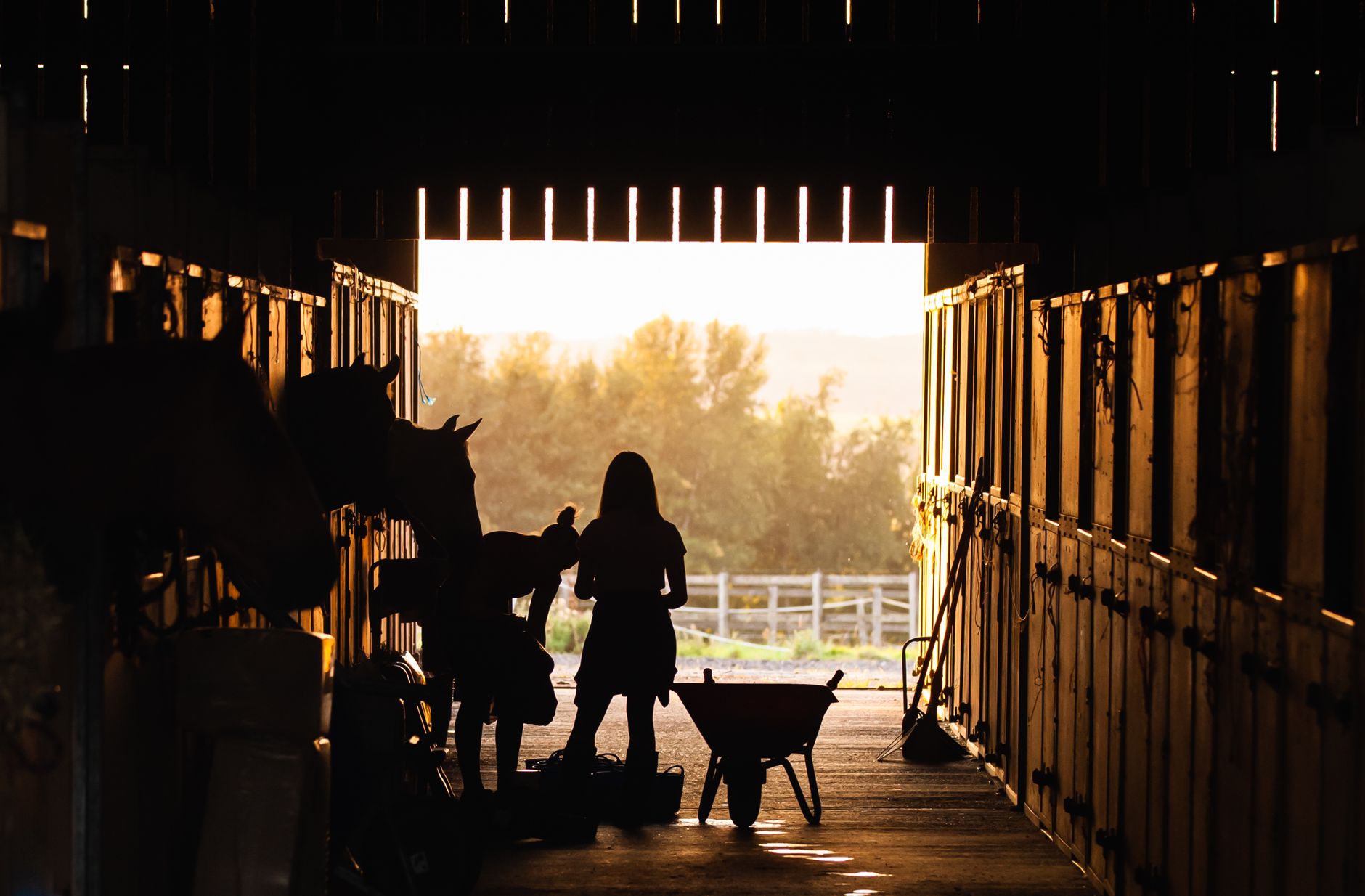
- Stable tours with no physical contact: Walking around the stable with a guide, observing horses from a distance, and learning about their care is a great way to enjoy the environment without risk.
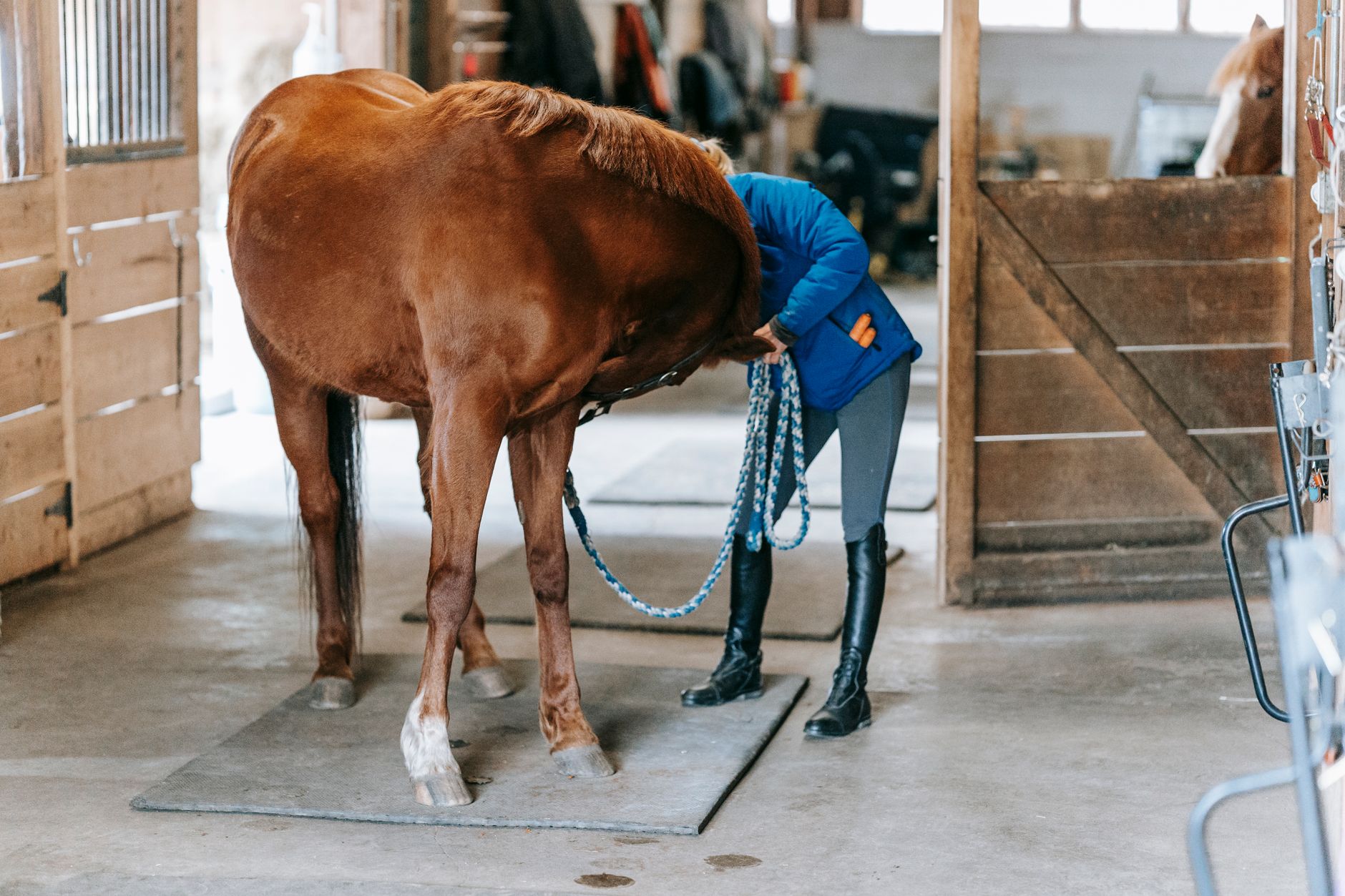
- Horse grooming with minimal contact: Helping to brush a horse’s coat (while wearing gloves) or cleaning their hooves with a brush can be rewarding, but avoid handling manure or bedding.
- Horse show observation: Attending a horse show or competition allows you to enjoy the spectacle without participating in physical tasks. Just be mindful of crowds and noise levels.
- Horse therapy sessions with a licensed therapist: If you’re interested in the therapeutic benefits of horses, look for sessions led by professionals who understand pregnancy safety. These sessions often focus on gentle interactions and emotional support.
- Horse care classes for pregnant women: Some stables offer specialized classes designed for pregnant women, focusing on light tasks like organizing supplies or learning about horse care basics.
Avoid activities that involve deep-cleaning stalls, handling manure, lifting heavy objects, or participating in physical horseback riding unless you’ve consulted your provider and a stable instructor about safety measures.
Are there specific brands or types of horse stables that are safer for pregnant women?
While there aren’t specific "brands" of horse stables that are inherently safer for pregnant women, some types of stables may offer better conditions due to their size, cleanliness, and management practices. Here’s what to look for:
- Smaller, family-run stables: These often have fewer horses, which can mean less dust and a more personalized approach to hygiene. Ask about their cleaning protocols and whether they use bedding that’s easy to clean (like rubber mats or paper-based bedding).
- Stables with good ventilation: Proper airflow helps reduce dust and allergens, making the environment more comfortable for pregnant women. Look for stables with open barn doors, fans, or air filtration systems.
- Stables with allergy-friendly practices: Some stables use hypoallergenic bedding or regularly clean surfaces to minimize dust. Ask if they offer masks or other protective gear for visitors with sensitivities.
- Stables with pregnancy-aware policies: Larger equestrian centers or therapy stables may have experience working with pregnant clients. They might offer shorter sessions, seated activities, or staff trained in pregnancy safety.
Before visiting a stable, don’t hesitate to ask about their cleaning routines, ventilation, and any accommodations they can make for pregnant visitors. A stable owner who’s open to discussing these topics is more likely to prioritize safety.
What risks are associated with horse stables for pregnant women?
While horse stables can be a wonderful environment, there are several risks to be aware of during pregnancy. Understanding these risks allows you to take proactive steps to minimize them:
- Bacterial infections: Horses can carry Salmonella, E. coli, and other bacteria in their manure and bedding. Inhaling dust or coming into contact with contaminated surfaces can lead to infections, though serious cases are rare. To reduce risk, avoid deep-cleaning stalls and wash your hands thoroughly after any contact with animals.
- Allergies and respiratory issues: Stable environments are often dusty, with particles from hay, straw, and horse dander that can trigger allergies or asthma. If you have a history of respiratory issues, consider wearing a mask or asking about stables with better ventilation.
- Physical strain: Activities like lifting hay bales, cleaning stalls, or standing for long periods can lead to fatigue, back pain, or even falls. In pregnancy, these risks are heightened, so it’s important to avoid overexertion and communicate your needs to stable staff.
- Emotional stress: While horses are often calming, the stress of managing a pregnancy in a new environment can be overwhelming. If you feel anxious or uncomfortable, it’s okay to leave or take breaks.
- Falls or accidents: Uneven ground, loose ropes, or sudden movements from horses can pose a risk of falls. In pregnancy, falls can be particularly dangerous, so always wear appropriate footwear and avoid activities that require balancing.
To mitigate these risks, focus on low-impact activities, stay hydrated, and listen to your body. If you experience dizziness, nausea, or other concerning symptoms, leave the stable and seek medical advice if needed.
Side effects and risks
While the risks associated with horse stables are generally manageable, it’s important to be aware of potential side effects and red flags. Here’s what to watch for:
- Fatigue or dizziness: If you feel unusually tired or lightheaded during or after a stable visit, it could be a sign of overexertion or dehydration. Take a break, hydrate, and consider reducing the time you spend in the stable.
- Nausea or vomiting: Strong smells from hay, straw, or horse urine might trigger morning sickness, especially in the first trimester. If this happens, leave the stable and seek fresh air.
- Respiratory irritation: Inhaling dust or allergens can cause coughing, sneezing, or wheezing. If you have asthma or allergies, wear a mask and ask about stables with better ventilation.
- Back pain or discomfort: Standing for long periods or lifting heavy objects can strain your back. If you experience persistent pain, avoid activities that worsen it and consult your provider.
- Infection symptoms: If you develop a fever, chills, or digestive issues after visiting a stable, it could be a sign of bacterial exposure. Contact your provider if these symptoms persist.
If you experience any of these symptoms, it’s important to take them seriously. While most stable-related issues are minor, some can require medical attention. Always trust your instincts—if something doesn’t feel right, it’s okay to leave the stable and seek advice from your provider.
Safer alternatives
If you’re unsure about visiting horse stables during pregnancy—or simply want to explore other ways to enjoy time around horses—here are some safer alternatives:
- Walking in a park: Spend time in nature without the risks of a stable environment. Parks offer a peaceful setting to enjoy fresh air and gentle movement.
- Gentle yoga: Yoga can help maintain flexibility and reduce stress, and many studios offer prenatal classes designed for pregnant women.
- Horseback riding with a certified instructor and proper safety gear: If you’re set on riding, consult our guide on is riding stables safe during pregnancy for detailed safety advice, including the use of a belly protector and a stable, experienced instructor.
- Horse grooming with minimal contact: If you love being around horses, consider visiting a stable for short grooming sessions where you only handle the horse’s coat (with gloves) and avoid manure or bedding.
- Stable tours with no physical contact: Many stables offer guided tours where you can observe horses and learn about their care without any physical interaction.
- Horse show observation: Attend a horse show or competition to enjoy the spectacle without participating in physical tasks. Just be mindful of crowds and noise levels.
- Horse therapy sessions with a licensed therapist: If you’re interested in the therapeutic benefits of horses, look for sessions led by professionals who understand pregnancy safety. These sessions often focus on gentle interactions and emotional support.
- Horse care classes for pregnant women: Some stables offer specialized classes designed for pregnant women, focusing on light tasks like organizing supplies or learning about horse care basics.
These alternatives allow you to enjoy the benefits of being around horses while minimizing risks. If you’re passionate about horse care, consider volunteering at a stable in a low-risk capacity, such as organizing supplies or assisting with administrative tasks.
| Activity | Safety Verdict | One-Line Note |
|---|---|---|
| Horse riding | ⚠️ Safe with precautions in first/second trimester | Use a belly protector, avoid third trimester, and consult your provider first. |
| Horse grooming | ⚠️ Safe with gloves and minimal contact | Avoid handling manure or bedding; limit to 15-30 minutes per session. |
| Horse training | ❌ Avoid heavy lifting or physical strain | Not recommended due to risk of fatigue or falls. |
| Horse boarding | ⚠️ Safe if you’re not cleaning stalls or handling manure | Focus on light tasks like organizing supplies or feeding horses. |
| Horse shows | ⚠️ Safe for observation only | Avoid participating in physical tasks; stick to watching from a distance. |
| Horse therapy | ⚠️ Safe with licensed therapist | Look for sessions designed for pregnant women with gentle interactions. |
| Horse rescue | ⚠️ Safe with minimal physical work | Avoid heavy lifting; focus on light tasks like walking dogs or organizing supplies. |
| Horse stables cleaning | ❌ Avoid deep-cleaning stalls | High risk of bacterial exposure and physical strain. |
Myth vs. fact
Myth: Being around horses is inherently unsafe during pregnancy because horses are dirty and unpredictable.
Fact: Horses themselves are not inherently unsafe. The risks come from specific activities, environments, or environments within the stable—like handling manure, deep-cleaning stalls, or overexerting yourself. With the right precautions, you can safely enjoy time around horses.
Myth: You should avoid horse stables entirely during pregnancy because of the risk of infection.
Fact: While there is a risk of bacterial exposure, it’s generally low if you take precautions like avoiding direct contact with manure, washing your hands, and limiting your time in the stable. Many pregnant women enjoy stables safely by following these guidelines.
Myth: Horseback riding is safe during pregnancy as long as you’re careful.
Fact: While riding can be safe in the first and second trimesters with proper precautions, it’s generally recommended to avoid horseback riding in the third trimester due to the increased risk of falls and discomfort. Always consult your provider and a certified instructor before riding.
Key takeaways
Frequently asked questions
Can pregnant women visit horse stables safely?
Yes, pregnant women can visit horse stables safely with precautions. Limit your time to 30 minutes or less in the first trimester, 20-30 minutes in the second trimester, and 15-20 minutes in the third trimester. Focus on low-risk activities like observing horses or grooming with gloves, and avoid deep-cleaning stalls or handling manure. Always wash your hands thoroughly after any contact with animals or bedding.
Is it safe for pregnant women to ride horses?
Horseback riding can be safe during pregnancy in the first and second trimesters if you use a belly protector, avoid third-trimester riding, and follow safety guidelines. However, the ACOG recommends avoiding horseback riding in the third trimester due to the increased risk of falls and discomfort. Always consult your provider and a certified instructor before riding.
What are the risks of visiting horse stables during pregnancy?
The primary risks of visiting horse stables during pregnancy include exposure to bacteria like Salmonella or E. coli, allergens from hay and straw, physical strain from lifting or standing for long periods, and the risk of falls. To minimize these risks, limit your time in the stable, avoid deep-cleaning tasks, and focus on low-impact activities. If you experience fatigue, dizziness, or respiratory irritation, leave the stable and seek medical advice if symptoms persist.
How long can a pregnant woman stay in a horse stable?
The amount of time you can safely spend in a horse stable depends on your trimester and how you feel. In the first trimester, limit visits to 30 minutes or less. In the second trimester, limit visits to 20-30 minutes. In the third trimester, limit visits to 15-20 minutes. Always listen to your body and take breaks if you feel fatigued or uncomfortable. If you’re working or volunteering at a stable, break up your time into shorter shifts with plenty of rest in between.
Are there any health conditions that make horse stables unsafe for pregnant women?
Yes, certain health conditions can make horse stables unsafe for pregnant women. If you have asthma, allergies, or a history of respiratory issues, the dusty environment of a stable may be problematic. Women with pre-existing back pain or joint issues should avoid activities that require heavy lifting or prolonged standing. Additionally, if you have a history of infections or immune system disorders, you may be more vulnerable to bacterial exposure. Always consult your provider if you have concerns about your specific health conditions.
Are there safer alternatives to visiting horse stables during pregnancy?
Absolutely! Safer alternatives include walking in a park, gentle yoga, horse therapy sessions with a licensed therapist, stable tours with no physical contact, or horse care classes designed for pregnant women. These activities allow you to enjoy the benefits of being around horses or nature without the risks associated with stable environments.
What precautions should pregnant women take when visiting a horse stable?
When visiting a horse stable during pregnancy, take the following precautions: limit your time to 30 minutes or less (depending on your trimester), avoid deep-cleaning stalls or handling manure, wear gloves if grooming horses, wash your hands thoroughly after any contact with animals or bedding, stay hydrated, and listen to your body. If you feel fatigued, dizzy, or uncomfortable, leave the stable and seek rest or medical advice if needed.
Is it safe to be around horses during pregnancy?
Yes, it’s generally safe to be around horses during pregnancy as long as you take precautions. Horses themselves are not inherently dangerous, but the risks come from specific activities or environments within the stable. Focus on low-risk activities like observing horses, grooming with gloves, or attending stable tours. Avoid deep-cleaning tasks, handling manure, or lifting heavy objects. If you’re unsure, consult your provider for personalized advice.
When to call your doctor
While visiting horse stables is generally safe with precautions, there are certain situations where you should contact your healthcare provider. Call your provider if you experience any of the following:
- Fever, chills, or digestive issues after visiting a stable—these could be signs of bacterial exposure.
- Persistent back pain, dizziness, or fatigue that doesn’t improve with rest.
- Shortness of breath, wheezing, or coughing that worsens after being in a stable environment.
- Vaginal bleeding, contractions, or other signs of preterm labor.
- Any symptoms of infection, such as a rash, swelling, or unusual discharge.
If you’re unsure whether a symptom is serious, it’s always better to err on the side of caution and consult your provider. Trust your instincts—if something doesn’t feel right, don’t hesitate to reach out for advice.
Remember, this information is not a substitute for professional medical advice. Always consult your healthcare provider with any questions or concerns about your specific situation.
References
- American College of Obstetricians and Gynecologists (ACOG) guidelines on environmental safety during pregnancy.
- UK National Health Service (NHS) advice on animal exposure and pregnancy.
- Centers for Disease Control and Prevention (CDC) information on Salmonella and E. coli risks.
- World Health Organization (WHO) guidelines on safe environments during pregnancy.
- Pregnancy and animal exposure: A review of current evidence and recommendations. Journal of Perinatal Education, 2020.