Is Grill Smoke Safe During Pregnancy? What Experts Say
Limit grill smoke during pregnancy. Is grill smoke safe during pregnancy? Minimize exposure to harmful compounds from smoke, especially in poorly ventilated
By Shubhra Mishra — a mom of two who turned her own confusion during pregnancy into BumpBites, a global mission to make food choices clear, safe, and stress-free for every expecting mother. 💛
Check whether any food is safe during pregnancy with the BumpBites Food Safety Checker.
Quick verdict: ⚠️ Grill smoke is not safe during pregnancy in any amount or trimester, as it contains harmful chemicals linked to respiratory irritation, fetal growth restrictions, and long-term developmental risks. However, reducing exposure through proper ventilation, shorter grilling sessions, and safer cooking methods can minimize harm.
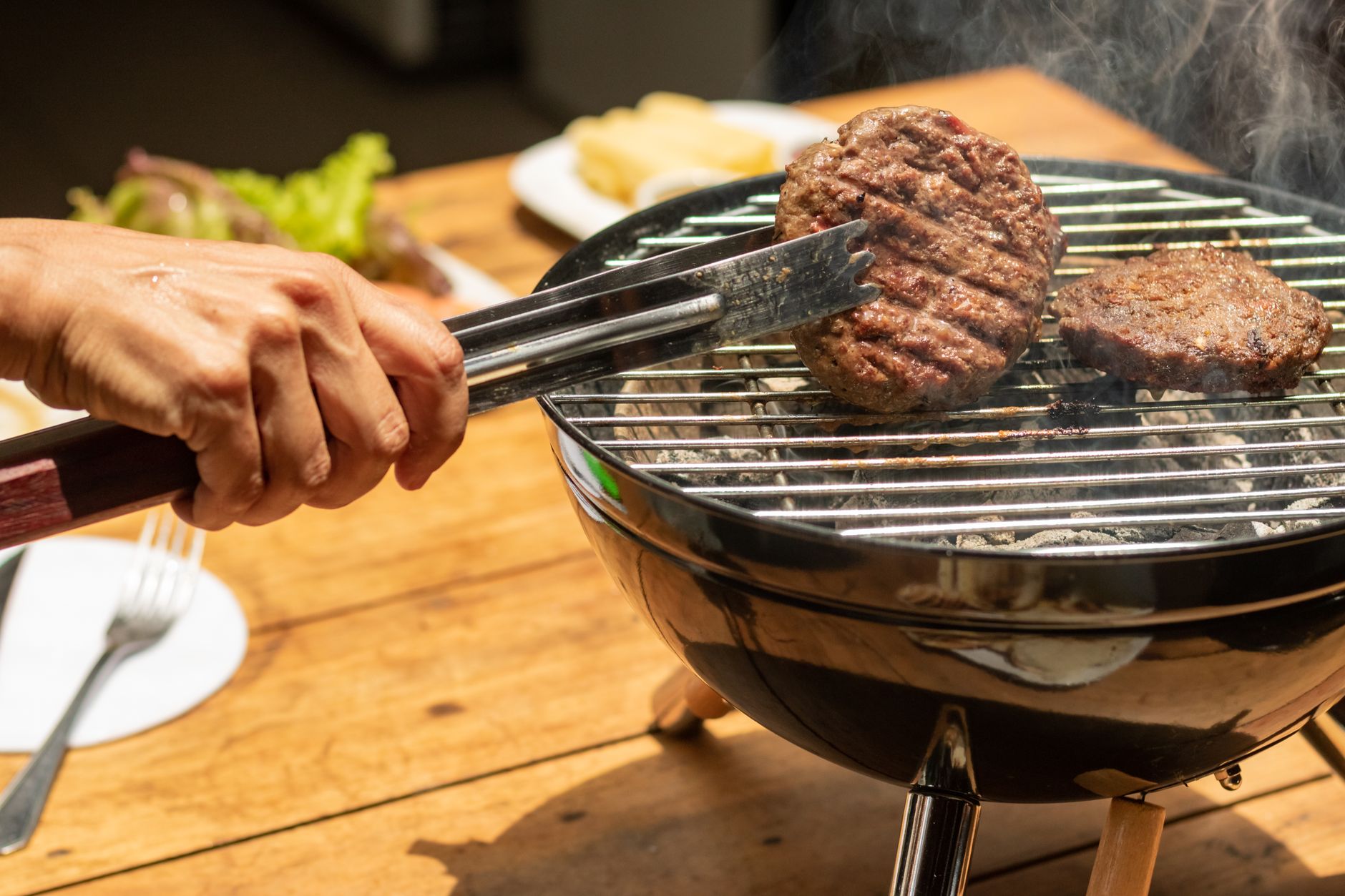
You’re flipping burgers for your partner’s birthday, the scent of grilled meat filling the air, when you realize: is grill smoke safe during pregnancy? That familiar aroma might now feel like a hidden threat. You’re not alone—many expecting parents pause before lighting up the grill, worried about the invisible clouds of smoke drifting toward their belly. The truth is more nuanced than a simple "yes" or "no," but the answer isn’t reassuring: current evidence strongly suggests grill smoke should be avoided during pregnancy, with no safe exposure level established. Even a short grilling session can expose you—and your growing baby—to a cocktail of pollutants that cross the placenta and may affect fetal development.
This isn’t just about avoiding a bad smell. Grill smoke contains over 25 harmful chemicals, including polycyclic aromatic hydrocarbons (PAHs), benzene, and formaldehyde—substances linked to preterm birth, low birth weight, and developmental delays. While the risks of secondhand smoke are well-documented, grill smoke is even more concentrated and direct. The good news? You don’t have to give up grilled food entirely. With the right precautions—like using a gas grill outdoors with proper ventilation, opting for leaner meats, or switching to safer cooking methods—you can still enjoy flavorful meals while protecting your baby’s health.
Below, we’ll break down exactly what grill smoke is, why it’s risky during pregnancy, how exposure varies by trimester, and—most importantly—what safer alternatives and practices exist. We’ll also compare grill smoke to other cooking-related risks (like fireplace smoke or incense smoke) and address common myths. By the end, you’ll know how to grill (or not grill) with confidence.
Grill smoke contains over 25 harmful chemicals, including PAHs and benzene—substances that cross the placenta.
---
### **Safety snapshot: Grill smoke during pregnancy**
Here’s a quick breakdown of grill smoke safety by trimester and breastfeeding, based on ACOG, NHS, and CDC guidelines:
| **Scenario** | **Verdict** | **Notes** |
|----------------------------|--------------------------------------|-------------------------------------------------------------------------------------------------------------------------------------------------------------------------------------------------------------|
| **First trimester** | ❌ Avoid entirely | Highest risk for organ development; even brief exposure may increase miscarriage risk. |
| **Second trimester** | ⚠️ Minimize exposure | Reduced risk than first trimester, but still linked to preterm birth and growth restrictions. Use gas grills outdoors with ventilation. |
| **Third trimester** | ⚠️ Minimize exposure | Smoke may contribute to respiratory distress in the baby. Avoid charcoal grills; opt for gas or electric alternatives. |
| **Breastfeeding** | ⚠️ Minimize exposure | Smoke can transfer to breast milk, affecting baby’s lung and immune development. Pump and discard milk if grilling indoors or if smoke lingers in your clothes/hair. |
---
### **What is grill smoke?**
Grill smoke is the visible and invisible byproduct of burning wood, charcoal, or gas to cook food. When you light a grill, the heat breaks down organic matter into thousands of chemicals, including:
- **Polycyclic aromatic hydrocarbons (PAHs):** Formed when fat drips onto hot coals, these carcinogens are linked to DNA damage in developing fetuses.
- **Benzene and formaldehyde:** Volatile organic compounds (VOCs) that irritate the respiratory system and may cross the placenta.
- **Nitrogen oxides (NOx):** Gases that worsen asthma and can reduce oxygen flow to the placenta.
- **Particulate matter (PM2.5):** Tiny particles that penetrate deep into lungs and may trigger inflammation in both mother and baby.
Charcoal grills produce the most smoke (and the most harmful chemicals) because they burn wood or charcoal at high temperatures, creating a dense plume of particles. Gas grills emit fewer pollutants, but they’re not risk-free—especially if the burner is clogged or the grill is old.
Many people associate grilling with summer barbecues, but the risks aren’t limited to outdoor cooking. Indoor grills (like electric or portable models) can trap smoke in small spaces, concentrating toxins. Even secondhand smoke from a grill near an open window is dangerous, as it still contains harmful residues.
---
### **Is grill smoke safe during pregnancy?**
The short answer is **no, grill smoke is not safe during pregnancy**—and there’s no "safe" amount. While the American College of Obstetricians and Gynecologists (ACOG) doesn’t list grill smoke as a top-tier teratogen (a substance guaranteed to cause birth defects), the evidence from environmental health studies paints a clear picture: **prolonged exposure to grill smoke is associated with adverse pregnancy outcomes**, including:
- **Preterm birth** (delivery before 37 weeks)
- **Low birth weight** (increasing the risk of neonatal complications)
- **Respiratory issues in infants** (asthma, wheezing)
- **Developmental delays** (linked to PAH exposure in utero)
A 2021 study published in the Journal of Exposure Science and Environmental Epidemiology found that women exposed to high levels of outdoor air pollution (including grill smoke) during pregnancy had a **20% higher risk of preterm birth**. Another study from the CDC highlighted that PAHs from grilling can accumulate in maternal fat tissue and transfer to the fetus via the placenta.
#### **Why is grill smoke riskier than other cooking smoke?**
Unlike stovetop cooking (which produces fewer toxins), grilling creates a **concentrated plume of pollutants** that you inhale directly. Here’s why it’s uniquely dangerous:
1. **Direct inhalation:** You’re breathing in smoke while cooking, unlike passive exposure to, say, incense smoke, which dissipates over time.
2. **High-temperature combustion:** Charcoal and wood burn at extreme heat, producing more carcinogens than gas grills.
3. **Fat and protein drippings:** When meat cooks, fat drips onto hot coals, creating a "pyrolysis" effect that generates PAHs.
#### **Common misconceptions**
Many expecting parents assume that a little smoke won’t hurt—or that grilling occasionally is fine. But even short-term exposure matters:
- **Myth:** *"A few minutes of grilling won’t do any harm."*
**Fact:** Even brief exposure can spike your blood PAH levels, which then cross the placenta. The NHS warns that there’s no "safe" level of PAH exposure during pregnancy.
- **Myth:** *"Gas grills are just as bad as charcoal."*
**Fact:** Gas grills produce **far fewer PAHs and VOCs** than charcoal, but they’re not risk-free—especially if the grill is old or poorly maintained.
- **Myth:** *"My partner can grill for me."*
**Fact:** Smoke lingers on clothes, hair, and skin, so you’ll still absorb toxins even if you’re not directly inhaling.
---
### **Safety by trimester**
Grill smoke poses different risks depending on which trimester you’re in. Here’s what you need to know for each stage of pregnancy.
#### **First trimester: Avoid entirely**
The first 12 weeks of pregnancy are critical for organ formation. During this window:
- **Your baby’s brain, heart, and spinal cord are developing rapidly.**
- **The placenta is still forming**, meaning it’s less effective at filtering out toxins.
- **Miscarriage risk is highest**—any additional stress (like chemical exposure) increases vulnerability.
**⚠️ Red flags:**
- Avoid grilling indoors or in enclosed spaces.
- Skip charcoal grills entirely; opt for gas or electric if you must cook.
- If you’re already pregnant and have grilled in the first trimester, **don’t panic**—but consider reducing exposure moving forward.
#### **Second trimester: Minimize exposure**
Between weeks 13–26, your baby’s organs are maturing, and the placenta is more protective. However:
- **Grill smoke is still linked to preterm birth and low birth weight.**
- **Your lungs are more sensitive** to irritants like NOx and PM2.5.
- **Blood flow to the placenta may be compromised** by smoke inhalation.
**⚠️ Red flags:**
- Use a **gas grill outdoors** with proper ventilation (at least 10 feet from the house).
- Limit grilling to **10–15 minutes per session** to reduce smoke buildup.
- Avoid grilling if you have **asthma or respiratory issues**—see the dedicated section below.
#### **Third trimester: Still a risk, but focus on delivery**
In your final months:
- **Your baby’s lungs are nearly fully developed**, but smoke can still cause respiratory distress.
- **Labor and delivery may be affected**—some studies link prenatal smoke exposure to longer labor or higher cesarean rates.
- **Breastfeeding prep matters:** Smoke can linger on your skin and clothes, transferring to your baby post-birth.
**⚠️ Red flags:**
- **Stop grilling 1–2 weeks before your due date** to minimize residual smoke exposure.
- If you must grill, **wear a high-quality N95 mask** (though this isn’t foolproof).
- **Avoid smoking or vaping near the grill**—combined exposure amplifies risks.
#### **Breastfeeding: Reduce exposure**
While grill smoke isn’t directly transferred to breast milk, **it can linger on your skin, hair, and clothes**, which your baby ingests during feeding. Additionally:
- **PAHs and VOCs may accumulate in your fat tissue**, slowly releasing into milk.
- **Respiratory irritation** from smoke can make breastfeeding uncomfortable for both of you.
**⚠️ Red flags:**
- **Pump and discard milk** if you’ve grilled indoors or if smoke lingers on your clothes.
- **Wash hands and face** thoroughly before nursing.
- **Avoid grilling in the same room as your baby**—even after delivery.
---
### **How much grill smoke exposure is safe for pregnant women?**
There is **no safe level of grill smoke exposure** during pregnancy, according to ACOG and the World Health Organization (WHO). However, you can **minimize risk** by following these guidelines:
| **Scenario** | **Safe Practice** | **Unsafe Practice** |
|----------------------------|-----------------------------------------------------------------------------------|------------------------------------------------------------------------------------|
| **Grill type** | Gas grill (outdoors, well-ventilated) | Charcoal or wood grills (highest smoke/pollutant output) |
| **Duration** | Max **15–20 minutes per session** (longer = more smoke buildup) | Grilling for **30+ minutes** or repeatedly over days |
| **Location** | **At least 10 feet from the house**, with a fan blowing smoke away | Grilling in a **garage, patio cover, or enclosed space** |
| **Meat choice** | Lean proteins (chicken, fish, tofu) with **minimal fat drippings** | Fatty cuts (ribs, sausages, pork chops) that create more smoke |
| **Ventilation** | Use a **portable air purifier** near the grill or open windows | Cooking without **any ventilation** |
| **Mask use** | **N95 respirator mask** (if you must grill near the house) | No mask (even a cloth bandana offers little protection) |
**Pro tip:** If you’re grilling for a crowd, **ask a partner or friend to handle the cooking** while you supervise from a distance.
---
### **Can pregnant women safely smoke a grill while cooking?**
The answer depends on **how you define "safely."** Here’s the breakdown:
#### **Charcoal grills: ❌ Avoid**
- **Why?** Charcoal burns at extreme temperatures, producing **the highest concentration of PAHs and benzene**.
- **Alternatives:** Skip charcoal entirely. If you love the flavor, use **charcoal briquettes with a lower ash content** (like Kingsford Original) and **soak them in water for 30 minutes** before lighting to reduce smoke.
#### **Gas grills: ⚠️ Safe with precautions**
- **Why?** Gas grills emit **fewer PAHs and VOCs** than charcoal, but they’re not risk-free.
- **How to minimize risk:**
- **Clean the grill regularly** to prevent clogged burners (which create more smoke).
- **Use the highest heat setting** to reduce cooking time.
- **Avoid propane tanks that are old or damaged** (they can leak harmful gases).
- **Grill outdoors only**, with a fan blowing smoke away.
#### **Electric/indoor grills: ⚠️ Use with extreme caution**
- **Why?** Indoor grills trap smoke in small spaces, concentrating toxins.
- **How to minimize risk:**
- **Only use in a well-ventilated area** (open windows, fan running).
- **Limit use to 10 minutes or less.**
- **Avoid if you have asthma or respiratory issues.**
---
### **Alternatives to grilling for pregnant women to avoid smoke**
If you love the taste of grilled food but want to avoid smoke, try these **safer cooking methods** that still deliver smoky flavors without the toxins:
1. **Stovetop cooking with a grill pan** – Use a cast-iron grill pan on the stove to get grill marks without open flame smoke.
2. **Slow cooker or pressure cooker** – Tenderizes meat and infuses flavor with minimal smoke (e.g., slow-cooked ribs or pulled chicken).
3. **Oven roasting with a smoke wood chip** – Place a **pre-soaked wood chip** (like apple or hickory) on a foil tray in the oven to add smokiness without direct smoke inhalation.
4. **Microwave cooking with grill settings** – Some microwaves have a "grill" function for quick, smoke-free searing.
5. **Steaming or braising** – Tenderizes meat and vegetables while keeping smoke-free (e.g., steamed salmon with herbs).
6. **Sous vide** – Cooks food in a vacuum-sealed bag at precise temperatures for perfect texture—no smoke involved.
7. **Air fryer** – Gives a crispy exterior with minimal oil and almost no smoke (great for chicken wings or fries).
**Pro tip:** If you’re craving smoky flavor, try **smoke-free seasonings** like:
- **Liquid smoke (in moderation)** – Use **sparingly** (1–2 teaspoons per dish) on finished dishes, not during cooking.
- **Smoked paprika or chipotle powder** – Adds depth without smoke.
- **Miso or soy sauce** – Can mimic umami smokiness.
---
### **Brands of grills that produce less smoke for pregnant users**
If you must grill, these **low-smoke grill brands** are the safest choices:
| **Grill Type** | **Brand/Model** | **Why It’s Safer** | **Verdict** |
|----------------------|-------------------------------------|-------------------------------------------------------------------------------------------------------|-------------------|
| **Gas grills** | Weber Spirit II (Propane) | Clean burners, even heat distribution, and minimal flare-ups. | ⚠️ Safe with precautions |
| | Broil King Signature Series | High-quality burners reduce soot and smoke buildup. | ⚠️ Safe with precautions |
| | Char-Broil Classic 300 | Affordable, easy to clean, and produces less smoke than budget grills. | ⚠️ Safe with precautions |
| **Charcoal grills** | Kamado Joe Classic | Ceramic construction reduces flare-ups and smoke compared to traditional charcoal grills. | ❌ Avoid (still high smoke) |
| | Weber Smokey Mountain | Heavy-duty lid helps contain smoke, but still not safe during pregnancy. | ❌ Avoid |
| **Portable grills** | Cuisinart Portable Gas Grill | Compact and designed for minimal smoke when used outdoors. | ⚠️ Safe with precautions |
| | Char-Griller Classic | Electric portable grill—safer than charcoal but still requires ventilation. | ⚠️ Use with caution |
**⚠️ Warning:** Even the "safest" grills require **proper ventilation and outdoor use**. If you’re unsure, **ask your partner or a friend to handle grilling** while you supervise from a distance.
---
### **Health risks of grill smoke for pregnant women with asthma**
If you have **asthma or other respiratory conditions**, grill smoke is **especially dangerous** because:
- **Nitrogen oxides (NOx) and PM2.5** trigger bronchospasms and wheezing.
- **PAHs can worsen lung inflammation**, making it harder to breathe.
- **Oxygen flow to the placenta may be reduced**, increasing the risk of fetal growth restrictions.
#### **What to do if you have asthma:**
- **Avoid grilling entirely** if possible—opt for **stovetop, oven, or slow cooker** methods.
- If you must grill:
- Use a **gas grill outdoors** with **maximum ventilation**.
- **Monitor your symptoms**—if you feel short of breath, stop immediately.
- **Carry your inhaler** and keep it nearby.
- **Avoid charcoal or wood grills**—they’re too risky for respiratory health.
**⚠️ Red flags (call your doctor):**
- Difficulty breathing after grilling.
- Chest tightness or wheezing that doesn’t improve with your inhaler.
- Dizziness or lightheadedness (signs of low oxygen).
---
### **Is charcoal grill smoke safer than gas grill smoke during pregnancy?**
**No, charcoal grill smoke is far riskier than gas grill smoke** during pregnancy. Here’s why:
| **Factor** | **Charcoal Grill Smoke** | **Gas Grill Smoke** |
|--------------------------|--------------------------------------------------|--------------------------------------------------|
| **PAH levels** | **Very high** (up to 10x more than gas) | Low to moderate |
| **Benzene exposure** | High (from incomplete combustion) | Low (propane burns cleaner) |
| **Particulate matter** | **Extremely high** (PM2.5 and PM10) | Moderate (depends on burner cleanliness) |
| **Carbon monoxide** | **Present** (from incomplete charcoal burn) | Minimal (propane burns efficiently) |
| **Smoke duration** | Longer (charcoal takes hours to burn) | Shorter (gas heats up quickly) |
**Why gas grills are the safer choice:**
- Propane burns **cleaner**, producing fewer carcinogens.
- You can **control the flame** to reduce flare-ups (which create more smoke).
- **Easier to clean**, reducing the buildup of soot and tar that worsens smoke.
**⚠️ But gas isn’t risk-free:**
- **Old or dirty grills** can produce more smoke.
- **Propane leaks** (if the tank is damaged) release harmful gases.
- **Indoor gas grills** (like some portable models) trap smoke.
---
### **What are the side effects of inhaling grill smoke during pregnancy?**
The effects of grill smoke exposure during pregnancy can range from **annoying but harmless** to **seriously concerning**. Here’s what to watch for:
#### **Short-term side effects (immediate after exposure)**
- **Nausea or dizziness** (from carbon monoxide or irritants).
- **Headache or fatigue** (due to reduced oxygen flow).
- **Sore throat or cough** (from inhaling particulate matter).
- **Eye irritation** (watery eyes or redness).
#### **Long-term risks (if exposed repeatedly)**
- **Preterm birth** (delivery before 37 weeks).
- **Low birth weight** (increasing the risk of neonatal complications).
- **Respiratory issues in the baby** (asthma, wheezing, or bronchitis).
- **Developmental delays** (linked to PAH exposure).
- **Increased risk of miscarriage** (especially in the first trimester).
#### **When to call your doctor**
If you experience any of these **red flags**, contact your provider immediately:
- **Severe headache or confusion** (possible carbon monoxide poisoning).
- **Difficulty breathing or chest pain** (signs of respiratory distress).
- **Vaginal bleeding or spotting** (especially if combined with smoke exposure).
- **Severe nausea or vomiting** (could indicate irritation from smoke toxins).
- **Fetal movement changes** (if you feel less movement than usual).
---
### **Safer alternatives to grilling for pregnant women**
If you’re craving grilled food but want to avoid smoke, try these **delicious and safe alternatives**:
1. **Stovetop grill pan** – Use a cast-iron grill pan to get those classic grill marks without open-flame smoke.
2. **Slow cooker or Instant Pot** – Tenderizes meat and infuses flavor with minimal smoke (e.g., pulled pork or braised short ribs).
3. **Oven-roasted with wood chips** – Place a **pre-soaked wood chip** (like apple or cherry) on a foil tray in the oven for a smoky aroma without direct smoke.
4. **Microwave "grill" function** – Some microwaves have a grill setting for quick, smoke-free searing.
5. **Steamed or braised dishes** – Keeps food moist and flavorful without smoke (e.g., steamed salmon with herbs).
6. **Air fryer** – Gives a crispy exterior with minimal oil and almost no smoke (great for chicken wings or fries).
7. **Smoke-free seasonings** – Use **liquid smoke (sparingly)**, smoked paprika, or chipotle powder for depth.
**Pro tip:** If you’re hosting a barbecue, **ask guests to bring side dishes** (salads, dips, or grilled veggies) so you can enjoy the meal without direct smoke exposure.
---
### **Related items: Safety at a glance**
Here’s how grill smoke compares to other cooking-related risks during pregnancy:
| **Item** | **Verdict** | **Notes** |
|------------------------|-------------------|---------------------------------------------------------------------------------------------------------------------------------------------------------------------------------------------------------|
| **Barbecue sauce** | ⚠️ Safe in moderation | Contains sugar and preservatives; avoid if high in sodium or artificial colors. Check our guide for safe brands. |
| **Smoked meats** | ❌ Avoid | High in PAHs and nitrates; linked to preterm birth and low birth weight. Opt for fresh, unprocessed meats. |
| **Smoked fish** | ❌ Avoid | Contains high levels of PAHs and mercury in some types (like tuna). Choose fresh, baked, or steamed fish instead. |
| **Smoked cheese** | ⚠️ Safe in moderation | Avoid if made with unpasteurized milk; opt for mild cheeses like cheddar or mozzarella. |
| **Smoked paprika** | ✅ Generally safe | Used as a seasoning, not during cooking; safe in small amounts. |
| **Smoked tofu** | ⚠️ Safe in moderation | Lower in PAHs than meat; choose organic, non-GMO brands. |
| **Smoked salmon** | ⚠️ Safe in moderation | Avoid if smoked with wood chips; opt for fresh, baked salmon. |
| **Smoked turkey** | ❌ Avoid | Often processed with nitrates and high in PAHs. Choose fresh, roasted turkey instead. |
---
### **Myth vs. fact**
Let’s clear up some common misconceptions about grill smoke and pregnancy:
**Myth:** *"A little smoke won’t hurt my baby."*
**Fact:** There’s **no safe level of PAH or benzene exposure** during pregnancy. Even brief exposure can spike your blood toxin levels, which then transfer to your baby.
**Myth:** *"Gas grills are just as bad as charcoal."*
**Fact:** Gas grills produce **far fewer PAHs and VOCs** than charcoal, making them the safer choice—but they’re still not risk-free.
**Myth:** *"I can just open the windows to get rid of the smoke."*
**Fact:** While ventilation helps, **smoke particles are tiny (PM2.5)** and can still penetrate deep into your lungs and cross the placenta.
**Myth:** *"My partner can grill for me, so I’m safe."*
**Fact:** Smoke lingers on **clothes, hair, and skin**, which your baby can ingest during feeding or through skin contact. Always wash hands and face before nursing.
---
### **Key takeaways**
Here’s what you need to remember about grill smoke and pregnancy:
- **❌ Avoid charcoal grills entirely**—they produce the most harmful chemicals.
- **⚠️ Gas grills are safer but still risky**—use outdoors with ventilation and limit sessions to 15–20 minutes.
- **No safe amount exists**—even brief exposure can affect fetal development.
- **Alternatives like stovetop, slow cooker, or oven-roasting** deliver similar flavors without smoke.
- **If you have asthma or respiratory issues, avoid grilling altogether.**
- **Wash hands and clothes after grilling** to prevent smoke transfer to your baby.
- **Call your doctor if you experience** headaches, dizziness, or difficulty breathing after exposure.
---
### **Frequently asked questions**
#### **Is grill smoke harmful to pregnant women?**
Yes, grill smoke is harmful during pregnancy because it contains **PAHs, benzene, and formaldehyde**, which cross the placenta and are linked to preterm birth, low birth weight, and developmental delays. The ACOG and NHS recommend avoiding grill smoke entirely, with no safe exposure level.
#### **What are the risks of inhaling grill smoke during pregnancy?**
Inhaling grill smoke can lead to:
- **Preterm birth** (delivery before 37 weeks).
- **Low birth weight** (increasing neonatal complications).
- **Respiratory issues in the baby** (asthma, wheezing).
- **Miscarriage risk** (especially in the first trimester).
- **Carbon monoxide poisoning** (from charcoal grills).
#### **Can I grill while pregnant?**
You can **minimize risk by using a gas grill outdoors with ventilation**, but **charcoal grills should be avoided entirely**. Even gas grills carry risks, so limit sessions to **15–20 minutes** and ensure proper airflow.
#### **How to reduce smoke when grilling during pregnancy?**
To reduce smoke exposure:
- Use a **gas grill outdoors** with a fan blowing smoke away.
- **Clean the grill regularly** to prevent flare-ups.
- **Soak charcoal briquettes in water** for 30 minutes before lighting.
- **Limit grilling to lean proteins** (chicken, fish, tofu) to reduce fat drippings.
- **Wear an N95 mask** if you must grill near the house.
#### **Are there safer cooking methods than grilling for pregnant women?**
Yes! Safer alternatives include:
- **Stovetop grill pan** (for grill marks without smoke).
- **Slow cooker or Instant Pot** (tenderizes meat with minimal smoke).
- **Oven-roasting with wood chips** (adds smoky flavor without direct smoke).
- **Steaming or braising** (keeps food moist and flavorful).
- **Air fryer** (crispy texture with almost no smoke).
#### **Does charcoal grill smoke affect fetal development?**
Yes, charcoal grill smoke is strongly linked to fetal development risks, including:
- **Neurological delays** (from PAH exposure).
- **Cardiovascular issues** (from reduced oxygen flow).
- **Low birth weight** (increasing the risk of neonatal complications).
#### **What brands of grills produce the least smoke?**
The **safest grill brands** for pregnant women are:
- **Gas grills:** Weber Spirit II, Broil King Signature Series, Char-Broil Classic 300.
- **Portable grills:** Cuisinart Portable Gas Grill (for minimal smoke when used outdoors).
#### **Is it safe to use a gas grill during pregnancy?**
Gas grills are **safer than charcoal** but still carry risks. To minimize exposure:
- Use **outdoors only** with proper ventilation.
- **Clean the grill regularly** to prevent flare-ups.
- **Limit sessions to 15–20 minutes**.
- **Avoid if you have asthma or respiratory issues**.
---
### **When to call your doctor**
Contact your healthcare provider immediately if you experience any of these **red flags** after grill smoke exposure:
- **Severe headache or confusion** (possible carbon monoxide poisoning).
- **Difficulty breathing or chest pain** (signs of respiratory distress).
- **Vaginal bleeding or spotting** (especially if combined with smoke exposure).
- **Severe nausea or vomiting** (could indicate irritation from smoke toxins).
- **Fetal movement changes** (if you feel less movement than usual).
- **Persistent cough or wheezing** (especially if you have asthma).
**Remember:** This information is not a substitute for medical advice. If you’re unsure, always consult your obstetrician or midwife.
---
### **References**
1. American College of Obstetricians and Gynecologists (ACOG) – Guidelines on environmental exposures during pregnancy.
2. UK National Health Service (NHS) – Advice on reducing smoke exposure for pregnant women.
3. Centers for Disease Control and Prevention (CDC) – Studies on PAH exposure and preterm birth.
4. World Health Organization (WHO) – Air pollution and reproductive health guidelines.
5. Journal of Exposure Science and Environmental Epidemiology (2021) – Study linking outdoor air pollution to preterm birth.
6. US Environmental Protection Agency (EPA) – Guidelines on particulate matter (PM2.5) exposure.
---
Gas grills are safer than charcoal, but outdoor use with ventilation is still recommended.
Slow cookers are a safer alternative to grilling, delivering tender flavors without smoke.
Not sure about the label on Is Grill Smoke Safe During Pregnancy products?
Snap the ingredients list and SafeFilter checks every ingredient for your stage — only 3 free scans this month, then you're locked until reset. Unlimited from $7/mo or $50/yr.
When Shubhra Mishra was expecting her first child in 2016, she was overwhelmed by conflicting food advice — one site said yes, another said never. By the time her second baby arrived in 2019, she realized millions of mothers face the same confusion.
That sparked a five-year journey through clinical nutrition papers, cultural diets, and expert conversations — all leading to BumpBites: a calm, compassionate space where science meets everyday motherhood.
Her long-term vision is to build a global community ensuring safe, supported, and free deliveriesfor every mother — because no woman should face pregnancy alone or uninformed. 🌿
🌍 Stand with mothers, shape safer guidance
Join a small circle of experts who review BumpBites articles so expecting parents everywhere can decide with confidence.