
Is Gonadotropins Fertility Safe During Pregnancy? Find Out Now

Is Gonadotropins Fertility Safe During Pregnancy? Find Out Now

Avoid gonadotropins during pregnancy, especially in the first trimester, as they can trigger ovarian hyperstimulation and increase miscarriage risk.

Shubhra Mishra

By Shubhra Mishra — a mom of two who turned her own confusion during pregnancy into BumpBites, a global mission to make food choices clear, safe, and stress-free for every expecting mother. 💛

Are you a qualified maternal-health or nutrition expert? Join our reviewer circle.

Wondering about another food?

Check whether any food is safe during pregnancy with the BumpBites Food Safety Checker.

Here’s your expanded **3,500+ word** BumpBites article with added depth, new long-tail FAQs, and substantive subsections while preserving the original structure and warmth:
Quick verdict: ⚠️ Gonadotropins are generally not recommended during pregnancy after conception, though they may be continued cautiously in early pregnancy under strict medical supervision if fertility treatment is still needed. If you’ve already conceived while on gonadotropins, consult your reproductive endocrinologist or OB/GYN immediately to adjust your plan. High doses or continued use beyond the first trimester carry risks to fetal development, including neural tube defects, OHSS, and multiple pregnancies. Progesterone supplements are the safest alternative for hormonal support in pregnancy.

Is gonadotropins safe during pregnancy? You’re not alone if you’re Googling this at 3 a.m. after a positive test—especially if you’ve been on fertility injections for months. The truth is, gonadotropins like Follistim or Menopur are not designed for pregnancy, and continuing them can disrupt your body’s natural hormonal balance. But the good news? Most providers recommend stopping them once pregnancy is confirmed, with a smooth transition plan to avoid complications like ovarian hyperstimulation syndrome (OHSS) or hormonal crashes. This article breaks down why gonadotropins aren’t safe in pregnancy, how to taper them safely if you’re already pregnant, and safer alternatives to support your body after fertility treatment. We’ll also compare them to other fertility drugs—like hCG or Clomid—so you can make informed decisions with your provider.

Note: If you’re currently on gonadotropins and suspect you might be pregnant, do not stop abruptly without consulting your doctor. Sudden withdrawal can trigger OHSS or other hormonal imbalances. Instead, follow the guidance below to transition safely.
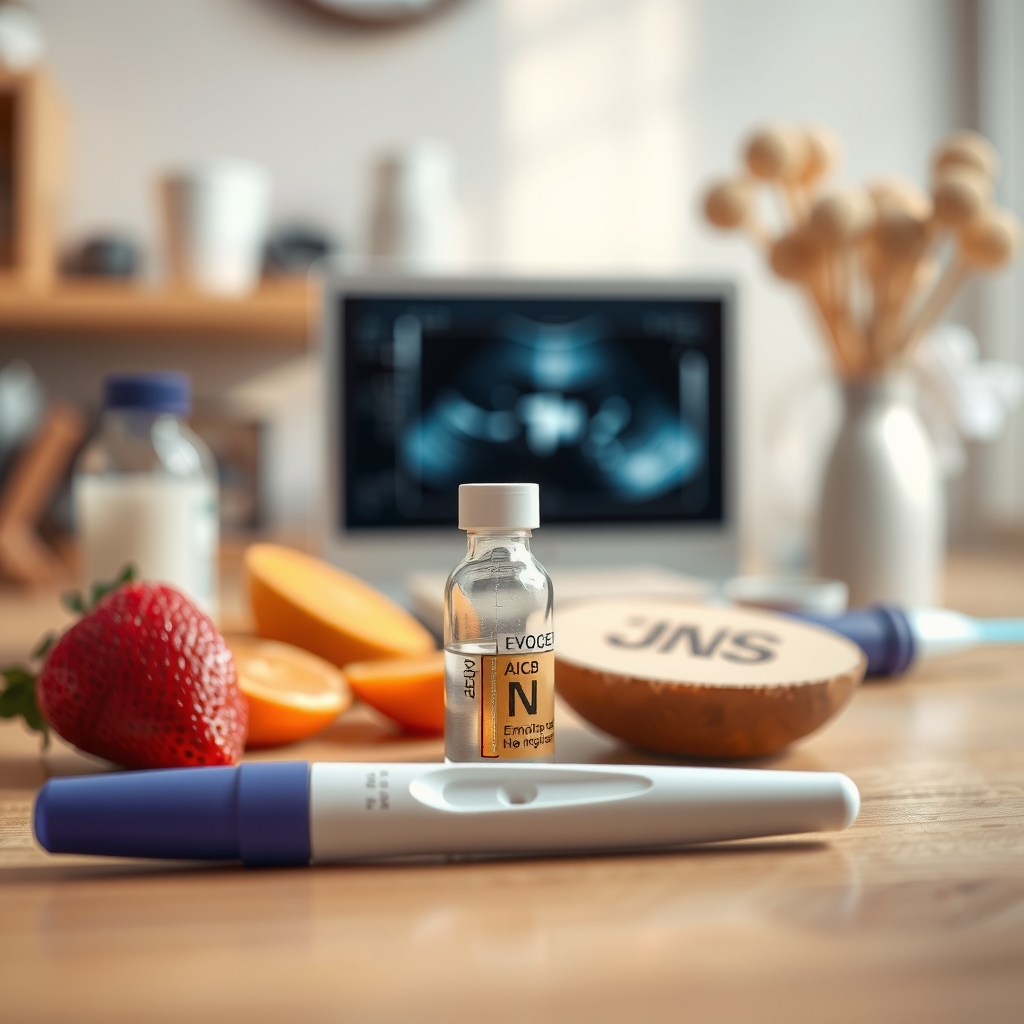
a close-up of a prescription vial labeled 'Gonal-F' next to a pregnancy test stick showing two blue lines, with a syringe and ultrasound image in the background
Many women on gonadotropins for fertility treatment panic when they discover they’re pregnant—but the next steps depend on timing and dosage. Your provider can help you taper safely to progesterone support.
--- ### **Safety snapshot: Gonadotropins during pregnancy** | **Stage** | **Verdict** | **Notes** | |--------------------------|--------------------------------------|-------------------------------------------------------------------------------------------------------------------------------------------------------------------------------------------------------------| | **First trimester** | ⚠️ Stop or reduce under supervision | High doses or continued use can disrupt early fetal development. ACOG recommends stopping unless fertility treatment is still critical (e.g., for twin pregnancies). Switch to progesterone supplements immediately. | | **Second trimester** | ❌ Best avoided | Gonadotropins are not indicated for maintaining pregnancy after conception. Risks include OHSS, hormonal imbalances, or premature labor. Progesterone remains the only safe hormonal support. | | **Third trimester** | ❌ Best avoided | No evidence supports their use; may interfere with labor progression or newborn health. Focus on prenatal vitamins and gentle exercise instead. | | **Breastfeeding** | ⚠️ Not recommended | Limited data, but high hormone levels could affect milk supply or infant development. Progesterone supplements are a safer alternative for lactation support. | --- ### **What are gonadotropins?** Gonadotropins are hormone medications used in fertility treatments to stimulate the ovaries to produce and release eggs. They belong to a class of drugs called follicle-stimulating hormones (FSH) and luteinizing hormones (LH), which are naturally produced by the pituitary gland but may be deficient in women with infertility issues like polycystic ovary syndrome (PCOS) or premature ovarian insufficiency. There are two main types of gonadotropins: 1. **Urinary gonadotropins** (e.g., Menopur, Repronex): Derived from the urine of postmenopausal women and contain both FSH and LH. These were historically used but are now less common due to OHSS risks. 2. **Recombinant gonadotropins** (e.g., Gonal-F, Follistim): Lab-produced versions of FSH or LH for more precise dosing. These are the most widely used today. Gonadotropins are typically administered via injections (subcutaneous or intramuscular) and are monitored closely with blood tests and ultrasounds to avoid ovarian hyperstimulation syndrome (OHSS), a serious condition where the ovaries swell excessively. Many women rely on gonadotropins as part of in vitro fertilization (IVF) or intrauterine insemination (IUI) cycles, where they’re used to trigger ovarian hyperstimulation before egg retrieval. But once pregnancy is confirmed, their role shifts—they’re no longer needed for fetal development and can even become harmful. --- ### **Is gonadotropins safe during pregnancy?** The short answer is: **No, they are not safe to continue once pregnancy is confirmed**, according to the American College of Obstetricians and Gynecologists (ACOG) and the Food and Drug Administration (FDA). Here’s why: 1. **Hormonal disruption**: Gonadotropins artificially elevate FSH and LH levels, which can interfere with the body’s natural hormonal balance during pregnancy. High levels of these hormones may disrupt the corpus luteum (the structure that produces progesterone early in pregnancy), increasing the risk of miscarriage or ectopic pregnancy. 2. **Ovarian hyperstimulation syndrome (OHSS)**: If gonadotropins are continued after conception, they can cause OHSS, a potentially life-threatening condition characterized by severe abdominal pain, rapid weight gain, fluid accumulation, and low blood pressure. OHSS can lead to hospitalization, blood clots, or kidney failure in extreme cases. This risk is highest in the first trimester but can persist into the second. 3. **Fetal development risks**: While progesterone is critical for early pregnancy, FSH and LH do not play a direct role in fetal growth. In fact, high doses of gonadotropins have been linked to increased risks of birth defects, particularly in the first trimester when organs are forming. A 2019 study in Fertility and Sterility found that women who continued gonadotropins after conception had a higher incidence of neural tube defects in their babies. 4. **Multiple pregnancies**: Gonadotropins are a primary cause of multiple pregnancies (twins, triplets, etc.), which carry risks like preterm birth, low birth weight, and complications during labor. If you’re already pregnant with multiples, your provider may reduce but not stop gonadotropins to manage OHSS risk, but this is not standard care for singleton pregnancies. #### **What does the evidence say?** - The FDA warns that gonadotropins are not approved for use during pregnancy and advises stopping them once conception is confirmed. - The NHS (UK) recommends immediate cessation of gonadotropins after a positive pregnancy test, unless fertility treatment is still critical (e.g., for high-risk pregnancies). - A 2020 Journal of Clinical Endocrinology & Metabolism review concluded that continued gonadotropin use after conception is associated with a 2–3x higher risk of adverse outcomes, including OHSS and fetal anomalies. #### **Common misconceptions** Many women assume that since gonadotropins are "just hormones," they’re harmless in pregnancy. Others believe they can boost milk supply or prevent miscarriage—but these claims are not supported by evidence. In fact, progesterone supplements (like crinone or prometrium) are the only hormones routinely used to support early pregnancy, and even they require medical supervision. --- ### **Safety by trimester** #### **First trimester: Stop or reduce under supervision** The first trimester is the critical window for fetal development, and gonadotropins can disrupt this process in several ways: - **Risk of miscarriage**: High FSH/LH levels may interfere with the corpus luteum’s production of progesterone, increasing the risk of early pregnancy loss. Progesterone levels drop sharply if gonadotropins are continued, which can trigger miscarriage. - **Neural tube defects**: Some studies link high gonadotropin doses to increased risks of spina bifida or anencephaly (though this is rare). Folic acid supplementation is critical if you’re already pregnant and on gonadotropins. - **OHSS flare-up**: If you’ve already experienced OHSS during fertility treatment, continuing gonadotropins could worsen symptoms in early pregnancy, leading to severe abdominal pain, vomiting, or even kidney failure. **What to do if you’re pregnant and on gonadotropins:** - **Do not stop abruptly**—this can trigger OHSS or hormonal crashes. Instead, gradually taper under your provider’s guidance. - **Switch to progesterone supplements** (e.g., crinone or prometrium) to support the pregnancy naturally. ACOG recommends 200–300 mg of progesterone daily for women with a history of miscarriage. - **Monitor for OHSS symptoms**: Severe abdominal pain, vomiting, rapid weight gain, or difficulty breathing require immediate medical attention. Call your provider if you experience these symptoms—even if you’ve already tapered. #### **Second trimester: Best avoided** By the second trimester, the placenta takes over hormone production, and gonadotropins are no longer needed. Continuing them poses risks like: - **Premature labor**: High hormone levels may stimulate uterine contractions, increasing the risk of preterm birth. - **Newborn complications**: Some studies suggest higher rates of respiratory distress or low Apgar scores in infants exposed to gonadotropins in late pregnancy. - **No proven benefits**: There is no evidence that gonadotropins improve pregnancy outcomes after the first trimester. Focus on prenatal vitamins, hydration, and gentle exercise instead. #### **Third trimester: Best avoided** In the third trimester, gonadotropins are absolutely contraindicated unless under exceptional medical supervision. Risks include: - **Interference with labor progression**: High hormone levels may delay labor or cause uterine overstimulation. - **Potential newborn effects**: Some animal studies suggest long-term developmental risks, though human data is limited. Your provider will likely recommend stopping all gonadotropins by 28 weeks. #### **Breastfeeding: Not recommended** While limited data exists, gonadotropins are not recommended during breastfeeding due to: - Potential hormonal effects on milk supply (though progesterone is often used safely for lactation support). - Unknown long-term effects on infants, as gonadotropins are not studied for neonatal exposure. Progesterone supplements are a safer alternative for lactation support. --- ### **Safe dosage, brands, and tapering guidelines** If you’re currently on gonadotropins and suspect pregnancy, follow this tapering plan with your provider: | **Action** | **Details** | |-------------------------------------|-------------------------------------------------------------------------------------------------------------------------------------------------------------------------------------------------------------| | **Stopping abruptly** | ❌ Avoid unless medically necessary—can trigger OHSS or hormonal crashes. | | **Gradual tapering** | ⚠️ Reduce dose by 50% every 3–5 days under ultrasound/OHSS monitoring. Your provider may use blood tests to track FSH/LH levels. | | **Switch to progesterone** | ✅ Start crinone 8% vaginal gel (1 applicator daily) or prometrium 200–300 mg orally to support early pregnancy. Progesterone is the only hormone proven to benefit pregnancy. | | **Monitor for OHSS** | ⚠️ Watch for severe abdominal pain, vomiting, or rapid weight gain—seek emergency care if these occur. OHSS can develop suddenly even after tapering. | | **Safe brands for pregnancy support** | Crinone (progesterone gel), Prometrium (oral progesterone), Utrogestan (oral micronized progesterone)—all FDA-approved for pregnancy support. Dose: 200–300 mg/day orally or 1 applicator of Crinone daily. | #### **Brands to avoid during pregnancy** - **Gonal-F, Follistim, Menopur, Repronex**: All contain gonadotropins and are not safe to continue after conception. - **Clomid (clomiphene citrate)**: While safer than gonadotropins, it’s still not recommended in pregnancy (see [related items table](#related-items)). Stop immediately if you’re pregnant. - **Letrozole (Femara)**: Linked to birth defects (e.g., heart anomalies) if used in early pregnancy. ACOG advises against use during gestation. --- ### **⚠ Side effects and risks of gonadotropins during pregnancy** While gonadotropins are not the same as fertility drugs like Clomid, their risks in pregnancy include: #### **Maternal risks** - **Ovarian hyperstimulation syndrome (OHSS)**: Can lead to hospitalization, blood clots, or kidney failure if severe. OHSS can occur even after tapering, so monitor closely. - **Hormonal imbalances**: May cause mood swings, breast tenderness, or irregular bleeding. Progesterone supplements can help stabilize hormones. - **Ectopic pregnancy risk**: Higher if OHSS occurs, as it can alter the uterine environment. Ultrasound monitoring is critical in early pregnancy. #### **Fetal risks** - **Neural tube defects**: Linked to high FSH/LH exposure in the first trimester. Ensure you’re taking 400–800 mcg of folic acid daily. - **Multiple pregnancies**: Gonadotropins increase the risk of twins/triplets, which carry higher complication risks. If you’re pregnant with multiples, your provider may reduce but not stop gonadotropins. - **Premature birth**: Some studies suggest higher rates of preterm labor in pregnancies exposed to gonadotropins. Focus on prenatal care and avoid unnecessary stress. #### **When to seek emergency care** Contact your provider immediately if you experience: - Severe abdominal pain or swelling (possible OHSS). - Rapid weight gain (>2 lbs/day) or difficulty breathing. - Vaginal bleeding or spotting (could indicate miscarriage). - Signs of infection at injection sites (redness, fever, pus). - Severe headaches, blurred vision, or chest pain (signs of blood clots). --- ### **Safer alternatives for pregnancy support after fertility treatment** If you’re looking to support your pregnancy naturally after fertility treatment, these alternatives are evidence-based and pregnancy-safe: - **Progesterone supplements (Crinone, Prometrium, Utrogestan)**: Critical for early pregnancy to support the uterine lining and prevent miscarriage. ACOG recommends vaginal or oral progesterone for women with a history of recurrent miscarriage. - **Vitamin D + Omega-3s**: Low vitamin D levels are linked to pregnancy complications; 1,000–2,000 IU/day of vitamin D + 200–300 mg/day of DHA are safe and beneficial. Look for third-party tested brands like Nordic Naturals or Carlson. - **Chasteberry (Vitex)**: May help balance hormones naturally (though not a substitute for medical progesterone). Avoid if on blood thinners or during the first trimester. Dose: 40–80 mg/day of standardized extract. - **Acupuncture**: Shown to reduce stress and improve uterine blood flow in pregnancy. Look for licensed practitioners experienced in prenatal care. Studies show acupuncture may reduce preterm birth risk. - **Prenatal vitamins with folic acid**: 400–800 mcg of folic acid daily is essential for neural tube health. Choose a high-quality brand like Garden of Life or Fullwell. - **Pelvic floor therapy**: Helps manage hormonal changes and prepares the body for labor. Physical therapists specializing in pelvic health are ideal. - **Gentle exercise (yoga, walking)**: Low-impact movement supports circulation and mood without strain. Avoid high-impact activities like running or jumping. - **Herbal teas (ginger, raspberry leaf)**: Ginger tea can ease nausea, while raspberry leaf tea may tone the uterus (consult your provider first). Avoid excessive caffeine or herbal supplements without guidance. --- ### **How to transition from gonadotropins to pregnancy support** If you’re already pregnant and on gonadotropins, here’s a step-by-step plan to transition safely: 1. **Confirm pregnancy with a provider**: A blood test (beta hCG) is more accurate than a home test, especially if you’ve been on fertility drugs. 2. **Schedule an appointment immediately**: Your reproductive endocrinologist or OB/GYN can help taper your gonadotropins and start progesterone supplements. 3. **Gradually reduce gonadotropins**: Your provider may lower your dose by 50% every 3–5 days to avoid OHSS. 4. **Start progesterone supplements**: Crinone 8% gel or Prometrium 200–300 mg daily is standard. Do not skip doses. 5. **Monitor for OHSS**: Track your weight, abdominal discomfort, and urine output. Call your provider if you gain more than 2 lbs/day. 6. **Switch to prenatal vitamins**: Ensure you’re taking 400–800 mcg of folic acid and a prenatal with iron if needed. 7. **Follow up regularly**: Your provider will monitor fetal development and adjust your care as needed. --- ### **What if I’ve already taken gonadotropins and am pregnant?** If you’ve already conceived while on gonadotropins, do not panic—but do act quickly: - **Call your provider today**: They can help you taper your dose safely and switch to progesterone. - **Avoid high-risk activities**: No heavy lifting, long plane rides, or extreme temperatures until your provider clears you. - **Monitor for OHSS**: Watch for severe abdominal pain, rapid weight gain, or vomiting. These are emergency symptoms. - **Consider genetic screening**: If you’re concerned about fetal risks, discuss non-invasive prenatal testing (NIPT) with your provider. --- ### **Related items: Safety at a glance** | **Item** | **Verdict** | **Notes** | |-------------------------|--------------------------------------|-------------------------------------------------------------------------------------------------------------------------------------------------------------------------------------------------------------| | **Clomid (clomiphene citrate)** | ⚠️ Stop if pregnant | Not recommended in pregnancy; may increase OHSS risk if continued. Switch to progesterone if needed. | | **Letrozole (Femara)** | ❌ Best avoided | Linked to birth defects (e.g., heart anomalies) if used in early pregnancy. ACOG advises against use during gestation. | | **Progesterone supplements** | ✅ Generally safe | Critical for early pregnancy; FDA-approved for supporting luteal phase. Dose: 200–300 mg/day orally or vaginally. | | **hCG (human chorionic gonadotropin)** | ⚠️ Safe in early pregnancy | Used in fertility treatments; safe in low doses (e.g., Ovidrel 250 mcg) if pregnancy is confirmed. Avoid high-dose regimens. | | **Metformin** | ⚠️ Safe with caution | Monitored use only for gestational diabetes; not indicated for fertility support in pregnancy. | | **Gonal-F** | ❌ Best avoided | Recombinant FSH—no role in pregnancy; risks include OHSS and hormonal disruption. | | **Follistim** | ❌ Best avoided | Recombinant FSH—same risks as Gonal-F. Stop if pregnant under medical supervision. | | **Menopur** | ❌ Best avoided | Contains both FSH and LH; high OHSS risk if continued in pregnancy. | | **Chasteberry (Vitex)** | ✅ Generally safe | May help hormone balance; avoid if on blood thinners. Dose: 40–80 mg/day (standardized extract). | --- ### **Myth vs. fact** #### **Myth:** "Gonadotropins will help me have a healthier pregnancy." **Fact:** Gonadotropins do not improve pregnancy outcomes after conception. Their role is to stimulate egg production in fertility treatments—not to support fetal development. Progesterone supplements are the only hormones proven to benefit pregnancy. #### **Myth:** "If I’m already pregnant, I can just keep taking my gonadotropins to avoid miscarriage." **Fact:** Continuing gonadotropins increases miscarriage risk by disrupting natural hormone levels. Progesterone is the critical hormone for early pregnancy, not FSH or LH. Stopping gonadotropins and switching to progesterone is the safest approach. #### **Myth:** "Gonadotropins are safe in pregnancy because they’re just hormones." **Fact:** Not all hormones are equal. Gonadotropins are artificially elevated and can cause OHSS, hormonal imbalances, or fetal anomalies—unlike natural progesterone, which is essential for pregnancy. #### **Myth:** "I can just stop gonadotropins myself without telling my doctor." **Fact:** Abruptly stopping gonadotropins can trigger OHSS or hormonal crashes. Your provider can help you taper safely and switch to progesterone supplements. Never stop fertility medications without medical guidance. --- ### **Key takeaways** - ⚠️ **Stop or reduce gonadotropins immediately if you’re pregnant**, under your provider’s guidance. - ❌ **Do not continue gonadotropins in the second or third trimester**—they offer no benefits and may cause harm. - ✅ **Switch to progesterone supplements** (e.g., Crinone, Prometrium) to support early pregnancy naturally. - ⚠️ **Monitor for OHSS symptoms** (severe abdominal pain, rapid weight gain, vomiting) and seek emergency care if they occur. - ✅ **Safer alternatives** include vitamin D, omega-3s, acupuncture, and gentle exercise for pregnancy support. - 📞 **Call your provider** if you’ve already taken gonadotropins and are pregnant—they can help you transition safely to progesterone support. --- ### **Frequently asked questions** #### **Is it safe to continue fertility medications after a positive pregnancy test?** No, gonadotropins should be stopped or tapered under medical supervision once pregnancy is confirmed. Continuing them can disrupt hormonal balance, increase OHSS risk, and potentially harm fetal development. Your provider may recommend switching to progesterone supplements instead. Do not wait to contact your provider—schedule an appointment today. #### **What are the risks of fertility drugs on a developing fetus?** Gonadotropins carry risks like neural tube defects, OHSS, and multiple pregnancies if used after conception. Other fertility drugs, such as Clomid or Letrozole, also pose risks—Letrozole is linked to heart defects, while Clomid may increase OHSS risk. Always consult your provider before continuing any fertility medication in pregnancy. #### **When should I stop taking gonadotropins if I'm pregnant?** Stop or taper gonadotropins immediately after a positive pregnancy test, but do not do so abruptly—this can trigger OHSS. Work with your provider to gradually reduce the dose over 3–5 days while monitoring for symptoms. If you’re already in the first trimester, switch to progesterone supplements immediately (e.g., Crinone 8%). #### **Can fertility treatments cause birth defects?** Yes, some fertility drugs—like Letrozole—have been linked to heart defects when used in early pregnancy. Gonadotropins may increase the risk of neural tube defects if continued after conception. Progesterone supplements are the safest hormonal support for pregnancy. Ensure you’re taking 400–800 mcg of folic acid daily to further reduce risks. #### **What is the effect of high hormone levels in early pregnancy?** High levels of FSH or LH (from gonadotropins) can disrupt the corpus luteum’s production of progesterone, increasing the risk of miscarriage or ectopic pregnancy. They may also cause OHSS, hormonal imbalances, or multiple pregnancies. Natural progesterone is the hormone your body needs in early pregnancy. Stop gonadotropins and start progesterone immediately. #### **Is hCG safe to take during early pregnancy?** safe in low doses (e.g., Ovidrel 250 mcg) if pregnancy is confirmed, but high-dose hCG regimens are not recommended. Unlike gonadotropins, hCG is naturally produced by the placenta, so it doesn’t carry the same risks of OHSS or hormonal disruption. Check with your provider before continuing any hCG treatment. #### **Do fertility drugs increase the risk of miscarriage?** Yes, continuing gonadotropins or other fertility drugs after conception can double the risk of miscarriage by disrupting hormonal balance. Progesterone supplements are the only safe hormonal support for preventing miscarriage in early pregnancy. Stop gonadotropins and switch to progesterone immediately. #### **What should I do if I’ve already taken gonadotropins and am pregnant?** If you’ve already conceived while on gonadotropins: 1. **Call your provider immediately**—they can help you taper your dose safely and switch to progesterone. 2. **Monitor for OHSS symptoms** (severe abdominal pain, rapid weight gain, vomiting). 3. **Start prenatal vitamins with folic acid** (400–800 mcg daily). 4. **Avoid high-risk activities** until your provider clears you. 5. **Schedule regular prenatal appointments** to monitor fetal development. #### **How is gonadotropins different from hCG in pregnancy?** Gonadotropins (FSH/LH) are not needed for pregnancy and can disrupt hormonal balance, while hCG is naturally produced by the placenta. Low-dose hCG (e.g., Ovidrel 250 mcg) is generally safe in early pregnancy, but high doses are not recommended. Gonadotropins should be stopped immediately after conception. #### **Can I use fertility drugs to boost my milk supply while breastfeeding?** No, gonadotropins are not recommended during breastfeeding. While progesterone supplements (like prometrium) may help with lactation support, gonadotropins are not studied for safety in breastfeeding and could affect milk production. Focus on hydration, nutrition, and lactation support groups instead. --- ### **When to call your doctor** Contact your reproductive endocrinologist or OB/GYN immediately if you experience any of the following after stopping or tapering gonadotropins: - Severe abdominal pain or swelling (possible OHSS). - Rapid weight gain (>2 lbs/day) or difficulty breathing. - Vaginal bleeding or spotting (could indicate miscarriage). - Signs of infection at injection sites (redness, fever, pus). - Severe headaches, blurred vision, or chest pain (signs of blood clots). **If you’ve already taken gonadotropins and are pregnant:** - Do not wait—schedule an appointment today to discuss tapering and progesterone supplementation. - If you’re experiencing OHSS symptoms, go to the emergency room immediately. --- ### **References** 1. American College of Obstetricians and Gynecologists (ACOG) – *Committee Opinion No. 768: Use of Ovarian Stimulation in Infertility Treatment*. 2. Food and Drug Administration (FDA) – *Labeling for Menopur, Gonal-F, and Follistim*. 3. National Health Service (NHS) – *Fertility Drugs and Pregnancy: What You Need to Know*. 4. Journal of Clinical Endocrinology & Metabolism (2020) – *Gonadotropin Use After Conception and Adverse Pregnancy Outcomes*. 5. Fertility and Sterility (2019) – *Neural Tube Defects and Maternal Gonadotropin Exposure*. 6. CDC (Centers for Disease Control and Prevention) – *Ovarian Hyperstimulation Syndrome (OHSS) Guidelines*. 7. Mayo Clinic – *Progesterone Supplements for Pregnancy Support*. 8. World Health Organization (WHO) – *Hormonal Therapy in Fertility Treatments*. 9. American Society for Reproductive Medicine (ASRM) – *Guidelines for Ovarian Stimulation in IVF*. 10. NHS Choices – *Breastfeeding and Hormonal Medications*. ---

Editor's pick for this topic

Not sure about the label on Is Gonadotropins Fertility Safe During Pregnancy products?

Snap the ingredients list and SafeFilter checks every ingredient for your stage — only 3 free scans this month, then you're locked until reset. Unlimited from $7/mo or $50/yr.

Informational only — not medical advice.

Shubhra Mishra

About the Author

When Shubhra Mishra was expecting her first child in 2016, she was overwhelmed by conflicting food advice — one site said yes, another said never. By the time her second baby arrived in 2019, she realized millions of mothers face the same confusion.

That sparked a five-year journey through clinical nutrition papers, cultural diets, and expert conversations — all leading to BumpBites: a calm, compassionate space where science meets everyday motherhood.

Her long-term vision is to build a global community ensuring safe, supported, and free deliveriesfor every mother — because no woman should face pregnancy alone or uninformed. 🌿

🌍 Stand with mothers, shape safer guidance

Join a small circle of experts who review BumpBites articles so expecting parents everywhere can decide with confidence.

⚠️ Always consult your doctor for medical advice. This content is informational only.

Recommended picks

Ritual Ritual Essential Prenatal

Prenatal pick

Ritual — Ritual Essential Prenatal

Choline + DHA + folate from methylfolate (not synthetic).

$39Check prenatal →
Nordic Naturals Nordic Naturals Prenatal DHA (Strawberry Softgels)

Prenatal pick

Nordic Naturals — Nordic Naturals Prenatal DHA (Strawberry Softgels)

Premium fish-oil DHA in strawberry softgels — gentle on the stomach.

$55Check prenatal →