Quick verdict: ⚠️ Safe with limits – low‑dose fluoride from water or toothpaste is generally considered okay for the developing baby, but high concentrations should be avoided.
It’s completely normal to stare at the toothpaste tube at 2 a.m. and wonder, “is fluoride safe for baby?” Whether you’re pregnant and thinking about future oral‑care habits, or you’ve already started brushing your newborn’s teeth, the answer isn’t a simple yes or no. In short, the consensus from the American College of Obstetricians and Gynecologists (ACOG), the U.S. Centers for Disease Control and Prevention (CDC), and the UK’s National Health Service (NHS) is that low‑level fluoride exposure is safe, but you should keep the amount within recommended limits.
Below we break down the science, the trimester‑specific guidance, how much fluoride is appropriate for infants, which toothpaste brands meet safety standards, and what you can use instead if you’d rather avoid fluoride altogether. We’ll also cover the rare but important risks, especially for babies with kidney disease, and give you a quick‑reference table of related oral‑care products.
| Stage | Verdict | Notes |
|---|---|---|
| First trimester | ⚠️ Safe with limits | Low‑dose fluoride from community water (≤0.7 mg/L) or a smear of fluoride toothpaste is acceptable; avoid high‑dose supplements. |
| Second trimester | ⚠️ Safe with limits | Same guidance as first trimester; continue using a pea‑size amount of fluoride toothpaste if recommended by your pediatric dentist. |
| Third trimester | ⚠️ Safe with limits | Maintain low exposure; excessive fluoride can increase risk of dental fluorosis after birth. |
| Breastfeeding | ⚠️ Safe with limits | Fluoride in breast milk is minimal; ensure infant’s water source meets community guidelines. |
Fluoride is a naturally occurring mineral that strengthens tooth enamel by helping remineralize tiny defects caused by acids from plaque bacteria. When you brush with fluoride toothpaste, a small amount of the mineral is absorbed into the outer layer of the teeth, making them more resistant to decay. Fluoride can also be ingested through drinking water, certain foods, and dietary supplements. In low concentrations, it has a proven benefit for preventing cavities, which is why many public health programs add it to municipal water supplies.
Overall, fluoride is considered safe for pregnant people and their developing babies when used at recommended levels. The CDC notes that community water fluoridation at 0.7 mg/L is safe for all ages, including fetuses. ACOG’s Committee Opinion on oral health in pregnancy (2020) advises that routine use of fluoride toothpaste (a smear for infants) is acceptable and may reduce early childhood caries. The NHS similarly recommends a “rice‑sized” amount of fluoride toothpaste for children under two years of age. The risk mainly arises from excessive fluoride intake, which can lead to dental fluorosis—a change in tooth enamel appearance—but this does not affect the baby’s overall health.
Most concerns about fluoride focus on high‑dose exposure, such as swallowing large amounts of toothpaste or taking fluoride supplements without medical supervision. Studies have not linked typical fluoride use to birth defects or developmental delays. However, because a newborn’s kidneys are still maturing, it’s wise to avoid very high fluoride concentrations (above 1 mg/L) unless prescribed for a specific dental condition. If you have a kidney disorder or your baby has been diagnosed with renal impairment, discuss fluoride use with your pediatrician.
Is fluoride safe for babies during the first trimester?
During the first trimester, the embryo undergoes organogenesis, the period when major organs form. The amount of fluoride that crosses the placenta is extremely low, especially when exposure is limited to community water or a tiny dab of toothpaste. ACOG’s guidance states that low‑dose fluoride does not increase risk of congenital anomalies. The key is to avoid high‑dose fluoride supplements unless specifically prescribed. A “grain‑of‑rice” amount of fluoride toothpaste (about 0.25 g) provides enough protection without posing a toxicity risk.
How much fluoride can a newborn safely consume?
Newborns typically get fluoride from breast milk, formula, and water. The American Academy of Pediatrics (AAP) recommends that infants receive no more than 0.05 mg of fluoride per kilogram of body weight per day. In practical terms, this translates to about 0.1 mg of fluoride per day for a 5‑lb (2.3 kg) newborn, which is roughly the amount found in a few milliliters of fluoridated water (0.7 mg/L). If you use formula mixed with fluoridated water, keep the total daily intake under this threshold. Fluoride toothpaste should be limited to a smear, not a full pea‑size, until the child can spit it out reliably (usually around age 2).
What are the risks of fluoride exposure for infants?
The primary risk of excessive fluoride in infants is dental fluorosis, which appears as white spots or streaks on the teeth once they erupt. Fluorosis is a cosmetic condition and does not affect tooth function. Very high fluoride ingestion can lead to acute toxicity, with symptoms such as nausea, vomiting, abdominal pain, and in extreme cases, seizures. These severe cases are rare and usually involve accidental ingestion of large amounts of toothpaste or fluoride tablets. For babies with compromised kidney function, the ability to excrete fluoride is reduced, so keeping exposure low is especially important.
Are there fluoride‑free toothpaste options for babies?
Yes, the market now offers several fluoride‑free toothpaste formulations designed for infants and toddlers. These products typically use mild abrasives like calcium carbonate or baking soda, and some add natural sweeteners such as xylitol. Fluoride‑free options are a good choice if you prefer to avoid fluoride altogether or if your pediatrician advises limiting fluoride due to a medical condition.
Which baby toothpaste brands contain safe levels of fluoride?
When you want a fluoride toothpaste that meets safety standards, look for products that list fluoride at ≤ 1450 ppm (parts per million) and recommend a smear or rice‑size amount for children under three. Popular brands that meet these criteria include:
- Colgate Baby Toothpaste (1450 ppm fluoride)
- Aquafresh Baby Toothpaste (1450 ppm fluoride)
- Crest Kids Fluoride Toothpaste (1000 ppm fluoride, recommended pea size for ages 2‑5)
- Tom’s of Maine Fluoride Toothpaste (1450 ppm fluoride, natural ingredients)
Always follow the manufacturer’s instructions and your dentist’s advice on the amount to use.
Can fluoride cause dental fluorosis in toddlers?
Yes, excessive fluoride during the years when primary teeth are forming (roughly birth to age 6) can lead to dental fluorosis. The condition is dose‑dependent: the higher the fluoride intake, the greater the risk. Using only a smear of toothpaste and monitoring water fluoride levels keep the risk low. If you notice white streaks on your child’s teeth, talk to a pediatric dentist; they can assess severity and recommend any needed adjustments.
What are safe alternatives to fluoride for infant oral care?
- Tom’s of Maine Fluoride‑Free Baby Toothpaste – uses mild abrasives without fluoride.
- Baking Soda Toothpaste for Infants – gentle cleaning with sodium bicarbonate.
- Xylitol Baby Toothpaste – xylitol may help reduce cavity‑causing bacteria.
- Herbal Mouthwash for Babies – a rinse with chamomile and mild essential oils.
- Oil Pulling with Coconut Oil – swishing a small amount can reduce plaque.
- Silica‑Based Fluoride‑Free Toothpaste – uses silica particles for polishing.
- Calcium‑Rich Water for Drinking – provides natural calcium without added fluoride.
- Sea Salt Rinse for Infant Teeth – a gentle saline rinse to clean gums.
Is fluoride safe for babies with kidney disease?
Babies with renal impairment have a reduced ability to excrete fluoride, so the margin for safe exposure narrows. The National Kidney Foundation advises limiting fluoride intake to the lowest practical level, typically by using non‑fluoridated water for formula and choosing fluoride‑free toothpaste. Always coordinate with your pediatric nephrologist and dentist to tailor a safe oral‑health plan.
Safe dosage, amount, and brand guidance
For infants, the recommended fluoride intake varies by age:
| Age | Recommended fluoride intake (mg/day) | Typical source |
|---|---|---|
| 0‑6 months | 0.01–0.05 | Breast milk or formula mixed with low‑fluoride water |
| 6‑12 months | 0.05–0.07 | Fluoridated water (≤0.7 ppm) plus a smear of toothpaste |
| 12‑24 months | 0.07–0.10 | Fluoridated water plus pea‑size toothpaste if spitting is possible |
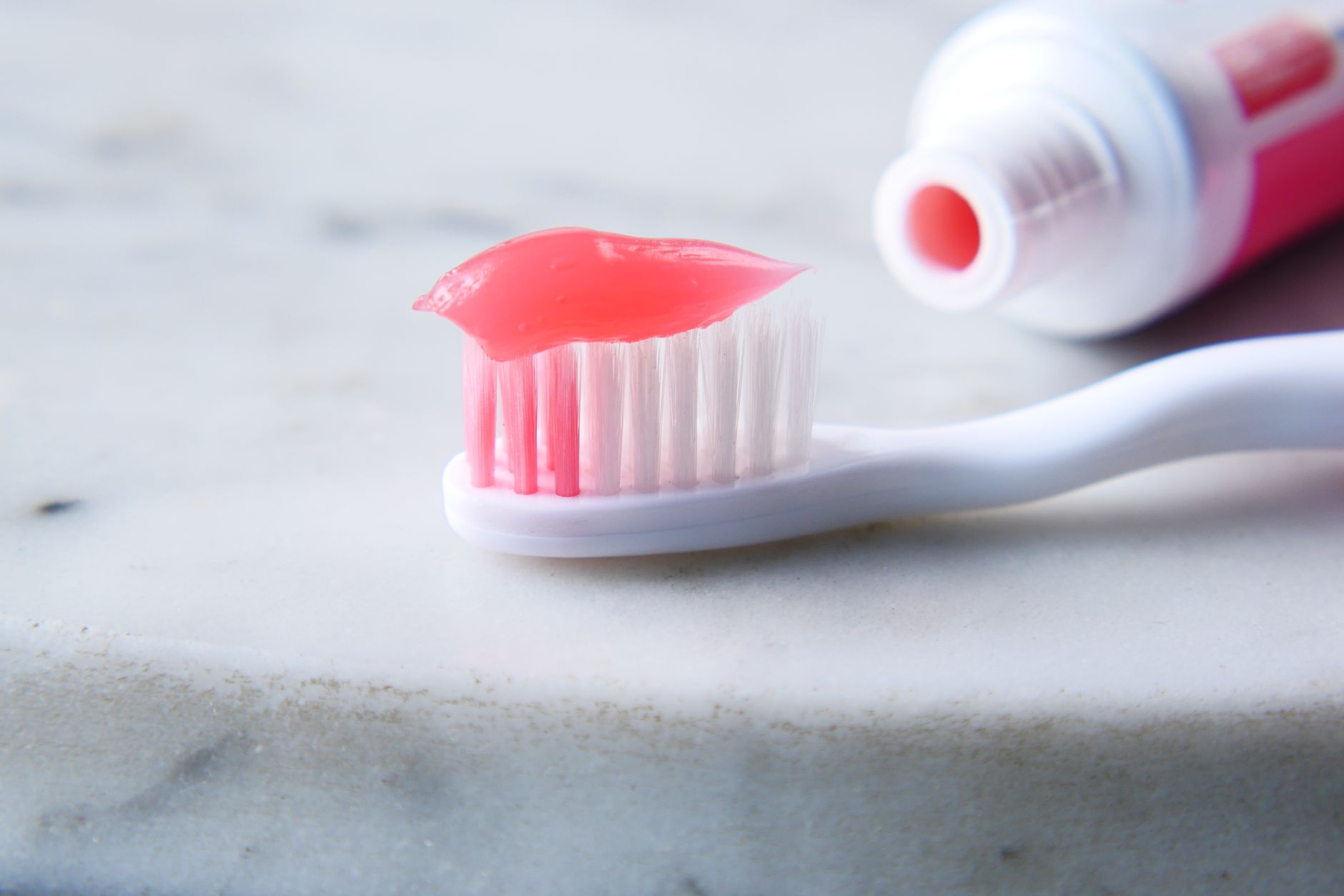
When choosing a toothpaste, look for the fluoride concentration (ppm) and follow the “smear” guideline for children under two. Brands such as Colgate Baby Toothpaste and Tom’s of Maine Fluoride Toothpaste meet the ≤ 1450 ppm standard. If you prefer a completely fluoride‑free option, Tom’s of Maine Fluoride‑Free Baby Toothpaste and the baking soda formulas listed above are safe choices.