Escitalopram (Lexapro) during pregnancy: safe in low doses? Learn risks, first-trimester warnings, and alternatives from experts. Keyword: is escitalopram
By Shubhra Mishra — a mom of two who turned her own confusion during pregnancy into BumpBites, a global mission to make food choices clear, safe, and stress-free for every expecting mother. 💛
Check whether any food is safe during pregnancy with the BumpBites Food Safety Checker.
Quick verdict: ⚠️ Escitalopram (Lexapro) is generally considered safe during pregnancy when prescribed by your provider, but it carries some risks that require careful monitoring. Most guidelines recommend using it only if the benefits outweigh the risks, especially in the first trimester. Always discuss alternatives and your specific situation with your obstetrician or psychiatrist.
You’re scrolling through your phone at 2 am, heart pounding, when you spot the words “depression” and “Lexapro” in your search history. The last pill you took was before you even knew you were pregnant. Now you’re staring at the bottle on your nightstand, wondering: is escitalopram lexapro safe during pregnancy? Maybe you’ve been on it for months and only just found out. Maybe you’re considering starting it now. Either way, the panic sets in—what if it’s not safe? What if it’s already too late?
Here’s the truth: escitalopram lexapro safe during pregnancy is a nuanced question, and the answer depends on your trimester, dosage, and the severity of your symptoms. While some antidepressants are considered safer than others, escitalopram isn’t off-limits entirely—it’s just not a one-size-fits-all solution. The American College of Obstetricians and Gynecologists (ACOG) and UK’s National Health Service (NHS) both acknowledge that selective serotonin reuptake inhibitors (SSRIs), including escitalopram, can be used during pregnancy when necessary, but they require vigilant monitoring. This article breaks down everything you need to know—from trimester-by-trimester safety to safer alternatives—so you can make an informed decision with your provider.
If you’ve already taken escitalopram before realizing you were pregnant, take a deep breath. Most studies suggest that a single missed dose or a brief exposure isn’t likely to cause harm, but ongoing use—especially in the first trimester—demands careful consideration. Below, we’ll explore the risks, the science, and what your next steps should be.
Trimester / Situation
Safety Verdict
Key Considerations
First Trimester
⚠️ Safe with precautions
Higher risk of birth defects (e.g., heart issues) linked to SSRI use. Monitor closely; consider alternatives if possible.
Second Trimester
⚠️ Safe with precautions
Risk of birth defects decreases, but neonatal adaptation syndrome (e.g., jitteriness) may occur near delivery.
Third Trimester
⚠️ Safe with precautions
Risk of neonatal withdrawal symptoms (e.g., irritability, feeding difficulties) increases. Tapering may be recommended.
Breastfeeding
⚠️ Safe with precautions
Passes into breast milk in small amounts; generally considered safe but monitor baby for side effects.
Many pregnant women continue escitalopram under medical supervision when benefits outweigh risks.
---
## What is escitalopram (Lexapro)?
Escitalopram, sold under the brand name Lexapro, is a selective serotonin reuptake inhibitor (SSRI)—a type of antidepressant that increases levels of serotonin, a chemical in the brain linked to mood regulation. Unlike some older antidepressants, SSRIs like escitalopram are generally well-tolerated and have a lower risk of side effects like weight gain or sexual dysfunction (though they’re not risk-free). People take escitalopram to treat major depressive disorder (MDD), generalized anxiety disorder (GAD), and sometimes panic disorder.
The drug was approved by the FDA in 2002 specifically for depression and later for generalized anxiety disorder. It’s often preferred over other SSRIs because it’s metabolized more predictably in the body, meaning dosage adjustments are usually simpler. However, its safety during pregnancy hasn’t been definitively proven—unlike, say, acetaminophen, which is considered low-risk in pregnancy.
Escitalopram works by blocking the reabsorption of serotonin in the brain, effectively boosting its availability to improve mood and reduce anxiety. While it’s not a “cure” for depression, it can help manage symptoms significantly for many people. The question during pregnancy, though, is whether the benefits of taking it outweigh the potential risks to the developing fetus.
---
## Is escitalopram (Lexapro) safe during pregnancy?
The short answer is: it depends. Current evidence suggests that escitalopram lexapro safe during pregnancy is possible when used under strict medical supervision, but it’s not without risks. The ACOG and NHS classify SSRIs like escitalopram as Category C drugs during pregnancy, meaning animal studies have shown some risk, but there aren’t enough well-controlled studies in humans to draw definitive conclusions.
### Key considerations from clinical guidelines:
1. **First-trimester risk**: The most critical window for potential harm is the first trimester, when the fetus’s organs are forming. Some studies link SSRI use to a slightly higher risk of cardiac defects (e.g., atrial septal defect) and neural tube defects, though the absolute risk remains low. A 2020 meta-analysis published in JAMA Psychiatry found that women who took SSRIs in the first trimester had a 1.8% chance of delivering a baby with a major birth defect, compared to 1.5% for those who didn’t take them—a small but statistically significant increase.
2. **Second and third trimesters**: The risk of birth defects decreases, but other concerns arise, such as neonatal adaptation syndrome (e.g., jitteriness, feeding difficulties, or respiratory distress) in babies exposed to SSRIs in utero. This is thought to occur because the fetus becomes accustomed to higher serotonin levels while in the womb and may struggle to adapt after birth.
3. **Breastfeeding**: Escitalopram passes into breast milk in small amounts. The American Academy of Pediatrics (AAP) considers it compatible with breastfeeding in moderate doses, but monitoring the baby for side effects (e.g., poor feeding, excessive crying) is recommended.
### What does the evidence actually show?
- A 2019 study in BMJ analyzed data from over 1 million pregnancies and found that women who took SSRIs during pregnancy were more likely to have their babies admitted to the neonatal intensive care unit (NICU) due to withdrawal symptoms or other complications. However, the study also noted that untreated depression during pregnancy is associated with its own risks, including preterm birth and low birth weight.
- The CDC emphasizes that the decision to continue or start an SSRI during pregnancy should be individualized, considering the severity of the mother’s symptoms, her mental health history, and the potential risks to the fetus.
### Common misconceptions:
- **Myth**: “All SSRIs are equally safe during pregnancy.”
**Fact**: While SSRIs share a similar mechanism, some (like sertraline) may have slightly different risk profiles. Escitalopram is generally considered safer than paroxetine, for example, which is linked to a higher risk of heart defects.
- **Myth**: “If I stop taking escitalopram, my depression won’t return.”
**Fact**: Sudden discontinuation can worsen depression symptoms and may trigger withdrawal effects like dizziness or irritability. Tapering under medical supervision is safer than stopping abruptly.
---
## Safety by trimester
### Is escitalopram safe during the first trimester of pregnancy?
⚠️ **Safe with precautions**. The first trimester is the highest-risk period for birth defects, and escitalopram is not exempt from this concern. While the absolute risk of major birth defects is low (around 1.5–2%), studies suggest a slight increase compared to women who don’t take SSRIs. If you’re considering starting escitalopram in the first trimester—or have already taken it—your provider may recommend:
- **Fetal ultrasound**: To monitor for structural abnormalities, particularly heart and neural tube defects.
- **Folic acid supplementation**: Ensuring you’re taking at least 400–800 mcg of folic acid daily to mitigate potential risks.
- **Alternative evaluation**: If your depression is mild, your provider might suggest cognitive behavioral therapy (CBT) or lifestyle changes before prescribing medication.
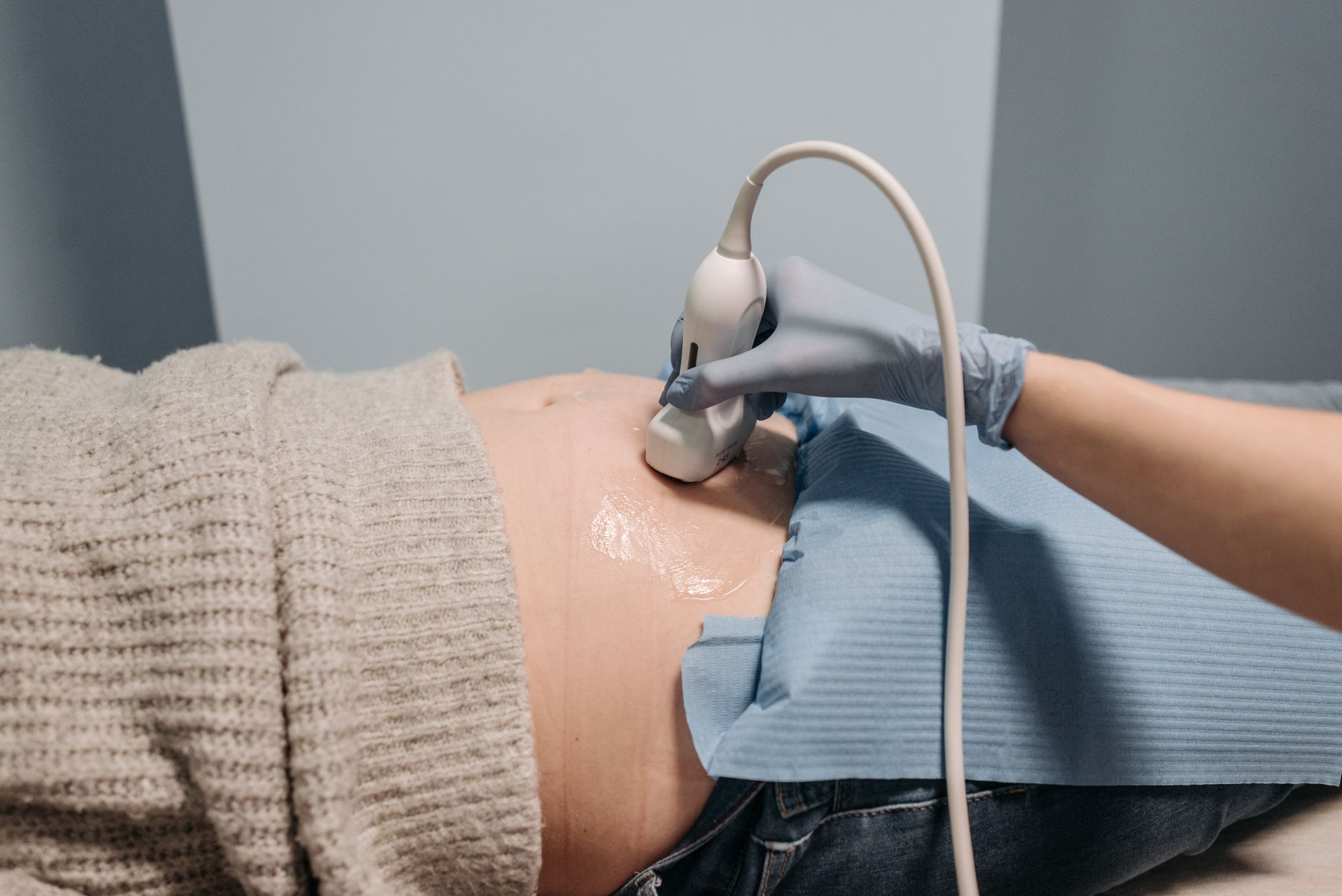
Regular ultrasounds may be recommended if escitalopram is used in the first trimester.
---
### Can escitalopram be taken safely in the second trimester?
⚠️ **Safe with precautions**. The risk of birth defects decreases in the second trimester, but new concerns emerge:
- **Neonatal adaptation syndrome**: Babies exposed to SSRIs in the third trimester (including the second trimester) may experience withdrawal-like symptoms after birth, such as jitteriness, difficulty feeding, or respiratory distress. These symptoms are usually temporary but require monitoring.
- **Dose optimization**: Your provider may adjust your dosage to the lowest effective amount to minimize fetal exposure.
---
### What about the third trimester?
⚠️ **Safe with precautions**. The third trimester is when the risks of neonatal adaptation syndrome peak. If you’re taking escitalopram, your provider might:
- **Recommend tapering**: Gradually reducing the dose in the last few weeks of pregnancy to allow the baby’s serotonin levels to normalize.
- **Monitor for side effects**: Watching for signs of withdrawal in the newborn, such as excessive crying or feeding difficulties.
- **Discuss alternatives**: If your depression is severe, your provider might explore other options like bupropion (Wellbutrin), which has a different mechanism of action and may carry fewer risks in the third trimester.
---
### Is escitalopram safe while breastfeeding?
⚠️ **Safe with precautions**. Escitalopram is considered compatible with breastfeeding by the Hale’s Medications and Mother’s Milk guide, but it’s not risk-free. Here’s what to know:
- **Low levels in milk**: Escitalopram passes into breast milk in small amounts, typically less than 1% of the maternal dose.
- **Monitor the baby**: Watch for signs of drowsiness, poor feeding, or irritability, which could indicate sensitivity.
- **Safer alternatives**: If you’re breastfeeding and struggling with depression, your provider might suggest sertraline or mirtazapine, which are also considered safer options for nursing mothers.
---
## What is the recommended dosage of escitalopram for pregnant patients?
The recommended dosage of escitalopram for non-pregnant adults with depression is typically **10–20 mg per day**, though doses may range from 5–25 mg depending on the individual’s response. During pregnancy, the approach differs:
### Dosage guidelines:
- **Starting dose**: Many providers begin with **5–10 mg/day** to minimize risk while still managing symptoms.
- **Maintenance dose**: If 10 mg isn’t effective, the dose may be increased to **15–20 mg/day**, but higher doses (e.g., 20+ mg) are generally avoided unless necessary.
- **Tapering**: In the third trimester, providers often recommend tapering the dose gradually (e.g., reducing by 2.5–5 mg every few weeks) to reduce the risk of neonatal withdrawal symptoms.
### Key points:
- **Individualized care**: Dosage should always be determined by your provider, considering your symptoms, medical history, and the severity of your depression.
- **Monitoring**: Regular check-ins with your obstetrician or psychiatrist are crucial to assess both your mental health and the baby’s development.
- **Avoid self-adjusting**: Never change your dosage without consulting your provider, as abrupt changes can worsen symptoms or cause withdrawal effects.
---
## Are there safer antidepressant alternatives for pregnant women?
If you’re concerned about escitalopram lexapro safe during pregnancy, you’re not alone. Many pregnant women and providers explore alternatives to minimize risk. Here are some options, ranked from generally safer to less preferred but sometimes necessary:
### Safer alternatives:
1. **Sertraline (Zoloft)**: Considered one of the safest SSRIs during pregnancy by the ACOG, with a lower risk of birth defects compared to other SSRIs.
2. **Citalopram (Celexa)**: Generally safe but should be used cautiously due to the risk of QT prolongation (a heart rhythm issue) at higher doses.
3. **Bupropion (Wellbutrin)**: An atypical antidepressant that doesn’t affect serotonin but may help with depression and fatigue. It’s not an SSRI and may carry fewer risks in the third trimester.
4. **Mirtazapine (Remeron)**: Often used for depression and insomnia; it’s not an SSRI and may be a good option for women who can’t tolerate SSRIs.
5. **Venlafaxine (Effexor)**: An SNRI (serotonin-norepinephrine reuptake inhibitor) that’s generally avoided in the first trimester due to higher risks of birth defects.
### Less preferred but sometimes necessary:
- **Paroxetine (Paxil)**: Linked to a higher risk of heart defects and should be avoided if possible.
- **Duloxetine (Cymbalta)**: Generally avoided in pregnancy due to limited safety data.
- **Trazodone**: Often used for insomnia or mild depression but not as a first-line treatment for major depressive disorder.
### Non-pharmacological options:
- **Therapy**: Cognitive behavioral therapy (CBT) or interpersonal therapy (IPT) can be highly effective for mild to moderate depression.
- **Lifestyle changes**: Exercise, sleep hygiene, and stress-reduction techniques (e.g., mindfulness, yoga) may help manage symptoms.
- **Support groups**: Connecting with other pregnant women facing similar challenges can provide emotional support and practical advice.
---
## Does Lexapro brand differ from generic escitalopram in pregnancy safety?
Great question! The short answer is: **no, there’s no meaningful difference in safety between Lexapro (the branded version) and generic escitalopram** during pregnancy. Here’s why:
- **Bioequivalence**: The FDA requires generic drugs to be bioequivalent to their branded counterparts, meaning they’re absorbed into the body at similar rates and achieve similar blood levels. This applies to escitalopram as well.
- **Manufacturing standards**: Both Lexapro and generic escitalopram are manufactured to strict regulatory standards, reducing the risk of variability in quality or safety.
- **Cost considerations**: Generic escitalopram is often significantly cheaper than Lexapro, which can be a practical advantage without compromising safety.
### What to look for:
- **FDA-approved generics**: Ensure the generic version you’re taking is approved by the FDA. Your pharmacist can confirm this.
- **Consistency**: Stick to the same brand of generic (e.g., Teva, Mylan) to avoid potential differences in formulation that could affect absorption.
- **Discuss with your provider**: If you’re concerned about switching from Lexapro to a generic, your provider can guide you on whether it’s safe for your specific situation.
---
## What are the potential risks of escitalopram use during pregnancy?
While escitalopram lexapro safe during pregnancy under supervision, it’s important to be aware of the potential risks—both to you and your baby. Here’s what the research shows:
### Risks to the fetus:
1. **Birth defects**: Some studies link SSRI use in the first trimester to a slightly higher risk of:
- **Heart defects** (e.g., atrial septal defect).
- **Neural tube defects** (e.g., spina bifida), though folic acid supplementation can help mitigate this risk.
2. **Neonatal adaptation syndrome**: Babies exposed to SSRIs in the third trimester may experience:
- Jitteriness or tremors.
- Difficulty feeding or poor weight gain.
- Respiratory distress or irritability.
These symptoms are usually temporary but require medical attention.
### Risks to the mother:
1. **Withdrawal symptoms**: Sudden discontinuation of escitalopram can lead to:
- Dizziness or lightheadedness.
- Headaches or nausea.
- Worsening of depression or anxiety.
2. **Prolonged labor**: Some studies suggest a possible link between SSRI use and longer labor or the need for interventions like Pitocin.
3. **Postpartum depression**: Untreated depression during pregnancy can increase the risk of postpartum depression, which is a separate but critical concern.
---
## How does escitalopram affect fetal development and birth outcomes?
Research on the long-term effects of escitalopram exposure in utero is still evolving, but here’s what we know so far:
### Short-term effects:
- **Neonatal outcomes**: Babies exposed to SSRIs in utero may be more likely to require NICU admission due to withdrawal symptoms or other complications. However, most babies recover quickly with supportive care.
- **Growth parameters**: Some studies suggest a slight increase in the risk of low birth weight or preterm birth, though the absolute risk remains low.
### Long-term effects:
- **Cognitive or behavioral development**: Early studies are mixed, but some research suggests that in-utero SSRI exposure may be linked to:
- Slightly higher rates of autism spectrum disorder (ASD) or attention-deficit/hyperactivity disorder (ADHD) in children.
- Increased irritability or sleep disturbances in infancy.
However, these findings are not definitive, and the overall risk is still considered low.
### Key takeaway:
The potential risks of escitalopram during pregnancy are real but not absolute. Many women take it safely with no adverse effects, while others experience complications. The decision to use it should always be made in collaboration with your provider, weighing the benefits of treating your depression against the potential risks.
---
## What are the side effects of escitalopram in pregnant women?
Escitalopram’s side effects during pregnancy are similar to those experienced by non-pregnant users, though pregnancy can amplify some symptoms. Common side effects include:
### Short-term side effects:
- **Gastrointestinal issues**: Nausea, diarrhea, or constipation (especially in the first few weeks).
- **Headaches or dizziness**: Common as your body adjusts to the medication.
- **Insomnia or fatigue**: Escitalopram can disrupt sleep patterns in some people.
- **Sexual dysfunction**: Reduced libido or difficulty achieving orgasm (though this is less common than with other SSRIs).
### Long-term considerations:
- **Weight changes**: Some women gain weight on escitalopram, while others experience weight loss.
- **Mood swings**: Initially, symptoms may worsen before improving as the medication takes effect.
- **Withdrawal symptoms**: If you stop suddenly, you may experience flu-like symptoms, anxiety, or depression relapse.
### When to contact your provider:
- If you experience **severe nausea or vomiting** that prevents you from keeping food down.
- If you notice **unusual bleeding** or other signs of complications.
- If your baby shows **signs of withdrawal** after birth (e.g., excessive crying, poor feeding).
---
## Safer alternatives for managing depression during pregnancy
If you’re looking for alternatives to escitalopram lexapro safe during pregnancy, here are some options—both pharmacological and non-pharmacological—that may be safer or more suitable for your situation:
1. **Sertraline (Zoloft)**: Often considered the safest SSRI for pregnancy by the ACOG, with a lower risk of birth defects.
2. **Bupropion (Wellbutrin)**: An atypical antidepressant that doesn’t affect serotonin; may be safer in the third trimester for women concerned about withdrawal symptoms.
3. **Duloxetine (Cymbalta)**: Generally avoided in pregnancy due to limited safety data, but some providers use it cautiously for chronic pain or depression.
4. **Trazodone**: Often used for insomnia or mild depression; not a first-line treatment but may be helpful for sleep disruption.
5. **Therapy**: Cognitive behavioral therapy (CBT) or interpersonal therapy (IPT) can be highly effective for mild to moderate depression.
6. **Lifestyle changes**: Regular exercise, mindfulness practices, and adequate sleep can significantly improve mood.
7. **Support groups**: Connecting with other pregnant women facing similar challenges can provide emotional support and practical advice.
---
## Related items: Safety at a glance
Here’s a quick comparison of other antidepressants and their safety profiles during pregnancy:
| **Antidepressant** | **Safety Verdict** | **Key Notes** |
|--------------------------|----------------------------------|--------------------------------------------------------------------------------|
| **Paroxetine (Paxil)** | ❌ Best avoided | Linked to higher risk of heart defects; avoid if possible. |
| **Citalopram (Celexa)** | ⚠️ Safe with precautions | Risk of QT prolongation at higher doses; monitor closely. |
| **Fluoxetine (Prozac)** | ⚠️ Safe with precautions | Generally safer than paroxetine but may increase risk of preterm birth. |
| **Sertraline (Zoloft)** | ✅ Generally safe | Considered one of the safest SSRIs for pregnancy by ACOG. |
| **Bupropion (Wellbutrin)**| ⚠️ Safe with precautions | Not an SSRI; may be safer in third trimester for withdrawal concerns. |
| **Mirtazapine (Remeron)**| ⚠️ Safe with precautions | Often used for insomnia or depression; monitor for weight gain. |
| **Venlafaxine (Effexor)**| ⚠️ Safe with precautions | Generally avoided in first trimester due to higher birth defect risks. |
| **Duloxetine (Cymbalta)**| ❌ Best avoided | Limited safety data; avoid unless benefits outweigh risks. |
| **Trazodone** | ⚠️ Safe with precautions | Used for insomnia or mild depression; not a first-line treatment. |
---
## Myth vs. fact
### Myth: “All antidepressants are equally safe during pregnancy.”
**Fact**: SSRIs share a similar mechanism, but they don’t all carry the same risks. For example, sertraline is generally considered safer than paroxetine, which is linked to a higher risk of heart defects.
### Myth: “If I stop taking my antidepressant, my depression will disappear.”
**Fact**: Sudden discontinuation can worsen symptoms and may trigger withdrawal effects like dizziness or irritability. Tapering under medical supervision is safer than stopping abruptly.
### Myth: “Breastfeeding women can’t take any antidepressants.”
**Fact**: Many antidepressants, including escitalopram, are considered compatible with breastfeeding in moderate doses. However, monitoring the baby for side effects is essential.
---
## Key takeaways
- Escitalopram (Lexapro) is generally considered safe during pregnancy when prescribed by your provider, but it carries some risks—particularly in the first trimester.
- The ACOG and NHS recommend using it only if the benefits outweigh the risks, especially for severe depression or anxiety.
- **First trimester**: Higher risk of birth defects; consider alternatives or fetal monitoring if continuing.
- **Second and third trimesters**: Risk of neonatal adaptation syndrome increases; tapering may be recommended in the third trimester.
- **Breastfeeding**: Generally safe in moderate doses, but monitor the baby for side effects.
- **Dosage**: Start with the lowest effective dose (e.g., 5–10 mg/day) and avoid higher doses unless necessary.
- **Alternatives**: Sertraline, bupropion, and therapy may be safer options depending on your symptoms.
- **Never stop suddenly**: Tapering under medical supervision is critical to avoid withdrawal symptoms or depression relapse.
---
## Frequently asked questions
###
Is escitalopram safe during pregnancy?
⚠️ Escitalopram is generally considered safe during pregnancy when used under medical supervision, but it carries some risks—particularly in the first trimester. The ACOG classifies it as a Category C drug, meaning animal studies show some risk, but human data is limited. If you’re considering starting or continuing escitalopram, discuss the risks and benefits with your provider, especially if you have a history of depression or anxiety.
---
###
What are the risks of taking escitalopram while pregnant?
The primary risks of taking escitalopram during pregnancy include:
- **First trimester**: Slightly higher risk of birth defects, such as heart or neural tube defects.
- **Third trimester**: Risk of neonatal adaptation syndrome (e.g., jitteriness, feeding difficulties) in babies exposed to the drug.
- **Withdrawal symptoms**: If you stop suddenly, you may experience dizziness, headaches, or worsening depression. Always taper under medical supervision.
---
###
Can I take Lexapro during pregnancy?
⚠️ Yes, but only if your provider determines that the benefits outweigh the risks. Lexapro (escitalopram) is often used to treat depression and anxiety during pregnancy, but it’s not without potential complications. If you’re already taking it and discover you’re pregnant, don’t stop abruptly—consult your provider about continuing, tapering, or switching to a safer alternative.
---
###
Are there safer antidepressants for pregnant women?
Yes! Some antidepressants are considered safer during pregnancy than others. Sertraline (Zoloft) is often recommended as one of the safest SSRIs, while bupropion (Wellbutrin) may be a good option if you’re concerned about withdrawal symptoms in the third trimester. Non-pharmacological options like therapy or lifestyle changes may also help manage symptoms.
---
###
What is the recommended dose of escitalopram during pregnancy?
The recommended starting dose for pregnant women is typically **5–10 mg per day**, with doses rarely exceeding **20 mg/day** unless necessary. Your provider may adjust the dose based on your symptoms and response. It’s crucial to avoid self-adjusting your medication and to follow your provider’s guidance closely.
---
###
Does escitalopram cause birth defects?
While escitalopram lexapro safe during pregnancy under supervision, some studies suggest a slight increase in the risk of birth defects—particularly in the first trimester—when compared to women who don’t take SSRIs. The absolute risk remains low (around 1.5–2%), but it’s one of the reasons why providers often recommend the lowest effective dose and may suggest alternatives if possible.
---
###
How does escitalopram affect fetal development?
Escitalopram primarily affects fetal development in the first trimester by potentially increasing the risk of structural abnormalities, such as heart or neural tube defects. In the third trimester, the main concern is neonatal adaptation syndrome, where babies may experience withdrawal-like symptoms after birth due to sudden changes in serotonin levels. Long-term effects on cognitive or behavioral development are still being studied, but current evidence suggests any risks are relatively low.
---
###
Not sure about the label on Is Escitalopram Lexapro Safe During Pregnancy products?
Snap the ingredients list and SafeFilter checks every ingredient for your stage — only 3 free scans this month, then you're locked until reset. Unlimited from $7/mo or $50/yr.
When Shubhra Mishra was expecting her first child in 2016, she was overwhelmed by conflicting food advice — one site said yes, another said never. By the time her second baby arrived in 2019, she realized millions of mothers face the same confusion.
That sparked a five-year journey through clinical nutrition papers, cultural diets, and expert conversations — all leading to BumpBites: a calm, compassionate space where science meets everyday motherhood.
Her long-term vision is to build a global community ensuring safe, supported, and free deliveriesfor every mother — because no woman should face pregnancy alone or uninformed. 🌿
🌍 Stand with mothers, shape safer guidance
Join a small circle of experts who review BumpBites articles so expecting parents everywhere can decide with confidence.