is drunk elephant passioni retinol safe during pregnancy?
Is Drunk Elephant Passioni Retinol safe during pregnancy? Avoid in first trimester—retinol risks explained + expert-approved alternatives for skin concerns.
By Shubhra Mishra — a mom of two who turned her own confusion during pregnancy into BumpBites, a global mission to make food choices clear, safe, and stress-free for every expecting mother. 💛
Check whether any food is safe during pregnancy with the BumpBites Food Safety Checker.
Quick verdict: ❌ Drunk Elephant Passioni Retinol is best avoided during pregnancy due to retinol’s potential to cross the placenta and disrupt fetal development, especially in the first trimester. The American College of Obstetricians and Gynecologists (ACOG) and the Food and Drug Administration (FDA) advise against topical retinol use during pregnancy unless explicitly approved by your provider. If you’ve already used it, there’s no need to panic—focus on monitoring for red-flag symptoms instead.
It’s 2:17 a.m., the glow of your phone screen illuminates your nightstand, and you’re staring at the Drunk Elephant Passioni Retinol bottle—half-used, its sleek packaging still intact. You just realized you’re 8 weeks pregnant. Your fingers hover over the cap, remembering how this retinol serum transformed your skin texture, erased fine lines, and made your acne scars fade. But now? The question looms: is Drunk Elephant Passioni retinol safe during pregnancy? The answer isn’t just a yes or no—it’s layered with caution, backed by decades of dermatological research, and complicated by the fact that retinol isn’t just one ingredient but a category with varying strengths and formulations.
Retinol is a powerhouse for skin renewal, but during pregnancy, even the safest skincare routines demand scrutiny. The ACOG and FDA have clear stances on topical retinoids, and Drunk Elephant’s Passioni Retinol—a cult-favorite for its balanced 0.5% retinol and soothing ingredients—falls into the "avoid" category unless your provider gives you the green light. That doesn’t mean you’re doomed to dull, acne-prone skin, though. We’ll break down why this serum isn’t pregnancy-friendly, what the science says about retinol’s risks, and—most importantly—what you can use instead to keep your skin glowing without compromising your baby’s safety.
This isn’t just about one product; it’s about understanding retinol’s role in pregnancy, the nuances of topical vs. oral retinoids, and how to navigate skincare during this transformative time. You’ll learn which ingredients to ditch, which to double-check with your provider, and—most reassuringly—how to achieve healthy, radiant skin with pregnancy-safe alternatives. Let’s dive in.
Timeframe
Safety Verdict
Notes
First Trimester
❌ Best avoided
Highest risk for birth defects; retinol may cross the placenta and disrupt fetal development.
Second Trimester
⚠️ Only with provider approval
Risk remains but may be lower; still not recommended unless your provider confirms safety.
Third Trimester
⚠️ Only with provider approval
Same caution as second trimester; avoid unless explicitly cleared.
Breastfeeding
⚠️ Avoid unless provider-approved
Limited data on topical retinol’s effects on breastfeeding infants; err on the side of caution.
When you realize you’re pregnant mid-serum application, it’s time to reassess your skincare routine.
---
## What is Drunk Elephant Passioni Retinol?
Drunk Elephant Passioni Retinol is a skincare sensation, beloved for its gentle yet effective approach to anti-aging and acne treatment. The formula combines **0.5% retinol**—a derivative of vitamin A—with **bakuchiol**, a plant-based alternative to retinol, and a blend of soothing ingredients like **squalane, chamomile, and licorice root**. Marketed as a "passionate" yet balanced retinol, it’s designed to minimize irritation while delivering results like reduced wrinkles, improved texture, and fewer breakouts.
Retinol works by accelerating cell turnover, stimulating collagen production, and unclogging pores. It’s a gold standard in dermatology for treating acne scars, hyperpigmentation, and signs of aging. But here’s the catch: while retinol is fantastic for non-pregnant skin, its mechanism of action—boosting cell division and influencing gene expression—makes it a **teratogen concern** during pregnancy. Teratogens are substances that can interfere with normal embryonic or fetal development, and while topical retinol is absorbed in smaller amounts than oral retinoids (like Accutane), the risk isn’t zero.
Drunk Elephant’s Passioni Retinol isn’t unique in its retinol content; many serums and creams contain similar concentrations. What sets it apart is its **gentle formulation**, which includes bakuchiol and adaptogens to reduce irritation. However, the presence of retinol—even in a "milder" form—means it’s not pregnancy-safe without explicit medical approval.
---
## Is Drunk Elephant Passioni Retinol safe during pregnancy?
The short answer is **no, Drunk Elephant Passioni Retinol is not safe to use during pregnancy** unless your healthcare provider has given you personalized clearance. Here’s why:
### The Science Behind the Caution
Retinol, a form of **retinoic acid**, is absorbed through the skin and can enter the bloodstream. While the amount absorbed from topical application is typically lower than from oral retinoids (like isotretinoin, or Accutane), studies suggest that even small amounts may cross the placenta. The ACOG and the FDA both advise against the use of topical retinoids during pregnancy due to potential risks to fetal development, particularly during the **first trimester** when organ formation is most vulnerable.
A 2017 study published in the Journal of the American Academy of Dermatology highlighted that while oral retinoids are well-documented teratogens, topical retinoids like tretinoin (Retin-A) and adapalene (Differin) also carry risks. The study emphasized that **no topical retinoid is completely safe during pregnancy**, and the NHS recommends avoiding them entirely unless the benefits outweigh the risks—something that’s rarely the case for cosmetic use.
### What About Bakuchiol?
You might wonder: *What about the bakuchiol in Drunk Elephant’s formula?* Bakuchiol is often marketed as a "natural retinol alternative," and some studies suggest it may have similar anti-aging benefits without the irritation. However, **bakuchiol is not a direct substitute for retinol in pregnancy guidelines**. While bakuchiol is generally considered safer (and even approved for use during pregnancy by some dermatologists), it’s not as well-studied as retinol, and its long-term effects during pregnancy are still not definitively proven. The American Academy of Dermatology (AAD) does not endorse bakuchiol as a pregnancy-safe alternative to retinol, so it’s best to avoid it unless your provider confirms it’s okay.
### Common Misconceptions
Many pregnant women assume that because retinol is "just on the skin," it can’t harm the baby. This is a dangerous myth. Even topical medications can be absorbed into the bloodstream and affect fetal development. Another misconception is that "natural" or "gentle" retinol formulas are safe. The strength of the retinol (measured in percentage) and the formulation matter, but the core risk remains. For example, Paula’s Choice Retinol products, which contain similar concentrations, are also best avoided during pregnancy unless your provider approves.
---
## Safety by trimester
### Is Drunk Elephant Passioni Retinol safe in the first trimester?
❌ Best avoided. The first trimester is the most critical period for fetal development, as all major organs and systems are forming. Retinol’s ability to influence cell differentiation and gene expression makes it a potential teratogen during this window. The ACOG explicitly advises against topical retinoids in the first trimester due to the risk of birth defects, such as cleft palate or neural tube defects. If you’ve already used Drunk Elephant Passioni Retinol in your first trimester, there’s no need to panic—focus on monitoring for any unusual symptoms (see "When to Call Your Doctor" below).
### Is Drunk Elephant Passioni Retinol safe in the second trimester?
⚠️ Only with provider approval. While the risk may be slightly lower in the second trimester compared to the first, retinol is still not recommended unless your healthcare provider has reviewed your specific situation and given you the green light. The second trimester is when the placenta is fully formed, but some studies suggest that certain topical medications may still cross into the fetal bloodstream. Always consult your provider before using any retinol-containing product during this time.
### Is Drunk Elephant Passioni Retinol safe in the third trimester?
⚠️ Only with provider approval. The third trimester carries the same caution as the second. While the focus shifts to fetal growth rather than organ formation, retinol’s potential to affect skin development or other systems means it’s still best to avoid it unless your provider confirms it’s safe for your situation. Additionally, some babies are born with sensitive skin, and introducing retinol close to delivery could pose risks for breastfeeding infants (see below).
### Is Drunk Elephant Passioni Retinol safe while breastfeeding?
⚠️ Avoid unless provider-approved. There’s limited research on whether topical retinol passes into breast milk, but the FDA advises caution. Since retinol can be absorbed systemically, it’s safer to err on the side of avoidance unless your provider has specifically cleared it for your situation. If you’re concerned about skin issues while breastfeeding, opt for pregnancy-safe alternatives (see below).
---
## Safe dosage and application
Drunk Elephant Passioni Retinol comes in a **0.5% retinol concentration**, which is considered a mid-range strength—stronger than some beginner retinols but milder than prescription retinoids like tretinoin. However, **dosage and application don’t matter during pregnancy** because the risk isn’t about how much you use but rather the potential for retinol to affect fetal development.
### What to do if you’ve already used it:
- **Don’t panic.** If you’ve used Drunk Elephant Passioni Retinol before realizing you were pregnant, there’s no evidence that a single application will harm your baby. However, if you’ve been using it consistently, stop immediately and monitor for any unusual symptoms (see "When to Call Your Doctor" below).
- **Focus on safer alternatives.** Switch to pregnancy-safe skincare immediately to avoid continued exposure.
### Brands to avoid:
- **Drunk Elephant Passioni Retinol** (0.5% retinol)
- **Drunk Elephant A.P. Retinal 0.2** (retinaldehyde, a stronger form of retinol)
- **Any other retinol-containing product** (e.g., The Ordinary Granactive Retinoid, Paula’s Choice Retinol products)
### Brands to consider (if approved by your provider):
- **Bakuchiol-based products** (e.g., Paula’s Choice Bakuchiol Serum, The Ordinary Bakuchiol 2% Sensitive Serum) — though these are not universally approved for pregnancy, some providers may allow them.
---
## ⚠ Side effects and risks
While Drunk Elephant Passioni Retinol is designed to minimize irritation, retinol can still cause side effects, especially if you’re new to the ingredient. During pregnancy, these side effects take on added importance because they could indicate systemic absorption or an adverse reaction. Here’s what to watch for:
### Common side effects (not necessarily dangerous but annoying):
- **Dryness or flakiness:** Retinol can be drying, leading to peeling or tightness. This is more of a nuisance than a risk but can be managed with gentle hydrating products.
- **Redness or irritation:** Some people experience mild redness or a "retinol burn" (a temporary stinging sensation). This usually subsides with time but can be more pronounced if you’re pregnant.
- **Increased sensitivity to sunlight:** Retinol makes your skin more susceptible to UV damage. If you’re using it (or planning to switch to a safe alternative), always use broad-spectrum SPF 30 or higher.
### Red-flag symptoms (call your provider if you experience these):
- **Severe irritation or persistent redness** that doesn’t improve after stopping the product.
- **Blistering, oozing, or open sores** on your skin.
- **Unusual rashes or hives** that spread or worsen.
- **Signs of systemic absorption**, such as headaches, dizziness, or nausea (though these are rare with topical use).
- **Any symptoms of birth defects or developmental concerns** (e.g., if you notice unusual physical features in ultrasounds, though this is extremely unlikely from a single exposure).
---
## Safer alternatives to Drunk Elephant Passioni Retinol for pregnant skin
You don’t have to give up on glowing, healthy skin during pregnancy—you just need to swap retinol for safer, pregnancy-approved alternatives. Here are the best options:
1. **The Ordinary Bakuchiol 2% Sensitive Serum** – A gentle, plant-based alternative to retinol that stimulates collagen and reduces fine lines without irritation. Bakuchiol is less studied than retinol, but it’s widely considered safer for pregnancy.
2. **Paula’s Choice 10% Bakuchiol Serum** – Another bakuchiol powerhouse, this serum is formulated for sensitive skin and includes soothing ingredients like aloe and glycerin.
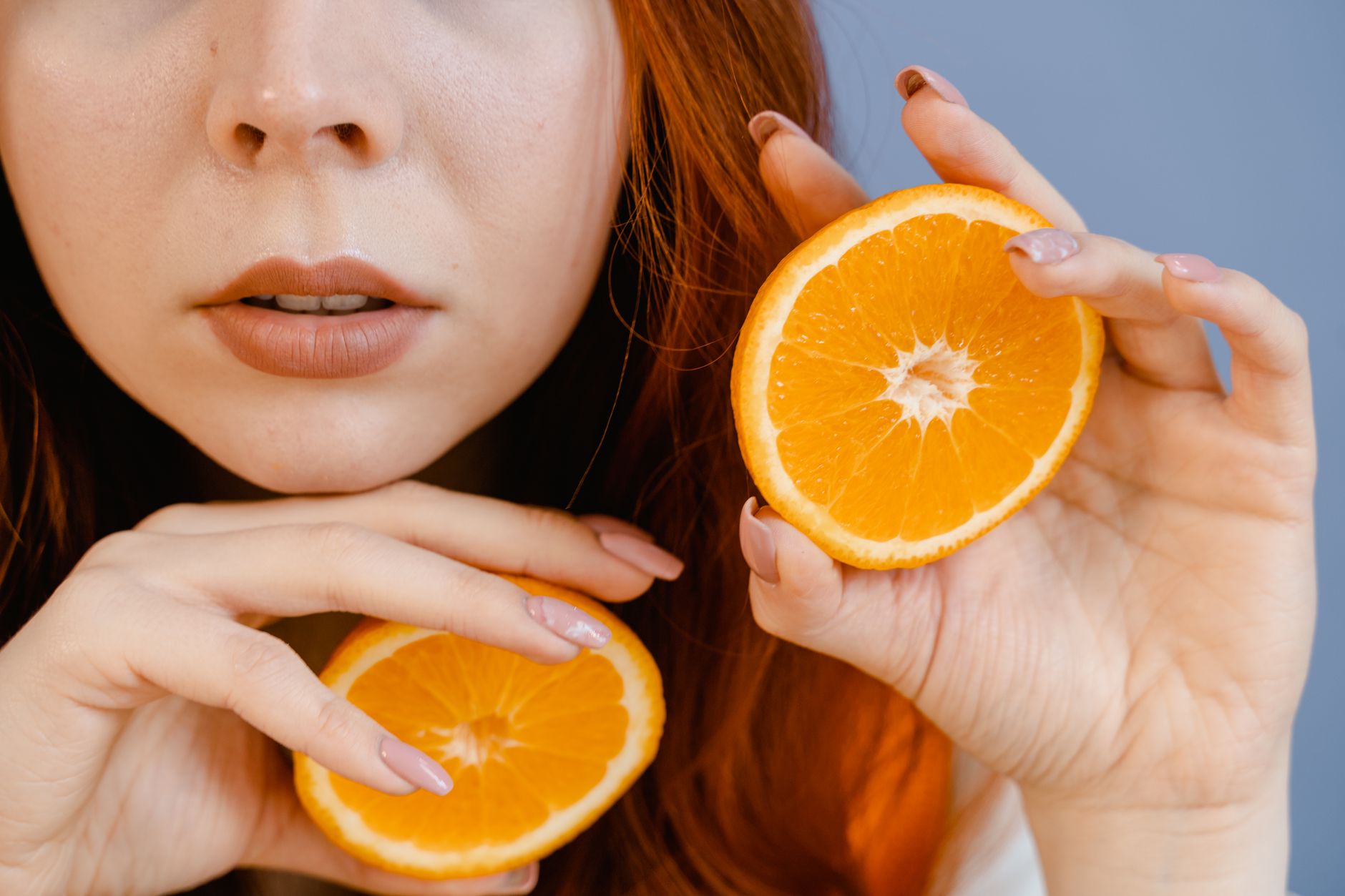
3. **The Ordinary Vitamin C Suspension 23% + HA Spheres 2%** – Vitamin C brightens skin, evens tone, and boosts collagen—all without the risks of retinol. It’s also a great antioxidant for pregnancy-safe skincare.
4. **La Roche-Posay Pure Vitamin C10 Serum** – A dermatologist-recommended vitamin C serum that’s gentle, fragrance-free, and safe for sensitive skin.
5. **CeraVe Skin Renewing Vitamin C Serum** – A budget-friendly option with vitamin C and ceramides to hydrate and brighten without irritation.
6. **SkinCeuticals C E Ferulic** – A professional-grade vitamin C serum that’s highly effective but may be too strong for sensitive skin. Always patch-test and consult your provider.
7. **Drunk Elephant C-Firma Day Serum** – While this contains vitamin C (not retinol), it’s a great alternative if you’re a Drunk Elephant fan. Avoid their retinol products entirely during pregnancy.
For acne-prone skin, consider:
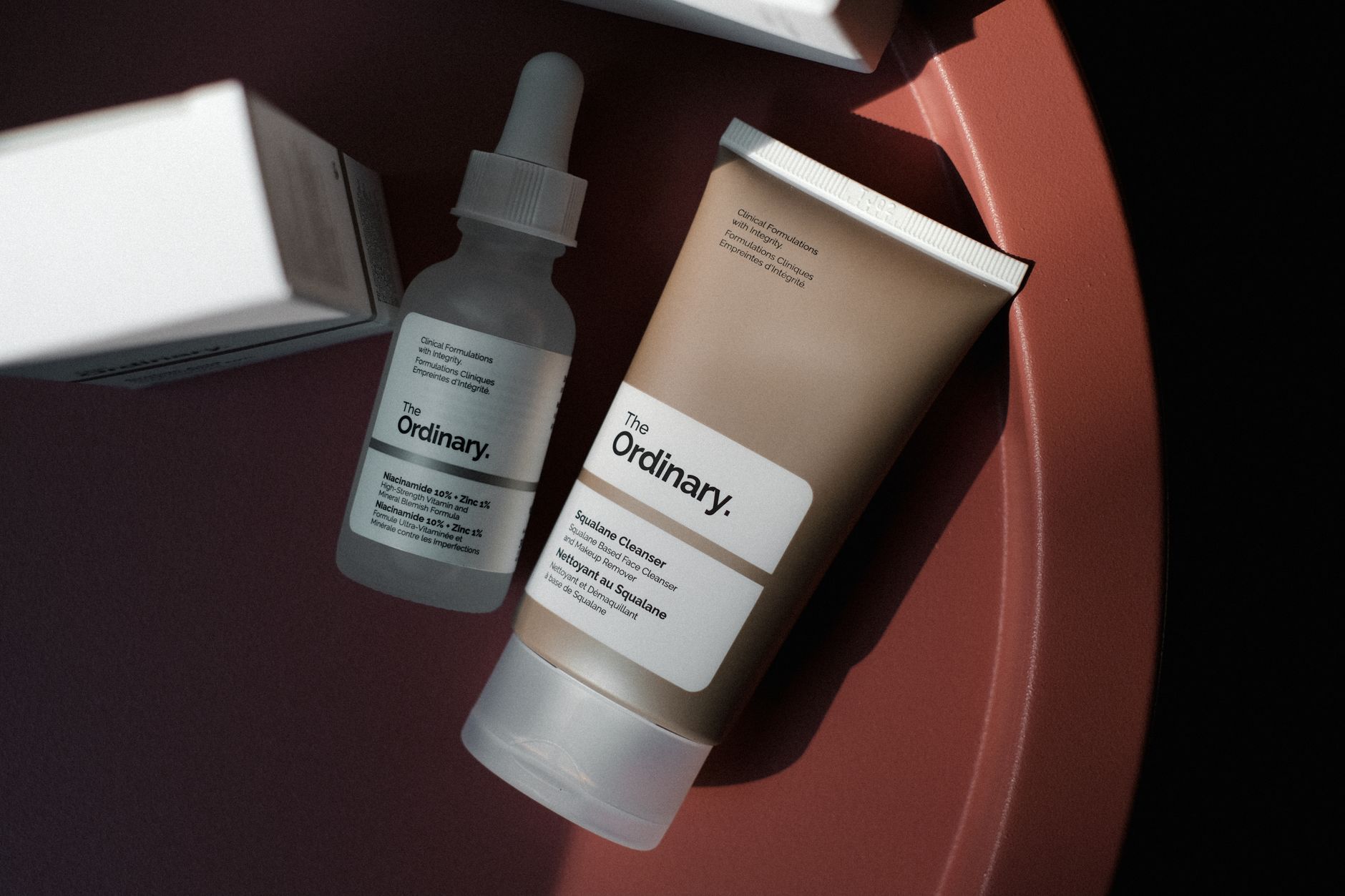
- **Niacinamide serums** (e.g., The Ordinary Niacinamide 10% + Zinc 1%)
- **Salicylic acid (BHA) cleansers** (e.g., Paula’s Choice Pore Normalizing Cleanser) – though these should be used sparingly and with provider approval.
---
## Related items — safety at a glance
Here’s a quick comparison of similar retinol-containing products and their safety status during pregnancy:
| **Product** | **Safety Verdict** | **Notes** |
|--------------------------------------|----------------------------------|----------------------------------------------------------------------------|
| The Ordinary Granactive Retinoid 2% | ❌ Best avoided | Contains granactive retinoid, a gentler alternative to retinol, but still not pregnancy-safe. |
| Paula’s Choice 1% Retinol Booster | ❌ Best avoided | Similar to Drunk Elephant; retinol is a teratogen concern. |
| SkinCeuticals Retinol 0.3 | ❌ Best avoided | Prescription-strength retinol; higher risk of systemic absorption. |
| La Roche-Posay Retinol B3 Serum | ⚠️ Only with provider approval | Contains retinol + niacinamide; consult your provider. |
| Neutrogena Rapid Wrinkle Repair | ❌ Best avoided | Contains retinol; avoid unless approved. |
| Olay Regenerist Retinol 24 | ❌ Best avoided | Strong retinol concentration; not pregnancy-safe. |
| Drunk Elephant AHA 30% + BHA 2% | ⚠️ Safe with limits | AHAs/BHAs are safer than retinol but should be used sparingly in pregnancy. |
| The Ordinary Granactive Retinoid 5% | ❌ Best avoided | Higher concentration; avoid during pregnancy. |
| CeraVe Retinol Serum | ❌ Best avoided | Contains retinol; not pregnancy-safe. |
| Biossance Squalane + Vitamin C Rose Oil | ⚠️ Safe (no retinol) | Vitamin C + squalane; a great pregnancy-safe alternative. |
---
## Myth vs. fact
### Myth: *Topical retinol can’t harm the baby because it’s "just on the skin."*
**Fact:** Retinol is absorbed into the bloodstream in small amounts, and while the risk is lower than with oral retinoids, it’s not zero. The ACOG and FDA advise against topical retinoids during pregnancy due to potential teratogenic effects.
### Myth: *Bakuchiol is completely safe during pregnancy because it’s "natural."*
**Fact:** While bakuchiol is generally considered safer than retinol, it’s not universally approved for pregnancy. The lack of long-term studies means some providers still recommend avoiding it unless explicitly cleared.
### Myth: *A little retinol now won’t hurt my baby.*
**Fact:** Even minimal exposure to retinol during pregnancy—especially in the first trimester—could theoretically pose risks. The safest approach is to avoid it entirely unless your provider confirms it’s okay for your specific situation.
---
## Key takeaways
- **Drunk Elephant Passioni Retinol is best avoided during pregnancy** due to retinol’s potential to disrupt fetal development, particularly in the first trimester.
- **If you’ve already used it, don’t panic**—but stop using it immediately and switch to safer alternatives.
- **Retinol isn’t the only option** for anti-aging or acne treatment during pregnancy. Bakuchiol, vitamin C, and niacinamide are safer choices.
- **Always consult your provider** before using any new skincare product during pregnancy, even if it’s marketed as "natural" or "gentle."
- **Monitor for red-flag symptoms** like severe irritation, blistering, or unusual rashes, and call your provider if you experience them.
- **Focus on hydration and sun protection**—gentle cleansers, hydrating serums, and broad-spectrum SPF are your best friends during pregnancy.
- **Breastfeeding?** Avoid retinol unless your provider approves, as there’s limited data on its safety in breast milk.
---
## Frequently asked questions
### Is retinol safe during pregnancy?
No, retinol is not considered safe during pregnancy unless your healthcare provider has explicitly approved its use. The ACOG and FDA advise against topical retinoids due to potential risks to fetal development, especially in the first trimester. If you’re concerned about skin issues, opt for pregnancy-safe alternatives like bakuchiol or vitamin C.
### Can I use Drunk Elephant Passioni Retinol while pregnant?
No, Drunk Elephant Passioni Retinol should be avoided during pregnancy unless your provider has given you personalized clearance. The retinol in this serum can be absorbed into the bloodstream and may pose risks to your baby, particularly during the first trimester. Switch to a safer alternative immediately if you’re pregnant.
### What are the risks of using retinol during pregnancy?
The primary risk of retinol during pregnancy is potential teratogenicity, meaning it could interfere with fetal development and increase the risk of birth defects, such as cleft palate or neural tube defects. Retinol may also cross the placenta and affect organ formation, especially in the first trimester. Additionally, retinol can cause irritation or dryness, which may be more pronounced during pregnancy due to hormonal changes.
### What are safer alternatives to retinol for pregnant skin?
Safer alternatives to retinol include bakuchiol, vitamin C, niacinamide, and gentle exfoliants like lactic acid. Products like The Ordinary Bakuchiol 2% Sensitive Serum, Paula’s Choice 10% Bakuchiol Serum, and The Ordinary Vitamin C Suspension 23% + HA Spheres 2% are excellent choices. Always patch-test new products and consult your provider before use.
### Does retinol affect fetal development?
Yes, retinol may affect fetal development because it can influence cell differentiation and gene expression. Studies have linked topical retinoids to an increased risk of birth defects, such as cleft palate and neural tube defects, particularly when used in the first trimester. While the risk is lower than with oral retinoids, it’s still a concern that healthcare providers advise against.
### Can retinol cause birth defects?
Yes, retinol has the potential to cause birth defects, especially when used during the first trimester. The ACOG and FDA caution against topical retinoids due to their teratogenic effects. If you’ve used retinol before realizing you were pregnant, there’s no need to panic, but it’s best to avoid it entirely during pregnancy unless your provider approves.
### What should I use instead of retinol during pregnancy?
Instead of retinol, use bakuchiol, vitamin C, or niacinamide for anti-aging and brightening. For acne, opt for salicylic acid (BHA) cleansers or benzoyl peroxide (used sparingly). Always choose fragrance-free, gentle formulations and consult your provider before introducing new products. Brands like The Ordinary, Paula’s Choice, and La Roche-Posay offer pregnancy-safe options.
---
## When to call your doctor
While the risk of Drunk Elephant Passioni Retinol during pregnancy is generally low for a single exposure, there are scenarios where you should contact your healthcare provider:
- **You’ve used the product consistently throughout your pregnancy** (especially in the first trimester) and are concerned about potential risks.
- **You experience severe skin irritation, blistering, or open sores** after using the product.
- **You notice unusual rashes, hives, or widespread redness** that doesn’t improve after stopping the product.
- **You have symptoms of systemic absorption**, such as persistent headaches, dizziness, or nausea (though these are rare with topical use).
- **You’re unsure whether your provider has approved any skincare products** during pregnancy and want personalized guidance.
- **You’re breastfeeding and considering using retinol**—limited data means it’s best to err on the side of caution unless your provider confirms it’s safe.
If you’re experiencing any **physical symptoms in your baby** (e.g., unusual features noted in ultrasounds), contact your provider immediately, but note that these are extremely rare outcomes from topical retinol use.
---
## References
1. American College of Obstetricians and Gynecologists (ACOG) Guidelines on Medications and Pregnancy
2. Journal of the American Academy of Dermatology (2017) – Topical Retinoids and Pregnancy
3. U.S. Food and Drug Administration (FDA) – Pregnancy and Breastfeeding Warnings
4. UK National Health Service (NHS) – Skincare During Pregnancy
5. American Academy of Dermatology (AAD) – Retinoids and PregnancySafe, effective alternatives to retinol for glowing skin during pregnancy.Vitamin C serums are a safe, effective way to brighten and hydrate skin during pregnancy.
Not sure about the label on Is Drunk Elephant A Passioni Retinol Safe During Pregnancy products?
Snap the ingredients list and SafeFilter checks every ingredient for your stage — only 3 free scans this month, then you're locked until reset. Unlimited from $7/mo or $50/yr.
When Shubhra Mishra was expecting her first child in 2016, she was overwhelmed by conflicting food advice — one site said yes, another said never. By the time her second baby arrived in 2019, she realized millions of mothers face the same confusion.
That sparked a five-year journey through clinical nutrition papers, cultural diets, and expert conversations — all leading to BumpBites: a calm, compassionate space where science meets everyday motherhood.
Her long-term vision is to build a global community ensuring safe, supported, and free deliveriesfor every mother — because no woman should face pregnancy alone or uninformed. 🌿
🌍 Stand with mothers, shape safer guidance
Join a small circle of experts who review BumpBites articles so expecting parents everywhere can decide with confidence.